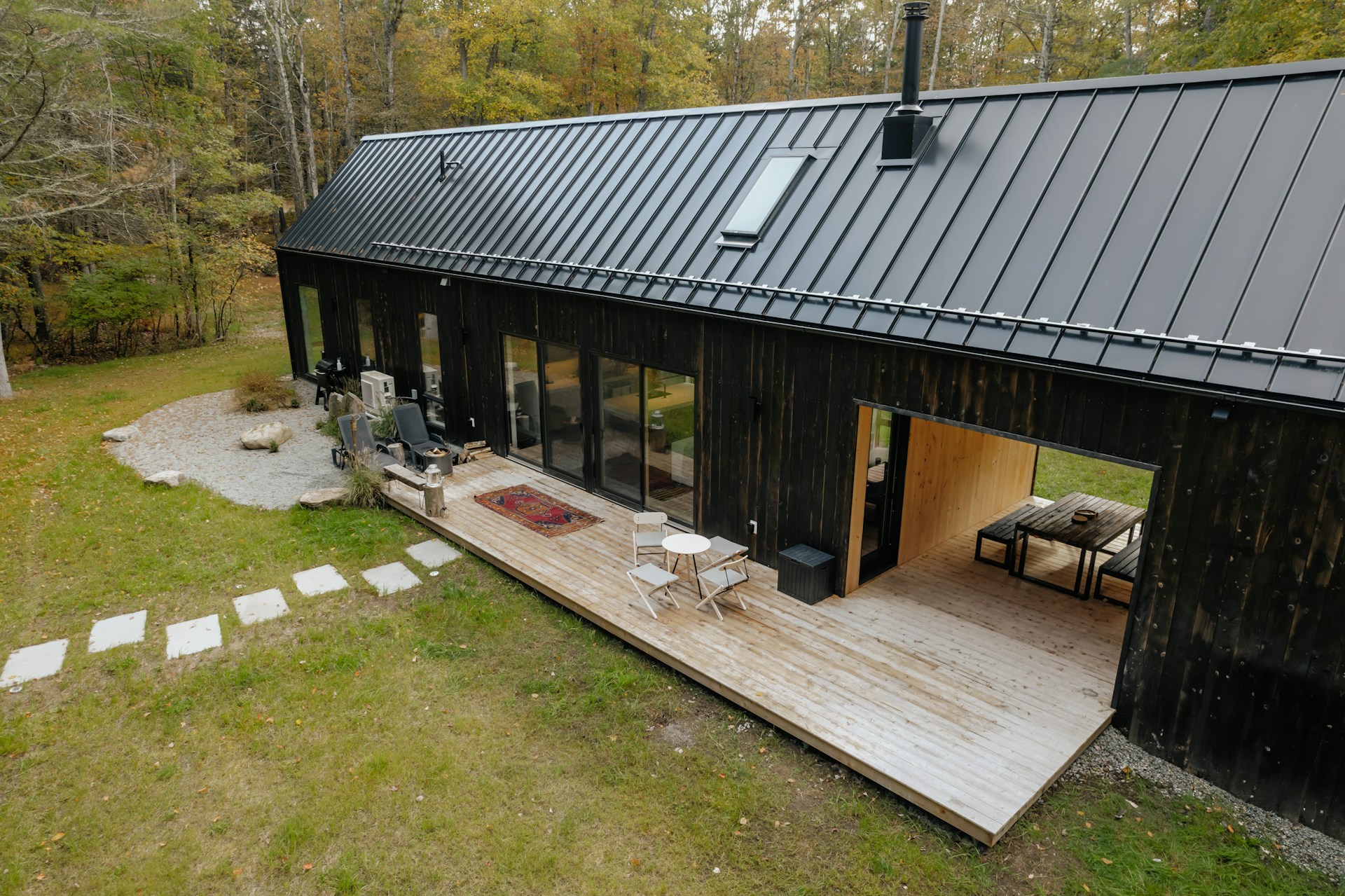
Metal slate roofing gives you the classic look of real slate without the weight, cost, or fragility that often comes with stone. It is a smart choice for homeowners who want a roof that feels timeless but performs with modern strength. Metal shingles capture the texture and depth of slate while offering dependable protection from hail, high winds, heavy rain, and fire. The result is a roof that looks refined, lasts for decades, and often requires far less upkeep.
In this guide, you will learn how metal slate shingles are built, why some homeowners prefer them over natural slate, which styles and brands stand out, and what to expect for installation, warranty details, and energy performance. You will be able to compare pros and cons clearly so you can decide whether metal slate matches your home, climate, and long-term budget.
If you are comparing metal slate with reclaimed slate for your project, Reclaimed Slate Roofing can help you review authentic reclaimed options and current inventory. Contact us to see what is available for your timeline.
What Are Metal Slate Roofing Shingles?
Metal slate roofing shingles mimic the look of natural slate while using metal panels or shingles made from steel, aluminum, or other alloys. They aim to give you the same visual texture and color depth of slate but with a lighter weight and longer service life.
Defining Metal Slate Shingles
Metal slate shingles are individual panels or interlocking tiles formed and finished to resemble real slate. Manufacturers press texture and color into metal, then coat it with paint systems that resist fading, chalking, and staining. You get the slate appearance—variation in tone and a stone-like profile—without the weight or fragility of quarried stone.
Installers use fasteners or concealed clips like other metal roofing systems. Panels often come in standard module sizes that simplify replacement. Many products carry long warranties and are rated for high wind, hail, and salt exposure.
Comparison with Natural Slate Roofs
Natural slate is cut from stone and can last 75–200 years but is heavy and needs skilled installation. Metal slate offers the same aesthetic but typically weighs a fraction of slate, reducing the need for roof reinforcement.
Natural slate tiles can crack, slip, or require frequent replacement of individual pieces. Metal slate resists cracking and shifting, and its seams or concealed clips reduce leak risk when installed correctly. Metal also provides better resistance to hail damage in many modern finishes.
Slate is more expensive upfront for materials and labor. Metal slate often costs less to install and can offer similar lifespan expectations when you choose higher-grade products.
How Metal Slate Differs from Other Metal Roofs
Metal slate focuses on replicating a stone look, while other metal roofs prioritize profiles like standing seam, corrugated, or shaker-style shingles. Standing seam gives you long, vertical panels and visible ribs; metal slate mimics small, overlapping tiles.
Most metal roofs share durability, low weight, and recyclability. But metal slate uses textured molds and multi-coat paint systems to match slate coloring and surface variation. That makes it a better fit when you want a traditional, high-end appearance rather than the modern lines of standing seam.
Choose metal slate if visual match to slate matters. Pick other metal styles if you want simpler panels, easier detailing around roof penetrations, or a more contemporary look.
Key Benefits of Metal Slate Roofing Shingles
You get a roofing option that looks like natural slate but uses metal for strength, long life, and lower upkeep. The sections below explain the main advantages so you can weigh durability, safety, and sustainability clearly.
Durability and Longevity
Metal slate roofing uses steel roofing panels formed to match slate tiles. You can expect a service life of 40 to 70 years with quality coatings and proper installation. That beats most asphalt roofs and matches or exceeds natural slate in many cases.
The panels resist cracking and breakage that affect real slate. Interlocking metal roof shingles create a continuous surface that spreads loads and resists wind uplift. Hidden fasteners reduce the chance of loose pieces over time.
Look for warranties on both the metal substrate and the finish. A solid warranty signals thicker gauges, corrosion-resistant coatings like galvalume, and a better manufacturer support network for metal roofing systems.
Weather Resistance and Fire Safety
Metal slate roofing sheds water quickly and performs well in heavy rain, snow, and hail. Many metal roof shingles earn Class 4 impact ratings and can withstand high winds when installed with recommended underlayment and flashing.
Steel roofing panels with quality coatings resist salt air and corrosion for coastal homes. The interlocking design reduces leak paths, and proper venting prevents ice dams in snowy climates.
Metal roofing is non-combustible. A metal slate roof typically carries a Class A fire rating, lowering fire risk and often qualifying you for insurance discounts in fire-prone areas.
Low Maintenance and Sustainability
You won’t need frequent repairs or roof replacements. Metal slate shingles resist rot, insect damage, and granule loss that plague asphalt. Simple annual checks and occasional gutter cleaning usually keep the system performing well.
Most metal roofing systems use recycled steel and are fully recyclable at end of life. The long service life reduces material use over decades compared with multiple asphalt replacements.
Energy savings also help. Reflective coatings on metal roof shingles can lower cooling loads in hot climates, and installing over an existing shingle layer can create an added ventilation gap that improves thermal performance.
Popular Metal Slate Roofing Shingle Styles and Brands
You’ll find metal slate shingles that copy real slate look, lock together for wind resistance, and come in many colors and textures. Pick a style that matches your home’s look, budget, and local weather conditions.
North Ridge Slate and Quadra-Loc Technology
North Ridge Slate uses a patented Quadra-Loc fastening system that helps shingles lock tightly at four points. That system reduces uplift in high winds and keeps the roof surface flat, so water sheds cleanly and debris won’t pry panels loose.
If you want a slate appearance that performs like metal, North Ridge offers profiles that mimic natural slate’s irregular edges and thickness. The shingles are made from steel with a stone-coated finish, so you get the look of slate without brittle breakage. Installation is faster than laying real slate tiles, and the manufacturer provides specific instructions for Quadra-Loc alignment to ensure proper performance.
ArrowLine Slate and Enhanced Slate Options
ArrowLine Slate blends a stepped slate profile with a heavy-gauge steel core for better impact resistance. The design reproduces the layered look of traditional slate while using raised lines to create shadow and depth on your roof.
You’ll see enhanced options such as wider panels, deeper texture, and thicker coatings for coastal or storm-prone areas. ArrowLine systems often include matching ridge pieces and starter strips so seams stay tight. Look for product specs on gauge, warranty, and finish type when comparing ArrowLine to other metal slate roof products.
Steel Slate and Sentry Slate Shingles
Steel Slate and Sentry Slate focus on raw material strength and long-term corrosion protection. Manufacturers use galvanized or galvalume steel and then apply multiple layers of paint and a stone or ceramic granule topcoat to resist fading.
These lines are aimed at homeowners who want low maintenance and long lifespan. Steel Slate often emphasizes dimensional accuracy so your roof looks uniform from the ground. Sentry Slate lines highlight rust resistance and include accessories—ridges, flashing, and trim—designed to match the slate profile for a cohesive finish.
Color and Texture Choices
Color options run from deep charcoal and slate gray to green, brown, and blended multi-tone mixes that mimic natural stone. Many brands offer a granular stone-coating that adds texture and camouflages seams.
Finishes include matte and low-sheen profiles to reduce glare and textured coatings that hide footmarks and scratches. Ask for color chips and request a sample panel so you can check how light and shadow change the look on your house.
Installation and Technical Considerations
You need secure interlocks, correct fasteners, and a compatible roof deck. Choose the right panel profile, metal gauge, and underlayment for your roof pitch and local code requirements.
Panel Interlocking and Fastener Systems
Panel interlocks must form a continuous water barrier. Look for panels that lock together with a positive overlap or concealed clip system. Exposed fasteners can leak; concealed clips with screws into the deck or purlins provide better wind uplift resistance.
Use fasteners rated for your metal type to avoid galvanic corrosion. Stainless steel or coated screws with neoprene washers work well for steel slate and other metal slate products. Follow manufacturer spacing—commonly 6–12 inches along laps and 12–24 inches at field clips—unless local code or wind zone calls for closer spacing.
Seal critical joints with compatible butyl or polymer sealants only where the manufacturer allows. Flashing at valleys, eaves, hips, and penetrations must integrate with the interlock pattern to prevent water entry.
Weight, Gauge, and Substrate Materials
Metal slate is lighter than natural slate but heavier than some other metal panels. Typical steel slate gauges run from 24 to 29 gauge. Thicker gauges resist denting and last longer; thinner gauges cost less and install easier on retrofit jobs.
Match the substrate to the panel and local loads. Solid plywood or OSB decking (minimum 7/16" to 1/2" commonly) gives a stable base for slate-style panels. Over-purlin installations require proper spacing and attachment points sized for your gauge and wind loads.
If you reroof over existing shingles, confirm the panel manufacturer allows over-roofing. Extra layers can change drainage and fastening depth, and may void warranties.
Underlayment and Roof Slope Requirements
Use a weather-resistant underlayment rated for metal roofing and your climate. Synthetic underlayments resist tearing and shed moisture; ice-and-water shield is required at eaves and valleys in cold climates. Install underlayment with recommended overlaps and fasteners to avoid flutter beneath panels.
Metal slate panels often require a minimum slope. Many systems need at least 3:12 (3 inches rise per foot) for proper shedding. Low-slope applications may need sealed seams, specialized panels, or additional substrate measures according to the manufacturer.
Follow ventilation requirements for your roof assembly. Proper attic ventilation reduces condensation risk under metal roofing and helps maintain the underlayment and deck over time.
Cost, Lifespan, and Warranty Insights
Metal slate roofing combines a higher upfront cost with long service life and strong warranty options. You’ll pay more than asphalt but often less than natural slate, and warranties reflect both the material and the finish.
Pricing Compared to Asphalt and Slate
Metal roof shingles that mimic slate generally cost between about $8 and $18 per square foot installed. Asphalt shingles typically run $3 to $7 per square foot installed, so metal slate costs about 2–3× more up front. Natural slate usually costs $15 to $30 per square foot installed, making metal slate a mid-range choice.
Material type matters: steel panels sit near the low end, aluminum in the middle, and copper or premium coated panels push toward the top end. Roof complexity and labor add to price. Steep slopes, multiple valleys, and removal of old roofing raise installation costs. Ask contractors for itemized bids showing material, labor, underlayment, flashing, and disposal so you can compare apples to apples.
Expected Lifespans and Warranty Coverage
Metal slate roofing lifespans typically fall in the 40–70 year range depending on metal and coating. Steel with a good finish often lasts 40–50 years; aluminum and copper can exceed 50–70 years with proper care.
Manufacturer warranties vary. Expect paint or finish warranties from 20 to 40 years and material warranties that can cover 30 to 50 years. Labor warranties from contractors are usually shorter, often 1–10 years, so confirm that labor and materials are both protected. Read warranty fine print for exclusions like hail damage, improper installation, or coastal corrosion. Keep records of maintenance and any contractor work to preserve warranty claims.
Return on Investment Over Time
You recoup higher upfront costs through lower maintenance, energy savings, and longer replacement intervals. Metal roofs reflect heat, which can reduce cooling bills in warm climates; reflectivity and insulation decisions influence actual savings.
Compared to asphalt, you avoid re-roofing cycles every 15–30 years, which cuts long-term material and labor costs. You get similar looks to natural slate with lower weight and installation complexity, often saving on structural reinforcement and installation labor. When calculating ROI, include expected lifespan, local energy prices, potential insurance discounts, and resale value improvements.
Environmental Impact and Energy Efficiency
Metal slate roofing shingles often use recycled metal and last much longer than asphalt, so you replace them less often. They can lower energy use when paired with reflective coatings and a properly ventilated roof assembly.
Recyclability and Materials Sourcing
Manufacturers commonly use steel or aluminum, both of which are highly recyclable. When your roof reaches end of life, the panels and shingles can be reclaimed and melted down, cutting landfill waste compared with asphalt shingles.
Check product labels for post-consumer recycled content. Steel roofs often contain 25–90% recycled steel; aluminum roofs commonly include high recycled content too. Local sourcing reduces transport emissions, so ask manufacturers where their metal is produced and whether they use regional mills.
Also confirm coatings and fasteners. Some paints or sealants complicate recycling; low-VOC and water-based finishes are better. If you want a low-impact choice, pick a metal roofing system with documented recycled content and clear end-of-life recycling plans.
Cool Roof Coatings and Energy Savings
Cool roof coatings reflect more solar heat and lower attic temperature. If your metal roofing system has a high solar reflectance index (SRI), you can cut cooling energy use—especially in warm climates—by a noticeable amount.
Look for factory-applied reflective finishes or certified cool-coating options. These finishes reduce heat gain, extend the life of underlayment, and work well with ridge vents and insulation to lower HVAC runtime. In many areas, reflective metal roofs may qualify for rebates or meet local energy codes.
Color matters: light and reflective tones perform best, while darker metal slate finishes reduce the cooling benefit. Ask for measured SRI values and expected energy savings for your climate to choose the right metal roofing solution.
If you want to compare metal slate with authentic reclaimed slate or need help choosing the right material for your home, the team at Reclaimed Slate Roofing can guide you through available options and provide vetted reclaimed slate ready for fast delivery. Contact us to review current stock and plan your next steps confidently.
Frequently Asked Questions
This material gives you a lighter, low‑maintenance alternative to natural slate with many style options. You can expect long service life, strong weather resistance, and recyclable materials depending on the product.
What are the main benefits of installing metal slate roofing on my home?
You get the look of natural slate but with much less weight, which lowers structural demands. It resists cracking, curling, and granule loss that affect some other roofs, so you’ll spend less on repairs and maintenance.
How does the lifespan of metal slate roofing compare to traditional slate roofing?
High‑quality metal slate typically lasts 40–70 years depending on the metal and coating. Natural slate can last 75–200 years, but metal often gives similar visual life with lower cost and lighter weight.
Can metal slate roofs withstand severe weather conditions like hail and high winds?
Yes. Many metal slate products carry wind ratings up to 140 mph and offer good impact resistance. Performance varies by metal gauge, profile, and fastening method, so choose a tested system for your climate.
Are there different color and style options available for metal slate roofing shingles?
You’ll find a wide range of colors, finishes, and profiles that mimic slate, tile, or shake. Options include painted, textured, and stone‑coated finishes to match your home’s style.
What is the typical cost range for installing a metal slate roofing system?
Installed costs commonly range from about $7 to $20 per square foot for many systems, depending on material, complexity, and labor. Premium metals, custom profiles, and steep or intricate roofs push costs higher, while simpler installs and thinner panels sit near the low end.
How eco-friendly are metal slate roofing materials, and can they be recycled?
Metal roofing often contains recycled content and is usually 100% recyclable at the end of its life. It lasts for decades and can be installed over some existing roofs, which reduces waste and long-term material use.