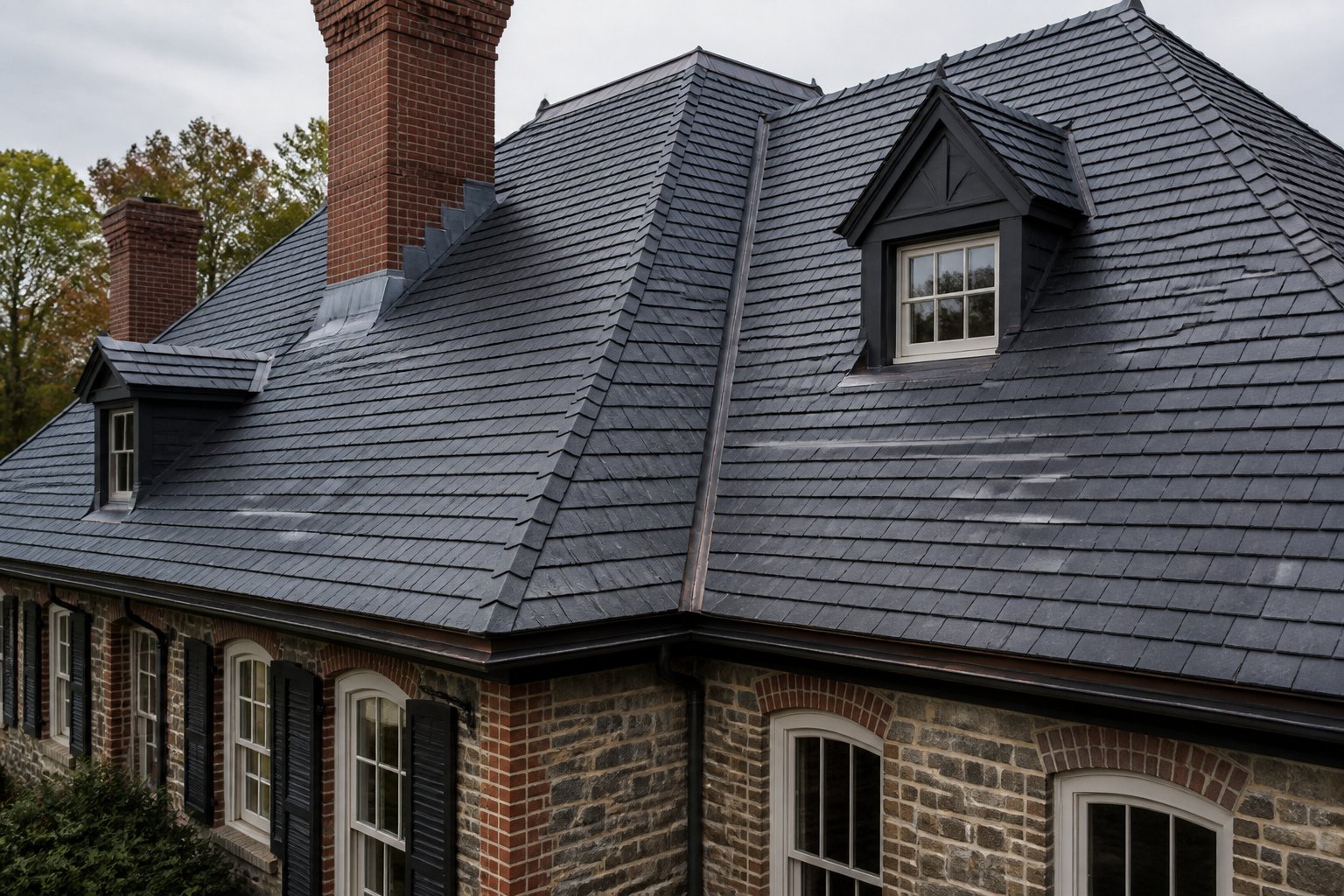
If you want a roof that lasts and still looks authentic, reclaimed clay tiles deliver both strength and character. These tiles were fired using older, denser methods and have already proven themselves out in the weather, which is why they often outlast many modern alternatives. Each piece can be inspected and prepped for reuse so you know you’re working with material that’s ready for long-term performance. In this guide, you’ll learn which clay types hold up best, what to look for when sourcing, and how proper installation and upkeep help extend the life of a reclaimed clay roof.
Choosing reclaimed clay also cuts waste and brings rare colors, profiles, and textures to your project. Whether you’re restoring a historic home or selecting materials for a custom build, this article breaks down the most durable options, key features to prioritize, and the kind of prep work that makes installation smoother. If you need vetted reclaimed stock, Reclaimed Slate Roofing offers authentic, inspected clay tiles that ship job-ready.
What Makes Clay Roofing Durable
Clay tiles last a long time, shrug off weather, and need predictable maintenance. If you install and care for them properly, they keep their shape and color for decades.
Lifespan Comparison With Other Materials
Clay tiles commonly last 50–100+ years. They often outlive asphalt shingles and many metal roofs in similar conditions. Asphalt breaks down from UV and temperature swings, but clay shrugs off UV and won’t rot. Metal can corrode or dent; clay keeps shedding water and holds its profile.
Reclaimed clay from historic buildings can perform like new if you inspect and sort it well. You rarely have to replace whole roof sections, so lifetime replacement costs usually stay low. Still, your roof’s substructure and flashings set the upper limit on system life—always inspect underlayment and supports when reusing old tiles.
Weather Resistance Features
Clay tiles resist moisture, freeze-thaw cycles, and UV radiation. Fired clay is dense and stable. The tile’s curved or interlocking shapes send water away from seams and keep driven rain out. Natural color and glaze won’t peel, so solar heat and rain don’t mess up the appearance much over time.
If you’re in a high-wind zone, properly nailed and clipped clay systems hold well. The trick is using correct fasteners and enough overlap. Clay also resists biological growth better than organic materials, though shaded, moist areas can still develop moss. It’s best to remove that when you see it.
Maintenance Requirements
Maintenance is pretty straightforward: check fasteners, flashings, and underlayment every 3–7 years, and after big storms. Replace cracked or broken tiles fast to avoid leaks and underlayment damage. Use matching reclaimed tiles when you can, so the load and appearance stay even.
Clean moss and debris gently with a soft brush or low-pressure wash; power washing can damage mortar and tiles, so skip that. Keep valleys and gutters clear so water doesn’t collect. If you can, record tile sources and batch numbers. That way, future repairs use compatible reclaimed pieces.
Reclaimed Clay Roofing
Reclaimed clay tiles give you aged character, proven durability, and a smaller environmental footprint. You get authentic pieces that often match historic profiles and color tones you just can’t find in new production.
Reclaimed clay roofing tiles are used tiles taken off old roofs and buildings. Expect tiles that were hand-formed or factory-pressed decades ago, often showing weathering, color depth, and unique shapes.
Look for tiles sourced from demolition sites, historic restorations, and architectural salvage yards. Good suppliers inspect each batch, sort by size and profile, and clean tiles before shipping. Ask for origin details (city, building type, approximate age) so you can match repairs or new installations.
Reclaimed Slate Roofing supplies professionally vetted clay tiles reclaimed from historic structures. Pieces are ready for re-use and sorted to help you plan roof layouts and order the right amount.
Quality Standards
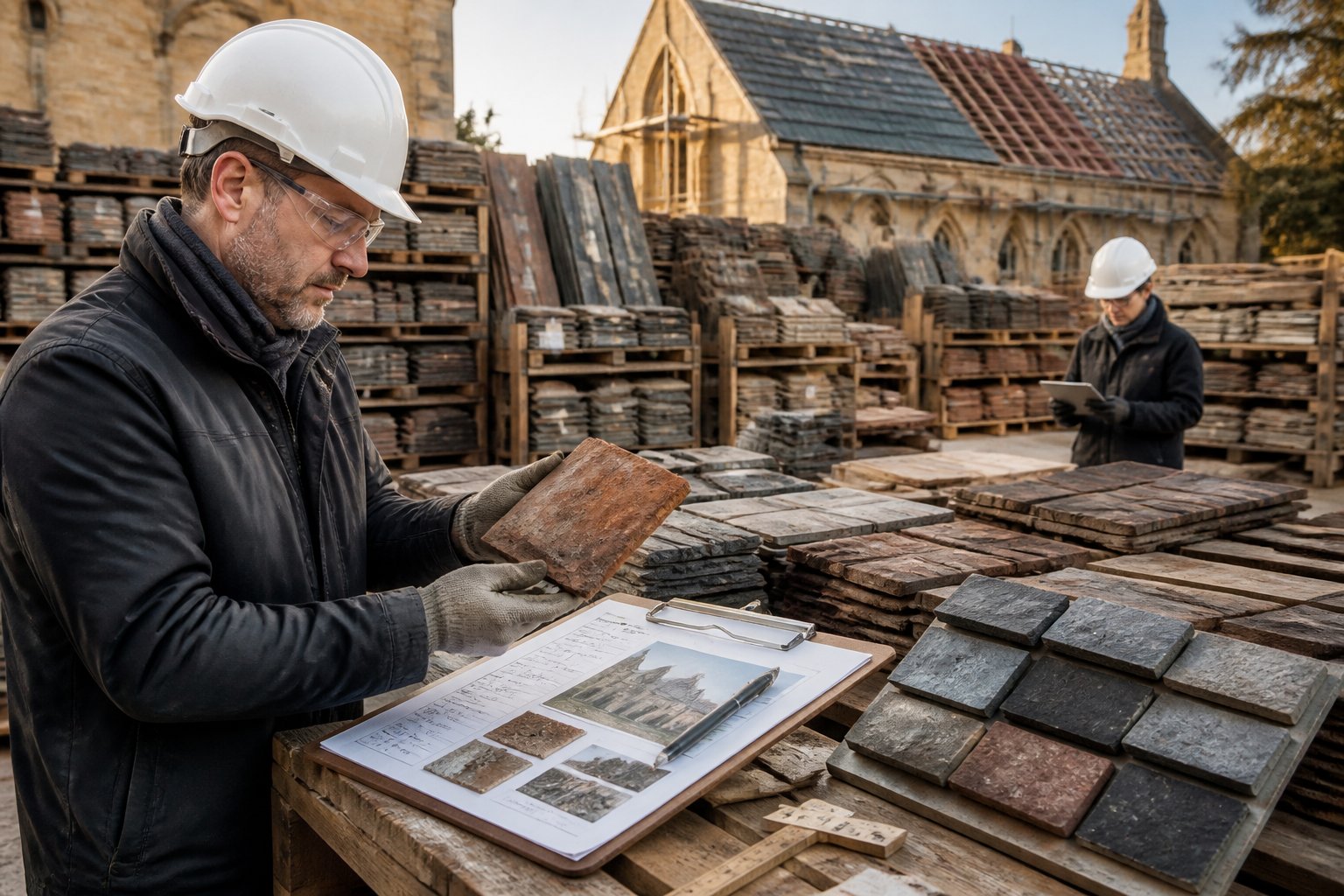
Quality depends on age and prior exposure, so check tiles for cracks, thin edges, and frost damage. Prioritize tiles with full thickness, intact bedding edges, and minimal hairline surface checks. Skip batches with widespread delamination or excessive breakage.
Ask for sorting by grade: usable (full count), repairable (minor chips), and waste (broken). Request a sample box so you can check color match and fit with your roof system. Also, confirm that tiles meet load and fastening requirements for your climate and roof pitch.
Professional re-sellers should document inspection methods, give breakage rates, and list any restoration steps—like rebedding or refiring—so you know what you’re actually getting.
Environmental Benefits
Reusing clay tiles keeps waste out of landfills and saves the energy needed to make new clay products. Clay tiles last a long time; reusing them multiplies that lifespan without new firing or mining.
You cut embodied carbon by skipping new manufacturing and long-distance transport. Reclaimed tiles also help preserve traditional materials and skills, which is great for heritage projects and reduces demand for new raw clay.
When you choose reclaimed tiles, make sure they were removed and handled carefully. Proper reuse keeps materials in service and gives your project a real sustainability boost without giving up the look or performance you want.
Popular Types of Durable Reclaimed Clay Roofing
These reclaimed clay tiles hold up well, shrug off weather, and add historic character. You’ll find shapes that shed water efficiently, lock together, and suit different roof slopes and styles.
Spanish Tile
Spanish tile, often called barrel or S-tile, pairs curved and pan pieces to form deep channels for water drainage. Reclaimed Spanish tiles usually show natural weathering but stay strong; check for cracks and broken noses before you install.
They work best on medium to low slopes and over solid sheathing. The curve creates airflow under the tiles, which helps cool roofs in hot climates and lowers heat load.
Expect weight around 600–900 lb per square for clay assemblies. Fastening usually means clips or nails through the flat part; some installers add a secondary underlayment for leak protection on older roofs.
Mission Tile
Mission tile looks like a continuous wave formed by alternating convex and concave pieces. Reclaimed mission tiles often come from early 20th-century projects and usually keep original glazing or firing marks.
They interlock less tightly than interlocking tiles, so a watertight underlayment and correct overlap are essential, especially on steeper exposures. These tiles sit well on batten systems or solid decks.
Contractors like mission tile for its simple repair process: you can replace individual pieces without disturbing the rest. That makes it a durable choice where long-term maintenance access matters.
Interlocking Tile
Interlocking reclaimed clay tiles have molded edges that lock together side-to-side and top-to-bottom. This cuts down water infiltration and wind uplift compared with loose-set profiles.
They fit modern fastening methods and can meet higher wind ratings if installed right. Reclaimed interlocking tiles keep historic color and texture while giving you easier alignment and faster roof coverage.
Check the interlock lips for chips and measure bite depth to confirm a secure fit. You usually need fewer fasteners and less underlayment than with older loose-set styles.
Flat Shingle
Flat shingle clay tiles are thin, rectangular pieces laid in courses, kind of like slate. Reclaimed flat shingles show straight lines and tight courses that create a low-profile, refined look.
They work well on roofs with moderate to steep pitch and need solid decking. Fastening is usually with nails through the top edge; correct exposure controls water shedding and freeze-thaw durability.
Because they overlap closely, flat shingles provide good rain defense and a clean look. You’ll want to sort reclaimed pieces by size and thickness to keep courses even during installation.
Key Features for Long-Lasting Performance
Focus on correct tile laying, a reliable underlayment, and steady roof airflow. These three things really decide durability, leak resistance, and how long reclaimed clay tiles stay serviceable.
Installation Techniques
Set tiles on clean, flat decking and follow the original tile profile when spacing and aligning. Use stainless-steel or copper nails sized to the tile and local code; skip galvanized fasteners since they corrode. Stagger courses so vertical joints don’t line up across rows; this helps block water entry and wind uplift.
Replace any broken or thin tiles with matched reclaimed pieces to keep load and drainage steady. Flash valleys, chimneys, and wall intersections with lead or copper that matches the historic material. For heavy or antique clay, check that your roof framing can handle the dead load—add blocking or sister rafters if needed.
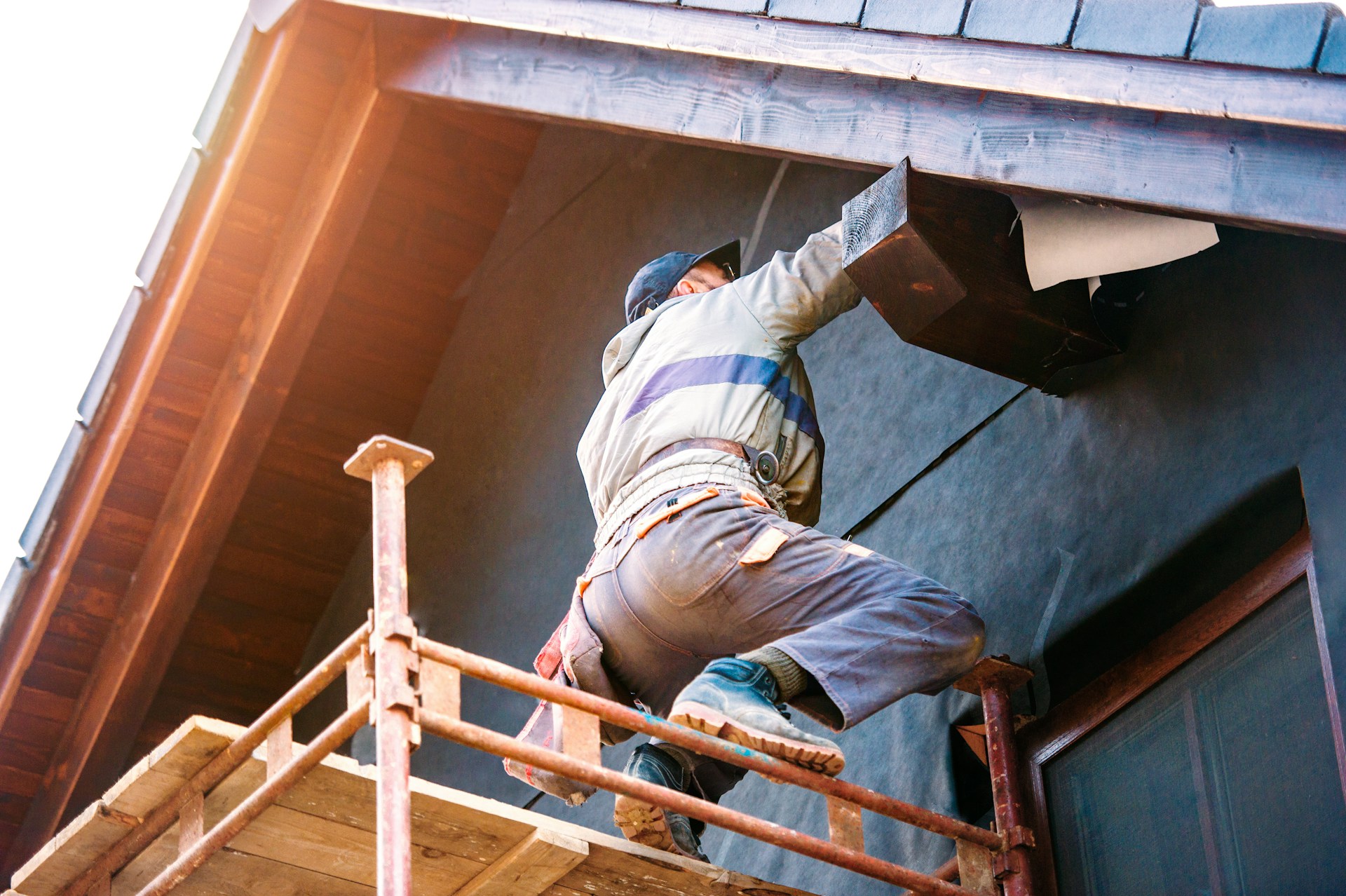
Use a qualified roofer who knows reclaimed clay. Proper layout, fasteners, and matched replacement tiles prevent most common failures.
Proper Underlayment
Choose a high-temperature, breathable underlayment rated for use under clay tiles. Synthetic, multi-layer underlayments resist tearing and shed water better than traditional felt, plus they let vapor escape. In areas with ice or wind-driven rain, add a self-adhering membrane at eaves and valleys.
Make sure underlayment runs continuously up to flashings and gets proper laps—check manufacturer lap dimensions. Secure underlayment without overdoing the nails; too many can punch holes and create leak paths. For reclaimed tiles with uneven beds, add a thin, rot-resistant battens grid to level support and let water drain beneath the tiles.
Look over underlayment during reroofing; old, brittle layers should be fully removed and replaced, not just patched.
Ventilation Considerations
Give both intake at the soffit and exhaust near the ridge to move moist air out of the attic. Aim for a balanced net free vent area—typically 1/300 or 1/150 of the attic floor—based on local code and insulation type. Continuous ridge vents plus soffit vents keep steady airflow and cut condensation under heavy clay tiles.
Keep vent paths clear of insulation and debris. For steep or complicated rooflines, add mechanical or extra vents where passive flow stalls. Good ventilation lowers interior humidity, slows rot in roof framing, and eases freeze–thaw stress on reclaimed clay tiles.
If you’re working with Reclaimed Slate Roofing for materials, check vent and underlayment recommendations with the product batch to match tile age and profile.
Choosing the Right Option for Your Project
Think about your roof structure, the look you want, and how long you expect the tiles to last versus what you can spend. Inspect roof framing, pick tile profiles and colors that fit the design, and balance upfront cost with long-term durability.
Assessing Structural Compatibility
Check roof pitch and framing before ordering any reclaimed clay tiles. Clay tiles are heavy—measure dead load capacity in pounds per square foot. Typical reclaimed clay ranges 6–12 psf; confirm your rafters, trusses, and sheathing can support that plus underlayment and snow loads.
Look for signs of past settlement or rot. Replace compromised rafters or add blocking and collar ties if needed. If you want to use reclaimed ridge or specialty pieces, make sure the roof geometry fits those elements so you don’t have to modify things on site.
Ask your supplier for actual tile weights and laying patterns. If you buy from Reclaimed Slate Roofing, request certified counts, dimensions, and shipping details so you can plan reinforcement or choose lighter profiles early.
Matching Aesthetic Preferences
Decide whether you want uniform color and edge style or a more varied, weathered character. Reclaimed clay offers both: consistent runs from the same source, or mixed batches with patina and chipped edges for an antique look.
Match tile profile to historical style and roof pitch. Mission and barrel tiles suit low slopes, while flat tiles work better on steeper roofs. Try a small mock-up on a section of roof or wall to check mortar color, flashing details, and how tiles age under local weather.
Set replacement criteria up front: will you accept chipped edges, or only want intact tiles? That choice affects batch selection, availability, and price. Provide photos and samples to your supplier to make sure the delivered pallet matches your vision.
Cost Versus Longevity
Compare initial material and labor costs to expected service life. Reclaimed clay often costs more per square foot than new concrete tiles but can last 75–100 years if installed correctly, so your life-cycle cost drops.
Factor in labor skill: reclaimed tiles need carpentry and underlayment work that can raise installation cost. Budget for flashing replacement, new battens, and possible roof reinforcement. Include freight and handling; reclaimed tiles may ship in smaller, mixed pallets, which can bump up unit shipping cost.
Do the math: divide total installed cost by expected years of service to get cost-per-year. If longevity and authenticity matter, reclaimed clay often proves the better value, even if the upfront price stings a little.
Where to Find Quality Reclaimed Clay Tiles
Start by looking for suppliers who actually check their tiles for soundness, match sizes and colors, and can get them to your jobsite without dragging their feet. It's worth prioritizing those with inspection records, plenty of photos, and proven packing methods.
Trusted Suppliers
Stick with companies that really focus on reclaimed roofing and share inspection details. They should check for cracks, frost damage, and old repairs, then sort out the good stuff from the purely cosmetic.
Ask for batch photos, clear counts by size, and their grading standards before you commit. Double-check shipping windows and whether they pack pallets for crane lifts or just drop-off. Don't be shy—get references from other roofers who've used the same product.
If you're working with Reclaimed Slate Roofing, dig into their inventory notes and delivery options. Their hands-on experience reclaiming from historic sites usually means the tiles are tough and ready for reuse.
Salvage Yards
Take a trip to your local architectural salvage yard and see the tiles in person. You can sort through batches by color, profile, and condition—makes matching an existing roof way easier and helps avoid surprises on install day.
Bring a sample tile or measurements to compare profiles and hole placement. For bigger jobs, try to negotiate lot pricing and see if they offer palletized loading or local delivery. Keep an eye out for mortar residue, stray nails, and broken edges—some stuff is just not worth the hassle.
Salvage yards sometimes have rare shapes and sizes you won't find anywhere else, especially for old homes. But, stock can be hit-or-miss, so check their return or hold policies before you lay down cash.
Online Marketplaces
Try online marketplaces focused on reclaimed building materials, especially those with lots of photos and notes on condition. Filter by location, tile type, and seller ratings—why pay extra for shipping if you can find something nearby?
Ask about the seller's inspection process and request close-up shots of edges, holes, and the back of the tiles. If possible, get a sample or even a quick video of the tiles stacked on a pallet. Review shipping details—look for pallet rates, liftgate service, and insurance for damage.
Many buyers mix online orders with local pickups to dodge high long-haul fees. Keep records of listings and seller chats to document where your tiles came from, especially for restoration work.
Caring for and Maintaining Reclaimed Clay Roofing
Routine checks, quick small repairs, and gentle cleaning help reclaimed clay tiles stay solid and keep their character. It's smart to spot loose tiles, cracks, and moss early—little problems rarely fix themselves.
Inspection Tips
Walk the roof at least twice a year and right after any big storm. Look for shifted or missing tiles, loose fasteners, and crumbling mortar around ridges and hips.
Use binoculars from the ground for a first look, then get up there safely (ladder, harness, you know the drill). Pay close attention to valleys, eaves, and flashings—water always finds the weak spots. Take note of color and thickness so you can match replacement tiles if needed.
Snap photos and jot down notes with dates. Focus on repairs that protect underlayment and chimney areas. If the same spot keeps failing, check the decking underneath for rot.
Repairing Chips and Cracks
You can usually leave small chips and hairline cracks alone if they don't go through the tile. Replace anything with through-cracks, big missing corners, or tiles that wobble when pressed.
Always match replacement tiles by size, thickness, and profile. Use reclaimed pieces if you can—they blend better. Nail tiles in with stainless or copper nails and skip cement over-boarding; it just traps moisture.
For cracked but stable tiles, go with a compatible clay adhesive or a dab of lime-based mortar—not Portland cement. Keep a few extra reclaimed tiles around so you can swap out damaged pieces and keep seams tight.
Cleaning Recommendations
Clean off moss, lichen, and heavy debris once a year, or whenever you see it getting out of hand. Scrub growth by hand with a soft nylon brush—never power wash, or you'll erode the tiles and loosen bedding.
Use a mild, biodegradable biocide for stubborn moss, following the label. Rinse gently with low-pressure water from top to bottom so you don't lift tiles. Always clear gutters and valleys after cleaning to keep water moving.
Wear slip-resistant boots and have someone spot you. If the roof is steep or hard to access, hire a roofer who knows their way around reclaimed clay tiles. Reclaimed Slate Roofing preps tiles for matching and repairs, which saves time when you need replacements.
Reclaimed clay roofing isn’t just a stylistic choice - it’s a long-term investment in durability, authenticity, and environmental responsibility. When the tiles are properly sourced, inspected, and installed, they deliver century-level performance with a character that new materials simply can’t imitate. Whether you’re restoring a historic structure or designing a custom home that needs lasting beauty and structural confidence, reclaimed clay offers a path that’s both sustainable and dependable.
As you plan your project, lean on suppliers who understand the nuances of reclaimed materials - how to grade them, match batches, and prep them for a smooth installation. That’s where our team at Reclaimed Slate Roofing comes in. We sort, inspect, and ship reclaimed clay tiles that are ready for the roof, helping you avoid delays, mismatched batches, or hidden flaws.
If you’re aiming for a roof that looks incredible today and keeps protecting your home for decades, reclaimed clay is a proven, eco-friendly choice. With the right prep, the right installation, and the right supplier, your project can carry forward the strength and craftsmanship of historic materials - built to last well into the future.
Let us know when you’re ready to explore options or need help sourcing the perfect reclaimed clay tile for your next job.
Frequently Asked Questions
This section covers practical stuff about reclaimed clay roof tiles: perks, where to buy, selection tips, costs, upkeep, and the environmental side. Skim through for a head start on planning and expectations.
What are the top benefits of using reclaimed clay roof tiles?
Reclaimed clay tiles have already stood the test of time—if installed right, they’ll last for decades. They’ve got that real color, texture, and character you just can’t fake with new stuff.
You get a tough material that usually costs less than new specialty tiles. Plus, reclaimed tiles can speed up sourcing for period restorations and custom jobs.
How do I find reliable suppliers of durable reclaimed clay roofing in my area?
Check trade reviews and contractor forums for companies that focus on reclaimed roofing. Ask for inspection reports, current stock photos, and references from builders who’ve used their tiles recently.
Look for suppliers who clean and check every tile, and who offer clear shipping and return policies. Reclaimed Slate Roofing inspects and preps materials for reuse, and gives you delivery options for your job schedule.
What should I consider when choosing reclaimed clay tiles for a roofing project?
Check tile condition—look for cracks, frost damage, and broken noses. Match profile, size, and color to your existing roof or plans so you don’t end up with a patchwork.
Make sure you order enough, with 10–20% extra for cuts and breakage. Confirm the fastening method and that your underlayment and flashings are compatible.
How can I estimate the cost of replacing my roof with reclaimed clay tiles?
Measure your roof in square feet, then convert to roofing squares (1 square = 100 sq ft). Multiply by the supplier’s price per square for reclaimed tiles, then add labor, underlayment, flashing, and disposal.
Add in specialty tile costs, matching runs, and shipping. Get an itemized quote from the supplier and a separate one from your roofer to compare the totals.
What maintenance is required to ensure the longevity of a reclaimed clay roof?
Check the roof every year for loose, cracked, or slipped tiles and damaged flashings. Swap out broken tiles quickly and keep gutters and valleys clear so water doesn’t back up.
Have a roofer check attic ventilation and underlayment to avoid moisture problems. Good installation and regular checks will keep reclaimed clay tiles performing for decades.
Can you explain the environmental impact of using reclaimed clay roofing materials?
When you reuse clay tiles, you skip the need to dig up fresh clay and cut down on all that energy factories usually burn through. Plus, these tiles—let's be honest, they're tough—don’t just end up clogging landfills or getting tossed after demolition.
Going for reclaimed tiles feels like a nod to history, too. You get to keep those old-school materials in play and shrink the carbon footprint of your project, especially when you compare it to brand-new, high-energy stuff.