Slate roofing offers lasting strength, character, and curb appeal for homes of every design. From natural to composite options, each type has its own balance of cost, weight, and performance. Whether you seek heritage authenticity or modern efficiency, slate offers solutions that endure for decades.
Reclaimed Slate Roofing provides genuine reclaimed slate tiles sourced from historic structures. Every piece is inspected for quality and graded for consistency, giving homeowners and builders access to materials that protect heritage while meeting today’s performance expectations.
This guide explains the types of slate roofing available, compares materials and patterns, and outlines costs, maintenance, and design choices to help you select the best option for your home.
Understanding Slate Roofing Materials
Slate roofing comes in natural stone and manufactured options. You’ll learn how each type wears, what they cost, and which climates and roof styles suit them best.
Natural Slate Versus Synthetic Slate
Natural slate is a quarried stone like Welsh, Vermont, or Spanish slate. It lasts for decades to a century when installed correctly. You get real texture, unique color variations, and long-term weather resistance. Expect higher upfront cost and heavier weight, which may require roof framing reinforcement.
Synthetic (or composite) slate mimics natural slate using polymer, rubber, or fiber-reinforced materials. It weighs less and costs less to install. Synthetic tiles resist hail and breakage better and often come with long warranties. While they lack the natural grain and patina of real slate, they fit where budget or roof loading limits rule out natural stone.
Choose natural for authenticity and longevity. Choose synthetic for lighter weight, lower cost, or easier replacement.
Hard Slate and Soft Slate
Hard slate, such as Welsh and some Vermont slates, resists frost, freeze-thaw cycles, and abrasion. Hard slate breaks less during handling and gives a flatter, cleaner roof appearance. It’s ideal in cold climates or on steep roofs where water sheds quickly.
Soft slate splits more easily and may weather or flake over decades. Contractors often use thicker pieces or shorter exposures with soft slate to reduce stress and water penetration.
When picking slate, check density, thickness, and recommended exposure. These factors affect lifespan and installation details.
Domestic, Imported, and Spanish Slate
Domestic slate comes from U.S. sources like Vermont and other regional quarries. Domestic slate often has a consistent supply and familiar installer experience, with colors and grading suited to local codes and climates.
Imported slate covers a wide range of qualities and prices, with some coming from Europe, China, or South America. Imported slates can offer unique colors but may vary in thickness or weathering. Ask for manufacturer data, sample tiles, and provenance before buying.
Spanish slate is a common high-quality import. It tends to be thin, durable, and available in distinct gray and black tones. Spanish slate can be less costly than some domestic hard slates but still offers long life. Verify grading, thickness, and delivery logistics for reliable performance.
Main Types of Slate Roof Styles
Three common slate roof styles cover most residential and historic roofing needs. Each style changes how the slate shingles look, how they shed water, and the level of maintenance or skill needed.
Standard Slate Roofs
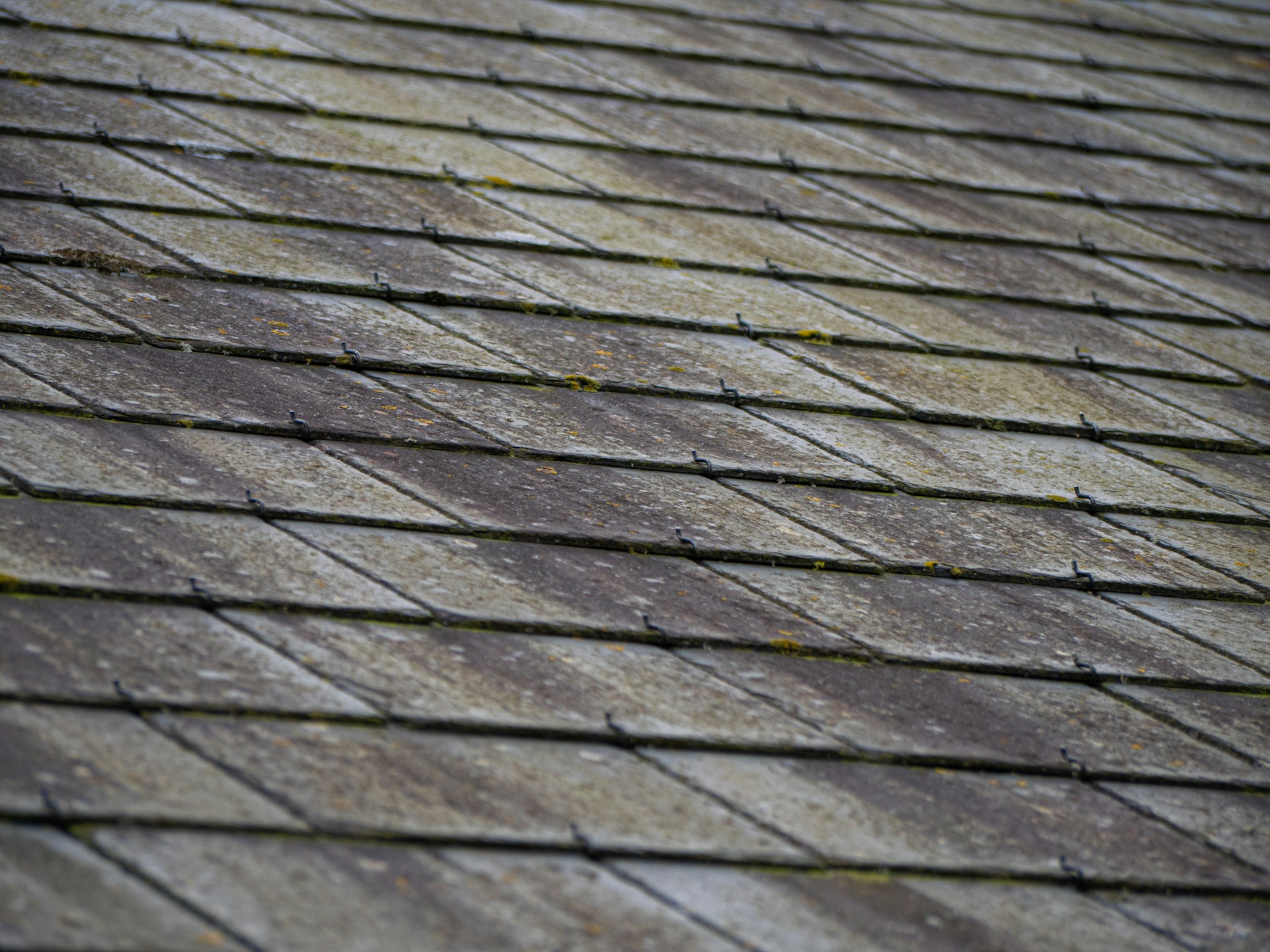
A standard slate roof uses uniform slate roof tiles, usually cut to one length and thickness. You lay these shingles in horizontal rows with even spacing and aligned vertical joints. This creates a clean, predictable pattern that makes repairs and replacements easier.
Standard roofs often use 1/4" to 3/8" thickness slate and square-cut butts. Installers nail each slate in a consistent location, which helps with wind resistance and performance.
This style suits homes where you want a classic look and lower installation complexity. Matching new slate for repairs is easier because sizes and courses stay consistent.
Graduated Length Slate Roofs
Graduated length slate roofs use different slate lengths and sometimes different thicknesses from eave to ridge. You place larger, thicker slates at the eaves, then step down to shorter, thinner slates toward the top. This creates a subtle visual gradation and can reduce material waste.
Installers maintain consistent exposure per course while changing slate size. You should hire an experienced roofer because layout and sorting on-site matter for a tight, weatherproof finish.
This style works well when quarries supply variable lengths or when you want a richer, historic appearance without complex patterns.
Textural Slate Roofs
Textural slate roofs mix slates of varying surface finishes and thicknesses to create a rustic, three-dimensional look. Rougher, hewn slates are placed next to smoother pieces, and some butt corners may appear uneven by design. This approach emphasizes texture over strict pattern.
Because thickness varies, install details must account for differing headlap and butt projection. Expect a more handcrafted installation and intentional irregularities. This roof style fits homes where visual depth and character matter more than a uniform appearance.
Specialty Slate Roofing Patterns
Specialty patterns change how slate looks on your roof and how installers lay tiles. Choices affect cost, waste, and appearance, so pick a pattern that matches your budget and house style.
Random Width Slate Roofs
A random-width slate roof uses slates of different widths laid in no fixed repeat. You get a historic, textured look because joints don’t line up in regular courses. Installers sort slates by width and set courses so rows fall naturally.
Expect more cutting and sorting, which raises labor time and waste compared with uniform widths. But you save on material costs if you use varied-size slates. Flashing and underlayment follow the same standards as regular slate work.
If you want an aged, handcrafted appearance, this style suits traditional and cottage roofs. Ask your roofer for a sample area to see how the random-width slate roof will look from the ground.
Patterned Slate Roofs
Patterned slate roofs use cut shapes or arranged colors to form geometric designs. Common patterns include fish scale, diamond, and quatrefoil layouts. You can combine plain rectangular slates with shaped slates for repeated motifs across the roof.
Patterned work needs precise layout and more specialty cutting, so labor costs rise. You also need detailed drawings before installation so courses and pattern repeats stay aligned. Patterns work best on visible roof faces and on steeper slopes where the design shows clearly.
Use patterned slate for a landmark roof or a historic restoration. Choose durable slate types for shaped pieces, as cuts can create thinner edges that weather faster.
Multicolored Slate Roofs
A multicolored slate roof mixes slates of different natural hues—gray, green, purple, red, and black—to create visual depth. You can do fully random mixes or planned color bands and checkerboards for a controlled look. The result ranges from subtle variegation to bold, graphic roofs.
Color selection affects resale and style: muted mixes suit historic homes, while high-contrast bands suit modern or Victorian designs. Installing multicolored slate roofs requires sorting on-site and a color map if you want a repeatable pattern.
If you want a standout roof, discuss color placement with your roofer and request samples laid out at scale for approval.
Synthetic and Alternative Slate Options
These alternatives mimic the look of real slate while reducing weight, cost, or installation time. They vary by material, durability, and warranty, so match your choice to your roof's structure, climate, and budget.
Synthetic Slate Roofing
Synthetic slate roofing uses molded polymers or engineered resins to copy natural slate’s shape and texture. You get a lighter product — often 75–90% lighter than real stone — so you may avoid costly structural upgrades.
Many manufacturers offer 30- to 50-year warranties and fade-resistant color technology, but check the details for hail and wind limits.
Installation is faster because pieces are uniform and often interlock. That reduces labor time and waste. Expect lower upfront material costs than natural slate, though premium lines may cost more. If you want the slate look without the stone weight, synthetic slate is a practical option.
Fiber Cement Slate
Fiber cement slate combines cement, sand, and cellulose or mineral fibers to form durable tiles. It looks closer to natural slate than basic plastics and resists moisture, rot, and most insects. Fiber cement tiles are heavier than polymer options but still lighter than real slate in many cases.
They can be brittle at thinner gauges and may require careful handling. Paint or color is often integrated or applied as a topcoat for UV resistance. Typical warranties run 25–50 years, depending on the manufacturer and climate. For appearance and fire resistance, fiber cement is a solid option.
Synthetic Composite Slate
Synthetic composite slate blends materials like polymers, recycled plastics, rubber, and sometimes fiberglass to boost strength and weather resistance. These composites offer realistic texture, impact resistance, and light weight.
Many products feature riven-like surfaces and beveled edges to mimic hand-split slate. Composites often have long warranties and good performance in freeze-thaw cycles.
They resist cracking in hail better than thinner fiber cement, and installers appreciate easier cutting and fastening. Check fire ratings and recyclability if those matter to you. Composite slates work well when you want a high-end look with fewer structural demands.
Slate Roof Tiles: Shapes, Sizes, and Finishes
Slate roof tiles come in many shapes, sizes, and surface types. Choose based on roof pitch, style, budget, and how long you want the roof to last.
Types of Slate Roof Tiles
Slate tiles are usually cut to standard rectangles, but you’ll also see hexagons, diamonds, and fish-scale shapes for decorative bands.
Standard rectangular slates commonly measure 12" x 24", 10" x 18", or 9" x 12", though quarries sell custom sizes too. Thickness ranges from about 3/16" for upper roof areas to 1" or more for eaves, where water load is highest.
Installation patterns matter: uniform courses give a clean look, random-width layouts create a rustic feel, and patterned or multicolored mixes add visual interest. Fastening methods vary by tile size and thickness; thicker slate often needs two nails per tile and extra support at eaves.
Riven and Dimensional Slate
Riven (cleft) slate has a rough, textured face from splitting the stone along natural layers. It gives a handmade, historic appearance and sheds water well because of its uneven surface.
Riven slate usually requires closer attention during installation since thickness varies; installers may need to sort pieces by thickness and fit them carefully. Dimensional (sawn-finish) slate is cut for uniform faces and edges.
It creates a cleaner, more modern look and simplifies the layout because tiles have consistent dimensions and exposure. Dimensional slate often costs more per square foot but can speed installation and reduce waste.
Flexible and Reconstituted Slate
Flexible slate tiles are thin roofing products made from real slate particles with a polymer or fiberglass backing.
They are lightweight and can bend to cover curved roofs. These tiles offer the appearance of natural slate with easier handling, but their lifespan is shorter than that of full-thickness natural slate. Reconstituted (manufactured) slate mixes crushed slate or slate waste with cement or resin and molds tiles into standard shapes.
These tiles match common sizes and colors and cost less than natural slate. They offer consistent thickness and predictable installation, but do not last as long as high-quality natural slate roofing.
Key Considerations and Costs for Slate Roofs
Consider price, structural needs, and the skill of your contractor when choosing slate. Expect higher upfront costs, a long service life, possible roof reinforcement, and the need for a specialist installer.
Slate Roofing Cost Factors
Slate roofing costs depend on slate type, roof size, and local labor rates. Natural slate usually costs $15–$40 per square foot installed, while synthetic slate is often cheaper. Rarity and thickness of slate increase material price; imported or premium colors also cost more.
Complex roof shapes, steep pitches, chimneys, and dormers raise labor hours and waste, increasing the final cost. Additional charges may include flashing, underlayment, and old roof removal. Permit fees and disposal add small extras. Get at least three itemized quotes to compare material and labor costs.
Roof Structure and Installation Needs
Slate is heavy. Your roof structure may need reinforcement before installation. A structural inspection will show if roof joists or rafters require extra support. If your home is older, budget for repairs; neglecting the structure risks sagging and slate breakage.
Proper underlayment, copper or stainless-steel flashing, and correct fasteners are important. Poor fastening or cheap underlayment shortens roof life and leads to leaks. Replace decking if it’s rotted. Ask for an installation timeline and a list of included materials in writing.
Choosing a Roofing Contractor
Hire a contractor who specializes in slate roof installation and has local references. Look for work photos, at least five slate jobs completed in the last three years, and clear warranty terms on materials and labor. A roofer without slate experience can cause costly mistakes.
Check licensing and insurance, and ask for a written contract listing scope, materials, removal of old roof, cleanup, and payment schedule. Make sure they use proper flashing and fasteners and carry liability and workers’ comp. Get a clear start date and finish timeline.
Built to Endure: The Legacy of Slate Roofing
Slate remains one of the most dependable and visually refined roofing materials available. Whether natural, reclaimed, or synthetic, it delivers unmatched longevity and elegance.
Reclaimed Slate Roofing helps homeowners preserve architectural authenticity through ethically sourced, tested reclaimed materials. Each piece combines environmental responsibility with enduring quality.
Explore the available slate types and request a quote today to start building a roof that tells your home’s story—beautifully and built to last.
Frequently Asked Questions
This section answers common points about slate roofing materials, costs, colors, durability, and sourcing. Expect clear comparisons and typical price ranges to help you decide.
What are the different materials used in slate roofing?
Natural slate is a quarried stone split into thin sheets for roofing tiles. Synthetic slate is made from recycled plastics, rubber, or polymer blends molded to look like real slate. Fiber cement slate mixes cement with cellulose fibers to mimic slate appearance and is fire-resistant.
How much does it typically cost to install different types of slate roofs?
Natural slate is the most expensive because of the material and skilled labor. Synthetic slate usually costs less and is cheaper to install because it is lighter. Fiber cement falls between synthetic and natural in price, but regional rates and roof complexity affect the final cost.
Can you describe the range of colors available in slate roofing materials?
Natural slate comes in gray, black, green, purple, and rusty reds, depending on the quarry and minerals. Synthetic and fiber cement slates are made in standard colors that match popular natural tones.
How do natural and synthetic slate roofing options compare?
Natural slate is heavier, more expensive, and can last a century or more with proper care. It offers a unique texture and color. Synthetic slate is lighter, more uniform, easier to install, and costs less, but usually has a shorter lifespan.
Which type of slate roofing is known for its longevity?
High-grade natural slate lasts the longest, with some roofs lasting over 100 years when installed correctly. Longevity depends on quality materials, proper underlayment, and skilled contractors.
What are the main differences among various sources of natural slate tiles?
Quarries produce slates with different thicknesses, colors, and grain structures. Thicker quarry slates usually last longer and are more durable.
Geography influences both color and performance. Slate from one quarry may resist freeze-thaw cycles better, while another may offer unique colors. Always review samples and performance data for your specific climate.