At Reclaimed Slate Roofing, we see antique slate used in projects far beyond traditional roofing, and it never fails to bring depth, texture, and authentic character. This material has already endured decades of weather, so when you put it back into service, you’re working with stone that has proven itself.
Antique slate is an ideal choice for steep roofs, full historic restorations, and architectural details where weight, strength, and historic accuracy matter. It also works well in creative applications like accent walls, fireplace surrounds, flooring, and garden paths. If you want a durable, authentic finish with real history behind it, reclaimed slate delivers. Our team sources and grades each piece carefully so you get reliable material that looks the part and helps cut down on waste.
Antique Slate
Antique slate stands out for its durability, unique colors, and real value in restoration or upscale projects. Let’s break down what it is, why its physical qualities matter, and how rarity plays a role.
Antique slate is natural roofing stone salvaged from older buildings. Most of these pieces were quarried and shaped decades—or even centuries—ago.
You’ll notice slates often come in odd sizes and vintage cuts. This means you might need to sort and trim them to fit a new pattern or repair job.
Reclaimed sources include historic homes, old churches, and industrial buildings. When you buy from a vetted supplier, each tile gets inspected, cleaned, and graded before shipping.
What’s It All About?
Antique slate is dense, tough, and shrugs off freeze-thaw cycles better than a lot of modern options. If you install it right, it’ll last for ages.
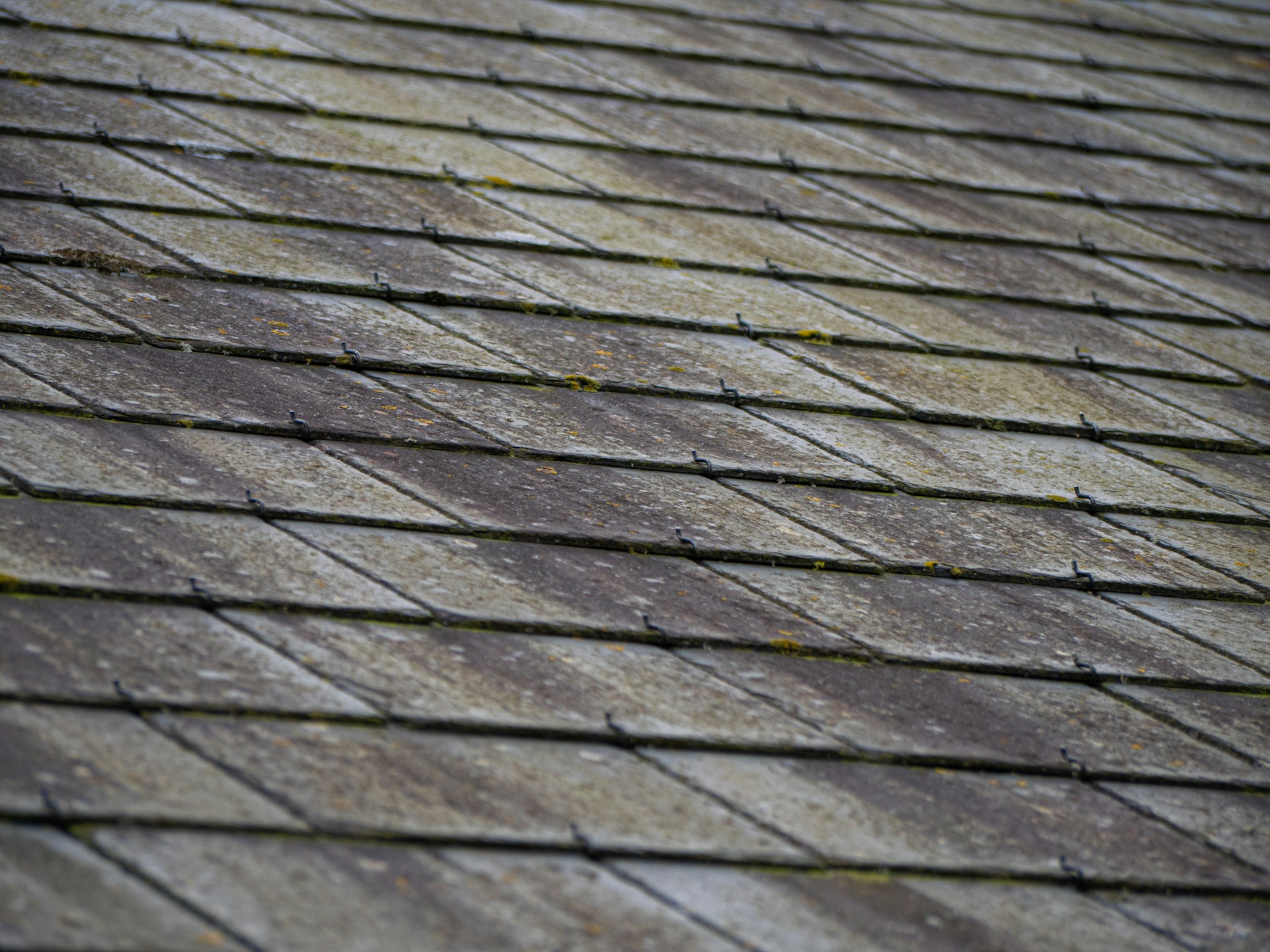
You’ll find colors like black, gray, purple, and green, sometimes with natural mottling. The uneven edges and weathered faces give it a texture you just can’t fake with synthetics.
Workability depends on the original quarry and age. Some pieces need gentle handling—thin or flaky edges can chip during installation. A good underlayment and experienced roofer help you get the most out of your slate.
Historical Value and Rarity
Every reclaimed slate carries a bit of its past—production date, regional quirks, even the character of its original building. That backstory boosts its value for restorations and period projects.
Supply’s limited. You just can’t mass-produce the patina or special cuts of antique slate. Rare colors and sizes might cost more and take longer to find.
If you need proof of authenticity, pick a supplier who documents origin and inspects each batch before selling. Reclaimed Slate Roofing does this, so you get material that’s ready for restoration or high-end work.
Decorate With Antique Slate
Antique slate adds real texture, color, and history wherever you use it. It’s a go-to where durability and visual appeal count.
Interior Wall Panels
Use antique slate vertically to give kitchens, bathrooms, or entryways some depth and tactile appeal. Full-height panels behind stoves or sinks handle heat and moisture and hide daily wear. Smaller panels work great as wainscot or a backsplash.
Keep the joints tight and use grout and sealer made for natural stone. Backer board and thinset mortar help it grip studs or concrete. Expect uneven faces—either roll with the variation or pick flatter pieces for a cleaner look.
Cleaning’s easy: mild soap and water, nothing acidic. For visible historic character, go for slates with weathered edges and mixed tones. Reclaimed Slate Roofing can set you up with authentic, inspected material.
Fireplace Surrounds
Antique slate handles heat and shows off its patina from years of weather—perfect for surrounds and hearths. Use larger, thicker pieces around the firebox and smaller bits for trim. Stick to heat-resistant adhesive and noncombustible backing for safety.
Seal the edges to keep soot from staining lighter tones. The natural cleft surface cuts down on glare and hides ash marks better than polished stone. If you want matching tones, sort by color and thickness before installing for a planned or rustic look.
Check reclaimed pieces for hairline cracks and skip any with flaws near the hearth. When installed right, antique slate makes a tough, low-maintenance surround that keeps its charm.
Accent Tabletops
Turn antique slate into tabletops for coffee tables, side tables, or bar tops. Flatter slates work best, or you can have them honed for a smoother eating surface. Bond the slate to a plywood or MDF core for stability and easier handling.
Edge treatment matters: leave a natural cleft for rustic style, or straight-cut and grind for a sleeker finish. Finish with a penetrating sealer to keep out drink stains but let the stone’s texture show. Use pads under heavy stuff to avoid chips.
When mixing reclaimed pieces, match thickness to avoid a wobbly top. Attach legs and frames to the substrate, not the slate itself, to prevent cracks.
Garden Pathways
Antique slate makes tough, slip-resistant garden paths and stepping stones that blend into the landscape over time. Lay them on compacted gravel or sand with a slight slope for drainage. For permanent paths, set in mortar or concrete and fill joints with sand or groundcover.
Use thicker slabs for busy walkways to avoid breakage. The natural texture grips even when wet, but skip highly weathered pieces that might flake. Group tones and shapes for a deliberate pattern, or mix it up for a casual look.
Maintenance is pretty light: pull weeds from joints, relevel if needed, and hose off dirt. Reusing reclaimed slate gives you history and eco value in one shot.
Restoration and Preservation Projects
Antique slate really fits when authenticity and matching original materials are critical. Here’s how to use reclaimed slate for roof repair, decorative salvage, and careful conservation.
Restoring Historic Roofs
For historic roof repairs, match the original slate’s size, color, and thickness to keep the building true and weatherproof. Check each reclaimed piece for cracks or nail-hole wear before installing. Use copper or stainless-steel nails and flashings to avoid stains and corrosion.
If you can’t reroof all at once, replace damaged courses in phases. Store salvaged pieces by course and exposure so the pattern stays correct. Need extra material? Source reclaimed slate that matches the original grain and thickness to keep drainage and load right.
Architectural Salvage Applications
Reclaimed slate is great for chimneys, parapet caps, dormer cladding, and trim. Cut and fit antique pieces for mantels, lintels, or stair treads where you want the look and toughness. Measure carefully and label each piece during removal so you can reinstall or adapt with minimal cutting.
For interior or eye-level use, clean and seal as needed to reduce dust but keep the natural feel. Reclaimed Slate Roofing can supply vetted batches to speed up projects and cut down on on-site sorting.
Conservation in Heritage Buildings
Conservation is all about minimal intervention and reversibility. Use reclaimed slate to replace only what’s needed, keeping patina and old fastenings if possible. Record changes—track provenance, installation spots, and any treatments.
Work with structural engineers if the building has changed load paths or rotten decking. Pair reclaimed slate with breathable underlay and traditional flashing to maintain moisture balance. Go with installers who know historic profiles to avoid over-tightening nails or messing up roof geometry.
Artisanal and Creative Applications
Antique slate’s texture, color, and toughness make it great for hands-on, creative projects. You can turn reclaimed pieces into unique, lasting items that show real age and character.
Chalkboards and Writing Surfaces
Antique slate makes a sturdy, low-glare surface for chalkboards. Pick flat, intact pieces and sand the edges so they don’t chip. A thin coat of slate primer or rubbed oil helps chalk stick and erase cleanly.
Mount slate on plywood or MDF with weatherproof adhesive and screws through plastic washers. Frame with simple wood trim to protect corners and make it easy to hang. For outdoor use, seal the back and edges with silicone to block moisture. Cut small slates for menu boards, classroom signs, or craft organizers.
Custom Signage and Plaques
Antique slate makes elegant, low-maintenance signs that only look better with age. Pick pieces with contrasting color bands or veins to make the lettering stand out. For hand-carved text, mark with chalk and chisel shallow letters; for speed, use enamel paint or vinyl lettering sealed with matte varnish.
Mount hardware through pre-drilled holes and back with washers to avoid cracks. Go for stainless-steel or brass for long life. Small plaques work for house numbers, memorials, and business signs. Reclaimed Slate Roofing can provide pieces sized for signmaking and tested for stability.
Mosaics and Decorative Artwork
Slate tiles come in all sorts of tones and thicknesses, which works perfectly for textured mosaics. Sort by color and thickness before you plan your layout. Use cement-based adhesive for floors or outdoor walls; epoxy or polymer-modified thinset for indoor art that needs a stronger bond.
Cut with a wet saw or score-and-snap tool for clean shapes. Grout with a color that fits the slate’s natural hues; seal grout lines to keep stains out. You can create tabletops, fireplace surrounds, garden stepping-stone art, or framed wall panels. Every reclaimed piece adds unique pits, marks, and color that bring visual depth.
Modern Interior Design with Antique Slate
Antique slate brings texture, muted color, and solid durability to interiors. It’s especially good where you want a hard-wearing surface with a historic vibe and little fuss.
Kitchen Countertops and Backsplashes
Go for antique slate on countertops where heat and stain resistance matter. Seal every year or two with a penetrating stone sealer to keep out oil and wine stains. Cut edges can be polished or left rough for a more rustic effect; honed edges give a modern, clean look.
For backsplashes, use smaller reclaimed tiles or thin-slate panels. Slate stands up to heat behind stoves and hides splash marks. Install with a waterproof membrane behind the slate and use dense, stain-resistant grout for easy cleaning.
Keep seams tight to avoid crumbs. Match slate tones to your cabinets—charcoal slate pops with light wood, while warm greys look sharp with dark cabinetry. If you need materials, Reclaimed Slate Roofing supplies reclaimed pieces fit for countertops and backsplashes.
Bathroom Vanity Tops
Antique slate makes tough vanity tops that handle moisture and daily splashes. Go for thicker slabs or laminated layers to avoid flexing on wide spans. Seal edges and sink cutouts well to block water.
Slate’s slight texture and low shine help hide streaks around sinks. For integrated sink edges, plan a 2–3 cm overhang and reinforce with plywood if the slate’s thin. Use epoxy or silicone at the faucet and drain.
Pick colors that hide water marks—mottled greys and greens do the trick. Hang onto spare tiles or slivers from the same batch for future repairs and color matching.
Flooring Features
Install antique slate as accent flooring in entryways, mudrooms, or hearths where toughness counts. Lay it full-bed over a rigid subfloor and good underlayment to control movement and prevent cracking. Thicker reclaimed tiles lower breakage risk in busy areas.
Slip resistance varies; use a non-slip sealer or pick naturally cleft pieces for traction in wet spots. For radiant-heat floors, check slate thickness and adhesive compatibility—thin slate transfers heat fast but needs stable bedding.
Plan grout joints for a little movement—1/8" to 3/16" works for most reclaimed tiles. Keep a few extra tiles from the same batch for patching later. Reclaimed Slate Roofing can help you find matching runs for bigger jobs.
Landscaping and Outdoor Enhancements
Antique slate really holds up where durability, texture, and an old-world look matter. It’s great for crisp edges, stable surfaces, and water features that need stone with a story.
Garden Borders
Try using narrow reclaimed slate pieces to make crisp, low borders around beds and pathways. Set the slate on edge—vertically—for a sharp line that keeps soil in place and stands up to mowing. Place the pieces close together, then backfill with compacted sand or gravel to keep everything upright.
Because slate’s so thin, it bends into gentle curves pretty easily—no need for lots of cutting. Want a formal look? Pick slates of matching height and color. If you’re leaning cottage, mix sizes and go for those weathered, mismatched pieces. Seal off any sharp edges, especially where kids are likely to play.
If you’re picking through reclaimed slate, check each piece for cracks and make sure it’s flat enough for your project. Reclaimed Slate Roofing usually has sorted, ready-to-use batches for landscaping.
Water Features
Old slate works beautifully for pond liners, cascades, and small waterfalls. It splits neatly and sits flat. Stack bigger slabs to create stepping spillways. Lean thinner pieces against a concrete or mortar base if you’re after that natural stone wall effect.
Use nonreactive masonry glue and stainless anchors for anything that’s going to stay wet. Leave little gaps so water can move and doesn’t build up pressure behind the slate. Always test your waterfall slowly—watch for leaks and odd water paths before you finish with plants or gravel.
Skip the skinny bits if you live where winters get harsh; thicker slate holds up better to freeze–thaw cycles. Give reclaimed slate a good rinse to get rid of old mortar or gunk before it touches water.
Patio Flooring
Lay antique slate as patio pavers where you want color and texture—flatness doesn’t have to be perfect. Use larger, flatter pieces for the main area, and smaller fragments for borders or accents. Set the slate on a base of crushed stone and a thin layer of sand so it can move a little without cracking.
For a safe, tight surface, trim the edges and fill joints with polymeric sand or mortar. Keep a level handy; uneven pieces need a bit more fussing and bedding.
Think about slip resistance—natural cleft slate already has some grip, or you can sandblast it. Stick with reclaimed batches that are sorted for thickness and flatness to save time and avoid waste.
Sourcing and Caring for Antique Slate
Good antique slate starts with responsible recovery, careful inspection, and solid documentation. That’s the work our team handles every day. When you choose reclaimed material, the right supplier and the right maintenance approach make all the difference in how long your slate will perform.
Finding Reputable Suppliers
Look for suppliers who treat reclaimed slate as a professional-grade building material, not a byproduct. In our yard, every piece gets inspected, cleaned, graded, and sorted before it’s listed for sale. We document sizes, thickness ranges, colors, and any quirks so you know exactly what you’re getting before anything ships.
We also crate and palletize batches for long trips and offer direct-to-jobsite delivery when timing is tight. If you’re working on a steep roof, a complex layout, or a historic restoration, our team can walk you through the slate’s previous use and help you match it correctly.
A good supplier should be ready to share photos, answer technical questions, and provide examples of past installs. That’s how we operate. Clear specs and transparent grading save you headaches once the slate hits the roof.
Maintenance Tips
Even the toughest slate benefits from routine checks. Inspect your roof twice a year and after major storms. Look for slipped or cracked pieces, failing flashings, or clogged valleys. Replace damaged slates right away to prevent water reaching the underlayment.
Use a soft brush and a light rinse to clear moss or debris. Avoid power washing since it can chip edges or disturb bedding. When you replace slates, match thickness and use copper or stainless nails to avoid staining and corrosion.
Keep gutters clean and note any repairs you make. Tracking details like nail type, slate size, and batch color helps you plan future maintenance and ensures replacements blend in perfectly.
Ethical Sourcing Considerations
Responsible sourcing matters. Ask where the slate came from, how it was removed, and whether the job was permitted and documented. Our team recovers materials from legitimate demolition and restoration projects, and we never source from buildings that should remain intact.
We make sure slate is free of hazardous coatings and provide clarity on how it was handled from removal to shipping. Selective salvage protects historic structures and keeps rare colors and cuts in circulation for future restorations.
Buying ethically sourced slate isn’t just good practice. It protects the project, the property, and the history behind every piece of stone.
Innovative and Niche Applications
Antique slate isn’t just for roofs. Its toughness, thinness, and aged look make it surprisingly versatile. Here are a few ideas that are practical and built to last—maybe you’ll find something unexpected for your next project. More on long-term use.
Table Games and Boards
Old slate makes fantastic chess, backgammon, or cribbage boards. The dense surface doesn’t wear out and keeps pieces steady. Cut it into squares or circles, and rout shallow tracks for scores.
Seal with a thin, matte finish to cut down dust but keep the vintage vibe. Stick felt pads underneath to protect your table and prevent sliding. If you want it portable, glue on a thin plywood back and add a leather strap or hinges for folding boards.
Laser-etch or hand-paint the markings—enamel paints that bond to stone last longer than wood paint. Reclaimed Slate Roofing usually has consistent pieces if you want a matching set.
Display Mounts for Artwork
Antique slate makes sleek, subtle mounts for prints, photos, or small sculptures. Its weight keeps things steady, and the natural color frames art without glare.
Use museum-grade silicone tabs or stainless clips drilled into the slate’s edge to attach your art. For delicate pieces, non-penetrating pads work better. For wall displays, glue French cleats to a backing board to spread the load and make hanging easier.
Pick thinner slate (3–6 mm) for lighter mounts, or thicker if you need more strength. Slate can be engraved directly for labels or edition numbers, giving you a tough, classy look that won’t fade.
Antique slate works anywhere you want strength, history, and a look that holds up for decades. From full roof restorations to interior design, garden features, and custom projects, it brings character you can’t manufacture. The key is choosing material that’s been properly recovered, inspected, and graded, then installing and maintaining it with the care it deserves.
Our team works with this stone every day, so we see firsthand how much impact authentic reclaimed slate has on a project. When you pick the right pieces and plan ahead, you get results that look correct, last longer, and carry real value. Whether you’re restoring a historic roof or creating something totally new, antique slate gives you the kind of durability and authenticity that sets your work apart.
Frequently Asked Questions
Antique slate holds up inside and out. Use whole shingles or cut pieces for floors, walls, counters, and garden features. Its weathered color and texture stick around, so pick projects that show off that patina.
How can I incorporate antique slate shingles into my home decor?
Try full shingles as a fireplace surround or mantel for a rugged, old-world feel. Cut tiles work as kitchen or bath backsplashes—easy to clean and water-resistant.
Lay slate tiles in entryways for a tough, non-slip floor. Small bits make cool coasters, trays, or wall panels for halls and mudrooms.
What creative projects can be done using old slate tiles?
Make custom serving or cheese boards—just trim and seal the tiles. Glue little pieces onto a tabletop or cabinet door for something unique.
Cut thin bits for picture frames, house numbers, or clock faces. Use full slates as stepping stones or patio accents if you want some visual pop.
Are there eco-friendly ways to use old slates in the garden?
Stack slate for low garden walls or raised beds—no mortar needed if you want that dry-stack look. Flat pieces work as edging to keep paths tidy and mulch in place.
Lay slates as path pavers in narrow walkways where weight’s not an issue. Broken bits make a good drainage layer under pots or at the bottom of planters.
What are some unique ways to repurpose slate roof tiles?
Turn big tiles into outdoor tabletops or bench seats with a simple frame. Use narrow slates as siding accents on sheds or garden buildings for a reclaimed vibe.
Arrange mixed-size shingles into art panels and mount them on plywood. If you like, label each section to show where the slate came from.
How can I restore the appearance of aged slate materials?
Wash slate with a soft brush and mild soap—skip acids, they’ll dull the finish. For stubborn lichen, scrub gently with a nylon brush and rinse well.
Swap out broken fixings and re-bed loose pieces using the right nails or clips. If you need to match old material, look for vetted pieces from a reliable supplier; Reclaimed Slate Roofing usually has authentic, inspected tiles ready for reuse.
What are practical uses for slate in modern home design?
You can install reclaimed slate as roof patches or even full roofs, especially on steeper pitches where its weight and toughness feel right at home with traditional styles. Some folks go for slate cladding on feature walls—honestly, it adds a lot of texture and you won’t be fussing over maintenance every season.
In bathrooms, slate sinks, countertops, or shower thresholds bring that sturdy, almost industrial durability but still look classic. You’ll probably find that slate lasts so long, you won’t be thinking about replacements for ages, which is a nice bonus for anyone trying to cut down on waste.