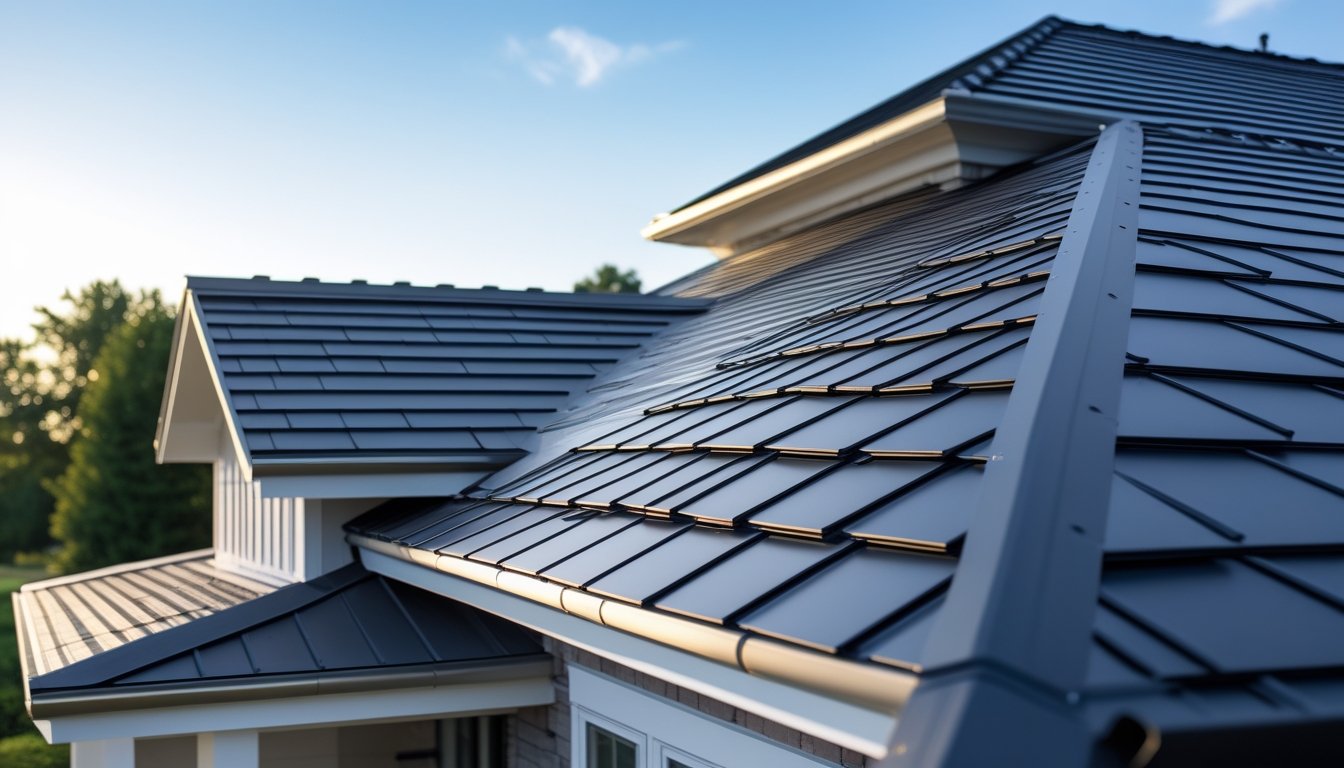
Steel slate roofing delivers the timeless beauty of slate with the modern strength of steel. It offers exceptional weather resistance, long-term performance, and a refined architectural look suitable for both traditional and contemporary buildings.
At Reclaimed Slate Roofing, we provide durable steel slate products that combine tested performance with visual authenticity. Every panel is inspected for quality and finish, ensuring your roof stands strong for decades while retaining the texture and character of real slate.
In this guide, you’ll learn how steel slate roofing compares to natural slate, what benefits it offers, how it’s installed, and how to care for it over time. You’ll also discover cost considerations, design options, and sustainability advantages that make steel slate a smart investment.
What Is Steel Slate Roofing?
Steel slate roofing combines the look of natural slate with the strength of steel. It offers a durable roofing option that can withstand harsh weather and lasts longer than some traditional materials. This material is engineered to meet both aesthetic and practical needs for roofing projects.
Core Materials and Construction
Steel slate roofing uses high-quality steel as its base material. The steel panels are coated with weather-resistant finishes to prevent rust and corrosion. They often have a textured surface that mimics natural slate’s grain and color.
These roofs are made to be lightweight compared to real stone slate, reducing strain on the building’s structure. The panels interlock or overlap tightly to provide strong water resistance.
The metal core gives superior impact resistance against hail and debris. With a well-applied finish, steel slate roofing stays durable for decades. Your roof will resist fading, cracking, and moss growth better than organic or stone slates.
Comparison to Traditional Slate Roofing
Natural slate is prized for its beauty and lifespan but can be heavy and costly. Steel slate roofing gives you the look of slate without the weight or need for special support structures. Unlike natural slate, steel is less brittle and less likely to break under pressure. It also requires less maintenance over time.
However, authentic reclaimed slate from trusted sources remains unmatched for historic accuracy and natural variation. Steel slate installation tends to be faster, which helps keep labor costs down. The choice depends on whether you prioritize authenticity or practical durability.
Applications in Residential and Commercial Properties
Steel slate roofing works well on many building types. You can install it on houses, commercial buildings, and historic restorations needing a slate look but modern performance.
Its lighter weight makes it a good option for retrofit projects where roofing structure cannot handle heavy materials. Steel slate is also popular for its fire and weather resistance, useful in areas with harsh climates.
Builders and roofers appreciate steel slate for combining speed, reliability, and style. You can order from reliable suppliers who offer fast delivery and quality-tested panels.
Benefits of Steel Slate Roofing
Steel slate roofing offers a robust, low-maintenance alternative to traditional slate. It combines strong materials with a realistic look, saving you time and future expenses. You get the benefits of long-lasting performance, resistance to harsh weather, and flexible design options that match many architectural styles.
Durability and Longevity
Steel slate roofing is made from tough metal designed to last for decades. Unlike natural slate, which can crack or break, steel resists fractures from impacts like hail or falling branches. It also won’t warp or rot like wood-based materials.
You can expect a steel slate roof to last 50 years or more with proper installation. Its lifespan rivals or exceeds many traditional roofing options. This durability helps reduce replacement costs and minimizes the need for repairs over time.
For projects where longevity is critical, such as historic restorations or high-end new builds, steel slate provides a strong, dependable option.
Weather Resistance
Steel slate roofing stands up well to extreme weather conditions. It resists damage from heavy rain, snow, and ice buildup. The material is non-porous, preventing water absorption that can cause deterioration.
Metal roof panels also perform well against fire hazards because steel is non-combustible. Steel’s natural resistance to wind uplift makes it a smart choice in areas prone to storms. Its solid construction blocks leaks and avoids common problems that slate tiles face during severe weather.
Low Maintenance Requirements
A steel slate roof requires very little maintenance compared to natural slate. You won’t need to replace cracked or broken tiles regularly. Periodic inspections and cleaning to remove debris are usually enough.
Since steel does not absorb water, issues like moss, mold, or algae growth are much less common. This keeps the roof cleaner and protects its finish longer. Low maintenance reduces your ongoing costs and the labor needed to keep your roof in good shape.
Aesthetic Versatility
Steel slate roofing is designed to mimic the look of natural slate closely. It offers realistic textures and colors that blend perfectly with traditional or modern architecture. You can choose from various styles, shades, and finishes tailored to your project’s design needs.
This flexibility lets you capture the timeless look of reclaimed slate without the risk of damage or high upkeep. Because steel slate panels are lighter than natural slate, they can be installed on roofs that may not support heavier materials.
This expands your options when working on different roof structures. You can find steel slate products that bring authentic appearance together with durability and practicality, all ready to ship fast to your jobsite.
Installation Process for Steel Slate Roofing
Installing steel slate roofing demands careful planning, strong support structures, and precise attachment methods. You will need to prepare your roof deck carefully, follow clear installation steps, and use recommended fastening techniques to get the most durable and authentic result.
Preparation and Structural Considerations
Before you start, inspect the roof frame to make sure it can support steel slate panels. Steel slate is lighter than natural slate but still requires a solid deck, usually plywood or OSB sheathing. Check for any damage or rot, and repair as needed to provide a stable foundation.
Install a high-quality underlayment that resists moisture and protects the roof deck. A synthetic underlayment is often recommended for its durability and breathability.
Plan for proper ventilation to avoid moisture buildup under the panels. Ensure roof slopes meet minimum pitch requirements, generally above 3:12, for effective water runoff.
Step-by-Step Installation Overview
Begin by laying starter strips along the lower edge of the roof to secure the first row of steel slate panels. Align the panels carefully to maintain straight rows and consistent overlap.
Fasten each panel with manufacturer-approved nails or screws, usually stainless steel or corrosion-resistant. Pre-drilling holes may simplify this step and reduce the risk of panel damage.
Work your way up the roof, overlapping the panels as you go to create a weather-tight seal. Use flashing around chimneys, valleys, and edges to prevent leaks. Check alignment and fasteners regularly to prevent misplacement, which could reduce roof lifespan or cause water intrusion.
Recommended Installation Methods
Use factory-made panels designed specifically for steel slate roofing. These come pre-formed with tabs or clips, making attachment easier and more secure than cutting panels on site.
Follow the manufacturer’s guidelines for fastener type, spacing, and placement to maintain warranty coverage and roof integrity. In areas with strong winds, consider additional fastening or sealant products to prevent wind uplift.
Energy Efficiency and Sustainability
Steel slate roofing combines strong insulation, environmental benefits, and recyclability. This helps lower your energy bills and reduces the roof’s impact on the planet.
Reflectivity and Insulation Properties
Steel slate roofing reflects a good portion of sunlight, which keeps your home cooler in warm weather. This reduces how much your air conditioning needs to run. The steel panels also provide a solid barrier against heat transfer, meaning less heat escapes in winter, helping keep your house warmer without extra energy use.
Together, these features improve your roof’s energy efficiency. Choosing steel slate roofing lets you maintain indoor comfort with lower energy costs.
Environmental Impact
Steel slate roofing has a smaller environmental footprint than many roofing types. It is lightweight, which means less material and less fuel needed to transport it. Because it lasts for decades without needing replacement, it lowers waste over time.
Using authentic reclaimed slate roofing from trusted sources can further cut your project’s environmental impact by reusing materials instead of creating new ones.
Fire Ratings And Wildfire Resilience For Metal Roofs
According to the Insurance Institute for Business & Home Safety (IBHS), steel slate roofing is noncombustible and typically earns a Class A fire rating. That is the highest classification under national model codes.
This rating confirms strong resistance to flame spread and surface ignition, even under severe exposure. In wildfire-prone areas, IBHS recommends combining Class A roof coverings with ember-resistant details at edges, eaves, and vents.
Coordinating underlayment, flashing, and closure systems preserves the roof’s Class A performance and reduces the risk of ember intrusion or structural ignition.
Recyclability of Steel Slate Materials
Steel slate roofing is highly recyclable. At the end of its life, steel panels can be fully recycled, reducing landfill waste. This recyclability supports circular building practices. Steel can be collected and melted down to make new materials without losing quality.
If sustainability matters to you, steel slate roofing offers a clear advantage. Its long life and recyclability make it a responsible choice for environmentally aware builders and homeowners.
Cost Factors and Financing Options
Steel slate roofing costs depend on several key elements like material price, labor, and the roof’s expected lifespan. Financing options can make the investment manageable without compromising quality or deadlines.
Material Costs
Steel slate roofing materials vary in price based on thickness, finish, and quality. Expect to pay between $10 and $25 per square foot for metal slate panels. Higher-end finishes that closely mimic natural slate can add to the cost.
Choosing steel slate reduces concerns about brittle or damaged tiles because the material is durable and resistant to cracking.
If you want authentic reclaimed slate for comparison or detail work, we offer vetted, historic pieces at wholesale prices. Using such materials can raise upfront costs but adds rarity and style.
Labor and Installation Charges
Installing steel slate requires skilled roofing professionals familiar with metal systems and slate roofing techniques. Labor rates range widely but often fall between $5 and $15 per square foot, depending on roof complexity and location.
You should factor in additional charges for underlayment, flashing, and ventilation. Some contractors may offer financing plans to spread labor costs, which is helpful for budgeting. Quick and reliable delivery of materials can reduce delays and save on labor overhead tied to scheduling.
Long-Term Value and Return on Investment
Steel slate roofing excels in long-term durability, often lasting 40 to 70 years with minimal maintenance. This reduces future repairs or replacements compared to asphalt or wood shingles.
Its resistance to fire, wind, and freeze-thaw cycles lowers risk and insurance costs. Many homeowners see the initial investment recouped over time through these savings.
The metal slate roof also offers good resale value because of its appearance and lifespan. This can make financing more practical, knowing you’re investing in a durable, attractive roofing system.
Design Options and Customization
Steel slate roofing offers a range of ways to tailor the look and function of your roof. You can choose colors, finishes, and profiles that suit your building's style. Matching steel slate to architectural designs enhances both curb appeal and durability without the expense of natural slate.
Color Choices and Finishes
Steel slate roofing comes in many colors, from soft earth tones to bold shades. These colors are typically applied through a stone coating or painted finish. The coating not only adds color but also improves protection against weather and corrosion.
You can select finishes such as matte, satin, or textured stone-coated surfaces. These finishes mimic the look of natural slate while providing extra strength. The wide palette and textures let you match your roof to your home’s style or landscape.
Our team can help you select rare and authentic colors that work best for restoration or new builds. Their materials are vetted to ensure color consistency and durability in the field.
Profile Styles
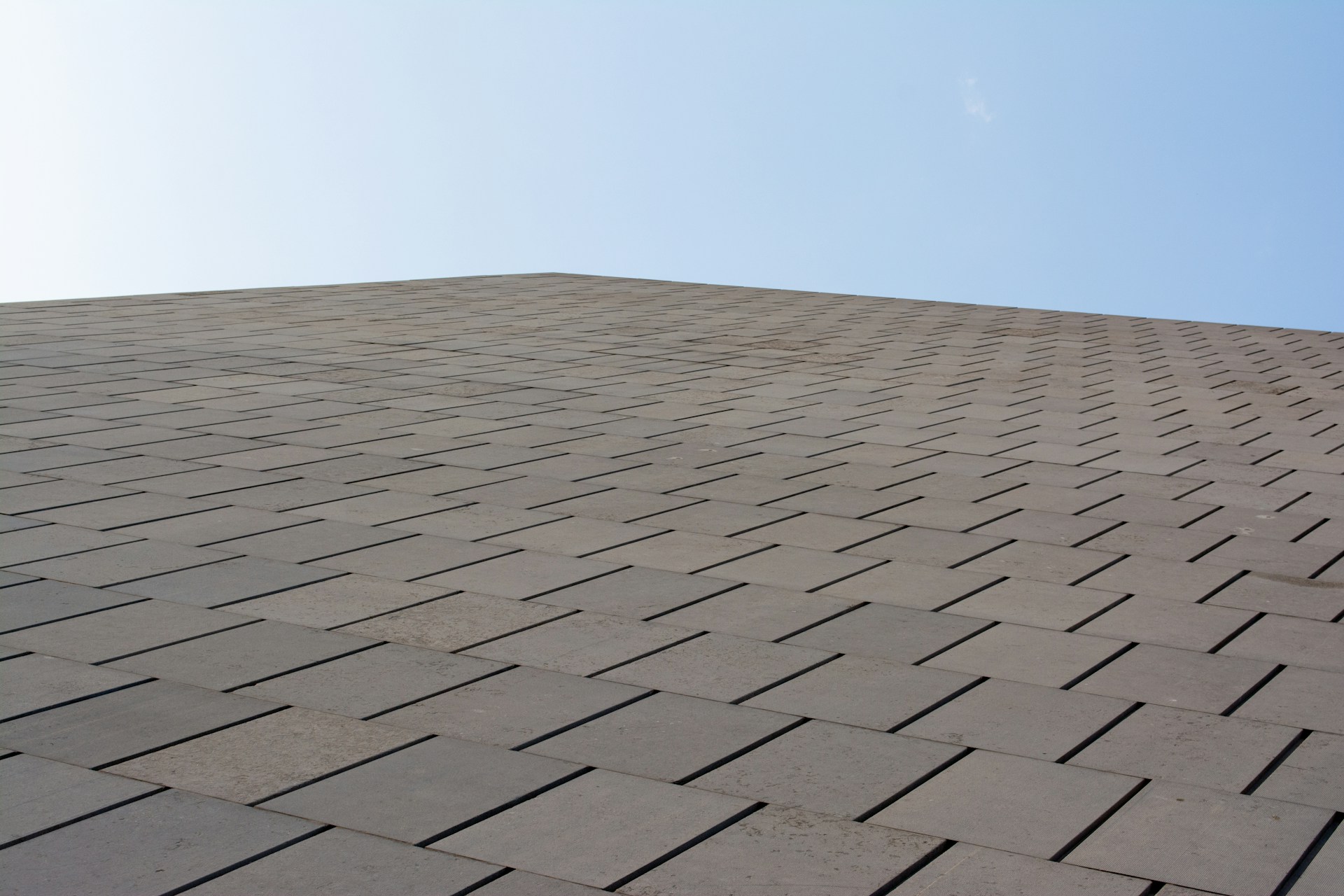
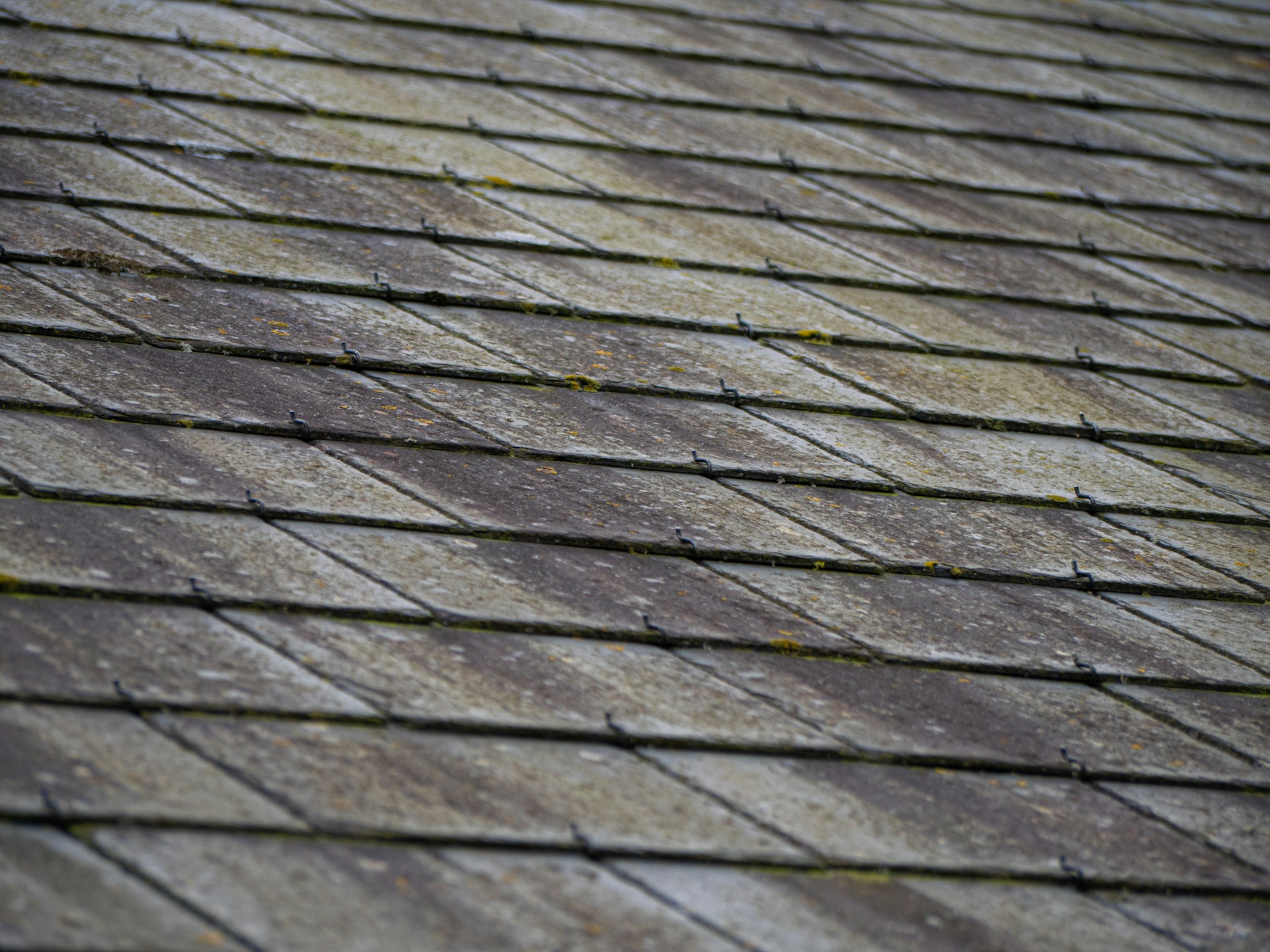
Steel slate roofing profiles mimic traditional slate shapes. These include rectangular tiles with varied widths, graduated sizes, and random patterns. You can find styles that imitate the layered, rough edges of natural slate for an authentic appearance.
Profiles range from simple flat tiles to more textured designs that add depth to your roof. Some profiles allow combinations of different tile shapes to create patterns or visual interest, like staggered or multi-width layouts.
Choosing the right profile depends on your building’s design and the level of detail you want on the roof. Profiles are engineered to work efficiently with steel’s long lifespan and weather resistance.
Matching Steel Slate Roofing to Architectural Styles
Steel slate roofing suits a variety of architectural styles, from classic to modern. For historic restoration, the roofing can closely replicate natural slate to maintain authenticity. This is important for heritage projects and high-end homes.
In contemporary builds, steel slate offers a clean, minimalist look while keeping the natural slate aesthetic. You can pick colors and profiles that complement modern siding or simple rooflines.
The versatility of steel slate helps you preserve character or create a distinctive new look. We specialize in materials that fit both restoration and custom new construction, offering you options tailored to your project's style and performance needs.
Maintenance and Care Guidelines
Maintaining steel slate roofing means staying on top of inspections, cleaning, and prompt repairs. These steps keep your roof strong and extend its life without costly damage. You need to know how to spot issues early, clean safely, and handle small repairs before they worsen.
Routine Inspections
Regular inspections help catch problems before they get bigger. Look for loose or missing slates, rust on fasteners, or signs of water damage around seams and flashing. Check gutters and downspouts for debris that might cause water to back up under the roof.
Inspect your roof at least twice a year — in spring and fall — and after severe storms. Use binoculars for a safe, detailed view if you can’t climb onto the roof. Taking notes or photos during inspection will help track changes over time.
If you find serious issues, contact a professional experienced with steel slate roofing. Experts recommend having a skilled roofer handle repairs due to the material’s unique qualities.
Cleaning Recommendations
Steel slate roofing needs gentle cleaning to avoid damage. Use a soft brush or low-pressure water spray to remove dirt, leaves, and moss. Avoid high-pressure washing since it can dislodge the slates or wear down protective coatings. Remove any debris from valleys and gutters to prevent water pooling.
If moss or algae persist, treat them with a mild, eco-friendly solution designed for metal surfaces. Never use harsh chemicals or abrasive tools that might harm the finish or cause corrosion.
Repairing Minor Damage
Fix minor damage quickly to avoid bigger repairs. For small cracks or chips in the slates, apply a metal patch or roofing sealant designed for steel slate. Replace any fasteners that are rusty or loose with corrosion-resistant screws to keep slates securely in place.
If a slate is bent but not broken, it may be possible to straighten it carefully using pliers with padded jaws. For missing slates, order direct replacements matching your roof from a trusted supplier. Always wear safety gear when working on the roof.
If damage covers a large area, hire professionals familiar with steel slate materials to ensure proper repair and long-term durability.
Common Challenges and Solutions
Steel slate roofing offers strength and a good look but comes with specific challenges. Managing corrosion and surviving extreme weather are key to keeping your roof durable and efficient.
Handling Corrosion and Rust
Steel roofs can rust if not properly treated. Choose steel with a rust-resistant coating like galvanized or aluminized steel. These coatings protect the metal from moisture and oxygen, slowing corrosion. Regular inspections help catch small rust spots early.
Use a wire brush to remove rust and apply a metal primer before repainting the affected area.
Installing proper flashing and ensuring good drainage keep water from pooling. Standing water accelerates corrosion, especially around roof joints and edges. Protecting these vulnerable spots is essential to prolong your roof’s life.
Dealing With Extreme Weather Conditions
Steel slate roofing withstands wind and hail better than many materials, but extreme weather still tests it. High winds can loosen or bend steel slates if fasteners aren’t secure. Check and tighten fasteners annually, especially after storms.
Heavy snow and ice add weight and can cause damage if not removed promptly. Use a roof rake carefully to clear snow without scratching or bending the steel. Avoid metal shovels and abrasive tools.
Temperature changes cause steel to expand and contract, risking fastener loosening and panel warping. Use flexible fasteners designed for movement and plan for regular maintenance. This reduces gaps and prevents leaks.
Choosing a Steel Slate Roofing Contractor
Picking the right contractor affects the quality, durability, and appearance of your steel slate roof. You need to verify experience, credentials, and past work to be confident in their ability. Checking real examples and client feedback ensures professionalism and skilled installation.
Evaluating Experience and Credentials
Look for contractors with proven experience in installing steel slate roofing specifically. Not all roofing experts handle this material well, so ask about the number of steel slate projects completed. Verify licenses and insurance. A valid roofing license shows they meet industry standards.
Insurance protects you from liability if accidents happen on your property. Check for manufacturer certifications. Certified installers often get access to training and specific installation guidelines, which means your roof will be done right.
Experience with steel slate also means they understand how to avoid common issues like improper sealing or structural challenges.
Reviewing Portfolio and References
Ask to see a portfolio of their recent steel slate installations. Photos and project details let you judge their craftsmanship and attention to detail. Look for consistent quality and neat finishes. Request references from past clients who had steel slate roofs installed.
Contact these clients to hear about their experience with communication, timing, and final results. Good contractors provide references without hesitation and have positive reviews. If you hear about delays, poor workmanship, or hidden costs, look elsewhere.
The Strength Of Steel With The Look Of Slate
Steel slate roofing delivers a blend of elegance, endurance, and efficiency that few materials can match. Its weather resistance, long lifespan, and refined aesthetic make it a top-tier choice for modern homes and heritage restorations alike.
Reclaimed Slate Roofing supplies high-quality steel slate panels designed to perform and impress. Each piece is carefully inspected to ensure lasting performance and visual authenticity. Our materials blend modern engineering with the timeless beauty of slate for reliable protection and a classic finish.
Reach out today to get durable, architecturally precise steel slate roofing delivered directly to your project site. Request a quote or consultation to explore our full range of authentic materials and fast, builder-direct delivery options.
Frequently Asked Questions
Steel slate roofing offers durability, lower weight, and easier installation compared to natural slate. You will want to consider cost, weather resistance, and maintenance needs when choosing this roofing option.
What are the long-term benefits and drawbacks of installing a steel slate roof?
Steel slate roofs resist cracking and breaking like natural slate does. They are lighter, easing structural demands on your building. However, steel can dent from hail or heavy impacts. Over time, steel may show signs of rust if the protective coating fails.
How does the cost of steel slate roofing compare to traditional slate materials?
Steel slate typically costs less than natural slate to buy and install. It can be two to three times the cost of asphalt shingles but remains more affordable than real slate tiles. Though upfront costs are lower, steel may require more frequent upkeep, affecting long-term expenses.
What is the average lifespan of a steel slate roof?
Steel slate roofs usually last 40 to 70 years with proper maintenance. This is shorter than natural slate, which can last over 100 years. Lifespan depends on material quality, climate, and how well you maintain the roof.
How do weather conditions affect the performance of steel slate roofing?
Steel roofing stands up well to wind, rain, and snow. Its protective coating guards against water damage and rust. In hail-prone areas, steel may dent or scratch. Steel roofs also expand and contract with temperature changes, which can cause wear over time.
Can steel slate roofing be installed on any type of home?
Steel slate can be installed on most homes, especially where weight is a concern. It works well on both new builds and renovations. Check local building codes and roof structure before installation. You may need professional assessment to confirm compatibility.
What maintenance is required to ensure the longevity of a steel slate roof?
Regular inspections for rust, dents, or coating damage are essential. Clean gutters and remove debris to prevent water buildup. Touch up protective coatings as needed to avoid corrosion. For authentic slate roofing that matches high standards, Reclaimed Slate Roofing offers genuine, historic materials vetted for quality and durability.