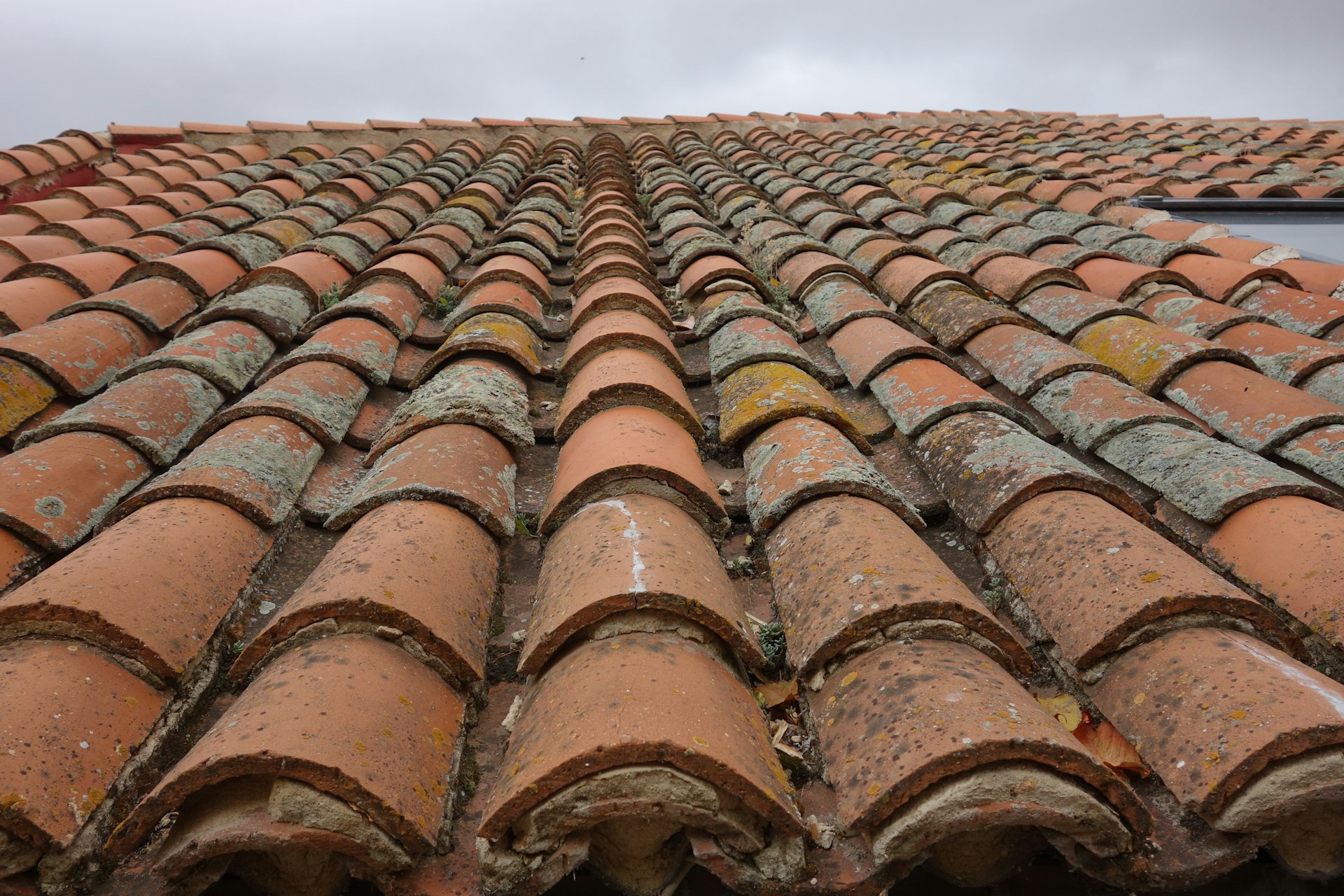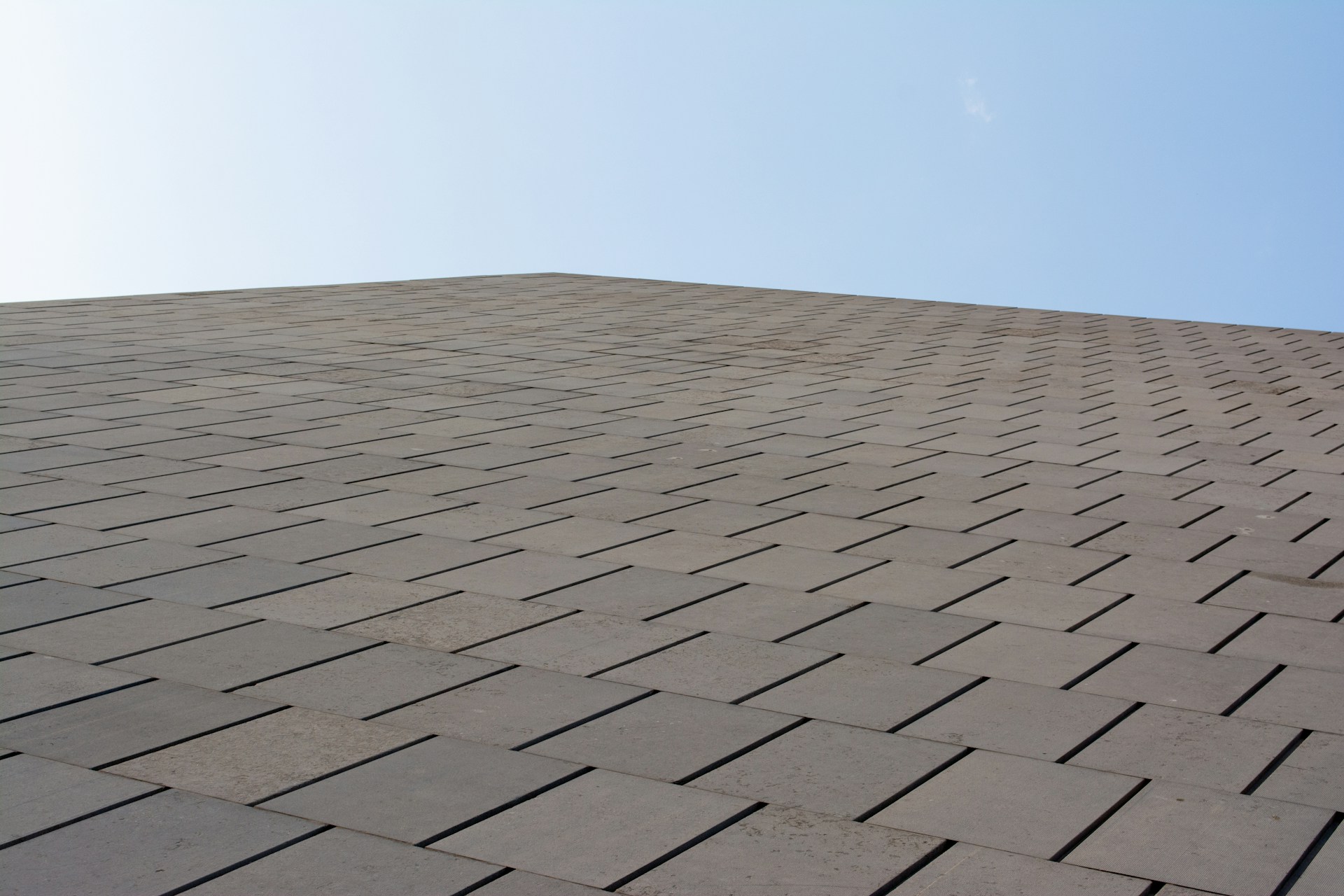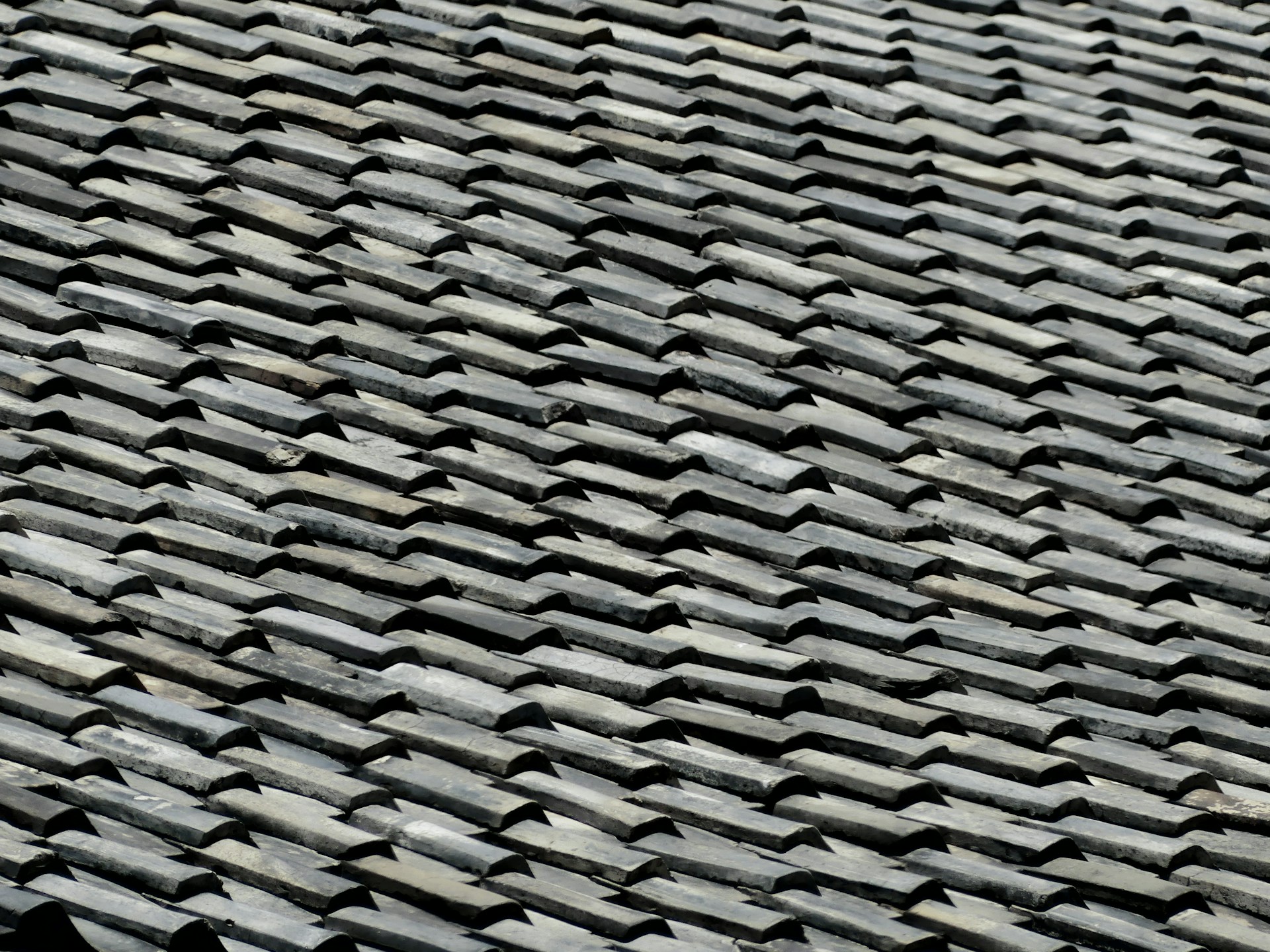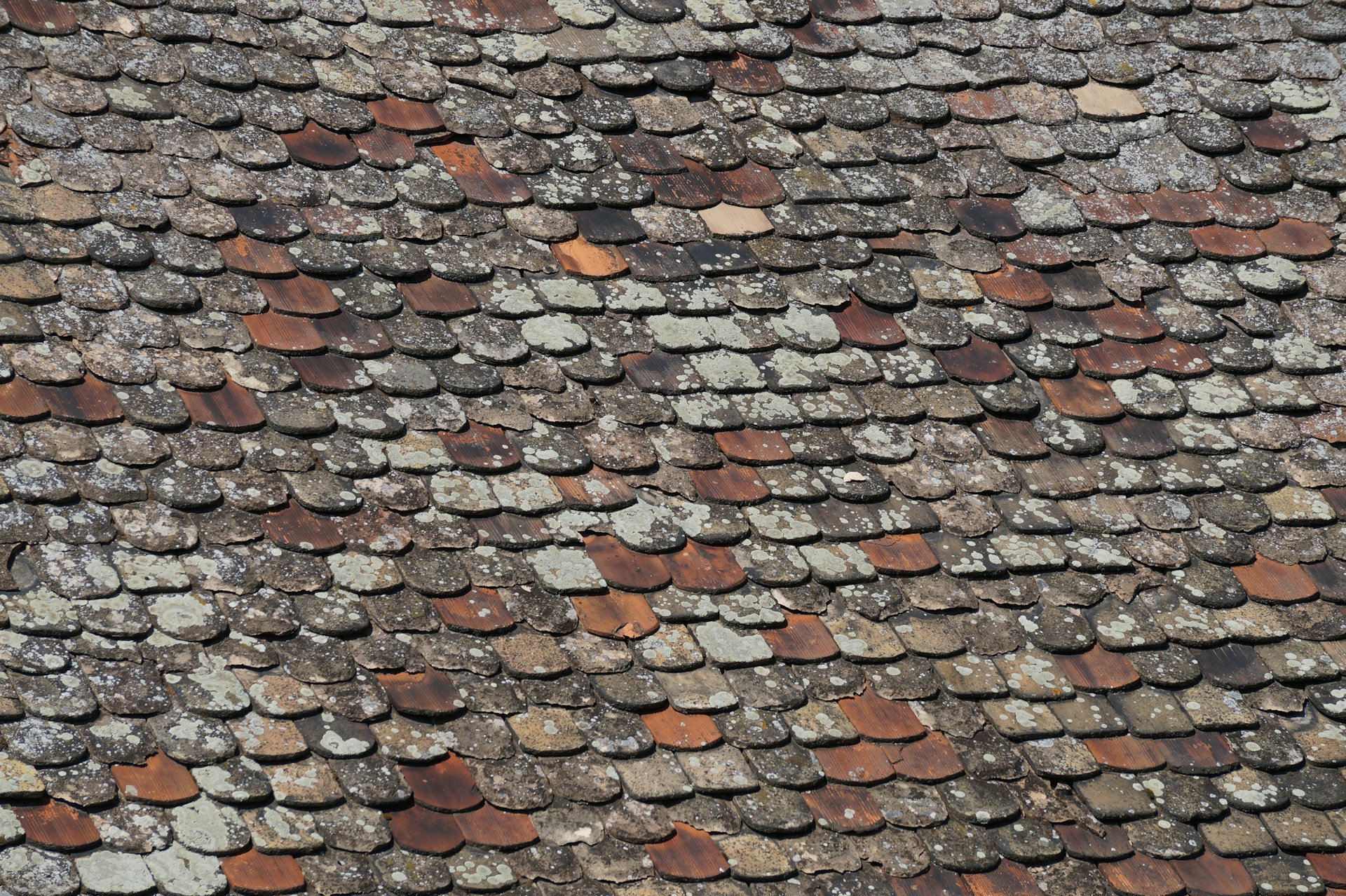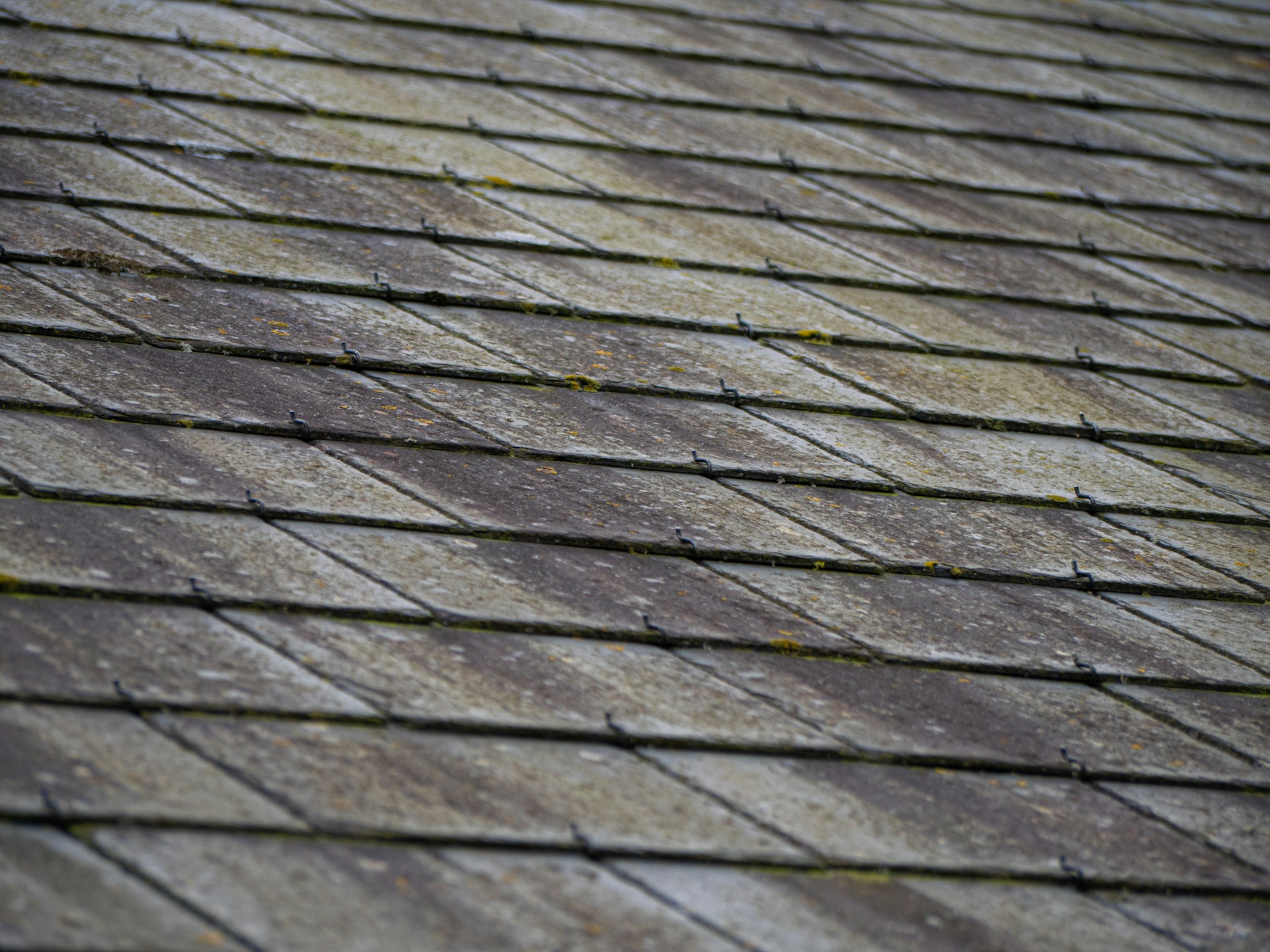
A specifier on a green building project asks for an embodied carbon figure on the roof, and the new slate on the drawings came from a quarry overseas. That one question changes the whole material list. On many pitched roofs, reclaimed slate or clay tile can lower a roof's embodied carbon, because reuse reduces demand for new quarrying and firing. Among low-carbon roofing materials, salvaged roofing also offers decades of proven service life. The full comparison depends on transport and on the boundaries of each life-cycle assessment.
Reclaimed Slate Roofing supplies that kind of material: authentic slate and clay tile recovered from historic roofs, hand-inspected, sounded, and culled before it ships. Inventory runs from grey and black slate in 20", 18", and 16" random widths to rare colorways such as Buckingham Black and Purple. Every piece keeps its original patina, with no cleaning or artificial finishes added.
In this guide you will discover how embodied carbon is counted and how reuse compares with new eco-certified products. You will also see how reclaimed tile stacks up against metal, asphalt, cool roofs, green roofs, and solar, plus how to specify and source salvaged roofing without surprises. If your crew starts in two weeks, most reclaimed slate orders ship within 2 to 5 business days after order confirmation.
What Makes a Roofing Material Low Carbon?
A roofing material earns its low-carbon status by the total emissions it causes over its life, divided by the years it keeps a building dry. Factory claims and recycled content only tell part of that story.
The emissions tied to making a product are called embodied carbon. The energy behind them is embodied energy. Together they drive a material's carbon footprint and its global warming potential (GWP), the standard way building materials are compared.
How Do Embodied Carbon and Roof Lifespan Affect the Comparison?
Lifespan divides everything. A roof that lasts 20 years gets torn off and replaced four or five times in a century, and each tear-off repeats the full manufacturing hit.
Natural slate lasts 75 to 100+ years when installed correctly. So its upfront carbon spreads across many decades of service. A cheaper product with lower upfront emissions can lose that lead after its second replacement cycle.
This is why slate roofing lifespan belongs in any sustainable roofing comparison. Ask for the replacement count over 50 or 100 years, and the ranking of materials often flips.
Which Emissions Count From Sourcing Through End of Life?
Life cycle assessments split a product's emissions into stages. Contractors can group them into four practical buckets:
- Sourcing and making: quarrying, mining, kiln-firing, and factory processing
- Transport: hauling raw material to plants and finished product to the job site
- Use and upkeep: repairs, maintenance, and partial replacements over the roof's life
- End of life: tear-off, landfill, recycling, or salvage for reuse
Transport is larger than many buyers expect. A Historic England study estimated an average saving of 5kgCO2e per m2 of roof when local slate replaced slate shipped from overseas quarries.
Why Does Reuse Differ From Buying a Newly Manufactured Eco-Certified Product?
A new product with an eco label still starts its life at a quarry, mine, or kiln. Its certification may show lower emissions per unit, yet those emissions still happen when you place the order.
Reclaimed slate and clay tile reduce demand for that new extraction and manufacturing. Reuse still has its own impacts, including removal, handling, sorting, packaging, and freight. How reuse and new products compare depends on transport distances and on what each life-cycle assessment includes.
That gap explains why salvaged tile behaves so differently from new material once you trace where the carbon goes.
Why Reclaimed Slate and Clay Tile Change the Carbon Equation
Salvaged slate and clay tiles avoid new quarrying and firing for your project. They move from an old roof to a new one in a circular loop that keeps durable roofing materials in service.
That loop is the core of circular economy building materials. A slate that shed rain for a century can shed rain for decades more once it passes inspection.
How Does Salvage Avoid New Quarrying and Kiln-Firing?
New slate requires blasting, splitting, trimming, and shipping from a quarry. New clay tiles require digging clay and firing it in kilns at high heat, one of the most energy-hungry steps in roofing.
Reclaimed material skips both. The tiles are lifted from a historic roof during a teardown, stacked, sorted, and prepped for reuse. You can follow the full path in this walkthrough of how reclaimed roofing is sourced.
Each salvaged tile also stays out of the landfill. That double benefit is covered in more depth in how reclaimed roofing reduces waste and in this overview of eco-friendly reclaimed roofing benefits.
How Do Hand-Inspection and Culling Protect Remaining Service Life?
Carbon savings only count if the tile lasts. A cracked or delaminating slate that fails in five years wipes out the benefit and adds a repair trip.
That is why sounding matters. A sound slate gives a clear ring when tapped. A dull thud points to hidden cracks or softening. At Reclaimed Slate Roofing, each piece is hand-inspected, sounded, and culled to internal standards before it ships.
The culled pile never reaches your crew. What arrives on the pallet is job-site ready material with its structural life intact. See how that process works in tested and vetted roofing.
What Do Original Patina, Large Formats, and Rare Colors Add to a Specification?
Reclaimed stock offers looks that new product cannot match on day one. The surface keeps a century of weathering, and nothing is cleaned or coated to fake it.
Current inventory gives you real design range:
- Buckingham Black slate: deep black tone, strong contrast against pale stone or trim
- Mottled Green with Purple: a mixed palette suited to multicolor historic roofs
- Purple and Semi Weathering Green: hard-to-find colors for restoration matches
- Grey and Black slate: 20", 18", and 16" random widths for large-format coverage
- Barrel clay roof tiles: salvaged profiles for mission and Mediterranean styles
For more on color depth, read about rare slate colors and rare reclaimed roofing materials. The harder question is how these stack up against every other green option on the market.
How Do Low-Carbon Roofing Materials Compare in Practice?
Reclaimed slate and tile can perform well on embodied carbon and lifespan, while cool, living, and solar roofs target operating energy. The right pick depends on which emissions your project is trying to cut.
Reclaimed Tile vs. New Tile, Metal, and Asphalt Shingles
New slate and clay tile match reclaimed stock on durability. They still carry the full quarrying or firing load, plus freight from wherever they were made.
Metal roofing lasts longer than asphalt and is widely recycled at end of life. Making steel or aluminum sheet is energy intensive, though, and the roof starts its life with that debt.
Asphalt shingles are cheap upfront but short-lived. They are petroleum based, and multiple tear-offs over a century send tons of waste to landfill. Against both, choosing reclaimed materials for long-life roofs keeps replacement cycles to a minimum.
Where Do Recycled and Composite Shingles Fit?
Recycled shingles and composite shingles use rubber, plastic, or reclaimed content formed into slate or shake shapes. Rubber roofing fills a similar niche on low-slope roofs.
They beat virgin asphalt on waste diversion. Each one is still a newly manufactured product, made in a factory with fresh energy inputs. Their track records span decades, while natural slate has proven itself across generations.
For heritage work, composites also struggle to match real patina. Guidance on authentic period-correct roofs explains why historic reviews often favor genuine material.
When Do Cool, Living, and Solar Roofs Offer Different Benefits?
These systems cut operating energy more than embodied carbon. They answer a different question, so they can pair with durable roofing.
- Cool roofs: High solar reflectance keeps heat out and eases the heat island effect. The EPA reports that cool roofs can cut peak cooling demand by 11% to 27% in air-conditioned homes. Terra cotta tile is listed as naturally cool.
- Green roofs: Living roofs aid stormwater management. Extensive green roofs use 6 inches or less of growing medium, while intensive green roofs go deeper. Saturated loads run 10 to 40 pounds per square foot, and they suit flat or low slopes.
- Solar panels and solar shingles: They boost energy efficiency by producing power. Panels last about 20 to 30 years, so the roof under them should outlast the array to avoid paying for removal and reinstall.
A 100-year slate roof makes a sound base for panels. The next step is getting the right salvaged material onto your job without delays.
How Should Builders Specify and Source Reclaimed Roofing?
Good reclaimed specs start with the building, then the batch, then the budget. Green building practices fail when a beautiful material lands on a roof that cannot carry it.
Check Structural Load, Slope, and Compatibility With the Existing Roof
Slate and clay are heavy. Have an engineer confirm rafter size and spacing, especially on older homes or timber frames.
Confirm the roof pitch meets the headlap needs of your chosen slate length. Longer 20" slate covers more ground per piece, and it also changes exposure and fastener layout. This guide on reclaimed slate roof installation covers those details.
For repairs, thickness and color must match what is already up there. Use these historic slate matching guides and tips on replacing broken slate tiles. Clay repairs have their own playbook in reclaimed tile roof repairs.
Review Batch Photos, Tile Condition, and Available Sizes Before Ordering
Reclaimed stock comes in lots, and each lot is finite. Ask for batch photos and material details before you confirm, so you see the real color range and surface wear.
All reclaimed slate orders are final sale. Settle fit and color questions before confirmation, and inspect crates on delivery. Shipping damage should be reported within 48 hours.
Background reading helps here, including reclaimed slate sourcing tips, a primer on slate roofing materials, and a guide to reclaimed clay roof tiles.
Account for Freight, Installation, and Replacement Cycles in the Cost
Freight is part of the bill and part of the carbon. Orders ship nationwide, crated and palletized, with liftgate service and delivery scheduling on request.
Compare total cost over the roof's life. One slate roof that lasts a century can replace several shorter-lived roofs, each with its own labor and tear-off. See what trade buyers pay in this breakdown of reclaimed slate roof cost.
If you are matching an existing roof or specifying for a restoration, call 225-954-8393 and tell us what you are working with. You can also email bourgeoismaterials@gmail.com with photos of the current roof.
Choosing Proven Reuse for the Next Roof
Reclaimed slate and clay reduce demand for new extraction and manufacturing, and they bring a long service life with them. For a full carbon comparison, count freight distance and check the boundaries of each life-cycle study.
For builders, that means the sustainability case and the design case point the same way. Salvaged material brings heritage patina and rare colors to roofing for historic homes and new luxury builds alike. More on the green side lives in sustainable slate roofing, and more on the trade side in why builders choose salvaged roofing.
A specific lot of Buckingham Black or Purple will not restock once it sells. Call Reclaimed Slate Roofing at 225-954-8393 to check current inventory and get a direct price on your quantity. Or browse reclaimed roofing supplies and the full stock at reclaimedslateroofing.com.
Frequently Asked Questions
What Is the Most Environmentally Friendly Roofing Material?
It depends on the building and on how the comparison is drawn. For pitched roofs, reclaimed slate or clay tile is a strong choice because it avoids new quarrying and firing. It also lasts for many decades, so replacement emissions stay low. Cool, green, and solar roofs add operating energy savings on top.
Is Reclaimed Slate Lower Carbon Than New Slate?
Reclaimed slate avoids the new quarrying, splitting, and processing that new slate requires. It still has its own impacts, including removal, handling, sorting, and freight. Transport distance and study boundaries decide the final comparison.
Does Shipping Reclaimed Tile Cancel Out Its Carbon Benefits?
Shipping adds emissions, and long hauls narrow the gap, so compare actual distances for both options. New slate and tile must also be shipped, often from overseas quarries. Crated, palletized freight direct to the job site keeps handling steps to a minimum.
How Can a Contractor Tell Whether Salvaged Slate Is Sound Enough to Reuse?
Tap it. A sound slate rings clearly, while a dull thud signals cracks or softening. Also check for flaking, soft edges, and damaged nail holes, and buy stock that has been hand-inspected and culled.
Do Low-Carbon Roofing Materials Cost More Over the Life of a Roof?
Durable reclaimed slate can cost more upfront than asphalt but less over a century. A roof lasting 75 to 100+ years avoids several tear-offs, disposal fees, and new installs. Builder-direct pricing also trims the retail markup.