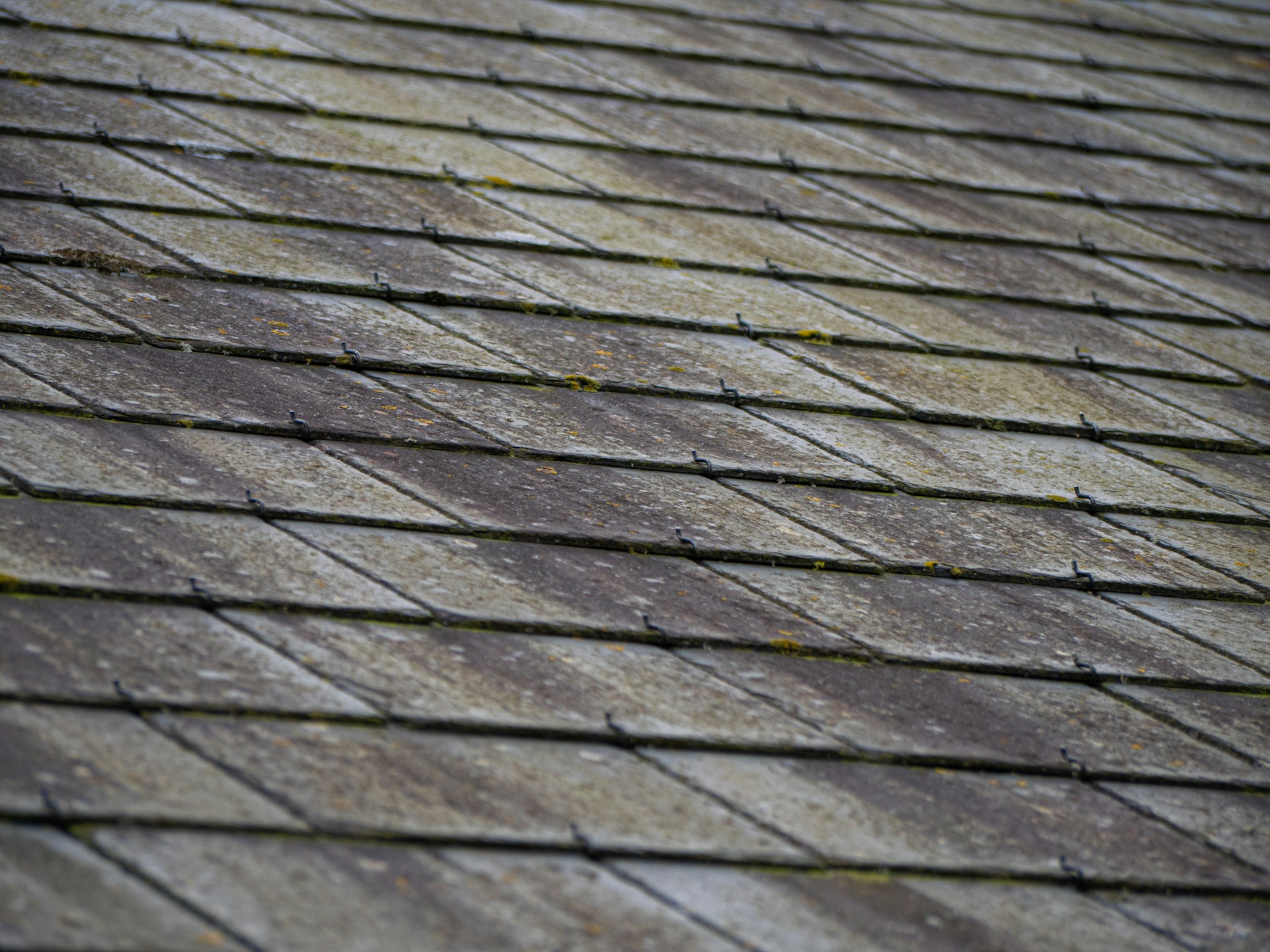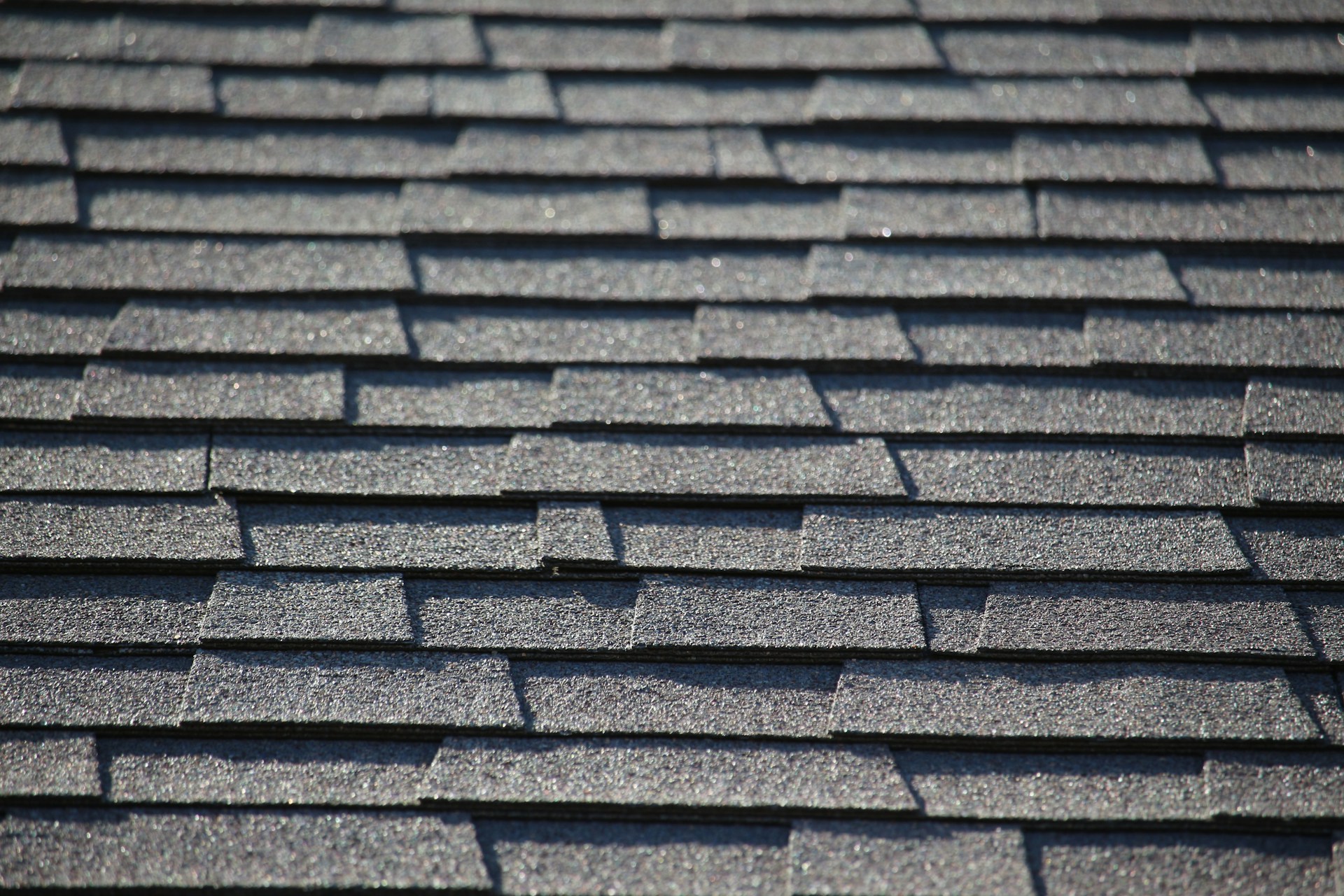
A bundle of broken slates comes off an 1880s mansard, and nothing in the local supply yard comes close. The existing pieces run 18 inches long, weathered grey with purple undertones. The preservation board wants a match; your client wants a firm price.
Choosing roofing materials for historic homes at this point is not a style exercise. It is a sourcing problem with a deadline attached. Reclaimed Slate Roofing exists for exactly that moment.
Every piece is salvaged from verified historic structures, hand-sounded and culled before it ships, in formats like 20-inch, 18-inch, and 16-inch random widths that match what came off the original roof. Rare colors, including Purple, Mottled Green with Purple, Semi Weathering Green, and Buckingham Black, are stocked because standard suppliers cannot fill those orders.
What follows covers how to specify authentic slate and clay tile by architectural period, how to verify salvage claims, what period-correct sizing and patina actually mean on a job, and which questions separate a real salvage supplier from a reseller. It speaks to the person writing the spec or pricing the tear-off, not to casual browsing.
Why Roofing Materials for Historic Homes Must Be Period-Correct
A roof is usually the largest single surface on a historic building, so getting the material wrong changes how the whole house reads. Preservation reviewers know this, and so do appraisers.
Preservation, Restoration, and Replacement Decisions
The first question is never which product to buy. It is how much of the existing roof can stay. Salvaging sound original slates for reuse on visible planes, then filling gaps with matched reclaimed stock, protects historical accuracy better than a full replacement.
Full replacement makes sense when the underlayment is spent, the framing has moved, or more than a third of the field is delaminating. Even then, the correct approach is repair-first thinking applied at scale, as described in guidance on historic building repair principles.
How Roofing Shapes Architectural Style and Property Value
Slate size, exposure, and color pattern carry the architectural signature of a period. Swapping a fine-graduated grey field for oversized uniform shingles causes the building to lose its architectural integrity, even if the roof stays watertight.
That loss shows up in money. In established historic districts, buyers and lenders treat original materials as part of the asset. A period-correct roof supports value; a visibly wrong one invites price adjustments and, sometimes, a second review.
When Authentic Materials Are Required by Preservation Standards
Local preservation guidelines, a state historic preservation office, or a certified tax credit review can all require in-kind replacement. In-kind means the same material, not a lookalike.
Where that language appears in your approval documents, synthetic products are usually off the table before the conversation starts. That makes the building's period and form your next decision point.
Match the Roof to Its Period, Form, and Regional Character
Roof shape tells you what the original covering probably was. Read the form first, then the details, then the region.
Gable, Hip, and Mansard Roof Profiles
Steep gables and hips shed water fast and were built for slate, wood shingle, or clay tile. Mansard roofs, common on Second Empire houses, almost always carried slate on the near-vertical lower slope, often in patterned or fish-scale courses.
Low-slope planes are a different story. They were typically metal, which is why you often find copper or terne on porch roofs attached to a slate main body.
Colonial, Federal, Greek Revival, and Gothic Revival Details
Early Colonial and Dutch Colonial roofs leaned on wood shingles. Federal and Greek Revival houses moved toward slate as rail freight made stone affordable inland.
Gothic Revival is where slate becomes decorative. Banded colors, diamond patterns, and clipped-corner slates are original design features, not later additions. Matching the cut matters as much as matching the color.
Spanish Colonial, Second Empire, Craftsman, and Art Deco Influences
Regional character drives the rest:
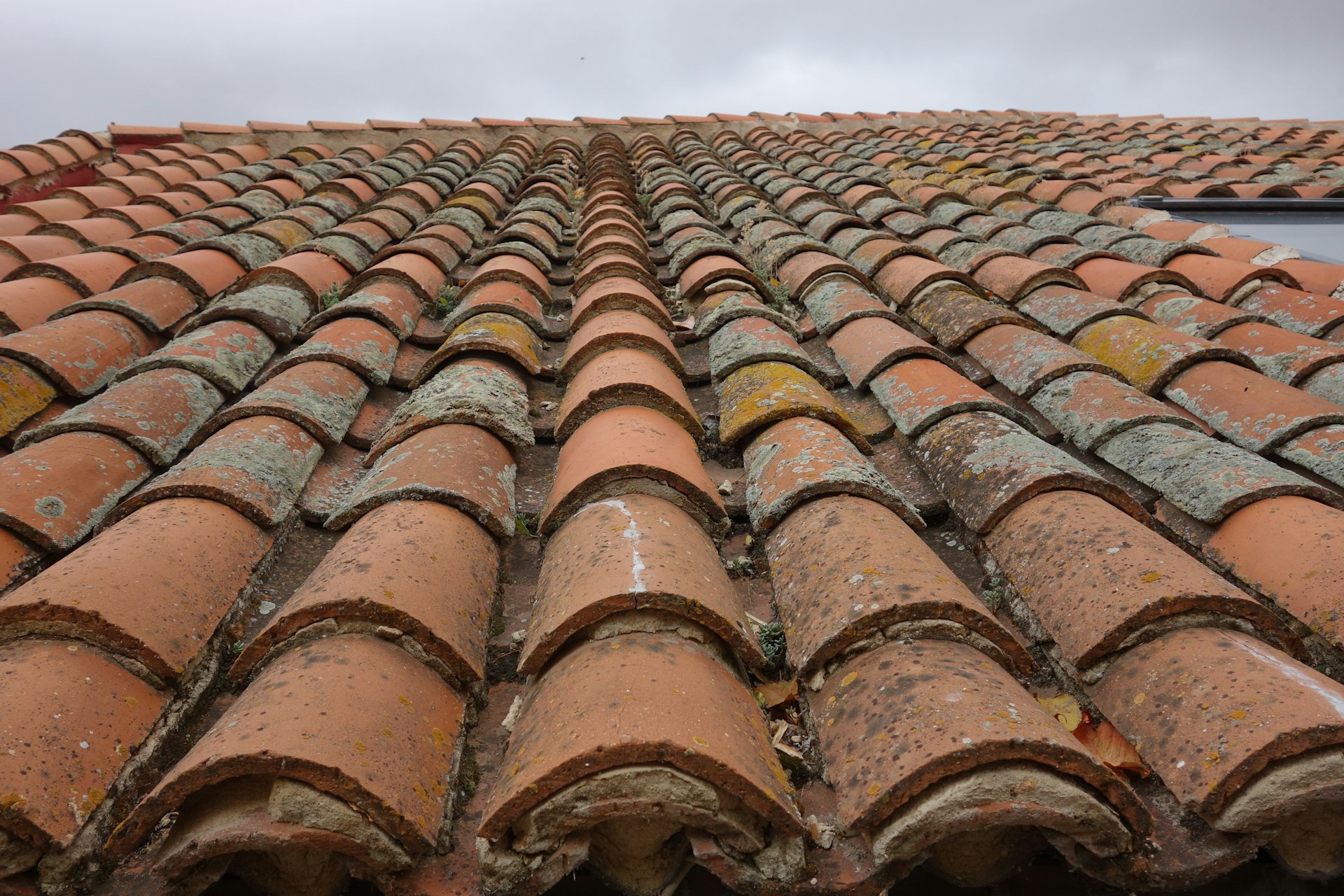
- Spanish Colonial and Mission: barrel and pan clay tile, warm terracotta range
- Second Empire: slate on mansards, frequently patterned
- Craftsman and Arts and Crafts: cedar shakes or thick-butt slate with wide exposures
- Colonial Revival: even-coursed grey or black slate, restrained detailing
- Art Deco: flat clay tile and metal accents, tight geometry
Once the period is settled, the specification comes down to which authentic material carries each roof plane, and prominent slopes rarely tolerate a compromise.
Specify Authentic Slate, Clay, Wood, and Metal by Use Case
Different planes on the same historic house often want different materials. Spec by exposure and visibility, not by one blanket line item.
Natural Slate for Prominent Historic Roof Planes
Natural slate is the default for street-facing planes on nineteenth- and early twentieth century houses. Service life runs 75 to 100-plus years, and reclaimed slate arrives with that history already proven in the field.
Random-width slate in 20-inch, 18-inch, and 16-inch lengths covers most restoration work in the United States. Keeping the original length is what preserves correct headlap and coursing rhythm.
Clay Tile Roofing for Mediterranean and Spanish Colonial Work
Clay tile brings shape and shadow that flat products cannot. Salvaged clay roof tiles carry kiln variation and surface wear that new extrusions never match, and the barrel format suits Mission and Mediterranean restorations directly.
Wood Shingles and Shakes for Colonial and Craftsman Roofs
Western red cedar, white oak, and redwood were the working woods. For Colonial and Craftsman roofs, match thickness, taper, and exposure, not just species.
Copper Roofing and Other Historic Metal Details
Copper handles bay roofs, dormer cheeks, valleys, and flashings. Left to patina naturally, it ages with slate instead of fighting it.
Where Modern Substitutes May Be Considered
Substitutes belong on hidden planes, rear additions, or non-contributing outbuildings. Federal guidance on substitute materials in historic buildings makes clear that appearance alone does not justify their use on primary elevations. That puts the burden back on evaluating the reclaimed stock itself.
Evaluate Reclaimed Slate and Clay Tile Before You Specify
Reclaimed material is only as good as the inspection behind it. Ask questions before the crate is built, not after it lands.
Confirming Salvage Origin and Authenticity Claims
Ask which structure the slate came off, what region it was quarried in, and roughly when the roof was built. A real salvage supplier answers plainly. Guidance on reclaimed slate sourcing covers what a straight answer sounds like.
Matching Historic Slate Sizes, Exposure, Color, and Patina
Pull five to ten slates off the existing roof and measure the length, width range, and thickness. Then compare patina in daylight, not under shop lighting. Matching work always starts with physical samples, never a color name over the phone.
Assessing Purple, Mottled Green, Grey, Black, and Buckingham Black Slate
Color families to know:
- Purple and Mottled Green with Purple: Vermont origin, common on high-style Victorian work
- Semi Weathering Green: shifts toward buff and brown over decades
- Grey: the versatile restoration workhorse
- Black slate: deep, dense, strong contrast against light stone
- Buckingham Black: Virginia quarried, hard, with a fine mica sparkle
Reviewing Hand-Inspection, Sounding, Culling, and Batch Documentation
Sounding is a tap test. A clear ring means sound stone; a dull thud means delamination. Every batch should be hand-inspected, sounded, culled, and photographed for your approval before shipment.
Checking Framing Capacity, Flashing, and Waterproofing Requirements
Slate runs roughly 800 to 1,000 pounds per square. Have framing evaluated. Budget for copper flashings and proper underlayment, since most water intrusion starts at details, not in the field.
Coordinate Approval, Installation, and Ongoing Roof Care
Material is half the job. Documentation and crew skill decide whether the finished roof passes review and lasts.
Documenting Existing Materials Before Roof Repair
Photograph coursing, measure exposures, and bag samples before demolition. Reviewers respond to evidence, and your crew needs a reference once the field is stripped.
Working With a Roofing Contractor Experienced in Heritage Work
Ask for slate addresses you can drive by. Copper nails, correct headlap, and hook or nail fixing appropriate to the region are basics for heritage roofers, not upgrades.
Planning Roof Inspections, Targeted Repairs, and Replacement Cycles
Inspect twice a year and after storms. Keep 3 to 5 percent of the order as attic stock so future reclaimed tile roof repairs match the field exactly.
Improving Insulation Without Compromising Historic Fabric
Add insulation at the attic floor and keep the roof deck ventilated. Sealing a historic assembly tight traps moisture and shortens the life of good stone.
Start With Real Material and Documented Origin
The best roofing materials for historic homes are usually the ones that have already survived a century somewhere else. That is the practical argument for authentic reclaimed slate and clay tile over anything pressed in a mold.
Whether you are patching a matching job, planning a full historic roof restoration, or specifying a new heritage build, start with real material in hand and a documented origin behind it. Reclaimed stock keeps quarrying demand and landfill volume down at the same time. This makes it a sustainable roofing choice without any special pleading.
When a spec or a matching job is on your desk, Reclaimed Slate Roofing can confirm real pricing and current availability by phone at 225-954-8393. You can also browse salvaged slate and clay tile inventory at reclaimedslateroofing.com. Most orders ship within 2 to 5 business days on palletized freight.
Frequently Asked Questions
What Roofing Materials Were Commonly Used on Historic Homes in the 1800s?
Wood shingles dominated early in the century, then natural slate spread quickly as railroads lowered freight costs. Clay tile held strong in Spanish and Mediterranean regions, with copper and tin metal used on low-slope porches and flashings.
How Do I Choose a Replacement Roof That Matches a Historic Home's Original Character?
Measure the existing slates for length, width, and thickness, then match color family and patina using physical samples in daylight. Keep the original exposure and coursing so the roof reads correctly from the street.
Is Reclaimed Slate Suitable for Restoring a Historic Roof?
Yes, and it is often the strongest option because it is genuine period material with proven durability. Sound reclaimed slate that has been hand-sounded and culled can serve another 75 years or more when installed with copper fixings.
Can Standing Seam Metal Roofing Be Used on a Historic Home?
It fits where metal was original: such as low-slope porch roofs, bay roofs, and rear additions. Substituting metal for a slate or clay field on a primary elevation usually fails preservation review.
What Are the Most Common Historic Roof Styles and Their Traditional Materials?
Mansard roofs on Second Empire houses carried patterned slate. Steep Gothic Revival gables used banded or shaped slate. Colonial roofs used wood shingles, and Spanish Colonial roofs used barrel clay tile.
What Is the 25% Roofing Rule for Historic Home Restoration Projects?
Many reviewers use a rough threshold: if more than about 25 percent of a roof field needs replacing, treat it as a reroof rather than a patch. Below that, targeted repair with matched reclaimed slate is usually the preferred and cheaper path.