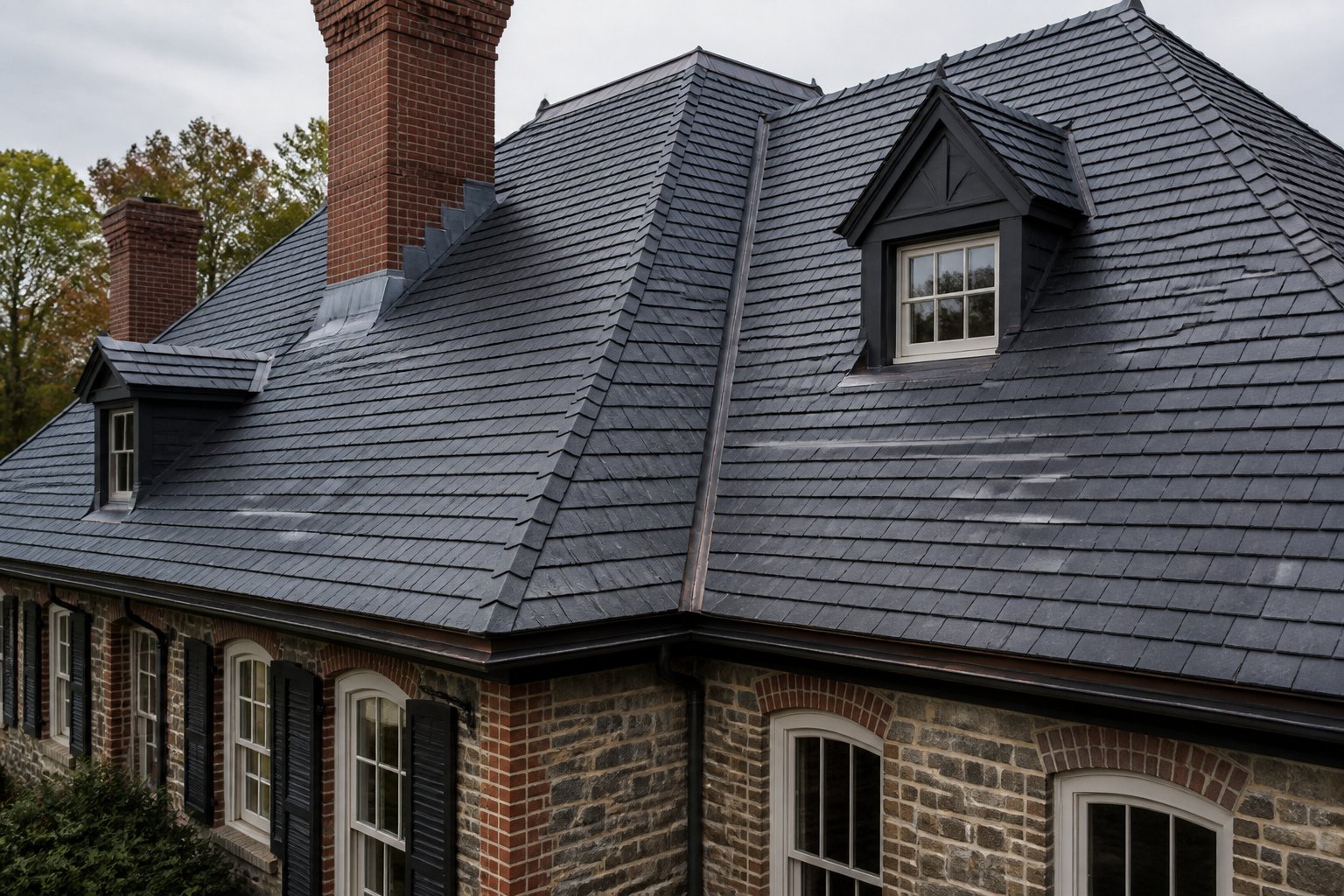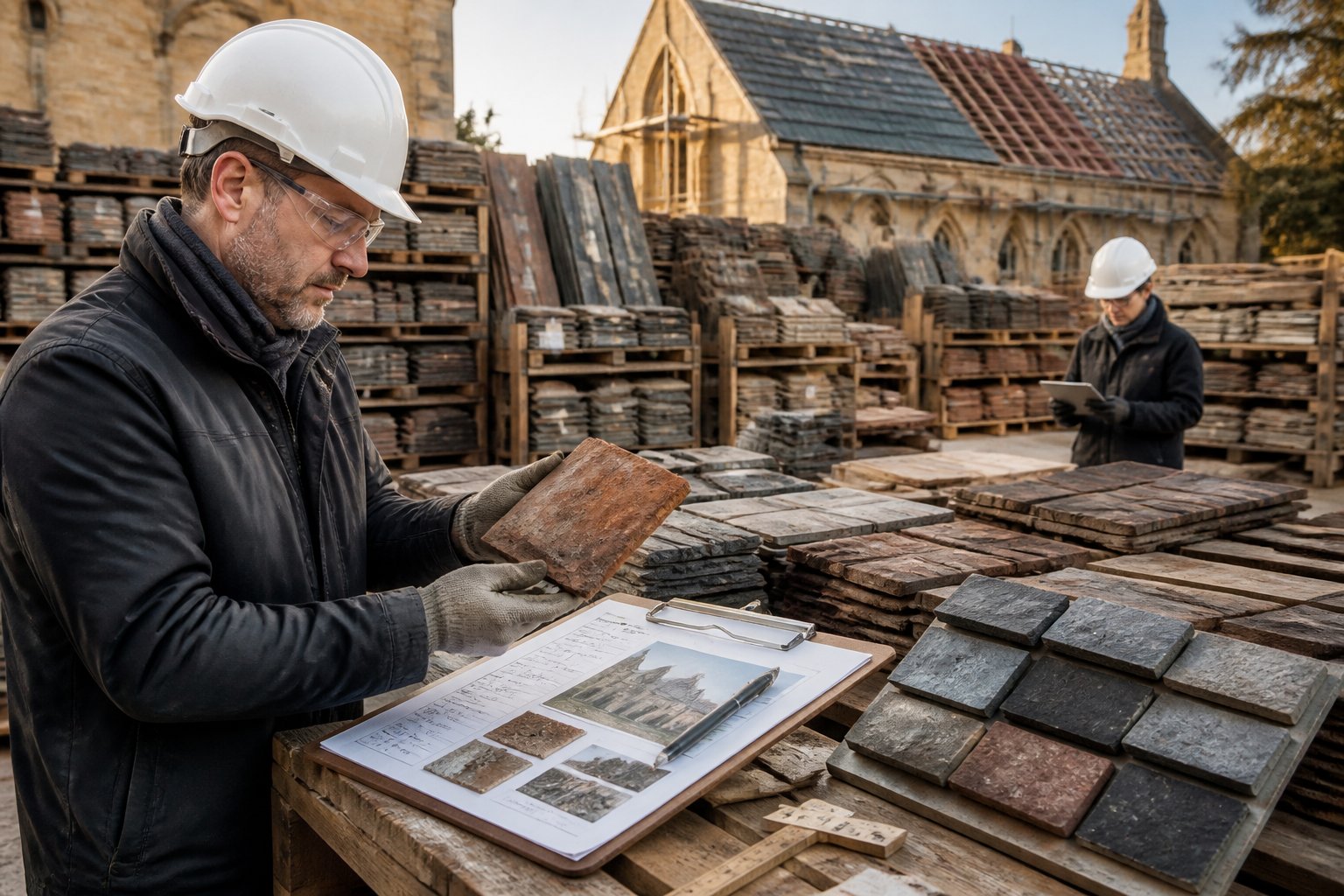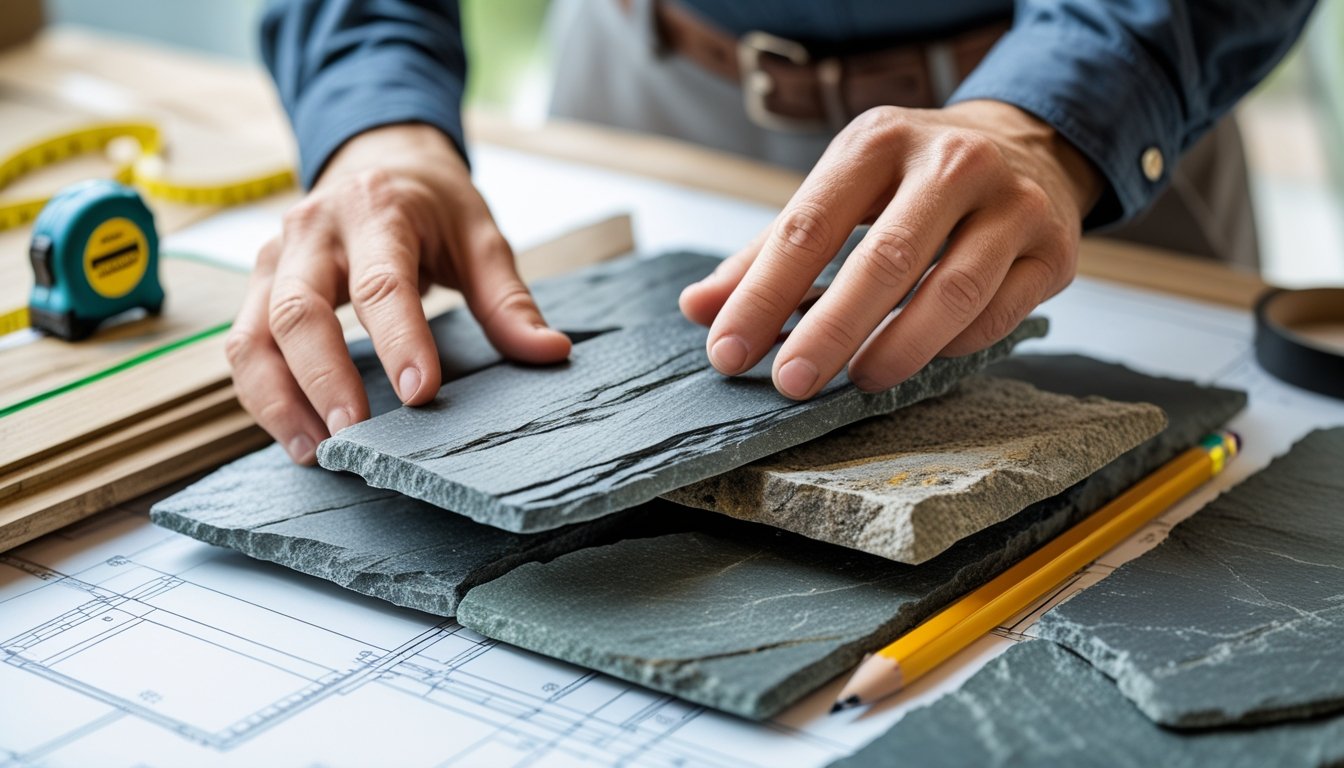
Sourcing reclaimed slate gives your project access to durable, historic stone that already carries decades of proven performance. When you choose reclaimed slate intentionally, you gain unique character and long-term reliability that new materials cannot replicate.
Reclaimed Slate Roofing provides insight into how authentic stone should be reclaimed, sorted, and prepared. This support gives you a clear standard for evaluating suppliers and understanding what quality looks like during sourcing.
This guide shows you where to find reclaimed slate, how to judge authenticity, what sustainability standards matter, and how to select materials that support both design goals and long-lasting performance.
What Is Reclaimed Slate?
Reclaimed slate is natural slate taken from old roofs or buildings and prepared for reuse. It comes in different types, with unique colors and textures shaped by years of weather and wear. Using reclaimed slate reduces waste and helps the environment while giving your roof a look full of history and character.
Definition and Overview
Reclaimed slate is roofing slate removed from existing or historic buildings. Workers carefully strip, clean, and inspect it to ensure it remains strong and durable. Unlike new slate cut from quarries, reclaimed slate carries the marks of age, such as faded colors, natural wear, and occasional chips.
This slate is highly valued because it often comes from hard-to-find sources and has a look that new slate cannot match. When you use reclaimed slate, you get genuine materials with proven longevity, not replicas made to look old.
Types of Reclaimed Slate
There are several types of reclaimed slate, mainly based on color and origin. The most common colors include:
- Black slate: Offers a sleek, consistent dark tone that adds strong contrast.
- Weathered earth tones: Browns, grays, and rusty reds fade naturally with time and exposure.
- Multicolored slate: Shows a mix of shades, reflecting the historic source’s regional color patterns.
Each piece is unique due to its history and weathering. Your choice will affect both the style and performance of your roof.
Environmental Benefits
Using reclaimed slate helps reduce construction waste and limits the need for new quarrying. This lowers the environmental impact of your roofing project. Every slate you reuse saves energy, reduces landfill, and preserves resources.
Choosing reclaimed slate supports sustainable building practices by keeping durable materials in service much longer. This approach aligns with eco-friendly goals without sacrificing style or quality. Your project benefits from authentic, historic material that is both green and long-lasting.
Sourcing Reclaimed Slate
Finding the right reclaimed slate requires knowing where to look, how to judge its quality, and how to work with suppliers who understand your needs. Each step ensures you get durable, authentic materials that match your project’s standards.
Where to Find Reclaimed Slate
Reclaimed slate usually comes from old roofs on historic buildings, demolition sites, and architectural salvage yards. You want slates that have weathered well but are still solid and intact.
Look for sources with good records of where the slate was taken from. This helps you track quality and authenticity. Slate from high-quality older roofs tends to be thicker and more durable.
You can find reclaimed slate through specialized dealers or by contacting architectural salvagers. Specialized suppliers focus on supply from historic locations, offering natural slate with visible character and lasting strength.
Selecting Quality Materials
Quality reclaimed slate shows few cracks and chips, has consistent thickness, and comes with a clean surface free of heavy moss or dirt. Check for:
- Durability: Slate should feel dense and heavy, not brittle.
- Surface Condition: Slight wear is normal, but deep cracks or breaks reduce lifespan.
- Shape and Thickness: Pieces should be uniform to fit well on your roof.
Inspect the slate carefully or ask the supplier for photos and condition reports. Authentic slate will have natural color variations and markings that prove it is reclaimed, not synthetic.
Working With Reclamation Yards
When buying reclaimed slate, working with knowledgeable suppliers speeds your project and reduces problems. Reclamation yards that specialize in roofing understand the shipping and handling needs.
Communicate your project timeline and quantities upfront. Good yards will help you select the right grade of slate and may offer cleaning, sorting, and packaging for easier use on site.
Trustworthy yards maintain stock quality and can guide you on using each batch effectively. They ship quickly and handle all prep work, so your materials arrive ready to install.
Authenticity and Grading
When sourcing reclaimed slate, you must ensure the material is genuine and meets high standards. Knowing how to identify authentic pieces and understanding the grading system helps you choose slate that fits your project’s quality and aesthetic needs. Avoiding common mistakes will save time and prevent costly issues.
Identifying Genuine Reclaimed Slate
Genuine reclaimed slate shows signs of age and use but stays strong and functional. Look for natural patina, slight wear, chipped edges, and color variation that comes only from years on a roof.
Beware of fake or “reclaimed-look” slate made from new material. True reclaimed slate comes from historic buildings and has a distinct texture and weight. Real slate is dense and cool to the touch.
Always request proof of origin or history when buying to ensure authenticity for your project. Reputable companies inspect every piece to confirm its source.
Grading Criteria
Slate grading depends on thickness, color consistency, size, and overall condition. High-grade slate is thick, uniform in color, and free of large cracks or chips. It should also have a flat surface with minimal warping.
Grades usually break down like this:
- Grade A: Primarily intact pieces with minimal damage. Best for visible roofing.
- Grade B: Slightly worn with minor flaws, suitable for less visible areas.
- Grade C: More chipped or thin pieces, good for patches or smaller applications.
Keep in mind that color and texture also affect grading. Rarer colors like black or green may be graded more strictly due to demand. Always ask for detailed grading info before buying.
Common Pitfalls When Sourcing
One common mistake is buying slate without verifying its history or quality. Some suppliers mix genuine pieces with poor-quality or new material, which can ruin your roof’s look and durability.
Another pitfall is ignoring grading details. Buying lower-grade slate without planning can lead to premature failure or uneven appearance. Always match the grade to your project’s needs.
Not checking shipping and handling practices can cause damage during transit. Choose vendors who package slate carefully and ship quickly to reduce risk.
Sustainable Slate Supply Chains
You want roofing materials that are honest about where they come from and how they impact the environment. Knowing how reclaimed slate is sourced and handled helps you make choices that support quality and eco-friendliness.
Safe Handling Standards for Heavy Reclaimed Stone Materials
OSHA states that workers handling heavy stone must use proper lifting techniques and secure storage areas to prevent breakage and injury. These requirements apply directly to reclaimed slate, which is dense and fragile during transport.
OSHA guidance also recommends using stable pallets, protective gloves, and controlled stacking heights to avoid shifting or collapse. Following these practices preserves slate quality from yard to jobsite.
Incorporating OSHA-approved handling measures into slate sourcing helps protect materials and maintain their structural performance through preparation and delivery.
Certification and Standards
When working with reclaimed slate, look for materials verified by recognized certifications. These standards show that the slate comes from responsible sources and meets quality checks. Certifications ensure the slate is genuine and not mixed with new or fake pieces.
Tracking the slate’s history helps maintain transparency. Each piece should be inspected and cleaned before it reaches you. This makes sure you get authentic, durable roofing materials that match the look and strength needed for your project.
Using certified reclaimed slate reduces demand for new quarrying. This cuts down on resource use and pollution, supporting greener building practices without sacrificing authenticity or style.
Ethical Considerations
Ethical sourcing means the slate is taken from demolition sites where reuse is planned, not from places that damage heritage or communities. Choose suppliers who respect local laws and work with property owners to reclaim materials thoughtfully.
Handling slate carefully during removal, storage, and shipping preserves its quality. Providers who invest in this care reduce waste and prevent damage, saving you time and money on your job site.
By picking reclaimed slate from ethical supply chains, you support the preservation of historic buildings. This helps keep architectural craftsmanship alive while creating roofs with unique character you can trust.
Processing and Preparation
Before reclaimed slate can be used on your roof, workers clean, restore, and handle it carefully. This ensures each piece stays strong and ready for installation. How the slate is cleaned and stored affects its look and durability.
Cleaning and Restoration
When you get reclaimed slate, it often has dirt, old mortar, or roof cement on it. Cleaning starts with gentle brushing or pressure washing to remove surface debris without damaging the slate.
If a slate shows chips or cracks, workers may repair or trim it to fit your project. Large broken pieces are usually discarded to keep the quality high. Each slate is inspected closely for soundness.
The goal is to keep the natural patina and texture intact. This maintains the historic character while making sure the slate is safe and functional. Proper cleaning also improves how well slate sticks to roofing nails or hooks.
Handling and Storage Best Practices
To keep your slate in good shape, handle it with care during unloading and sorting. Slate is heavy but can break if dropped or stacked improperly.
Store slates flat on pallets or strong shelves. Avoid direct contact with moisture by using waterproof covers, especially if storing outdoors. This prevents water damage or moss growth.
Label batches clearly for quick selection on the job. Keeping slates organized saves time and reduces damage during transport. Following these steps helps you deliver a durable, authentic roof every time.
Applications for Reclaimed Slate
Reclaimed slate has many uses beyond traditional roofing. Its durability and unique appearance make it ideal for various construction and design projects. You can use it inside your home or outdoors for surfaces that need strength and style.
Roofing Projects
When you use reclaimed slate on your roof, you get a material that has already proven its durability over decades. It resists weather, fire, and wear better than many modern roofing options. Each piece carries the aged look and natural colors that new slate can’t match.
You save time and energy with materials that come ready to install because they’ve been inspected and prepared. This saves you hassle during installation and helps maintain your roof’s quality for years.
Flooring and Interior Use
Reclaimed slate works well for flooring and other interior applications. Its natural texture provides slip resistance and adds character to kitchens, hallways, and bathrooms. You get a look that’s both rustic and refined, which can stand out in homes and commercial spaces.
Since reclaimed slate is typically thicker and denser than some new products, it handles heavy foot traffic better. You can also use it for fireplace surrounds, accent walls, and countertops. Its natural patina and slight variation give your space a unique, historic feel.
Landscaping and Exterior Features
Outside your home, reclaimed slate can enhance stairs, walkways, patios, and garden walls. Its weathered surface blends well with natural surroundings and holds up against foot traffic and weather changes.
Each piece is unique, so reclaimed slate creates interesting patterns and textures in your outdoor design. It also offers long-lasting durability without needing frequent replacement. Using reclaimed materials is a smart choice if you want to reduce waste while adding authentic style to your landscaping.
Cost and Value Considerations
When choosing reclaimed slate, consider what affects the price and how it compares to new slate. Factors such as rarity, preparation, and delivery play a role. Understanding these will help you decide if reclaimed slate fits your project budget and goals.
Pricing Factors
The cost of reclaimed slate depends on several key points. The material is rare and historic, which raises its value. Workers remove, clean, and inspect each piece carefully, adding labor costs. Shipping also factors in, as fast, reliable delivery to your jobsite is part of the price.
You’ll also pay for grading and sorting. High-grade slates without chips or cracks cost more but last longer. Lower-grade pieces are cheaper but may need more frequent replacement. The size and color of the slate impact pricing because rare colors like black or green are harder to find.
Comparing New vs. Reclaimed Slate
A new slate is easier to find and often less expensive upfront. However, it may lack the unique character and wear of authentic reclaimed slate. New slate can also vary in quality because it’s usually mass-produced.
Reclaimed slate lasts longer than many new roofing materials because it comes from old structures that stood for decades. This historic roofing offers built-in durability and a natural patina not found in new stone.
Maintaining Reclaimed Slate
To keep your reclaimed slate roof in good shape, start with regular inspections. Look for cracked, broken, or loose slates that may need repair or replacement. Fixing these issues prevents water damage and extends your roof’s life.
Clean your slate gently. Use a soft brush or low-pressure water to remove dirt and moss. Avoid harsh chemicals or pressure washing, as these can damage the slate’s surface and natural patina.
Check the nails and flashing around the slate. Nails can rust or loosen, and flashing can wear out over time. Replace or repair these parts promptly to avoid leaks and further roof damage.
Keep gutters clear, so water flows freely off your roof. Blocked gutters can cause water to back up and damage edge slates. Regular gutter maintenance protects your slate and the entire roofing system.
Selecting Reclaimed Slate That Supports Design and Sustainability
Choosing reclaimed slate with care ensures your project benefits from proven durability, natural character, and responsible material reuse. When you understand sourcing methods, grading standards, and handling practices, you gain confidence in every piece you select.
Reclaimed Slate Roofing offers a trusted reference point for what quality reclaimed material should look like. Our goal is to help you identify authentic stone that supports both long-term performance and design integrity.
If you're preparing for a new build or restoration, visit our website to request your material quote today and source reclaimed slate that delivers lasting value with sustainable results.
Frequently Asked Questions
When dealing with reclaimed slate, several important points come up. These include how prices are set, where to find reliable suppliers, how to judge the slate’s worth, and what risks to watch for before buying.
What factors affect the pricing of reclaimed slate?
Price depends on the slate’s age, condition, and size. Rare colors or special cuts often cost more. Transportation and processing, like cleaning and inspection, add to the price. The slate’s origin and demand also play a role.
Where can I find reclaimed slate suppliers in my area?
Look for companies specializing in authentic reclaimed roofing materials. Trade shows and local roofing professionals can also point you to trusted sources.
How do I determine the value of old slate roof tiles?
Check for thickness, uniformity, and intact edges. Tiles with historic character or rare natural color have higher value. Slate free from cracks and damage will last longer and provide better value.
Which states have notable reclaimed slate resources?
Northeastern states like Vermont, Pennsylvania, and New York are well-known for historic slate roofing. These regions supply slate with excellent durability and classic appearance, making them top sources for reclaimed materials.
What should I consider before purchasing salvaged slate tiles?
Confirm the slate is genuine and matches your project’s needs. Inspect each piece for chips or cracks. Ask if the slate was cleaned and road-ready. Also, check supplier policies on returns and delivery times.
How can I identify whether slate contains asbestos?
Most slate does not contain asbestos. However, some old roofing materials might have it. If you are unsure, ask the supplier for test results or certification. You can also have a certified lab check samples before installation.