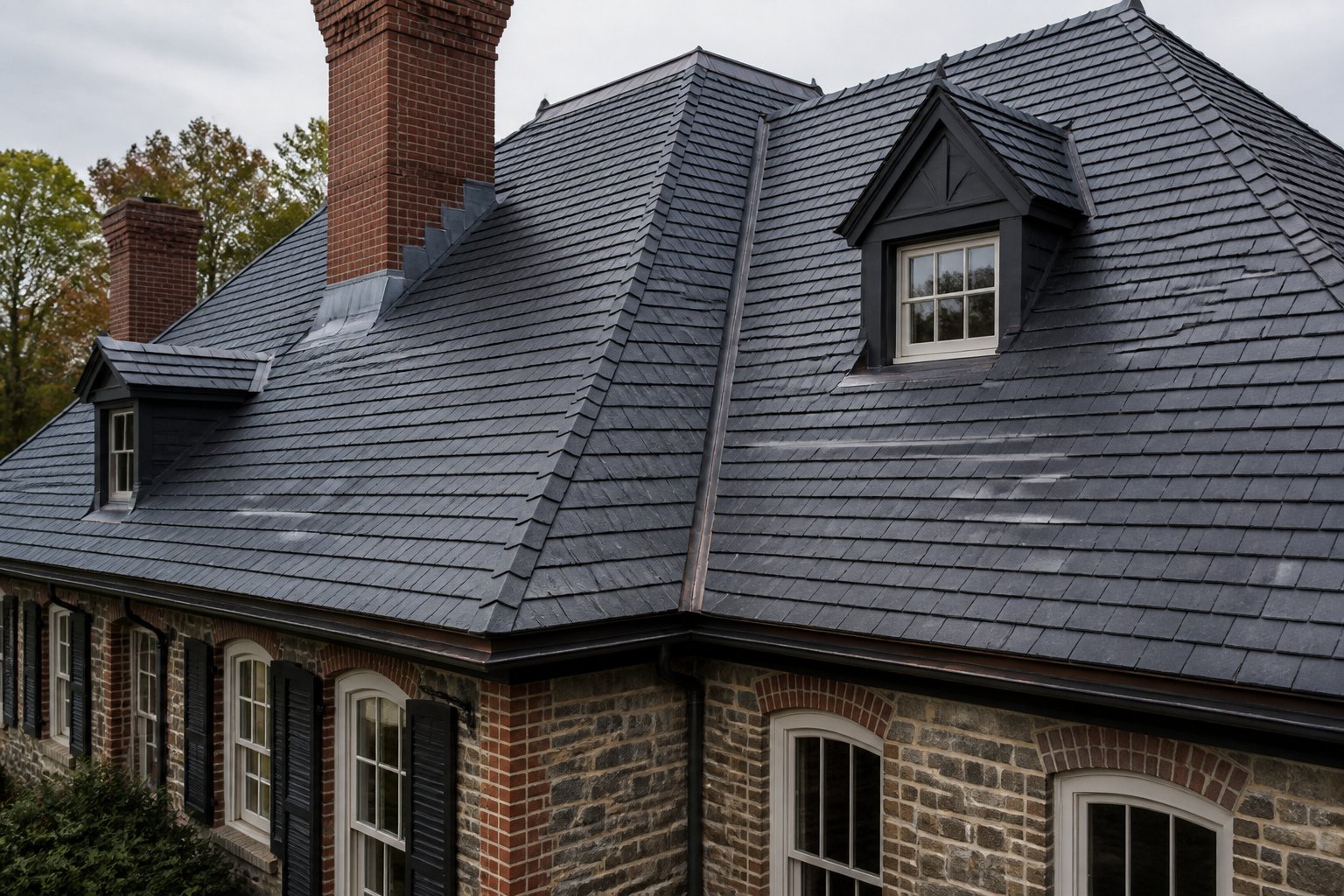
If you're exploring roofing options with sustainability and longevity in mind, reclaimed roofing materials are one of the smartest choices you can make. By reusing slate, clay, or metal from older structures, you reduce landfill waste, lower embodied carbon, and give your home materials that have already proven they can last for decades. Reclaimed slate and clay, in particular, often outperform many modern products—delivering durability, natural weathering, and a level of character you simply can’t manufacture.
In this guide, we’ll dig into how reclaimed roofing boosts energy efficiency, cuts long-term costs, and enhances your home’s design with authentic, historic texture. You’ll learn how to choose the right materials, what to expect during installation, and how to maintain a reclaimed roof so it continues performing for the long haul.
And when you need vetted, dependable materials, Reclaimed Slate Roofing can supply authentic, job-ready reclaimed slate and clay tiles - inspected, sorted, and shipped quickly to keep your project moving.
Let’s get into how reclaimed roofing can make your home greener, stronger, and a whole lot more stylish.
Eco-Friendly Reclaimed Roofing
Reclaimed roofing cuts waste, keeps original character, and usually means lower long-term costs. You get durable materials that have already stood the test of time, and you know exactly where they came from.
Reclaimed roofing uses tiles or slates salvaged from older buildings or demolition projects, then prepped for a second life. These pieces often come off historic structures, showing off weathering, patina, and even the marks from when they were first made.
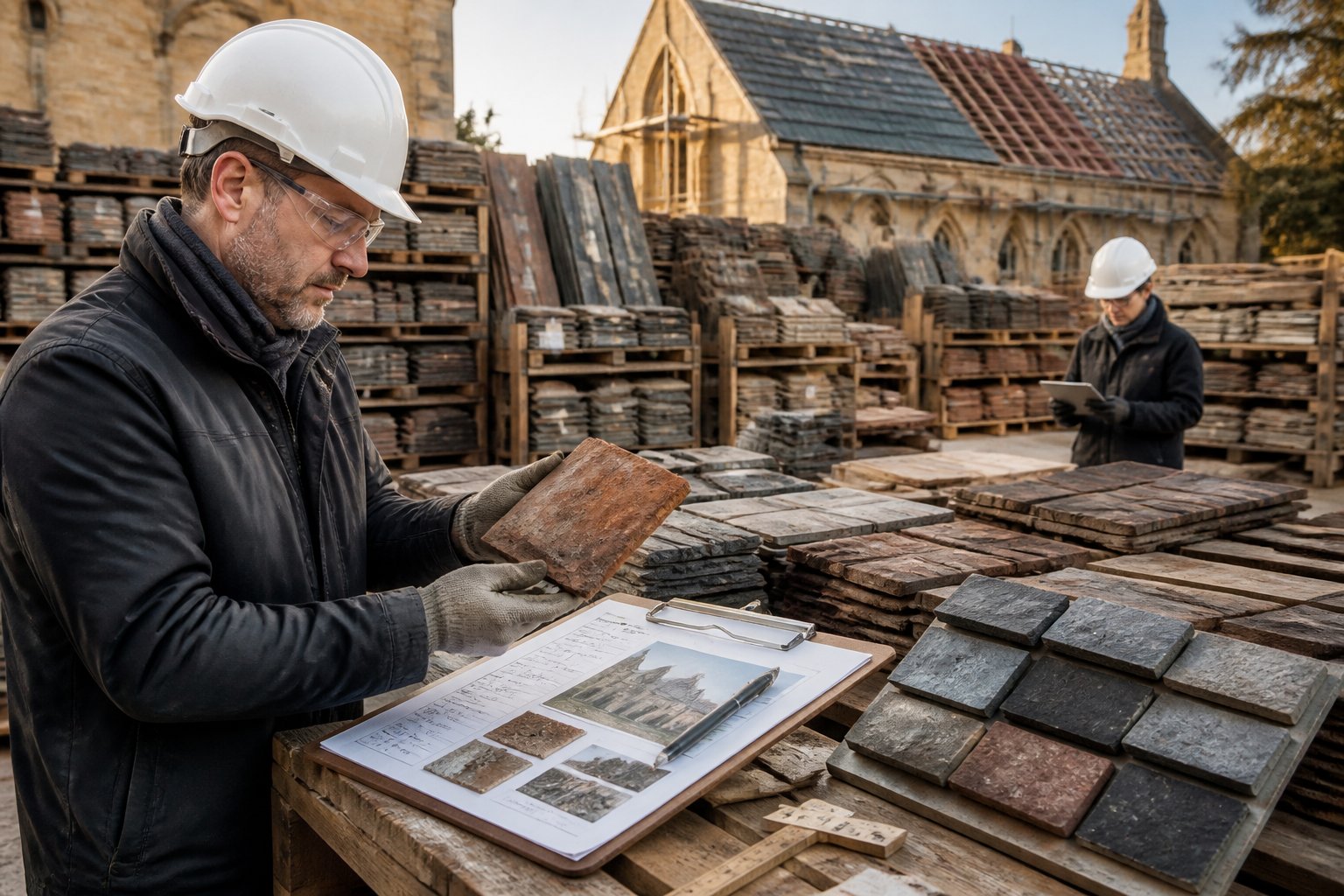
Each tile or slate gets inspected, cleaned, and graded before it ever goes on your roof. Sometimes you just need a few for repairs, sometimes you’re redoing the whole roof and want to match that historic look.
When you pick reclaimed, you’re using materials that have already proven their weather resistance. That kind of track record can mean fewer replacements than you’d get with some of the newer, short-lived products.
Types of Reclaimed Materials
People usually go for natural slate, clay tiles, terracotta, and sometimes specialty shapes from historic roofs. Slate varies a lot—color, thickness, grain. Old-growth slate tends to be denser, tougher.
Clay and terracotta bring rich tones and that baked-in hardness you just don’t get with new stuff. You might come across ridge tiles, finials, and old metal flashings too.
Each type needs its own handling: slate needs careful lifting and checking nail holes, clay needs crack checks and solid underlayment for freeze protection. Always check pieces for soundness before you buy or bid.
Sourcing Eco-Friendly Roofing Materials
Stick with reputable salvagers who can tell you where the material came from, how much there is, and what kind of shape it’s in. Look for companies that inspect, clean, and grade every piece, and can get you enough matching tiles for your whole job.
Ask for provenance records and photos of the original building if you can. It’s a bit of extra work but helps guarantee you’re getting the real deal and not a mismatched batch.
Reclaimed Slate Roofing offers builder-ready reclaimed slate, clay, and specialty tiles, with quick shipping across the country. If you need rare sizes or a big batch, double-check lead times and return policies before you pull the trigger.
Environmental Benefits of Reclaimed Roofing
Reclaimed roofing slashes waste, saves raw materials, and drops the greenhouse gases linked to making new tiles and slates. You see it in less landfill waste, fewer quarries getting dug up, and a smaller carbon footprint from manufacturing and shipping.
Reducing Landfill Waste
Using reclaimed slate or clay keeps tough, long-lasting materials out of the landfill. When you pick reclaimed pieces, you’re stopping tons of heavy tiles from sitting in dumps for decades.
Most reclaimed tiles come from demolition—stuff that would’ve just been hauled off and buried. That means less trash, fewer landfill fees, and more space saved.
Buying reclaimed also keeps the reuse cycle going. Salvaged tiles get cleaned, graded, and land on new roofs, stretching their useful life and trimming the pile of construction waste.
Lowering Carbon Footprint
Reclaimed roofing sidesteps the carbon emissions from making new roofing materials. You skip the quarrying, clay firing, and all the energy that goes into producing new slate or tiles.
Sure, there’s still some energy used for shipping and cleaning, but it’s way less than what goes into making brand-new materials. If you can source reclaimed tiles locally, you’ll cut down on transport emissions even more.
Choosing reclaimed drops the embodied carbon per square foot on your project—a big deal if you’re chasing lower lifecycle emissions or need to hit sustainability targets.
Conserving Natural Resources
Reclaimed materials ease the demand for new quarrying and clay mining. You’re helping conserve stone and clay deposits that took ages to form and aren’t easy to restore once they’re gone.
Every reclaimed tile you use means one less chunk of raw material pulled from the earth. It’s a small step, but it adds up, especially for restoration work where authenticity matters. Reclaimed Slate Roofing supplies ready-to-install tiles that tick the boxes for both design and resource conservation.
Energy Efficiency Advantages
Reclaimed roofing can help lower your heating and cooling bills and add real value over time. Here’s how reclaimed slate and tiles work for insulation, temperature balance, and energy use in the real world.
Improved Insulation Properties
Reclaimed slate and clay tiles are dense, natural materials that slow heat transfer. With the right underlayment and ventilation, they bump up the R-value of your roof assembly. Less heat sneaks in during summer, less escapes in winter.
Because these pieces have already weathered and settled, you get more consistent performance—no weird gaps or shifting like you sometimes see with new, lightweight roofing. If you want real numbers, ask your contractor for before-and-after thermal readings.
Temperature Regulation
Dense reclaimed tiles soak up and release heat slowly. On hot days, slate delays heat from getting into the attic, which keeps indoor temps lower. At night, it lets that stored heat out gradually, smoothing out temperature swings.
In cold climates, reclaimed slate holds heat near the roof longer than thin synthetics. That can help cut down on ice dams, especially if you’ve got good insulation and airflow. Reflective underlayments work well with reclaimed tiles too.
Decreased Energy Consumption
Better insulation and steadier temps mean your HVAC system doesn’t have to work as hard. That translates to lower utility bills, especially if your old roof was leaky or inefficient. Plenty of homeowners see real savings after switching to reclaimed slate or tile—assuming the roof’s installed right.
Some areas even offer incentives for reusing historic materials. Reclaimed Slate Roofing can help you meet both energy and waste reduction goals, all while keeping that historic charm.
Financial Benefits for Homeowners
Reclaimed roofing can save you money in the long run, might get you some tax perks, and often boosts your home’s value. These perks come from using historic materials that last and look great.
Cost Savings Over Time
Reclaimed slate and clay tiles just last. We’re talking decades, sometimes over a century, so you’re not replacing the roof every 15–20 years like with some modern shingles. That means fewer replacements, less money spent on materials and labor.
Maintenance is usually simpler too—just swap in another reclaimed tile for repairs, no need for expensive custom matches. Sure, installation can take a bit longer since you need to be careful, but when you look at the total cost over 20–50 years, it’s often a better deal.
Don’t just look at the upfront price. Figure out your cost per year, factoring in lifespan, repairs, and local labor. That’s the real math that helps you justify the investment.
Potential for Tax Credits
Some places offer tax breaks for reuse and energy efficiency. Reclaimed materials might qualify for incentives tied to sustainable building or historic preservation, depending on where you live. Check state and local programs for historic tax credits or green building rebates.
Keep your invoices and proof the materials are reclaimed, and note the scope of your project. Talk to your tax advisor or local preservation office to make sure you’re eligible before buying. Good paperwork makes the process smoother if you need to claim credits.
Increase in Property Value
A quality reclaimed roof signals durability and style. Buyers notice authentic materials and often pay more for homes with slate or original clay tiles, especially in historic neighborhoods or the luxury market.
Reclaimed roofs can make your listing stand out, both in photos and inspections. Give buyers certificates of origin, inspection reports, and maintenance records to back up your claims. Real estate agents can use these to push for a higher price.
Durability and Longevity
Reclaimed roofing materials hold up against weather and time better than a lot of modern options. They’ve already survived for decades—sometimes longer—so you know what you’re getting.
Weather Resistance
Reclaimed slate and clay tiles shed water and shrug off freeze-thaw cycles thanks to their dense, natural makeup. When they’re properly graded and installed, you get low water absorption and strong crack resistance.
Always check for hairline fractures and delamination—good grading cuts down on field failures.
Proper flashing, underlayment, and ventilation matter a lot. Even tough tiles can fail if the roof traps moisture or isn’t fastened well.
If you’re in a spot with heavy snow, high winds, or salty air, pick reclaimed pieces with proven exposure and matching shapes for tight overlaps and secure nails.
Long-Term Performance
Natural slate can last anywhere from 75 to 150 years when installed right; some grades go even longer. Reclaimed tiles have already made it through their “break-in” period and usually keep their strength and character.
Each tile should get inspected, cleaned, and sorted by grade before you put it on the roof. That way, you know which ones are solid and which need a little TLC.
You save on replacements—a single slate roof can outlast a few asphalt ones, so you spend less over the long haul.
Work with suppliers who ship ready-to-install lots and offer clear grading so your crew can work quickly and you can count on warranties. Reclaimed Slate Roofing does all that, making the process a bit easier.
Aesthetic Appeal and Versatility
Reclaimed roofing gives your home a distinct look and works with tons of building styles. You get real materials with visible age, color variation, and a character that fits both old restorations and new builds.
Unique Design Options
You’ve got choices: slate, clay, terracotta—all with natural color variation and patina you just can’t fake. Each tile carries its own story, so your roof ends up with a textured, antique vibe you won’t see on mass-produced roofs.
Mix up sizes and shapes for fun patterns—staggered courses, fish-scale layouts, or just classic straight runs. Use rare shapes like diamonds or scallops on dormers or entryways to make them pop, without redoing the whole roof.
Need a perfect match for repairs? Reclaimed pieces often fit older roofs like a glove. Reclaimed Slate Roofing sorts material by color and wear so you can pick what works best for your project.
Compatibility With Various Architectural Styles
Reclaimed materials look right at home on Victorians, Gothic Revivals, Craftsmans, Colonials—you name it. That aged look helps preserve original character and keeps you in line with preservation guidelines.
Modern and contemporary homes benefit too. A dark, uniform slate or sleek clay can give a crisp, upscale look on minimalist roofs. Pair reclaimed tiles with metal flashings, copper gutters, or natural stone for a cohesive vibe.
For mixed-use or hybrid projects, use reclaimed tile on main roof areas and newer materials elsewhere to balance authenticity, cost, and performance. It’s a practical way to hit your design goals without blowing the budget.
Installation and Maintenance Considerations
Take it step by step for a safe install, and set up a simple, regular maintenance plan to keep your roof looking good and lasting as long as possible.
Professional Installation Tips
Find a roofer who’s actually worked with reclaimed slate or clay tiles before. They need to look over your roof structure, figure out nail patterns, and choose the right fasteners before getting started.
Ask them to do a deck inspection and run a load calculation. Reclaimed slate can get pretty heavy, so your roofer should check that the rafters and sheathing can handle it—or tell you if something needs beefing up.
Go with stainless steel or copper fasteners and use flashing materials that won’t react with them. Mixing metals can lead to stains or corrosion, and nobody wants that.
Keep some extra tiles handy. Reclaimed tiles come in all sorts of shades and thicknesses, so try to match them up. Label the batches as you go, so you know which is which later.
Work in small sections and swap out any broken tiles right away. Seal valleys and chimneys with lead or another compatible flashing. Take photos and tag materials while you work—future-you will thank you when it’s time for repairs.
Routine Maintenance Requirements
Check your roof twice a year, plus after any big storms. Watch for cracked, slipped, or missing tiles, and keep an eye on the flashing.
Clear off debris and moss, but do it gently. Use a soft brush or a low-pressure rinse—scrubbing too hard can snap old tiles.
Replace any failed sealants or fasteners you spot. If nails are corroded, swap them out for stainless or copper to avoid trouble down the line.
Keep a stash of matching reclaimed tiles around. It makes repairs quicker and keeps the roof looking consistent.
Jot down what you do each time you maintain the roof and note any parts you replace. Having a record helps with planning and keeps the value up, especially if you’re using materials from Reclaimed Slate Roofing.
Choosing the Right Eco-Friendly Reclaimed Roofing for Your Project
Finding the right reclaimed roofing materials comes down to choosing trustworthy suppliers, verifying quality, and working with contractors who actually understand historic slate and clay. You want materials that fit your design, your structure, your budget, and your timeline—and that’s exactly where a reputable source makes all the difference.
Evaluating Local Material Sources
Start by learning exactly where your reclaimed pieces came from. Ask for documentation, photos, and batch details so you know you’re getting tiles from real historic structures—not a mismatched assortment from multiple sites.
Whenever possible, review sample bundles in person. If you can’t, request clear photos of thickness, edges, nail holes, and the backside of each tile type. Confirm that materials have been cleaned, crack-tested, and sorted by grade so you don’t end up throwing away half the pallet once it arrives.
Make sure the supplier has enough inventory for your entire project—including 10–15% extra for cuts, breakage, and future repairs. And get clarity on their return or exchange policy in case the delivered batch doesn’t match your expectations.
This is where working with a specialist really pays off. At Reclaimed Slate Roofing, our team inspects, sorts, and cleans every piece before it leaves our yard. We provide documentation, batch photos, and verified counts so you know exactly what’s coming to your site—no surprises, no wasted time. We also offer fast, jobsite-ready delivery nationwide, which helps keep your project moving on schedule.
Partnering With Skilled Contractors
Even the best reclaimed material needs a contractor who knows how to handle it. Look for roofers with proven experience in reclaimed slate or clay—not just asphalt or new manufactured tiles.
Ask to see references, photos, or case studies from their past reclaimed installations. They should understand how to handle uneven thicknesses, match bond patterns, and use the correct fasteners (copper or stainless steel), flashings, and underlayment systems.
Make sure they’re planning for the added time that reclaimed materials require. Proper sorting, layout, trimming, and fastening all take craftsmanship—not shortcuts. Confirm they have the right tools and are familiar with accepted historic-installation practices.
Before work begins, establish clear milestones:
- Material delivery and inspection
- Mock-up section for color and spacing approval
- Full installation schedule
- Final inspection and cleanup
And don’t forget to ask for a workmanship warranty covering leaks, slipped tiles, and flashing performance for at least a year.
Choosing reclaimed roofing is about more than sustainability—it’s about giving your home or project materials with real history, proven durability, and unmistakable character. When you partner with specialists who inspect, grade, and prepare every piece, the entire process becomes smoother, faster, and more reliable.
At Reclaimed Slate Roofing, our team is here to help you source authentic reclaimed slate and clay that’s truly job-ready. Whether you’re restoring a historic property or building something new with timeless materials, we make sure you get quality you can trust—delivered when you need it.
Ready to bring reclaimed roofing into your project?
We’re here to help you get it right from the very first tile.
Frequently Asked Questions
Here’s where we get into how reclaimed and recycled roofing helps the planet, saves energy and money, and what you should look for before buying. We’ll touch on maintenance, insurance, and a few practical tips.
How does recycled roofing contribute to environmental sustainability?
When you use reclaimed slate, clay, or terracotta, you’re keeping old materials out of the landfill and giving them a second life. That means less new quarrying and lower emissions from making and shipping new tiles.
Plus, reclaimed roofing preserves materials that already have a long service record. You’re cutting embodied carbon compared to starting from scratch.
What are the advantages of reclaimed roofing for energy efficiency?
Slate and clay are thick and have good thermal mass, so they help keep indoor temps steadier. That can mean less heating in winter and less cooling in summer.
Pair those tiles with proper underlayment and attic insulation, and you’ll see even better roof performance. The combo matters more than just the tile choice alone.
Can repurposed roofing materials lower long-term maintenance costs?
Top-notch reclaimed slate and tile can last for decades with just minor repairs. That means fewer reroofing jobs and lower costs compared to some modern materials.
You’ll still have to replace the odd broken tile and check flashing and underlayment now and then. But if the installation’s done right, upkeep stays pretty manageable.
Are there financial benefits to choosing reclaimed roofing options?
You might save on materials if reused tiles are cheaper than new premium slate. Reclaimed roofing can also boost resale value for historic or upscale homes—buyers like authenticity.
When you add up the long service life and fewer replacements, the lifecycle cost looks pretty good. Just remember, shipping and handling for reclaimed pieces can bump up the upfront cost, so always compare total project pricing.
How does installing a green roof impact home insurance premiums?
Insurance varies a lot by company and roof type. Some insurers actually see durable reclaimed slate as lower risk for fire or storm damage, which can help your premiums.
If you’re thinking about a green or vegetated roof, that’s a whole other thing—they can cut runoff but add weight and need structural checks. Always call your insurer before you go with something out of the ordinary.
What should homeowners consider when selecting eco-friendly roofing?
First, make sure your home can actually handle heavier materials like slate or clay. It’s smart to have a roofer check the rafters and sheathing before you get too attached to a particular style.
If you’re thinking about reclaimed materials, dig into their history and condition—don’t just take anyone’s word for it. Look for pieces that have been cleaned and tested, not just pulled off another roof. For anyone struggling to track down real reclaimed slate or clay, Reclaimed Slate Roofing offers materials they've already vetted and can ship out quickly.