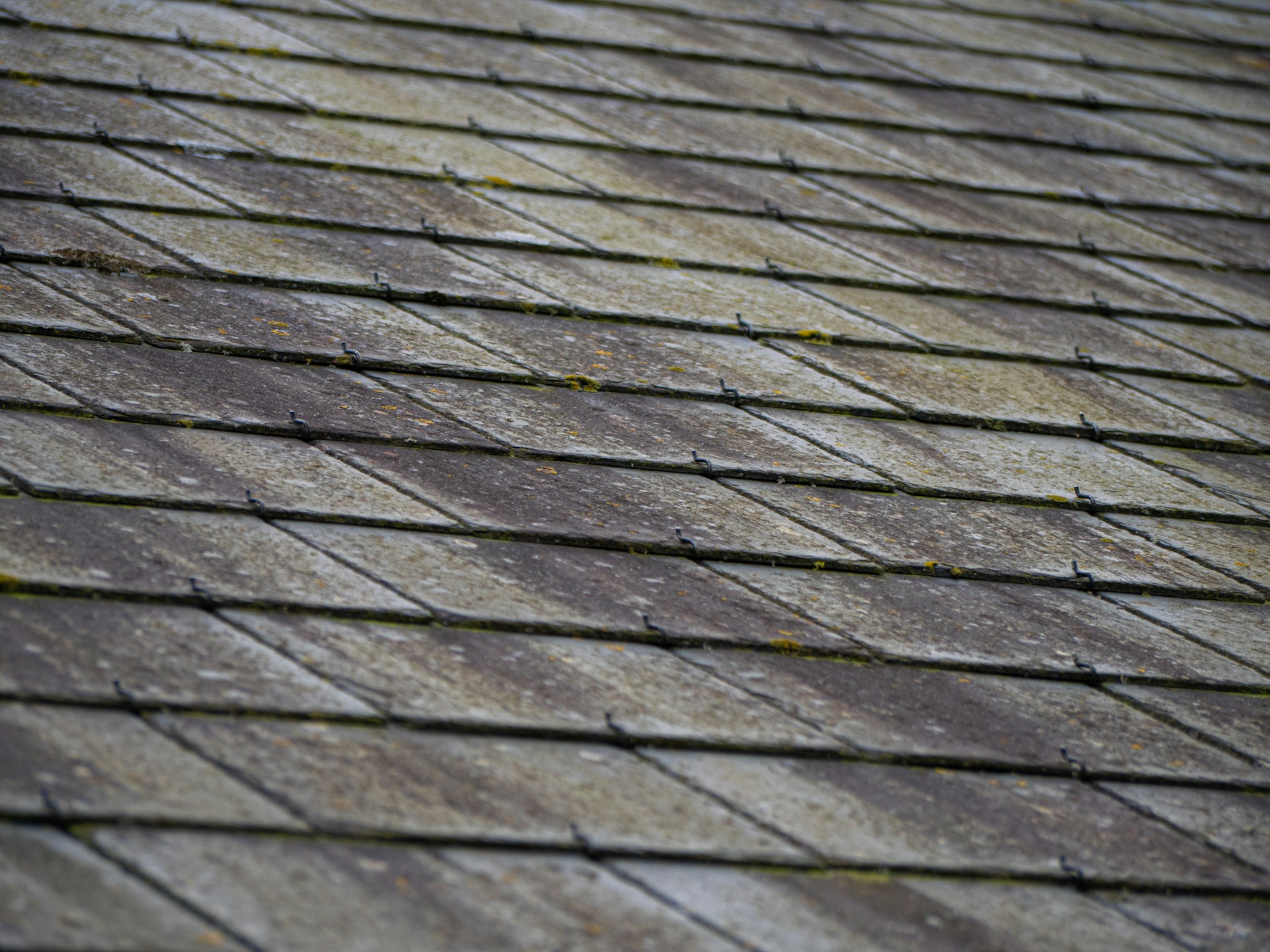
Roofing shingles that look like slate let homeowners achieve slate’s classic charm without its weight or high cost. Modern materials replicate the layered texture and elegant tones of stone while remaining light, easy to install, and widely available.
Reclaimed Slate Roofing helps clients understand when to choose authentic reclaimed slate or high-quality slate-look shingles. Both options bring architectural appeal—one through genuine heritage, the other through advanced manufacturing that mimics real stone beautifully.
This guide explains how slate-look shingles compare to real slate, what materials manufacturers use, and which options balance cost, style, and long-term performance for your home.
What Are Roofing Shingles That Look Like Slate?
Roofing shingles that look like slate offer the classic appearance of slate without the cost or weight. Manufacturers design these shingles from different materials to mimic the look and texture of real slate tiles. They are easier to install and usually need less maintenance.
Expect differences in durability, price, and how closely they resemble true slate.
Overview of Slate-Look Shingles
Manufacturers make slate-look shingles from materials like asphalt, rubber, or composite blends. They shape and color these materials to copy the appearance of slate roofing. These shingles are lighter than real slate and can be cut and fitted easily on most roof types.
You get the slate’s style with less hassle and often better affordability. Many resist weather damage and can last 30 to 50 years, depending on quality. They are popular when you want the charm of a slate roof but need a faster or lower-cost option.
How They Compare to Real Slate
Real slate is a natural stone that can last more than 100 years with proper care. It is heavy, requiring a strong roof structure. Slate also resists fire, insects, and harsh weather well.
Slate-look shingles don’t offer all these advantages. They generally don’t last as long and may not be as durable under extreme conditions. However, they weigh less and cost significantly less upfront.
Feature
Real Slate
Slate-Look Shingles
Weight
Heavy
Lightweight
Lifespan
75+ years
30-50 years
Cost
High
Moderate to low
Installation
Complex, slow
Easier, faster
Maintenance
Low (if installed well)
Varies, sometimes higher
Visual Differences
Slate-look shingles are designed to resemble real slate, but subtle differences remain. Real slate varies in color, texture, and size, creating a unique, uneven surface with natural edges.
Slate-look shingles usually appear more uniform, though high-quality options add texture or variegated colors to imitate natural slate. Close inspection often reveals the difference.
You will notice real slate’s natural chips, patina, and slight imperfections that show its history. This authentic character is hard to fully replicate with synthetic shingles.
Types of Slate-Style Shingles
If you want the look of slate without the cost or weight, several shingle types mimic real slate. These options vary in materials, durability, and maintenance, giving you choices based on your budget and roofing needs.
Asphalt Slate Shingles
Asphalt slate shingles offer a cost-effective way to achieve a slate appearance. They use a fiberglass base covered with asphalt and mineral granules shaped to resemble slate tiles.
These shingles weigh less than real slate, making them easier to install. They come in different colors and textures, but usually last around 20-30 years.
Asphalt slate shingles resist fire and algae growth but are less durable against strong winds and hail. They require less upfront investment but may need replacing sooner than other slate-style roofing.
Composite Slate Shingles
Composite slate shingles use a mix of materials like recycled plastics, rubber, or polymers molded to imitate slate tiles. They look very close to real slate, with detailed texture and color variation.
These shingles weigh less than natural slate, reducing the roof load. They resist cracking and breaking, and are often more impact-resistant than asphalt options.
Composite slate offers good durability, lasting 40-50 years with proper care. They can cost more upfront but provide a better balance between cost and long-term performance.
Synthetic Slate Shingles
Synthetic slate shingles use advanced materials such as fiberglass-reinforced polymers designed to mimic real slate. They are lighter and more uniform in shape. These shingles resist fading, cracking, and freezing better than asphalt or composite types.
Maintenance is low, and their lifespan ranges from 50 to 75 years. Synthetic slate provides excellent resistance to weather and temperature changes. These options are popular when you want a high-end slate look without the weight and cost of natural slate.
Metal Shingles with Slate Appearance
Metal shingles with a slate look use aluminum or steel stamped and painted to resemble slate tiles. These metal shingles are lighter than natural slate and durable against severe weather.
They resist fire, rot, and insect damage, and usually come with long warranties of 40-70 years. Metal shingles are energy efficient because they reflect sunlight.
Some have sound-dampening layers to reduce noise from rain or hail. They are a strong choice if you want a slate look with enhanced durability and lower maintenance.
Benefits of Slate-Look Shingles
Choosing slate-look shingles gives you the classic beauty of slate without common drawbacks. These shingles save you money, weigh less, and are easier to install. You get a smart balance of style and function.
Cost Savings
Slate-look shingles cost less than real slate roofs. Real slate requires skilled labor and special handling, which increases the price. With slate-look shingles, you pay less for both material and installation.
These shingles need less maintenance than natural slate and avoid expensive repairs from broken or slipping tiles. This can save you money over the life of your roof.
If you want the charm of slate but have a tight budget, slate-look shingles are a practical choice. Many come with warranties to protect your investment.
Lightweight Materials
Slate-look shingles are much lighter than real slate. Real slate tiles can weigh up to 800 pounds per square, while slate-look shingles usually weigh less than 150 pounds per square.
This lighter weight means you may not need to reinforce the roof frame, saving time and money during installation. It also reduces stress on your home’s foundation.
Because of their weight, more homeowners can use slate-look shingles where traditional slate would be too heavy.
Easier Installation
Installing slate-look shingles is simpler than putting on real slate. The shingles come in manageable sizes and work with common roofing tools. This ease of installation shortens the time your roof is exposed during work and lowers labor costs, since specialized skills for real slate aren’t needed.
Faster installation means less disruption to your daily life and quicker protection from weather damage.
Key Features to Consider
When choosing roofing shingles that look like slate, focus on materials that last, hold up well in all weather, offer good style options, and meet safety standards. These factors help you pick shingles that fit your needs and keep your roof strong.
Durability
Durability is key when selecting slate-like shingles. Choose shingles that resist cracking, breaking, or wearing down over time. The quality and material make a big difference in how long they last.
Shingles made from high-quality composites or recycled materials tend to last longer. Some slate-look shingles last 30 to 50 years.
Check warranties and reviews to understand how shingles perform over time. Durable shingles save money on repairs and replacements.
Weather Resistance
Your roofing shingles must stand up to rain, wind, snow, and sun. Look for shingles with strong water resistance to prevent leaks and moisture damage. Wind resistance is important, too. Shingles should handle gusts without lifting or breaking.
If you live in an area with heavy winds or storms, pick shingles tested for high wind speeds. UV-resistant shingles keep their color and strength longer. Cold weather resistance prevents cracking during freeze-thaw cycles.
Color and Texture Options
Shingles that look like slate come in various colors and textures. Traditional slate often has earthy tones like gray, green, purple, and rust. Look for shingles with realistic color blends and natural texture to mimic real stone.
Some synthetic shingles use embossed patterns to copy slate's layered look. Others offer different finishes, from smooth to rough. Choosing the right color and texture enhances your home's curb appeal and matches your style.
Fire and Impact Ratings
Safety is important. Roofing shingles come with fire resistance ratings that indicate how well they slow or stop flames. Class A shingles offer the best fire resistance. This rating is critical if you live in wildfire-prone areas.
Impact resistance matters in places with hail or falling branches. Look for shingles tested for impact durability, so they won’t crack or break easily.
Fire and impact ratings protect your home and can help with insurance costs. Make sure the shingles you choose meet local building codes for safety.
Understanding these key features helps you pick roofing shingles that look like slate with confidence. Durable, weatherproof, stylish, and safe options keep your roof looking great and performing well for years.
Design and Curb Appeal
Choosing roofing shingles that mimic slate can raise your home's visual charm while giving it a classic touch. These shingles offer a mix of looks and styles that help your roof stand out with fine details and colors.
Authentic Slate Aesthetics
Shingles designed to look like slate often have a textured surface that mirrors the rough, natural look of real slate. You’ll see variations in color and thickness that add depth, just like genuine stone. Some options even imitate the aged, weathered appearance you find on old slate roofs.
Using authentic materials ensures you get shingles with true character and lasting durability. These shingles do more than copy the slate look—they bring a sense of history to your roof, enhancing its beauty and value over time.
Style Compatibility with Home Types
Slate-look shingles fit well with many home styles. They work beautifully on classic, Colonial, and Craftsman houses, bringing a refined, elegant roofline. You can also use them on modern and rustic homes to add texture and a grounded look.
These shingles come in shades like black, grey, purple, and green, making it easy to match your roof to brick, wood, or stone exteriors. The right color and pattern will boost your home’s curb appeal, making it more inviting and impressive without needing real stone.
Installation Process for Slate Alternative Shingles
Installing slate alternative shingles requires careful preparation and the right tools. Decide if you want to handle the work yourself or hire a professional, as each choice has its own benefits and challenges.
Preparation and Tools
Start by measuring your roof accurately to order the right amount of shingles. Remove any old roofing material and clean the surface to create a smooth base.
Gather these tools before you begin:
- Roofing nailer or hammer
- Utility knife
- Chalk line
- Measuring tape
- Safety gear like gloves and goggles
Follow the manufacturer’s instructions for nailing patterns and overlap. Make sure the roof deck is dry and strong enough to support the shingles. Proper ventilation and underlayment help prevent moisture problems later on.
Professional vs DIY Installation
If you have roofing experience and feel confident with tools, a DIY installation can save money. However, you must install slate look-alike shingles carefully to avoid leaks or damage.
Hiring a professional brings expert handling and faster job completion. Professionals know how to manage tricky roof angles and ensure a long-lasting finish.
Cost Comparison: Slate-Look Shingles vs Real Slate
Choosing between slate-look shingles and real slate comes down to price upfront and what you get over time. Slate-look shingles often cost less at first, but real slate’s durability can save money later. Your choice depends on your budget and how long you want the roof to last.
Material Pricing
Slate-look shingles usually cost between $3 to $7 per square foot. These are made from asphalt or composite materials designed to mimic real slate’s appearance. They are lighter and easier to install, lowering labor costs.
Real slate costs much more, generally $15 to $30 per square foot. This price reflects the natural stone quality and roofing life expectancy. You also pay more for installation because slate is heavy and requires skilled roofers.
Long-Term Value
Slate-look shingles usually last 20 to 50 years. They may need replacing sooner if damaged by weather or wear. You might spend more in repairs over time compared to real slate.
Real slate roofs last 75 to 100 years or more. They resist fire, rot, and insects. While upfront costs are higher, fewer repairs and no replacement for many decades make real slate cost-effective in the long run.
Popular Brands and Product Options
When choosing roofing shingles that look like slate, you want options that balance appearance, durability, and ease of installation. Some brands offer fiber cement, composite, or polymer materials designed to mimic the natural look of slate. These products come in different colors, textures, and styles to fit your home.
Owens Corning
Owens Corning offers Oakridge Slate shingles, made from a fiberglass mat coated with asphalt. These shingles are lighter and easier to install than real slate but still give a natural stone look.
They feature Class A fire resistance and good wind resistance, making them a practical choice for many regions. You’ll find several color options resembling slate’s earthy tones.
Installation is straightforward, and the shingles come with a warranty of up to 50 years. Owens Corning shingles are widely available, which helps with cost and replacement parts.
CertainTeed
CertainTeed’s Peachtree Slate shingles stand out for their detailed embossing and realistic appearance. They use a heavy fiberglass base and asphalt coating to replicate the thickness and texture of slate tiles.
These shingles are durable against wind, hail, and fire. CertainTeed offers a lifetime limited warranty and impact resistance classification.
They offer a variety of colors matching natural slate and have options for complete roofing systems, including underlayments and ventilation for consistent quality.
DaVinci Roofscapes
DaVinci Roofscapes specializes in synthetic roofing tiles molded from high-quality polymers, shaped and textured to closely match real slate.
Their Synthetic Slate tiles are extremely lightweight, making them a good fit for roofs that can’t handle heavy materials. They resist cracking, splitting, and staining, requiring less maintenance over time.
DaVinci offers a 50-year limited warranty and many color choices that replicate the varied hues found in natural slate. Their tiles come with interlocking designs that improve weather resistance and reduce leaks.
Maintenance and Longevity
Keeping roofing shingles that look like slate in good condition depends on regular cleaning and timely repairs. Proper care helps your roof stay durable and maintain its appearance for many years. Knowing what to do and when to act can save you time and money.
Cleaning Recommendations
Clean your shingles at least once a year to remove dirt, moss, and debris. Use a soft brush or broom and avoid pressure washers. A gentle mix of water and mild detergent removes most stains.
Check gutters and downspouts to prevent water buildup. If you see moss or algae, use a roof-safe solution and rinse gently after 15–20 minutes. Clean your roof early or late in the day to avoid streaks. Trim trees to reduce debris and shade, which helps prevent moss growth.
Repair Tips
Inspect your roof twice a year, especially after storms. Look for cracked, chipped, or loose shingles. Fix small damage quickly to avoid leaks or further wear.
Replace damaged shingles with matching pieces to keep your roof consistent. For minor cracks, use roofing cement or sealants designed for slate-like materials. Avoid walking on the roof to prevent fractures. If damage is extensive, call a professional roofer experienced with slate-style shingles.
Environmental Considerations
When choosing roofing shingles that look like slate, consider their environmental impact. Choose materials that help lower waste and limit pollution while lasting a long time.
Environmental Advantages of Reclaimed Slate Roofing
The Environmental Protection Agency (EPA) highlights reclaimed building materials as an effective way to reduce landfill waste and conserve resources. Using reclaimed slate keeps stone in circulation and lowers carbon emissions from quarrying and transport.
For sustainable projects, reclaimed slate offers authentic beauty and proven strength, making it the most eco-friendly roofing choice available.
Sustainability
Durable materials reduce the need for frequent replacements. Many slate-like shingles are made from composites designed to resist weather damage. The most sustainable option is real reclaimed slate, which is reused instead of going to a landfill.
This process saves natural resources because no new mining is required and reduces energy use. Choosing roofing that lasts decades and is made from reclaimed materials lowers your carbon footprint.
Recyclability
Check if your roofing shingles can be recycled at the end of their life. Slate itself is a natural stone, so it can often be reused or crushed for landscaping. Many synthetic slate shingles are less recyclable because they combine plastics and minerals.
Reclaimed slate products come from historic structures and are cleaned and prepped for reuse. When it's time to replace them, those pieces can go to another project or be recycled, cutting down on waste.
Material Type
Recyclability
Environmental Benefit
Real Reclaimed Slate
High
Repurposed stone avoids mining and waste
Composite Shingles
Low to Moderate
Some recycling, but it often ends up in landfills
Choosing materials with high recyclability helps you create a roof that respects the planet and lasts longer.
Warranty and Insurance Aspects
When choosing roofing shingles that look like slate, check warranty options carefully. Synthetic or composite shingles often come with warranties from 30 years up to a lifetime, covering defects and sometimes weather damage.
Reclaimed slate usually comes with limited warranties because they are natural, historic product. These warranties often assure the material’s authenticity and condition at sale rather than long-term coverage.
Your insurance may treat slate-look shingles differently. Synthetic options might be classified as high-quality but standard materials, which can help keep premiums reasonable. Natural or reclaimed slate might be seen as a higher risk due to weight and fragility, sometimes raising insurance costs.
Feature
Synthetic Slate Shingles
Reclaimed Slate Roofing
Typical Warranty
30 years to a lifetime
Limited warranty, condition-based
Insurance Impact
Usually standard rates
Possible higher premiums
Repair Costs
Generally lower
Higher due to special handling
Material Lifespan
40-50 years typical
75+ years when installed right
Make sure your roofer understands your insurance and warranty needs and helps you arrange proper coverage. For reclaimed slate, keep installation and maintenance records to support warranty and insurance claims.
Always ask for detailed warranty papers and verify what is covered before you buy or install. This will protect your investment for many years.
How to Choose the Right Slate-Look Shingles for Your Home
When choosing slate-look shingles, start by focusing on durability. Pick shingles that can handle harsh weather and last for years. Select materials known for strength and resistance to cracking or fading.
Think about the appearance next. Slate shingles come in various colors, textures, and finishes. Choose a style that fits your home’s design and roof shape. Earth tones or black styles give a classic look and suit most exteriors.
Check how easy the shingles are to install and maintain. Many slate-look options are lighter and more flexible than real slate, which saves on time and labor. Make sure the shingles balance authentic appearance with practical installation.
Key factors to compare:
Factor
What to Look For
Durability
Weather resistance, lifespan
Appearance
Color, texture, natural look
Installation
Weight, ease of handling
Maintenance
Cleaning needs, repair options
For the most authentic look, consider using genuine reclaimed slate from a trusted supplier. This slate comes weathered, tested, and ready to install, offering unique character and proven longevity.
Reclaimed materials have history and may show minor imperfections. These features add charm and depth but need skilled installation for the best results.
Timeless Design, Modern Efficiency
Slate-look shingles give homeowners the best of both worlds—classic design and easier installation. They capture the style of traditional slate while reducing cost and structural demands. Whether synthetic, composite, or metal, today’s options deliver strong weather resistance and aesthetic flexibility.
Reclaimed Slate Roofing helps builders and homeowners choose between authentic reclaimed slate and modern slate alternatives. Each solution offers a unique path to achieving lasting architectural appeal and reliable performance.
Bring slate’s enduring beauty to your home with the right material. Explore reclaimed or slate-look options today to create a roof that combines history, value, and timeless craftsmanship.
Frequently Asked Questions
Choosing slate-look shingles means comparing materials, costs, brands, and durability. It also helps to know what to check before installation to get the look and performance you want.
What are the top-rated alternatives to natural slate for roofing?
Synthetic slate shingles made from rubber or plastic offer a similar look but are lighter and easier to install. Engineered wood and fiber cement shingles can also mimic slate’s texture and color.
How can I compare the cost of faux slate roofing to natural slate?
Faux slate usually costs less upfront and is cheaper to install because it’s lighter. Natural slate costs more but lasts longer. Weigh the initial price against long-term maintenance.
What materials are used to make shingles that resemble slate?
Manufacturers use recycled rubber, plastic composites, and fiber cement. These materials copy slate’s texture and color while offering flexibility and weather resistance.
Are there particular brands known for high-quality synthetic slate shingles?
Choose brands with strong reviews for durability and appearance. Many companies offer quality synthetic slate shingles, so compare customer feedback before deciding.
Can you recommend durability and longevity for synthetic slate shingles?
Synthetic slate shingles can last 30 to 50 years, depending on the material and installation. Natural slate lasts much longer, often over 100 years. Synthetic options resist cracking well but may fade faster in strong sunlight.
What should I consider before installing shingles designed to mimic slate?
First, check if your roof can handle the weight—synthetic shingles are lighter than natural slate. Consider your local climate, since some materials work better in certain weather. Review the warranty and follow installation guidelines for the best outcome.