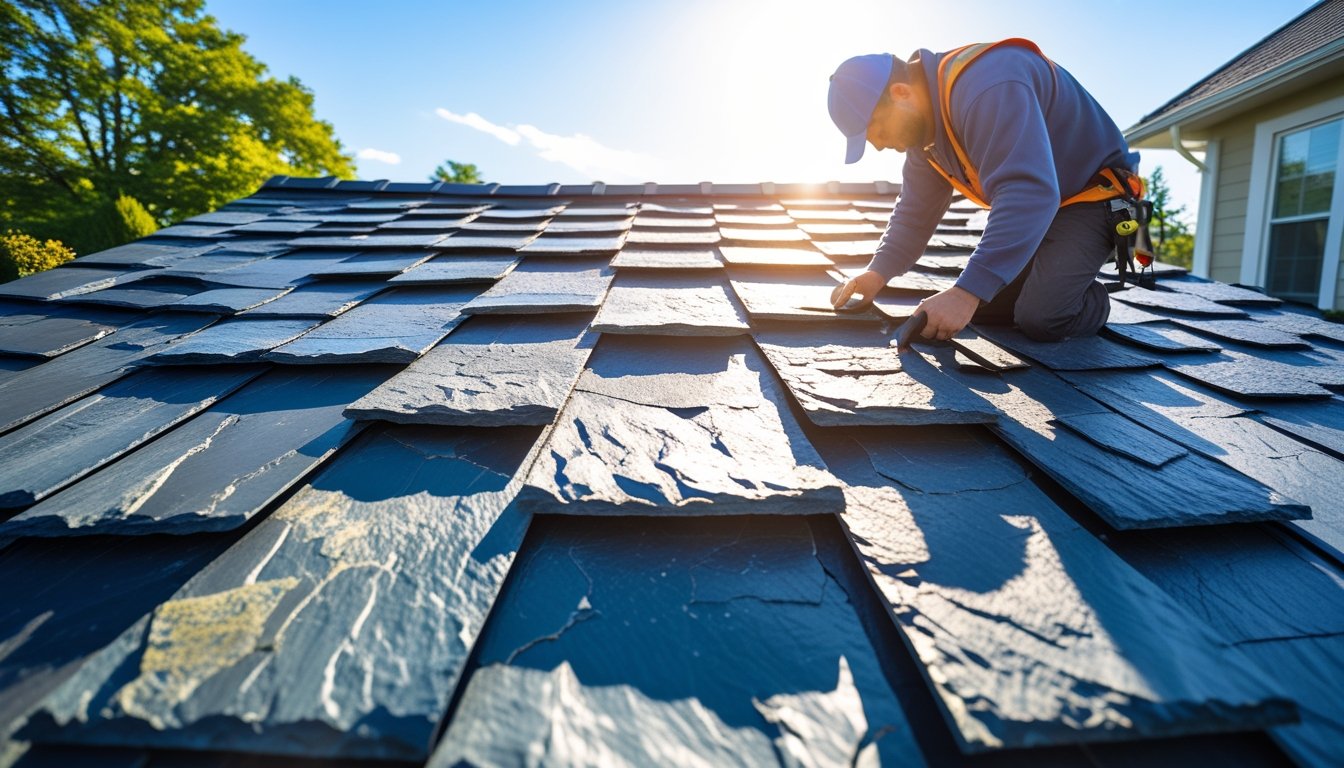
Slate roofing remains one of the most durable and visually striking materials for residential and historic projects. Known for its natural stone composition and century-long lifespan, it offers unmatched protection and timeless beauty that few roofing materials can match.
Reclaimed Slate Roofing connects builders and homeowners with authentic, tested slates from historic structures. The brand focuses on delivering genuine materials quickly and reliably—preserving traditional craftsmanship while supporting restoration efficiency.
In this article, you’ll learn the full range of slate roofing pros and cons, including lifespan, cost, environmental impact, and installation considerations. Keep reading to discover why reclaimed slate remains a top option for those seeking sustainable, high-performance roofing.
Understanding Slate Roofing
Slate roofing offers a unique blend of strength, beauty, and history. Knowing what slate roofing is, the varieties available, and its long-standing presence in construction will help you make informed choices for your project.
What Is Slate Roofing?
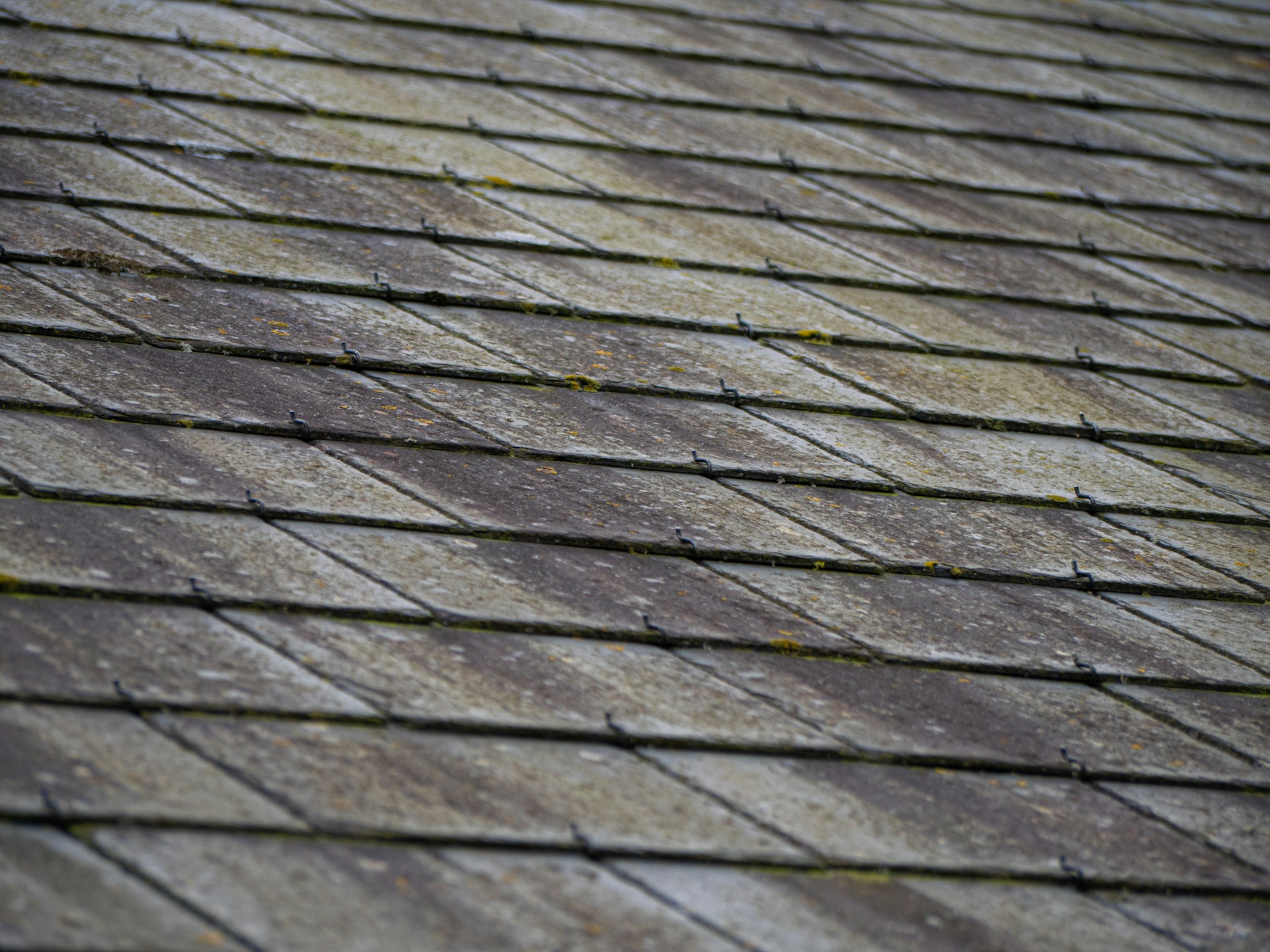
Slate roofing is made from natural stone cut into thin tiles. These tiles are durable, fire-resistant, and water-resistant, making them ideal for roofing. Unlike other materials, slate lasts for decades, sometimes over a century, if installed and maintained properly. Because slate is heavy, your roof’s structure must support the extra weight.
Using reclaimed slate from trusted sources can offer authentic, tested materials that add character and reliability to your roof. Proper installation by skilled roofers is essential, as mishandling can cause cracks or breakage.
Types of Slate Used in Roofing
Slate comes in several types, mainly differentiated by color, texture, and origin. Common categories include:
- Hard Slate: Dense and durable, often gray or black.
- Soft Slate: More fragile, usually thinner and lighter in shade.
- Riven Slate: Split by hand for a textured surface.
- Honed Slate: Smooth and polished finish for a modern look.
Each type fits different needs based on climate, roof slope, and aesthetics. Reclaimed slate usually offers a mix of hard riven types, known for lasting quality and historic appeal.
Selecting the right type affects the roof's longevity, maintenance, and overall appearance. It is key to work with trusted suppliers who offer vetted, authentic slate.
History and Evolution of Slate Roofs
Slate roofing has been used for centuries in Europe and the U.S. due to its natural durability and availability. Historic buildings often feature slate roofs, some lasting over 100 years with minimal repair.
Over time, roofing techniques evolved to improve slate installation, including better fastening methods and underlayment materials. The rise of reclaimed slate in recent years helps preserve authenticity in restoration while reducing waste.
Some manufacturers specialize in salvaging this rare material from old buildings, supplying roofs with a genuine historical connection and proven lifespan.
Slate Roofing Pros
Slate roofing offers benefits that deliver value over many years. You get strong, long-lasting materials, striking looks that raise property value, and resistance to tough weather and fire. These qualities make slate a wise choice for quality roofing.
Exceptional Longevity and Durability
Slate lasts much longer than most roofing materials. Proper installation and maintenance can easily last 75 to 100 years or more. This means you avoid frequent roof replacements, saving time and money over your building’s life.
The stone is naturally dense and hard. It resists cracking, warping, and rotting, unlike wood or asphalt shingles. Slate’s durability makes it ideal for buyers who want a roof that stands the test of time.
At reliable suppliers, you find carefully vetted historic slate. These pieces have proven durability for decades or centuries on existing roofs. Using reclaimed slate combines sustainability with reliable strength.
Aesthetic Appeal and Curb Value
Slate roofs are known for their natural beauty. The material’s unique textures and colors give roofs a distinct, elegant look that fits both traditional and modern styles. Slate’s premium appearance increases curb appeal.
This can boost home value and make properties stand out in the market. Whether you choose reclaimed slate or new, the rich, authentic look is a selling point. Because every slate piece is unique, no two roofs look identical.
This uniqueness adds a level of exclusivity to your project that mass-produced roofing cannot match.
Fire and Weather Resistance
Slate is naturally fire-resistant since it is a non-combustible stone. This adds a layer of safety to your property, especially in areas prone to wildfires or other fire risks. It also stands up well to extreme weather. Slate resists hail, wind, ice, and heavy rain without damage or deterioration.
This means fewer repairs and less maintenance work over time. Choosing slate helps protect your investment. You get a roof that handles harsh climates and keeps your structure safe and secure.
Environmental Benefits of Slate Roofing
Slate roofing offers clear advantages when it comes to sustainability and energy use. It’s a natural material that lasts a long time and can help reduce your home's energy costs.
Comparing Slate to Modern Roofing Alternatives
While slate offers unmatched durability and beauty, understanding how it compares to modern roofing options helps clarify its long-term value. Materials like metal and composite shingles attempt to mimic slate’s appearance, but they often lack its natural density and lifespan.
According to the U.S. Department of Energy, reflective metal roofs can improve energy efficiency, yet they typically last less than 70 years—well below slate’s century potential.
Another difference lies in environmental impact. Many modern roofing products require high-energy manufacturing or chemical treatments, while slate remains a naturally quarried stone with minimal processing.
These distinctions make slate a stronger choice for sustainable projects focused on life-cycle performance rather than short-term cost savings.
Natural and Sustainable Material
Slate is a natural stone that doesn’t require chemical processing. This means it avoids the harmful emissions typical of synthetic roofing materials.
When you choose slate, especially reclaimed slate from reputable sources, you support waste reduction by reusing historic materials. Because slate is durable, it rarely needs replacing, which reduces landfill waste.
At the end of its service life, slate can be recycled or returned to the earth without damage. This makes slate one of the most eco-friendly roofing materials available.
Energy Efficiency Advantages
Slate’s dense composition provides excellent insulation. It helps keep your home cooler in summer and warmer in winter. This reduces reliance on heating and cooling systems, lowering energy bills and carbon emissions.
Because slate remains stable in different climates, it resists damage that causes heat loss in other roofs. This durability means fewer repairs and replacements, which saves energy and resources over time. Choosing slate roofing supports energy conservation in your building.
Slate Roofing Cons
Slate roofing comes with challenges you should know before investing. It involves more upfront cost, specific structural support needs, and requires skilled installation. These factors can impact your project timeline and budget.
High Initial Cost
Slate roofs demand a significant upfront investment. Natural slate tiles are costly compared to other roofing materials like asphalt or metal. Prices vary depending on the slate grade, thickness, and source.
When you choose reclaimed slate from trusted suppliers, you might save on raw material costs, but labor and installation remain expensive.
Besides materials, factor in delivery charges and the need for specialized handling. The initial cost often includes removing old roofing, reinforcing the roof structure, and paying skilled workers. Your budget must reflect these expenses to avoid surprises.
Weight and Structural Requirements
Slate is heavy—much heavier than wood shingles or asphalt tiles. One square foot of slate can weigh between 800 and 1,500 pounds. This weight demands a strong and well-built roof frame to support it safely over time.
If your existing roof structure isn’t reinforced, you may need to retrofit or install additional supports. This adds time and cost but prevents future damage or collapse. Discuss your building’s load capacity with a structural engineer or experienced contractor before installing slate.
Installation Complexity
Installing a slate roof requires expert craftsmanship. To avoid damage, each tile must be carefully placed and fastened with proper nails or hooks. Installation mistakes can lead to leaks or slate breakage. The work is labor-intensive and slow compared to other roofing types.
It typically takes more time and skilled roofers, increasing labor costs. Not every roofing contractor has slate experience, so choose installers carefully to ensure durability.
Reclaimed slate's quality and size can vary, requiring installers to adjust as they work. This makes choosing a reliable slate supplier and experienced roofer critical to success.
Maintenance and Repair Considerations
Maintaining a slate roof requires attention to specific needs and challenges. Proper upkeep protects your investment and helps the roof retain its long lifespan. You need to know what routine care involves and the unique problems slate roofing can face during repairs.
Common Maintenance Needs
Slate roofs need regular inspections to catch broken or loose slates early. Check the flashing and gutters to prevent water damage. Debris should be removed to avoid moisture buildup, which can cause moss or algae growth.
Cleaning should be gentle to avoid damaging the slates. Avoid pressure washing; use soft brushes instead. Keep an eye on fasteners and nails, as they can corrode or loosen over time, causing slates to fall.
Regular upkeep slows deterioration and helps you spot small repairs before they get expensive. Investing in professional inspections every few years will keep your roof in good shape.
Repair Challenges for Slate Roofing
Slate roof repairs require skill and special tools. Slates are brittle and can crack if handled improperly. Matching replacement slates can be difficult, especially if your roof uses reclaimed materials with unique colors or sizes.
Repairing slate requires lifting adjacent tiles carefully to avoid more damage. You will need slate hooks or copper nails instead of standard roofing nails to secure replacements. Poor repairs can shorten the roof’s life or create leaks.
Since slate repairs are more complex than asphalt or metal roofs, you should use a roofer experienced with slate. Speed and accuracy matter to reduce your roof’s exposure to weather during repairs. Choosing authentic slates ensures the best match and lasting quality.
Longevity and Life Cycle Comparison
Slate roofing stands out for its long life and durability compared to other materials. You should consider how it lasts over time and the warranty coverage it typically carries. Understanding these factors helps you choose the best material for your project.
Slate Roof Lifespan vs. Other Roofing Materials
A well-installed slate roof can last between 75 and 100 years, with some exceeding that if maintained properly. This is much longer than composite shingles, which usually last 25 to 30 years before needing replacement. Slate is resistant to weather, fire, and decay.
It can survive multiple roofing cycles, meaning you might outlive several replacement phases of other materials during its lifespan. This reduces long-term costs and hassles linked to frequent roof repairs.
You should also know that reclaimed slate roofing from trusted sources often comes with decades of proven durability. Its natural stone composition ensures authenticity and toughness that fake or manufactured slates can’t match.
Typical Warranty Coverage
Slate roofing warranties vary but generally cover 20 to 50 years, depending on the installer and slate quality. Some manufacturers or suppliers offer longer warranties, especially on premium or reclaimed materials.
Warranties typically cover defects in materials or workmanship, but not damage from improper installation or weather events. You should verify that the roof is installed and flashed correctly to maintain warranty validity. Because slate lasts so long, your investment often outpaces warranty timelines.
Still, having a solid warranty protects you early on against unexpected issues. If you source materials through us, you gain access to slate that has already stood the test of time, plus guidance on warranty expectations for historic materials.
Cost Analysis
Slate roofs require a higher upfront cost but offer lasting value. Several factors influence the price, including materials and labor, especially when choosing authentic, reclaimed slate.
Initial Investment vs. Long-Term Value
Installing a slate roof costs between $20 and $45 per square foot, depending on quality and installation. This puts the total expense for a typical roof in the tens of thousands, making it one of the more expensive roofing options.
Despite the high initial cost, slate roofs last 75 to 100 years or more. You will spend less on repairs and replacements over time compared to asphalt or metal roofs. The durability and fire resistance help protect your investment, adding value to your property.
If you choose reclaimed slate from trusted suppliers, you can access authentic materials with builder-direct pricing, lowering costs without sacrificing quality or character.
Factors Affecting Slate Roof Pricing
Several elements impact your total slate roof cost:
- Material type: Natural slate runs from $10 to $30+ per square foot. Reclaimed slate often falls within this range with better value.
- Labor: Slate installation is specialized, making labor 50–60% of your total cost.
- Roof size and complexity: Larger or more intricate roofs increase labor time and cost.
- Slate quality and thickness: Thicker slate resists damage but costs more.
- Location: Prices vary by region and access to skilled roofers.
Using reclaimed slate can help reduce material and waste costs. The inspected, clean pieces offer authentic durability with faster delivery times to keep projects on schedule.
Real-World Performance Factors
Slate roofing performs differently depending on where you live and how your roof is built. These two factors affect durability, maintenance, and long-term value.
Suitability for Different Climates
Slate roofing is best suited for areas with moderate to cold climates. It handles freezing temperatures and snow well because it resists water absorption and frost damage. In hot, sunny climates, some slate types may fade or become brittle over time.
Slate is naturally fire-resistant, making it a wise choice in fire-prone areas. If you live in a region with heavy storms or high winds, slate’s weight helps it stay put better than lighter materials. However, large hail or sudden impacts can crack tiles, so repairs may be needed.
Using authentic reclaimed slate from reliable suppliers ensures you get material that has proven its durability across various environments.
Impact of Roof Pitch and Design
The pitch of your roof is critical for slate performance. Slate tiles work best on roofs with a steep slope—typically above 4:12 pitch. Steeper roofs shed water faster, reducing leaks and moisture damage. Low-slope roofs are not ideal because water may pool and cause slate tiles to loosen or break.
Proper underlayment and flashing are essential to protect your roof in these cases. Roof design also matters. Complex shapes increase installation difficulty and raise costs.
With skilled installers and quality materials, even intricate roofs can benefit from slate’s longevity and aesthetic appeal. When selecting slate, ensure your roofing contractor understands how to match material choice and installation methods to your roof’s pitch and design.
Making the Decision: Is Slate Roofing Right for You?
Choosing slate roofing means weighing durability, cost, and style carefully. Slate lasts longer than most roofing materials—often over 100 years—but it requires a higher initial investment. You should consider your roof’s structure.
Slate tiles are heavy and may need extra support. This adds to installation costs and complexity. Hiring experienced professionals familiar with slate is essential to avoid damage during installation or maintenance.
Using reclaimed slate from trusted suppliers offers benefits. You get authentic, historic materials that carry unique character while supporting sustainability by reusing durable resources. These materials are inspected and ready to ship quickly, saving you time.
If you value authenticity, speed, and real reclaimed materials for a custom or restoration project, slate roofing can be the right match.
Making a Smart Investment in Lasting Roofing
Slate roofing continues to set the standard for durability, aesthetics, and long-term value. Its natural resilience and ability to endure for more than a century make it one of the most reliable materials for homeowners seeking beauty and performance in one.
Reclaimed Slate Roofing provides authentic, historic slate materials tested for strength and longevity. Their reclaimed selections deliver genuine craftsmanship and a timeless finish while supporting sustainable building practices.
Choose a roof that reflects permanence and authenticity. Call today to request a quote or explore nationwide delivery options for real reclaimed slate that endures for generations.
Frequently Asked Questions
What are the advantages of installing a slate roof?
Slate roofs are extremely durable, often lasting over 100 years. They resist fire, water, and harsh weather better than many other materials. Slate also offers a unique, timeless look that adds value and curb appeal to any property.
What are the primary disadvantages of slate roofing?
Slate roofing requires a high upfront investment for materials and installation. It is heavy, so your structure must support the added weight. Also, improper installation or broken slates can lead to costly repairs.
How does the lifespan of a slate roof compare to other roofing materials?
Slate roofs generally outlast asphalt or wood shingles by decades. While asphalt may last 20–30 years, properly installed slate can last 75 to 150 years.
What are the costs associated with replacing or installing a slate roof?
Installing slate roofs typically costs between $15 and $30 per square foot, depending on slate type, roof complexity, and labor. Reclaimed slate from suppliers like Reclaimed Slate Roofing can offer authentic material at a competitive price.
How much maintenance is required to keep a slate roof in good condition?
Slate roofing needs occasional inspection for broken or loose tiles. Maintenance is mostly limited to replacing damaged slates. Proper installation and upkeep increase its lifespan and reduce the chance of leaks.
What should homeowners consider before choosing slate as a roofing material?
You should assess your building’s structural support, budget, and long-term plans. Slate requires professional installation and may not fit all roofing styles. Using authentic, reclaimed slate ensures durability and a distinctive look.