If you want a roof that matches a building’s era, stick with materials that were actually used at the time and have the aging, texture, and color to prove it. Reclaimed slate and antique clay tiles offer a genuine look and the kind of durability you only get from pieces that have already stood up to decades of weather.
This guide walks you through how to identify true historic materials, how to choose the right match for the period you’re working in, and what to keep in mind when sourcing and installing them. You’ll get straightforward tips on spotting authentic reclaimed pieces, staying within preservation guidelines, and keeping the roof performing long-term. If you need vetted, job-ready reclaimed slate or clay, our team at Reclaimed Slate Roofing can help.
Authentic Materials for Period-Correct Roofs
Real period-correct roofing uses original materials that fit a building’s age, style, and local craft. You want the same textures, sizes, and fastening styles as the originals, plus the strength to last.
Authentic materials are original or reclaimed slate, clay tiles, wood shingles, or lead flashings that match the building’s era and region. Look for the same slate type—maybe Welsh or Vermont—or the right clay tile profile or shingle exposure. Fasteners and setting methods matter too. Horseshoe-head nails, copper nails, or traditional lime mortar might be part of the story.
Using authentic materials keeps the roof’s look and the building’s historical value intact. Details like coursing, bond patterns, and edge treatments stay correct. In historic districts, matching material and installation method often matters for permits and resale.
Why Use Authentic Materials
With real slate and antique clay tiles, you get accuracy and long-term performance. Genuine slate and old kiln-fired clay were made to last—sometimes they outlive the house. Reclaimed pieces show natural weathering and color shifts that new stuff just can’t fake.
Authentic materials can make approvals for historic restorations easier and help neighborhoods keep their character. Reusing solid materials cuts down on waste and keeps original craftsmanship on display. If you go with a vetted supplier like Reclaimed Slate Roofing, you’ll get pieces that are already inspected and graded, so there’s less hassle on your end.
Wrong Assumptions
Some folks assume “authentic” always means pricey or fragile. Not necessarily. Reclaimed materials can actually save money since you skip the cost of making replicas and get a roof that lasts. Properly checked slate and tiles are solid and ready to go.
Another myth: modern substitutes always perform better. In plenty of climates, original slates and antique clay outlast cheaper modern stuff, especially against freeze-thaw and UV. And about color—don’t sweat perfect matches. Small differences are normal; pros blend sizes and tones to keep the look true to the period.
Popular Periods and Their Roofing Materials
Every architectural period has its own roofing vibe. Here’s what to look for, and why it matters.
Victorian Era Roofing Choices
Victorian roofs lean toward natural slate and decorative clay tiles. Slate showed up in thin, hand-split sheets—purple, green, gray—and often got cut into fish-scale, diamond, or hex shapes for fancy patterns. Match slate thickness and color if you’re fixing or replacing to keep things period-accurate.
Clay tiles popped up on accent bands, cresting, and porches. Glazed and encaustic tiles brought color and shine to mansard and bay roofs. For authenticity, hunt down reclaimed slate or antique clay tiles with weathering and original nail holes. Reclaimed Slate Roofing supplies pieces that fit Victorian profiles.
During install, mind the steep pitches, tricky rooflines, and decorative flashing. Use copper or lead substitute flashings if the originals had metal. Keep fastener placement and headlap in line with old-school methods to protect both looks and function.
Colonial and Early American Options
Colonial-era roofs used wood shingles, slate, and basic clay tiles, depending on what was around. In New England, wood shingles—cedar or white pine—were everywhere; they age to a silver-gray and need lapped courses and hand-nailed attachment. Stick with straight-grain, right-thickness shingles for that classic look and performance.
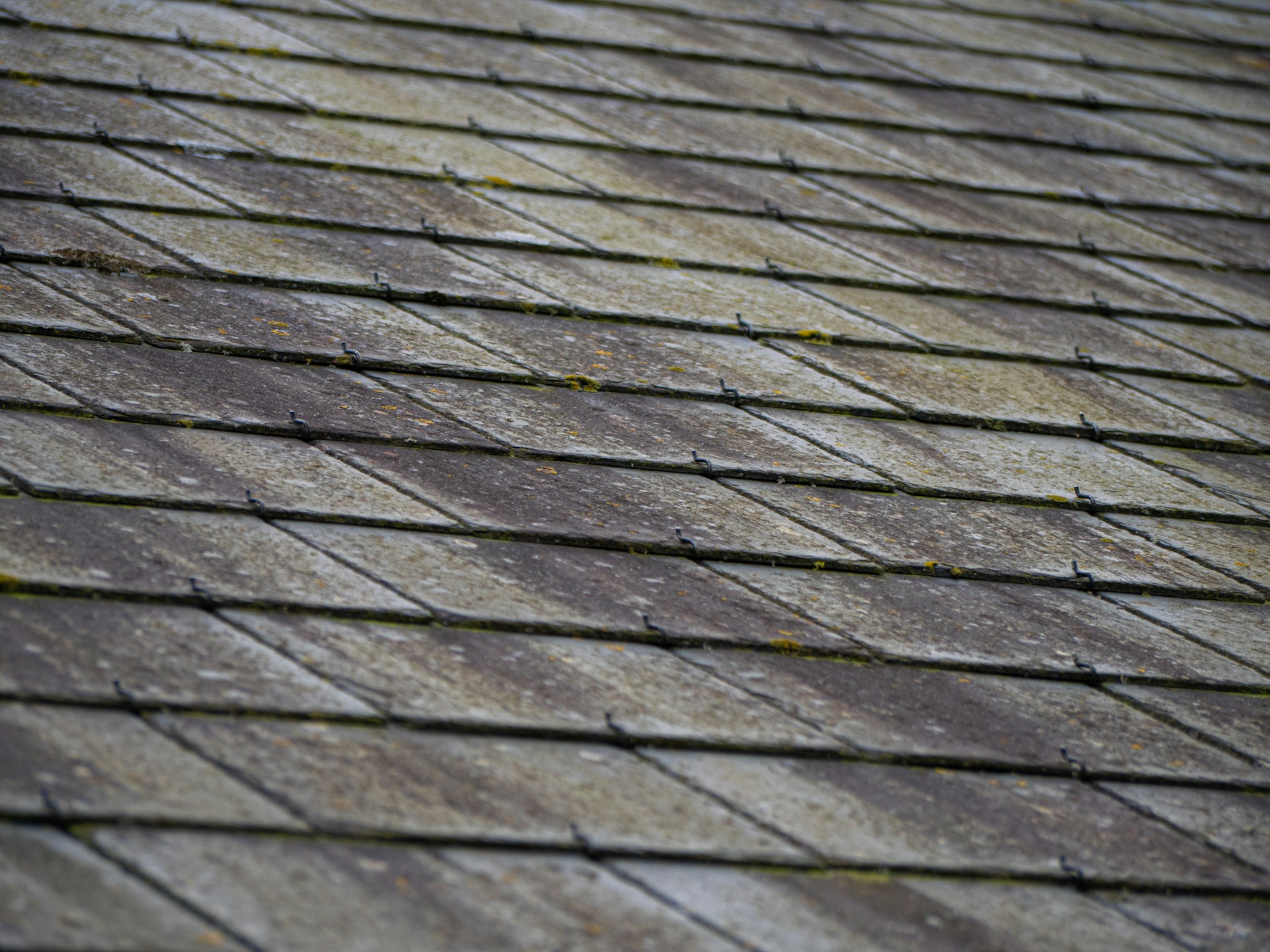
In cities or fancier colonial homes, thin natural slate kept the rain out for ages. These slates are usually a uniform gray, laid in simple, rectangular rows. Matching size and thickness helps keep lines even and wear consistent.
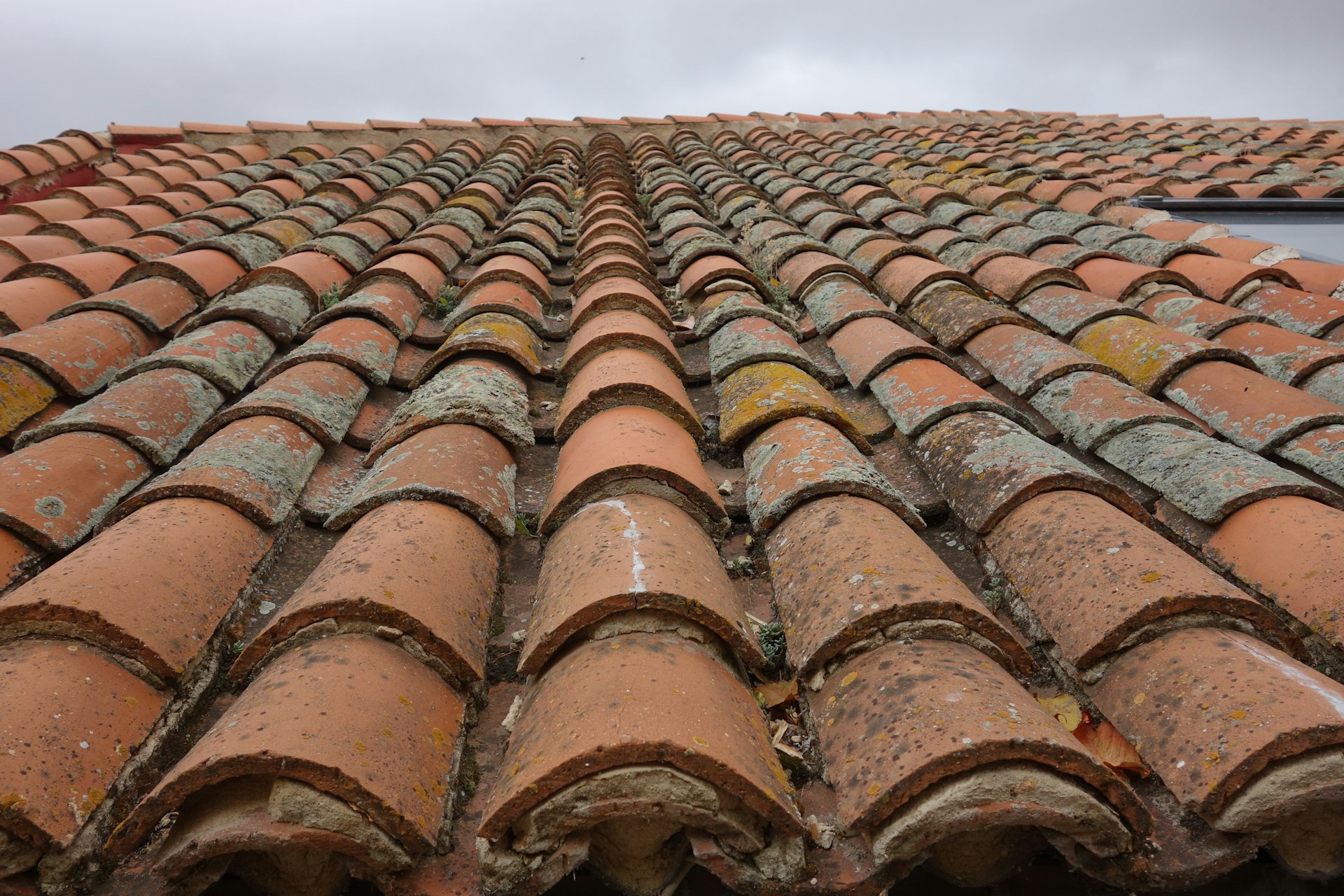
Clay tiles show up in Spanish Colonial and southern regions as unglazed terracotta or barrel tiles. Use reclaimed or historically made clay with the same shape and color. Flashing and underlayment should be simple and only visible where absolutely needed.
Mid-Century and Modern Materials
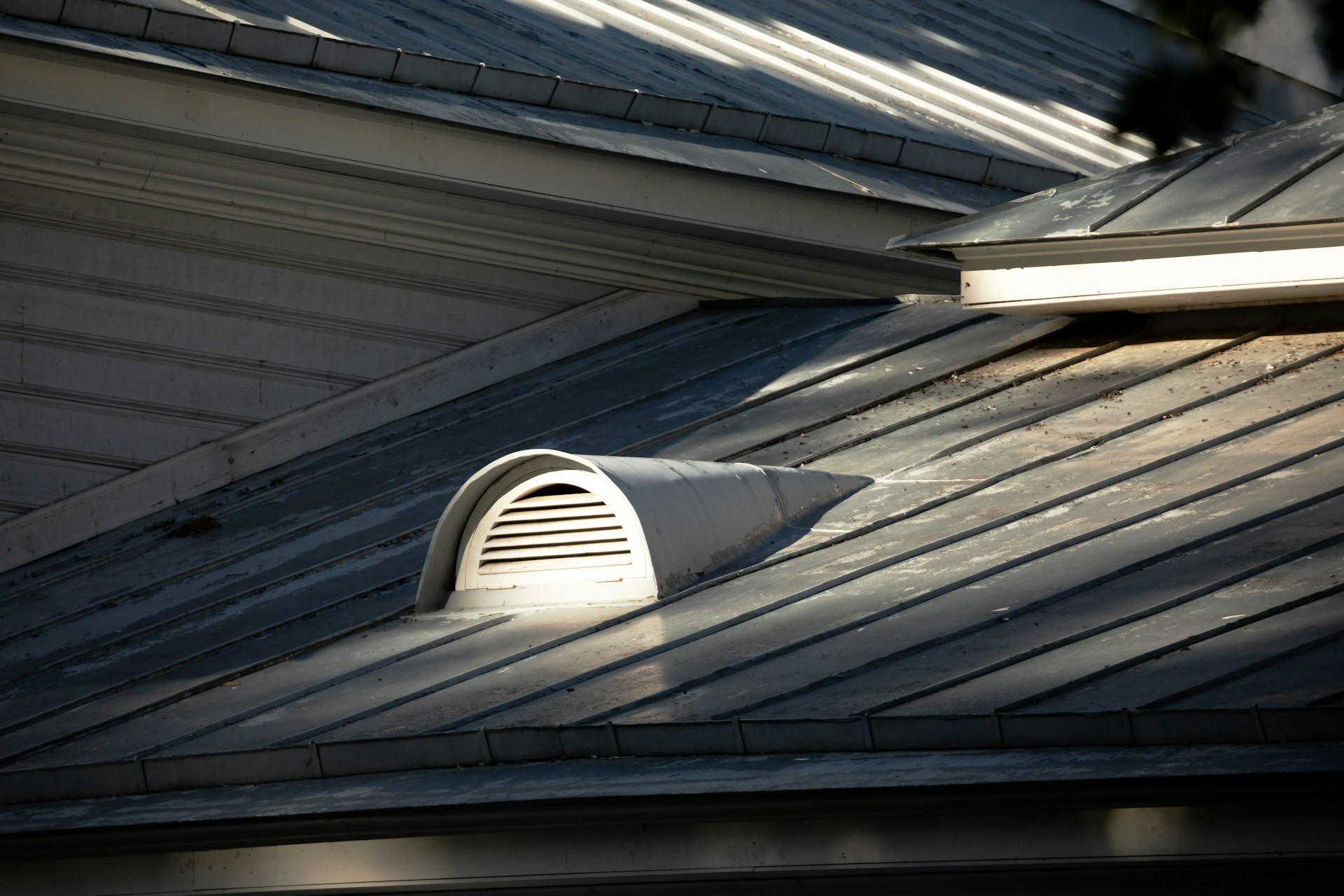
Mid-century styles embraced metal, low-slope membranes, and machine-pressed clay or concrete tiles. You’ll see standing-seam metal roofs, corrugated panels, and big-span asphalt composite shingles on suburban homes. For period accuracy, pick metal with the right seam width and finish—patinated or painted to match the era.
Machine-pressed clay and concrete tiles became the go-to for Mediterranean revival and ranch houses. These are uniform in shape and color; match profiles to keep the roof’s rhythm. Asphalt shingles from the mid-century were thinner and narrower than today’s, so look for lower-profile options when restoring.
If you’re going for a mid-century look, pay attention to wide eaves, low slopes, and visible fasteners. Use underlayment and thermal solutions that meet current codes, but keep the visible stuff looking right for the period.
Criteria for Selecting Period-Correct Roofing Materials
Pick materials that fit the building’s era, handle your local weather, and come from trustworthy sources. Focus on authenticity, expected lifespan, and regional fit to dodge headaches and keep the character alive.
Material Authenticity
Check where the material came from and look for manufacturing marks. Original slates might have pegging holes or hand-split faces; clay tiles could show maker’s stamps or firing quirks. Ask for proof—source records and photos help.
Match texture, color, and edge profile to what’s left on the roof or old photos. Use pieces sorted by size and appearance so your courses line up. Steer clear of modern replicas if you want it to look right.
If you want some peace of mind, pick vendors who inspect, clean, and sort before shipping. Reclaimed Slate Roofing does this, so you get authentic pieces ready for the job.
Durability and Performance
Make sure the material will last in your weather. Natural slate often goes 75–150+ years; high-fired clay tiles last decades too. Look for sound pieces: no big cracks, stable slate layers, and solid glaze on tiles.
Double-check your roof’s structure. Old materials can weigh more than modern ones; you might need to check framing and load limits. Use the right fasteners—copper or galvanized nails for slate, proper clips or pegs for tiles—to avoid early failures.
Ask about grading and testing. Inspected and sorted materials are less likely to surprise you. Make sure there’s a return or replacement policy if you get a dud batch.
Regional Suitability
Pick materials that have proven themselves in your climate. Slate from Pennsylvania or Wales does well in freeze-thaw zones; Mediterranean clay tiles shrug off sun and salt. If you can, match the source to your region.
Think about moisture, wind, and salt. Coastal areas need tiles with low porosity and rust-resistant fasteners. In snowy places, go for thicker slates or tiles rated for freeze-thaw cycles, and plan for good underlayment and ventilation.
Check local codes and historic district rules. Some boards require original materials or documented reclaimed sources. Keep paperwork handy to speed up permitting.
Where To Get Authentic Roofing Materials
If you want real historic roofing that’s ready for the jobsite, go with a source that does the verification and sorting for you. At our yard, we handle everything from inspection to cleaning to grading, so you know exactly what you’re getting before anything ships out.
Finding Reclaimed Materials
A lot of reclaimed material comes from demolition sites and historic tear-offs, but the condition can vary wildly. That’s why our team focuses on direct recovery from structures where we can control removal and protect the tiles or slate during transport. We document the building, gather age information when available, and separate pieces on the ground so breakage stays low.
Before anything gets listed, we check thickness, soundness, color range, and nail holes. If you want to review samples, we can send detailed photos or physical pieces so you can confirm fit and finish. We also help you estimate the right amount for your project and suggest overage for waste so you’re not short on install day.
Working With Specialty Suppliers
Not every supplier sorts or inspects reclaimed material, which is where we put in the work for you. Our team grades every shipment, organizes it by size and color range, and puts together clear batch reports. You’ll know coverage estimates, pallet counts, and any size variations before you place the order.
We keep a lot of reclaimed slate, clay tile, and specialty profiles ready to ship fast. Builder-direct pricing and quick turnaround help keep projects on schedule. If something doesn’t match what you need, we talk through options and help you pivot without slowing down your job.
Challenges in Sourcing Rare Materials
Some period-correct materials take time to track down. Unusual colors, long-format slate, or niche clay profiles may come through the yard only a few times a year. When that happens, we flag batches for clients who are looking for specific cuts or colors and can help you build sample boards so you can approve blends before ordering.
Rare materials often need careful planning. Expect some variation in thickness and patina. We help you prepare for that by sorting batches tightly and confirming installation details early. If you need small-batch shipping or staged deliveries, we set that up so the workflow stays smooth and the project stays true to its historic look.
Installation Techniques for Period-Correct Roofs
Stick with proven fastening patterns, underlayment, and exposure measurements to keep the historic look and long life. Use materials that match original size, weight, and details to avoid leaks, stress, or modern-looking patches.
Traditional Methods
Nail or peg fasten just like the old builders did. With slate, cut and fit each row so butt joints line up and the exposure matches the historic size. Use copper or hot-dipped galvanized nails to fight corrosion. If pegs were used, go with hardwood or copper pegs set flush.
Underlayment was often heavy felt, bitumen, or timber boards. Replace like-for-like if you can: put in a 30–60 lb. roofing felt or nailed boards under slate or clay tile, then add counter-battens for airflow and to keep the roofline true. Match headlap and exposure—measure reclaimed pieces and set them to copy the original reveal.
Work in small chunks to keep mortar, flashings, and ridge work tidy. Use lead or lead-free flashing shaped to historic profiles. Keep visible fastenings and butt edges neat for that period look.
Modern Compatibility Considerations
Make sure the structure can handle the weight. Old slate and clay tiles are heavier than what’s common today. Sometimes you’ll need to beef up rafters or add plywood sheathing to meet code while keeping the original pitch and overhangs.
Blend in modern weatherproofing without making it obvious. Use breathable underlayments and ice-and-water shields only where you really need them; tuck membranes under battens or behind flashing so they’re out of sight. Pick corrosion-resistant fasteners that look right—copper or stainless with countersunk heads are good choices.
If you’re using reclaimed materials, check each piece for soundness and thickness. Reclaimed Slate Roofing can supply slates and tiles that are ready to install. Keep a record of installation details—nail type, exposure, flashing shapes—so future repairs stay true to the period.
Preserving and Maintaining Historic Roofs
Keep water out, keep original materials in place, and inspect often. Focus on cleaning, small repairs, and using authentic replacements to protect the roof’s character and value.
Regular Maintenance Tips
Check your roof twice a year and after big storms. Only walk on the roof if it’s safe—otherwise, grab some binoculars and look for broken tiles, slipped slates, or missing fasteners.
Clean out gutters and valleys every spring and fall. Get rid of leaves, mortar bits, and debris that hold moisture and can rot the roof timbers. Use a soft brush or a low-pressure washer for tiles—skip the high-pressure stuff, since that cracks clay and strips off the patina.
Trim back overhanging branches so they don’t scrape the roof or create shade that encourages moss. Treat any moss or lichen with a gentle, approved biocide, then rinse well. If flashing fails, swap it out quickly with lead, copper, or something historically accurate to stop leaks before they start.
Keep notes on your inspections, repairs, and where you got your materials. Snap photos or write down batch numbers for reclaimed slates or tiles—makes matching later on a whole lot easier.
Addressing Common Repair Issues
When a slate or tile slips or breaks, just remove the damaged ones. Nail slates back down with copper or stainless steel nails. If you’re working with clay tiles, bed them in lime mortar if that’s how the originals were set. Modern cement? Not a great idea; it traps moisture and can mess up old timbers.
Try to match replacements for size, thickness, and color. Authentic reclaimed slate or antique clay tiles are best—Reclaimed Slate Roofing has pieces that fit historic profiles. Always test-fit a few samples on a dry day before you start the full job.
Fix flashings, valleys, and ridge work using the same metals and methods as the originals. Repoint ridge mortar with hot-mixed lime mortar if that’s what was there before. If you find structural rot under the deck, just swap out the damaged joists or boards—stick with the same timber species if you can.
What’s The Cost Involved In Choosing Authentic Materials?
Going with authentic materials means you’re trading higher up-front costs for longer service life and the ability to make future repairs that actually match. You’ll want to think about material price, labor, delivery times, and future maintenance when setting your budget.
Initial Investment
Slate, clay, and antique tiles usually cost more per square foot than modern options. Reclaimed slate can run anywhere from $8 to $35 per square, depending on size, grade, and how rare it is. Factor in extra costs for careful handling, sorting, and any repair or re-milling to make things fit.
Labor isn’t cheap—installers need to know how to handle heavy pieces, get nail patterns right, and trim old slate without snapping it. You’ll probably need scaffolding, specialty fasteners, and more time to get the job done. If you buy reclaimed, pay attention to shipping windows—quick, builder-direct delivery can save you on holding costs. Reclaimed Slate Roofing helps with vetted lots and fast shipping to cut down some risk.
Long-Term Value
Authentic materials really earn their keep over decades. Slate or old clay, installed right, can last 75–100+ years, so you dodge the pain of replacing asphalt every 20–30 years. Plus, you keep the historic vibe, which helps with resale on period homes.
If you’ve got good records for source and color, future repairs get way easier. Sorted, inspected reclaimed materials cut down on failures. You’ll need to update flashings and underlayment sometimes, but you’ll rarely have to redo the whole roof. When you budget, look at total cost per year instead of just the sticker price.
Choosing authentic materials for a period-correct roof isn’t about chasing trends. It’s about respecting the building, keeping the craftsmanship intact, and putting materials on a structure that are proven to last. When you work with reclaimed slate, antique clay, or other historic pieces, you’re using roofing that has already shown what it can do on a real roof for decades.
Our team sees every day how much of a difference true historic material makes in both performance and appearance. With the right selection, proper grading, and careful installation, you end up with a roof that looks right for the era and holds up the way it should. If you focus on authenticity, match materials thoughtfully, and plan ahead for sourcing and install, you’ll give the building a roof that’s built to stand the test of time while staying true to its history.
Frequently Asked Questions
Got questions about period-correct roofs? Here are some answers—what materials to use, options for Cape Cod homes, what lasts 80 years, medieval roofing, modern slate look-alikes, and authentic standing seam metal.
What are the most historically accurate materials to use for restoring an old house roof?
Stick with whatever the house originally had, or pick something from the same era. Natural slate, clay tiles, hand-split wood shingles (cedar or oak), and lead or copper flashing are classic choices.
Match tile or slate size, thickness, and pattern to what’s still on the roof or to old photos. Salvaged materials are best if you can find the same quarry, color, and finish.
Check that substrate and fasteners fit the period. Only use stainless or copper nails if they’re appropriate and allowed by preservation rules.
What traditional roofing materials are preferred for a Cape Cod-style house?
Cape Cod roofs look best with wood shingles or cedar shakes. They give that steep, low-slung profile and weathered look that’s so classic.
Use plain rectangular shingles, not modern architectural ones. Keep the exposure tight and stick to simple gable lines.
Treated cedar lasts longer but still looks right. Reclaimed wood shingles can be a great match for older homes.
Can you suggest long-lasting roofing materials that have a lifespan of around 80 years?
Dense natural slate often makes it 80 years or more if installed well. High-quality clay tiles, especially salt-glazed ones, can do the same.
Standing seam copper and well-detailed lead-coated copper will last decades and often hit that mark. Use proven install methods and solid underlayment to get the most out of them.
What kind of roofing materials were used during medieval times?
Medieval roofs used what was local: thatch (straw or reed), wood shingles, stone slabs, and clay tiles if there were kilns nearby. The wealthy sometimes went for lead sheets on gutters and flashing.
Stone or heavy slate showed up in places with quarries. Thatch stuck around in rural areas because it was cheap and easy to replace.
Are there contemporary materials designed to mimic historic slate roof aesthetics?
Absolutely. There are synthetic and composite slates that copy the look and shape of real slate. Some fiber-cement products do a decent job, too.
But if you want the real deal, go with reclaimed or new natural slate. Reclaimed Slate Roofing offers vetted historic slate when you want genuine stone with the right color and weathering.
What options are available for an authentic standing seam metal roof in period restorations?
If you’re aiming for authenticity, you’ll want to stick with classic materials—think terne-coated steel, lead-coated copper, or even pure copper. These metals develop a patina as they age, which really nails that historic vibe.
When it comes to forming the seams, go for mechanical double-lock or snap-lock profiles that fit the period you’re working with. It helps to pay attention to details like panel width, seam height, and the kind of fasteners used—matching those to old examples and whatever your local preservation folks recommend.