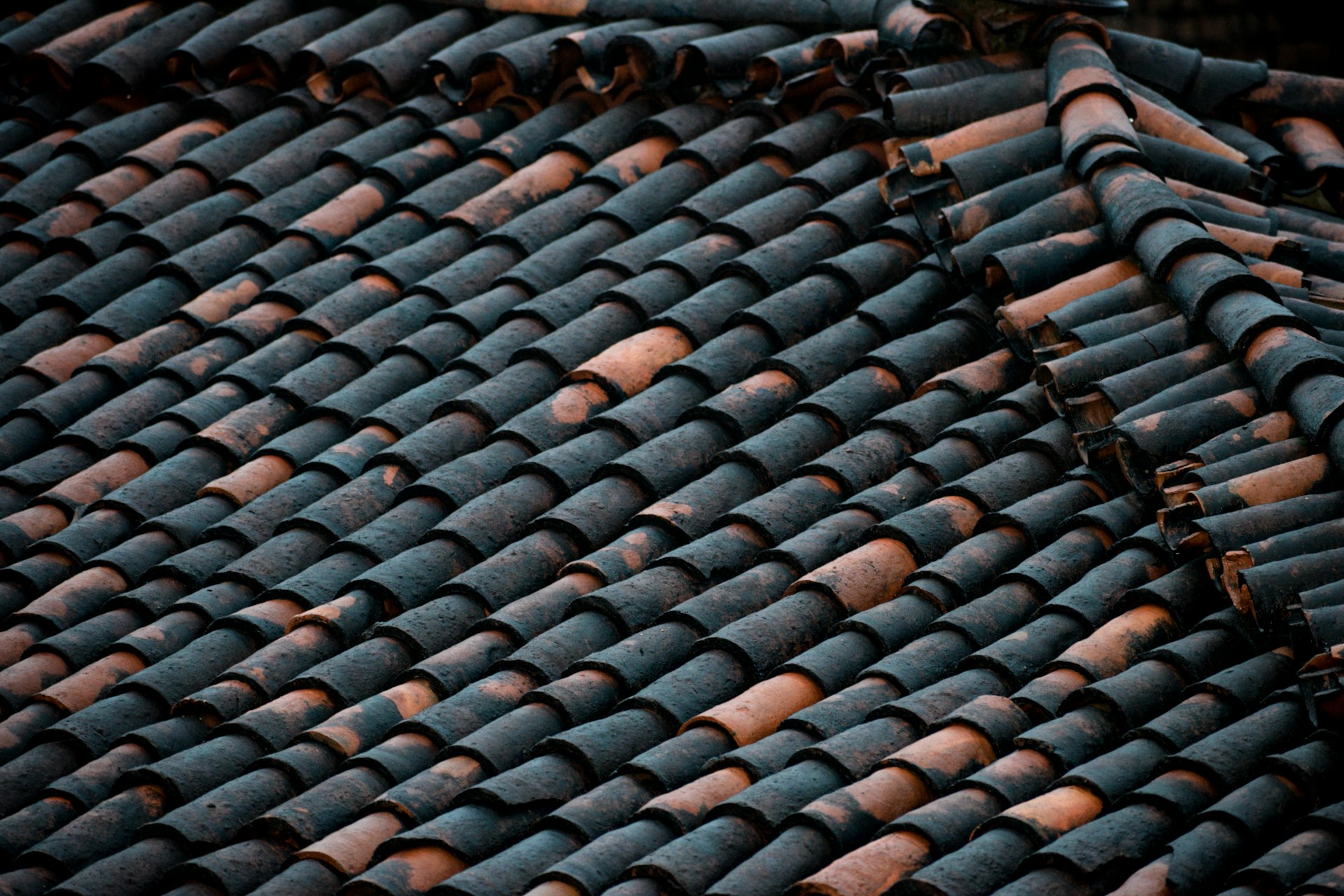
Reclaimed clay roof tiles give buildings timeless character, durable protection, and a smaller environmental footprint. Each piece carries natural color depth and texture that only years of weathering can produce.
Reclaimed Slate Roofing supplies authentic reclaimed clay tiles sourced from historic demolitions, cleaned and graded for reuse. Their tiles preserve architectural heritage while supporting sustainable restoration.
This guide explains what reclaimed clay roof tiles are, how to source and match them, and why they outperform many new materials for both historic and modern projects.
What Are Reclaimed Clay Roof Tiles?
Reclaimed clay roof tiles are used tiles taken from older buildings and prepared for reuse. They provide proven durability, unique textures, and a variety of shapes that work for historic roofs or add character to new homes.
Definition and Overview
Reclaimed clay roof tiles come from existing roofs, then get cleaned, sorted, and checked for reuse. These tiles have already withstood decades or even centuries of weather. Sellers grade tiles by condition, separating whole tiles from those with chips or cracks.
Using reclaimed tiles reduces waste and often lowers the energy footprint compared with new clay. Expect some color variation and patina; this is normal and adds character. Always have a roofer test a sample for strength and frost resistance before installation.
Types of Clay Roof Tiles
Clay roofing tiles come in several styles and profiles. Hand-formed tiles have irregular edges and a rustic look. Pressed or extruded tiles are more uniform and common in later roofs.
Reclaimed tile collections include flat shingle tiles, interlocking tiles, and curved profiles. Some tiles are thick and heavy, others are lighter. Match the tile type to your roof pitch and weight capacity.
Common Styles Like Pantiles and Staffordshire Blue
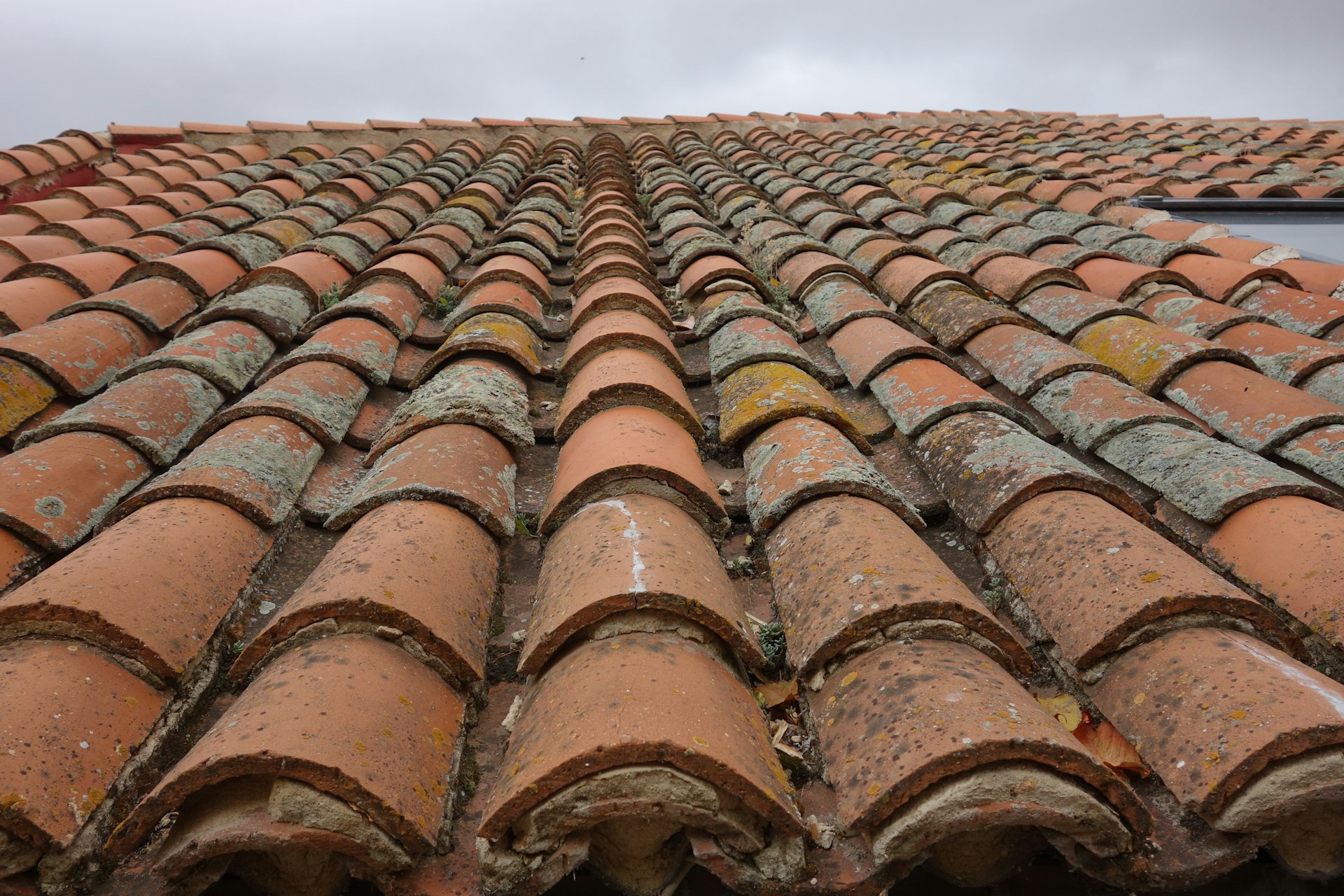
Pantiles are single-curved, S-shaped clay tiles that create a wave-like roof surface. They were widely used in European buildings and are common in reclaimed stocks. Pantiles overlap easily and shed water well on medium to steep roofs.
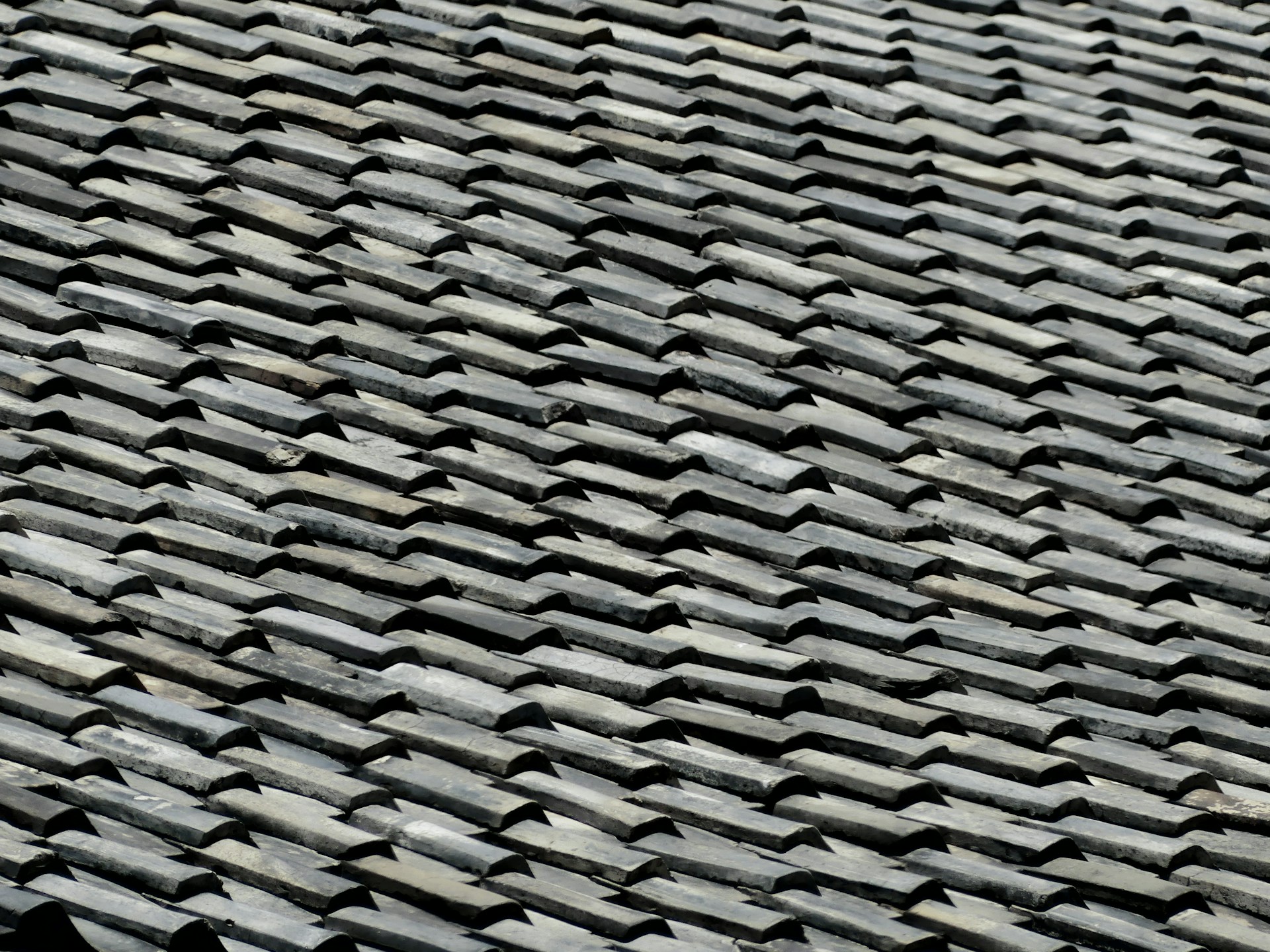
Staffordshire Blue refers to a dark, hard-fired clay tile from Staffordshire, England. These tiles are dense, frost-resistant, and valued for their deep blue-black color. Reclaimed Staffordshire Blue tiles often have a subtle sheen and hold up well in harsh climates, making them popular for historic authenticity.
Benefits of Using Reclaimed Clay Roof Tiles
Reclaimed clay roof tiles reduce waste, save money, and add authentic character to older homes. They lower the need for new manufacturing, match period designs, and often cost less than new clay tiles.
Sustainability and Environmental Impact
Using reclaimed tiles keeps materials out of landfills. Salvaged tile avoids the energy needed to mine and fire new clay, so your project reduces carbon emissions and raw material use.
Reusing tiles cuts transport and production emissions. Sourcing locally further lowers freight miles. Many reclaimed tiles have long lifespans, so you reduce future replacements and waste.
Character and Authenticity for Period Properties
Reclaimed clay tiles give period properties a look that new tiles can't match. Antique tiles show natural weathering and texture that suit historic restorations. You can match original rooflines and profiles more closely with salvaged tile sizes and shapes.
This makes planning approvals easier for listed buildings, as councils prefer original materials. Using reclaimed tiles preserves the building’s visual story and adds curb appeal, keeping the property true to its era.
Cost Savings Compared to New Clay Tiles
Reclaimed tiles usually cost less than new clay, especially high-end or hand-crafted types. You avoid manufacturing costs because the tiles are already made.
Many reclaimed tiles are older and denser, which can mean fewer replacements and lower long-term costs. You may also save on planning and matching materials for listed buildings, avoiding custom-made new tiles and specialist labor expenses.
How to Source Reclaimed Clay Roof Tiles
Find suppliers who match older tiles, sell by batch, and ship to your site. Focus on tile condition, exact dimensions, and supplier reputation before you buy.
Finding Reliable Suppliers
Look for vendors who specialize in reclaimed roof tiles. Check that they list material type, dimensions, and batch quantity. Ask for photos and a condition report—cracks and frost damage matter for reuse.
Get references or past-project photos. Good suppliers match profiles, colors, and thicknesses to your roof. Ask if they grade tiles on-site and offer sample packs to test fit and color before ordering a full batch.
Buying Reclaimed Roof Tiles Online
When buying online, read listings closely. Reliable sellers state if tiles are clay, slate, or concrete, give exact measurements, and show several photos. Look for sellers who post batch quantities and price per piece or pallet.
Use marketplaces that let you message sellers and request more photos or a condition report. Avoid vague listings. Check return policies and whether the seller will hold tiles while you confirm fit with samples or a roofer.
Nationwide Shipping and Availability
Confirm the supplier ships to your area and can handle pallet or truck delivery. Reclaimed tiles are heavy and fragile, so ask about crating, insurance, and delivery options. Get a written freight quote before you commit.
If you need rare matching tile, expand your search to nationwide salvage yards and reclaimed tile specialists. Some companies keep inventories of discontinued profiles and can pull matching tile from partner yards. Track lead times; rare matches may take weeks, while common profiles ship faster.
Selecting and Matching Reclaimed Tiles
Check condition, measure profiles, and match color and weathering to get tiles that fit and last. Focus on exact dimensions, visible damage, and how new pieces will look next to your existing roof.
Assessing Quality and Condition
Inspect each tile for cracks, chips, and spalling. Hold tiles up to light to spot cracks and tap them—a clear sound means good density; a dull sound can mean fractures.
Sort tiles by category: perfect, repairable, and scrap. Keep extra perfect tiles—breakage can occur during transport or installation. Check for original fastening holes, mortar remnants, and frost damage. Clean a test piece before committing to a batch.
Record thickness, length, width, and exposed face for a sample set. Note any maker’s marks on the back; they help identify matching stock later.
Identifying Your Existing Roof Tile
Measure at least three tiles from different roof areas for length, width, thickness, and exposure. Use a ruler or digital caliper and photograph each tile next to the ruler for scale.
Note the profile: flat shingle, interlocking, barrel/mission, or pan & cover. Match the lock/overlap style exactly to avoid leaks. Record color, finish, and texture—take photos in overcast light for true color. Include close-ups of weathering patterns.
Search for maker’s marks or codes pressed into the back. If you find them, you can source matching batches from suppliers who catalogue by mark.
Blending with Existing Roofs
Plan your layout to mix reclaimed and new tiles so color and wear blend naturally. Stagger new tiles across an area instead of placing them in one spot; this avoids visible stripes.
If reclaimed stock is limited, place reclaimed tiles on the most visible slopes and use new tiles for less visible sections. You can lightly age new clay tiles with sunlight, mild staining, or a thin limewash to reduce contrast.
Match profile and thickness first, then color. Even perfectly colored tiles will sit differently if the thickness differs. Label and store sorted tiles by condition and location so installers can pull from the right batch during installation.
Installation and Maintenance Tips
Prepare your roof for reclaimed clay tiles, fit mismatched or fragile pieces, and keep the roof watertight with regular care. Focus on proper underlayment, secure fixing methods, and gentle cleaning to protect the tiles and the structure beneath.
Pre-Installation Preparation
Inspect and document every tile before installing. Sort by size, thickness, and condition; set aside damaged pieces for patches. Measure roof pitch and calculate coverage with a 10–15% extra allowance for breakage or nonstandard sizes.
Check the roof deck for rot or sagging and replace decking where needed. Install new battens or certified underlayment for clay tiles. Use corrosion-resistant nails and match spacing to the tile’s holes or clips. Install flashings, gutters, and valley liners before laying tiles.
Use safety gear: roof harnesses, roof jacks, and nonslip shoes. Handle tiles gently and avoid stepping on them.
Fitting Techniques for Reclaimed Tiles
Lay out starter courses along the eaves using whole tiles. Use straight chalk lines to keep courses even, since reclaimed tiles often vary in shape. Where profiles differ, overlap so the higher edge sits above the lower tile for weather protection.
Use underclips, screws, or copper nails rather than only mortar to secure edge and ridge tiles. Place cracked but usable tiles in less exposed areas and nail through the intact section. Trim salvaged tiles only with a diamond blade and wet cutting to avoid breaks.
Match mortar color and texture if re-bedding ridge tiles or filling gaps. Replace flashing around chimneys and skylights with lead or soft metal to fit irregular tile edges. Record the layout so future repairs use the same placement.
Ongoing Care and Repairs
Inspect your clay roof twice a year and after storms. Clear leaves and debris from gutters and valleys. Use a soft brush or low-pressure rinse; never pressure wash clay tiles, as it can damage the surface.
Replace slipped or broken tiles promptly. For single-tile repairs, lift adjacent tiles, slide out the damaged piece, and fit a matching tile. Re-bed ridge mortar where needed and use stainless or copper fixings for long-term durability.
Control moss and lichen with gentle cleaning and zinc or copper strips near the ridge. If you find recurring leaks or large areas of brittle tiles, call a roofer experienced with salvaged tile to assess the roof structure and underlayment.
Popular Uses and Project Ideas
Reclaimed clay tiles offer both practical function and unique visual character. They help match period properties, repair listed buildings, or add distinctive decorative features to modern projects.
Restoring Listed and Historic Buildings
Matching original materials is crucial when restoring a listed building. Reclaimed clay tiles often match the size, color, and weathering of antique tiles on period properties. Use them for roof repairs where conservation rules require like-for-like replacement.
Check the tile profile and gauge before buying. Keep samples for your conservation officer and document each batch’s origin.
Use reclaimed tiles for ridge tiles, hips, and patch repairs; only use new, specially made tiles when you can’t find matching pieces. This approach saves time and preserves the building’s historic character.
National Park Service Guidance on Roof Conservation
The National Park Service (NPS) advises using matching reclaimed clay tiles to preserve visual continuity and material authenticity in historic restorations. According to Preservation Brief 30, conserving original or like-for-like materials maintains a structure’s cultural integrity and value.
Following NPS repair principles helps achieve compliance with historic preservation standards while protecting your roof’s appearance and longevity.
Extensions and Modern Applications
Blend reclaimed tiles into new work to create visual continuity between old and new parts of a house. For an extension, use reclaimed tiles on eaves or a porch roof to connect the addition to the original structure.
You can also use reclaimed tiles as flooring accents in a mudroom or covered walkway for added texture and grip.
Plan for variation in thickness and firing marks—these are normal. Lay salvaged tiles on a reinforced substrate and use compatible fixings and flashings. Mixing reclaimed tiles with new ones can fill gaps, reduce costs, and avoid long lead times.
Unique Features and Decorative Elements
Reclaimed tiles make durable and attractive decorative pieces for the home and garden. Use whole or broken tiles as pathway edging, step treads, or low garden walls. Indoors, cut flat pieces for coasters, hearth insets, or wall plaques to highlight antique patina.
Label and sort tiles by color and size before starting. Seal indoor tiles to reduce dust and staining. When adding tiles to furniture or signage, leave rough edges for character or sand and seal for a cleaner look.
Building Sustainability With Historic Integrity
Reclaimed clay roof tiles combine proven durability with natural texture and heritage appeal. They reduce environmental impact, conserve resources, and keep the original craftsmanship visible on roofs that last for generations.
Reclaimed Slate Roofing supplies authentic clay tiles with verified provenance. Builders and homeowners can achieve accurate restoration or design new projects with timeless character.
Explore available reclaimed tile batches, request samples, or speak with sourcing specialists to find materials that suit your project’s design, structure, and sustainability goals.
Frequently Asked Questions
This section covers how to spot durable reclaimed tiles, what to check before buying, available styles and eras, expected lifespan, cost differences with new tiles, and basic upkeep tips.
How can I identify quality reclaimed clay roof tiles?
Look for Grade 1 markings or ask the seller about the original manufacturing grade. Grade 1 tiles last much longer and withstand severe weather.
Inspect each tile for cracks, large chips, and spalling. Small corner chips or stains are cosmetic, but hairline cracks and flaking matter. Tap tiles for a solid ring and check for uniform thickness. Inspect nail holes for elongation.
What should I consider when purchasing reclaimed clay roof tiles?
Check the tile profile, size, and interlock design against your existing roof. Even a small mismatch can cause issues. Ask the seller to sort batches by color. Confirm storage and shipping methods to ensure tiles arrive dry and undamaged. Request a sample or photos if you can’t inspect them in person.
Are there specific styles or periods of reclaimed clay roof tiles available?
Yes. Reclaimed tiles come from many makers and eras, including Mediterranean, Spanish, and early 20th-century profiles. Some profiles were only made for a few years. Provide photos, measurements, or a sample tile to help the supplier find a match.
What's the average lifespan of a reclaimed clay roof tile?
Grade 1 reclaimed clay tiles with no structural damage can last 50–100 years or more. They have already proven their durability. Lower-grade or freeze-damaged tiles won’t last as long, so inspect them carefully.
How does the cost of reclaimed clay roof tiles compare to new ones?
Reclaimed tiles are usually cheaper than custom-made reproductions, especially for rare profiles. You save on manufacturing, but you should factor in inspection, sorting, and shipping costs. For exact color-matching or lots of custom cutting, new tiles may cost more overall. Compare total project costs, not just the price per piece.
What maintenance is required for reclaimed clay roof tiles?
Clean moss and debris each year to prevent moisture and growth. Use gentle brushing or low-pressure washing to avoid damaging tiles. Check for cracked or slipped tiles after storms. Replace damaged tiles promptly and keep flashing and underlayment in good condition to protect the roof.