Century-old slate gives new construction the kind of durability and character most modern materials can’t touch. It has already weathered decades out in the field, which means you’re building with stone that’s proven to last and carries a natural patina you simply can’t manufacture. Using reclaimed slate also cuts down on waste and reduces the environmental impact of your project.
If you want a roof that fits high-end architecture or meets strict preservation goals, reclaimed slate delivers rare colors, tight grain, and authentic texture that stand out on modern designs. And when you work with a vetted supplier like us here at Reclaimed Slate Roofing, you get batches that are inspected, cleaned, and ready for install.
This guide walks you through how to source quality pieces, what to plan for during installation, and how to weigh upfront cost against decades of performance. With the right approach, reclaimed slate becomes one of the most reliable and distinctive choices you can put on a new home.
Century-Old Slate
Century-old slate gives you durable, authentic roofing with visible age, varied colors, and a proven track record. Let’s look at what actually counts as century-old, how to spot the real stuff, and how it stacks up against modern slate.
Century-old slate comes from roofs or buildings installed about 100 years ago or more. The age matters, but so does knowing where it came from. Look for provenance—building records, removal notes, or supplier verification showing a pre-1920s installation date.
Make sure each piece was truly reclaimed from a historic structure and checked before reuse. Suppliers like Reclaimed Slate Roofing usually provide source details and inspection protocols. Tiles with tool marks, old nail patterns, and hand-split faces often point to genuine century-old material.
Check thickness and cut style too. Older slates are usually thicker and cut by traditional methods, which affects weight and how you’ll plan flashing, underlayment, and fasteners.
Characteristics of Historic Slate
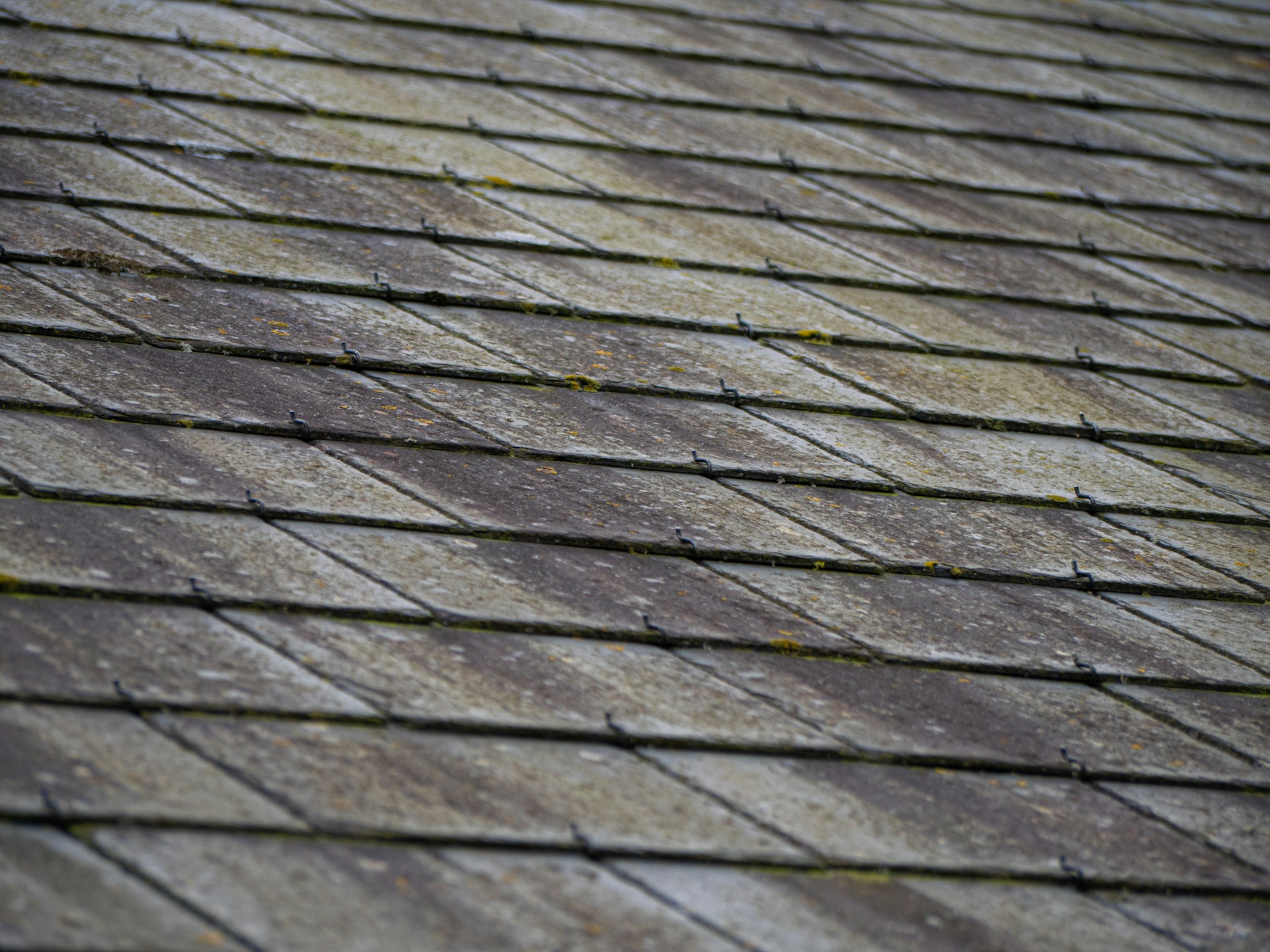
Historic slate shows natural color ranges: deep grays, purples, greens, and rust tones thanks to iron content and years of exposure. The surface may have a subtle sheen or layered texture from hand-splitting.
You’ll find varied sizes and edges that aren’t exactly uniform. That’s just how it is—expect to do some sorting on site. Look for consistent thickness across a course, natural weathering, and solid bedding planes—these show the slate will shed water well.
Durability is a big deal: properly reclaimed slate can still be structurally sound, resisting freeze-thaw cycles and abrasion. Always inspect for cracks, delamination, and nail-hole enlargement. Pieces that pass vetting are ready for reuse and can give your new construction that real sense of history.
Differences From Modern Slate
Modern quarried slate is more uniform in size, thickness, and finish. Producers cut and calibrate pieces to tight tolerances, making installation pretty straightforward.
Century-old slate varies more in color and edge profile. That means more sorting, skilled laying, and sometimes custom flashing. Installation might take longer, but the final look is unique and historically accurate.
Modern slate often comes from different quarries and uses new treatment methods, so you get colors or finishes not found in historic material. If you’re after genuine patina and rare tones, reclaimed century-old slate brings authenticity modern substitutes just can’t match.
Why Use Century-Old Slate for New Construction
Century-old slate gives you proven strength, a look you can’t fake, a lower environmental impact, and a real story on your roof. These all matter for durability, curb appeal, project specs, and long-term value.
Enhanced Durability
Century-old slate often comes from quarries that produced dense, low-porosity stone. That makes the tiles resistant to water, freeze-thaw cycles, and wind uplift. When inspected and graded, many reclaimed slates still meet or exceed modern performance needs.
You can expect lifespans of 75–150 years with proper installation. That means fewer reroofing costs down the road. Just make sure you hire experienced roofers using correct fastening patterns.
Unique Aesthetic Appeal
Each reclaimed slate tile brings natural color variation, texture, and weathered edges you won’t get from reproductions. That variety creates roofs with depth and character—perfect for historic or high-end contemporary designs.
You can pick mixed batches for a mottled roof or uniform lots for a tighter look. Architects love these options when matching historical facades or aiming for a signature roof.
Sustainability and Environmental Impact
Using century-old slate means less quarrying and manufacturing. That cuts energy use, emissions, and landfill waste. You avoid synthetics and keep durable stone in service longer.
Reclaimed slate often comes cleaned, graded, and ready to install. That shortens lead times and reduces embodied carbon compared to new production and long shipping routes.
Historical Value
A roof built with century-old slate adds real history to your project. Each tile might come with provenance—age, region, and original building type—that helps with restorations or landmark work.
You can document origin and inspection records for preservation reviews or resale value. Suppliers like Reclaimed Slate Roofing provide vetted pieces and paperwork to help you meet restoration standards and tell the roof’s story.
Sourcing and Selecting Century-Old Slate
You’ll need reliable sources, clear quality standards, and a quick inspection method to pick slate that fits your design and holds up. Focus on verified origins, consistent thickness, and intact edges to avoid headaches later.
Where to Find Reclaimed Slate
Check out slates removed from historic buildings, demo sites, and architectural salvage yards. Ask sellers about the building’s age, original quarry (if they know), and any removal or storage notes.
Go with suppliers who clean and sort materials before selling. Reclaimed Slate Roofing inspects and ships nationwide, which can speed delivery. Always ask for test cuts or sample bundles so you can check color, thickness, and riven surfaces before making a commitment.
Look for matching batches in color and size. If you want rare colors or sizes, secure the full quantity early so you don’t run short later.
Criteria for Quality Selection
Pick slate with natural riven surfaces, consistent cleavage, and no active delamination. Aim for thickness between 5–10 mm for residential work unless you want heavier historic profiles.
Check color consistency across the lot: some variation is normal, but big shifts can ruin roof aesthetics. Inspect nail holes and previous repairs; fewer repairs mean less labor and waste.
If possible, get records of freeze-thaw performance or the original quarry. Prioritize slates with intact tails and clean beds for easier installation and longer life.
Inspecting and Grading Old Slate
Start with a visual sort: separate whole tiles from broken ones and mark usable tails. Do a simple tap test—solid sound means good bonding; a dull or hollow sound might mean internal cracks or delamination.
Measure a sample batch for thickness, length, and width. Make a grade chart:
- Grade A: Full-size, no delam, under 5% chips
- Grade B: Minor edge chips, usable tails, 5–15% repairs
- Grade C: Heavy chipping, lots of repairs, save for patching
Watch for hairline cracks along the cleavage plane and check nail holes for elongation. Count grades and order extra (usually 10–20%) for breakage during installation.
Installation Considerations for New Projects
You’ll need careful planning, the right flashing and underlayment, and skilled installers who know how to work with reclaimed material. Sorting, matching, and fastening century-old slate to modern roof systems takes some patience.
Preparation and Handling
Inspect every slate before it goes up. Look for cracks, delamination, and damaged nail holes. Sort pieces by thickness, size, and color so you can lay matching courses and avoid rework.
Store slate flat on pallets under a tarp. Keep them off wet ground and protect edges from chipping. Move pieces with padded carriers and don’t drop them—historic slate is strong, but the edges are brittle.
Pre-drill or re-drill nail holes if needed. Use stainless steel or copper nails sized for the slate thickness. Mark and keep track of special pieces (hips, rakes, valleys) so you can place them where they fit best.
Adapting Slate to Modern Building Codes
Check local wind, fire, and ice-barrier requirements before you order. Many codes now require specific underlayment, ice-and-water shield in eaves, and set fastening patterns for high winds.
Pick underlayment rated for your roof’s slope and exposure. Synthetic underlayment or specialty felt can provide long-term backup without trapping moisture. Add a code-compliant ice barrier at eaves and valleys if needed.
Update flashing details to meet current standards. Use lead-coated copper, stainless steel, or code-approved metals sized for your roof. Document fastening schedules and material specs for inspections.
Common Installation Challenges
Matching thickness and gauge across reclaimed batches can cause uneven lines if you’re not careful. Plan your starter courses and use shims or tapered battens where needed to keep a consistent reveal and straight courses.
Nail hole wear and hidden cracks can lead to failures on the roof. Replace questionable pieces and avoid reusing slate with multiple or enlarged holes. For small repairs, use slate wedges or copper hooks instead of overdriving nails.
Complex roof features—dormers, valleys, chimneys—need custom-cut pieces and precise flashing. Pre-fit these areas on the ground and label pieces. If you’re sourcing from a vetted supplier like Reclaimed Slate Roofing, specify pack makeup and delivery times to sync material arrival with your crew.
Architectural Applications of Century-Old Slate
Century-old slate gives projects durable, weather-tested surfaces and a unique aged look. It works well on steep roofs, vertical facades, and paved surfaces where long life and historic character matter.
Residential Roofing
You can use century-old slate as the main roofing material for steep-pitch homes, luxury custom houses, and historic-style new builds. Its durability shrugs off freeze-thaw cycles and sheds water, which means less maintenance over the years.
Match slate thickness and nail pattern to your roof framing and local codes. Thicker, hand-split pieces work for long runs and high-load areas. Thinner reclaimed tiles fit lighter structures or dormers.
Plan flashing, underlayment, and ventilation to modern standards. Good installers will overlap courses, set valley details in copper or lead, and secure tiles with stainless nails. If you’re buying reclaimed material, inspect batches for consistent sizes and keep extra tiles for repairs.
Accent Walls and Facades
Use reclaimed slate as cladding for gables, chimneys, and entrance walls to bring texture and color depth. Slate panels or thin-sawn pieces attach to sheathing with a rainscreen gap for drainage and airflow. This keeps moisture from getting trapped behind the stone.
Choose slate color and surface weathering to match brick, wood, or metal. Anchor details and joint widths should allow for thermal movement; use flexible sealants at transitions to avoid cracks. For high-visibility facades, check each tile for chips and fit to create a tight, consistent look.
Outdoor Walkways and Patios
Century-old slate makes durable, slip-resistant paths and patios with that unmistakable historic vibe. Pick thicker, flat pieces for walking surfaces; textured, natural cleft faces offer traction when wet. Set pavers on compacted base with sand or mortar beds depending on drainage.
Design joints for seasonal expansion and use polymeric sand or flexible grout to keep weeds at bay. For stairs and thresholds, bullnose or trimmed edges help reduce trip hazards. Seal edges where slate meets landscape to keep soil from washing out the paving.
Maintenance and Longevity
You’ll keep a century-old slate roof in shape by handling a few key tasks on schedule and fixing chips or slipped pieces quickly. Regular checks, targeted cleaning, and timely repairs will help slate look original and last for decades.
Routine Slate Care
Take a look at your roof twice a year—spring and fall are good bets—and after any big storms. Walk the perimeter if you can do it safely, or just grab some binoculars to spot cracked, slipped, or missing slates, loose flashings, or gutter blockages.
Keep gutters and valleys cleared out; leaves and debris trap water, which can really speed up slate and underlayment wear. If you see moss or lichen, brush it off gently with a soft brush—skip the power washer or harsh chemicals, since those can thin the slate or strip its patina.
Trim any branches hanging over the roof so they don't scrape the slates or drop heavy limbs. Snap a few photos and jot down notes with dates when you inspect—these records make it way easier to track changes or order matching reclaimed pieces from places like Reclaimed Slate Roofing.
Long-Term Performance
Slate itself can last a century or more, but underlayment and flashing are the usual weak points. The stone will probably outlive you—plan for 75 to 150+ years—but you’ll need to check and possibly replace underlayment every 25–40 years, depending on what you used and your local climate.
Always use non-corrosive fasteners and flashing—lead, copper, or stainless—so you don’t run into galvanic corrosion. When you repair, match slate thickness and overlap (headlap) to keep water out. Pop into the attic every so often to check for daylight peeking through, stains, or rot—these might be your first clues to a leak, even if the roof looks fine outside.
Budget for maintenance. A little money spent on small, regular fixes beats a giant bill for a full roof failure. If you can, keep a stash of matching reclaimed slates from the same batch—future repairs will blend right in.
Repairing and Replacing Individual Pieces
When a slate slips or breaks, just replace the one piece—no need for a full reroof. Find a roofer who knows slate. They’ll gently lift the neighbors, slide in a matching piece, and secure it with a copper or stainless nail, or a slate hook if needed.
Try to match replacements for size, thickness, and color. Reclaimed slates aren’t always identical, so hang onto extra tiles from your original order. Keep a quick reference list: slate size, thickness, headlap, nail type, and flashing details. Makes reordering way less stressful.
For small patches, swap out nails and flashings around the problem area. If you keep seeing issues in the same spot—like a valley or chimney—check the deck underneath and replace the underlayment or flashing to stop leaks for good.
Cost and Value Considerations
Century-old slate costs more upfront, but it often saves money over time. The initial price tag is higher, but the long service life and classic look are hard to beat.
Budgeting for Reclaimed Materials
Reclaimed slate usually runs more per square foot than new roofing, mostly because of the sorting and grading process. Don’t forget to add in material purchase, shipping, cleaning, and any custom flashing or trim to match older sizes.
Labor costs go up too. Roofers need extra time for careful layout, precise nail patterns, and gentle handling. Some roofs might need extra structural support for heavier slate. Ask your supplier about grading and yield rates so you can order enough to cover breakage and cuts.
Check out a cost table to compare:
- Material cost: reclaimed vs new
- Shipping & handling
- Specialized labor hours
- Waste/extra percentage
Always get written quotes for each part, and add a 10–20% buffer for surprises.
Long-Term Investment Returns
Install century-old slate right, and it can last 75–150+ years. That kind of longevity means fewer replacements and lower long-term costs. Sure, you pay more at first, but you probably won’t be reroofing any time soon.
Resale value? Real reclaimed slate can boost curb appeal and attract buyers who love history or unique style. Maintenance is usually lower too—good reclaimed slate needs fewer fixes than cheap composites. Still, plan for the occasional slate or flashing replacement and keep up with inspections.
If you work with a reputable supplier like Reclaimed Slate Roofing, you’ll probably avoid a lot of headaches—inspected materials and quick shipping help dodge delays and hidden issues.
Trends and Case Studies in Modern Builds
Lately, more projects are reusing century-old slate, and it’s easy to see why. Builders and designers like the look, the story, and the sustainability angle. Want some real-world examples? Here’s what’s happening.
Notable Projects Utilizing Century-Old Slate
In places like coastal New England and the Pacific Northwest, you’ll find high-end homes and even accent walls clad in century-old slate. Architects pick it for the rich color, longevity, and to satisfy historic guidelines. Roofs reuse 100–150-year-old Welsh and Vermont slate, inspected and matched by suppliers like Reclaimed Slate Roofing.
Contractors say they get fewer callbacks for flashing or underlayment issues when they stick to best practices: full re-nailing, stainless fasteners, and upgraded underlayment. One farmhouse project actually saved money over the long haul because the reclaimed slate should last 75–150 years with basic upkeep. Homeowners also mentioned the visual impact and resale value as big wins.
Emerging Trends in Sustainable Construction
Reclaimed slate is popping up in more projects focused on cutting carbon and reusing materials. Using what’s already been quarried avoids new mining and landfill waste. Builders are starting to request certification and documentation to track carbon and prove authenticity.
On job sites, you’ll see reclaimed slate paired with modern insulation, breathable membranes, and snow guards. Designers combine slate with green building certifications and sustainability reports for clients. Suppliers who can inspect and ship by the pallet are in demand—they help keep projects on schedule and reduce waste.
Tips for Working With Century-Old Slate
Century-old slate can save money and add character, but you need the right team and a plan for repairs or replacements.
Hiring the Right Contractors
Don’t just hire any roofer—find folks who actually have slate experience. Ask for proof—at least three slate roofs in the last five years, plus photos. Call their references. Make sure they know reclaimed materials and can match old thicknesses and installation styles.
Double-check that the crew knows how to handle fragile, weathered slates. Ask about their on-site storage and waste plans to avoid unnecessary breakage. Make sure they’re insured and give you a written scope of work, labor warranty, and estimated timeline.
If you’re buying from Reclaimed Slate Roofing, confirm your contractor can accept pallet deliveries, inspect slates when they arrive, and report any shortages right away.
Common Pitfalls to Avoid
Don’t assume all reclaimed slate is the same—sizes and quality vary. Inspect batches for thickness, breakage, and good edges. Order 10–20% extra for cuts and inevitable breakage.
Never mix incompatible fasteners or underlayments. Stick with stainless or copper nails and the right underlayment to prevent staining and corrosion. Double-check flashing details before you start—chimneys, valleys, dormers—so you don’t get leaks later.
Always do a mock-up or sample area first. Laying a small section helps you check color blending and pattern. Take a photo, get written approval, and only then move on to the full roof.
Century-old slate isn’t just a roofing choice. It’s a long-term investment in durability, character, and sustainable building practices. When you use material that has already survived a hundred years, you’re putting real history to work on a modern home and cutting down on the waste that comes with new production.
If you want help sourcing reliable reclaimed slate for a new build, our team at Reclaimed Slate Roofing is here to make the process simple. We inspect, clean, and grade each batch so you know exactly what you’re getting before it reaches the jobsite. Whether you’re chasing a specific color, matching a historic profile, or planning a full-scale custom roof, we can guide you through the options and help you get material that’s ready to install.
Build it once, build it right, and let century-old slate do what it does best: stay strong, look authentic, and outlast just about everything around it. If you’re ready to plan your project, we can help you get started.
Frequently Asked Questions
Century-old slate brings serious weather resistance, historic style, and a long life span. You’ll want to weigh the higher upfront cost, sourcing, and a few special installation and maintenance quirks.
What are the benefits of using century-old slate in new construction?
Century-old slate is dense and built for weather. Installed right, it’ll last 75–150 years or more.
You get real color and texture—modern copies just can’t match it. That’s huge for curb appeal and historic or luxury designs.
Reclaimed slate usually has a lower embodied carbon footprint than most new materials. Using it cuts waste and saves resources.
How does the cost of century-old slate compare to newer materials?
You’ll pay more for materials than for asphalt or composite shingles, and labor costs are higher because slate takes skill.
Compared to high-end synthetic slate, reclaimed slate can be price-competitive if you buy wholesale. Factor in how long it lasts—over time, the cost per year drops.
Where can I find century-old slate tiles for sale?
Look for specialty suppliers who inspect and sort historic slate. Many have online listings with photos, sizes, and grades.
Reclaimed Slate Roofing offers vetted, historic slate and ships nationwide for contractor jobs. Always check thickness, size, and grade before you buy.
What should I consider before installing a slate roof on my new home?
First, make sure your roof structure can handle the weight—slate’s heavier than most roofing. Have an engineer check your rafters and framing.
Hire a roofer who knows slate inside and out. Underlayment, flashing, and fasteners make a big difference. Plan for lead or other authentic flashing if your design calls for it.
Order extra tiles for cuts and future repairs. Matching size and thickness keeps the look and weatherproofing consistent.
Are there any unique maintenance considerations for century-old slate roofs?
Check the roof once a year and after storms for broken or slipped slates. Replace damaged ones quickly to protect the underlayment.
Use contractors trained in slate repair so you don’t crack neighboring tiles. Keep valleys, gutters, and flashings clear and in good shape.
Most historic slates don’t need sealing, but keep an eye on fasteners and flashings—they’re the usual trouble spots.
How does the durability of century-old slate stand up to modern construction materials?
Century-old slate usually outlasts asphalt, wood shakes, and most composites. The stuff’s mineral makeup shrugs off rot, bugs, even years of sun.
If you stack it up against modern synthetic slates, real slate often goes the distance—as long as someone installed it right. Of course, how it holds up depends a lot on the slate’s grade, how carefully folks put it in, and the roof’s overall design. Funny how some things just last, isn’t it?