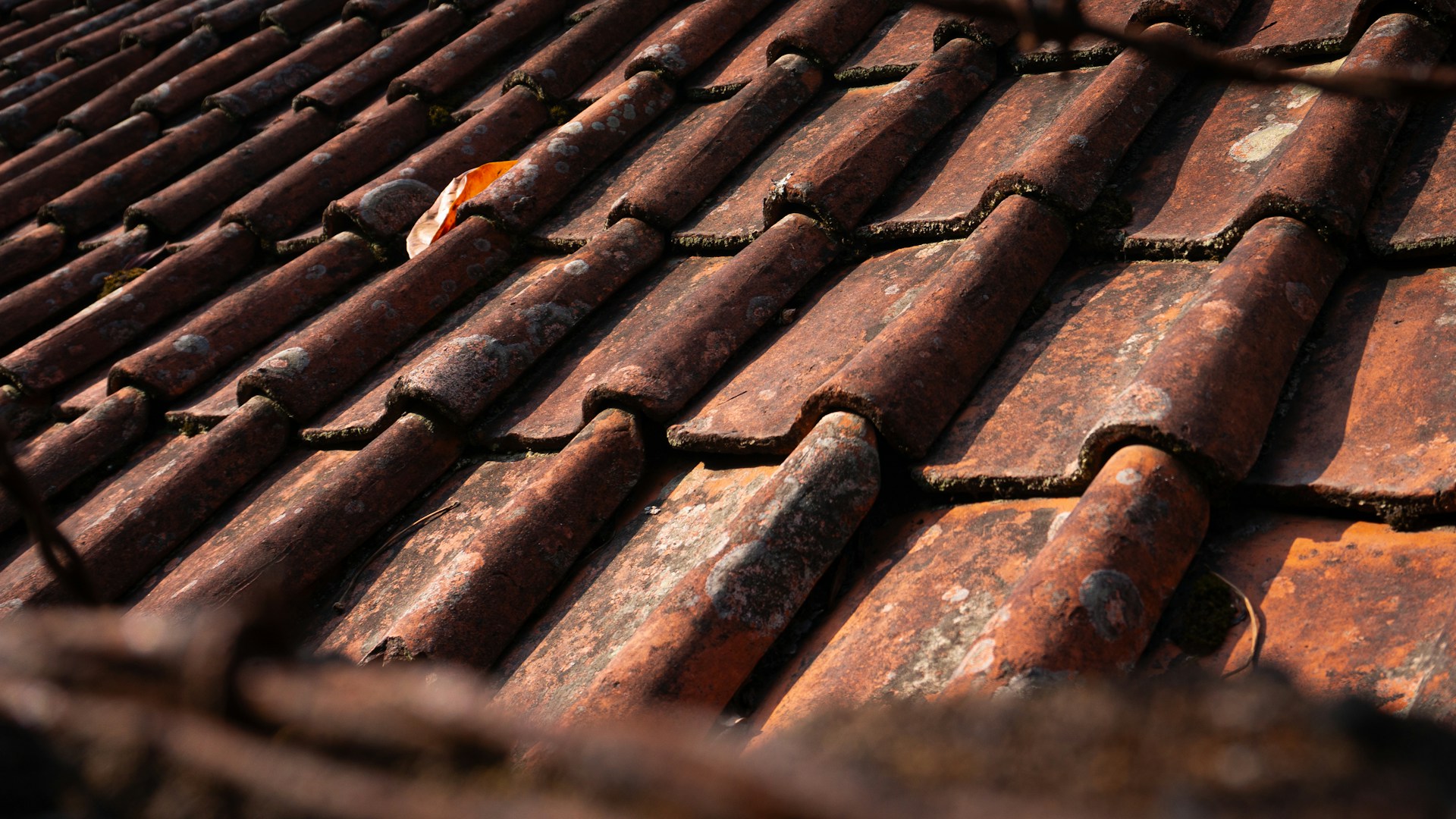
Reclaimed slate delivery ensures historic or vintage roofing materials reach your site safely and on time. It combines material sourcing, grading, packaging, and transportation into one coordinated process so your project stays efficient and authentic.
Reclaimed Slate Roofing provides reclaimed slate delivery across the U.S., offering graded, palletized, and fully documented shipments. Each batch includes verified provenance, size consistency, and weather-tested performance, giving contractors and restorers peace of mind.
This guide covers how reclaimed slate is sourced, packed, and shipped, what logistics steps matter most, and how to prepare your site for safe unloading. You’ll also learn key standards, sustainability benefits, and cost factors that shape your delivery planning.
Understanding Reclaimed Slate Delivery
Delivery covers how salvaged, used, or recycled slate moves from removal to your jobsite. You’ll learn what reclaimed slate delivery includes, the main steps suppliers follow, and why reclaimed roofing slate often beats new slate for certain projects.
What Is Reclaimed Slate Delivery?
Reclaimed slate delivery involves preparing, packing, transporting, and unloading salvaged or used slate for reuse on roofs. It starts with inspected slate pulled from old roofs or demolition sites, then continues through sorting by size, grade, and condition.
Suppliers label bundles by length and thickness so you get consistent batches. You may receive documentation about provenance, grade, and any freeze–thaw testing if available. This paperwork helps you match existing slate and meet building or historic-preservation rules.
Delivery includes crating to prevent breakage and palletized loads sized for forklift or crane access. Some vendors offer direct-to-site drop-off and timed delivery windows to sync with your installer’s schedule.
Process Overview: From Salvage to Site
Crews remove slate carefully from old roofs to limit edge chips and nail-hole damage. Suppliers then clean, sort, and grade each piece, separating prime pieces for visible roof areas and secondary pieces for flashings or valleys.
After grading, they pack slate into wooden crates or pallets with cushioning and strapping. Each crate is labeled with size, grade, and quantity so you can check counts on arrival. Shipping uses carriers familiar with heavy, fragile loads; many suppliers arrange truck delivery with a lift-gate or jobsite drop.
On-site, delivery teams offload near your roof access point. Confirm unloading space and lifting method (forklift, crane, or hand-unload) before delivery. Inspect the shipment on arrival and discuss returns or shortfalls with the supplier ahead of time.
Key Benefits Compared to New Slate
Reclaimed roofing slate offers authentic patina and color match with existing roofs, especially on historic homes. The material has proven weather performance, often lasting 50–150 years. Costs can be lower than premium new slate, since you avoid quarrying and shaping expenses.
Reclaimed slate also reduces waste and demand for new quarrying, making it a greener choice. Suppliers pre-inspect and grade material for you, reducing jobsite waste and saving installer time. You should plan for some variability in thickness and minor edge wear, but these trade-offs suit repair and restoration work.
Types and Sourcing of Reclaimed Slate
Reclaimed slate comes in distinct colors, sizes, and histories that affect appearance, durability, and price. Knowing the common varieties, how to identify true reclaimed roof slate, and which sizes and grades suit your roof helps you order the right material and avoid costly mistakes.
Popular Varieties: Vermont, Black, and More
Vermont slate is known for its deep gray-to-green tones and consistent quality. If you want long-lived, high-quality pieces, look for Vermont provenance on supplier paperwork.
Black slate often refers to darker Pennsylvanian or imported slates, giving a sleek, uniform look that matches modern trim and gutters. Other regional types include Welsh and Spanish slates, which show unique color streaks and historic wear patterns.
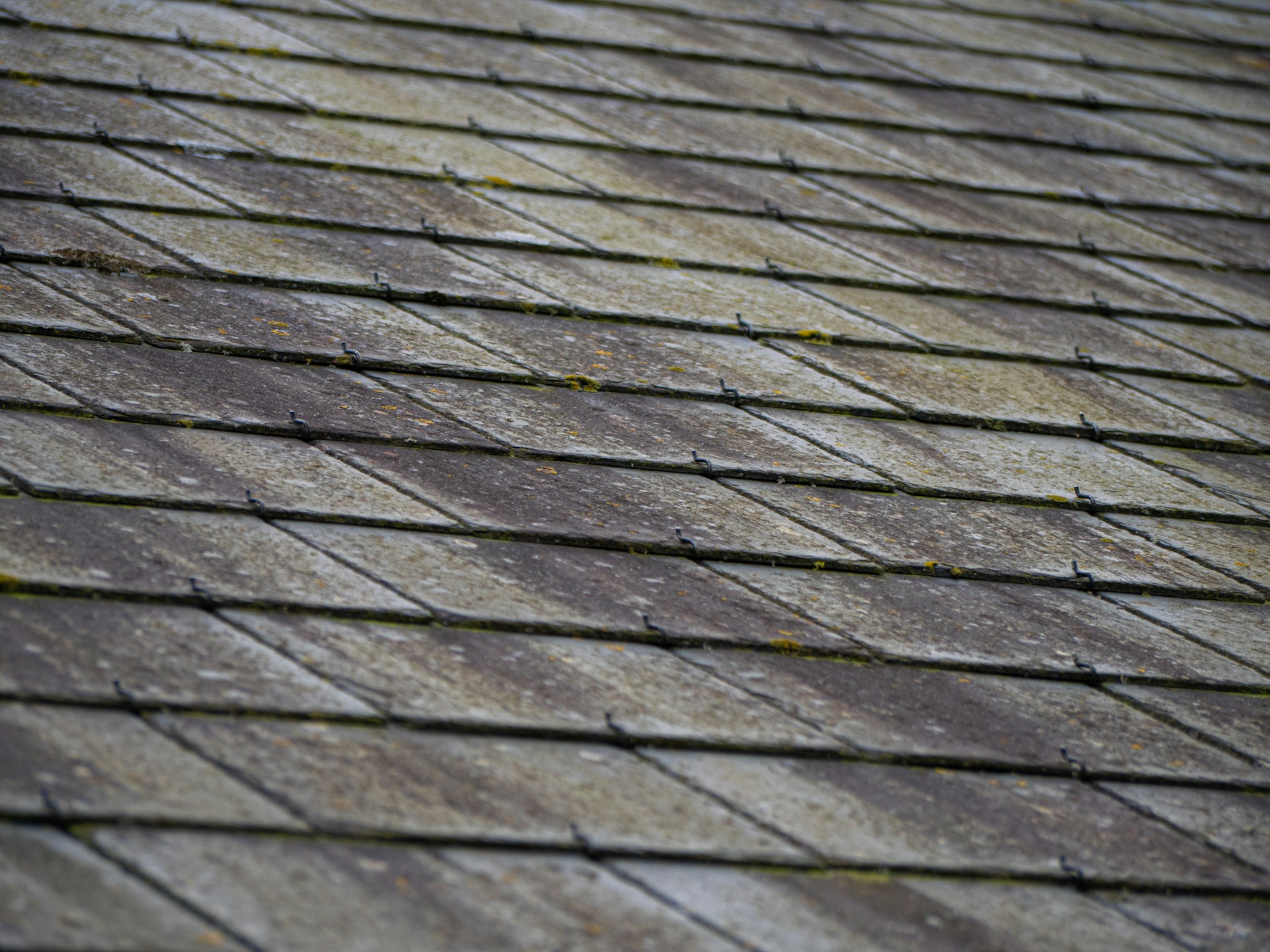
Reclaimed roof slate from older buildings may show patina, nail holes, and edge wear—features that help match existing roofs. Ask suppliers for origin details and sample photos to check color and texture before buying.
Reclaimed Roofing Slate Identification
Identify reclaimed roof slate by looking for signs of prior installation: old nail holes, weathered edges, and surface patina from decades of exposure. Inspect each piece for cracks, delamination, or flaking that reduce service life.
Request digital close-ups or physical samples. Check thickness and straightness; reclaimed slates can warp or have variable thickness that affects installation. Ask if suppliers sort and grade each piece, and if they test for freeze–thaw resistance. Properly vetted reclaimed slate will be clean, sorted by size, and labeled with source information.
Selecting Sizes and Grades
Choose slate sizes that match your roof’s exposure and the look you want. Common sizes range from 9x6 inches to 24x12 inches. Smaller slates suit steep pitches and ornate patterns; larger slates cover more area but need stronger roof framing. Confirm size availability with your supplier to avoid mixed batches that complicate installation.
Grades determine durability. Grade A reclaimed slates are thicker, with fewer defects and longer life. Grade B may have minor chips or color variation, but still performs well. Ask about the percentage of usable slate per order and request a waste allowance (10–15%) for cuts and damaged pieces.
Logistics of Reclaimed Slate Delivery
You need reliable packing, accurate counts, and the right transport method to get reclaimed roof slates to the site intact and on time. Expect crates or pallets, clear weight and quantity information, and options for local or international shipping depending on volume.
Packaging and Loading Standards
You should receive reclaimed roofing slates either crated or palletised to protect edges during handling and transit. Crates are best for mixed sizes or fragile pieces; pallets work for uniform slate sizes.
Each crate or pallet should be banded and, where possible, fitted with corner protectors and timber dunnage to stop movement.
Labeling must show slate size, grade, and quantity per crate. For heavy loads, use fork pockets and rated lifting points on crates. If you order across borders, insist on export-grade packing and moisture barriers to prevent damage during long hauls.
Calculating Quantities and Wastage
Count slates by size and grade before shipping so you can match existing roof material. Suppliers often quote slates per pallet; ask for exact counts and pallet weights. For repairs, request a sample batch first.
Plan for wastage: allow an extra 5–15% for breakage and offcuts. Larger projects and complex roof shapes may need up to 20% spare. Record serial numbers or lot marks if you need matching batches later.
Shipping Options and Lead Times
Choose local delivery for small batches and same-region projects to cut costs and transit time. Nationwide carriers and specialist freight firms can handle pallet or crate drops to site with tail-lift trucks for easy unloading. Expect local deliveries within 3–7 business days.
For large orders or international shipments, use container or crate shipping with consolidated freight options. Lead times vary: suppliers often need time to sort and grade materials, so allow 2–6 weeks for large or bespoke orders. Confirm booking, pickup dates, and insurance before dispatch.
EPA Guidance on Sustainable Transport
The Environmental Protection Agency (EPA) encourages low-emission freight and optimized routing under its SmartWay Program. Using SmartWay carriers cuts fuel waste, lowers costs, and reduces the carbon footprint of slate transport.
This approach complements the environmental value of reclaimed slate itself—preserving both materials and energy resources.
Essential Considerations for Job Site Delivery
Plan access, unloading, storage, and timing so reclaimed slate arrives intact and ready for installation. Clear communication with your delivery driver and roofing crew prevents delays and damage.
Preparing for Delivery at Your Property
Mark a flat, firm unloading spot within 50 feet of the roof work area. Provide a 12–14 foot clear width for trucks and forklifts, remove low branches, and note any overhead wires. If you have a narrow lane or soft ground, tell the supplier so they can send a smaller truck or use ground protection mats.
Reserve a dry, covered storage area on-site. Stack pallets on timber skids off the ground and under shelter to prevent moisture staining or freeze-thaw damage. Label bundles by size and grade so your roofers can pick matched slates quickly.
Prepare safe walkways and keep a clear zone around the unloading area for crew movement. Assign one point person to coordinate arrival, inspect pallets, and sign delivery paperwork.
Coordinating Delivery with Roofing Teams
Give your roofing crew at least 48 hours' notice of the delivery time and slate quantities. Confirm slate sizes, counts, and any special matching requirements so installers can plan layout and batten spacing.
Arrange for roofers to be present at unloading if you expect pallet-by-pallet sorting. That saves double-handling when slates need regrading or selection for visible runs. If installers need slates hoisted, schedule a crane or mechanical lift and tell the carrier the lift location.
Use a shared checklist: delivery time, pallet counts, visible damage, and storage location. Take photos of any damaged bundles and note them on the delivery ticket before the driver leaves to speed claims and replacements.
Sustainability and Value of Reclaimed Slate
Reclaimed roofing slate cuts waste, lowers resource use, and often lasts longer than many new roofing options. You get material that already proven its durability while reducing quarrying and manufacturing impacts.
Environmental Benefits of Reuse
When you choose reclaimed slate, you prevent durable stone from reaching landfills. Salvaged slate and recycled slate reuse tiles from demolition sites, saving thousands of pounds of material per project and avoiding the emissions tied to new quarrying and processing.
You also reduce the need for new raw materials, lowering fuel and electricity use for extraction and manufacturing. Reused slate already has patina and weathering that match historic roofs, so you avoid additional coatings or treatments.
Buying reclaimed roofing slate supports a circular approach. Suppliers vet and clean used slate so it’s structurally sound for reuse. This makes it practical for repairs, partial replacements, or full re-roofs while keeping embodied carbon and construction waste down.
Cost-Effectiveness and Longevity
You save on material costs when you buy salvaged slate versus high-end new alternatives. Builder-direct reclaimed suppliers often offer wholesale pricing and faster shipping, which cuts lead times and labor costs on-site.
Reclaimed slate typically has decades of proven performance, so you don’t pay for a short-lived product. Long service life reduces the frequency of replacements and the lifetime cost of ownership. Historic slates often outlast modern synthetic products.
Evaluate the condition and sizing before purchase. Request inventory photos, soundness testing, and exact quantities to avoid extra labor or wasted pieces. When matched and installed correctly, used slate delivers strong resale value and lower long-term maintenance costs.
Delivering History, Safely and On Time
Reclaimed slate delivery blends logistics precision with historic preservation. When handled correctly, it protects valuable materials and ensures that every roof retains its authentic patina, durability, and character.
Reclaimed Slate Roofing manages the full delivery process—from slate sourcing to crating and on-site coordination. Their verified grading, documentation, and transport standards reduce waste, breakage, and project delays.
Plan your next restoration with confidence. Request a delivery quote or consultation with Reclaimed Slate Roofing to schedule secure, timely reclaimed slate shipments for your project anywhere in the country.
Frequently Asked Questions
This section explains common costs, pricing methods, delivery choices, trusted sellers, downsides, and how to value reclaimed slate. You will find practical details about shipping, inspection, and sourcing to help plan purchases and projects.
What factors influence the cost of reclaimed slate delivery?
Delivery cost depends on distance from the supplier, load weight, and number of pallets. Heavier or larger shipments may need special trucks or equipment, which increases the price.
Extra services like palletizing, crating, or lift-gate use add fees. Difficult access or tight delivery schedules can increase charges. Always check for handling, packaging, and site access costs when getting a quote.
How is the price of salvaged slate roof tiles determined?
Slate grade, thickness, and size uniformity all affect price. Higher-grade, thicker slates cost more. Rarity and color consistency increase value. Tightly matched weathered pieces for historic repairs command higher prices.
Condition and yield after sorting also affect cost. Suppliers consider breakage rates and the labor needed to inspect and clean each piece. Volume and availability influence pricing. Bulk orders usually lower the per-tile cost, while rare batches cost more per square.
Are there any delivery options for reclaimed slate at no additional cost?
Some local suppliers include basic curbside delivery in the price, usually within a short distance. Free delivery often comes with limits, such as minimum order size, weekday drops, and standard loading. Extra services like lift-gate or inside delivery usually cost more.
You can often negotiate reduced or waived fees for large orders. Contractor accounts may receive better delivery terms.
Where can I find reputable vendors for used slate roof tiles?
Choose suppliers who document slate origin and provide sorted, inspected inventory with photos and specs. Ask for references from contractors who handle historic restorations. Suppliers who recommend installers often offer reliable service.
Check regional reclamation yards and national masonry dealers. Confirm their shipping practices and whether they crate and label loads for freight.
What are the potential drawbacks of installing a reclaimed slate roof?
Varying size, thickness, and color can complicate installation and increase labor time for sorting and matching. Some pieces may have hidden damage or less freeze–thaw resistance, raising the risk of early failures if not carefully graded.
The weight remains high, and older slate can be thinner. Your structure may need reinforcement, and certified installers are important for mixed batches.
How to assess the value of old slate roof tiles?
Inspect a sample for thickness, intact edges, and surface condition. Measure water absorption or request ASTM testing if climate risk is a concern. Calculate usable yield by counting good tiles per square and adding a 10–15% waste allowance.
Compare this yield to new-slate pricing to determine cost-effectiveness. Check provenance and ask about any supplier warranty or return policy. These factors impact resale value and reduce financial risk for large purchases.