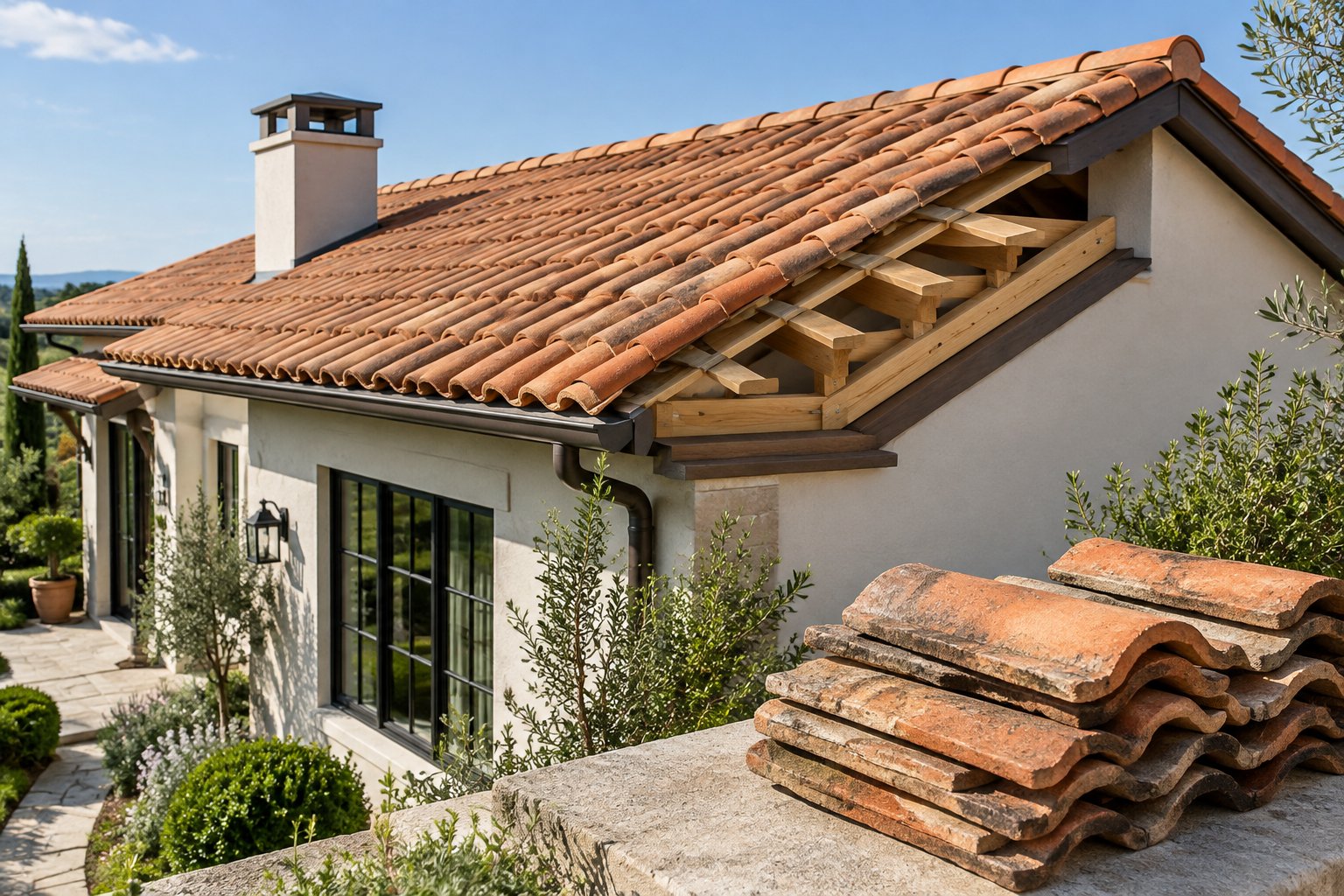
Slate roofing combines beauty, strength, and longevity, but even the most durable roofs need maintenance. Cracked, missing, or weathered slates can compromise your roof’s performance and lead to costly damage if left untreated.
At Reclaimed Slate Roofing, we provide genuine, historic slates that make repairs seamless and authentic. Each piece is carefully inspected for quality and fit, giving homeowners, builders, and restoration experts confidence in lasting performance.
This article explains everything you need to know about slate roofing repair. Keep reading to learn from identifying damage and common issues to selecting materials, handling DIY repairs, hiring professionals, and managing costs.
Understanding Slate Roofing
Slate roofing is known for its durability, natural beauty, and long lifespan. It uses thin sheets of stone that are carefully cut and installed. To work with slate, you need to know its types, how it behaves as a material, and what makes it different from other roofing options.
What Is Slate Roofing
Slate roofing is made from natural stone tiles, quarried from sedimentary rock. The stone is split into thin sheets called slates, which are then cut to size for roofing. Each slate tile is unique, with variations in color and texture.
The tiles are installed overlapping each other to create a strong, water-resistant surface. The roof slope controls water flow—the steeper the slope, the better the water runs off, reducing leaks.
Slate roofs can last over 100 years when properly maintained. Using reclaimed slate means you get material that is already tested by time.
Types of Slate Tiles
Slate tiles come in several types, mainly defined by color, thickness, and finish. The most common colors are gray, green, purple, black, and red. Color depends on the quarry’s geology and the slate’s mineral content. Tiles also vary by thickness, usually from 1/4 inch to 3/4 inch.
Thicker slates are stronger and last longer but cost more and weigh more. Finish styles include cleft (rough, natural surface) and honed (smooth, polished surface). Shape is another factor. Common shapes are rectangular, square, and diamond.
Larger slates cover more area but can be harder to handle. Smaller pieces are better for detailed work or repair. Choosing the right type affects durability, appearance, and installation ease.
Characteristics of Slate Roofs
Slate roofs offer several key qualities. First, they are highly durable. Slate resists fire, rot, and insect damage. Its natural composition means it does not degrade quickly, holding up well to weather and temperature changes.
Slate is also heavy, so your roof structure must support this weight. Proper installation includes strong underlayment and flashing to prevent water damage. Cracks or breaks in slates can happen but can be repaired with new or reclaimed tiles.
Slate tiles have natural texture and color variations that add depth and style to any roof. The craftsmanship involved in slate installation preserves the architectural character.
Signs Your Slate Roof Needs Repair
Your slate roof shows specific signs when it needs repair. These include damage you can see on the tiles, leaks or stains inside your home, and structural problems that affect how the roof stands and protects your house.
Visible Tile Damage
Look for cracked, broken, or missing slate tiles on your roof’s surface. Missing tiles leave gaps that let water through. Cracks can grow larger and cause tiles to slip or fall off. Extreme weather, like hail or heavy winds, often causes this type of damage.
Check for slate debris in gutters or around your home. This can signal broken tiles. Loose tiles may appear displaced or shifted.
Timely replacement of damaged tiles prevents leaks and further roof damage. Using reclaimed slate is a smart choice for repairs. It matches your roof’s original materials and quality.
Leaking or Water Stains
Water stains on ceilings or walls inside your home often mean your roof isn’t fully waterproof. Leaks happen when damaged or missing tiles allow water to penetrate the roof structure. Look for dark spots, peeling paint, or mold inside rooms below the roof.
These signs mean water is seeping through. Early detection is important because leaks can cause wood rot or mold problems. Damp ceilings after rain or storms can also point to failing flashing or ridge mortar. These parts seal your roof and need inspection during repairs.
Structural Deterioration
Structural issues mean parts of your roof’s framework or edges are weakening. Sagging areas or soft spots on the roof surface can show the problem. Cracked or missing mortar along roof ridges lets water in and speeds up wear.
Damaged flashing where the roof meets walls or chimneys also weakens your roof’s protection. If your slate roof’s structure is compromised, fixing tiles alone won’t be enough. A professional inspection can reveal the full extent of damage and ensure proper repairs.
Common Slate Roofing Problems
Slate roofs are strong but can develop specific issues that affect their performance. Cracked or missing tiles, damaged flashings, and moss growth are some common problems that need timely attention to avoid leaks and further damage.
Cracked or Missing Tiles
Tiles can crack or fall off due to weather, impact, or poor installation. Cracks let water seep under the roof, risking damage to the wooden structure below. Missing tiles leave the roof exposed to rain and wind. Look for uneven tiles or gaps in your roof.
Replacing damaged slate is critical to keep your roof watertight. When you need authentic replacement materials, reclaimed slate from trusted companies offers quality pieces with proven durability. Use slate replacements that match your roof’s size and thickness for proper fit and protection.
Broken Flashings
Flashings are metal strips that seal joints where the roof meets chimneys, vents, or walls. Over time, flashings can corrode, loosen, or crack. This failure causes water to seep into vulnerable areas, leading to leaks and damage inside your home.
Check flashings regularly for rust or gaps. Repairs usually mean tightening fasteners or replacing corroded sections.
Proper flashing installation and maintenance are key to long-term roof health. If you select reclaimed slate, ensure your roofing contractor inspects and services the flashings during installation or repair.
Moss and Lichen Growth
Moss and lichen thrive in damp, shaded areas on slate roofs. Growth retains moisture against the tiles, which can accelerate deterioration. It can also cause tiles to shift or loosen over time. Remove moss carefully to avoid breaking fragile slates.
Use gentle brushing or approved roof cleaning solutions. Regular roof inspection and trimming overhanging branches help prevent excess moisture buildup.
Fire Ratings and Wildfire Resilience for Slate Roofs
Slate roofing is one of the most fire-resistant materials available, offering significant safety advantages for homeowners. Natural slate and steel slate roofs are both noncombustible and commonly achieve a Class A fire rating, the highest under national building standards.
This means they resist flame spread and surface ignition, even under direct exposure to embers or extreme heat. In wildfire-prone areas, performance depends on how the full roofing system is installed.
According to the Insurance Institute for Business & Home Safety (IBHS), combining Class A roof materials with ember-resistant venting, flashing, and underlayment systems provides the most complete protection.
These construction details are critical to maintaining the roof’s rated performance and reducing ignition risks at roof edges and valleys.
Homeowners planning repairs or replacements in high-risk regions should ensure that materials, installation methods, and accessories meet Class A assembly standards. Quality control during installation ensures the roof’s long-term resilience against wildfire exposure.
Slate Roofing Repair Techniques
Repairs to slate roofing require precise handling to keep the roof durable and authentic. You will need to focus on replacing damaged tiles, fixing flashing to prevent leaks, and applying sealant for extra protection. Each process has specific steps to ensure your slate roof lasts longer and maintains its original character.
Tile Replacement Methods
Start by carefully removing the broken slate tile without damaging adjacent tiles. You may need a slate ripper to pull out old nails hidden under the tiles. Once removed, slide a new slate tile—preferably reclaimed from a trusted supplier—into place.
Use copper or stainless steel nails to fix the tile, as these resist rust and last longer. Nail locations matter: place them just below the exposed slate portion to avoid water entry. Make sure the tile sits flush with the existing roof to maintain proper water flow.
Avoid using flexible roofing nails or adhesives, which can fail. Traditional techniques with proper tools result in a stronger, longer-lasting repair.
Flashing Repairs
Flashing keeps water from seeping into your roof where the slate meets chimneys, walls, or valleys. Inspect flashing for cracks, rust, or loose seams. Damaged flashing can cause leaks even if the slate tiles are intact.
Replacement flashing should match the existing metal in thickness and type, often copper or lead for high-quality slate roofs. Use roofing cement or sealant sparingly to seal edges, but do not rely entirely on it, as it tends to degrade over time.
Fasten the flashing securely under surrounding slate tiles and over roof structures to direct water away. Tight seals and precise overlap ensure flashing protects your roof effectively.
Sealant Application
Sealants provide an extra layer of defense against water intrusion. Apply sealant only to joints where slate meets flashing or other roof elements, not directly on the slate surfaces. Overapplication can trap moisture, leading to slate damage.
Use high-quality, roof-grade sealants compatible with slate and metal flashing materials. Avoid general-purpose caulk, which will fail quickly outdoors. When applying, ensure surfaces are dry and clean.
Apply a thin, even bead along seams and smooth it down for tight contact. Proper sealant application extends the life of repairs.
Tools and Materials for Slate Roof Repair
To repair a slate roof properly, you need the right tools for cutting, removing, and fitting slates. You also need quality replacement materials and fasteners that match the roof's durability and style.
Essential Tools
You will need several specialized tools for slate roofing repair. A slate ripper lets you remove broken slates without damaging others. Use a slate hammer for driving nails and shaping slates. A slate cutter or snips help you cut new slates to size cleanly and accurately.
Hooks, usually made of copper or galvanized steel, secure the replacement slates without drilling through existing tiles, preventing leaks. A ridge hook helps with securing ridge slates. Using the right tools from the start saves time and avoids extra damage.
Recommended Materials
For long-lasting repairs, use genuine slate tiles that match your existing roof in thickness, color, and texture. Reclaimed slate is ideal because it provides authentic materials tested over decades. You also need proper nails or hooks to hold slates securely.
Copper hooks are preferred for durability and resistance to corrosion. Also keep a supply of underlayment and flashing materials that meet local building codes to maintain waterproofing around roof joints.
Choosing the right materials ensures your slate roof remains strong and visually consistent after repairs.
Hiring a Professional Slate Roofer
Hiring a qualified slate roofer ensures your roof lasts longer and looks right. It's crucial to check skill, experience, and reliability before you decide. Knowing what to ask and how to pick the best contractor saves time and prevents costly mistakes.
How to Choose a Contractor
Look for roofers with proven experience in slate roofing specifically. Slate requires careful handling and installation skills that not all roofers have. Check if the contractor has worked with reclaimed or historic slate if your project uses these materials.
Verify licenses and insurance. This protects you from liability and ensures they meet local regulations. Ask for references or photos of past slate roofing jobs to confirm quality. Also, consider contractor availability.
Slate repairs often can't wait, so pick someone who can start soon and deliver on time. Clear communication and responsiveness matter, as does a fair and transparent estimate.
Questions to Ask Before Hiring
Ask about their slate sourcing. Do they use authentic materials? With your project, especially if it involves reclaimed slate, quality and origin of tiles are key. Inquire about the installation process.
How do they handle fragile slate tiles during repair or replacement? Do they use special techniques to extend the roof’s lifespan? Clarify the warranty. What kind of coverage do they offer on labor and materials?
Long warranties show confidence in their work. Finally, ask for a detailed written estimate. It should list labor, materials, and any extra costs. Avoid contractors who give vague or verbal quotes only.
DIY Slate Roof Repair Considerations
Repairing slate roofing yourself demands careful planning and attention to detail. You must keep safety at the forefront and know your limits to avoid costly mistakes. Proper tools and materials from trusted sources will help ensure your repair lasts.
Safety Measures
Working on a slate roof poses risks due to height and fragile materials. Always use a sturdy ladder and secure footing to prevent falls. Wearing non-slip shoes and a safety harness is essential when working on steep or high roofs.
Handle slates carefully as broken pieces can cause injury or further damage to the roof. Use gloves to protect your hands from sharp edges. Avoid walking directly on slates unless necessary; use roof ladders or planks to distribute weight evenly.
Make sure weather conditions are dry and calm before starting work. Wet or windy days increase the risk of accidents. Always keep a phone nearby for emergencies and never work alone.
When to Avoid DIY Repairs
Certain slate roof repairs require professional expertise, especially if damage is extensive or affects structural parts. Large areas with loose or missing slates, widespread cracking, or water leaks under the roof decking need a roofer’s assessment.
If you are uncomfortable with heights, unsure of proper slate fastening techniques, or lack the right tools, it is safer to hire a professional. Improper repairs can lead to leaks, broken slates, or costly future damage.
Complex repairs often involve matching historic slates. For projects needing precision or warranty-backed service, expert roofers will deliver better results than a DIY approach.
Cost Factors for Slate Roof Repairs
Knowing what drives the cost of repairing a slate roof helps you plan your budget and avoid surprises. Some costs come from labor and materials, while others depend on unique factors related to your roof’s condition and location.
Labor and Material Costs
Slate roof repairs require skilled labor because slate is brittle and specialized to install. Labor rates vary by region but are generally higher than standard roofing because of the care needed to replace or reset individual slates. Materials affect price too.
Reclaimed slate often costs more upfront but ensures authentic matches to your existing roof. New slate types and sizes will influence material costs. Flashing, nails, and underlayment needed for repairs also add to expenses.
Typical repair jobs include replacing broken slates, fixing flashing, or addressing underlayment damage. Labor and material combined usually range from $800 to $3,200, depending on the project scope.
Factors Affecting Pricing
Several factors affect the total price for slate roof repairs beyond labor and materials. The severity of damage is key; minor repairs cost less, but major work on decking or flashing can push costs toward $3,000 or more.
Roof accessibility raises labor costs if work demands scaffolding or safety equipment. Urban areas tend to have higher prices due to increased labor rates and permits. Matching slate color and size is critical.
Using reclaimed slate guarantees a perfect match but can be limited by availability. Using new slate may lower costs but risks mismatched repairs.
Preventive Maintenance Tips for Slate Roofs
Keeping your slate roof in top shape requires consistent care. Focus on spotting damage early and removing debris that can harm the roof or block water flow.
Routine Inspections
Check your roof at least twice a year, ideally in spring and fall. Look closely for cracked, broken, or missing slates. These spots can allow water to enter and damage the roof structure. Pay attention to roof flashing around chimneys, vents, and valleys.
Damaged flashing often causes leaks and should be repaired quickly. Use binoculars or hire a professional if your roof is hard to access.
Avoid walking on the slate yourself, as it can cause breakage. Record issues found during inspections to track recurring problems. This practice helps prioritize repairs and maintain durability over time.
Cleaning and Upkeep
Clear gutters and downspouts regularly to prevent water backup. Blocked gutters cause roof edges to stay wet, leading to slate damage or rot on roof components. Trim tree limbs near the roof to reduce debris and prevent branches from falling onto the slates.
Leaves and twigs degrade roofing materials and promote moss growth. Remove moss or algae growth promptly with a soft brush or a low-pressure rinse. Do not use harsh chemicals or pressure washers as these can break slates or remove their protective surface.
Preserving the Strength and Beauty of Slate Roofs
Slate roofing remains one of the most durable and visually timeless materials in architecture. Proper repair techniques, regular inspections, and attention to flashing or damaged tiles protect both structure and appearance for decades. Addressing small issues early helps prevent costly replacements and extends your roof’s lifespan.
Reclaimed Slate Roofing offers authentic reclaimed slate sourced from historic structures, carefully cleaned and inspected. Using our materials ensures your repairs remain true to the original craftsmanship while adding proven durability and historic value.
For expert guidance or to source genuine reclaimed slate for your repair project, call us today. Request a quote and restore your roof with materials that blend authenticity, longevity, and lasting beauty.
Frequently Asked Questions
Knowing how to spot roof issues early, what repairs involve, and what costs to expect helps you keep your slate roof in good shape. You can handle some minor repairs yourself, while others need a professional’s experience.
How can you identify damage on a slate roof that needs repairing?
Look for broken, cracked, or missing slates. Check for loose or slipped tiles and any signs of water leaks inside your home. Also, watch for rust on nails, as it can weaken slate attachment.
What are the steps involved in repairing a slate tile roof?
First, inspect to find damaged or missing slates. Remove broken tiles carefully without harming surrounding ones. Install new or reclaimed slate pieces using proper fasteners like copper or stainless steel nails. Finish by sealing any gaps to keep water out.
What factors influence the cost of a slate roof repair project?
Costs depend on the number and size of damaged tiles, roof height, and complexity. Materials matter; using genuine reclaimed slate from suppliers can affect price but ensures durability. Labor costs vary by location and difficulty of access.
Are there any DIY solutions for minor slate roofing repairs?
Yes, small cracks can be patched with roofing cement or slate repair glue. Replacing single, loose slates is possible if you have safety gear and the right tools. For bigger damage or multiple tiles, call a professional.
How long does a slate roof repair typically last?
Repairs done with quality materials and proper technique can last 20 years or more. Using authentic reclaimed slate improves lifespan compared to synthetic patches. Regular maintenance extends this further.
What are the risks of postponing slate roof maintenance?
Delaying repairs can lead to water damage inside your structure. Broken slates can cause wood rot, mold, and structural weakening.