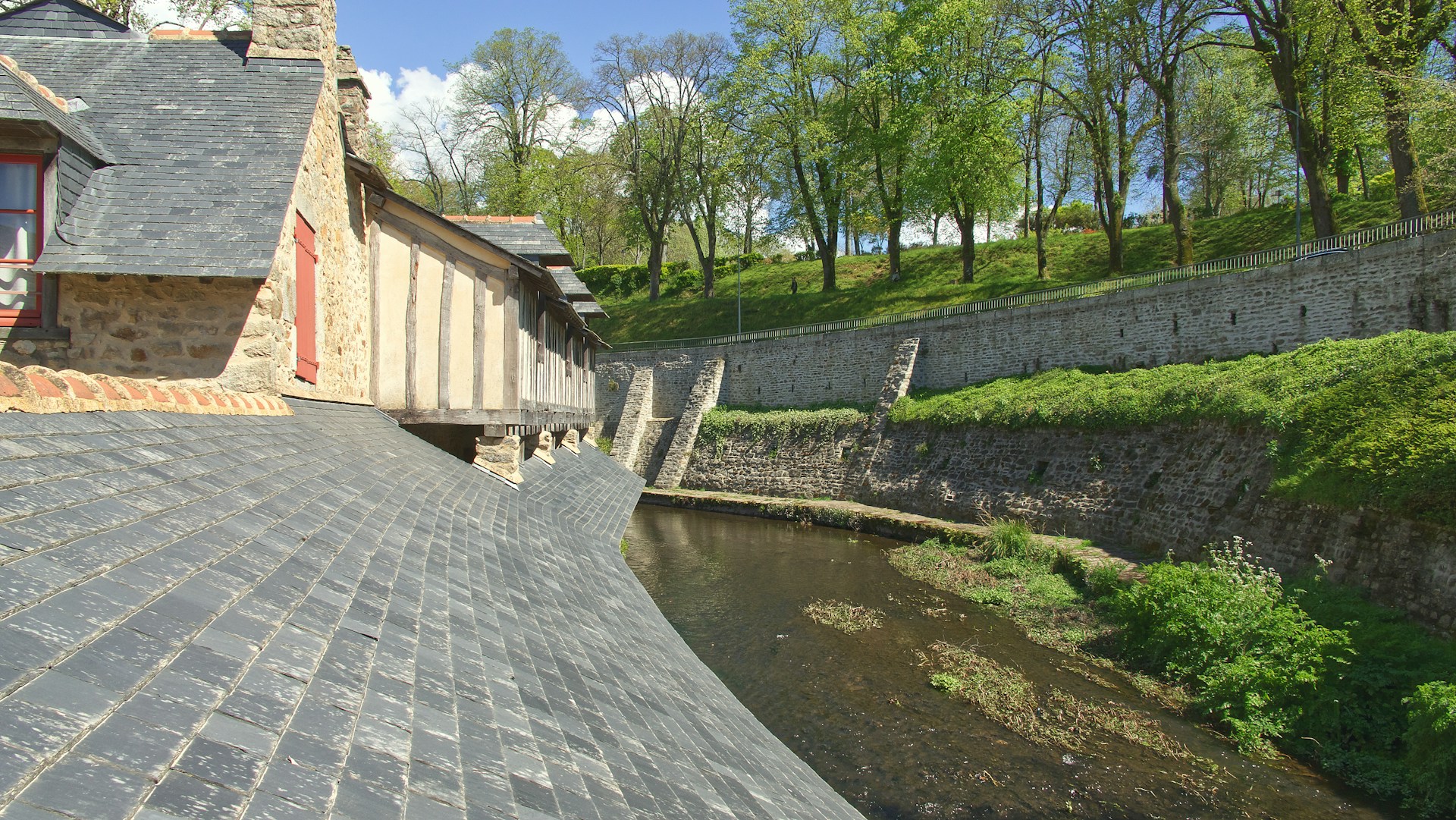
Finding the right roofing slate supplier means getting materials that endure, perform well, and enhance your project’s design. The right partner provides authentic slate—often reclaimed from historic buildings—tested and ready for immediate use.
Reclaimed Slate Roofing sources, cleans, and inspects reclaimed slate from genuine architectural sites. Each piece is prepared for consistent sizing, weather resistance, and authentic surface character. Builders and designers trust reclaimed slate for sustainable, long-term performance.
This guide outlines how to evaluate suppliers, identify high-quality slate, and ensure you receive durable materials delivered safely and efficiently for your next roofing project.
What Is a Roofing Slate Supplier?
A roofing slate supplier provides the materials you need to build or restore slate roofs. They focus on offering quality slate that meets construction standards and helps you find options to fit your project's style and budget. Understanding how a supplier works helps you get the right slate on time.
Definition of Roofing Slate Supplier
A roofing slate supplier sells slate roofing materials to builders, architects, and roofers. They usually offer a range of reclaimed and new slate products ready to install. Unlike generic suppliers, a roofing slate supplier specializes in material quality, grading, and origin to ensure durability and authenticity.
Role in the Construction Industry
You rely on roofing slate suppliers to deliver authentic and quality slate to job sites quickly. Suppliers source material from quarries or reclamation projects and make sure slate is available when you need it. They inspect slate for cracks or defects so you get strong, well-fitting materials.
Good suppliers also advise on slate grades and colors, letting you match roofing needs exactly. They support new luxury homes and historic restorations, ensuring your materials meet both style and durability requirements.
Difference Between Supplier and Manufacturer
Manufacturers create slate by cutting and shaping it at the quarry. Suppliers buy, test, and sell the slate to you. Suppliers often carry reclaimed slate taken from old roofs rather than freshly mined stone.
As a buyer, you benefit from a reliable supplier who handles logistics, inspection, and quick delivery. Suppliers provide ready-to-use materials with proven quality, offering authentic, rare slate with history and character—something manufacturers don't provide directly.
Types of Roofing Slate Offered
You can find a range of roofing slate types depending on your project’s needs. Options include natural slates with unique colors and textures, synthetic slate for ease and cost, and custom slates for specialty or historic looks.
Natural Slate Varieties
Natural slate is mined from quarries or reclaimed from old buildings. It offers long-lasting durability and authentic beauty. Colors range from deep black and gray to green, purple, and rusty red. Each piece has unique grain and texture, adding character to your roof.
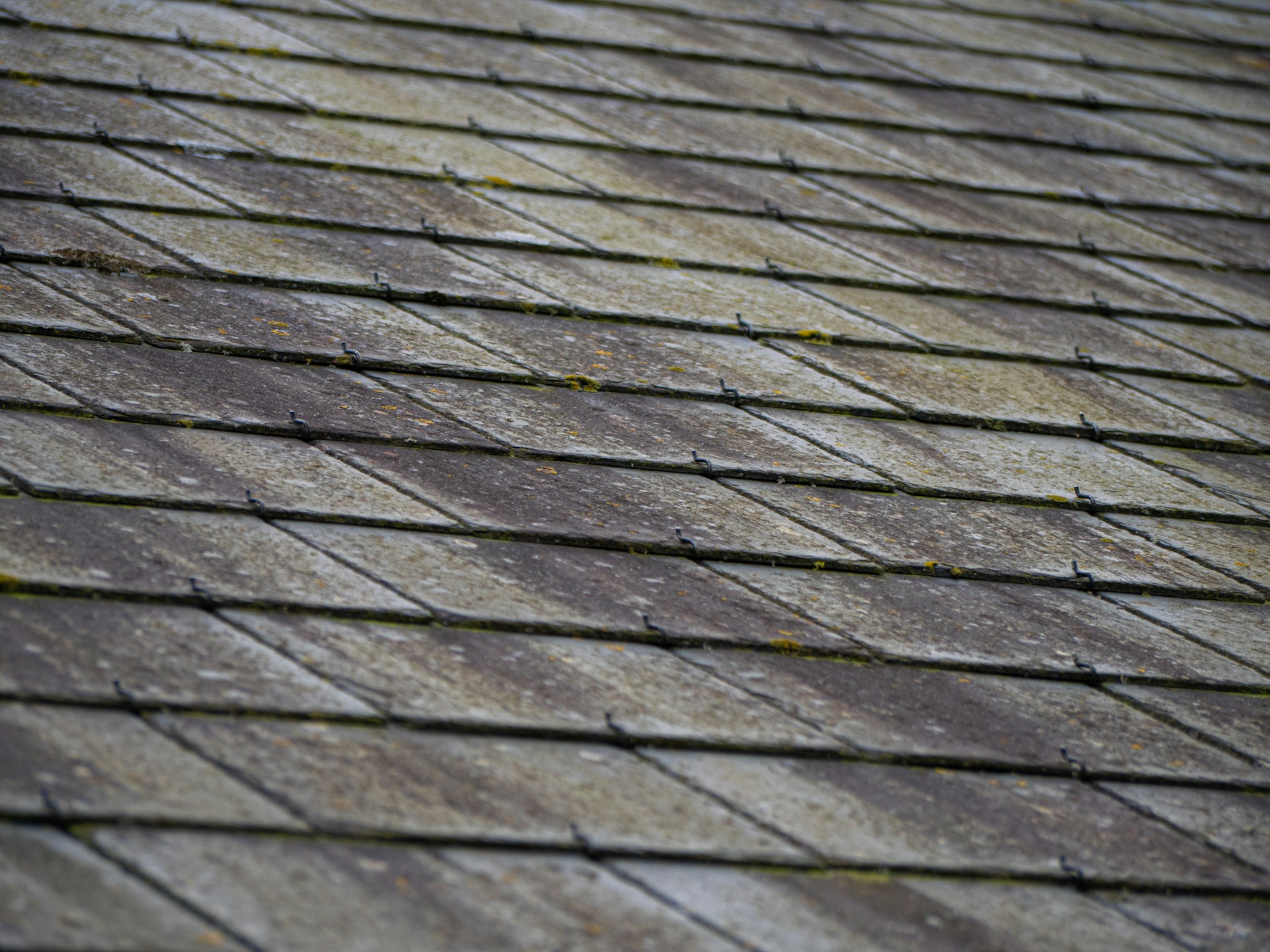
Reclaimed slate shows signs of time, such as weathering and patina, giving your roof an authentic look that blends well with historic or luxury homes. Natural slate can last over 100 years when installed correctly.
Synthetic Slate Options
Synthetic slate is made from materials like rubber or plastic. It imitates the look of natural slate but weighs less and costs less. Synthetic options are easier to install and require less maintenance, making them popular for large or budget-conscious projects.
However, synthetic slate lacks the natural variability and aging qualities of real slate. It may not hold up as long, especially in harsh climates. If appearance and long-term durability matter most, natural reclaimed slate is a better choice.
Custom and Specialty Slate
Custom slate lets you match rare colors, special sizes, or shapes needed for historic restorations or unique architectural styles. Specialty slates may include hand-split edges or unusual textures that stand out.
This type of slate is harder to find but can be sourced through experienced suppliers. They offer pieces recovered from significant buildings, ensuring the slate you use has authentic character and quality.
When you need unique roofing slate, custom options let you keep that historic or high-end look with materials made to fit your exact needs.
How to Choose the Right Roofing Slate Supplier
Finding the right roofing slate supplier means focusing on material quality, certifications, project experience, and customer feedback. These factors help you pick a supplier who delivers genuine, durable slate and supports your project's needs efficiently.
Quality Standards to Consider
Start by checking the quality of the slate offered. Real slate should be durable, with natural grain and texture that match historic roofing standards. Avoid suppliers selling slate that looks overly uniform or artificial.
Look for slate that is:
- Weather-resistant
- Free from cracks or excessive chips
- Properly sorted by thickness and size
Each piece should be inspected and cleaned, ensuring you get authentic materials with the marks of natural aging but no hidden damage. This guarantees long-lasting results for any roofing project.
Certifications and Accreditations
Certifications show a supplier follows industry best practices. Look for:
- Environmental certifications proving sustainable sourcing
- Quality control standards like ASTM (American Society for Testing and Materials)
- Affiliations with historic preservation organizations
These credentials prove the supplier’s commitment to authentic, safe, and eco-friendly materials. They also reduce risk by ensuring the slate meets technical and environmental requirements important for both new builds and restorations.
Evaluating Past Projects
Ask for examples of roofing projects the supplier has worked on. Quality suppliers provide case studies or photos showing:
- Projects similar in size and style to yours
- Use of reclaimed materials is handled carefully during installation
- Strong performance in weather and time
Seeing past work helps confirm the supplier can meet your specific demands. Project history proves experience with luxury and historic roofing assignments, so you can trust that the material fits your vision.
Customer Reviews and Testimonials
Customer feedback shows real experiences with the supplier’s products and service. Look for reviews that mention:
- On-time delivery
- Condition of slate upon arrival
- Helpfulness and knowledge of the sales team
- Responsiveness to issues or questions
Positive testimonials are signs of a reliable supplier who values your time and project success. Checking reviews will give you confidence in choosing a supplier that supports your goals clearly and efficiently.
Understanding Roofing Slate Quality
Knowing what affects slate quality helps you pick the best material for your roof. Important factors include grading standards, where the slate comes from, and how its color and texture fit your design.
Grading Systems for Slate
Slate is graded by thickness, durability, and appearance. Grades usually range from Grade 1 (premium, thick, and durable) to Grade 3 (thinner and more prone to breakage). Higher-grade slate lasts longer and resists the weather better.
Your choice depends on the roof type and expected lifespan. For steep roofs, thinner grades may be fine, but flatter roofs need thicker, stronger slate to handle snow and water longer. Consistent thickness means easier installation and a better-finished look.
Source and Quarry Locations
Where slate is quarried affects its strength and style. Slate from famous quarries in Vermont, Pennsylvania, and Wales is known for its quality and toughness. The rock’s age and natural formation process impact how it holds up over decades.
Reclaimed slates come from historic buildings, offering proven durability since they’ve lasted practically a lifetime already. This history shows you’re working with tested material, not something unknown. Choosing the right source means you avoid slate that fades or flakes easily, protecting your investment.
Color and Texture Selection
Slate color varies widely—from black and gray to green, purple, and even rusty tones. Choose a color that complements your building’s style and surrounding environment.
Texture also matters; smoother slate offers a sleek look, while more textured slate adds rustic charm. Reclaimed slate often shows natural wear like chipped edges or slight patina, which adds character to your roof.
Ordering and Delivery Process
When you order reclaimed roofing materials, clear steps help keep the process quick and smooth. You’ll want to understand how to get quotes and samples, what to expect for lead times, and how materials are packed and shipped.
Requesting Quotes and Samples
Start by sharing your project details with the supplier. Specify the type of slate or clay tile you need, the quantity, and any special color or size requests.
If you want to check the material before buying, ask for samples. This helps you see the texture and color in person. Providing your delivery address early helps get accurate pricing.
Give any site-specific notes during quote requests, such as access challenges or preferred delivery times. Clear communication here speeds up the process.
Lead Times and Availability
Reclaimed materials are unique and limited, so availability can vary. Most orders ship within 3 to 7 business days once confirmed.
Because the slate and tiles come from historic sites, some batches might take extra time to inspect and prepare. Always check current stock and reserve your materials early for large jobs.
Confirming orders quickly helps secure your spot in the queue. You’ll get clear timelines so you can plan your roofing schedule without surprises.
Packaging and Transportation
All orders are carefully crated and palletized to protect fragile slate and tiles during transit. This means your materials arrive ready to unload and install.
Suppliers offer nationwide freight delivery and work with carriers that handle fragile shipments to reduce damage.
If your job site has special delivery needs, like limited access or specific drop-off instructions, provide those details upfront. Proper packaging and clear delivery notes ensure your order arrives safely and on time.
Costs and Pricing Factors
When buying roofing slate, prices depend on several key things. How the slate is priced, if you order in bulk, and the cost of shipping all affect your final cost. Knowing these details helps you plan your budget better and avoid surprises.
Slate Pricing Structures
Slate prices vary by origin, size, and condition. Reclaimed slate usually costs more than new because it’s rare and inspected carefully.
You will often see prices listed by the “square,” which means 100 square feet of roofing. For example:
Slate Type
Price per Square (estimate)
Standard Reclaimed
$450–$600
Premium Black Slate
$600–$800
Prices reflect quality, age, and rarity. Some rare colors or cuts cost more. You pay for durable, authentic slate, not just a roofing material.
Bulk Order Discounts
Ordering slate in larger amounts lowers the price. Suppliers offer discounts if you buy multiple squares.
For example:
- 1–5 squares: full price
- 6–10 squares: 5% discount
- 11+ squares: 10% or more discount
Discounts help you save on big projects and ensure consistent quality when you order all your slate at once.
Shipping and Handling Fees
Slate is heavy and fragile, so shipping costs can be high. You pay based on weight, distance, and packaging needs. Most companies charge a flat shipping rate or calculate fees by weight and delivery location. They pack slate with special care to prevent damage during transit.
Many suppliers ship within a week and deliver directly to your job site, making it easier to manage materials and timing.
Sustainability and Environmental Responsibility
Using reclaimed slate reduces waste and preserves natural resources. You get roofing materials with history while lowering environmental impact. Sourcing methods and recycled options make your roofing project more sustainable.
Reclaimed Slate and Environmental Impact
The Environmental Protection Agency (EPA) confirms reclaimed building materials lower embodied carbon by cutting quarry emissions and energy use. Each reclaimed slate tile prevents waste and supports sustainable construction.
Choosing a supplier committed to reuse programs reduces landfill impact and preserves natural stone resources for future generations. This approach combines authenticity with environmental responsibility.
Eco-Friendly Sourcing Practices
Trusted suppliers source slate from old buildings and demolition sites, not newly mined quarries. This disturbs fewer natural resources and uses less energy.
They vet and clean all pieces before reuse, avoiding waste and keeping materials durable. This process supports historic preservation and cuts down landfill waste. Your project benefits from materials with real character and a lower environmental cost.
Recycled Slate Options
Recycled slate offers an eco-friendly and cost-effective solution. Since the material is already made and tested over time, it often lasts longer than new slate. Using recycled slate reduces demand for new materials, preserves natural quarries, and limits the energy needed for new production.
Natural signs of wear add charm and authenticity. Reliable suppliers inspect each piece and prepare it for quick installation, saving you time on the job.
Benefits at a glance:
Feature
Benefit
Historic sourcing
Protects natural resources
Inspected and cleaned
Ready for long-lasting use
Reuse of durable slate
Reduces quarry mining and waste
Authentic material looks
Adds unique, natural character
Working With a Roofing Slate Supplier
When you work with a roofing slate supplier, understand the agreement details and what support you can expect after purchase. Clear terms help you avoid surprises, and good after-sales support keeps your project on track with the material you need.
Contract Terms and Agreements
Before ordering, review contract terms. Check price per square, minimum order size, and shipping deadlines. Confirm if builder-direct pricing is available.
Make sure you receive authentic reclaimed material, not a replica. Ask if the supplier inspects and prepares each piece before delivery. Look for details about delivery schedules and packing methods to prevent damage and ensure timely arrival.
After-Sales Support
After your order arrives, you may need installation guidance or help with damaged pieces. Reliable suppliers offer support by phone or email.
Check for return or replacement policies for broken or missing slate. This protects your investment and keeps your project moving. Ask for advice on matching slate colors or shapes, especially for restoration work.
Trends in Roofing Slate Supply
The market is shifting toward reclaimed slate. Builders and architects value its durability and unique character. Authentic, historic slate adds beauty and history to your projects. Sustainability is a major trend.
Suppliers now focus on reducing waste by repurposing slate from old buildings, lowering environmental impact, and keeping rare materials in use. Fast delivery is in high demand. Reliable suppliers ship quickly and handle orders with care, often within a week, saving you time on the jobsite.
Quality control matters. Every piece is inspected, cleaned, and tested to meet high standards, ensuring slates are durable and ready to last. More projects now request rare colors and unique shapes. Some suppliers specialize in hard-to-find options, perfect for custom and restoration work.
Trend
What It Means for You
Reclaimed Materials
Authentic roofing with unique character
Sustainability
Eco-friendly choices reduce waste
Fast Delivery
Short lead times help keep projects on track
Quality Assurance
Durable, vetted materials for peace of mind
Rare Slate Varieties
Access to exclusive colors and sizes
Supplying Heritage, Building the Future
Choosing the right roofing slate supplier means investing in craftsmanship, sustainability, and timeless design. Authentic slate—especially reclaimed—adds unmatched texture, strength, and beauty to your project.
Reclaimed Slate Roofing delivers historic materials ready for modern performance. Each order reflects decades of durability and a commitment to preserving the architectural heritage of real slate.
Explore our collection of reclaimed roofing slate and request a quote today to source materials that tell a story of endurance and authenticity.
Frequently Asked Questions
Choosing the right slate roofing means understanding materials, quality, costs, and suppliers. Knowing what to look for helps you get durable roofing that fits your project’s needs and budget.
What are the benefits of synthetic over natural slate roofing tiles?
Synthetic slate is lighter, easier to install, and costs less upfront. It offers good weather resistance but doesn’t match the authentic look or long-term durability of natural slate.
How do I find reputable roofing slate suppliers in my area?
Look for suppliers with strong experience and positive reviews. Ask about their sourcing and inspection process to ensure you get genuine, durable slate.
What factors should I consider when choosing slate roofing tiles?
Consider tile thickness, origin, and color consistency. Reclaimed slate offers historic character and is checked for defects. Also, make sure your roof can support the weight.
What is the average price range for slate roof tiles?
Reclaimed natural slate usually costs $8 to $15 per square foot. Synthetic options are less expensive, around $4 to $7 per square foot.
Can you explain the difference between various brands of synthetic slate roof tiles?
Brands vary by material, weight, color options, and warranties. Some use rubber blends, others use plastic composites. Always check for certifications and performance reviews.
How do I determine the quality of slate roofing materials?
Quality slate should be thick, dense, and free of excessive cracks. Look for consistent color, straight edges, and proven weather resistance.