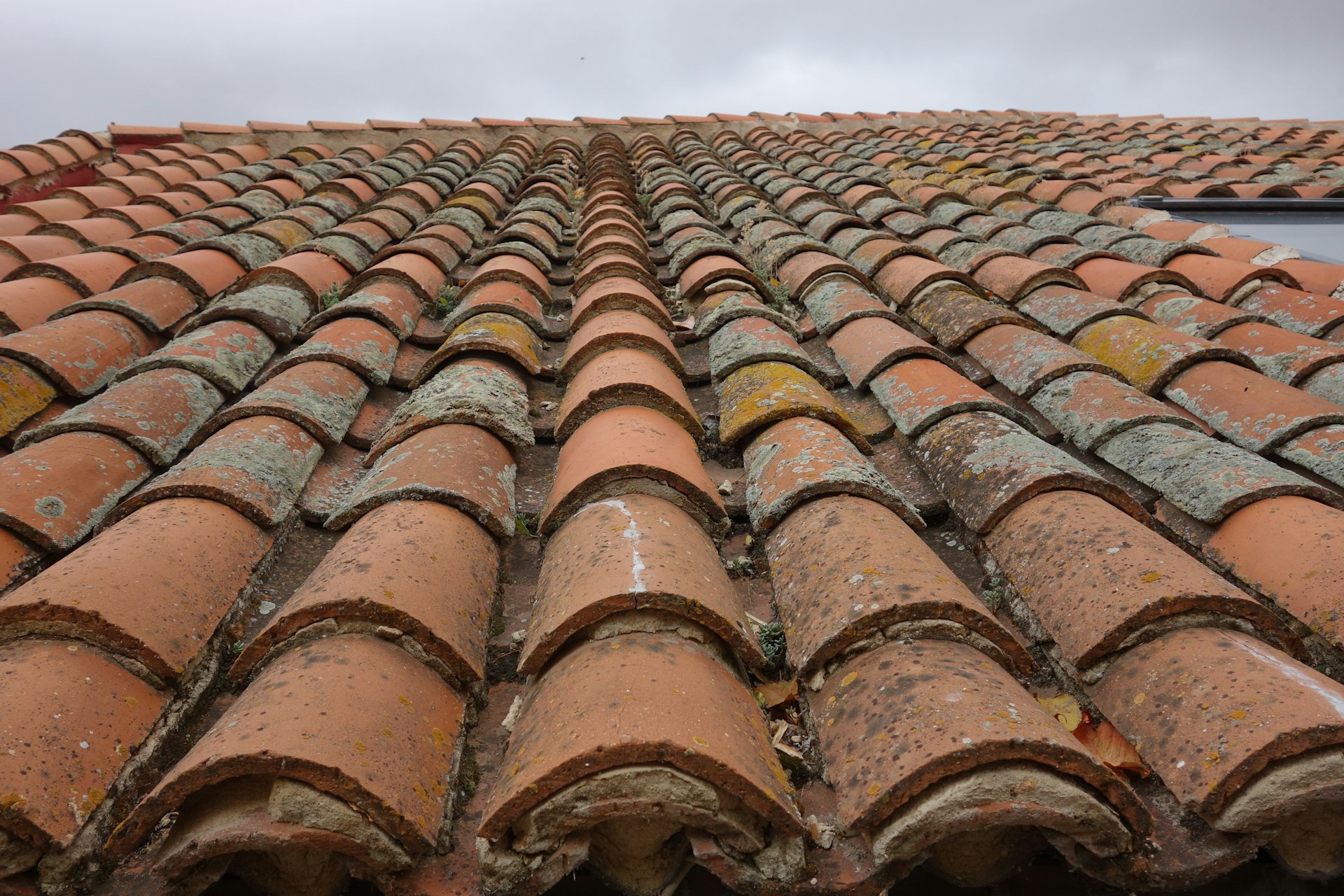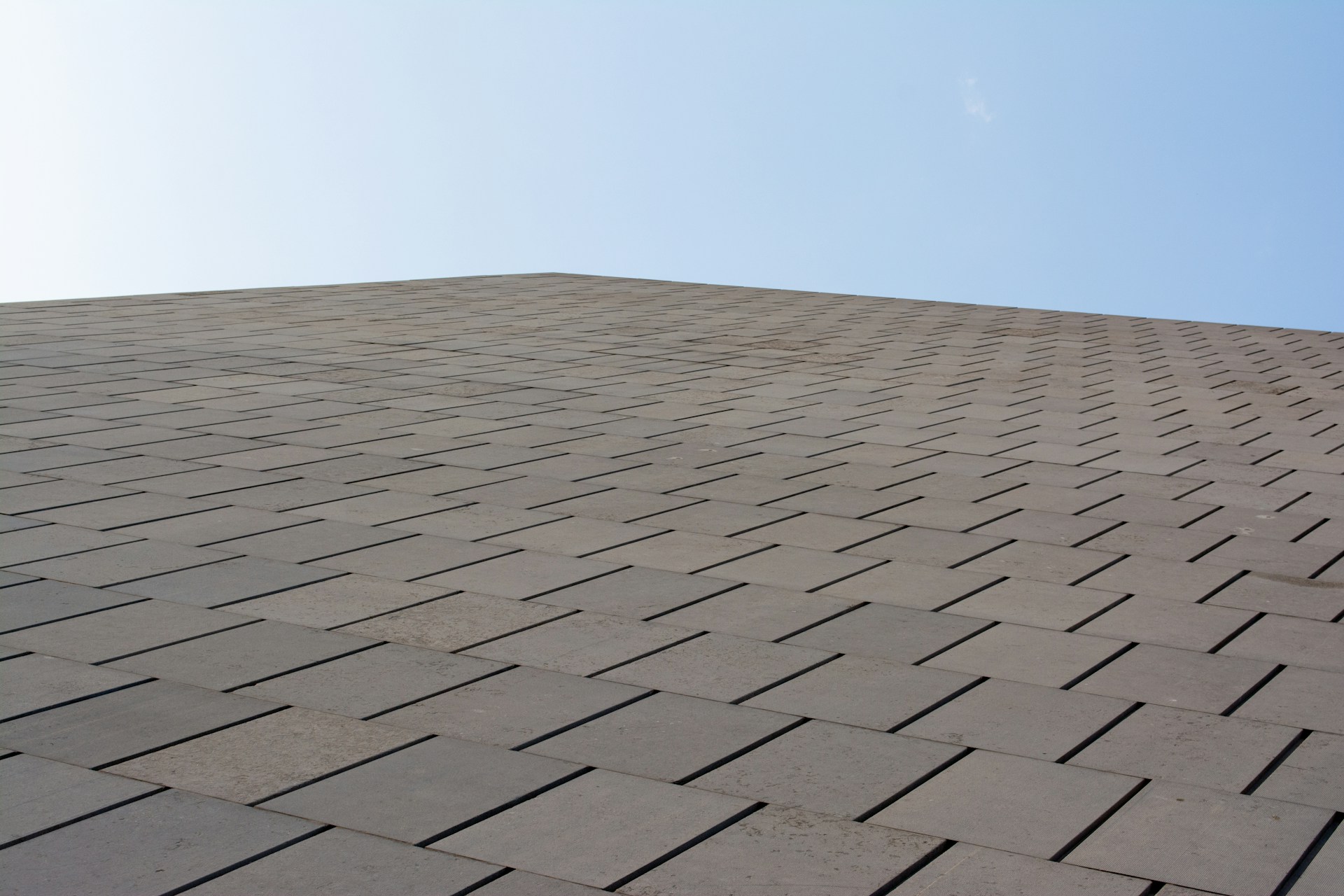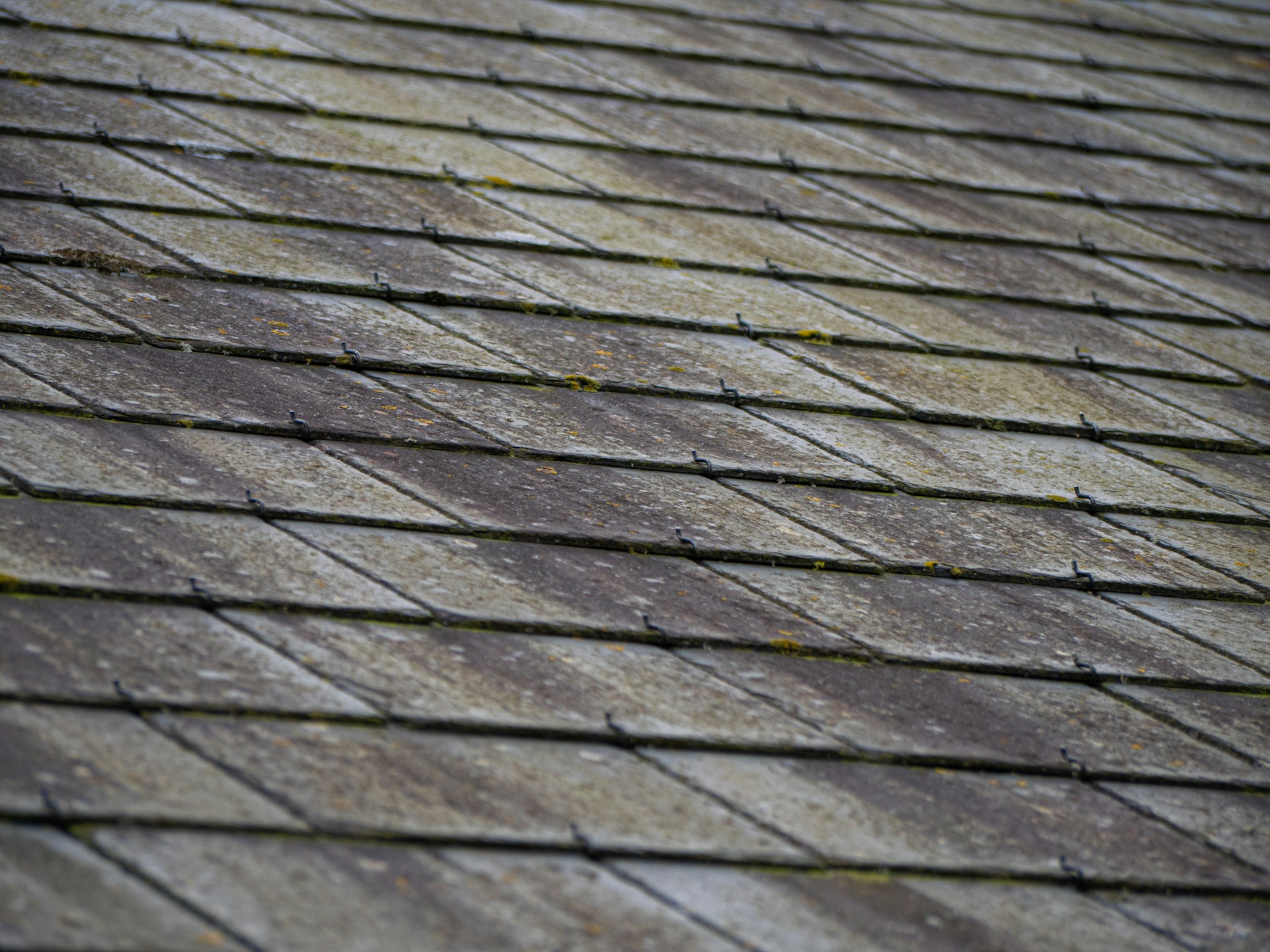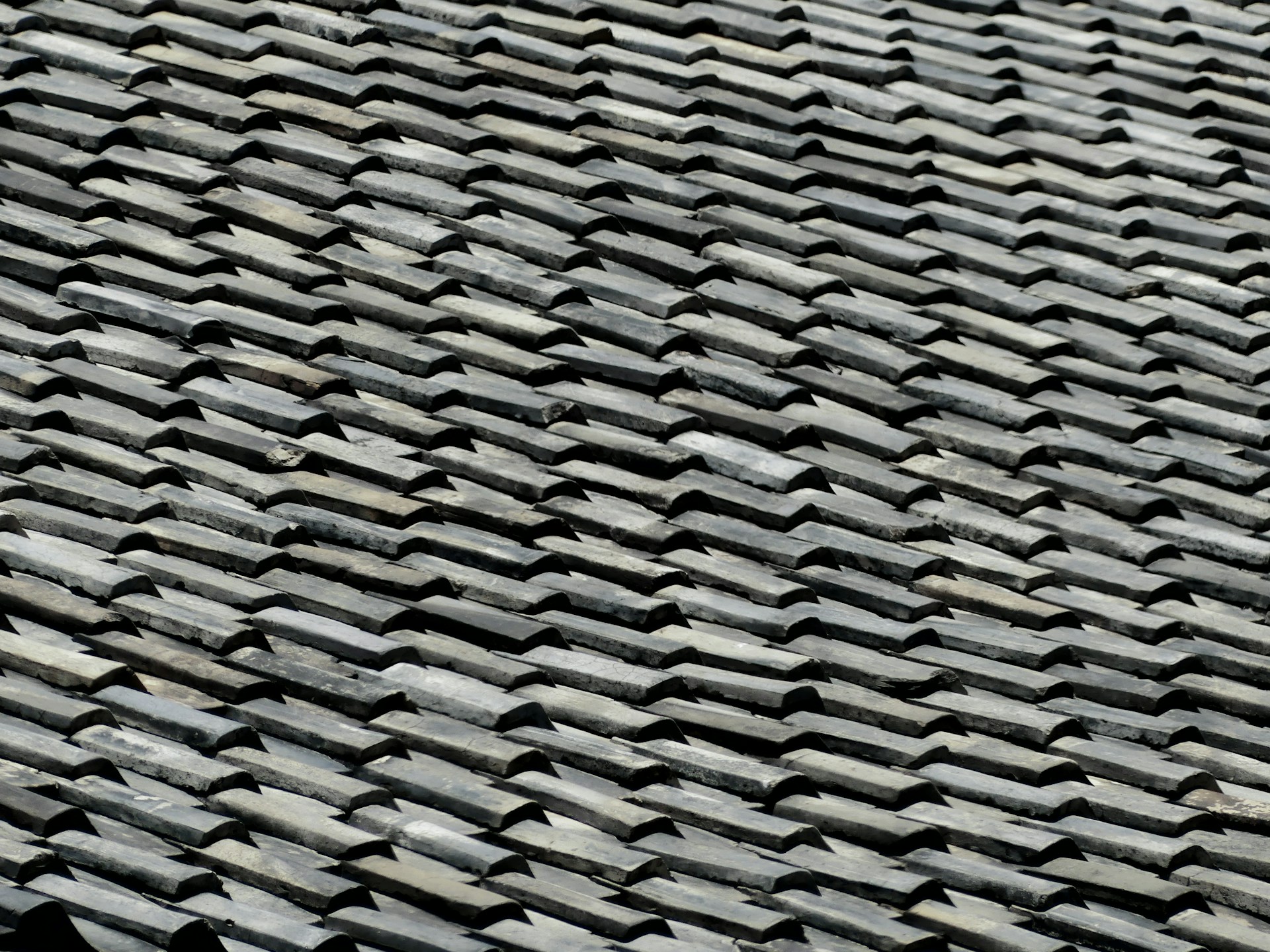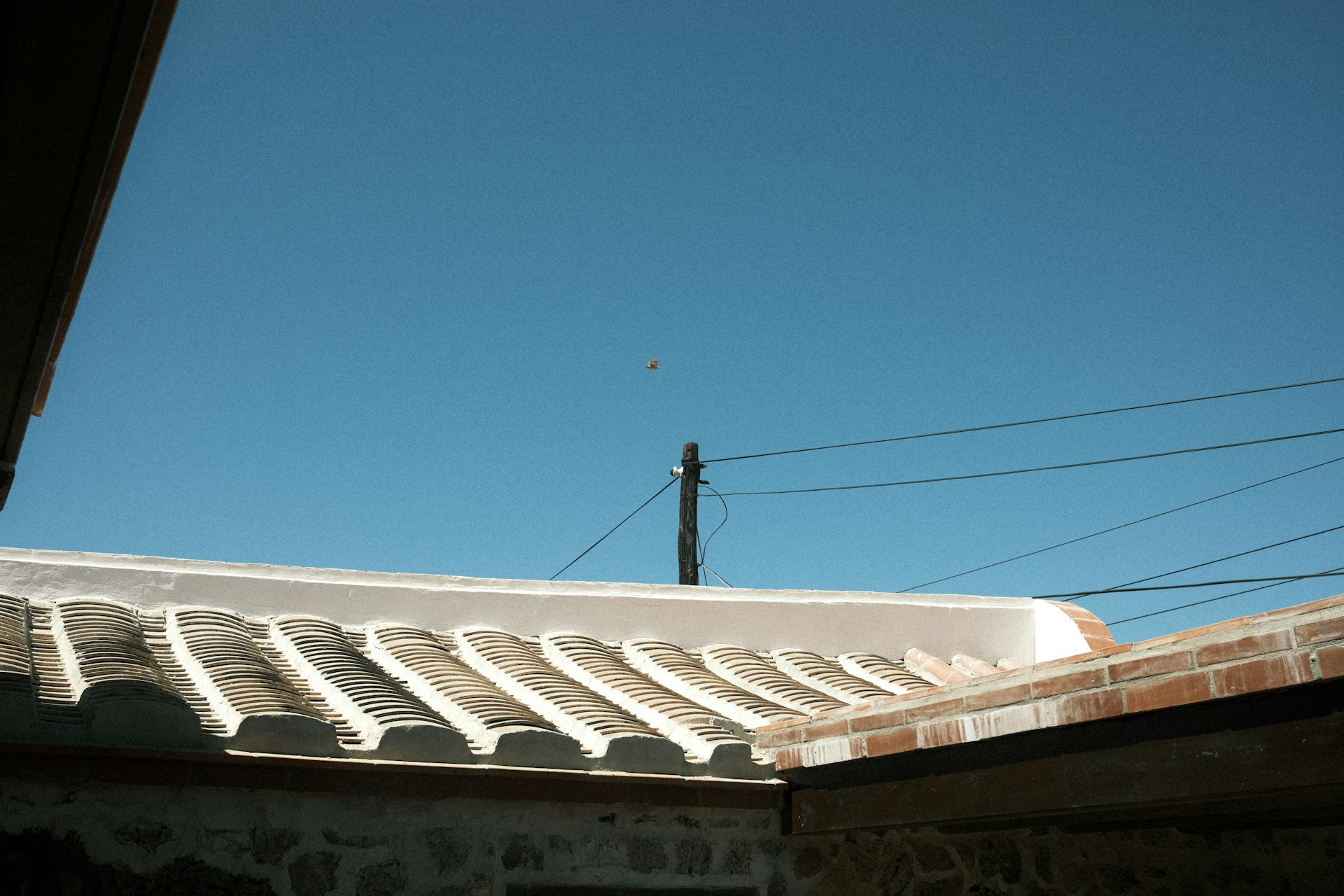
A slate roofing system blends timeless strength with refined architectural appeal. Crafted from natural stone, it protects against severe weather and endures for generations. Its distinct texture and color make it a hallmark of lasting craftsmanship.
Reclaimed Slate Roofing restores authentic slate sourced from historic buildings. Each tile is carefully inspected and graded to ensure quality and integrity. This process helps builders and homeowners preserve architectural heritage while meeting modern performance standards.
This guide explores how slate roofing systems are built, their benefits, and why reclaimed slate remains the sustainable, long-term choice for roofs that endure.
What Is a Slate Roofing System?
A slate roofing system is a durable and long-lasting roofing option made from natural stone. It includes several parts that work together to keep your home safe from water and weather. The type of slate used also affects the look and performance of the roof.
Definition of Slate Roofing
Slate roofing uses thin, flat pieces of natural stone called slate as the roof covering. These stones are strong, fire-resistant, and can last over 100 years when installed properly. Slate roofs are heavy, so your roof structure needs to support the added weight.
Slate roofs shed water efficiently because the stone is dense and not porous. The natural finish gives a classic, elegant look. Many homeowners and builders choose slate for its beauty and long service life. You can use new or reclaimed slate, with reclaimed options coming from old roofs that still have much life remaining.
Components of Slate Roofing Systems
A slate roofing system includes several key parts:
- Slate tiles: The visible surface pieces that protect your home.
- Underlayment: A waterproof layer beneath the slate to prevent leaks.
- Batten or nailers: Wood or metal strips that hold the slate in place.
- Fasteners: Usually copper or stainless steel nails for durability.
- Flashing: Metal pieces around chimneys or vents to keep water out.
Install each part correctly to ensure durability and water resistance. Using quality materials and proper techniques helps your roof last for decades.
Types of Slate Used in Roofing
Slate comes in different colors and qualities depending on its source. Common types are:
Slate Type
Description
Typical Colors
Reclaimed
Taken from old roofs, holds history and character.
Weathered gray, black, green, purple
New quarried
Freshly cut stone, uniform in size and color.
Blue-gray, black, green
Black slate
Popular for its sleek, dark color and consistent appearance.
Deep black
Reclaimed slate offers unique, tested pieces with a patina you won’t find in new slate. This makes it a top choice for restoring historic homes or adding authentic style to a new build. Whether you pick reclaimed or new, slate gives your roof strength and timeless style you can count on.
Benefits of Slate Roofing Systems
Slate roofs offer lasting strength, striking looks, and eco-friendly advantages. You get materials that stand up well to weather and time, add beauty to your home's design, and help reduce waste by using reclaimed products.
The Science Behind Slate Durability
According to the Building Science Corporation, natural slate’s performance comes from its dense, metamorphic composition. This structure prevents water absorption and thermal cracking, making it more stable than synthetic alternatives.
Slate’s molecular bonds resist freeze-thaw cycles, extending its service life far beyond most modern materials. Proper quarrying and grading ensure consistent density and grain alignment.
This is why reclaimed slate, which has already endured decades of exposure, continues to outperform newer substitutes. Understanding these physical properties helps builders select materials that balance beauty and structural reliability.
Longevity and Durability
Slate is one of the longest-lasting roofing materials. It can easily last over 100 years with proper care. You won’t need to replace it often, which saves time and money over decades.
This durability comes from natural stone that resists cracking, warping, and weather damage. Slate handles extreme weather well, including heavy rain, snow, and wind. Its fire resistance adds safety to your building.
Aesthetic Appeal
Slate roofing gives your home a classic, elegant look. The stone’s natural textures and earth tones create a unique and refined appearance. You can find different colors, from deep black to soft gray and rusty reds.
Reclaimed slate has subtle natural wear and patina, so every tile tells a story. This adds character and charm that new tiles can’t match. Slate comes in different sizes and shapes to suit traditional or modern designs. The clean lines from dark slate contrast well with lighter siding or trim, making your roof stand out.
Environmental Sustainability
Using reclaimed slate supports eco-friendly building practices. You reduce landfill waste by repurposing historic materials instead of buying new stone or synthetic roofing. Slate is a natural material, so no harmful chemicals or energy-intensive manufacturing are involved. Its long life means fewer replacements, reducing resource use over your home’s lifetime.
Choosing the Right Slate for Your Roof
Choosing the right slate means thinking about what type fits your needs, what color and style suit your home, and what makes quality slate last. These details help you pick slate that will look good and keep your roof strong for years.
Natural Versus Synthetic Slate
Natural slate comes from real stone. It’s strong, lasts a long time, and has unique patterns and colors. If you want a roof with authentic character and durability, natural slate is the best choice. Many natural slats come reclaimed, which means they are recycled from old roofs. This adds history and reduces waste.
Synthetic slate is made from man-made materials. It costs less and can be lighter to install, but it won’t look or last like real stone. For genuine appearance and lasting value, real slate is better.
Selecting Slate Color and Style
Slate colors range from dark black, gray, and green to rust and purple. Dark colors like black give a sharp, clean line and suit modern designs. Earth tones add warmth and blend well with traditional homes. Choose a color that matches your siding, trim, and neighborhood style.
Styles vary by shape and finish. Common shapes include rectangular and diamond. Some slates have a rough, weathered look, while others are smooth. Reclaimed slates often have chipped edges and natural patina, which adds charm and unique character.
Factors Affecting Slate Quality
Quality slate resists cracks, absorbs little water, and handles weather well. Thickness matters—thicker slates last longer. Look for consistent thickness and size to ensure easier installation and fewer problems later.
Reclaimed slate is carefully inspected and cleaned. Choosing tested, high-quality slate means fewer repairs and better performance over time. Always ask about warranties or guarantees when buying.
Slate Roofing System Installation
Installing a slate roofing system takes careful planning and precise work. You will need to gather the right materials, tools, and skills to handle the weight and fragility of the slate. Knowing the correct methods prevents damage and ensures the roof lasts for decades.
Preparation and Planning
Before you start, check the roof’s structure. Slate is heavy, so your building must support the weight. Reinforce rafters or trusses if needed.
Next, select the right type and size of slate. Gather tools like slate hooks, copper nails, roofing felt, and a slate cutter. Make sure you have safety gear because working on slate roofs carries risks. Measure carefully and plan your slate layout, including overlaps, to keep the roof watertight and stable.
Installation Techniques
Lay roofing felt or underlayment across the roof deck to protect against moisture. Start at the bottom edge or eave. Attach slates using copper nails or hooks, which resist rust and secure the tiles. Overlap each row about three inches over the row below to channel water off the roof. Cut slates with a sharp slate cutter to fit edges and around features like chimneys or vents. Keep nails near the top of the slate to avoid cracking. Use double nails on larger slates for a firm hold.
Common Installation Mistakes to Avoid
Avoid placing nails too low on a slate—they can cause cracks or breakage. Always use copper or stainless steel nails to prevent rust stains. Do not skip underlayment; it acts as a vital moisture barrier.
Using poor or damaged felt can lead to leaks and roof failure. Avoid uneven slate placement. Misaligned slates can let water in and reduce the roof’s life. Don’t overload the roof with excessively thick slate without confirming the structure can hold the weight.
Maintenance of Slate Roofing Systems
Keeping your slate roof in good shape means checking it regularly and cleaning it properly. These steps help protect the roof from damage and keep it looking authentic and strong for many years.
Routine Inspection Tips
Inspect your slate roof at least twice a year, ideally in spring and fall. Look for loose, cracked, or missing slates. Check for signs of water damage, moss, or algae growth, as these can cause problems if left untreated.
Focus on the roof valleys, around chimneys, and where slates overlap, because leaks often start in these areas. Inspect flashing and gutters to ensure water flows away properly. Replace damaged slates quickly to prevent leaks.
Cleaning Recommendations
Use gentle methods to clean your slate roof. Avoid pressure washers, which can break or loosen slates. Remove debris like leaves, twigs, and dirt by hand or with a soft broom. For moss or algae, use a mild cleaning solution safe for natural slate.
Apply it carefully and rinse with low-pressure water. Avoid harsh chemicals that can damage slates or harm the environment. Keep gutters clean to prevent water buildup that damages the roof edges.
Repair and Restoration of Slate Roofs
Repairing and restoring a slate roof requires careful attention to damage, understanding when to fix or replace tiles, and following methods that protect the roof’s long-term durability. Your choices affect the roof’s appearance, strength, and lifespan.
Identifying Damage
Check for visible cracks, broken edges, or missing tiles. Look closely at areas around chimneys, valleys, and flashing where water often collects. Slate that has lost its original shape or shows flaking needs repair.
Watch for dark streaks or damp spots inside your attic—these usually signal leaks caused by broken or slipped slates. Nails may rust or loosen, letting tiles move. Address damage quickly to keep the roofing system strong.
Repairing vs. Replacing Slate Tiles
Repair small cracks or chips by carefully gluing or patching the slate. Replace major breaks or missing tiles with authentic slate that matches your roof’s color and thickness.
Replace tiles one by one to avoid damaging surrounding slates. Using reclaimed materials keeps your roof strong and true to its original look.
Restoration Best Practices
Use stainless steel nails to prevent rust and slippage. Always clean old slate before reinstallation for better adhesion and less dirt buildup. Work with a professional who knows slate’s unique properties.
Pay attention to detail when restoring flashings and seals to prevent leaks. Avoid quick fixes that only cover damage. Proper restoration keeps your roof beautiful and functional for decades.
Cost Considerations for Slate Roofing
Slate roofing costs more upfront but saves money over time. Consider financing options and how insurance might affect your expenses. Understanding these factors helps you plan your budget.
Initial Installation Costs
Slate roofs cost more than other types. Price depends on slate quality, roof size, and complexity. Skilled labor also adds to the cost. Expect to pay $15–$30 per square foot for materials. Labor adds $7–$15 per square foot, depending on location and roof design.
You may need extra support for your roof structure, which increases costs. Get a detailed quote before starting to avoid surprises.
Long-Term Savings
Slate roofs last 75 to 100 years or more, reducing replacement needs. Slate resists rot, warping, and frequent repairs, cutting maintenance costs.
Slate’s density helps regulate home temperature, possibly lowering energy bills. Using reclaimed slate reduces waste and environmental impact.
Financing and Insurance
You can finance a slate roof through home improvement or roofing loans. Spreading payments can help manage high installation costs.
Check if your homeowner’s insurance covers slate roofing. Some insurers offer discounts because slate is fire-resistant and durable. Replacement cost coverage may be higher due to material value and specialized labor.
Make sure your insurance policy matches your slate roof’s value, especially when using authentic reclaimed materials. This protects your investment in case of damage or loss.
Comparing Slate Roofing With Other Roofing Systems
When choosing a roofing system, compare durability, appearance, and cost. Some materials last longer but cost more upfront, while others are cheaper but need replacing sooner. Here’s how slate compares to other popular types.
Slate vs. Asphalt Shingles
Slate roofs last 75 to 100 years, while asphalt shingles last 15 to 30 years. Slate offers natural beauty with unique colors and textures.
Asphalt shingles cost less and are easier to install, but they can fade, crack, or curl. Slate resists weather and fire better. Slate is heavier and needs a stronger roof frame, while asphalt is lighter. For long-term value and durability, slate is a solid choice.
Slate vs. Metal Roofing
Metal roofs install quickly and last 40 to 70 years. They reflect heat well. Slate roofs last over 100 years and offer a timeless look.
Metal roofing is lighter and easier to maintain, but lacks slate’s natural texture and color variation. Slate can be reclaimed, adding history and character to your roof.
Both resist wind and fire. Slate costs more upfront but needs less frequent replacement. For historic or high-end homes, slate offers unmatched authenticity and beauty.
Choosing a Slate Roofing Contractor
The right contractor ensures your slate roof lasts. Look for proven skill, solid slate experience, and clear communication. These details help you avoid mistakes and get a durable, authentic roof.
What to Look For in a Contractor
Choose a contractor who specializes in slate, not just general roofing. Slate requires special handling, cutting, and installation skills.
Check for experience with reclaimed slate. This ensures they understand weathered slate and can preserve its authentic look. Verify licenses and insurance. Ask for references or photos from past projects using reclaimed or natural slate. Look for clear timelines and written estimates.
Questions to Ask Before Hiring
Ask how many slate roofs the contractor has installed recently and if they’ve worked with reclaimed materials. Confirm their familiarity with your project needs. Ask about their installation process and if they offer warranties on work and materials.
Discuss how they handle slate breakage or delays. Reliable material delivery keeps your project on schedule. Check how they clean up after the job. Proper disposal of heavy, sharp slate debris is important for safety and site conditions.
Customizing Your Slate Roof
Choose from various slate colors, shapes, and sizes. Natural slate shows authentic wear and unique character, letting you create a roof that fits your style.
Mix colors like blacks, grays, and earth tones for contrast. Different sizes shape the roof’s texture and pattern, adding personality without losing durability.
Here’s what you can customize:
Feature
Options
Color
Black, gray, green, rust
Size
Small, medium, large slates
Edge Finish
Rough edges, smooth cuts
Thickness
Standard or thicker slate
Each slate tile is inspected and prepared to meet high standards. Reclaimed material adds history and quality while reducing waste and supporting sustainability.
Your roof can stand out with authentic slate that combines beauty and function. Choose reclaimed slate for a roof that lasts and tells a story.
Slate Roofing Trends and Innovations
Slate roofing is evolving with a focus on authenticity, durability, and sustainability. More builders use reclaimed slate for historic charm and unique character, reducing waste and preserving history.
Popular trends include weathered, natural tones that work with various architectural styles. Dark black slate gives a modern look, while earth tones suit traditional designs.
New installation techniques, like pre-sorted slate bundles, speed up assembly and protect the slate. These methods keep projects on schedule and improve quality.
Better underlayments and flashing materials now pair with slate systems for improved water resistance and breathability. These upgrades address past challenges and make roofs more reliable and low-maintenance.
Trend/Innovation
Benefit
Reclaimed natural slate
Authenticity and eco-friendliness
Dark black and earth tones
Visual contrast and style
Pre-sorted bundles
Faster installation
Durable testing
Long-lasting performance
Advanced underlayments
Improved water resistance
Preserving Strength and Style for Generations
Slate roofing systems combine longevity, natural beauty, and sustainability in one timeless design. They protect homes for over a century while enhancing architectural value through texture and color.
Reclaimed Slate Roofing continues to lead in sourcing and supplying genuine reclaimed materials. Every piece supports preservation, reduces waste, and brings history forward into contemporary projects.
Explore authentic reclaimed slate today. Request a quote or browse available stock to start building a roof that’s as enduring as it is beautiful.
Frequently Asked Questions
Slate roofs are strong, low-maintenance, and can increase home value. The right materials and contractor affect how well your roof performs and lasts.
How long does a slate roofing system typically last?
A slate roof can last 75 to over 100 years if installed and maintained well. The natural stone resists weather damage.
What are the maintenance requirements for a slate roof?
Inspect your roof regularly, especially after storms. Replace broken or missing slats quickly and keep gutters clear to prevent leaks.
What are the key differences between natural and synthetic slate roofing?
Natural slate is a mined stone, valued for its durability and authentic look. Synthetic slate is lighter and less expensive, but doesn’t last as long or look as natural.
Can a slate roof increase the value of my home?
Yes. A slate roof adds curb appeal and signals lasting value. Buyers often pay more for homes with durable, attractive slate roofs.
What should be considered when choosing a contractor for installing a slate roof?
Pick contractors experienced in slate roofing. They should know how to handle heavy materials and use proper techniques. Reliable contractors provide clear timelines and quality work.
Are there eco-friendly options available for slate roofing?
Yes, you can choose eco-friendly slate roofing by using reclaimed or salvaged slate. This option reuses historic natural stone, reduces waste, and limits the need for new mining. Many suppliers offer authentic materials that support sustainability in roofing projects.