You need roofing material that is proven before it ever hits the jobsite. Tested and vetted reclaimed materials give you that confidence. Every piece is inspected for durability, sorted for consistency, and ready to perform. You get the character of historic roofing without the risk of unknown quality.
This guide breaks down what “tested and vetted” actually means in practice. How materials are inspected, how quality checks protect your project, and which reclaimed slate, clay tile, and specialty pieces hold up to weather and code requirements.
You will also get practical tips for sourcing reliable material, avoiding common delays, and making sure what you order matches your specs. No guesswork. No wasted time on unusable stock.
If authenticity and speed matter, start with material that is ready to install. Reclaimed Slate Roofing supplies inspected, job-ready inventory so you can keep your project moving and build with confidence.
Tested and Vetted Reclaimed Roofing Materials
These are used roofing pieces that have been inspected, cleaned, and approved for reuse. They keep their original character, but they also meet standards for strength, fit, and weather resistance.
Tested and vetted reclaimed roofing materials are salvaged slates, clay tiles, or specialty pieces that get examined for reuse. You’re getting authentic, historic materials that still work—no cheap imitations.
Vetting means someone checks each piece for cracks, delamination, breaks, and thickness. Testing might include a visual inspection, a tap test for voids, and sometimes random strength sampling. Anything that doesn’t pass gets recycled or sold for non-roof jobs.
When you buy vetted materials, you cut waste and help preserve old-world craftsmanship. Reclaimed Slate Roofing inspects and preps pieces so they show up ready for installation, whether it’s a restoration or a new build.
Reclaimed Roofing Materials
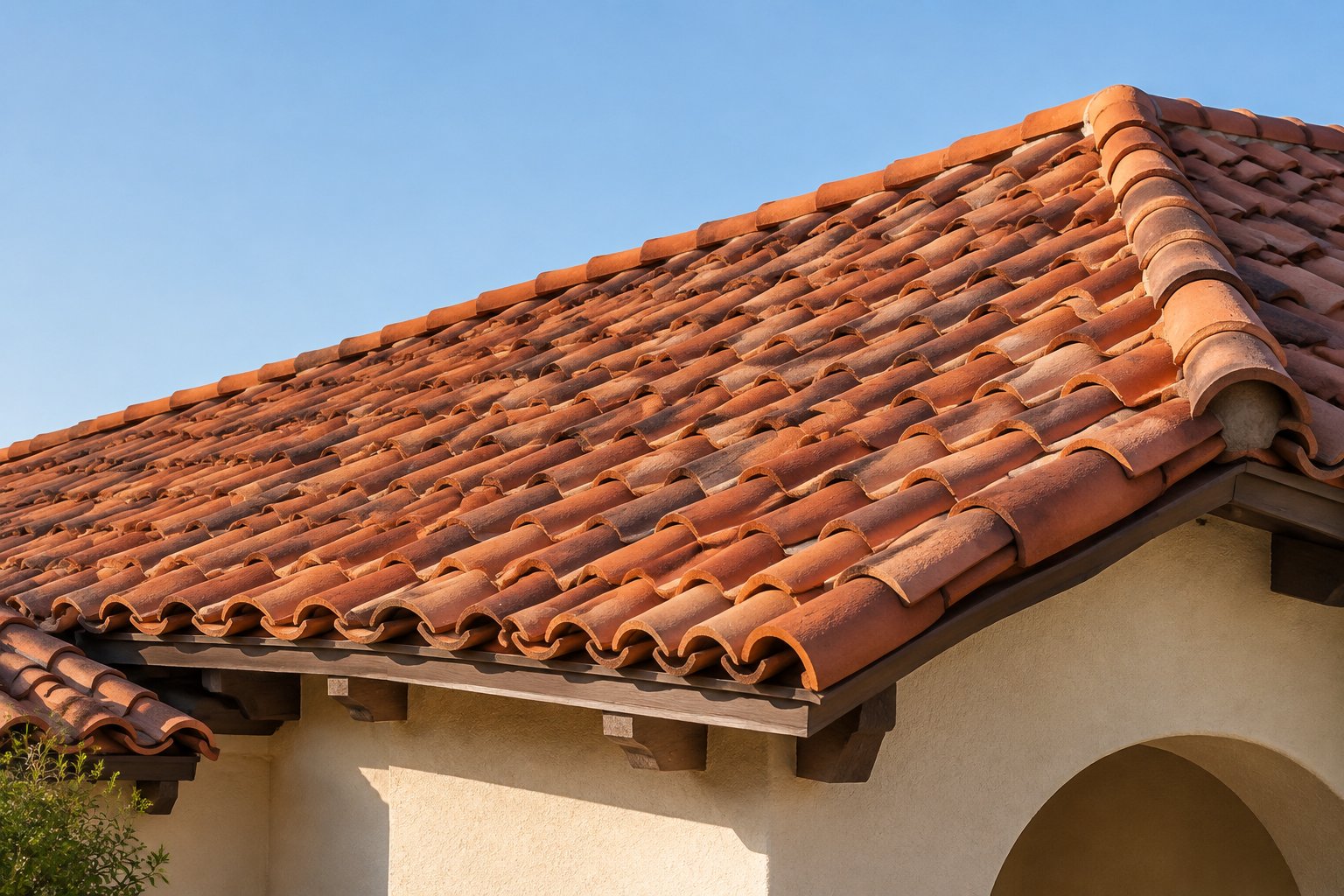
You’ll see natural slate, clay tiles, and specialty bits like ridge caps, hip tiles, and decorative finials. Slate comes in all sorts of sizes and colors; clay tiles include Spanish, mission, and pantiles.
There’s often flashing, copper gutters, and vintage fasteners pulled along with the roofing. Each type has its own reuse rules: slate needs a clean break edge, tiles need solid bedding and grip, and metal can’t be rusted through.
Match to your existing roof, roof pitch, and local weather. Roofers often go for reclaimed slate and clay for restoration—they just look right and last a long time.
Testing and Vetting Processes
Vetting starts at the salvage site. Workers sort by condition and origin, then tag batches by size and grade. This makes it easier to pick the right stuff for repairs or full roofs.
Lab or field tests check density, water absorption, and freeze-thaw resistance for stone or clay. Roofers use on-site checks, too: tap to hear hollow spots, measure thickness and length.
Final prep means cleaning, trimming, and packing with grade labels. You get lists with counts, grades, and notes on where it all came from, so you can plan your install and estimate waste. Reclaimed Slate Roofing follows these steps to make sure every shipment meets trade standards.
Why Use Tested and Vetted Reclaimed Roofing Materials
Tested and vetted reclaimed roofing materials save resources, lower costs, and keep historic character—without all the guesswork. You get pieces inspected for strength, cleaned for reuse, and graded for consistent performance.
Environmental Advantages
Reclaimed materials keep salvageable slate and clay out of landfills. When you reuse tiles from demolitions, you skip the carbon and energy costs of making new ones.
Vetted pieces lower the risk of early failure, so you’re not ripping them off again a few years later. That means your roof lasts longer and you don’t need to buy new material as often.
If you track where the material came from and how it was tested, you can show sustainability for clients or permits. That might help with green-building goals or even get you tax credits or certification on some projects.
Cost Savings
You’ll probably spend less on materials—reclaimed pieces often sell at wholesale or builder-direct prices. For many jobs, reclaimed slate and tiles cost less per square foot than new premium stuff.
Testing and vetting also save labor. You’re not wasting time sorting out junk on site or paying to redo work because of hidden damage. Faster installs and fewer call-backs keep your costs in check.
Shipping and lead times can be shorter for vetted stock. Reclaimed Slate Roofing, for example, ships a lot of orders within days, so you can hit tight schedules and dodge expensive delays.
Historical and Aesthetic Value
Reclaimed tiles bring real patina, color variation, and shapes that new copies just can’t fake. That matters for historic restorations, or for clients who want a roof with genuine character.
Vetted pieces help you match existing roofs more closely. Grading and sizing info lets you plan layout, estimate waste, and keep patterns consistent across the roof.
When you use tested reclaimed materials, you add value. You can market the roof as authentic and durable, which appeals to high-end buyers and preservation-minded clients.
Quality Assurance for Reclaimed Roofing Materials
You need materials that are ready to perform the moment they arrive. At Reclaimed Slate Roofing, quality assurance is built into every step, from sourcing to final palletization. The goal is simple. Deliver reclaimed slate and tile that meet professional standards without slowing down your job.
Inspection Standards
Every piece is individually inspected before it is approved for use. Slate and tile are checked for cracks, delamination, and structural soundness. Pieces that show weakness, separation, or major chipping are removed from inventory.
We also make sure every piece is clean and install-ready. Old mortar, fasteners, and debris are stripped away so materials sit flat and integrate cleanly on the roof. After cleaning, materials are sorted by thickness, size, and color to keep courses consistent and reduce installation time.
Each batch is documented with photos and counts, so you can review what you are ordering before it ships. That helps you plan quantities, overage, and layout with confidence.
Verified Performance Data
Material performance matters, especially when you are working across different climates and code requirements. Our reclaimed slate and tile are evaluated for key factors like thickness, durability, and weather resistance.
When needed, we provide supporting data tied to specific batches. This can include information relevant to freeze-thaw performance, water absorption, and general durability. The focus is on real-world performance, not assumptions.
Having this information upfront helps you align materials with project specs and avoid delays during inspection or installation.
Proven Sourcing and Reliability
Every batch we supply is traceable to its original structure. You know where the material came from and how it was processed. That level of transparency reduces risk and keeps your project predictable.
We also prioritize speed and consistency. Materials are palletized for protection and ship directly to your jobsite, typically within a few business days. Clear delivery timelines and straightforward policies help you stay on schedule.
If you need to confirm fit before placing a large order, sample quantities are available. That lets you check color, thickness, and installation approach before committing.
With Reclaimed Slate Roofing, you are not sorting through unknown stock. You are getting inspected, vetted material that is ready to install and built to last.
Popular Types of Reclaimed Roofing Materials
There are durable options that match historic looks and still meet modern performance needs. Each material has distinct handling, matching, and install quirks to keep in mind.
Slate Tiles
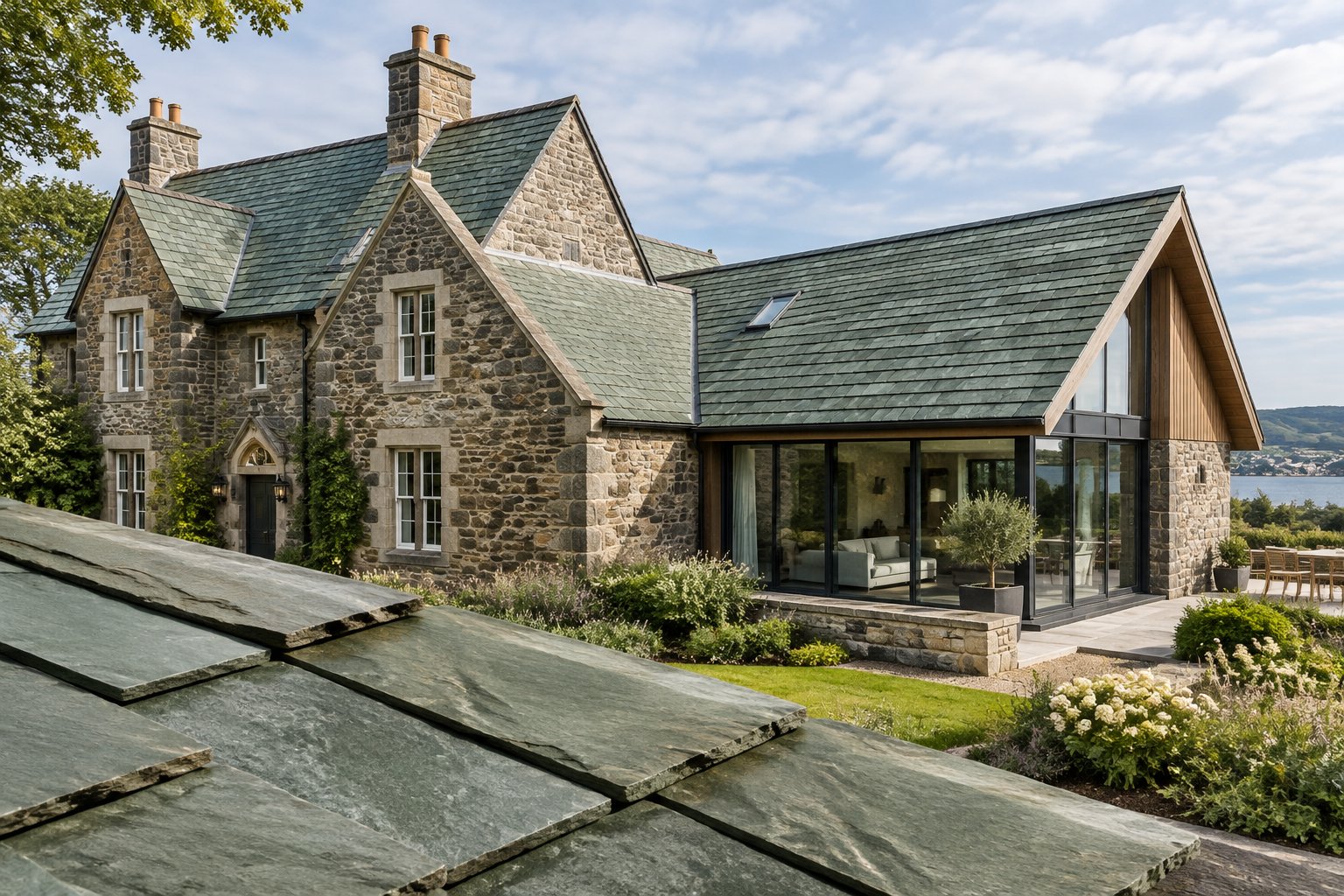
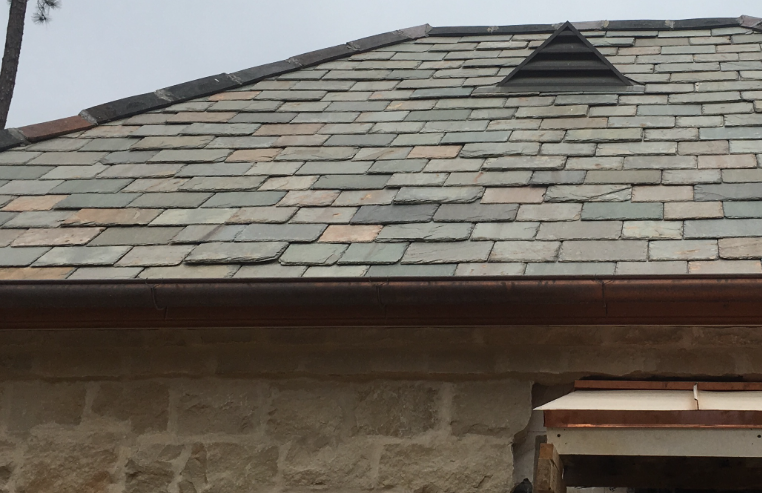
Slate offers long service life and a natural vibe. Reclaimed slate usually comes from 19th- and early 20th-century roofs and shows weathering, some chips, and color variation you can use for authentic patterns.
Specs you’ll want to check:
- Thickness and gauge for load and overlap.
- Breakage rate from inspection reports.
- Color range and gradation for matching.
Get slates sorted by color and size before they ship. Use stainless or copper nails to avoid stains and rust. Installed right, reclaimed slate saves money and keeps the original look. Reclaimed Slate Roofing checks each lot for strength and surface, so you’re less likely to run into issues on site.
Clay Tiles
Reclaimed clay tiles have original glazes and fired textures you just don’t see in new runs. Common shapes are mission, barrel, and pantile. Each needs the right underlayment and spacing for drainage.
Look for:
- Matching profile and overlap size.
- Original glaze or patina.
- Solid nail or hook holes for reuse.
Stage tiles by size and color to speed up install and get even coverage. Clay’s heavy, so check your framing. Reclaimed clay gives real color depth—expect some variation, which actually looks better in restorations or high-end builds.
Metal Panels
Antique metal panels include terne, copper, and galvanized steel from older buildings. Reclaimed metal usually shows patina or mill scale—some folks want that character.
Keep in mind:
- Panel profile, seam type, and clip locations need to match your roof.
- Check for corrosion and patch as needed before install.
- Make sure flashings and trims work with your roof.
Clean and treat metals as needed. Copper often just needs a rinse; galvanized and terne might need some patching and the right fasteners. Reclaimed metal can cut lead time for specialty jobs and gives you finishes that are tough to fake with new stuff.
Maintenance and Longevity of Tested and Vetted Reclaimed Roofing Materials
Here’s what actually matters for keeping reclaimed roofs going: regular checks, smart repairs, and knowing how climate and install affect the lifespan.
Routine Care Practices
Inspect your roof twice a year and after big storms. Only walk the roof if it’s safe; otherwise, binoculars or a drone do the trick for spotting cracks, slipped, or missing pieces.
Clean out valleys, gutters, and flashings every spring and fall. Get rid of leaves, moss, and debris—trapped moisture wears out tiles and can lift them right off.
Replace broken pieces quickly to keep water out. Keep a stash of matching reclaimed pieces on hand so repairs blend in and happen fast.
Watch the sealants and check lead or copper flashings. Repoint mortar where needed; most leaks in old roofs come from failed flashings or mortar.
Snap date-stamped photos of each inspection and repair. Keeping a record helps you spot patterns and decide when it’s time for bigger fixes.
Repair Considerations
Match the material and fastening style to the original install. Use the same type of slate, clay, or tile and nail them in the right spot to avoid stress cracks.
Bring in roofers who’ve worked with reclaimed pieces before. They know how to lift tiles without breaking them and how to set replacements so water sheds right.
If you’re swapping out several tiles in one spot, check the decking and underlayment. Rot or compromised layers often mean you’ll need to patch the deck before new tiles go on.
Save leftover matches from your supplier for future repairs. Reclaimed Slate Roofing grades and inspects pieces so you can order compatible colors and sizes later.
Skip heavy pressure washing or harsh chemicals—they strip the natural patina, loosen thin-set mortars, and weaken the tile or slate over time.
Weather Resistance Factors
Slate and high-fire clay stand up to freeze-thaw cycles when installed on solid decking with good ventilation. Proper slope and flashing detail keep water moving and prevent ice dams.
Wind resistance comes down to proper fastening and clip placement. Stainless-steel or copper clips are a must where code or exposure demands extra uplift protection.
UV doesn’t really hurt true slate or fired clay, but wet-dry cycles and moss growth can. Keep the roof clear of moss and debris to slow down surface wear.
Salt air and coastal spray chew up metal fasteners and flashings fast. Use corrosion-resistant metals and check coastal roofs more often—every six months is pretty standard in harsh marine spots.
Big temperature swings and building movement can loosen nails over time. Tighten, replace clips, or re-nail as needed to stretch the roof’s service life without a full replacement.
Regulations and Building Codes
You’ve got to follow local building codes when using reclaimed roofing. Codes focus on safety, fire resistance, and structural load—always check with your local authority before you order or install.
Many areas allow reclaimed slate and tiles if they match the original type and meet current standards. Inspect and test for cracks, thickness, and strength to prove compliance. Keep inspection records and lab results on file.
Some places require specific fasteners, underlayment, or spacing for reclaimed materials. Use corrosion-resistant nails and approved flashings so you meet code. Document the installation method so inspectors can check things quickly.
Historic districts usually tack on extra rules about appearance and reuse. You might need permits or a preservation board’s approval. Photos and provenance can speed that up.
Insurance companies may want proof that reclaimed materials were vetted and tested. Keep written inspection certification for each shipment. Reclaimed Slate Roofing inspects and grades materials, which helps with permits and insurance paperwork.
Not sure about a detail? Ask a licensed roofer or building inspector who knows reclaimed materials. They’ll tell you if your plan meets local structural and fire codes.
Build With Material You Can Trust
Tested and vetted reclaimed roofing materials remove the biggest risk from your project. You are not guessing about condition, fit, or performance. Every piece has been inspected, cleaned, and sorted so it can perform the way it should.
The advantage is clear. You get authentic slate, clay, and specialty materials with proven durability, without spending time sorting through unusable stock on site. That means faster installs, fewer callbacks, and better long-term results.
Quality still comes down to the details. Verify batch consistency, confirm specs match your project, and plan for proper installation. When those pieces are in place, reclaimed materials deliver both performance and character that new products cannot match.
For contractors and architects working on tight schedules, sourcing matters as much as installation. Reclaimed Slate Roofing provides inspected, job-ready materials with clear documentation and fast delivery, so you can move from order to install without delays.
Start with material that is already proven. It saves time, reduces risk, and keeps your project on track from day one.
Frequently Asked Questions
These answers cover how to check material quality, where to buy vetted reclaimed tiles, cost differences, environmental effects, and practical buying steps for your project.
How do I ensure the quality of reclaimed roofing materials?
Check each piece for cracks, delamination, or freeze-thaw damage. Ask for grading notes or an inspection report with thickness, breakage rate, and any repairs.
Make sure the supplier sorts and cleans tiles by size and color. Request photos or a sample pallet before buying to see how they’ll look and fit.
If you can, verify provenance—materials from known historic buildings usually last. Consistent sizing helps avoid extra cutting.
What are the benefits of using reclaimed roofing tiles?
Reclaimed tiles often outlast cheap new ones if they’re undamaged. They’ve got real color and texture new stuff rarely matches.
You cut landfill waste and lower your project’s carbon footprint. Many reclaimed pieces already meet historic restoration standards.
They can boost resale value and add authenticity to high-end or restoration builds. Unique patinas and rare colors are tough to find new.
Where can I find reputable suppliers of reclaimed roofing materials?
Go with suppliers who inspect, grade, and certify every batch. Look for companies shipping nationwide, offering builder-direct pricing, and clear return or rejection policies.
Reclaimed Slate Roofing supplies vetted slate, clay, and specialty tiles with inspection records and jobsite delivery. Ask for references from roofers or architects who’ve used their stuff.
Steer clear of sellers who won’t document origin or inspection. No traceability means higher risk for both durability and matching.
What should I consider before purchasing reclaimed roofing tiles?
Measure your roof and order 5–15% extra for breakage and matching. Double-check tile sizes, thickness, and fixing methods to fit your underlayment and flashing.
Factor in sorting and cleaning the supplier does. Ask how they handle damaged pieces and if they’ll mix batches for consistent color.
Check lead times and shipping. Fast, reliable delivery matters on tight jobs and keeps you on schedule.
How does the cost of reclaimed roofing materials compare to new ones?
Piece for piece, reclaimed tiles can cost more than basic new ones, especially for rare colors or sizes. But in the long run, reclaimed slate and clay often outlast new materials, saving you money.
Labor costs can be higher—matching and fitting reclaimed tiles takes more skill and time. Still, builder-direct pricing and lower markup can help balance it out.
Look at total project cost—materials, shipping, sorting, labor—then weigh that against lifespan and resale value.
What are the environmental impacts of using reclaimed roof tiles?
Reusing old slate or clay tiles means we’re not pulling more materials from quarries or running factories as much. That’s less carbon in the air and fewer perfectly good tiles ending up in a landfill—seems like a win, right?
Of course, moving and cleaning those tiles does take energy, so it’s smart to look for suppliers who keep things local. Even with that, reclaimed usually edges out new tiles when it comes to environmental impact.