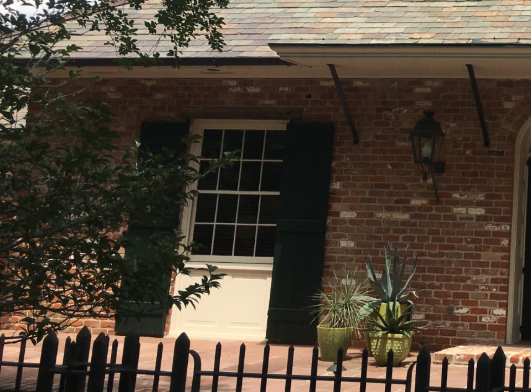
You need a roof that holds up in real conditions. Wind, rain, freeze-thaw, and constant sun exposure all take a toll. Reclaimed slate has already proven it can handle decades of weather, and when it is properly selected and installed, it continues to perform without compromise.
This guide breaks down how reclaimed slate handles moisture, sheds snow and ice, and maintains its strength and color over time. You will see how it compares to new slate and synthetic options, where it performs best, and what it takes to keep it weather-tight.
For restoration work and high-end builds, material quality matters from the start. Reclaimed Slate Roofing supplies inspected, job-ready slate that helps reduce waste, maintain authenticity, and keep your project on schedule.
Weather-Resistant Reclaimed Slate
Reclaimed slate stands up to wind, freeze-thaw cycles, and UV if you pick tiles with enough thickness, solid cleavage, and minimal surface wear. When you select and install it right, water stays out and the roof just keeps going.
Slate’s natural makeup gives it low water absorption and a dense structure. You’ll want pieces with tight grain and full thickness (usually 3/16" to 3/8" for historic slate roofs). Thin or layered pieces just don’t last—they shed water poorly and snap sooner.
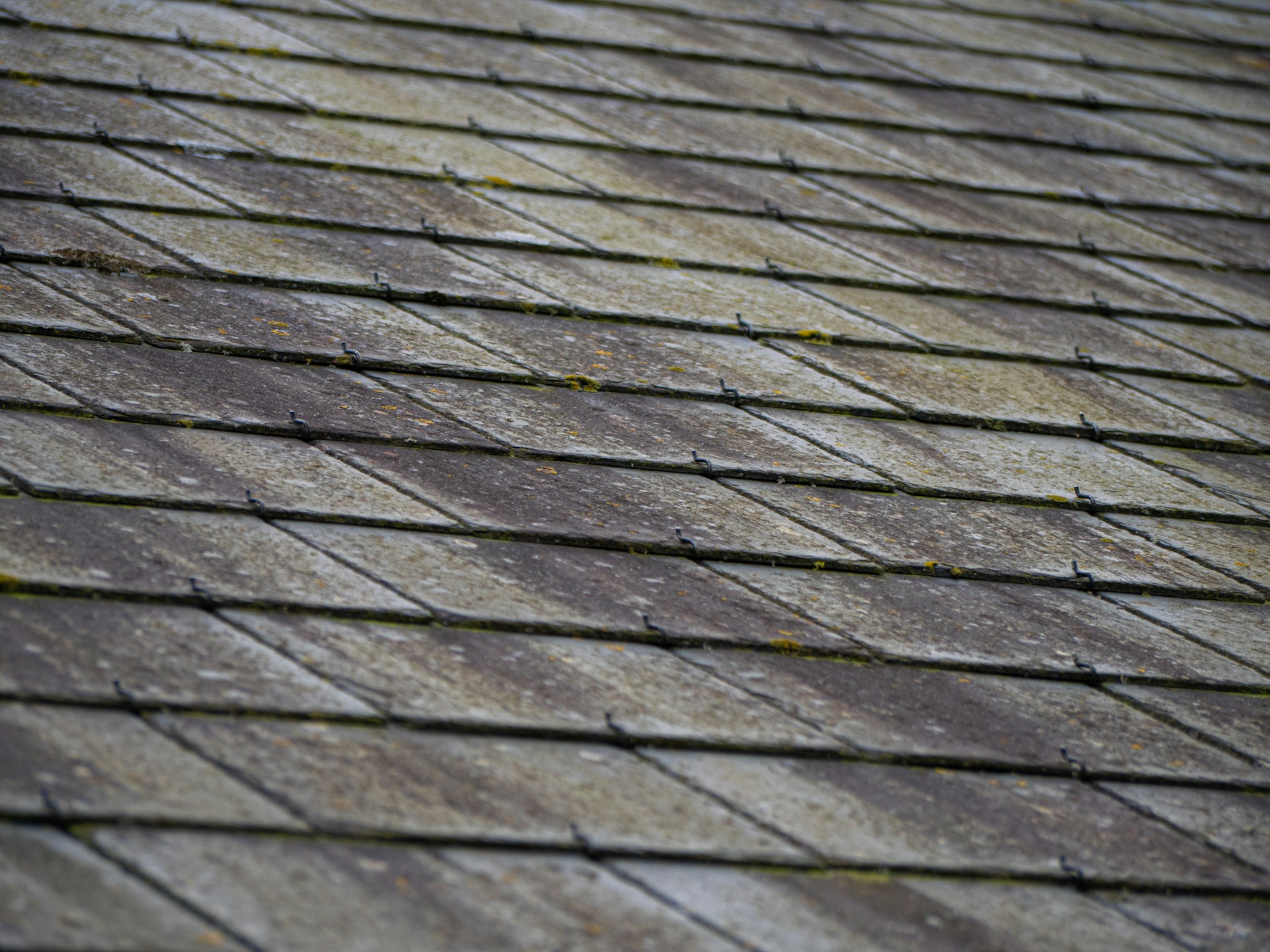
Check for solid cleavage planes and a sound bed. If you spot layering or flakes, or cracks, those usually mean freeze-thaw damage. A little patina or minor weathering? Fine. Deep erosion or soft spots? Not so much.
Fasteners and underlayment play a role. Copper or stainless steel nails, sized for your slate, work best. Go with a breathable underlayment or membrane to manage water and vapor. Overlap the tiles right and keep exposures consistent to block leaks and ice dams.
Sourcing and Quality Selection
Start by looking over each bundle—touch, tap, and check for soundness and even sizing. Reclaimed Slate Roofing inspects, cleans, and sizes material, but it’s worth double-checking when it arrives.
Ask about where it came from and how old it is. Slate from known quarries or old buildings tends to have better durability. Try a sample—bend it, tap it with a hammer. If it rings, that’s a good sign.
Plan your quantities to cut waste. Order enough to get matching batches for color and thickness, and keep some extras for repairs. Jot down lot numbers and notes on handling so the installers can keep things consistent.
Performance Advantages of Reclaimed Slate
Reclaimed slate gives you weather protection and steady structural performance for the long haul. You get natural stone that shrugs off wind, hail, freeze-thaw cycles, and years of sun, all while adding authentic character to your roof.
Durability in Extreme Weather Conditions
Reclaimed slate is natural stone split into dense, thin tiles. That density helps it resist driving rain and wind uplift—if you use the right nails and flashings.
Harder grades, often salvaged from older buildings, handle hail and foot traffic better than softer stuff. If you’re in a hail-prone or windy spot, go for the harder slates.
Freeze-thaw cycles don’t bother slate much since it barely absorbs water. Overlap and fastening keep water out at the joints.
If a tile breaks, just swap in a new reclaimed one—no need for big patches. That approach keeps downtime and costs down after storms.
Long-Term Structural Integrity
Reclaimed slate holds its shape and thickness for decades if you install it on a solid roof deck. You skip the shrinkage, curling, and granule loss that plagues a lot of asphalt shingles.
But slate is heavy. Check your roof framing and beef it up if it was built for lighter stuff. That way, the load spreads evenly and doesn’t pull on the fasteners.
Inspect each tile before you put it up—look for cracks, delamination, and thickness issues. Catching those helps keep the load even and avoids failures.
Stick to tried-and-true details: good underlayment, copper or stainless nails, and proper headlap. That’s how you get decades of solid performance with just a little maintenance. Reclaimed Slate Roofing can send you batches ready for installation when you need them.
Comparing Reclaimed Slate to Other Weather-Resistant Materials
Reclaimed slate brings real stone durability and that lived-in look. It’s heavier and costs more up front, but you usually get a longer lifespan and fewer replacements than with most modern options.
Reclaimed Slate vs New Slate
Reclaimed slate is real quarried stone that’s already proven itself on old roofs. You get natural cleavage, varied tones, and pieces that fit historic profiles. That really matters if you’re matching an old roof or dealing with preservation rules.
New slate is more uniform—size and color match up, and it’s easier to install in long runs. But new slate can actually cost more per square foot, and sometimes the stone isn’t as tough as the old stuff.
For weather resistance, both reclaimed and high-grade new slate shed water and take freeze-thaw cycles well. With reclaimed, you’ll need to sort for thickness and soundness. Reclaimed Slate Roofing checks and sizes each tile so you get usable, tested material.
Reclaimed Slate vs Synthetic Roofing Options
Synthetic slate uses polymers or composites to look like stone but weighs less and costs less. You save on structural upgrades and installation time, and many synthetics resist cracking and UV for decades.
But synthetics don’t have the thermal mass or the natural weathering of real slate. They might lose texture or color over time. If you need historic accuracy or you’re facing harsh climates, reclaimed slate just lasts longer.
Go synthetic if you want lighter weight, lower upfront cost, and consistent sizing. Pick reclaimed slate when you want the real look, proven longevity, and compatibility with old roof systems.
Key Applications for Weather-Resistant Reclaimed Slate
Reclaimed slate shines where you want longevity, authentic looks, and low maintenance. It works for steep-pitched roofs, commercial facades with lots of foot traffic, and outdoor features that need tough stone.
Residential Roofing
You’ll get decades out of properly installed reclaimed slate on steep roofs. Use 3/16" to 1/4" thick tiles for most homes; go thicker or double up in windy or freeze-thaw zones. When repairing historic roofs, match size and color to keep the look consistent.
Use stainless nails and copper flashings to avoid rust and stains. Check that your underlayment meets code—synthetic or felt with ice-and-water shield in valleys is a good bet. Maintenance is pretty minimal: swap out broken slates and check flashings after big storms.
Commercial Installations
Reclaimed slate brings lasting cladding and roof detail to hotels, churches, and civic buildings. Reinforce framing or use lighter reclaimed slate if weight’s a concern. Order tested batches with even thickness to make installation easier and cut waste.
Plan for access and staged deliveries; reclaimed material usually ships in mixed bundles. Coordinate with your roofer on patterns for big areas to keep colors balanced. For parapets, dormers, and steep mansards, pair slate with metal flashings and through-fastening as codes require.
Landscaping and Outdoor Features
Reclaimed slate works for walkways, steps, garden walls, and water features—it shrugs off frost and abrasion. Use thick slabs for steps, and flat, even pieces for patios. Go with natural edges for rustic looks or sawn ones for tight joints.
Seal or leave it raw, depending on slip-resistance needs—textured surfaces stay grippy when wet. Anchor pieces with mortar or concrete if freeze-thaw could shift them. Reclaimed Slate Roofing can supply batches that match your project and cut down wait times.
Installation and Maintenance Best Practices
Use the right fasteners, underlayment, and flashing. Match slate thickness and size for repairs, and plan your access and staging to protect the roof and gutters.
Proper Installation Techniques
Sort your reclaimed slate by thickness and size before starting. Use copper or stainless-steel nails that fit the slate. For thin or brittle tiles, pre-drill holes to prevent cracking.
Pick a high-quality underlayment for your climate. Put ice-and-water shield along eaves and valleys in cold or wet regions. Lap courses so water runs over the nails, and follow spacing guidelines.
Set slate with a consistent headlap and staggered joints. Use lead, copper, or another compatible metal for flashing at chimneys, valleys, and penetrations. Replace any warped or chipped slate with matches from your reclaimed batch to keep the roof even and looking right.
Document where each slate goes and keep extras on site. That way, future repairs are easier and you know you’re using the real deal.
Routine Care and Inspection
Check your slate roof twice a year and after big storms. Walk the eaves with binoculars or a ladder and look for slipped, cracked, or missing tiles and nail or pad corrosion.
Clear debris from valleys and gutters. Brush off moss and algae with a gentle brush and low-pressure rinse—skip the power washer, it can split reclaimed slate.
Check flashing and fasteners for rust. Tighten or swap out nails with stainless or copper if needed. Keep a stash of matching reclaimed slates—Reclaimed Slate Roofing can get you replacements quickly if you need them.
Environmental and Economic Benefits
Reclaimed slate keeps old material out of landfills and on roofs, not in dumps. It cuts the need for new quarrying, lowers embodied carbon, and can actually save you money over time.
Sustainable Building Practices
Choosing reclaimed slate means you’re reusing what’s already here, so you skip the carbon and environmental hit of new quarrying. Each tile you install keeps old craftsmanship alive and eases the demand for new stone.
Reclaimed pieces get inspected and cleaned before shipping, so you get what you need without extra processing. If you’re after green building credits, reclaimed slate often qualifies under reuse or salvaged-material categories, which helps with certification and client reports.
You can spec reclaimed slate for historic restorations or new builds where authenticity counts. Suppliers like Reclaimed Slate Roofing provide vetted stock and documentation for your sustainable projects.
Cost Efficiency Over Time
Reclaimed slate comes with a higher upfront price than synthetics, but it lasts a lot longer. If you install it right, it can last 75–150 years, cutting way down on replacement costs.
You also save on demolition and disposal if you reuse slate from a removed roof on the same site. With less maintenance and fewer replacements, lifecycle costs drop for homeowners and builders.
It can boost resale value, too—authentic reclaimed slate raises curb appeal and appraised value, especially on period homes. For contractors, buying vetted reclaimed stock helps avoid delays and change orders on restoration jobs.
Design Flexibility with Reclaimed Slate
Reclaimed slate gives you loads of looks and fit options while still being tough enough for weather resistance. You can match historic details or go for a modern slate roof and keep the durability and authenticity.
Aesthetic Options and Customization
Pick from all kinds of shapes and cuts: rectangles, diamonds, fish-scale, or custom hand-cut pieces. Mix shapes for patterns like alternating courses or decorative bands—great for period jobs or bold new designs.
Edge profiles matter, too. Hand-hewn edges feel historic; sawn ones look clean and modern. You can mix old and new slates to keep a roof’s character while patching up damaged spots.
Fasteners and layout change the look, as well. Copper nails, visible slating hooks, or hidden fasteners each give a different vibe. Plan your layout for overlaps, coursing, and flashing so water stays out and the look feels intentional.
Color Variations and Textures
Reclaimed slate brings a surprising range of natural colors: deep gray, blue-black, green, purple, and sometimes rusty highlights from years of weathering. The original quarry and decades outdoors shape these tones, so expect a bit of variety across each batch.
You'll find different textures too—riven (split), sawn, or just weathered faces. Riven faces look rugged and layered, great for hiding wear and tear. Sawn edges give a smoother, more uniform look if you want tighter control over the pattern.
When ordering, it's smart to ask for a color sample or a mixed pallet. That way, you can plan your layout and match surrounding materials more easily. Reclaimed Slate Roofing sorts and checks their stock so you get the strength and color range you're after.
Challenges and Limitations
Reclaimed slate delivers historic character and impressive longevity, but it comes with its own quirks. You'll need to deal with some variability in size, color, and condition, and handling takes a little extra care.
Potential Sourcing Issues
Tracking down consistent batches of reclaimed slate isn't always quick. You might get tiles from several buildings or eras, so colors and thicknesses can shift a bit. That means you’ll probably need to order extra to ensure you can match an existing roof or finish a larger job.
Check each batch closely—look for cracks, layers splitting apart, or old repairs. Ordering a sample pallet helps you double-check color and quality. Most folks plan for a 10–25% waste allowance to cover cutting, breakage, and the occasional oddball piece.
If you’re after a rare color or a specific size, it might take a while to find enough. Reclaimed Slate Roofing can help source and check materials, but sometimes you’ll wait while they track down matching stock. It’s wise to budget extra time and a bit of a cushion for sourcing delays.
Transportation Considerations
Reclaimed slate is both heavy and breakable. You'll need to plan for palletized shipping and careful on-site handling. Use sturdy crates, pad the tiles, and have forklifts or pallet jacks ready for unloading.
Shipping costs go up with weight and distance. Compare freight options, and if your site doesn’t have a loading dock, definitely ask about lift-gate service. Keep an eye on insurance—take photos of the tiles at pickup and delivery in case you need to file a claim.
Store pallets on flat, shaded ground. Keep them off the soil and covered to stop moisture cycling, which can weaken old slate. Clear, organized staging areas help prevent drops and keep the project moving.
Proven Performance Starts With the Right Slate
Reclaimed slate works because it has already been tested by time. When you select solid, properly graded pieces and install them with the right details, you get a roof that handles moisture, resists freeze-thaw damage, and holds its strength for decades.
The performance comes down to a few key factors. Choose slate with consistent thickness and tight grain. Use proper fasteners and underlayment. Maintain correct overlap and flashing so water sheds the way it should. When those basics are done right, reclaimed slate delivers long-term reliability in tough conditions.
It also gives you something newer materials cannot match. Real character, natural color variation, and compatibility with historic structures. That makes it the right choice for restorations and high-end builds where both performance and appearance matter.
For contractors and architects, material quality and consistency are critical. Reclaimed Slate Roofing supplies inspected, job-ready slate that meets performance expectations and helps keep projects on schedule.
Start with proven material, install it correctly, and you get a roof built to last.
Frequently Asked Questions
Here are some real-world answers about reclaimed slate’s performance, maintenance, and environmental perks. If you’re wondering about rain, wind, freeze-thaw, installation, or durability, you’ll find some practical advice here.
How does reclaimed slate hold up against heavy rain and wind?
Reclaimed slate, being natural stone, shrugs off water when installed right. Solid underlayment, good flashing, and tight nails keep the rain out.
These tiles are heavy and interlock well, so they tend to handle strong winds better than lighter roofing. If you fasten them securely and overlap them properly, wind’s less of a worry.
What maintenance is required for reclaimed slate roofing?
Check the roof every year and after big storms. Watch for slipped, cracked, or missing tiles, and inspect flashing and valleys.
Swap out damaged slates with similar reclaimed pieces to keep things watertight and looking right. Clean out gutters and clear debris so water doesn’t back up or freeze.
Is there a difference in durability between reclaimed and new slate tiles?
Durability really comes down to the grade and condition of the slate, not just its age. Many reclaimed slates came from quarries known for long-lasting stone and hold up well after a careful check.
Since reclaimed pieces are already weathered, they might resist surface flaking better than some newer, lower-grade slates. It’s worth having a roofer inspect each batch before installing.
Can reclaimed slate be used in areas with frequent freeze-thaw cycles?
Yes, if you pick frost-resistant slate and install it with the right underlayment and ventilation. Slate that doesn’t soak up much water stands up better to freeze-thaw stress.
Use mechanical fasteners that fit the tile thickness, and mind the recommended clearances to prevent cracks from thermal movement.
What are the ecological benefits of using reclaimed slate for roofing?
Reclaimed slate keeps old materials out of landfills. You also skip the energy and emissions that come from quarrying and making new tiles.
Choosing reclaimed extends the life of historic resources and cuts down on the need to dig up new raw materials. It's a small, satisfying way to build greener.
Are there any special installation techniques for weather-resistant reclaimed slate?
First off, you'll want to sort and grade reclaimed tiles right there on site—match up thickness, size, and color as best you can before you get started. That way, your courses look even and you get the headlap right.
Go with corrosion-resistant fasteners, pick a solid underlayment, and pay attention to flashing—don't cut corners there. If your roof's got a lot going on, it's honestly worth teaming up with roofers who've handled reclaimed slate before. They know the quirks and can keep things both weather-tight and good-looking.
Some suppliers, like Reclaimed Slate Roofing, actually inspect and prep the old pieces before you even get them. That can make the whole process smoother and help avoid headaches once you're up on the roof.