If you are sourcing reclaimed slate for an active project, you already know the process differs from ordering standard roofing inventory through a distributor. Genuine reclaimed slate comes from historic buildings, exists in limited quantities, and requires careful inspection before it is suitable for reuse.
Availability, matching accuracy, and freight coordination all become part of the buying process. Reclaimed Slate Roofing sources slate from historic demolitions and building removals across the U.S., then inspects and culls each batch before shipment.
Orders are palletized, crated for freight delivery, and typically shipped nationwide within approximately 3 to 7 business days after confirmation. Builder-direct pricing and documented inventory help reduce the uncertainty that often comes with architectural salvage sourcing.
This guide focuses on the practical side of buying reclaimed slate roofing: where contractors and architects actually source material, how to evaluate inventory quality, what to verify before approval, and how to prepare before requesting a quote.
Key Points
- Most standard roofing suppliers do not stock genuine reclaimed slate inventory.
- Material inspection, sizing consistency, and freight preparation matter as much as color matching.
- Direct suppliers typically provide stronger documentation and more reliable inventory control than general salvage channels.
Start With the Right Source Type
Why Standard Roofing Suppliers Rarely Carry Reclaimed Slate
Most roofing distributors focus on newly manufactured products with standardized sizing and manufacturer-controlled lead times. Reclaimed slate operates differently. Inventory depends on historic building removals, available quantities vary, and every batch requires inspection and sorting before resale.
The National Park Service guidance on slate roof repair and replacement notes that matching historic slate involves more than selecting a similar color. Mineral composition, weathering, thickness, and aging characteristics all influence compatibility with the existing roof field.
Salvage Yards, Brokers, and Direct Suppliers
Salvage yards, brokers, and direct suppliers serve very different functions within the reclaimed roofing market.
Salvage yards may occasionally carry usable slate, but inventory is often loosely sorted and minimally documented. Brokers can source material through outside contacts, though they may never physically inspect the inventory themselves before resale.
Direct suppliers maintain and inspect their own inventory before shipment. They can usually confirm sizing, surface condition, thickness range, and available quantities, and coordinate freight directly to the project site.
That level of documentation becomes especially important on restoration work or specification-driven projects.
When Direct Suppliers Matter Most
Projects involving full roof replacements, institutional restoration work, or difficult repair matching generally benefit most from direct sourcing. Contractors need confirmation that sufficient material is available to complete the project before installation schedules are finalized.
Repair work also benefits from stronger documentation standards. Batch photography, thickness verification, and surface matching reduce the risk of visible inconsistency once replacement slate is installed alongside the existing roof field.
What To Verify Before You Buy
Confirming Authenticity and Historic Origin
Authentic reclaimed slate comes from documented building removals rather than surplus new inventory or artificially distressed material. Suppliers should be able to explain where the slate originated, how it was removed, and how it was prepared before resale.
Historic weathering develops naturally through decades of environmental exposure. Material represented as “reclaimed style” or artificially aged should be evaluated carefully before specification approval.
What Proper Inspection Should Include
Sounding remains one of the most important slate inspection methods. A structurally sound piece produces a clean ring when lightly tapped, while fractured or delaminated slate produces a dull response. Reliable reclaimed inventory should be sounded and visually inspected before shipment approval.
Inspection should also address edge condition, thickness consistency, nail hole stability, and visible surface deterioration. These factors affect installation performance as much as overall appearance.
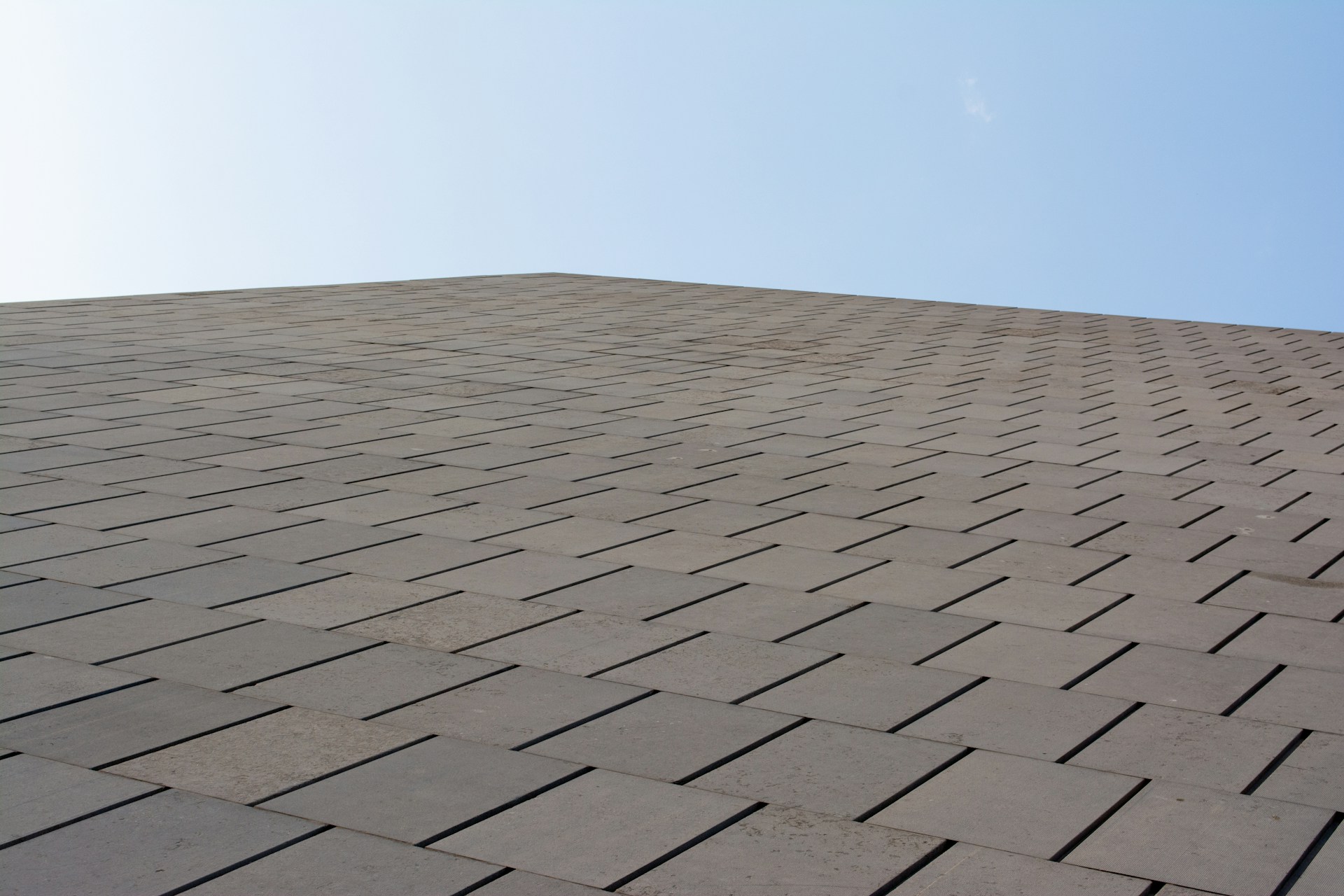
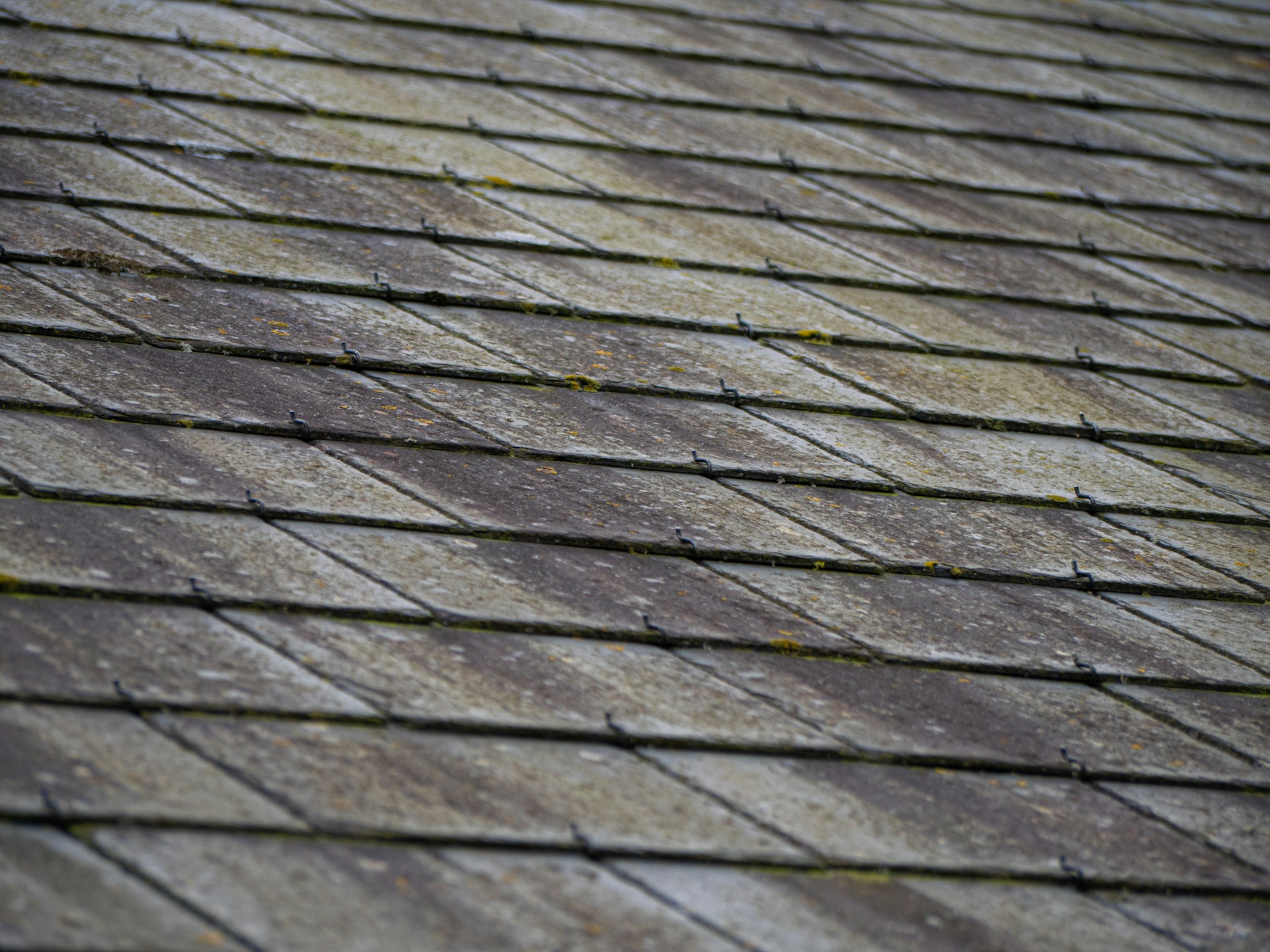
Contractors sourcing grey reclaimed slate inventory for repair work often rely on these inspection standards to reduce on-site sorting and material rejection during installation.
Matching Size, Thickness, and Weathering
Color alone does not determine compatibility. Slate thickness, exposure length, edge profile, and weathering patterns all affect how replacement material integrates into an existing roof system.
Most reclaimed slate inventory includes mixed widths but standardized lengths such as 16-inch, 18-inch, or 20-inch slate. Contractors should verify dimensions and thickness ranges before approving a batch, especially on projects requiring close matching.
Comparing Inventory for Different Project Types
Buying for Full Roof Replacement Projects
Full roof replacements require consistency across large quantities of material. Buyers should confirm that enough slate exists within a single batch, or within closely matched inventory, to complete ridges, valleys, field sections, and specialty cuts without visible variation.
Most contractors also order additional material above calculated coverage estimates to account for handling loss, installation cuts, and future maintenance stock.
Matching Slate for Repairs and Additions
Repair work places more emphasis on matching than on quantity. Contractors should provide detailed roof photography, measurements, and thickness samples whenever possible before requesting recommendations from a supplier.
A supplier with established reclaimed inventory can often provide multiple batch options for comparison, allowing the installer or architect to evaluate weathering and color compatibility before approval.
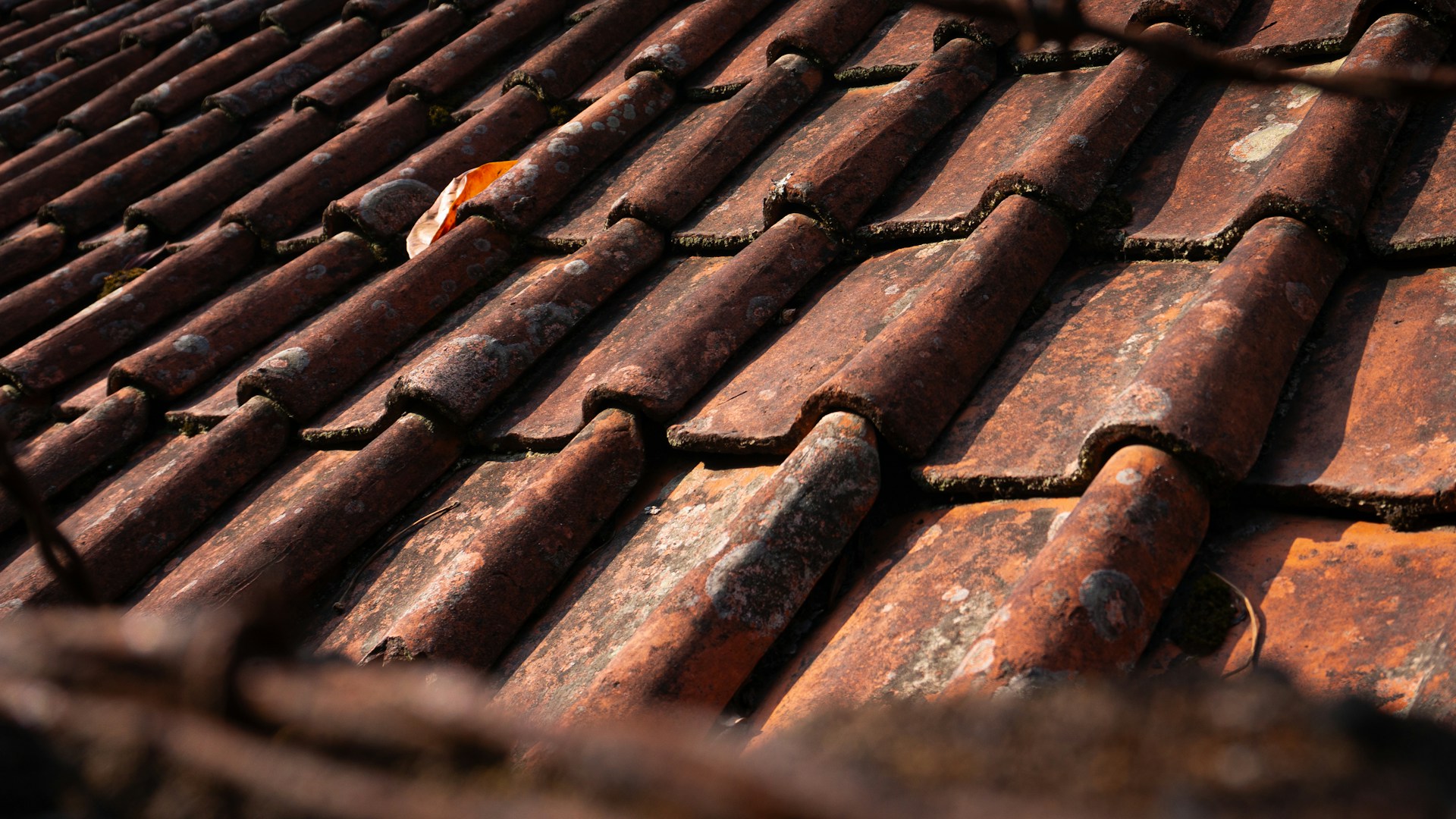
Projects involving reclaimed clay tile should also confirm that the supplier grades and inspects clay products separately from slate inventory. Roofing-specific handling standards remain important across both material categories.
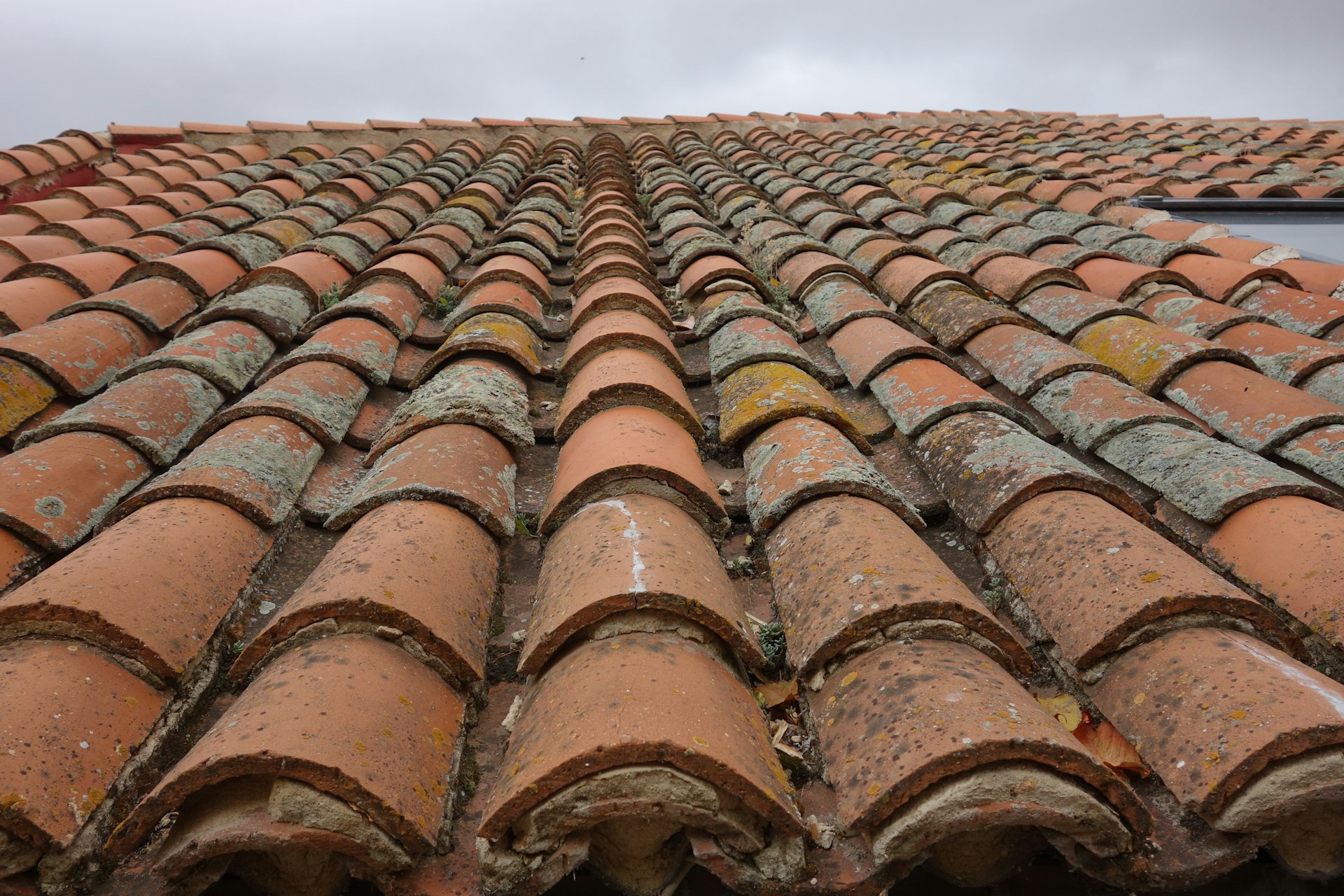
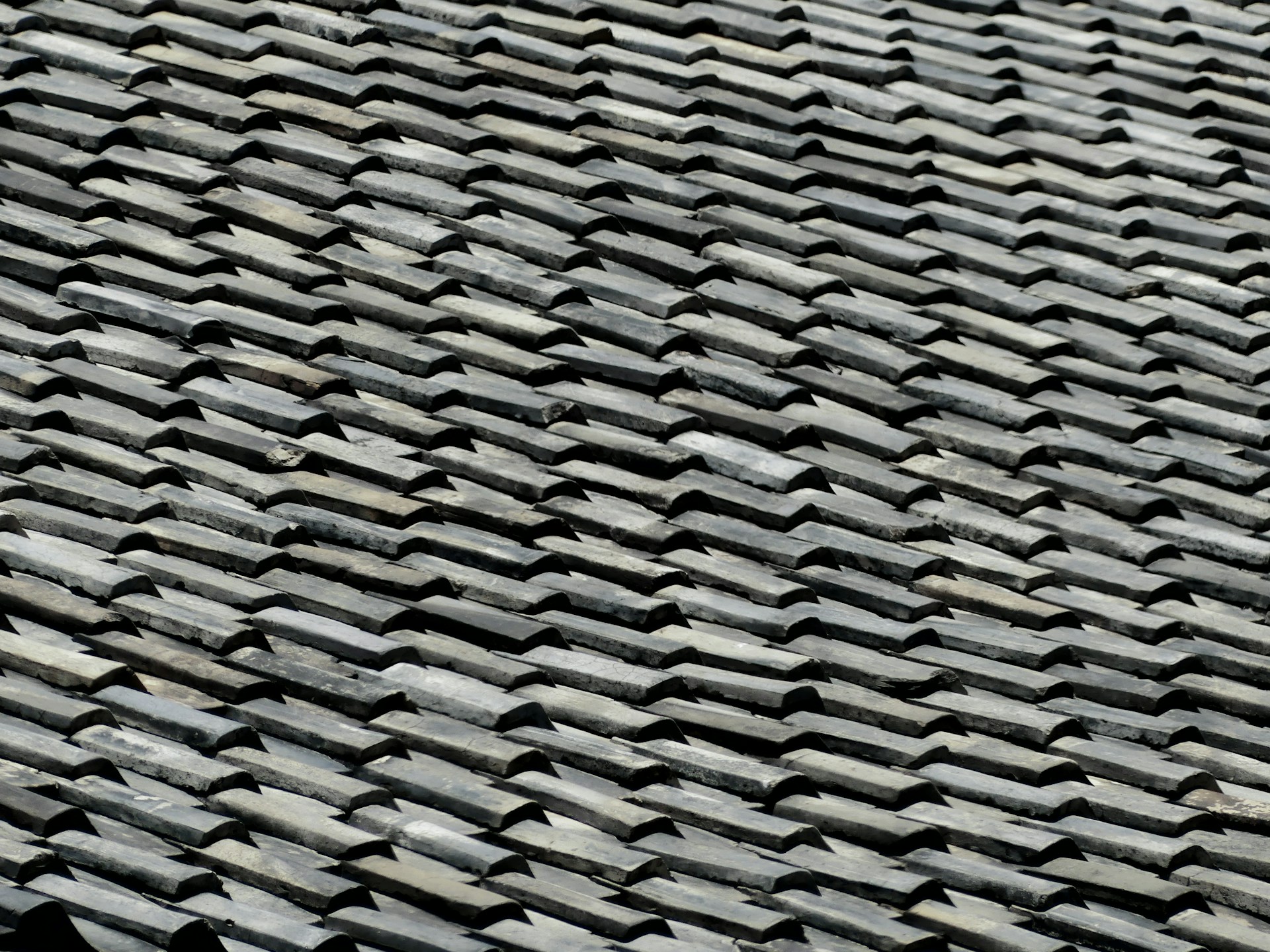
Contractors sourcing reclaimed barrel clay roof tiles should verify profile consistency and available quantities before finalizing specifications.
Delivery, Lead Times, and Freight Coordination
What Reliable Freight Coordination Looks Like
Reclaimed slate requires careful freight preparation because the material is both heavy and brittle. Orders should be palletized and crated to minimize movement during transport and protect exposed edges from breakage.
Reliable suppliers also provide shipment tracking, delivery scheduling, and liftgate coordination when required for job sites without dock access.
Why Packing Standards Matter
Poor freight preparation can reduce usable yield before installation even begins. Proper crating distributes weight evenly, limits shifting during transit, and simplifies unloading once the shipment reaches the site.
Contractors should confirm whether delivery can be routed directly to the installation site or to an off-site staging location, depending on project logistics.
Questions To Ask Before Final Approval
Reclaimed slate is commonly sold as final-sale material, making pre-shipment approval especially important. Buyers should review batch photographs carefully and confirm dimensions, weathering, thickness ranges, and quantity availability before final payment.
Freight damage should also be documented immediately upon arrival. Photographs of crates and visible material damage help support any required freight claims within the carrier’s reporting window.
Materials, Profiles, and Regional Matching
Regional Slate Characteristics and Historic Matching
Different slate-producing regions developed distinct color ranges and mineral characteristics over time. Vermont slate, for example, often includes greens, purples, and weathering variation, while other slate sources may present more uniform grey or black coloration.
The National Park Service's historic roofing exhibit explains how regional quarry characteristics influenced the appearance and performance of historic American slate roofing systems.
Understanding those regional differences helps architects and contractors narrow sourcing options more effectively on restoration projects.
Where Clay Tile Fits Into Reclaimed Roofing Work
Historic restoration projects sometimes combine reclaimed slate and clay tile across multiple roof sections or connected structures. Barrel clay, mission tile, and flat clay profiles each carry different installation and weathering characteristics.
Buyers sourcing multiple reclaimed roofing materials should confirm that the supplier applies the same inspection and grading standards consistently across all product categories.
Balancing Exact Matching With Available Inventory
Perfect historical matches are not always available in large quantities. Contractors and architects sometimes need to balance exact color replication against project timing, freight schedules, and inventory limitations.
For highly visible repairs, close matching often justifies longer sourcing timelines. Full roof replacements generally allow more flexibility because the visible field changes uniformly.
How To Prepare Before Requesting a Quote
Project Information To Gather First
Before contacting a supplier, contractors should assemble square footage totals, roof pitch information, installation timelines, and delivery requirements. Repair projects also benefit from photographs, slate measurements, and thickness samples whenever possible.
Freight planning details such as delivery zip code, dock access, and liftgate requirements should also be prepared in advance.
Photos and Measurements That Improve Matching
Clear roof photography helps suppliers identify likely matches more efficiently. Useful images include close-up surface views, exposed edges, weathering details, and measurements placed alongside existing slate for scale.
The more detailed the information provided at the beginning of the sourcing process, the easier it becomes to narrow inventory options quickly.
Preparing Before Calling 225-954-8393
Before contacting Reclaimed Slate Roofing at 225-954-8393, buyers should have approximate quantity requirements, preferred slate size, target color range, and project delivery location available.
Contractors evaluating inventory such as black reclaimed slate can also request batch photography, freight details, and current availability during the initial discussion.
Frequently Asked Questions
Where can I find reclaimed slate roof tiles for sale locally?
Some regional salvage yards and reuse centers occasionally stock reclaimed slate roofing material, though quantity consistency and grading standards can vary substantially. Roofing-specific suppliers with nationwide freight coordination are generally more reliable for active project work.
Which online marketplaces sell reclaimed slate roofing materials?
General online marketplaces sometimes list reclaimed slate inventory, but material quality, quantity accuracy, and inspection standards vary widely. Buyers working on restoration or specification-driven projects typically benefit from suppliers who maintain and document their own inventory directly.
How do I verify the quality and grade of reclaimed roof slates before buying?
Buyers should request complete batch photography, ask whether the slate has been sounded and visually inspected, and confirm thickness consistency before approval. Reliable suppliers generally provide grading information before shipment.
What sizes, thicknesses, and colors are typically available in reclaimed slate?
Reclaimed slate commonly appears in 16-inch, 18-inch, and 20-inch lengths with varying widths depending on the sourced inventory. Available colors may include black, grey, purple, green, and mixed weathering patterns depending on the original quarry source.
How much reclaimed slate roofing should I order to account for waste and breakage?
Most contractors order approximately 10 to 15 percent above calculated coverage estimates to account for handling loss, cutting, and future repair stock. Repair work may require slightly higher overage to preserve matching inventory from the same batch.
Are there salvage yards or demolition companies that sell used roof slates in the USA?
Some demolition contractors and architectural salvage yards sell reclaimed roofing slate directly. The EPA guidance on construction and demolition material reuse notes that preparation and grading standards vary widely, which is why many contractors prefer roofing-specific suppliers for restoration and replacement projects.
Choosing a Supplier With Reliable Inventory and Documentation
Sourcing reclaimed slate roofing successfully depends on more than locating available material. Contractors and architects need inventory that has been inspected carefully, documented accurately, and prepared properly for delivery and installation.
Reclaimed Slate Roofing maintains hand-inspected reclaimed slate and clay tile inventory with nationwide freight coordination, batch photography, and builder-direct sourcing from historic building removals. Their reclaimed roofing resource library includes additional information on sizing, specification planning, and matching strategies for restoration work.
Call 225-954-8393 to discuss current inventory availability, request batch photographs, or review delivery timing for your next project.