When you are writing a specification or preparing a submittal package for a restoration project, generic sustainability language does not hold up. Reviewers, whether they sit on a LEED committee or across the table from a preservation officer, want measurable claims.
If you are specifying eco-friendly reclaimed roofing, you need to know exactly what environmental value the material carries and how to document it in a format that passes review.
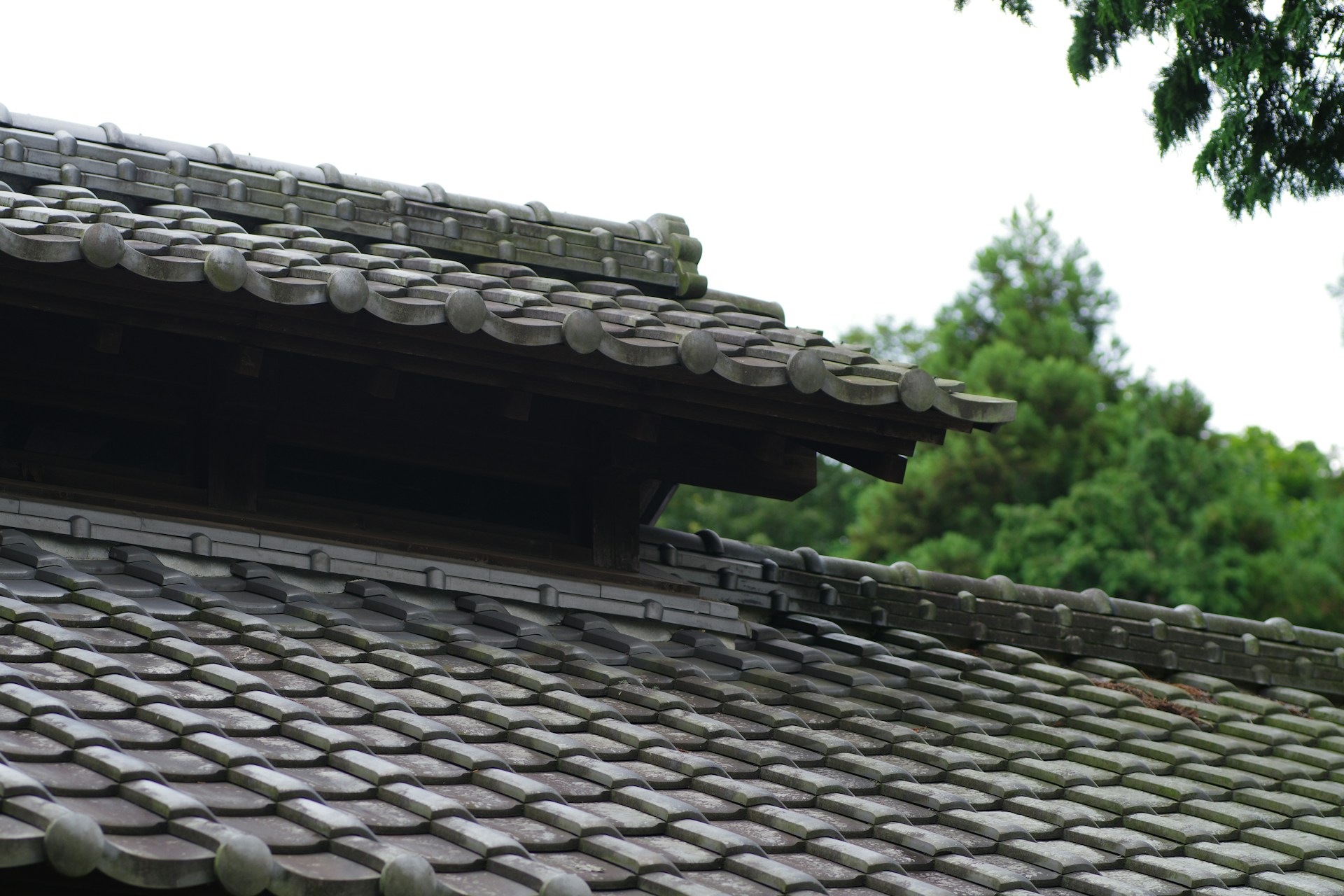
The material itself makes that case easy to defend. Authentic reclaimed slate and clay tile, salvaged from verified historic demolitions and hand-inspected before shipment, arrive with original patina intact and a documented service history.
Sourced builder-direct, most orders ship within 2 to 5 business days, which matters when a submittal deadline is approaching, and you still need material provenance documented.
In this guide, you will find the embodied carbon and landfill diversion case for reclaimed roofing materials. You will also find a clear comparison of service life against shorter-lived alternatives and guidance on which reclaimed materials fit which project types.
Finally, you will find specific language and credit categories you can reference in specifications and LEED-related submittals.
Why Reuse Matters More Than New Production
Every reclaimed slate or clay tile that goes back on a roof is a tile that required zero new energy to quarry, cut, or fire. That single fact anchors the environmental case for reclaimed roofing materials over new production.
Embodied Carbon Avoided Through Reuse
Natural slate quarrying involves drilling, blasting, and transporting heavy stone from the quarry face. Clay roof tiles require kiln firing at temperatures above 1,000°C. Both processes embed significant carbon into each unit before it ever reaches a job site. When you source reclaimed tiles instead, you skip that entire carbon expenditure.
Reclaimed slate and reclaimed clay tiles carry embodied carbon from their original manufacture, but that carbon was spent decades ago.
Reusing a material already processed a century back is the most direct way to cut roofing's carbon footprint, because reuse adds no new extraction, manufacturing, or firing emissions to the project ledger.
Landfill Diversion From Salvaged Roof Systems
Demolished roofing is heavy. A single square of slate weighs between 700 and 1,000 pounds. When a historic roof comes down, and the material goes to a landfill, that weight occupies space permanently.
The EPA promotes construction waste reduction through salvage and reuse as a best practice for cutting demolition waste.
Reclaimed roofing tile diverted from demolition keeps tons of inert stone and fired clay out of disposal streams. For a medium-sized residential roof, salvaging 25 to 30 squares of slate can divert 10 to 15 tons of material from the waste stream.
Resource Conservation Beyond Quarrying and Firing
Quarrying natural slate consumes water, fuel, and land. Firing clay tiles demands natural gas or coal. Both processes require transportation infrastructure between extraction sites and manufacturing plants.
When you specify reclaimed clay roof tiles or reclaimed slate, you reduce demand on each of those inputs without sacrificing material performance.
The conservation benefit extends to the quarries themselves. Many historic slate-producing regions in Vermont, Pennsylvania, and Virginia have limited remaining reserves. Using salvaged material preserves those reserves for projects where new production is the only viable option.
That distinction matters when you are building a defensible material selection argument for a submittal.
Service Life as a Sustainability Metric
A roof that lasts 100 years generates far less waste and far fewer replacement cycles than one that needs to be torn off every 20. That is the core sustainability advantage of slate roofing. It becomes even stronger when the slate is reclaimed with decades of proven service already behind it.
Why Long-Lasting Roof Systems Lower Lifecycle Impact
Every roof replacement generates waste, consumes new materials, and requires labor and fuel. If you install asphalt shingles with a 20-year life, you will cycle through five roofs in the same span a single slate roof covers. Each cycle adds manufacturing emissions, transportation costs, and landfill volume.
How Reclaimed Slate Compares With Shorter-Life Alternatives
Reclaimed slate has already survived 75 to 150 years on its original structure. If it passes hand inspection and sounding, it has decades of remaining service life. That track record is not theoretical. It is documented in the buildings these materials come from.
The National Park Service notes that properly installed slate reaches a slate roof longevity of 60 to 125 years or longer depending on stone type.
Reclaimed wood shingles and recycled metal roofing both carry sustainability benefits, but neither matches slate's lifespan. Metal corrodes in coastal environments. Wood requires chemical treatment and more frequent replacement.
Slate resists fire, water, and UV degradation with virtually no maintenance when properly installed. That durability is the foundation of sustainable slate roofing as a long-term material choice.
Repairability and Material Matching on Existing Roofs
A slate roof does not need to be replaced entirely when a few tiles fail. Individual pieces can be pulled and replaced with matching salvaged material. This is critical on historic buildings where full roof replacement would trigger permitting issues and higher costs.
In neighborhoods like the New Orleans Garden District, where late-19th-century slate roofs still cover hundreds of homes, salvaged matching material lets contractors patch sections without sourcing new production slate that would not match the original color or thickness.
That repairability extends the overall roof system's life and avoids a full tear-off for decades longer.
Which Reclaimed Materials Fit Different Project Types
Not every project calls for the same reclaimed material. Your choice depends on the building style, the region, the existing roof, if any, and the structural capacity of the deck.
Reclaimed Slate for Restoration and High-End New Construction
Reclaimed slate is the standard choice for historic restorations where matching the original roofing material is required. State historic preservation offices and federal rehabilitation standards call for using original or compatible materials whenever possible.
On new construction, architects specify reclaimed slate to achieve a weathered, authentic finish that new quarried slate cannot reproduce for decades.
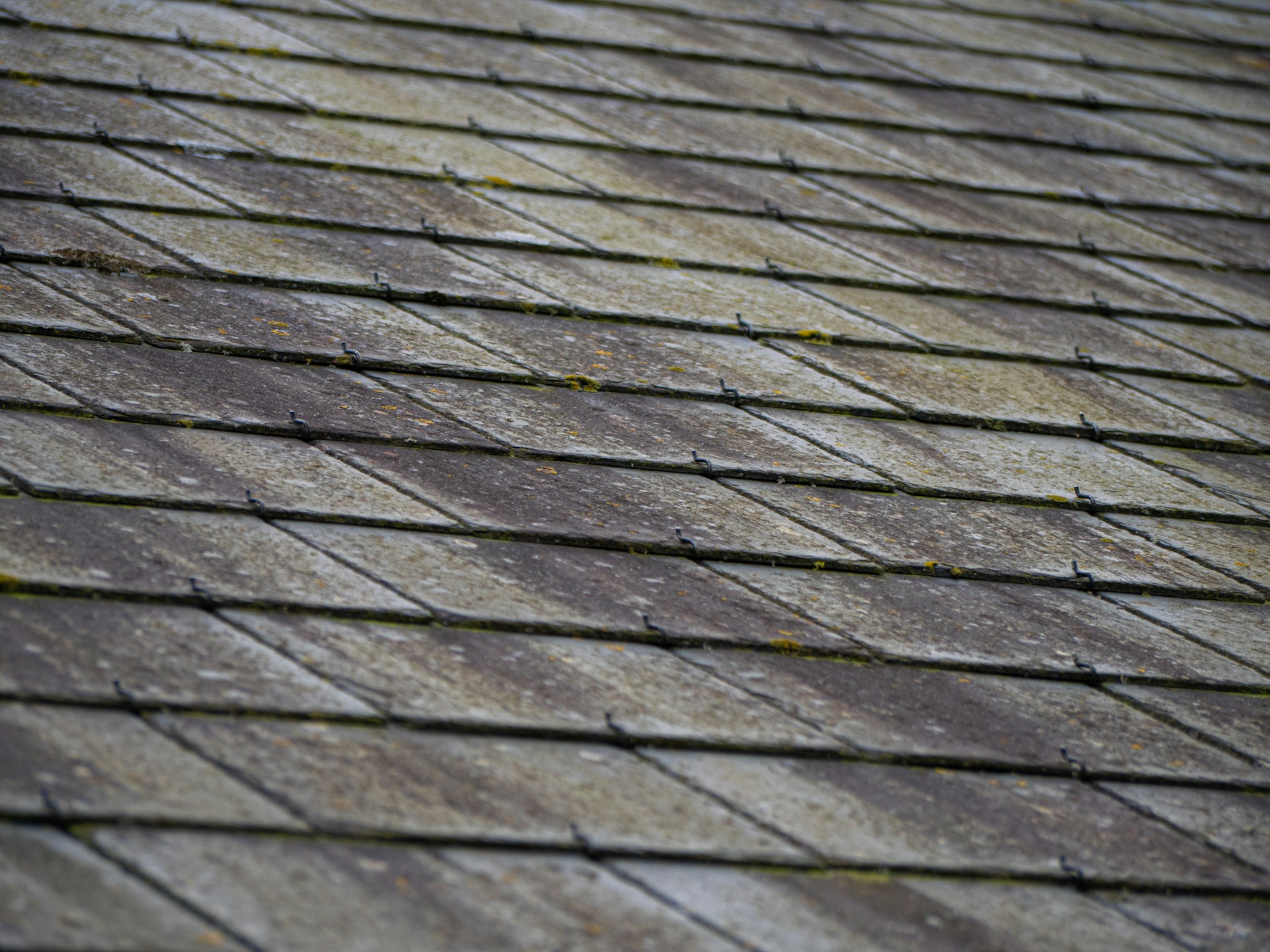
Black reclaimed slate in 16-inch, 18-inch, and 20-inch random widths remains popular for high-contrast facades, while grey and purple tones suit traditional and transitional designs.
Reclaimed Clay Tile for Regional and Traditional Roof Styles
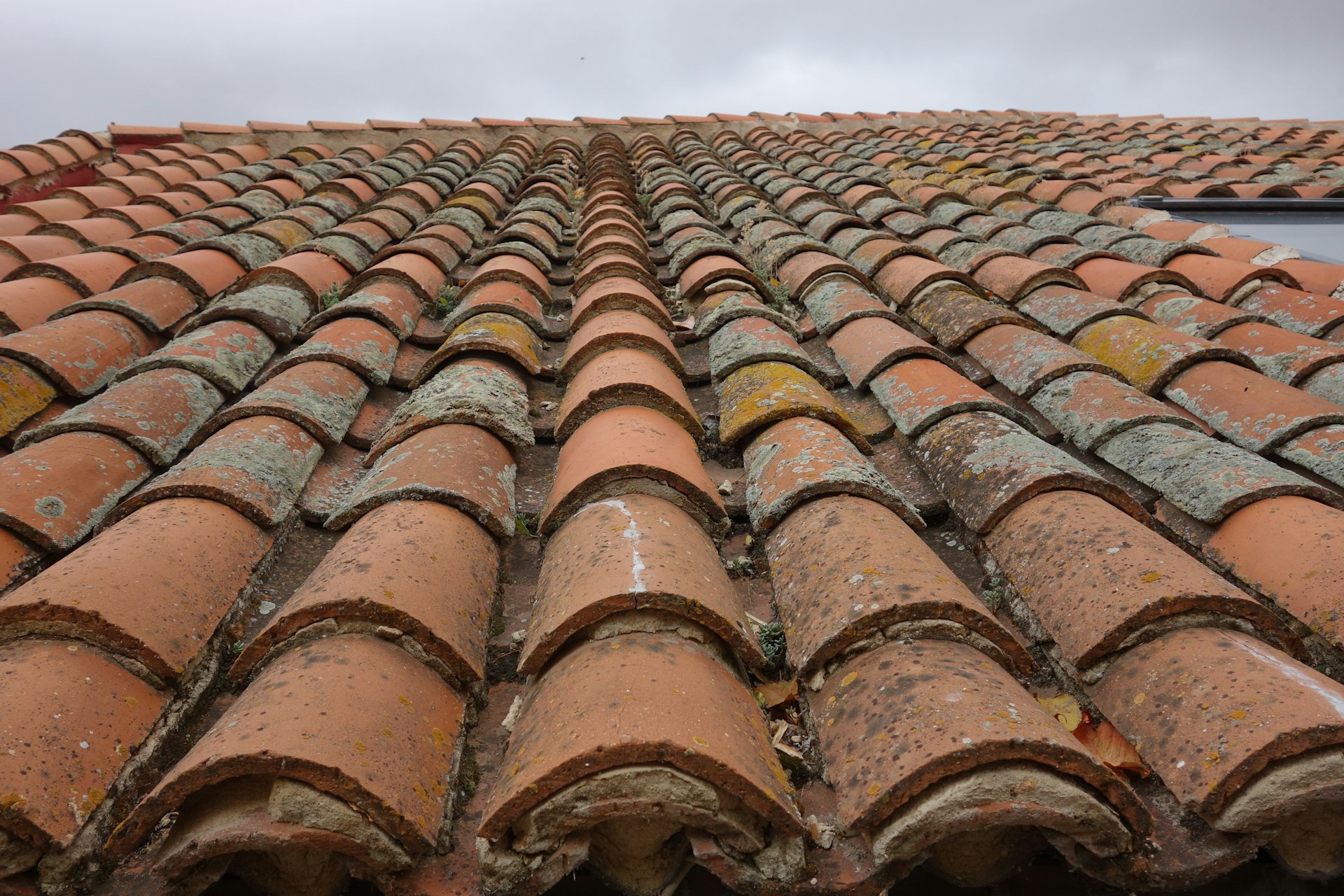
Reclaimed clay tiles suit Spanish Colonial, Mediterranean, and Mission-style buildings across the South and Southwest. Barrel and flat clay profiles are common on Gulf Coast structures, and matching an existing clay roof with new production tile rarely produces an acceptable visual result.
If you are sourcing for a clay tile restoration, salvaged clay roof tiles offer the correct profile, color range, and surface texture. Reclaimed clay roof tiles also carry the same embodied carbon and landfill diversion benefits as reclaimed slate.
When Other Low-Impact Roof Types May Be More Appropriate
Green roofs, recycled metal roofing, and reclaimed wood shingles each serve specific project types where slate or clay tile would not be practical:
- Green roofs work best on flat or low-slope commercial structures designed for soil loads.
- Recycled metal roofing fits agricultural, industrial, or modern residential builds.
- Reclaimed wood shingles suit vernacular or rustic projects in dry climates.
None of these carry the 100-year service life of reclaimed slate. They may be the right call based on pitch, load capacity, or design intent. Knowing which material fits which scenario strengthens your specification rather than weakening it.
How to Document Environmental Value in Specifications
Architects and contractors who want reclaimed roofing materials in a project need more than a product description. They need language that satisfies reviewers, owners, and green building consultants.
Useful Language for Material Provenance and Reuse
Your specification section on material provenance should state that the roofing material is 100% reclaimed from verified historic demolition, not manufactured, refinished, or reproduced. Use language such as:
- "Salvaged from documented pre-1950 roof system"
- "Original surface retained; no artificial cleaning or coating applied"
- "Hand-inspected and sounded for structural integrity prior to shipment"
This language distinguishes eco-friendly roofing materials from synthetic products marketed with vague sustainability claims. Conscious homeowners and preservation boards alike respond to provenance detail over generic green branding.
What to Include in Submittals for Architects and Contractors
A complete submittal for sustainable roofing materials should include:
- Batch photos showing color, texture, and size range
- Material origin: state, region, or building type of salvage source
- Inspection process description: hand-sorting, sounding, culling
- Size and thickness specifications
- Weight per square for structural loading calculations
- Freight and delivery timeline confirmation
Reclaimed materials are not standardized like factory products. Providing batch-level documentation builds confidence with owners and inspectors, and gives reviewers the verifiable detail they need to approve the material.
Performance Considerations During Selection and Installation
Eco-friendly credentials mean nothing if the material fails on the roof. Every batch of reclaimed slate or reclaimed clay roof tiles must meet structural and installation standards before it ships.
Hand Inspection, Soundness, and Batch Consistency
Each reclaimed tile is inspected by hand. The sounding test, tapping a slate and listening for a clear ring versus a dull thud, identifies internal fractures invisible to the eye. Tiles that sound dead are culled. This process ensures that only structurally viable pieces enter the shipping crate.
Batch consistency matters for visual uniformity. When you order grey reclaimed slate for a restoration, the supplier should provide photos showing the range of tone and width within that batch.
Reviewing these before order confirmation prevents surprises at the job site. For historic roof materials, this step is non-negotiable.
Structural Load, Underlayment, and Detailing Checks
Slate roofing is heavier than asphalt or metal. Your structural engineer needs accurate weight-per-square figures before you finalize the spec. Typical reclaimed slate runs 700 to 1,000 pounds per square depending on thickness and format.
Underlayment should be a synthetic breathable membrane or traditional felt rated for steep-slope applications.
Copper or stainless steel flashing is standard for slate installations. Mixing galvanized metal with slate shortens the flashing life and creates a maintenance problem long before the slate itself shows wear.
Freight Planning, Crating, and Jobsite Coordination
Reclaimed slate ships on pallets, securely crated for freight transit. Orders are typically ready within 2 to 5 business days after confirmation. Liftgate service and delivery scheduling are available on request.
On a tight project timeline, coordinate delivery with your framing and decking schedule. Having crated slate arrive before the deck is ready wastes staging space. Having it arrive a week late stalls your roofing crew. A quick phone call to confirm ship date and transit time avoids both problems.
Making a Defensible Material Choice
A defensible material choice holds up to scrutiny from the owner, the design team, the permit office, and the green building consultant. It starts with honest performance data and ends with verified sourcing.
Balancing Environmental Claims With Roof Performance
Sustainability claims only hold if the roof performs. A reclaimed slate roof that leaks in year five is not eco-friendly. It is a liability. That is why material selection and installation quality matter more than any green label.
Natural slate is inherently fire-resistant, waterproof, and UV-stable. Reclaimed slate that passes inspection retains all of those properties.
When you pair those performance traits with the embodied carbon savings of reuse, you have a material choice that satisfies both the sustainability spec. It also supports the long-term warranty conversation.
Questions to Ask Before You Approve a Salvaged Batch
Before you sign off on a batch, ask your supplier these questions:
- What building or region was this slate salvaged from?
- What is the average thickness and weight per square?
- Were tiles hand-sounded and culled before packing?
- Can you provide batch photos for color and size review?
- What is the ship timeline and freight method?
These questions protect you from receiving material that does not match your spec or your project timeline.
Where to Check Current Availability
Reclaimed slate inventory changes with every demolition project. What is available this month may not be available next month. Checking current stock early in the design phase gives you the best chance of securing the sizes, colors, and quantities your project requires.
From Spec Language to Shipped Material
You now have the environmental data, the credit categories, the inspection criteria, and the specification language to back a reclaimed roofing material choice with substance.
Whether you are writing a submittal for a Garden District restoration or specifying slate for a new residential build, the case for reclaimed slate holds on performance and sustainability alike.
When you are ready to check what is in stock and get a quote built around your project specs, call Reclaimed Slate Roofing directly at 225-954-8393. If you are still narrowing it down, browse current salvaged inventory to see what sizes, colors, and formats are available to ship this week.
Frequently Asked Questions
How Do Reclaimed Slate and Clay Tiles Compare to New Roofing in Lifespan and Weather Performance?
Reclaimed slate that passes inspection typically carries 75 to 100+ years of remaining service life. This matches or exceeds new quarried slate. Both reclaimed slate and clay tiles retain their original fire, water, and UV resistance because those properties are inherent to the stone and fired clay, not applied coatings.
What Inspection and Grading Steps Ensure Salvaged Slate Is Job-Site Ready and Structurally Sound?
Every tile is hand-inspected, sounded by tapping to detect internal fractures, and culled if it fails. Pieces that produce a clear ring pass. Those with a dull or flat tone are removed. This process happens before crating, so only structurally viable material reaches your site.
Which Roof Pitches and Deck Conditions Are Suitable for Installing Reclaimed Slate or Reclaimed Clay Tile?
Standard reclaimed slate performs best on pitches of 4:12 or steeper. Some profiles can work at lower pitches with modified underlayment details. The roof deck must be structurally rated for 700 to 1,000 pounds per square. Consult your structural engineer before finalizing the spec.
How Is Reclaimed Roofing Sourced From Verified Historic Demolitions, and What Documentation Is Available for Spec Work?
Reclaimed roofing materials come from documented demolition or deconstruction of pre-1950 structures. Suppliers can typically provide the salvage region, building type, and batch photos. This documentation supports specification language for material provenance in LEED and historic preservation submittals.
How Do Packaging, Freight, and Coordinated Job-Site Delivery Work for Heavy Reclaimed Tile Orders on Tight Schedules?
Orders are securely crated and palletized for freight shipment. Most ship within 2 to 5 business days after confirmation. Liftgate service and delivery scheduling are available on request. Tracking details are provided before shipment so you can coordinate arrival with your crew's installation schedule.