Historic roofing projects require materials that match original construction while meeting modern performance standards. Reclaimed slate, clay, and terracotta provide authentic color, texture, and proven durability, making them a practical choice for restorations and high-end builds. Using reclaimed materials also reduces waste and helps maintain the architectural integrity of the structure.
This article outlines how to source genuine reclaimed roofing, evaluate condition, and prepare materials for installation. It also covers key considerations for inspection, compatibility, and long-term maintenance so projects remain consistent and reliable over time.
Reclaimed Slate Roofing supplies authentic reclaimed slate, clay, and terracotta that are inspected, cleaned, and sorted for reuse. Materials are prepared for consistent installation and shipped directly to jobsites, helping contractors and architects complete restoration projects efficiently while maintaining historic accuracy.
Reclaimed Materials for Historic Roofs
Let’s talk about what reclaimed roofing materials really are, why they work for restorations, and what you need to keep in mind when buying and installing them.
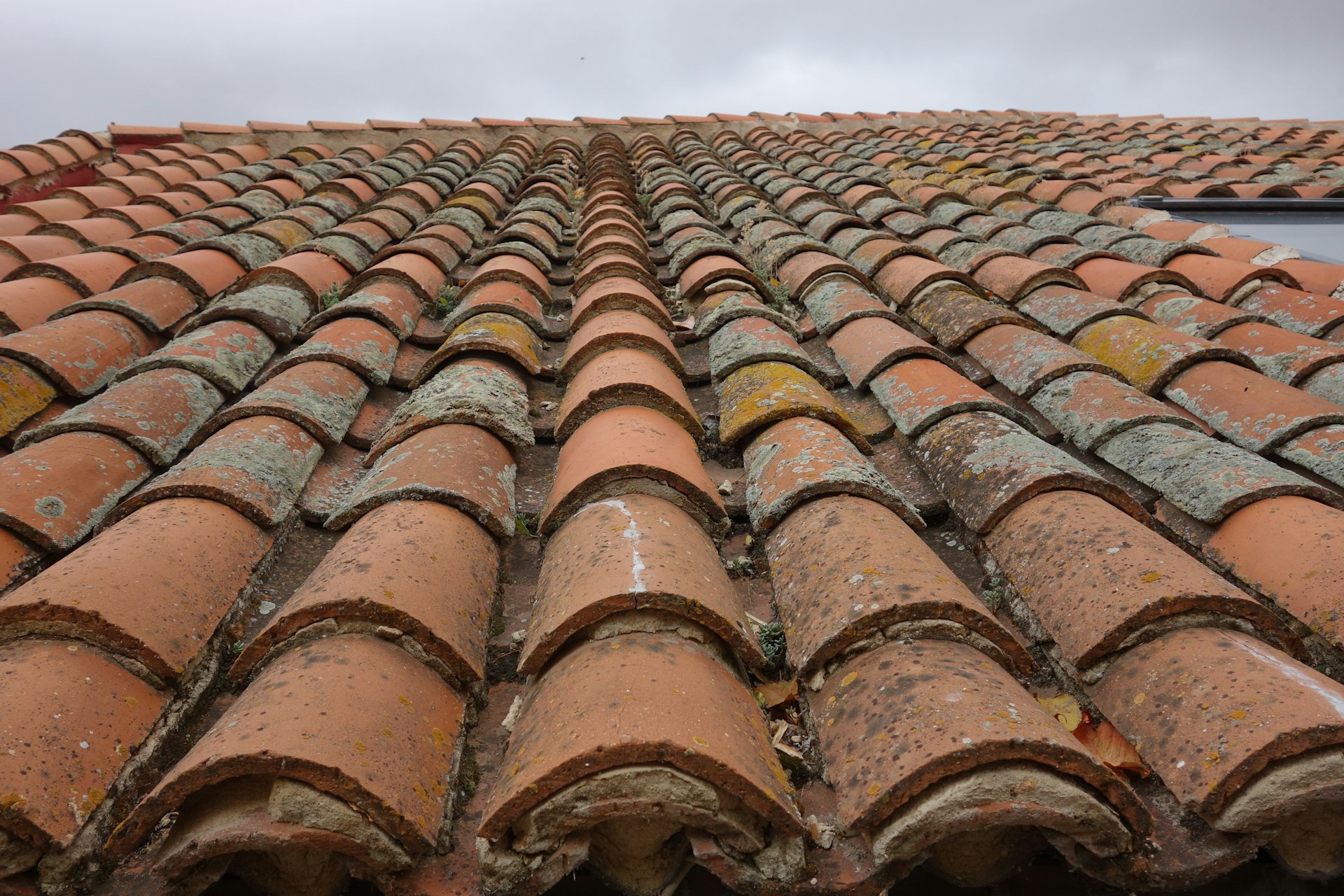
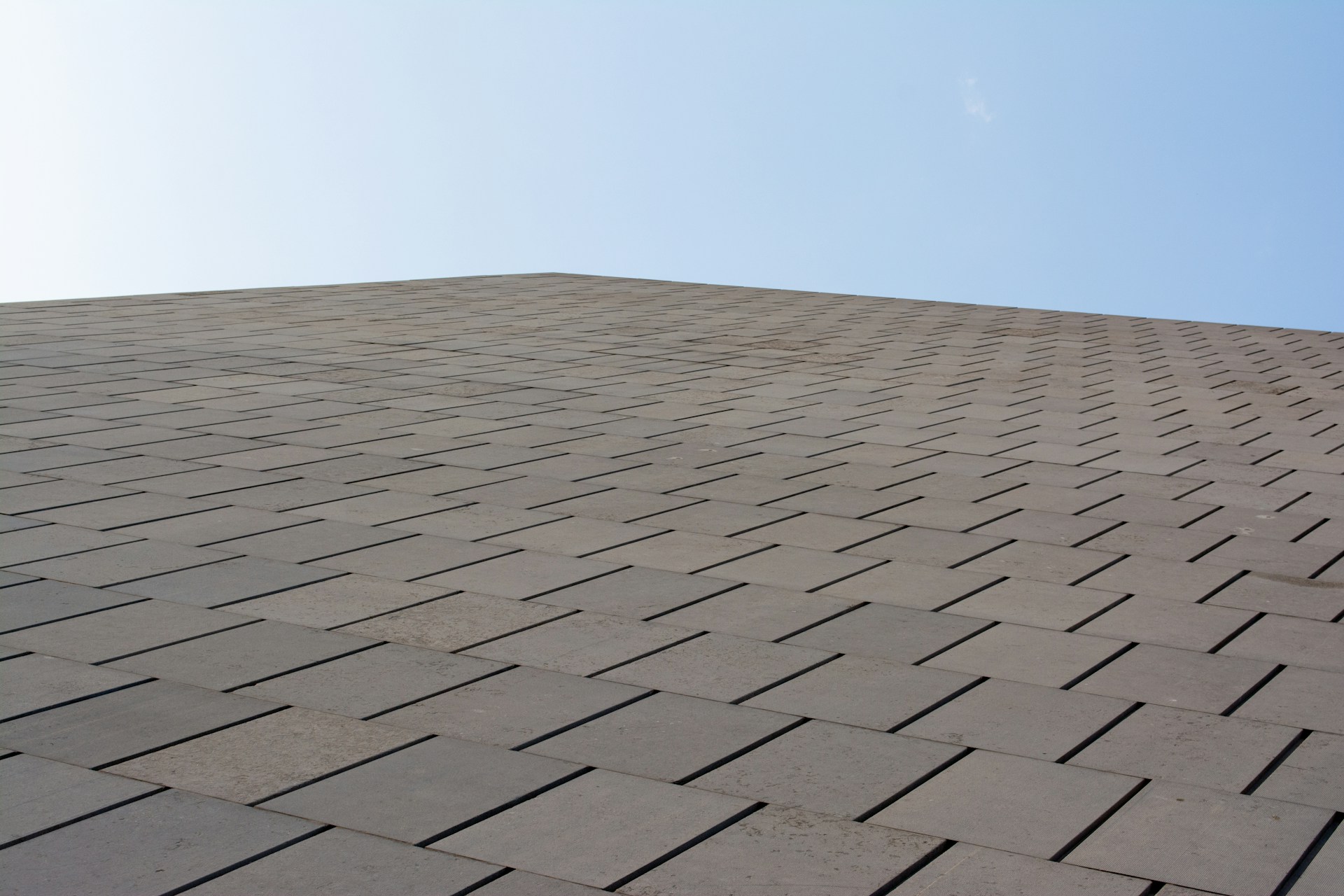
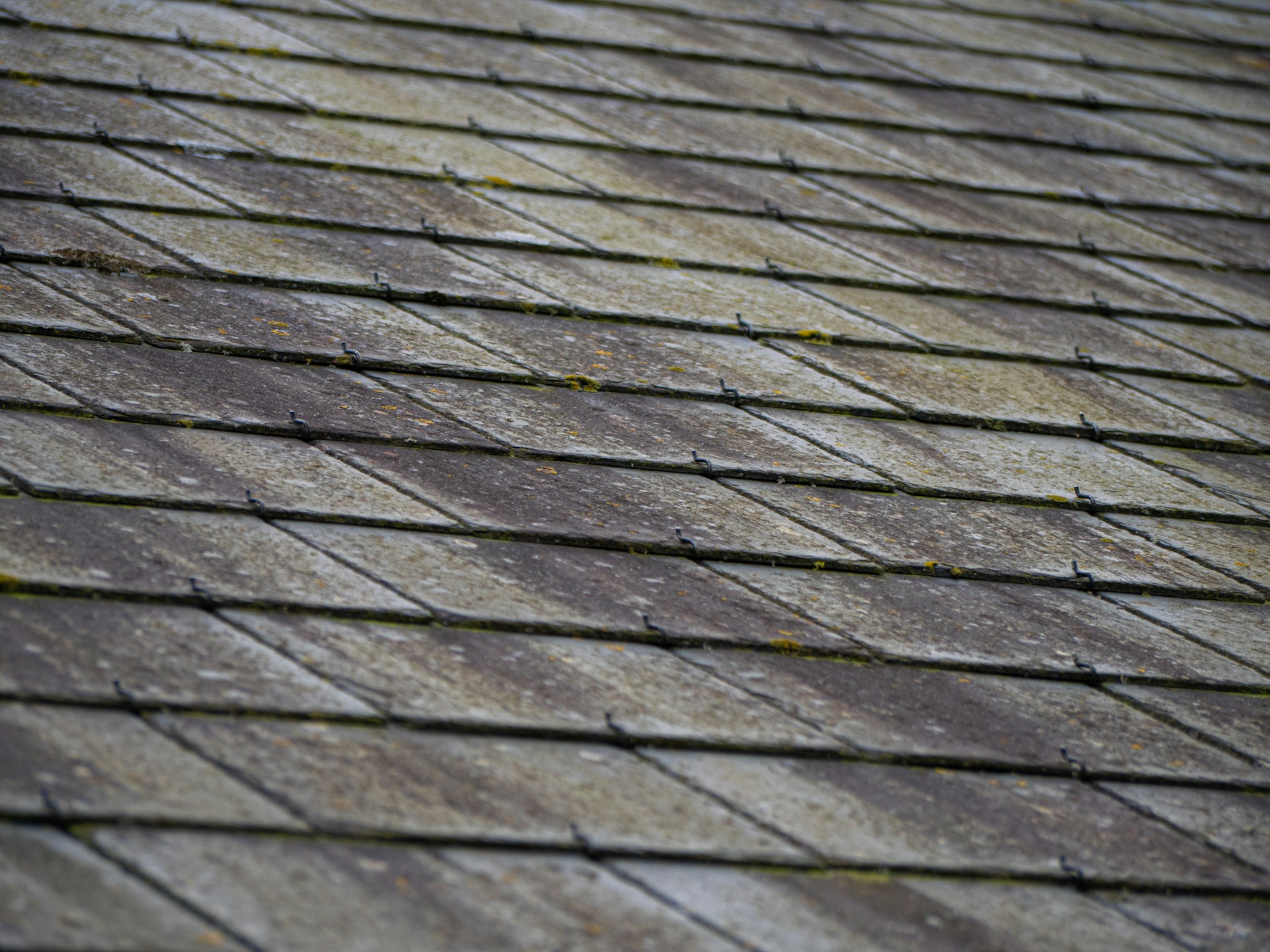
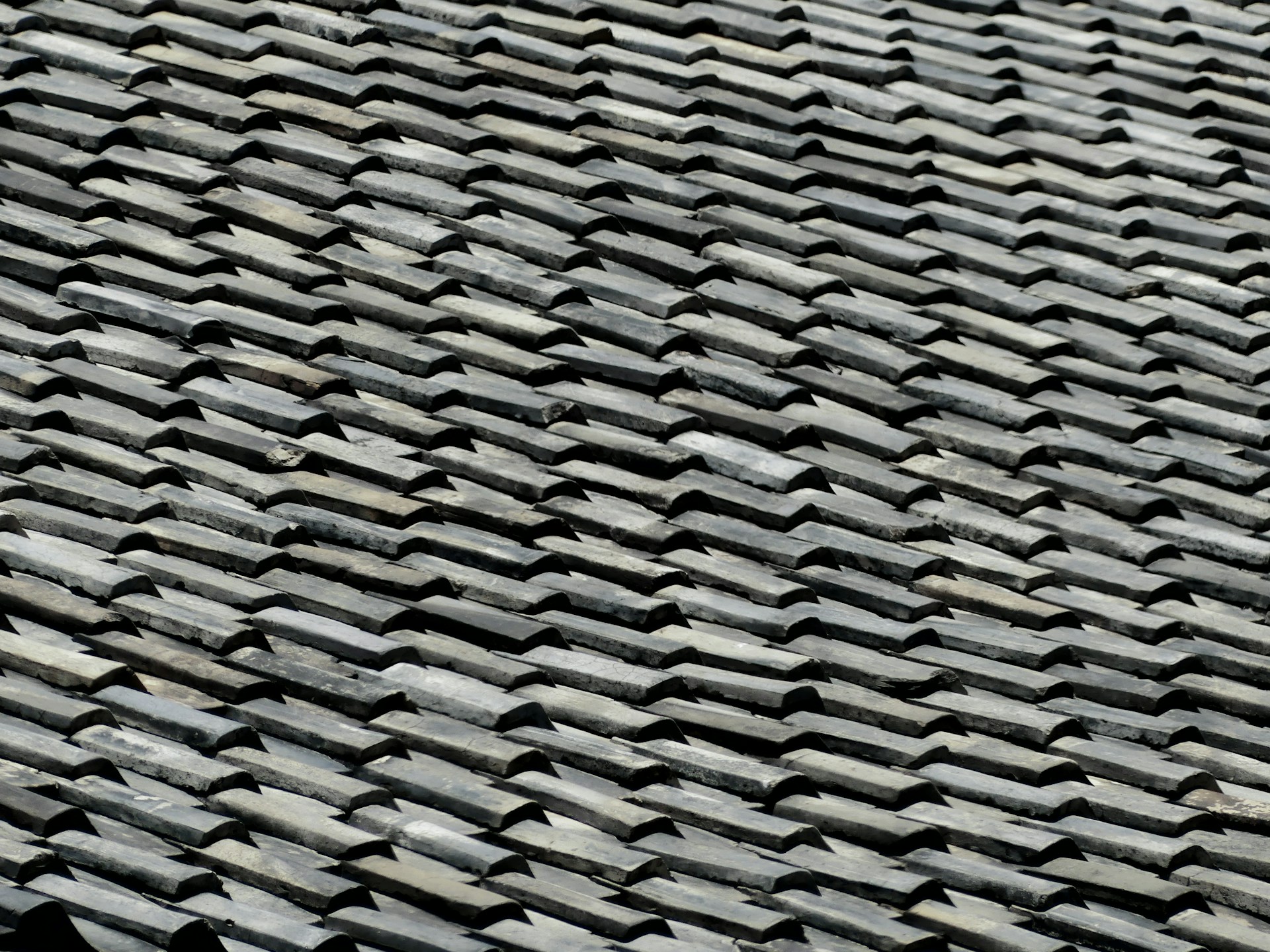
Reclaimed roofing materials come from older buildings and get reused on new or restored roofs. You’ll mostly see natural slate, clay tiles, terracotta, and sometimes specialty items like decorative ridge caps and finials.
Slate tiles usually date back to the 19th or early 20th century. Clay and terracotta tiles show their age—surface wear, color variation, all that. Each piece gets inspected, cleaned, and graded before it’s reused. Reclaimed Slate Roofing supplies a range and notes their origins and condition.
Expect some variation in thickness, nail-hole placement, and edge wear. That’s just the nature of the beast and it affects how pieces fit together and what fasteners you’ll need.
Benefits of Using Reclaimed Materials
Reclaimed materials keep the original look and craftsmanship of a historic roof. They match color, texture, and scale far better than modern reproductions, which really helps meet preservation guidelines and keeps a building’s historic value intact.
These materials are often durable—many slates and tiles have lasted a century or more. Reusing them cuts waste and reduces the need for new quarrying or production. You might save money on rare pieces that would otherwise cost a fortune to custom-make.
For restoration, having matching pieces means you don’t need to do obvious patch jobs. Reclaimed materials also bring a kind of unique character that new products just can’t fake.
Challenges and Considerations
Condition is all over the map. Some pieces are cracked, undersized, or have old nail holes. You’ll need to inspect each lot and sort by grade. Matching, trimming, and fitting irregular pieces takes time.
Supply can be tight for rare colors or profiles, so plan ahead. Handling costs run higher since reclaimed items need cleaning and careful shipping.
Installation really needs experienced roofers who understand how to flash, overlap, and fasten mixed-age materials. Always check local preservation rules—some jobs require documented provenance or specific grading to get approvals.
Sourcing Authentic Reclaimed Roofing Materials
You’re after slate, clay, or specialty tiles that fit the roof’s age, style, and performance needs. Focus on material type, verified origin, and physical condition to avoid headaches during installation.
Identifying Period-Appropriate Materials
First, document the roof’s original material: slate type, tile profile, thickness, and typical course size. Measure a surviving area or dig up old specs, then record color, gauge, and any unique features like margination or tooling marks.
Look for visual matches: grain, bedding plane, weathering. For clay and terracotta, note the firing color and edge shape. Keep sample pieces on site to compare before buying a full lot.
Ask for provenance when you need exact matches. Photos of the salvaged roof, demolition location, and age help prove authenticity. That’ll save you from mismatched batches during installation.
Finding a Reliable Reclaimed Roofing Supplier
Sourcing reclaimed roofing should be straightforward and predictable. You need verified materials, consistent grading, and delivery that aligns with your project schedule. Clear documentation and proper preparation remove uncertainty and reduce delays on site.
Consistent Supply and Proven Process
Reclaimed Slate Roofing sources reclaimed slate, clay, and terracotta directly from architectural demolition and historic structures. Each batch is inspected, cleaned, and sorted by size, thickness, and color before shipment. Materials are prepared for installation, so crews are not sorting or rejecting pieces on site.
Orders are handled with accurate counts and clear timelines. Delivery is made directly to jobsites, with secure packaging that protects materials during transit and simplifies unloading and staging.
Inspection and Batch Consistency
Every piece is vetted for structural integrity and surface condition. Defective or inconsistent materials are removed during sorting, ensuring reliable performance during installation. Batch identification allows for consistent matching across the roof and simplifies future repairs.
This level of preparation reduces waste and improves efficiency, especially on projects that require strict consistency for historic accuracy.
Efficient Ordering and Delivery
Materials are packaged for durability and shipped with defined lead times. Direct-to-jobsite delivery minimizes handling and keeps projects moving without unnecessary delays.
With verified sourcing, consistent preparation, and reliable logistics, reclaimed roofing becomes a dependable solution for restoration and high-end construction projects.
Assessing Material Quality
Check materials before you buy—look for cracks, delamination, and thinning. For slate, check bedding planes and thickness. For clay tiles, watch for hairline fractures and warping.
Ask for an inspection report or do a sample test: tap-test slate for a ring, mock up a course for alignment, or wet samples to see how color and porosity react. Confirm nail-hole locations and whether anyone’s done repairs.
Make sure you account for quantity and waste. Reclaimed materials usually need more pieces for cuts and breaks. Figure out a realistic overage (10–30% is common) and be sure your supplier can actually deliver before you commit.
Preparation and Restoration Techniques
Here’s where you clean, repair, and match reclaimed roofing so it lasts and fits the structure. Work in stages: inspect, process, repair, then test-fit before you go all-in.
Cleaning and Processing Reclaimed Materials
Start with a full inspection. Sort slates or tiles by size, thickness, and damage. Remove loose mortar, nails, and old fasteners—use hand tools to avoid cracking.
Use a low-pressure wash or soft-bristle brush and mild detergent for surface dirt and moss. Don’t use high pressure on thin or weathered slate; it can delaminate. For clay and terracotta, soak to loosen salts, then rinse and dry.
Dry materials on racks in a shaded, breezy spot—don’t bake them in the sun. Grade into A, B, and C bins: A for the best, B for repairs, C for cuts or specialty uses. Label batches with origin and size for easier matching.
Repairing and Reinforcing Salvaged Elements
Fix slates by consolidating edges with stone epoxy, or stitch cracks with stainless-steel pins if they’re structural. Replace busted nail holes with drill-and-insert stainless-steel sleeves. For clay tiles, use compatible mortars or flexible adhesives meant for exterior use.
Reinforce fragile pieces with backing plates or mesh if you have to reuse them in visible areas. Use stainless-steel or copper fasteners to avoid staining and rust. Keep repair materials compatible with the original stuff to prevent weird reactions or movement.
Tag each repaired piece with its repair type and load capacity. That way, installers know where to use them.
Ensuring Structural Compatibility
Measure roof pitch, batten spacing, and underlayment before you commit batches to the job. Match slate thickness and bite length to the original specs to keep water shedding and wind resistance where it should be.
Check the roof deck and rafters for rot or sagging—reclaimed materials add weight, so make sure the framing and fasteners can handle it. Upgrade underlayment to modern breathable membranes if needed, but make sure profiles match the slate or tile detail.
Test-fit at least a square meter to confirm overlap, flashing, and starter courses. Adjust batten layout or swap out marginal pieces you spot during test-fitting. If you need rare sizes or patterns, source extras early from stock like Reclaimed Slate Roofing to keep things moving.
Installation Best Practices for Historic Preservation
Use authentic reclaimed pieces, match the original fastening and layout, and prevent water and wind damage with proper underlayment and flashing. You’ll need to balance historic methods with code requirements and plan for long-term maintenance.
Matching Original Installation Methods
Document the existing roof pattern, exposure, and nail types. Measure slate lengths, bond lines, and courses so replacements line up visually and functionally.
Use traditional fasteners when you can—copper or stainless-steel nails sized to match originals. If the originals used hand-cut slates, set reclaimed pieces by hand to keep the same overhang and headlap. Reuse original battens or match their spacing to preserve drainage and load paths.
If mortar bedding was used, replicate its thickness and composition. Keep a small mock-up area to confirm fit and appearance before tackling the whole roof. Label reclaimed batches so similar colors and thicknesses stay grouped for a natural, consistent look.
Addressing Modern Building Codes
Check local code for wind uplift, fire rating, and egress before you start. Codes might require specific underlayment, fastener types, or spacing that don’t match historic methods.
Use modern underlayment or a breathable membrane if you have to, but pick materials that won’t trap moisture against reclaimed slate. Upgrade flashing to meet current standards—copper is usually allowed and works well with historic materials. In fire zones, make sure reclaimed tiles meet the right classification or add approved barriers.
Document any changes from historic technique and keep permits and test reports on-site. That helps inspectors approve the work while preserving as much authenticity as possible.
Preventing Future Deterioration
Control moisture by installing continuous, properly lapped underlayment and by detailing flashings at valleys, chimneys, and eaves. Make sure gutters and downspouts are sized and placed to move water away from the roof and foundation.
Fasten slates with corrosion-resistant nails and swap out any damaged or delaminated reclaimed pieces quickly. Use sacrificial cap flashing or replaceable battens in high-wear zones to make future repairs easier. Keep attic ventilation open and balanced to avoid trapping heat and moisture that can wreck roofing materials.
Set up a maintenance schedule: inspect after big storms, clear debris twice a year, and replace failed pieces within months of finding them. Good records of replacements and source batches from Reclaimed Slate Roofing will make future work faster and more accurate.
Environmental and Economic Impacts
Reclaimed roofing lowers embodied carbon, saves landfill space, and can cut material costs on restorations. It also affects project timelines, permitting, and long-term maintenance budgets.
Sustainability Benefits
Using reclaimed slate or clay keeps heavy, durable stone out of landfills. Each salvaged tile avoids new quarrying and the energy of manufacturing, which reduces embodied carbon for your project.
Historic materials tend to last longer than most modern options. That means fewer replacements over the years, so you burn less raw material and energy in the long run.
You also keep the original appearance and fabric of historic roofs. That helps meet preservation standards and can make approvals from local boards a bit smoother.
If you work with a vetted supplier like Reclaimed Slate Roofing, pieces arrive cleaned and graded. That lowers the risk of nasty surprises on the job and supports reliable reuse.
Cost Considerations
Reclaimed materials can be cheaper than custom new tiles but sometimes run higher than stock modern products. Price depends on rarity, condition, and the labor needed to inspect and grade each piece.
Factor in lower waste disposal fees and fewer long-term replacement costs. Slate that lasts 75–150 years saves money over its lifetime compared to, say, asphalt shingles.
You’ll pay more for careful removal, sorting, and matching. Skilled labor for salvage and installation can push up upfront costs, but that investment pays off in durability and authenticity.
Lock in pricing for material batches and delivery. Builder-direct suppliers often offer wholesale rates and faster shipping, which keeps schedules on track.
Reducing Waste Through Salvage
Salvage recovers usable tiles from demolition sites before they hit the landfill. That process diverts tons of material per project and keeps unique, hard-to-find colors and cuts in circulation.
Inspecting and grading during salvage weeds out damaged pieces, so only sound tiles make it onto your roof. That lowers your risk of leaks and rework.
Reuse also reduces demand for new extraction and production. For you, that means fewer supply-chain delays and better chances of finding materials that match existing historic roofs.
Work with suppliers who document origin and condition. Clear records help with permitting, insurance, and client trust while keeping your project efficient and compliant.
Reclaimed roofing materials provide a practical way to preserve historic roofs without compromising performance. When slate, clay, and terracotta are properly sourced and prepared, they deliver consistent installation, long-term durability, and an accurate match to original construction.
The key is control at every stage. Verified origin, thorough inspection, and consistent grading ensure materials perform as expected and integrate cleanly with existing structures. This reduces rework, limits waste, and keeps projects on schedule.
Reclaimed Slate Roofing supplies reclaimed roofing that is inspected, cleaned, and sorted for reuse. Materials are delivered ready for installation, helping contractors and architects complete restoration work efficiently while maintaining historic accuracy.
With the right materials and process, reclaimed roofing becomes a dependable solution for preservation projects. It supports long-term performance, protects architectural integrity, and keeps projects efficient from sourcing through installation.
Frequently Asked Questions
If you’re wondering where to find reclaimed roofing, how to value old slate, or how to match materials to a historic roof, this section’s for you. It covers sourcing, valuation, and the main benefits of reclaimed materials for preservation.
What are the best sources for reclaimed materials to preserve historic roofs?
Check out architectural salvage yards, deconstruction contractors, and demolition sites for historic buildings. These spots usually have original slate, clay, and specialty tiles that’ll match period roofs.
Reach out to preservation organizations and local historical societies. They often know about upcoming dismantlings or can connect you to good suppliers.
Look for suppliers who actually inspect and prep materials for reuse. Reclaimed Slate Roofing, for example, vets, cleans, and ships materials so they’re ready to install.
How do I determine the value of old slate roof tiles?
Start with condition: intact, solid slates are worth more than cracked or spalled ones. Thickness, size, and finished edges matter too.
Rarity and color patina can bump up the price—especially if the tiles came from a well-known building or are hard to find.
Don’t forget cleaning, freight, and sorting costs. Those add up and affect the tile’s real-world value.
Where can I find reclaimed roof tiles in my area?
Search online directories for salvage yards and reclaimed roofing suppliers. Use search terms like “reclaimed slate,” “antique clay tiles,” or “architectural salvage.”
Call local roofing contractors who do historic work. They often have leads or even stock on hand.
Ask your local preservation office about recent removals—they sometimes help with material reuse in the community.
What are the benefits of using reclaimed materials in roof preservation?
Reclaimed materials just look right—they match the original appearance, texture, and color in a way modern reproductions rarely do. That helps with preservation board approvals, too.
They’re tough. Natural stone and fired clay often outlast new stuff. Plus, using reclaimed pieces keeps waste out of landfills and means less quarrying.
If you find matching pieces locally, you can save time. Sometimes it’s cheaper than ordering custom replicas, too.
How can I ensure that reclaimed roofing materials are compatible with my historic property?
Measure your existing tiles—note thickness, exposure, and fastening style. Bring samples or clear photos when you’re out sourcing replacements.
Match material type first (slate or clay), then color, texture, and edge profile. That keeps the look consistent.
Test a small area before you go all-in. Check flashing, underlayment compatibility, and make sure your roof can handle the weight.
What guidelines should I follow when sourcing salvage roofing materials for a preservation project?
First off, check where the materials came from and what kind of shape they're in. It's a good idea to ask for inspection records, or at least some clear photos showing how they were used before and whether they're still up for the job.
You’ll also want to look into your local preservation board’s rules, plus the building codes. In a lot of historic districts, you can’t just grab any old thing—they might want proof that your materials match the original or that someone certified is doing the work.
On the practical side, order a bit more than you think you’ll need in case something breaks. Nail down your delivery dates, and make sure you’ve got a dry spot to stash everything once it arrives. That way, you’re less likely to hit snags or lose pieces to the weather.