When you're specifying materials for a historic home restoration, the roof becomes more than a weather barrier. It defines whether the project feels historically coherent once the work is complete.
Builders, architects, and restoration contractors know that roofing decisions carry unusual weight in preservation projects because the wrong material can immediately change the character of the structure.
Sourcing slate roofing for historic homes involves much more than finding material with a similar color. Successful restoration work depends on matching dimensions, thickness, surface texture, weathering patterns, and installation logic closely enough that the repaired or replaced sections blend naturally with the original roof.
Reclaimed Slate Roofing supplies hand-inspected reclaimed slate sourced directly from verified historic demolitions across the United States.
Material is sounded, culled, palletized, and prepared for freight shipment before leaving the yard, with most orders shipping within 3 to 7 business days after confirmation.
Key Takeaways
- Authentic reclaimed slate remains the strongest material choice for period-correct historic restoration.
- Matching historic roofing requires attention to size, thickness, exposure, and surface character, not just color.
- Preservation approvals depend heavily on accurate documentation and material specifications.
Why Authentic Slate Matters on Historic Structures
Historic roofs carry architectural information that newer materials rarely replicate successfully. Surface texture, dimensional variation, edge wear, and natural patina all contribute to the visual continuity of the structure.
When replacement material differs too sharply from the surviving roof, the transition becomes immediately visible. That can undermine restoration goals, complicate preservation approvals, and affect eligibility for historic tax credits on regulated projects.
Why Reclaimed Slate Is Usually the Closest Match
As outlined in National Park Service Preservation Brief 29, historic slate roofs are considered significant architectural features that should be repaired rather than replaced whenever possible.
Reclaimed slate comes from the same generation of material as many existing historic roofs, which makes it a much closer match than newly quarried alternatives in:
- texture,
- mineral composition,
- dimensional character,
- and a weathered appearance.
New slate can still perform well structurally, but it lacks the aged surface variation and softened character that older roofs naturally develop over decades of exposure.
How Surface Character Preserves Architectural Continuity
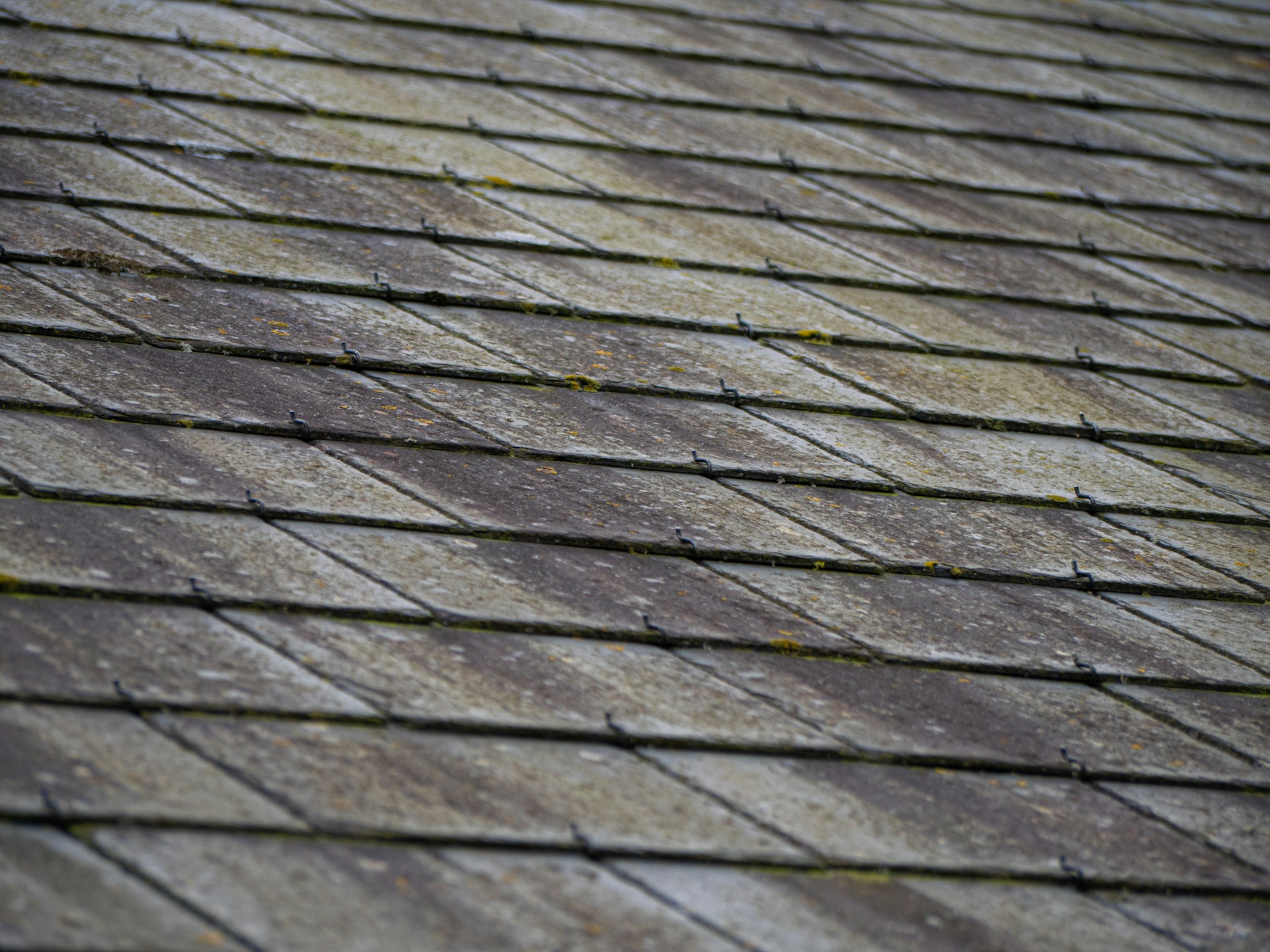
Historic slate develops subtle irregularities over time. Slight edge wear, tonal shifts, and surface weathering create visual depth that helps older structures feel cohesive rather than recently assembled.
Those details matter most on:
- Victorian homes,
- institutional buildings,
- churches,
- and architecturally significant residences where roof visibility plays a central role in the overall composition of the building.
Reclaimed material preserves that continuity far more effectively than synthetic substitutes or heavily uniform new slate.
Why Synthetic Alternatives Create Preservation Problems
Synthetic roofing products may resemble slate from a distance, but preservation review boards and experienced restoration professionals usually recognize the difference immediately.
Most synthetic products also have shorter expected lifespans than natural slate. Preservation guidelines frequently discourage substitute materials when original roofing types can still be sourced responsibly.
For projects involving:
- SHPO review,
- preservation easements,
- or historic tax credits, material authenticity becomes especially important.
Matching Existing Slate on a Historic Roof
Successful slate matching depends on understanding the original roof as a complete system rather than focusing on color alone.
Reading Size, Thickness, and Exposure Correctly
Before sourcing replacement slate, contractors should measure:
- tile length,
- width,
- thickness,
- and visible exposure.
Exposure refers to the visible portion of each slate below the overlapping course above it. If replacement material differs too much in thickness or exposure pattern, the repaired section may sit unevenly or interrupt drainage flow across the roof.
Historic roofs also commonly include dimensional irregularities that modern standardized products do not replicate naturally.
Understanding Historic Slate Color Families
Different slate regions produced distinct color ranges that became associated with specific architectural periods and regional building styles.
Grey reclaimed slate remains one of the most versatile restoration choices because it appears across many traditional American building styles.
Projects requiring more historically specific color matching may also use:
Deciding Between Repair and Full Replacement
If most of the existing roof remains structurally sound, targeted repair with reclaimed slate is often the preferred preservation approach.
Once failure rates become widespread across the roof system, full replacement usually becomes more practical operationally and financially. Even then, reclaimed slate still helps preserve the visual character of the original structure more effectively than modern substitutes.
Batch photos and thickness verification become especially important on partial repairs where the new material must blend directly into surviving roof sections.
Preservation Review and Material Specifications
Historic restoration projects often involve formal review processes before work begins.
How Preservation Standards Influence Roofing Decisions
Most U.S. preservation review frameworks follow the Secretary of the Interior’s Standards for Rehabilitation, which emphasize retaining original materials whenever possible and replacing deteriorated elements with matching materials in kind.
That standard strongly favors reclaimed slate for historic roofing because:
- composition,
- texture,
- profile,
- and weathered appearance align more closely with original installations than newly manufactured alternatives.
Accurate specifications also help avoid delays during review.
What Preservation Boards Usually Require
Most preservation authorities require:
- photographs of the existing roof,
- dimensional information,
- replacement material specifications,
- and visual documentation of the proposed slate batch.
The more precise the documentation, the smoother the approval process typically becomes.
Review boards are usually evaluating whether:
- the replacement material respects the building’s historic character,
- and whether the roof will continue reading as period-correct after restoration.
Writing Better Material Specifications
A strong reclaimed slate specification should identify:
- color family,
- dimensions,
- thickness range,
- surface condition,
- and inspection standards.
Noting that the material has been:
- hand-inspected,
- sounded,
- and culled also strengthens both preservation documentation and contractor bidding accuracy.
Clear specifications reduce misunderstandings later between suppliers, architects, contractors, and review boards.
How Slate Compares With Other Historic Roofing Materials
Slate is not appropriate for every historic structure, which is why understanding the broader roofing context matters during restoration planning.
Clay Tile on Mediterranean and Mission-Style Structures
Clay tile roofing is historically associated with:
- Mediterranean Revival,
- Mission,
- Spanish Colonial,
- and some Craftsman-era homes.
Those structures rely on curved profiles and terracotta surface character that differ substantially from slate installations.
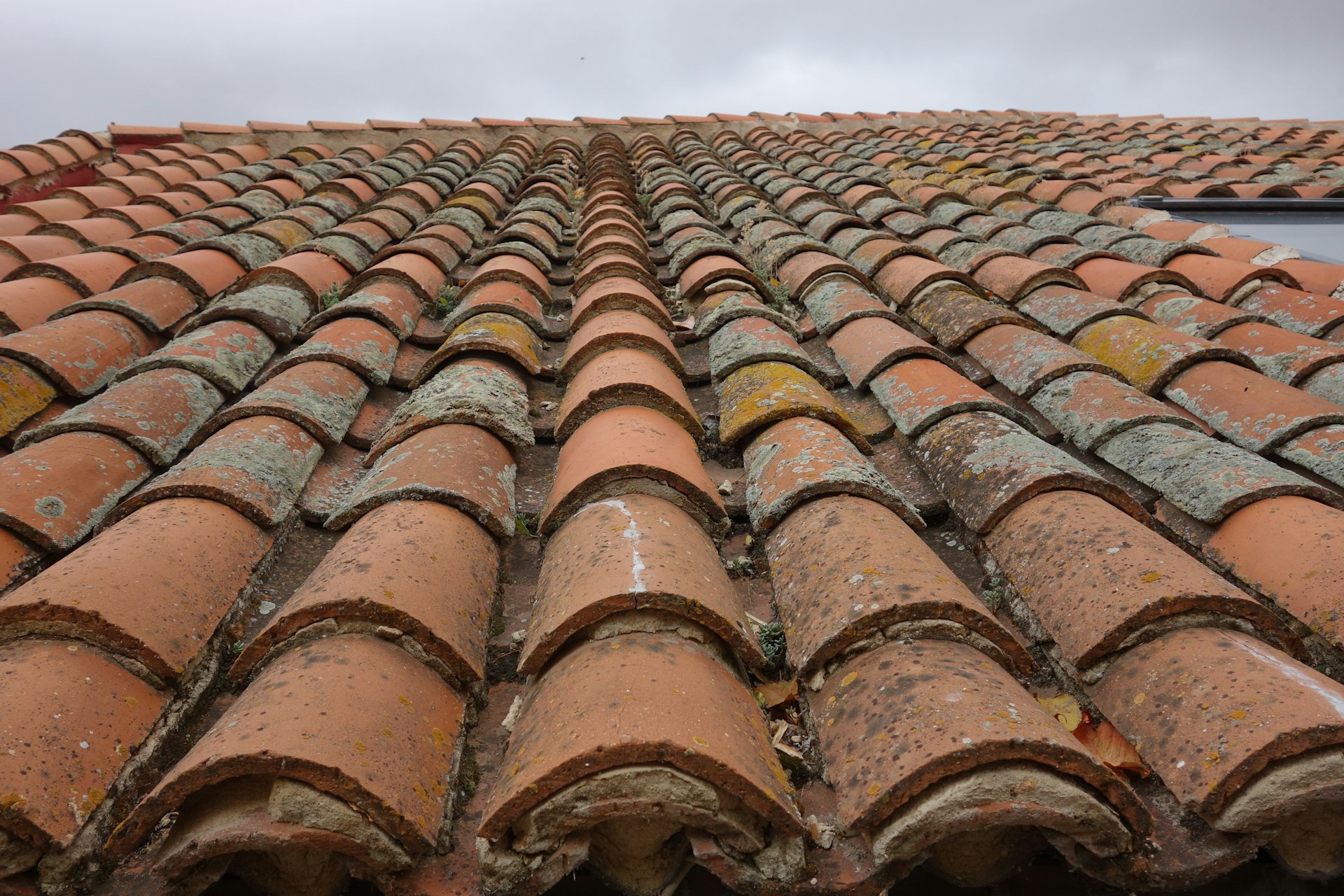
For projects requiring period-correct clay roofing, authentic reclaimed barrel clay roof tiles provide the appropriate visual and structural profile.
Wood Roofing on Early American Homes
Wood shingles and cedar shakes were historically common on:
- Colonial,
- Federal,
- and rural vernacular structures.
While visually appropriate for those building types, wood systems generally require more maintenance than slate and often have shorter service lives depending on climate exposure.
Historic Metal Roof Systems
Standing seam metal and copper roofs also appear frequently on:
- civic buildings,
- churches,
- and architecturally prominent homes.
Where historical evidence confirms metal roofing was original, restoration projects generally benefit from returning to that documented material type rather than substituting slate or tile.
Sourcing Reclaimed Slate for an Active Restoration Project
Reclaimed slate sourcing works differently than ordering standardized modern roofing products.
Inventory changes continuously as historic demolitions, roof recoveries, and restoration projects move material through the market.
What To Look for in a Reclaimed Slate Supplier
A credible supplier should:
- inspect each slate individually,
- sound material for hidden fractures,
- cull damaged pieces,
- and provide current batch photos before shipment.
Batch photography matters because reclaimed inventory is unique. Contractors need to verify:
- color consistency,
- thickness,
- and surface character before approving shipment.
Freight, Crating, and Delivery Planning
Most reclaimed slate ships:
- crated,
- palletized,
- and prepared for freight transport.
Projects without loading docks or forklifts should request liftgate service during scheduling rather than after dispatch.
Freight coordination also becomes especially important on active restoration sites with:
- limited staging areas,
- urban access restrictions,
- or narrow project timelines.
What To Confirm Before Final Approval
Before approving an order, confirm:
- dimensions,
- thickness range,
- waste allowance,
- freight requirements,
- and batch photos.
Freight damage should always be documented immediately upon delivery according to carrier procedures.
Because reclaimed slate inventory is finite and sales are generally final, careful approval before shipment is essential.
Making the Right Roofing Decision for the Restoration
The roofing decision on a historic structure affects:
- preservation approval,
- long-term performance,
- architectural integrity,
- and visual continuity.
Projects that begin sourcing early usually have more flexibility when matching:
- color,
- dimensions,
- and quantity requirements.
That becomes especially important when working with uncommon slate varieties or active preservation deadlines.
If your project is already moving into specification or planning, browse current reclaimed slate inventory or call 225-954-8393 to confirm availability, request batch photos, or discuss matching requirements before your timeline tightens.
Frequently Asked Questions
How Much Does It Usually Cost To Restore a Historic Slate Roof?
Pricing varies based on slate color, rarity, roof complexity, labor requirements, and whether structural repairs are also needed.
What Makes Reclaimed Slate Better for Historic Restoration?
Reclaimed slate matches the weathering, texture, and dimensional character of older roofs much more closely than newly manufactured alternatives.
How Can I Tell if an Existing Slate Roof Can Be Repaired?
A professional inspection involving sounding and tile evaluation can determine whether the majority of the roof remains structurally viable.
What Types of Slate Are Most Common on Historic American Homes?
Grey slate, purple slate, mottled green varieties, and Buckingham Black appear frequently across American residential and institutional architecture.
What Documentation Is Usually Needed for Preservation Approval?
Most review boards require roof photos, material specifications, dimensional information, and visual documentation of the proposed replacement slate.
How Should Reclaimed Slate Be Delivered and Stored on Site?
Slate should remain palletized on stable surfaces and protected from unnecessary impact before installation begins.