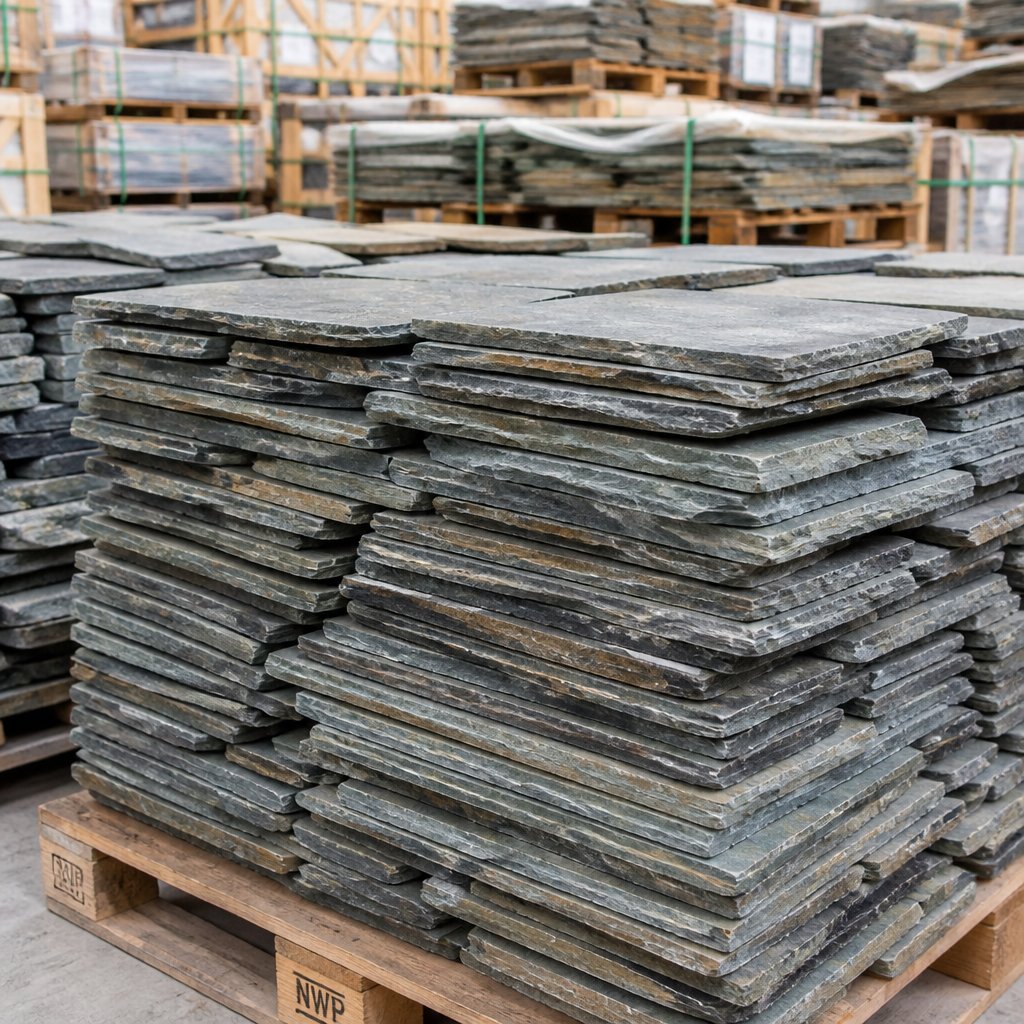
Buying wholesale reclaimed slate roofing sounds straightforward until you are three pallets deep and realize half the material does not match your existing roof field. The sourcing process for reclaimed roofing carries risks you will never face with new manufactured product.
Thickness varies. Colors shift between batches. Nail hole placement changes by region and era. If you are a contractor bidding a historic restoration or an architect specifying salvaged slate for a new build, the verification steps you take before you approve an order determine whether the material works or creates problems on the scaffold.
Reclaimed Slate Roofing supplies hand-inspected, builder-direct reclaimed slate and clay tile from verified historic structures, with most orders shipping in 2 to 5 business days.
Their process includes batch photos, material details, and direct communication before any order is confirmed, which is exactly the kind of documentation that matters when you are sourcing at wholesale volume.
Keep reading to learn how wholesale buying works differently for reclaimed inventory and what to check during material evaluation.
Learn how to match color and texture on repair jobs, which slate and tile types are commonly sourced for heritage work, and how freight and final sale terms affect your project timeline. Every detail here is written for the buyer who is close to placing an order and wants to get it right the first time.
What Wholesale Buying Really Means for Reclaimed Slate
Wholesale reclaimed slate operates on a fundamentally different model than ordering new roofing materials from a distributor catalog. You are buying finite salvaged inventory, not placing a production run, and that changes everything about how you source, verify, and schedule delivery.
How Reclaimed Inventory Differs From Standard Roofing Supply
Standard roofing supply chains let you order a specific SKU and receive identical units manufactured to a published spec. Reclaimed roof slate does not work that way. Each batch comes from a different historic building, which means size, thickness, color, and surface character shift from one lot to the next.
A batch of grey slate pulled from a 1920s schoolhouse in Pennsylvania will not look or measure the same as grey slate from an 1890s church in Vermont.
Architectural salvage inventory is also limited by what has been torn off and what passes inspection. You cannot call back to a quarry for another run if you come up short.
This makes early communication with your supplier critical, because once a batch is committed to your project, that material is gone from available stock.
The practical result is that buying reclaimed roofing materials requires you to evaluate product before you commit, not after it arrives. That evaluation step is what separates a smooth installation from an expensive mismatch. It is why the next section focuses specifically on what to look for before you approve.
Why Direct, Documented Stock Matters on Active Projects
When you are working against a project schedule, you need to know exactly what is in the warehouse before you commit.
Suppliers who maintain documented, photographed inventory let you confirm color, format, and quantity without guessing. Suppliers who broker material from unknown third parties add risk and lead time to every order.
Direct stock means the supplier has physically handled, inspected, and sorted the reclaimed slate sitting in their facility. You can request batch photos, ask about thickness range, and confirm nail hole patterns before anything ships.
This is especially important on jobs where a preservation architect has written a specification requiring period-accurate roofing materials from verified historic structures.
When Wholesale Reclaimed Slate Roofing Makes the Most Sense
Wholesale pricing becomes relevant when you are buying enough material for a full roof installation, a large-scale repair, or multiple projects. It also applies when you are sourcing directly from a lean supplier who cuts out retail markup. The table below shows common project types and typical quantity ranges where wholesale reclaimed slate becomes the practical choice.
Whether you are covering a single historic home or coordinating material for a row of brownstones, knowing what verification steps to take before approval keeps the project moving cleanly into the evaluation stage.
How to Evaluate Material Before Approval
Every piece of reclaimed slate carries its own history, which means your approval process needs to be more hands-on than checking a spec sheet. Evaluating material before it ships protects you from mismatches that are nearly impossible to fix once the crates are open on the jobsite.
Confirming Authentic Historic Origin
Genuine reclaimed slate comes from documented tear-offs of historic roofing systems, not from factory seconds or leftover quarry stock relabeled as salvage. Ask your supplier where the slate was pulled from and whether they can provide batch-level sourcing details.
As a benchmark, properly installed slate can last 60 to 125 years or longer, so authentic reclaimed material often still has decades of serviceable life remaining.
A supplier should be able to tell you the general region, building type, and approximate era for any batch. This matters most on restoration jobs where a State Historic Preservation Office (SHPO) or local review board requires documentation that replacement material is genuinely historic.
Checking Size, Thickness, and Exposure Compatibility
Reclaimed slate is almost always listed as random width within a given length. Common sizes include 20" x random, 18" x random, and 16" x random. Confirm the length matches your existing coursing or your planned exposure before you approve.
Thickness matters just as much. Sound reclaimed slate sourcing practice notes that reclaimed slate typically runs between 3/16" and 1/4" thick, though some regional types run heavier. If your existing roof uses a thinner profile, mixing in thicker reclaimed pieces creates visible stepping and poor weather sealing at the overlap.
Reviewing Soundness, Nail Holes, and Edge Condition
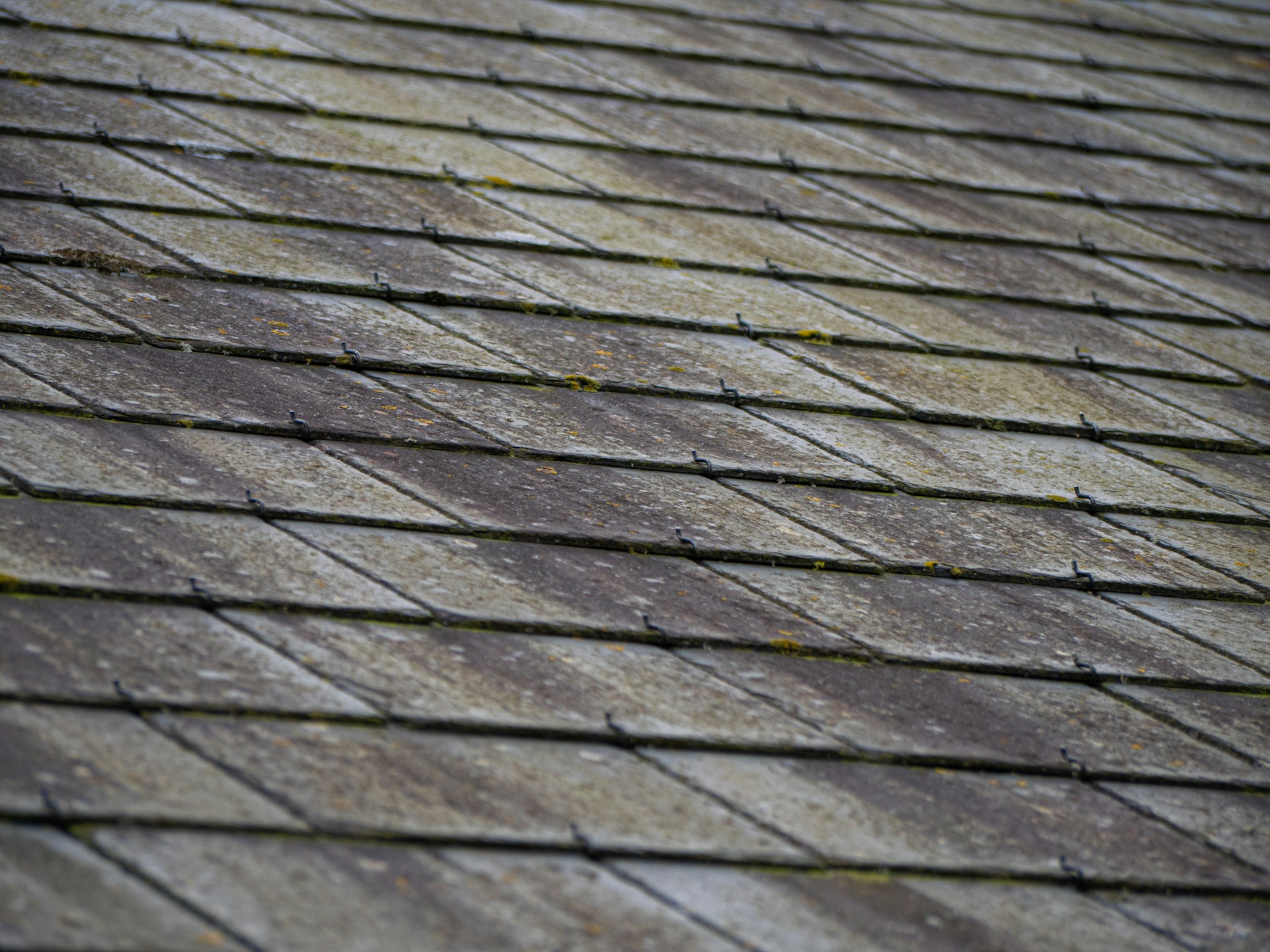
Sound each piece by tapping it. A clear ring means the slate is structurally intact. A dull thud or rattle indicates internal fractures. Reputable suppliers hand-sound and cull their stock before offering it. You should still verify this step is part of their process.
- Check that existing nail holes are not cracked or elongated.
- Confirm edges are clean with no flaking or delamination.
- Look for surface scaling, which signals the slate is past its useful life.
- Verify the back face is free of deep cracks that could split during nailing.
Edge condition and nail hole integrity directly affect how the slate seats on the batten or deck. A piece that looks good face-on but has a blown-out nail hole will fail within a few seasons. The matching and quantity planning in the next section builds on what you confirm here.
Matching Existing Roofs and Specifying Full Roof Quantities
Getting the right reclaimed slate is only half the job. Getting enough of it, in the right color and weathering profile, is where most sourcing decisions succeed or fail.
Repair Matching for Color, Weathering, and Texture
On a repair job, your replacement slate needs to blend with material that has been weathering in place for 80 to 120 years.
New quarried slate, even from the same geological region, will stand out sharply against an aged roof field. This is the core reason contractors and architects specify reclaimed material on historic buildings.
Color matching requires more than picking "grey" or "black." You need to compare the specific tone, surface patina, and any color drift caused by decades of UV and moisture exposure. Review batch photos side by side with close-up images of your existing roof.
Careful slate color matching can help you narrow the right tonal range before you request a sample or approve a batch.
Planning Quantities for Full Roof Installations
Full roof installations in reclaimed slate demand more planning than new material orders. You should calculate your square footage, convert to roofing squares, and then add a waste factor of 10% to 15%. The higher end of that range accounts for culling pieces that do not pass final inspection once unpacked.
For projects like a full restoration of a 19th-century Victorian in the Mid-Atlantic region, you may need 25 to 35 squares of consistently matched slate.
Sourcing that volume from a single batch or two closely matched batches produces the most cohesive roof field. Splitting across five or six unrelated batches almost always creates visible striping.
What Architects and Contractors Should Document Up Front
Before requesting a quote, gather the following details so your supplier can match inventory to your needs quickly:
- Existing slate size (length and width range)
- Approximate thickness
- Color and weathering profile (photos help)
- Total square footage and number of squares needed
- Roof pitch and exposure requirements
- Any preservation board or SHPO requirements
Having this documentation ready also speeds up the approval process. This directly affects how quickly material can ship to your jobsite.
Slate and Tile Options Commonly Sourced for Heritage Work
Reclaimed roofing inventory splits broadly into slate types identified by color and region, plus clay tile profiles tied to specific architectural traditions. Knowing which type fits your project narrows the search and prevents ordering the wrong material.
Black, Grey, and Regionally Identified Slate Types
Black reclaimed slate offers deep color with natural texture and strong contrast against lighter stone or siding.
Grey reclaimed slate carries neutral tones and soft weathering that work across traditional, transitional, and even contemporary designs. Both types retain their original uncleaned surface, which is the source of the patina and character that distinguishes them from new quarried product.
Regional identifiers like Peach Bottom, Bangor, or Buckingham refer to the quarry region where the slate was originally produced.
These names matter because each region produces slate with distinct color ranges, hardness, and expected lifespan. Knowing the region helps you compare cost and durability across types before you commit to a batch.
When Vermont Slate Is Relevant in Specifications
Vermont slate is one of the most commonly specified types in North American restoration work. It was quarried heavily from the mid-1800s through the early 1900s and appears on institutional, commercial, and residential buildings across the Northeast and Midwest.
Slate colors range from black and grey to green, purple, and red, with Vermont producing some of the widest slate color varieties available.
When a specification calls for Vermont slate, it typically means the architect needs a color and grain structure consistent with what that region produced historically.
Reclaimed Vermont slate sourced from tear-offs of period buildings is the closest match available. It is far closer than newly quarried stone from a different formation.
Clay Tile Profiles Such as Mission Tile and Other Historic Formats
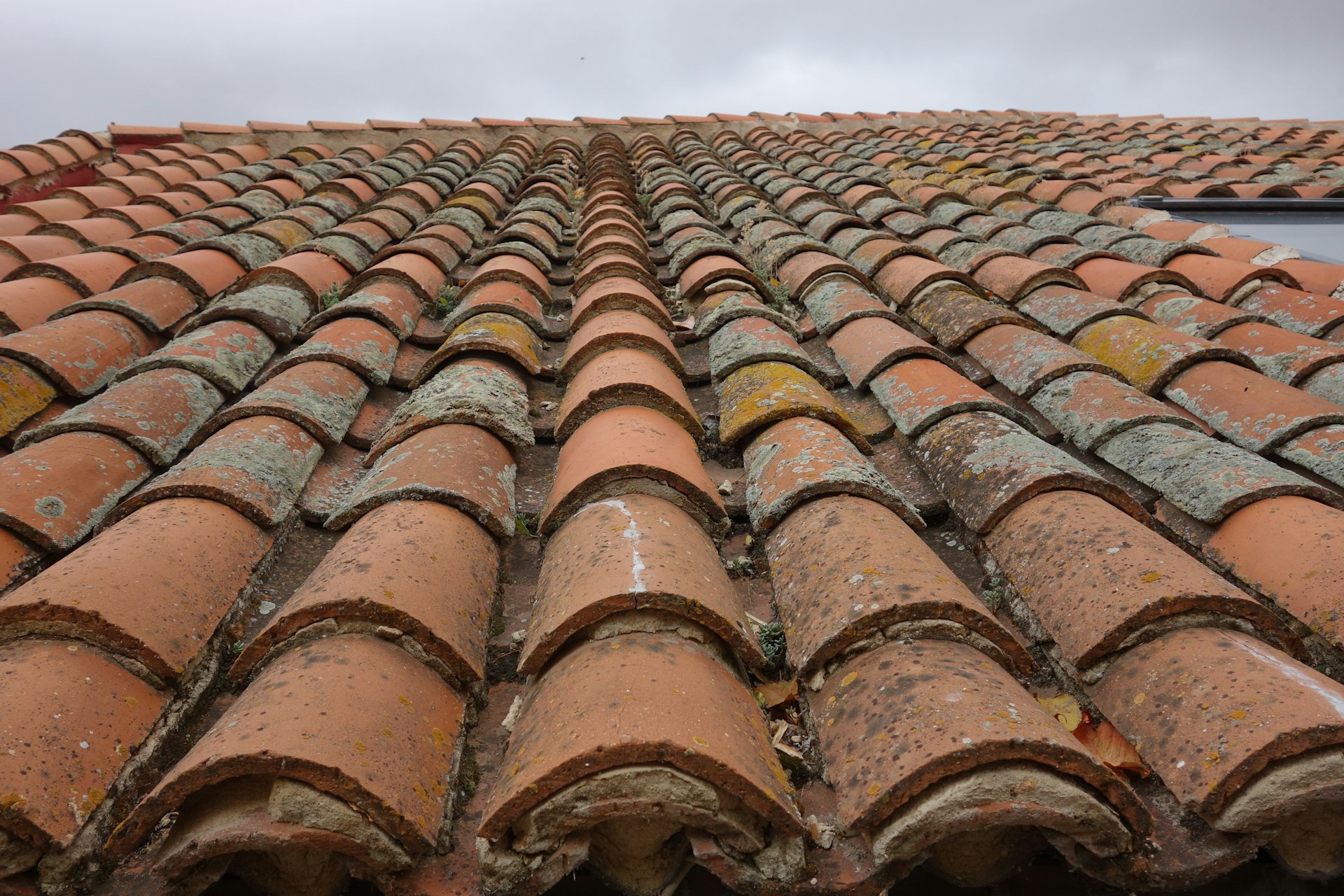
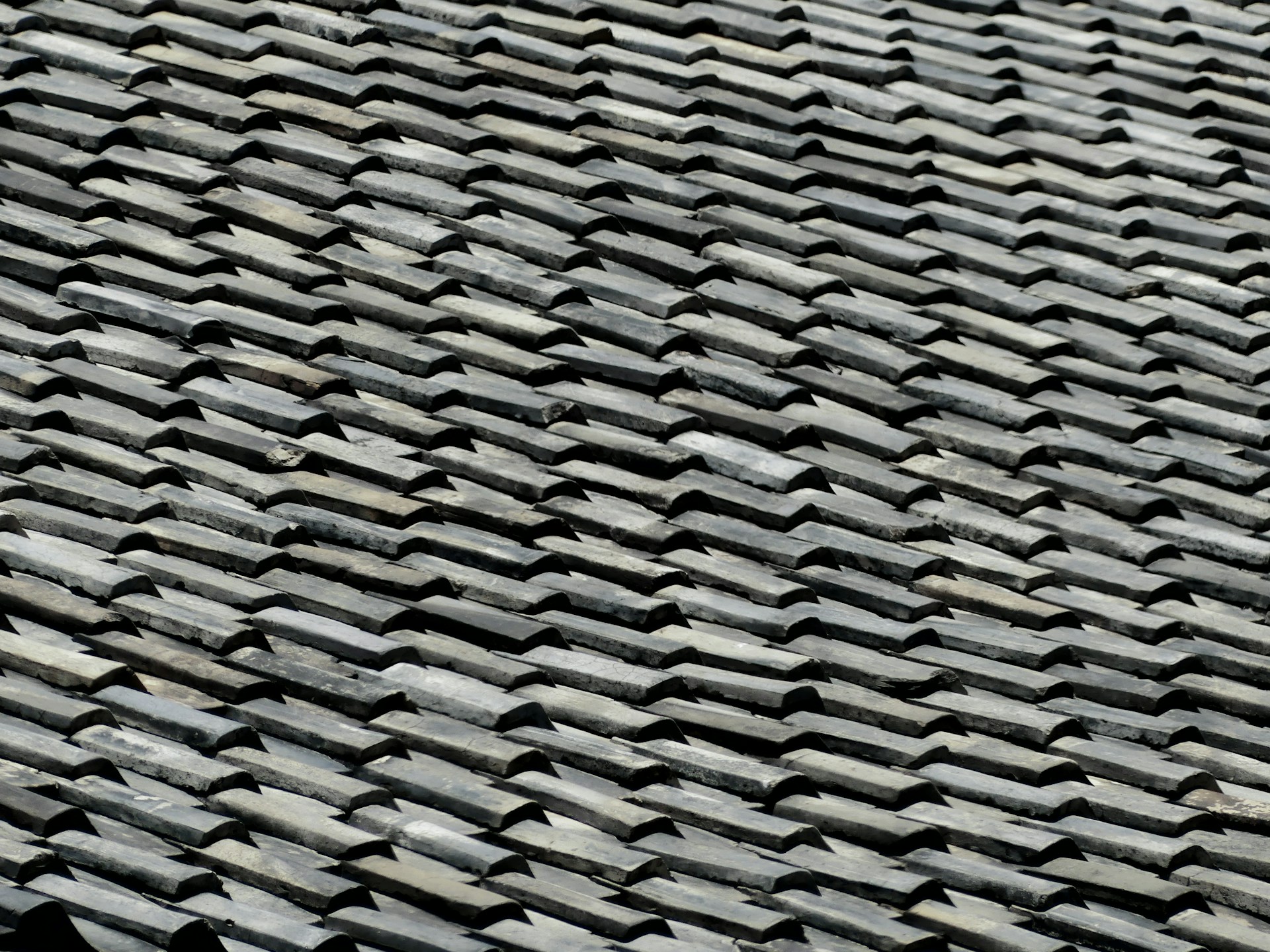
Heritage work is not limited to slate. Reclaimed clay roof tiles cover a wide range of profiles used across Spanish Colonial, Mediterranean Revival, and early 20th-century institutional buildings.
Mission tile, with its distinctive half-barrel shape, is one of the most requested formats for restoration projects in the Southeast, Southwest, and California.
When sourcing reclaimed clay for architectural projects, verify that the tile profile, size, and glaze, if present, match the existing roof system. Clay tile roofing demands the same level of batch verification as slate. The freight handling requirements are equally specific.
Freight, Lead Times, and Jobsite Logistics
Reclaimed roof slate ships as heavy, fragile freight. The way it is packed and delivered directly affects whether material arrives intact and ready to install.
What Crated and Palletized Delivery Should Include
Every order of reclaimed roofing materials should arrive securely crated and palletized. Loose slate stacked on a flatbed without crating will shift in transit and arrive with broken corners and cracked faces. Proper packaging means:
- Slate sorted and stacked by size within each crate
- Crates banded and secured to pallets
- Weight distributed to prevent crushing during transport
- Liftgate service available if your jobsite lacks a forklift
Crating quality is not a detail to overlook. A well-packed pallet delivers a 2% to 3% transit damage rate. A poorly packed one can hit 10% or higher. This blows up your waste factor and your budget.
Typical Turnaround and Delivery Coordination
Most orders of reclaimed slate ship within 2 to 5 business days after order confirmation. Your supplier should provide tracking details and coordinate delivery scheduling so your crew knows exactly when to expect the freight.
Nationwide freight delivery is standard for suppliers who serve builders and contractors directly. For a roofing crew working on a historic courthouse restoration in a downtown core, coordinated delivery with time-window scheduling prevents the crate from sitting on a sidewalk or blocking a lane while you wait for a forklift.
Choosing Materials That Fit the Building and the Schedule
The right reclaimed slate balances what the building needs architecturally with what is available in inspected, ready-to-ship inventory right now.
Balancing Authenticity, Cost, and Availability
Authentic reclaimed slate costs more than asphalt but competes well against new natural slate. This is especially true when you factor in the patina and character that only aged material provides. A wholesale slate pricing breakdown by color, size, and regional type helps you budget accurately before requesting a formal quote.
Rare colors like purple, mottled green, or Buckingham Black carry a premium because supply is limited to what comes off existing historic roofs.
Standard grey and black are more readily available and ship faster. Matching your project's visual requirements to current inventory is the most practical way to control cost without compromising the finished product.
Why Reuse Matters in Practical Building Terms
Reusing historic roofing materials keeps functional stone out of landfills and reduces the demand for new quarrying.
For projects pursuing LEED-related Materials and Resources credits, reclaimed slate can contribute to those goals. The EPA framework for demolition material reuse encourages diverting reusable building materials from disposal, and reclaimed slate fits that model directly.
Beyond the environmental angle, reclaimed natural slate carries a proven track record. Material that has already survived 75 to 100 years on a roof has demonstrated its durability under real weather conditions, not just in a lab.
What to Have Ready Before Requesting Pricing
Before you call for a quote, have these details organized:
- Roof square footage and pitch
- Required slate size (length and width range)
- Preferred color or acceptable color range
- Delivery address and site access details (forklift available or liftgate needed)
- Project timeline and preferred ship date
- Any preservation board or architectural review requirements
With that information ready, a supplier can match available inventory to your specs and build a quote quickly. This keeps your project on schedule instead of stalling during the sourcing phase.
From Verification to a Confirmed Order
You now know what to verify, how to evaluate material, and what logistics to expect when buying wholesale reclaimed slate roofing. The difference between a successful sourcing decision and a costly mismatch comes down to the verification steps you take before the order is confirmed.
If you know your sizes, colors, and quantities, call Reclaimed Slate Roofing directly at 225-954-8393 to check what is in stock and get a quote built around your project specs. If you are still narrowing it down, browse current slate inventory and see what sizes, colors, and formats are available to ship this week.
Frequently Asked Questions
How Do You Verify Reclaimed Slates Are Authentic and Not Reproductions Before They Ship?
Ask your supplier for batch-level sourcing details, including the region, building type, and approximate era of the tear-off. Genuine reclaimed slate shows natural patina, weathering, and original nail holes that manufactured product cannot duplicate. Reputable suppliers provide batch photos and material details for approval before shipping.
How Is Reclaimed Slate Priced by the Square, and What Drives Cost Differences Between Colors Like Purple, Mottled Green, and Buckingham Black?
Pricing varies by color, size, regional type, and current inventory levels. Rare colors like purple and Buckingham Black cost more because supply depends entirely on what gets salvaged from historic demolitions. A pricing breakdown by color and size can help you compare before requesting a formal quote.
What Should I Expect in Waste Factor and Matching Consistency When Blending Salvaged Slates From Multiple Tear-Offs?
Plan for a 10% to 15% waste factor to account for pieces that do not pass final on-site inspection. Blending slates from multiple tear-offs increases color variation, so request batch photos from each lot and compare them side by side before approving a mixed order.
How Fast Can Job-Site Ready Reclaimed Slate Ship, and What Does Coordinated Freight Delivery Look Like for a Roofing Crew?
Most orders ship within 2 to 5 business days after confirmation, crated and palletized for jobsite readiness. Coordinated freight delivery includes tracking details, delivery scheduling, and liftgate service on request so your crew can plan around the arrival window.
What Paperwork and Photos Are Available to Document Sourcing From Verified Historic Structures for an Architect's Spec Package?
Batch photos, material condition notes, and sourcing details are typically available before order confirmation. For projects requiring documentation for a preservation board or SHPO review, ask your supplier what provenance records they can provide as part of the order package.