If you’re sourcing reclaimed slate roof tiles for an active project, the decisions you make early will shape everything that follows. Size, color consistency, lead times, and batch quality all affect installation, scheduling, and long-term performance.
Builders, roofers, and architects usually do not have time to sort through vague inventory claims or inconsistent material once a project is underway. Reclaimed Slate Roofing sources genuine slate from verified historic demolitions and roof recoveries across the United States.
Every batch is hand-inspected, sounded, culled, and prepared for shipment before it leaves the yard. Most orders ship within 3 to 7 business days with coordinated job-site delivery and builder-direct pricing.
Key Takeaways
- Authentic reclaimed slate offers proven durability, natural patina, and a closer visual match for restoration work than newly quarried material.
- The most important sourcing decisions involve supplier vetting, batch consistency, sizing, and freight coordination.
- Builder-direct reclaimed slate is often more practical for active projects than many contractors initially expect.
What Makes Authentic Heritage Slate Worth Sourcing
Reclaimed slate has already proven its durability through decades of exposure. Many pieces removed from historic roofs still retain the structural integrity needed for another generation of use.
This is one reason reclaimed material continues to appeal to restoration architects and experienced roofing contractors.
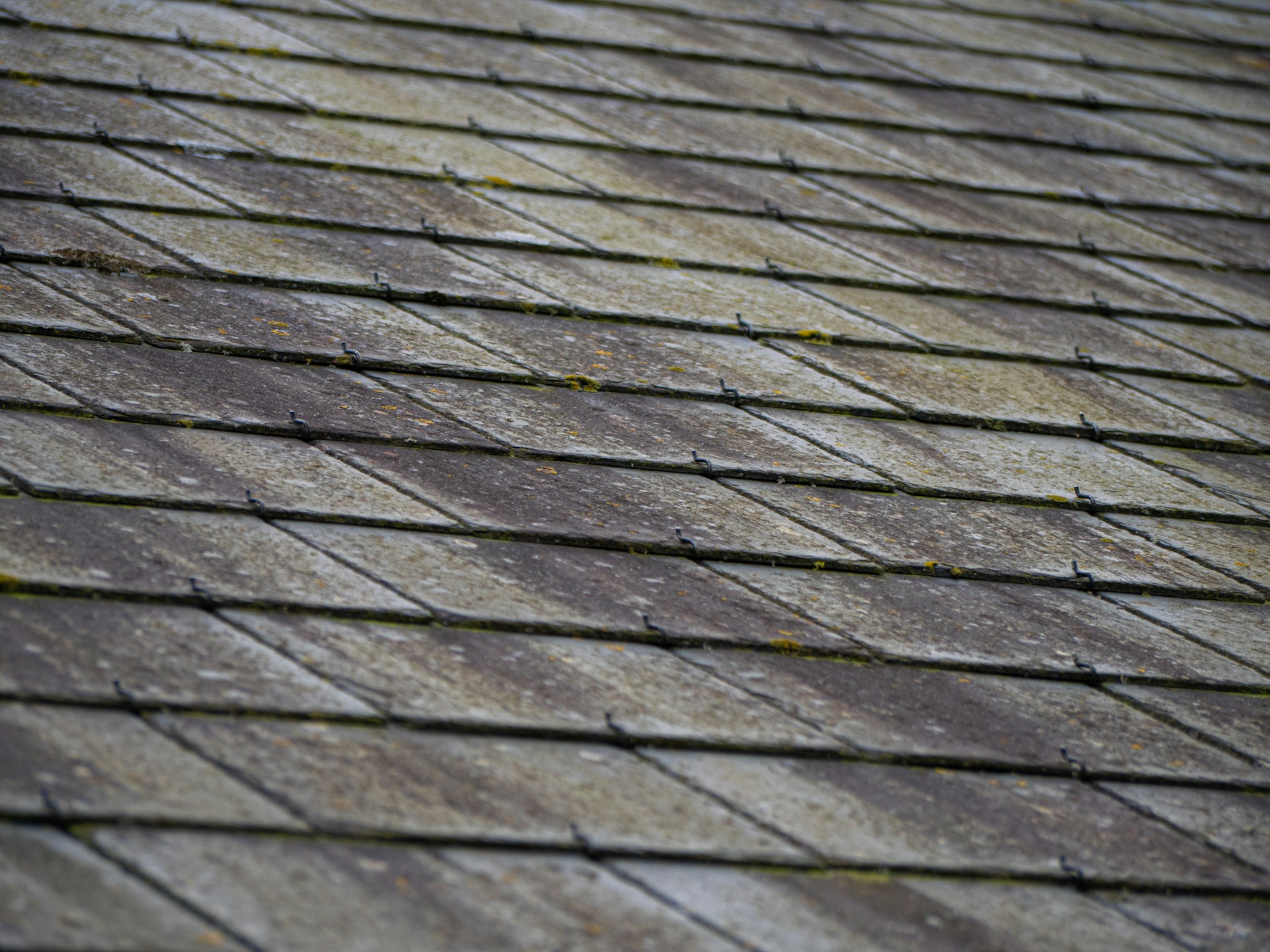
Unlike newly quarried slate, reclaimed material develops natural weathering, softened edges, and surface patina over time. Those visual characteristics matter on historic buildings because they allow repairs and additions to blend naturally with the original roofline instead of standing out immediately.
That same aged appearance also appeals to luxury residential projects where owners want roofing materials with visible character rather than a uniform manufactured look.
Why Matching Existing Roofs Is Usually Easier With Reclaimed Slate
Matching an existing slate roof involves more than choosing the correct color. Thickness, exposure, edge wear, and surface texture all influence whether a repair blends properly once installed.
New slate may approximate the original tone, but it often lacks the weathered texture and dimensional consistency found on older roofs. Reclaimed slate from similar periods and regions typically creates a much closer visual match, particularly on historic institutional and residential structures.
Before approving any order, contractors should review:
- batch photos,
- edge profiles,
- thickness consistency,
- and overall surface character.
That process reduces surprises once material arrives on site.
Where Reclaimed Slate Works Best
Reclaimed slate is commonly specified for:
- historic restorations,
- partial roof repairs,
- church and institutional projects,
- and high-end residential construction.
For restoration work, reclaimed material often becomes the only practical option when preservation standards require period-correct roofing. On new construction, reclaimed slate introduces texture and variation that would otherwise take decades to develop naturally.
Choosing the Right Slate Size, Color, and Batch
Most sourcing issues begin with specification mistakes rather than shipping or installation problems. Confirming the right dimensions and visual characteristics early simplifies the rest of the project considerably.
Understanding 20-Inch, 18-Inch, and 16-Inch Random Slate
The most common reclaimed slate formats include:
- 20-inch random width,
- 18-inch random width,
- and 16-inch random width.
Larger formats generally create a heavier visual rhythm and are often used on steeper or more prominent rooflines. Smaller formats work well for repairs, tighter roof geometry, or projects matching historic installations with narrower exposure patterns.
Random-width slate maintains a consistent length while allowing width variation across the roof surface. That irregularity contributes to the visual depth associated with older slate roofs.
How Color Variations Affect the Finished Roof
Color selection changes the overall architectural feel of the project.
Reclaimed black slate creates stronger contrast and works particularly well on institutional buildings and darker exterior palettes. Grey reclaimed slate remains one of the most versatile options for Colonial, Georgian, and traditional residential architecture.
Projects requiring historically specific tones may also use:
- purple slate roofing,
- Buckingham Black slate,
- or mixed weathering varieties.
Because reclaimed inventory changes constantly, reviewing actual batch photos before shipment is essential.
Matching Thickness and Exposure for Restoration Projects
Restoration work requires close attention to thickness and exposure. Slates that differ too much from the existing roof can create uneven courses and installation complications.
Exposure refers to the visible portion of each slate beneath the overlapping course above it. Matching that exposure pattern helps maintain the roof’s original proportions and drainage behavior.
Reviewing side-profile photos before shipment allows contractors and architects to verify consistency before approving a batch.
How To Evaluate a Reclaimed Slate Supplier
Material quality depends heavily on how the slate was recovered, sorted, stored, and inspected after removal.
Why Inspection, Sounding, and Culling Matter
A credible supplier should inspect every slate individually before shipment.
Hand inspection identifies visible defects such as cracks, surface delamination, and structural damage. Sounding helps identify hidden fractures by tapping each piece and listening for a clear ring rather than a dull response. Culling removes damaged pieces before the order is palletized.
Without those steps, defective material often reaches the job site mixed directly into otherwise usable batches.
What To Review Before Approving a Batch
Before confirming an order, contractors should request:
- overhead batch photos,
- close-up surface details,
- edge-profile images,
- and freight information.
Those materials help verify consistency across the order and reduce the risk of mismatched slate arriving on site.
Because reclaimed inventory is unique and sales are typically final, approval before shipment becomes one of the most important quality-control stages in the process.
Reliable reclaimed suppliers should be able to explain:
- where the slate originated,
- how it was processed,
- And what condition standards were used before shipment?
Pricing, Freight, and Wholesale Ordering Reality
Reclaimed slate pricing depends on several practical variables, not simply square footage alone.
What Usually Drives Reclaimed Slate Pricing
Pricing changes based on:
- size,
- color rarity,
- thickness consistency,
- sourcing difficulty,
- and grading requirements.
Large-format slate and rare color blends generally cost more because fewer usable pieces survive salvage, and matching demand remains high among restoration projects.
Graded material that has already been inspected and sorted also commands higher pricing because contractors avoid the labor of processing mixed lots themselves.
Why Builder-Direct Pricing Looks Different From Retail
Retail reclaimed roofing pricing often includes multiple layers of markup involving brokers, distributors, and storage facilities.
Builder-direct suppliers simplify that process by sourcing, inspecting, and shipping material from a single operation. Reclaimed Slate Roofing works directly from recovered inventory rather than routing material through showroom networks or reseller channels.
That structure generally creates more predictable pricing and faster shipment coordination for active projects.
Details Contractors Should Confirm Before Ordering
Before approving a quote, confirm:
- exact slate size and quantity,
- approved batch photos,
- freight costs,
- delivery requirements,
- turnaround timeline,
- and unloading needs.
Projects without loading docks or forklifts should also request liftgate service during scheduling rather than after shipment has already been dispatched.
Freight Timing and Job-Site Delivery Expectations
Reclaimed slate projects move more smoothly when freight coordination is handled early.
What a 3-to-7 Business Day Shipment Timeline Means
Most reclaimed slate orders ship within 3 to 7 business days after:
- batch approval,
- quote confirmation,
- and freight coordination.
That timeline refers to shipment preparation, not final delivery arrival. Freight transit times vary depending on destination and carrier scheduling.
Delays usually happen because:
- approvals remain pending,
- Freight details change late,
- Our site access requirements were not clarified initially.
How Slate Is Prepared for Transport
Orders typically ship:
- crated,
- palletized,
- and secured for freight movement.
Proper palletization reduces edge damage and simplifies unloading once the shipment reaches the project site. Contractors should inspect freight immediately upon arrival and report visible shipping damage promptly according to carrier requirements.
Starting a Match Request or New Order
For repair or restoration projects, suppliers usually need:
- roof photos,
- approximate quantities,
- slate dimensions,
- and color references.
Once those details are reviewed, the supplier can assemble a matching batch and provide approval photos before processing the order.
That workflow keeps the process efficient while reducing avoidable revisions later.
Reclaimed Slate for Active Restoration and New Construction Projects
Historic restoration projects continue driving strong demand for reclaimed slate because preservation standards often require authentic materials rather than modern substitutes.
The material also remains popular for:
- institutional projects,
- estate homes,
- and architect-driven residential construction where natural variation and aged texture matter visually.
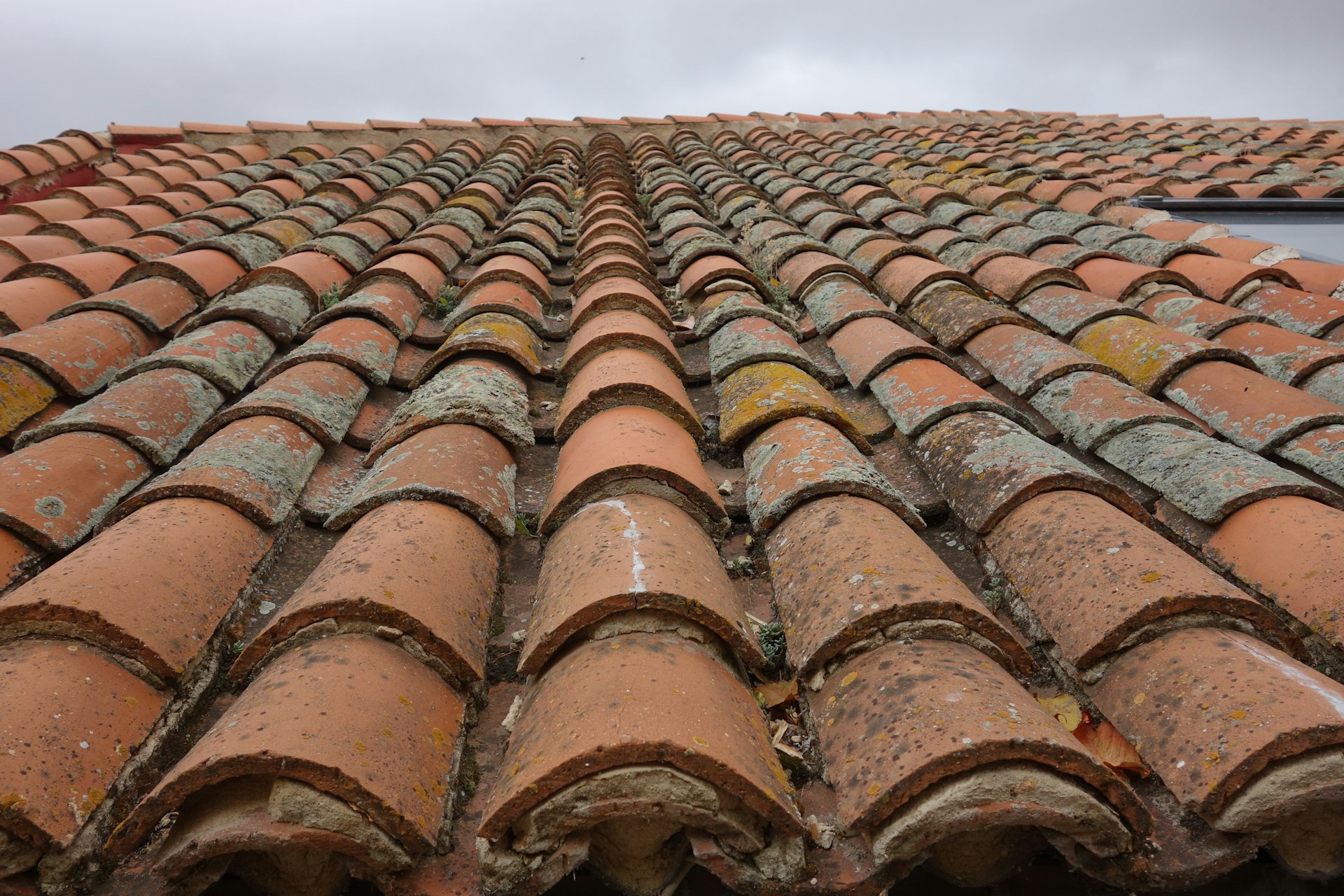
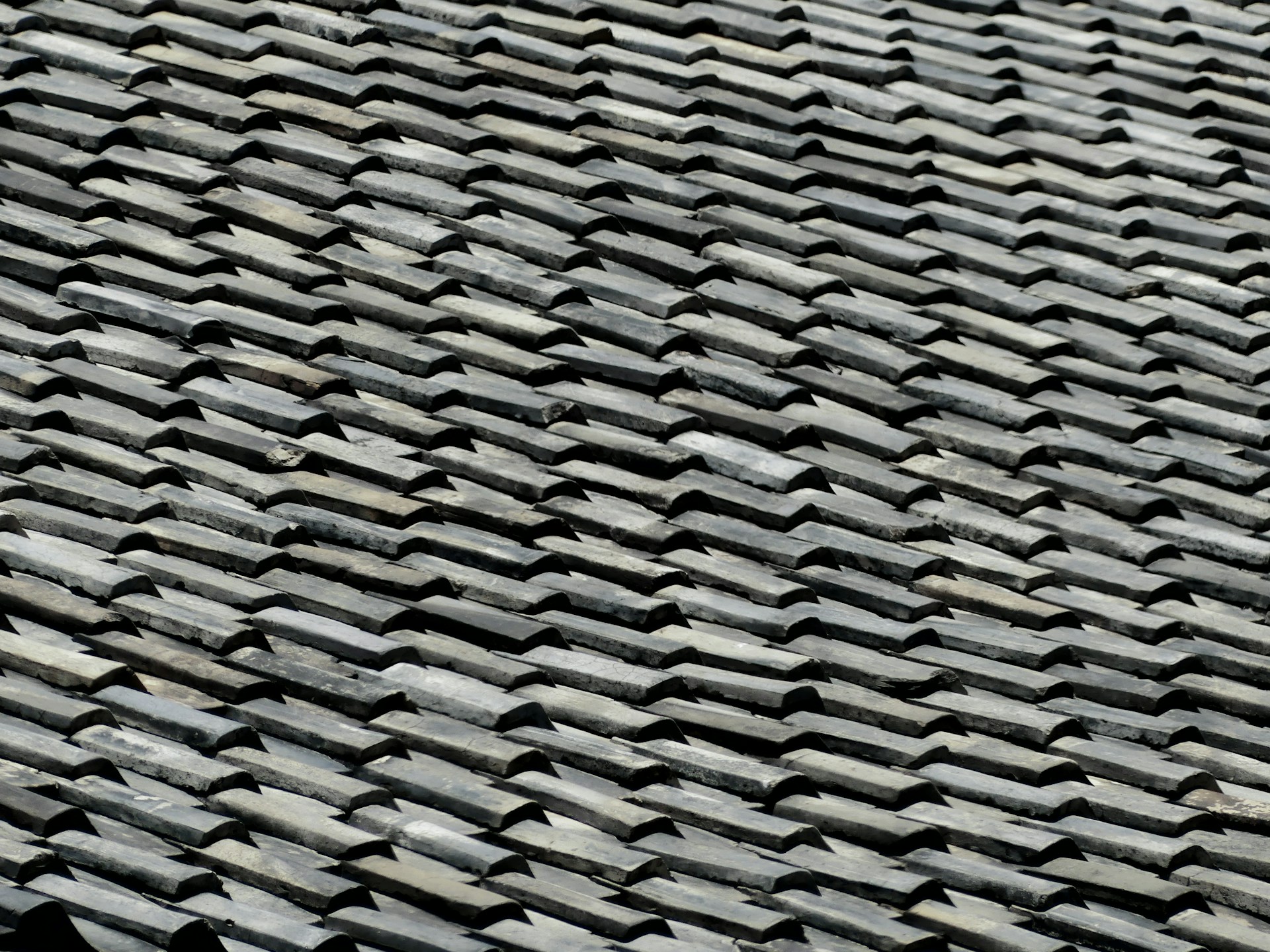
Some projects combine slate and clay tile across different roof sections. For Mediterranean and heritage applications requiring clay profiles, authentic reclaimed barrel clay roof tiles are also available through the same sourcing process.
Because reclaimed inventory changes constantly, contractors working under active timelines should confirm availability early in the planning stage. Specific colors and dimensions can move quickly once major restoration projects begin sourcing material.
Frequently Asked Questions
Where Can I Buy Reclaimed Slate Roof Tiles?
Many contractors source reclaimed slate through specialized national suppliers rather than local salvage yards because inventory quality and consistency are usually more reliable.
How Much Does Reclaimed Slate Typically Cost?
Pricing varies based on size, color, rarity, grading, and freight requirements. Large-format and rare-color slate generally costs more than standard grey or black inventory.
How Can I Tell if Reclaimed Slate Is Still Structurally Sound?
Ask whether the supplier hand-inspects, sounds, and culls each piece before shipment. Batch photos and edge-profile images also help verify conditions.
How Much Extra Material Should Be Ordered for Future Repairs?
Most contractors order an additional 10 to 15 percent beyond the calculated requirement to account for breakage and future maintenance.
What Is the Best Way To Match Existing Slate Roofing?
Provide measurements, thickness details, and daylight photos of the existing roof before ordering. That information helps suppliers assemble a closer visual match.
How Should Reclaimed Slate Be Stored on Site?
Store pallets on stable, level surfaces and keep material protected from unnecessary impact or improper stacking before installation.
Ready To Source Reclaimed Slate for an Active Project?
Reclaimed slate inventory changes continuously as demolition recoveries and restoration projects move through the market. Confirming availability early gives contractors and architects more flexibility when matching color, size, and quantity requirements.
If you need help matching an existing roof, reviewing current inventory, or coordinating freight for an upcoming project, call 225-954-8393 to request availability or pricing directly.