If you are specifying roofing for a historic restoration, a character-driven new build, or a project where sustainability goals need to hold up under scrutiny, material selection matters beyond surface appearance. Many products marketed as environmentally responsible still depend on intensive manufacturing cycles, synthetic compounds, or short replacement timelines that weaken the sustainability argument over time.
Reclaimed slate changes that equation because the environmental cost of quarrying, processing, and original installation has already been absorbed decades earlier. Instead of manufacturing new roofing material, reclaimed slate extends the service life of stone that has already proven its durability in real-world conditions.
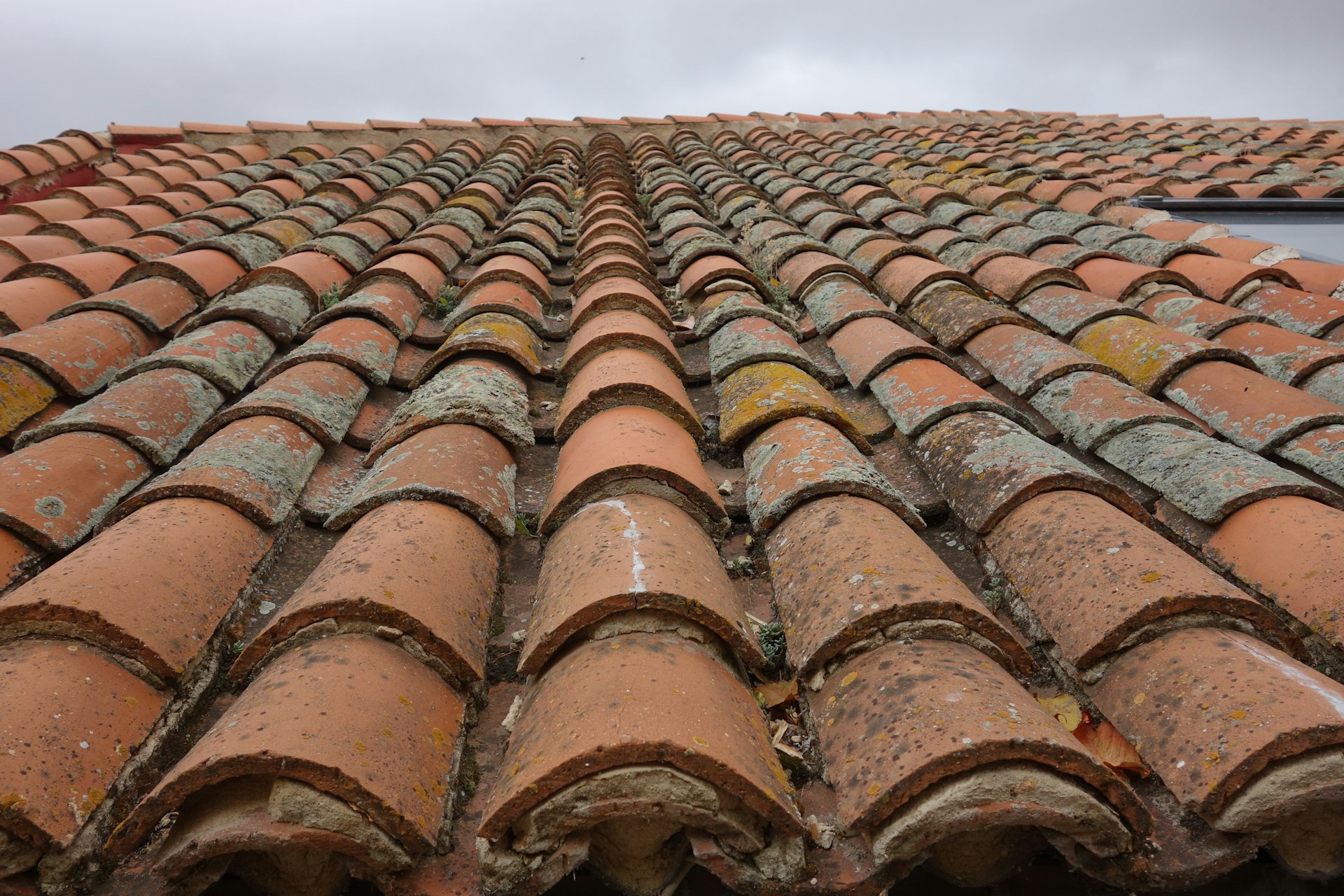
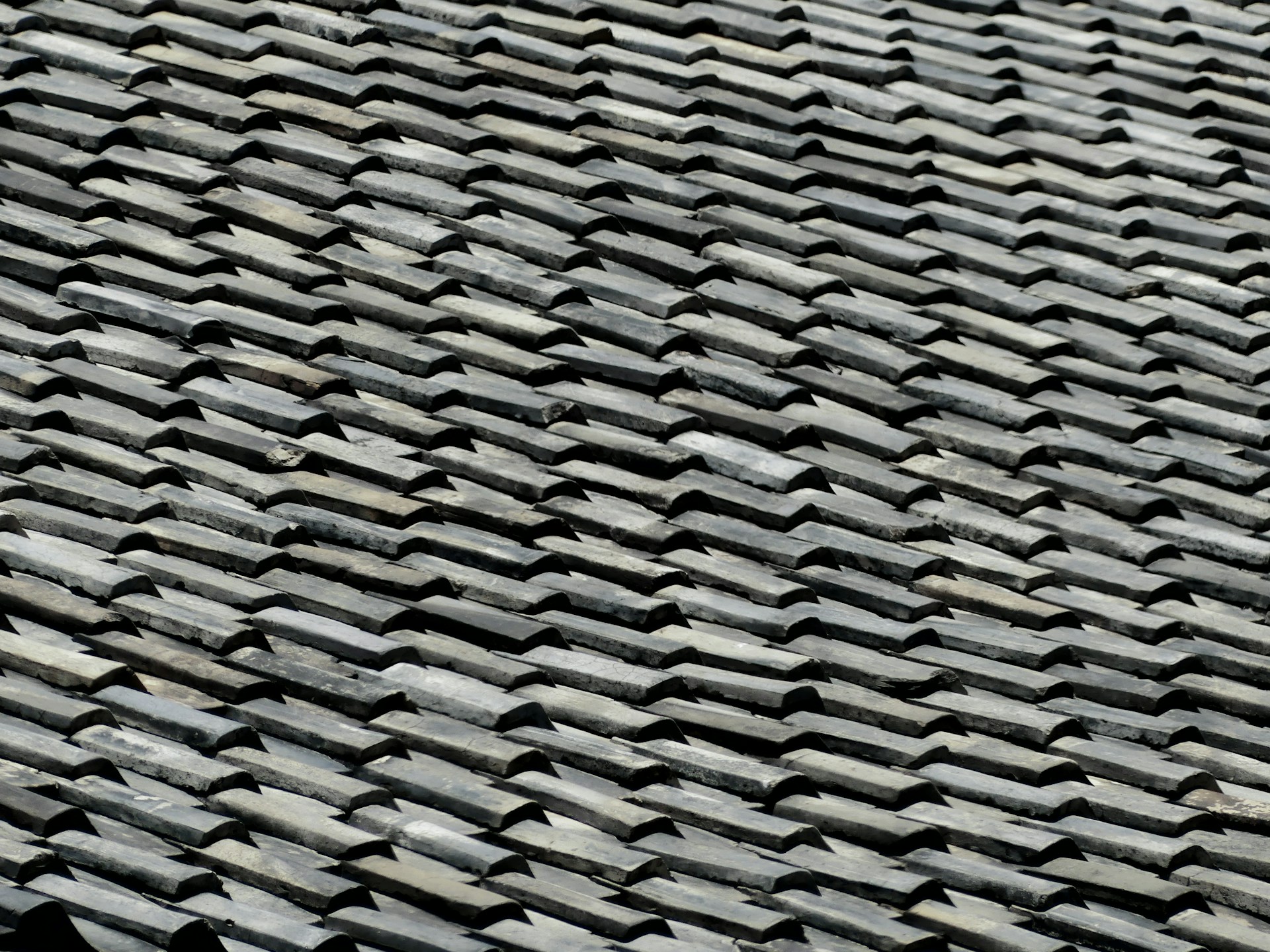
Reclaimed Slate Roofing sources authentic slate and clay tile from verified historic demolitions, hand-inspects and culls each batch, and coordinates nationwide freight delivery in approximately 3 to 7 business days after order confirmation. Buyers review batch photography before approval, allowing architects, builders, and roofers to verify sizing, color range, and overall condition before material reaches the job site.
Key Takeaways
- Reclaimed slate avoids the environmental impact associated with new quarrying and manufacturing.
- Properly inspected reclaimed slate can provide decades of additional structural performance.
- Reclaimed roofing materials support sustainability goals without compromising durability or architectural integrity.
Why Reuse Changes the Environmental Equation
Choosing reclaimed slate is not simply about selecting an older material. It is about extending the useful life of an existing resource rather than initiating another extraction and manufacturing cycle.
Embodied Carbon in New Slate and Tile Production
Producing a new slate requires quarry extraction, cutting, transportation, and processing before installation even begins. Manufactured and composite roofing systems add additional industrial processing and petroleum-based material inputs. According to the EPA’s sustainable materials guidance, extending product life cycles and reducing demand for newly manufactured materials lowers environmental impact across the construction sector.
New clay tile production carries similar environmental costs through raw material extraction, kiln firing, glazing, and long-distance freight. Even durable roofing products accumulate significant embodied carbon before they ever reach a project site.
How Reclaimed Slate Avoids a Second Production Cycle
A reclaimed slate tile removed from a century-old structure does not require new quarrying or industrial processing. Its extraction and manufacturing phases are already complete. Reuse simply extends the functional life of an existing material rather than generating demand for another production cycle.
The EPA’s construction and demolition materials program also identifies construction waste as a major landfill contributor. Reclaimed roofing diverts usable material back into active service instead of sending durable stone and clay products into disposal streams prematurely.
Why Life-Cycle Assessment Favors Reclaimed Material
Life-cycle assessment evaluates environmental impact across extraction, production, transportation, installation, use, and disposal. Reclaimed slate performs well within that framework because the most energy-intensive stages occurred decades ago during the material’s original service life.
The AIA’s material sustainability guidance highlights embodied carbon as an increasingly important consideration in specification decisions. Reclaimed slate enters a project with that environmental burden already substantially reduced.
Long-Term Performance of Reclaimed Slate
Environmental value only matters if the material itself remains structurally reliable. Reclaimed slate continues to perform because natural stone roofing was originally designed for an exceptionally long service life.
Proven Durability Across Decades of Exposure
The National Park Service preservation brief on slate roofs notes that properly installed slate roofing systems regularly last between 60 and 125 years, with some lasting longer. Reclaimed material removed from early twentieth-century structures has already demonstrated resilience through freeze-thaw cycles, seasonal expansion, moisture exposure, and long-term weathering.
Slate maintains that durability because its structural properties come from the stone itself rather than from coatings or manufactured surface treatments.
Fire Resistance and Weather Stability
Natural slate is non-combustible and highly resistant to water absorption, ultraviolet exposure, and temperature fluctuation. Clay tile offers similar long-term weather resistance while also contributing thermal mass benefits in many climates.
These performance characteristics remain valuable on both restoration and contemporary projects because they are inherent to the material rather than dependent on synthetic additives or applied finishes.
Inspection, Sounding, and Material Culling
Not every reclaimed tile remains suitable for reuse. Material quality depends heavily on inspection standards and preparation methods before shipment.
Serious reclaimed roofing suppliers sound each slate individually to identify hidden fractures or delamination. Visual grading follows, removing pieces with structural weakness, severe edge damage, or excessive deterioration. This process ensures the remaining inventory is not simply old material, but material still capable of long-term service.
Reclaimed Slate Compared With New and Synthetic Roofing
Reclaimed Versus Newly Quarried Slate
New natural slate remains a durable roofing option, but reclaimed slate offers several practical distinctions. It avoids new extraction and manufacturing demand while also carrying surface variation and weathering patterns developed naturally over decades.
That difference becomes especially important on restoration projects where new slate often appears visually disconnected from existing roof fields.
Why Synthetic Roofing Falls Short on Longevity
Composite and synthetic slate products are often marketed as environmentally conscious because they may contain recycled content. However, the National Park Service guidance on synthetic slate replacement notes that synthetic materials rarely match the lifespan, repairability, or historical compatibility of natural slate systems.
When synthetic roofing eventually fails, disposal typically introduces additional polymer waste into landfill streams. Natural slate, by contrast, remains reusable and recyclable even after decades of service.
Surface Character and Architectural Continuity
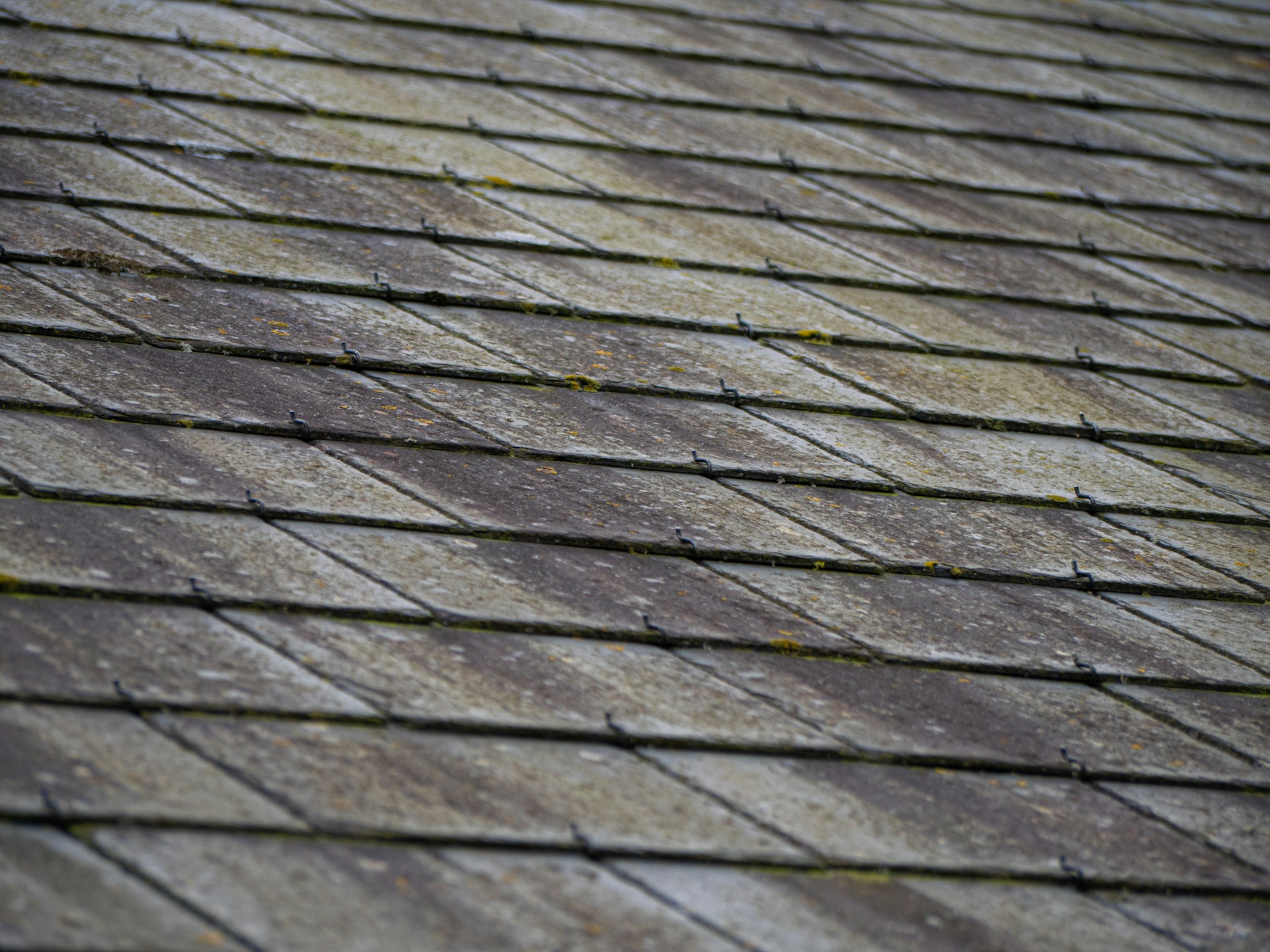
Reclaimed slate carries tonal variation, weathering, and surface texture that newer materials generally cannot reproduce convincingly. On restoration work, those characteristics support continuity across repaired or partially replaced roof areas.
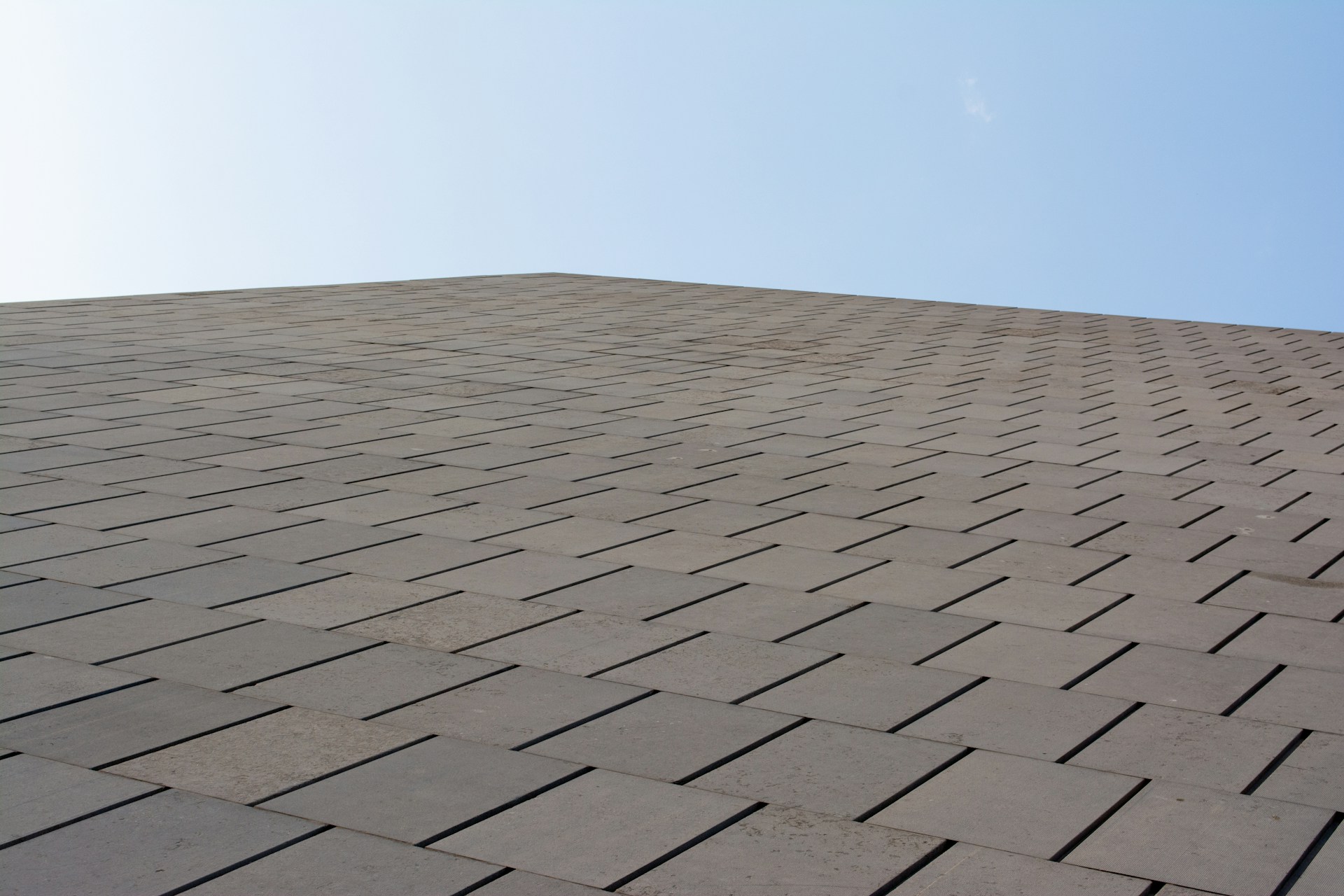
Architects working on residential or historically sensitive projects often specify materials such as grey reclaimed slate or black reclaimed slate because the visual depth of naturally aged stone complements traditional architecture more effectively than manufactured alternatives.
Specifying Reclaimed Slate for Active Projects
Where Reclaimed Slate Performs Best
Reclaimed slate works especially well on historic restorations, slate repair projects, and new construction designed around traditional architectural detailing. In repair scenarios, matching the existing roof often requires reclaimed material because newer slate rarely duplicates decades of natural weathering accurately.
Commercial and institutional projects pursuing sustainability goals also benefit from reclaimed slate because the reuse narrative is supported by measurable reductions in embodied carbon and material waste.
Matching Size, Thickness, and Color
Before approving a batch, contractors and architects should verify exposure dimensions, thickness range, and color variation against the project requirements. Reclaimed slate commonly appears in 16-inch, 18-inch, and 20-inch lengths with random widths depending on the sourced inventory.
Batch photography remains essential because it shows actual surface variation and tonal range rather than simplified catalog descriptions.
Underlayment and Structural Preparation
Slate roofing requires a structurally sound deck and underlayment system appropriate for long-term installation. Because slate carries substantial weight relative to many contemporary roofing systems, installers should confirm framing and deck capacity before material delivery.
Contractors experienced with natural slate roofing are typically best equipped to evaluate fastening methods, substrate condition, and installation sequencing before work begins.
What To Verify Before Buying Reclaimed Slate
Authenticity and Material Origin
Authentic reclaimed slate should come from documented historic structures rather than surplus new inventory represented as reclaimed material. Genuine reclaimed stone shows age, weathering consistency, and sourcing documentation tied to its original installation.
Ask suppliers directly how inventory is sourced, inspected, and graded before shipment approval.
Batch Approval and Freight Coordination
Reliable suppliers provide batch photography before final approval so buyers can evaluate condition, color variation, and quantity consistency. Confirming that the shipment covers the entire project reduces the likelihood of visible variation between separate sourcing batches later.
Orders should arrive palletized and freight-prepared for job-site handling. Delivery coordination, tracking information, and liftgate options should also be confirmed before shipment leaves inventory.
Lead Times and Delivery Expectations
Most reclaimed slate shipments move within approximately 3 to 7 business days after order confirmation, though specialty colors and uncommon sizes may require additional sourcing coordination. Buyers should confirm inventory availability before finalizing schedules with installers or project owners.
Pre-Approval Checklist
- Confirm the material origin and inspection process.
- Review complete batch photography before approval.
- Verify quantity coverage for the entire project scope.
- Confirm freight details, delivery access, and scheduling requirements.
- Inspect all crates immediately upon arrival and document freight damage promptly.
Choosing Roofing Material With Long-Term Value
When Reclaimed Slate Makes the Strongest Case
Reclaimed slate becomes the strongest roofing choice when durability, environmental accountability, and architectural continuity all matter simultaneously. It avoids new extraction and manufacturing demand while extending the useful life of material already proven through decades of exposure.
For projects pursuing sustainability goals, reclaimed slate also supports reuse-oriented material strategies without relying on synthetic substitutes or heavily processed alternatives.
Sourcing Verified Reclaimed Inventory
Successful reclaimed roofing projects depend on sourcing standards as much as the material itself. Reclaimed Slate Roofing hand-inspects and culls each batch, coordinates nationwide freight delivery, and provides batch photography before approval so buyers can verify project fit before shipment.
Their reclaimed roofing resource library includes additional guidance on slate sizing, specification planning, and restoration-focused material selection.
Call 225-954-8393 to review availability, discuss project requirements, or request current batch information before finalizing your roofing specification.
Frequently Asked Questions
How much does a slate roof usually cost per square foot, including installation?
Natural slate roofing commonly ranges from $15 to $30 per square foot before installation labor, though regional pricing and roof complexity affect final project cost. Builder-direct reclaimed slate can compare favorably to new natural slate while still delivering long-term durability and authentic surface character.
What are the pros and cons of synthetic slate versus natural slate?
Synthetic slate is lighter and sometimes less expensive initially, but natural slate generally offers superior longevity, fire resistance, repairability, and historical compatibility. These distinctions become especially important on restoration and long-term ownership projects.
What problems occur with synthetic slate roofs over time?
Synthetic roofing materials may experience ultraviolet degradation, color fading, brittleness, or cracking over extended exposure cycles. Natural slate does not depend on polymer compounds or surface coatings in the same way, which contributes to its longer service life.
How long do slate roofing tiles last, and what maintenance do they require?
According to the National Park Service slate roofing guidance, properly installed slate roofs commonly last between 60 and 125 years. Maintenance usually involves isolated tile replacement or flashing repair rather than widespread field replacement.
What color and style options are available for reclaimed slate roofing?
Reclaimed slate is available in black, grey, purple, green, and mottled blends depending on the original quarry source and historic inventory availability. Specialty options such as mottled green with purple slate and semi-weathering green with buff slate provide additional tonal variation for restoration and custom residential work.
Where can I buy reclaimed slate roofing, and what should I compare between suppliers?
Roofing-specific reclaimed slate suppliers generally provide stronger grading standards, better quantity consistency, and more detailed batch documentation than general salvage channels. Buyers should compare sourcing transparency, inspection methods, freight coordination, and available batch photography before approving material.