When you're sourcing salvaged roofing materials for an active job, you do not have time for vague inventory lists or suppliers who cannot confirm what is actually available. Whether you are specifying a historic restoration, patching an existing slate roof, or designing a new build with genuine architectural character, the material decision affects everything from installation flow to long-term visual consistency.
Reclaimed Slate Roofing supplies authentic reclaimed slate and clay tile sourced from verified historic buildings, hand-inspected and culled before shipping. Orders ship on palletized crates with nationwide freight delivery, typically within 3 to 7 business days after confirmation, at builder-direct pricing without layered retail markup.
Trade buyers usually discover quickly that reclaimed roofing is not a single category. There is a major difference between graded, roofing-specific inventory and loosely sorted salvage pulled from mixed architectural yards. That distinction affects durability, matching accuracy, labor efficiency, and how the finished roof reads from the street years after installation.
Key Takeaways
- Authentic salvaged roofing materials outperform reproduction products on restoration and heritage-driven projects because the surface character and weathering are already established.
- Material quality depends heavily on how inventory is inspected, sounded, culled, and documented before shipment.
- Roofing-specific direct suppliers typically provide more reliable matching, freight coordination, and quantity consistency than general salvage channels.
What Makes Authentic Reclaimed Roofing Worth Specifying
When a project calls for historic continuity or architectural depth, the roofing material itself becomes part of the design language. Reclaimed slate and clay tile carry surface variation, density, and aging patterns formed over decades of exposure, not manufactured simulations intended to imitate them.
How Genuine Salvaged Slate And Clay Differ From Modern Reproductions
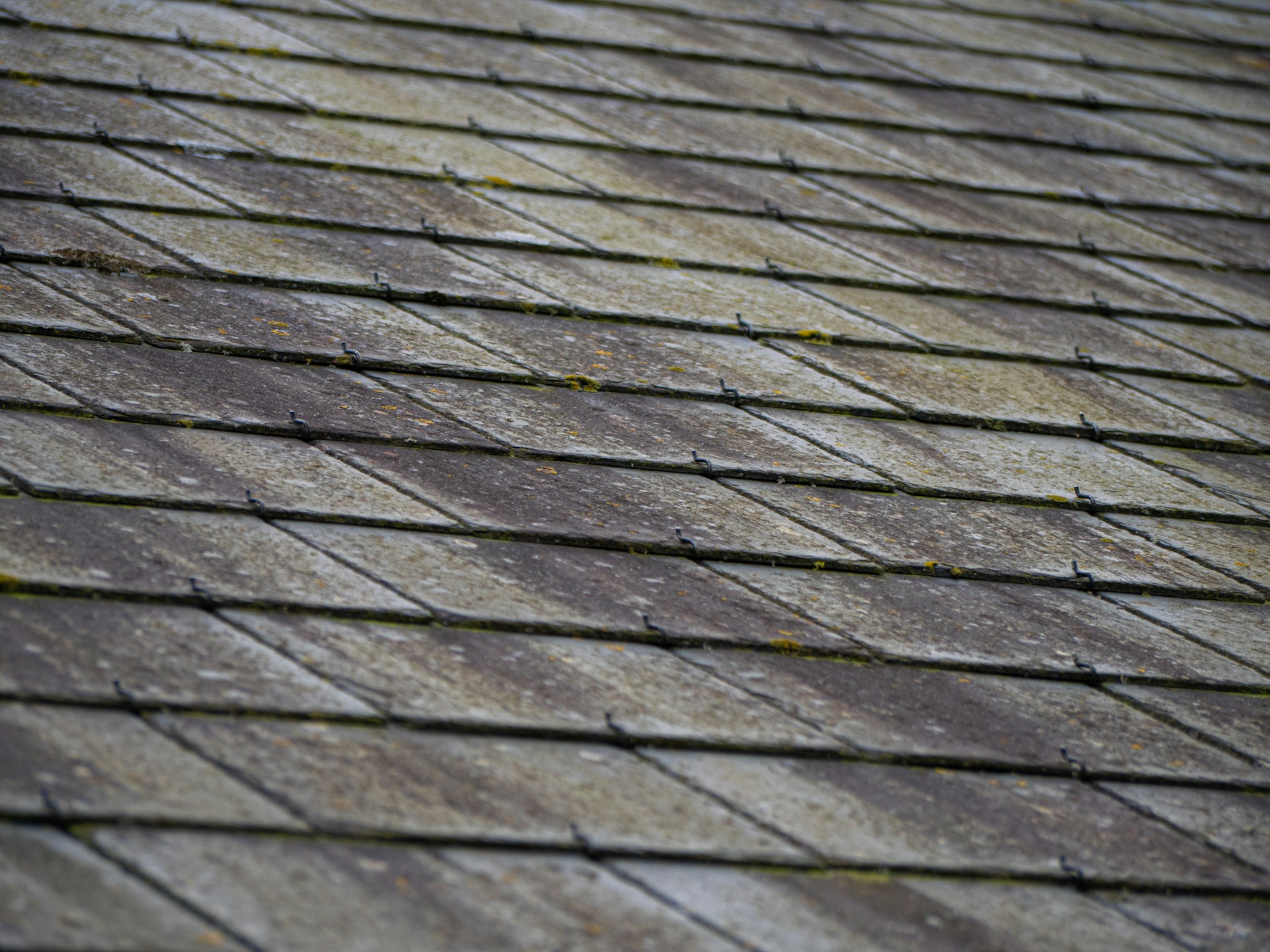
New slate and synthetic alternatives attempt to approximate the appearance of older roofing systems, but reclaimed slate is the original material itself. Many pieces were quarried and installed during the late nineteenth and early twentieth centuries, then removed carefully during restoration or demolition work. The difference becomes obvious in the density of the stone, the irregularity of the surface, and the way natural weathering softens reflected light across a roof plane.
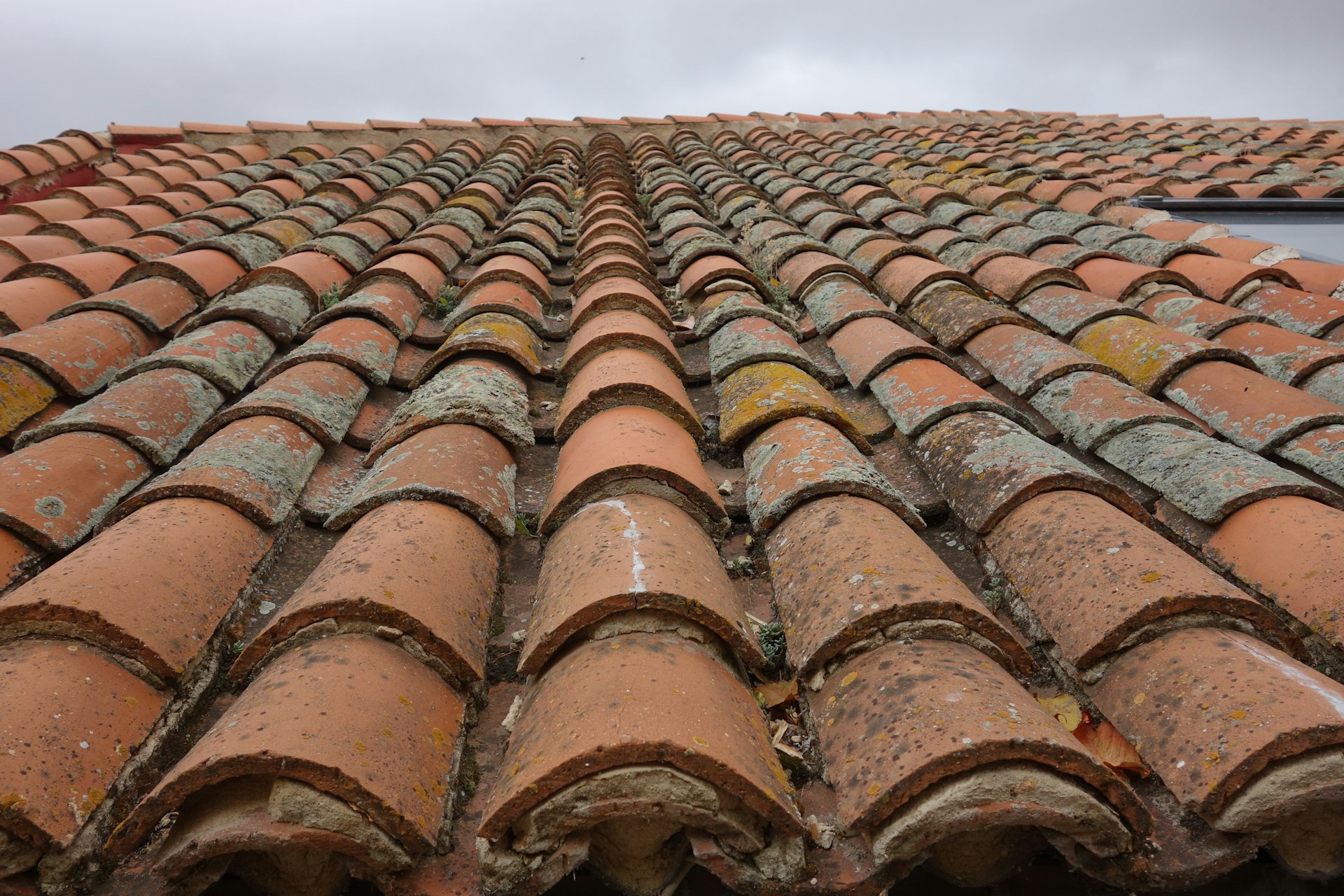
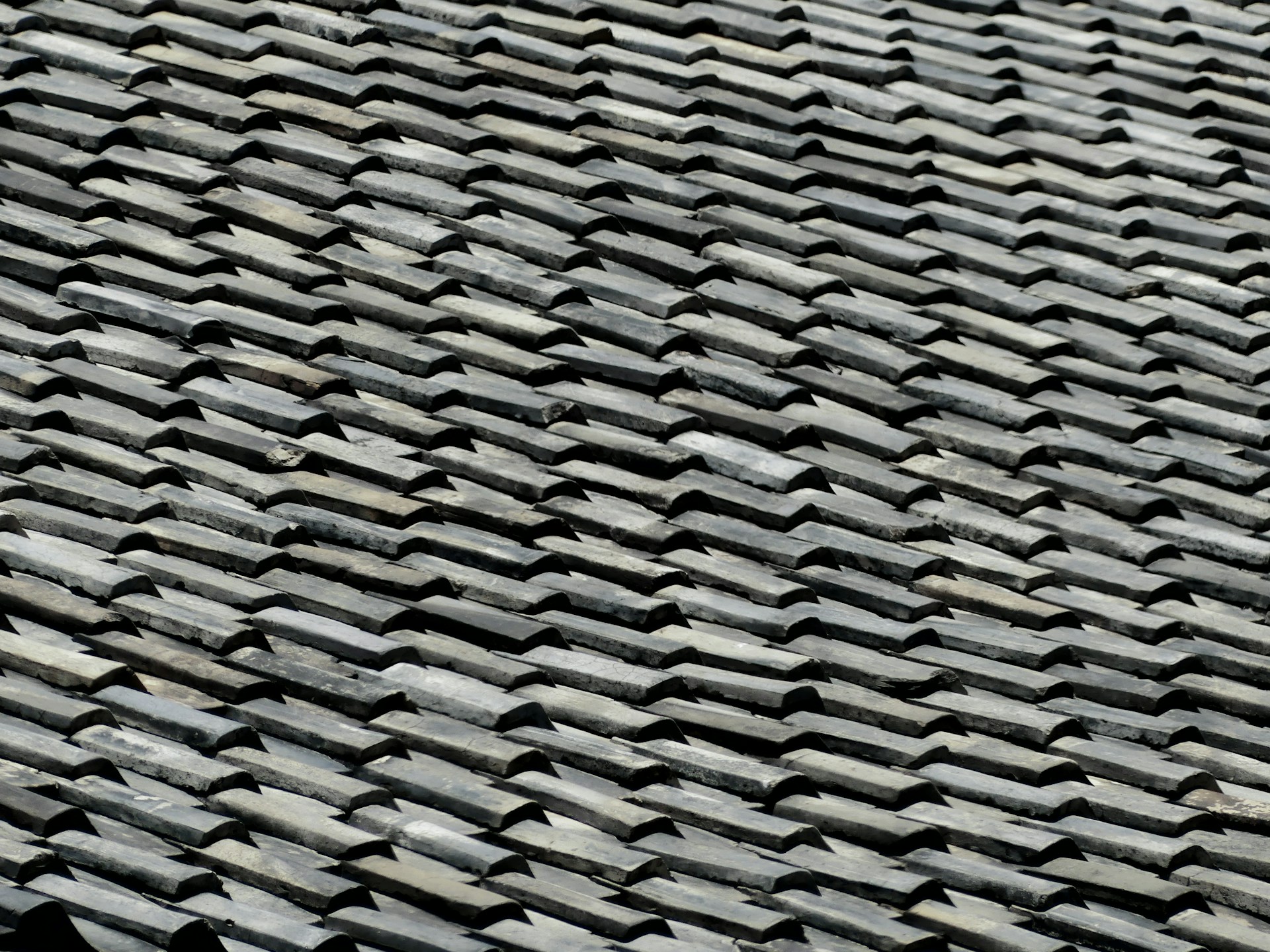
Clay tile follows a similar pattern. Authentic reclaimed clay tile often shows subtle dimensional irregularities, kiln variation, and surface mineral changes that newer production methods flatten out. Those inconsistencies are not defects. On restoration work, they are usually what allows a repaired roof to maintain visual continuity.
Why Existing Patina Matters On Historic And High-End Projects
On historic structures, new-looking material immediately separates itself from the existing roof field. Even a technically correct replacement can read visually disconnected when the surface lacks age and weathering consistency. Reclaimed material avoids that contrast because the aging process has already occurred naturally over decades of service.
Architects specifying reclaimed slate for high-end residential work often value the same characteristic. The roof does not look newly manufactured or chemically distressed. It carries tonal variation and texture that develop only through long-term exposure and use.
Why Roofing Salvage Requires Different Standards Than General Reuse Material
Roofing materials demand stricter evaluation than most reclaimed building products because they function as a weatherproofing system, not simply a finish surface. A reclaimed hardwood floor with surface irregularity may still perform perfectly well. A slate with hidden structural weakness can create a failure point once installed.
That is why roofing-specific sourcing standards matter. Material removed from verified historic demolitions, then inspected and sounded individually, performs very differently from loosely sorted salvage with undocumented origins.
How Slate And Clay Perform In Long-Term Service
Service Life, Weather Resistance, And Fire Performance
Natural slate remains one of the most durable roofing materials in use because it is non-combustible, dimensionally stable, and highly resistant to moisture absorption. It does not warp, rot, or degrade under ultraviolet exposure the way many modern roofing systems eventually can. Properly graded slate also maintains structural integrity across decades of freeze-thaw cycling.
Clay tile delivers comparable fire resistance and long-term weather performance while adding thermal mass that benefits many regional climates. Neither material depends on coatings or chemical treatments to maintain baseline durability over time.
Why Century-Old Material Can Still Be Structurally Reliable
The age of reclaimed roofing material is often what proves its reliability. Slate and clay that have remained intact through decades of seasonal expansion, wind exposure, and temperature fluctuation have already demonstrated long-term performance under real-world conditions.
Reliability depends less on age than on handling and preparation. Material removed carefully, stored correctly, and inspected through sounding and visual grading can remain suitable for decades of additional service life after reinstallation.
Repair projects typically require precise matching by size, thickness, and weathered tone. Full replacements allow greater flexibility but still benefit from reclaimed material's established surface character and density. Heritage-inspired new construction often uses reclaimed slate or barrel tile because newer materials rarely create the same architectural depth once installed.
How To Evaluate Material Quality Before You Order
Architectural salvage ranges from carefully graded roofing inventory to unsorted material collected from mixed demolition sources. The inspection process determines whether the shipment arrives job-site ready or creates additional labor and sorting work for your crew.
Inspection, Sounding, And Culling Standards That Matter
Slate evaluation begins with sounding. Each piece is lightly struck and checked for a clean ring rather than a dull response that may indicate internal fracture or delamination. Visual inspection follows, focusing on cracks, edge damage, pitting, and overall weather condition.
Culling standards matter just as much as sourcing. A supplier willing to reject questionable material before shipment protects the installer from discovering failures during installation. Ask directly how batches are graded and what percentage of material is typically removed during inspection.
Reading Batch Photos, Sizes, And Color Variation Correctly
Batch photos reveal more than product descriptions. Good documentation shows the actual spread of color variation, edge condition, thickness range, and surface texture within the shipment, not only the most visually attractive pieces.
Standard reclaimed slate sizes often include 20-inch random, 18-inch random, and 16-inch random stock. On repair projects especially, matching the existing exposure and size distribution matters as much as matching color.
Red Flags In Mixed Salvage Inventory
General salvage yards occasionally carry usable roofing material, but roofing-specific grading standards are uncommon outside dedicated suppliers. Inventory without documented sizing, inconsistent thickness ranges, or incomplete batch photography usually signals limited quality control.
The same concern applies to mixed lots pulled from multiple buildings. Even small inconsistencies in thickness or color can become visible once the roof is installed, particularly on repairs adjacent to existing slate fields.
Where Trade Buyers Actually Source Reclaimed Inventory
Direct Suppliers Versus Local Salvage Channels
Roofing-specific direct suppliers maintain graded inventory, sort by color and size, and coordinate nationwide freight delivery. Local salvage channels may occasionally carry reclaimed roofing material, but consistency and quantity are often unpredictable on larger projects.
Trade buyers evaluating options can review available inventory such as grey reclaimed slate or black reclaimed slate before requesting current batch details and freight timing.
What ReStore And General Reuse Centers Can Realistically Provide
Habitat for Humanity ReStore locations and regional reuse centers sometimes stock reclaimed roofing products, particularly clay tile. Those channels can work for small quantities or non-critical replacement material. They are less dependable for project-scale roofing orders where consistency, grading documentation, and quantity matching become essential.
Roofing projects usually require a tighter sourcing process than other reclaimed building categories because installation sequencing and weatherproofing tolerances leave little room for unknown material quality.
Why Roofing Material Needs Tighter Documentation Standards
Reclaimed wood, flooring, and decorative salvage are generally evaluated on appearance and dimensions. Roofing material carries structural and waterproofing responsibilities that require more rigorous inspection and accountability from the supplier.
For that reason, documentation around size distribution, sounding standards, batch origin, and freight preparation becomes part of the buying decision rather than an optional detail.
Cost Reality And Delivery Planning For Active Projects
Wholesale Direct Pricing Versus Retail Markup
Builder-direct sourcing removes intermediary retail layers that often inflate pricing on reclaimed roofing products. When material moves directly from supplier inventory to the job site, the buyer pays primarily for grading, preparation, freight coordination, and the material itself rather than showroom overhead or distributor markup.
That distinction becomes increasingly important on larger projects where freight and quantity scaling materially affect final budget numbers.
What Drives Cost Across Reclaimed Roofing Inventory
Several variables shape reclaimed roofing pricing:
- Size: Larger-format slate, especially 20-inch random stock, is less common and usually commands higher pricing.
- Color: Specialty materials such as Buckingham Black slate or mottled green with purple slate typically carry a premium because supply is more limited.
- Quantity: Larger orders often improve freight efficiency and lower per-unit transportation cost.
- Condition Grade: Tighter culling standards produce cleaner inventory but also reduce usable yield from each sourced batch.
Freight Lead Times And Job-Site Delivery Expectations
Most reclaimed roofing shipments move on palletized crates prepared for freight handling and job-site staging. Liftgate service and scheduled delivery coordination are often available when requested ahead of shipment.
Typical turnaround ranges from 3 to 7 business days after order confirmation. For active projects, scheduling material approval and freight coordination before the installation window becomes critical, especially when matching specialty colors or less common slate sizes.
Making The Right Buy For Your Project Scope
Questions To Ask Before Approving A Batch
Before approving salvaged roofing materials for a project, clarify several details with the supplier:
- What building or region did the material come from?
- What size and thickness variation exists across the batch?
- How was the material inspected and culled?
- Are full-batch photos available rather than selected close-ups?
- Does the inventory match the exposure and profile already on the roof?
These questions quickly distinguish graded roofing inventory from loosely sorted salvage.
Coordinating Repairs, Quantities, And Full Roof Orders
Repair work depends heavily on accurate matching. Ordering too little material can create avoidable variation later if a second batch differs slightly in weathering or thickness. Most contractors account for modest overage during planning to reduce that risk.
Full roof replacements allow more flexibility because the entire visible field changes at once. Even so, projects using specialty materials such as semi-weathering green with buffs slate still benefit from confirming inventory availability before finalizing specifications.
Next-Step Checklist For Architects, Builders, And Roofers
- Confirm total square footage and required exposure.
- Match existing roof color, thickness, and sizing where applicable.
- Review complete batch photos before approval.
- Coordinate freight timing against installation scheduling.
- Inspect delivered crates immediately and document any freight damage promptly.
Frequently Asked Questions
Where can I buy reclaimed roof tiles or shingles locally?
Local architectural salvage yards occasionally stock reclaimed roofing tile or slate, but quantity consistency and grading standards vary widely. Roofing-specific direct suppliers with nationwide freight delivery are usually more reliable for active project work requiring matched inventory.
How do I check the condition and remaining lifespan of reclaimed roofing products?
Slate should produce a clean ring when sounded lightly and should be inspected visually for cracks, delamination, and edge damage. Material that passes both checks can remain structurally reliable for decades when installed correctly.
Are reclaimed roofing materials allowed under local building codes and permit requirements?
Most jurisdictions permit natural slate and clay tile roofing systems, including reclaimed material, when installed according to applicable code requirements. Historic districts sometimes specifically require period-correct materials for visible restoration work.
What is the best way to remove and store old roof materials for reuse without damage?
Slates should be removed carefully with appropriate tools rather than pried aggressively from the roof deck. Material should then be stacked flat on pallets, protected from prolonged moisture exposure, and organized by size before reuse or matching work begins.
How much can I save compared to new products, and what factors affect the price?
Pricing depends on slate size, color rarity, condition grading, freight distance, and whether the material is sourced directly or through intermediary channels. Builder-direct reclaimed slate often compares favorably to new natural slate while providing surface variation and weathered character that newer material lacks.
Choosing Material That Holds Up Beyond Installation
Salvaged roofing materials sourced from verified historic structures offer something difficult to reproduce through new manufacturing alone: established weathering, proven durability, and architectural continuity that feels appropriate from the moment installation is complete. For builders, architects, and roofers working on restoration or heritage-driven projects, sourcing standards matter as much as the material itself.
Reclaimed Slate Roofing supplies hand-inspected slate and clay tile in standard sizes with nationwide freight coordination and consistent turnaround times for active projects. Their reclaimed roofing resource library includes additional guidance on sizing, grading, and specification planning for restoration and replacement work.
Call 225-954-8393 to confirm availability, request batch photos, or review current inventory before finalizing your next roofing specification.