When you're sourcing reclaimed clay roof tiles for a live project, delays and inconsistent inventory create problems quickly. Restoration timelines, preservation approvals, and luxury residential builds all depend on material that arrives on schedule and matches the architectural intent of the project.
Authentic reclaimed clay tile carries characteristics that modern production tile cannot fully reproduce. The density, weathering, color variation, and surface patina develop over decades of exposure and give historic roofs their visual depth. Reclaimed Slate Roofing sources salvaged clay tile directly from historic demolitions, inspects each batch by hand, and ships nationwide with most orders leaving within 3 to 7 business days after confirmation.
Key Takeaways
- Authentic reclaimed clay tile is identifiable through its weathering, dimensional variation, and aged surface character.
- Matching profile, thickness, and color consistency is critical for restoration work.
- Builder-direct sourcing provides better access to rare inventory and more reliable freight coordination.
How To Recognize Authentic Aged Clay Versus Modern Reproductions
For historic restoration and architect-driven residential projects, recognizing authentic reclaimed clay becomes an important part of the sourcing process.
Surface Patina, Texture, and Weathering Cues
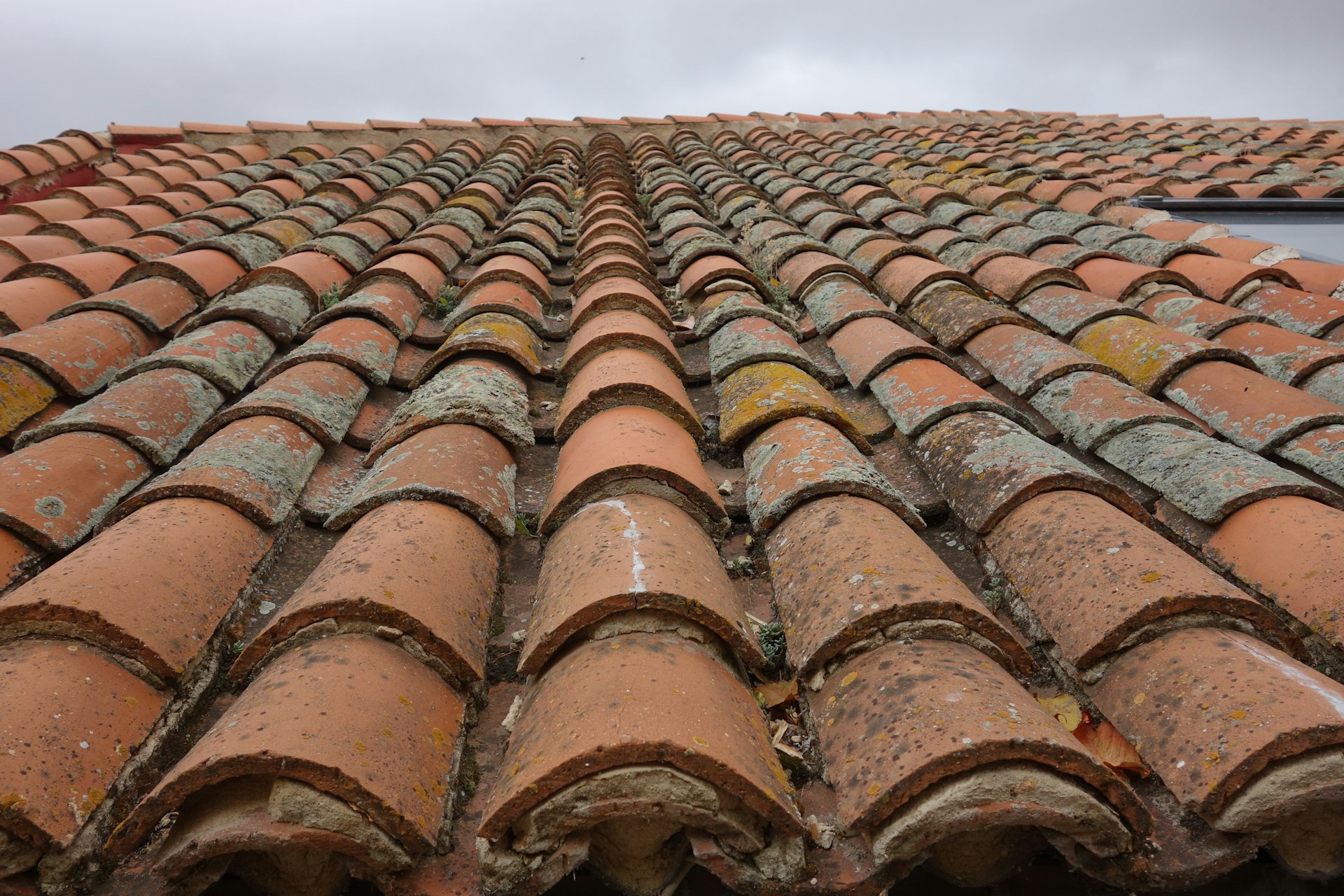
Authentic reclaimed clay develops visual complexity over time that modern manufacturing struggles to imitate convincingly. Mineral marks, subtle color layering, weather-softened edges, and slight dimensional irregularities all contribute to the character of older roofing systems.
Modern reproduction tiles often appear overly uniform by comparison. The finish usually sits closer to the surface rather than appearing embedded within the clay body itself. On restoration projects, these differences become visible immediately once installation begins.
A genuine reclaimed tile will usually show subtle variation, visible pores, and slight surface inconsistencies that reflect its age and original manufacturing process.
Why Size, Shape, and Thickness Matter
Historic clay roofing systems rarely follow modern dimensional consistency standards. Tile dimensions often vary depending on region, manufacturer, production period, and firing method. Even small thickness differences can become obvious visually once replacement tile is installed into an existing roof field.
As explained in Northern Roof Tiles’ clay tile identification guide, measuring multiple tiles across different roof areas helps establish the actual dimensional range rather than relying on a single sample.
Why New Clay Tiles Often Fail on Historic Roofs
Modern clay tile may replicate a historic profile reasonably well, but it rarely reproduces the same density, texture, weathering, or tonal depth. Historic tiles often went through hotter or less standardized firing conditions, creating a surface quality that differs noticeably from contemporary production methods.
Northern Roof Tiles’ reclaimed clay FAQ explains why these older materials behave and appear differently from newer tile systems. For highly visible restoration work, authentic reclaimed clay remains the closest visual match.
Choosing the Right Profile for Restoration and Design Intent
Profile selection affects both roof performance and architectural accuracy.
Barrel and Mission Tile Profiles
Barrel and mission tiles remain closely associated with Mediterranean Revival, Spanish Colonial, Mission, and some Craftsman-influenced architecture. Their curved profiles create the distinctive wave pattern associated with those building styles.
For restoration projects, sourcing genuine barrel clay roof tiles helps preserve the dimensional variation and aged coloration that define historic installations. Reclaimed barrel tile also tends to carry the weather-softened appearance and deep color saturation that develops naturally over decades.
Pantiles and Curved Historic Formats
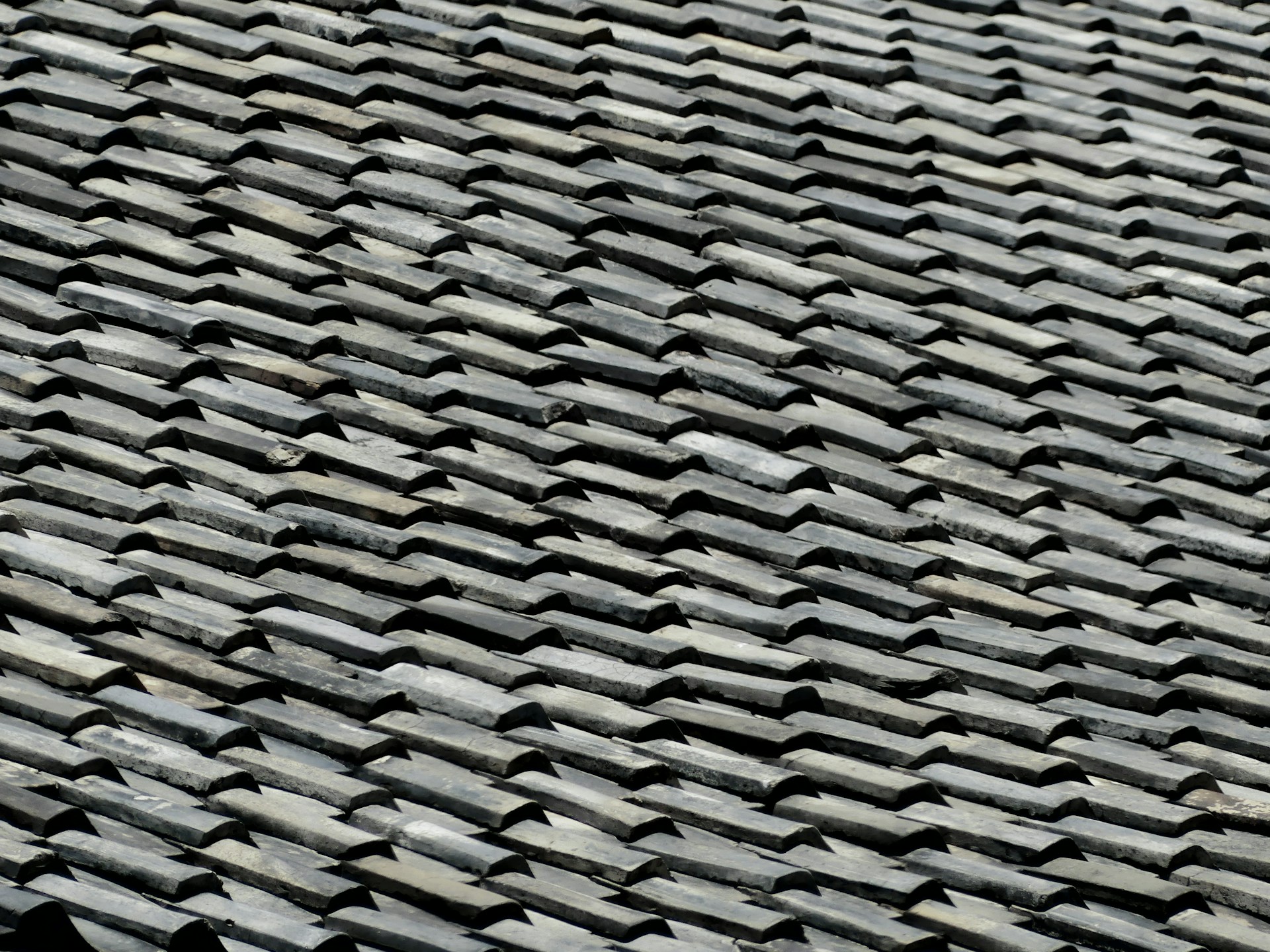
Pantiles use an S-shaped profile that creates continuous rolling curves across the roof surface. They appear frequently on European-influenced structures, institutional buildings, and older East Coast properties. Because pantiles interlock along the side lap, consistency within the batch matters significantly. Mixing incompatible salvage lots can create alignment and drainage problems during installation.
Staffordshire Blue and Distinctive Historic Tile Types
Staffordshire Blue tile is recognizable for its dense structure and dark blue-black coloration. These tiles appear frequently on Victorian commercial buildings, industrial-era structures, and institutional roofs. Because the appearance is highly distinctive, even close reproductions often remain visually obvious beside authentic historic material.
Specifying Reclaimed Clay for Repairs and Full Restorations
Specification strategy changes depending on the project scope.
Roof Repairs and Small Replacement Areas
Repair projects require the closest possible historic roof match between the replacement tile and the surrounding field. According to National Park Service Preservation Brief 30, successful clay tile preservation depends heavily on matching profile, dimensions, texture, and visual appearance.
Ordering modest overage for repairs is also standard practice because reclaimed tile can experience breakage during handling or installation.
Matching Full Batches for Restoration Projects
Large restoration projects depend more heavily on batch consistency across the entire roof. If material from multiple salvage sources is mixed together, visible tonal shifts and weathering inconsistencies may appear across the roof surface.
Reviewing overhead batch photos rather than isolated close-ups provides a more accurate understanding of the material variation. That step becomes especially important on highly visible slopes and architecturally sensitive structures.
Projects Combining Slate and Clay Roofing
Some historic buildings combine clay tile, slate, and specialty roofing materials across different roof sections. For projects requiring both materials, sourcing through a single supplier simplifies freight coordination and scheduling considerably.
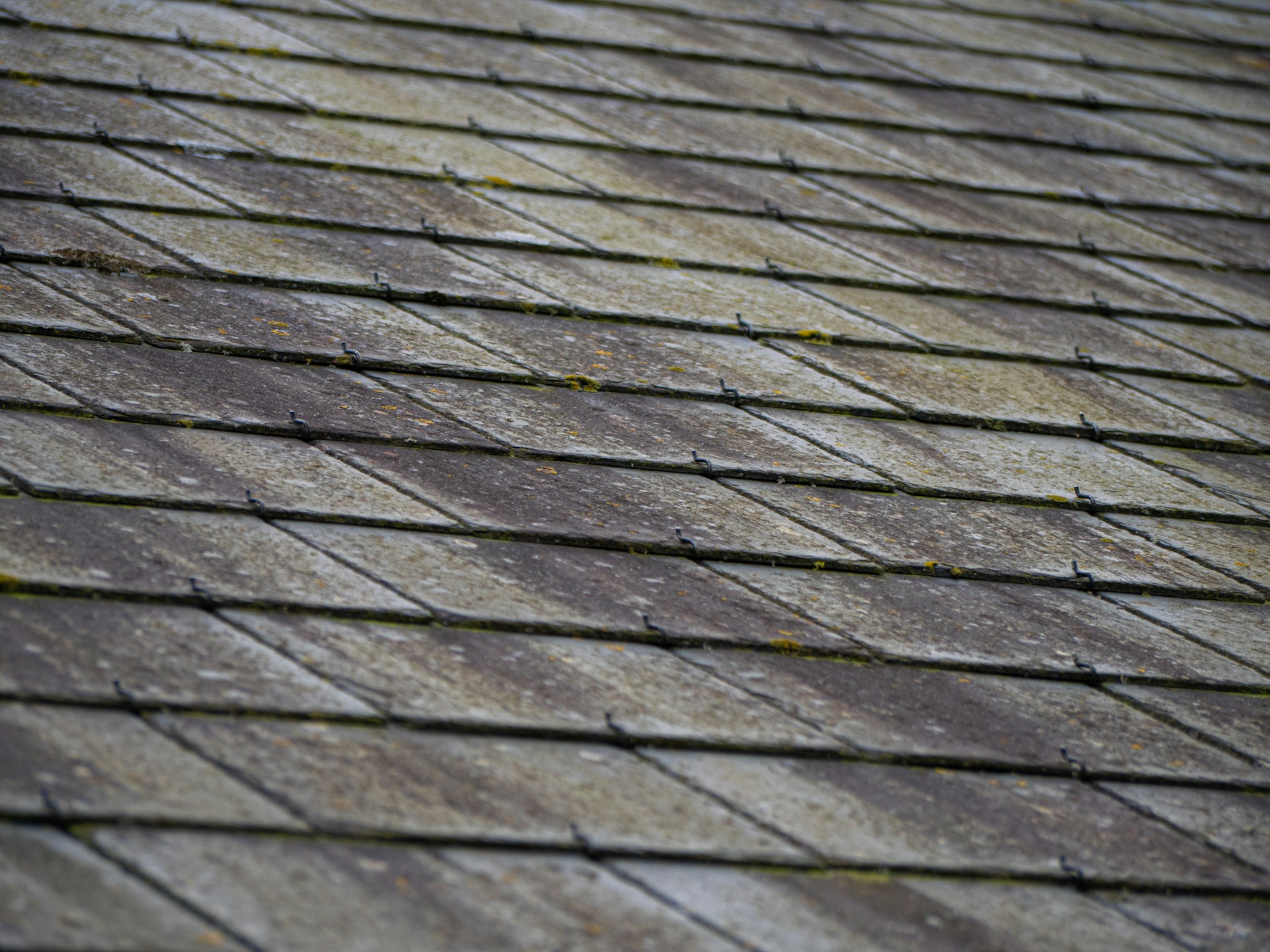
Reclaimed Slate Roofing also supplies reclaimed grey slate for projects involving mixed historic roofing systems.
Evaluating Supplier Quality and Inventory Reliability
The quality differences between reclaimed roofing suppliers usually become apparent during installation rather than during ordering.
What Proper Inspection and Culling Should Include
A reliable reclaimed tile supplier should explain how material is inspected, how damaged pieces are removed, and how batches are sorted before shipment. Tiles with major cracking, spalling, broken lugs, or structural defects should be removed before inventory is counted for sale.
Without proper culling, contractors absorb the waste and labor complications directly on site. A supplier’s inspection standards often determine how smoothly installation proceeds once the shipment arrives.
Reviewing Batch Photos Before Approval
Before approving a shipment, contractors should request overhead batch photos, side profiles, dimensional references, and close-up condition images. Reviewing photos in neutral or overcast lighting also gives a more accurate understanding of color variation than direct sunlight.
This approval stage helps reduce mismatched shipments, unexpected waste, and installation inconsistencies before freight is finalized.
Questions Worth Asking Before Large Orders
For larger projects, suppliers should be able to explain whether inventory comes from a single salvage source, how many usable tiles remain available, what freight timelines look like, and whether additional matching inventory exists if needed later.
Clear answers during sourcing usually indicate stronger operational reliability overall. Projects involving rare profiles or preservation oversight benefit especially from early inventory confirmation.
Builder-Direct Pricing and Freight Coordination
Reclaimed clay tile pricing depends heavily on profile rarity, inventory availability, and shipping logistics.
What Usually Drives Cost
Rare curved profiles and uncommon historic tile styles generally command higher pricing because supply remains limited while restoration demand stays consistent. Larger orders usually improve pricing efficiency because crating, freight, and palletization can be distributed across a larger shipment.
Builder-direct sourcing also removes many of the markups associated with showroom and reseller distribution.
Freight and Job-Site Delivery Expectations
Because reclaimed clay tile ships heavy and fragile, professional crating and palletization matter significantly. Most large-scale suppliers coordinate freight scheduling, liftgate delivery, tracking, and job-site shipment preparation before dispatch.
Orders typically ship within a week after confirmation and batch approval. Delivery timing becomes especially important on active construction sites where crews and staging schedules are tightly coordinated.
Final Approval and Freight Damage Procedures
Most reclaimed clay tile orders are final sale because inventory is unique and continuously changing. That makes pre-shipment approval especially important. Contractors should verify dimensions, condition, quantity, and batch appearance before final confirmation.
Once delivered, freight should be inspected immediately and any visible damage documented according to carrier timelines.
Choosing Materials That Fit the Architecture
The best roofing material is usually the one that aligns naturally with the building’s architectural language rather than forcing a stylistic mismatch.
Why Reclaimed Clay Still Stands Apart
For preservation-driven projects, reclaimed clay offers architectural authenticity, proven durability, and visual depth that modern reproductions struggle to replicate. Aged clay also carries a level of variation that helps historic structures feel visually coherent rather than newly assembled.
Clay Tile Versus Vermont Slate
Clay tile and Vermont slate serve very different architectural traditions. Clay tile is strongly associated with Mediterranean, Spanish Colonial, and Mission-style structures, while slate appears more frequently on Colonial, Victorian, Federal, and Northeastern architecture.
Matching the original roofing material remains one of the most important preservation decisions on historic structures. Projects originally roofed with reclaimed grey slate generally benefit from staying within that same material tradition rather than switching roofing systems entirely.
Moving Quickly on Active Projects
For active projects with tight schedules, early sourcing creates more flexibility around profile matching, inventory selection, and freight timing. Contractors needing immediate availability or profile confirmation can call 225-954-8393 to review current inventory, request batch photos, or coordinate delivery scheduling.
Frequently Asked Questions
Where Can I Buy Salvaged Clay Roof Tiles?
Specialized reclaimed roofing suppliers generally offer more reliable inventory, inspection standards, and nationwide shipping than local salvage yards.
How Much Do Salvaged Clay Roof Tiles Usually Cost?
Pricing varies depending on tile profile, rarity, quantity, and freight requirements. Rare curved or historic profiles typically cost more than common flat tile systems.
How Can I Tell if Salvaged Clay Tiles Are Structurally Sound?
Properly inspected reclaimed tiles should ring clearly when tapped and show no major cracking, spalling, or structural damage.
How Much Extra Material Should I Order?
Most contractors order additional material to account for breakage, cuts, future repairs, and installation waste.
Are Reclaimed Clay Tiles Compatible With Modern Roofing Systems?
Yes. Reclaimed clay tiles work with modern underlayments, fasteners, and flashing systems when installed properly.
How Do I Choose Between Flat and Profiled Clay Tiles?
The correct choice depends primarily on the building’s architectural style and original roofing system.
Source Reclaimed Clay Tile Through a Direct Supplier
Reclaimed clay tile sourcing works best when profile matching, freight coordination, batch review, and inventory availability are handled through a single process. That approach reduces delays, simplifies communication, and creates a more predictable installation experience for restoration contractors and architects.
To review current inventory, request batch photos, or confirm availability for an active project, call 225-954-8393 or visit Reclaimed Slate Roofing.