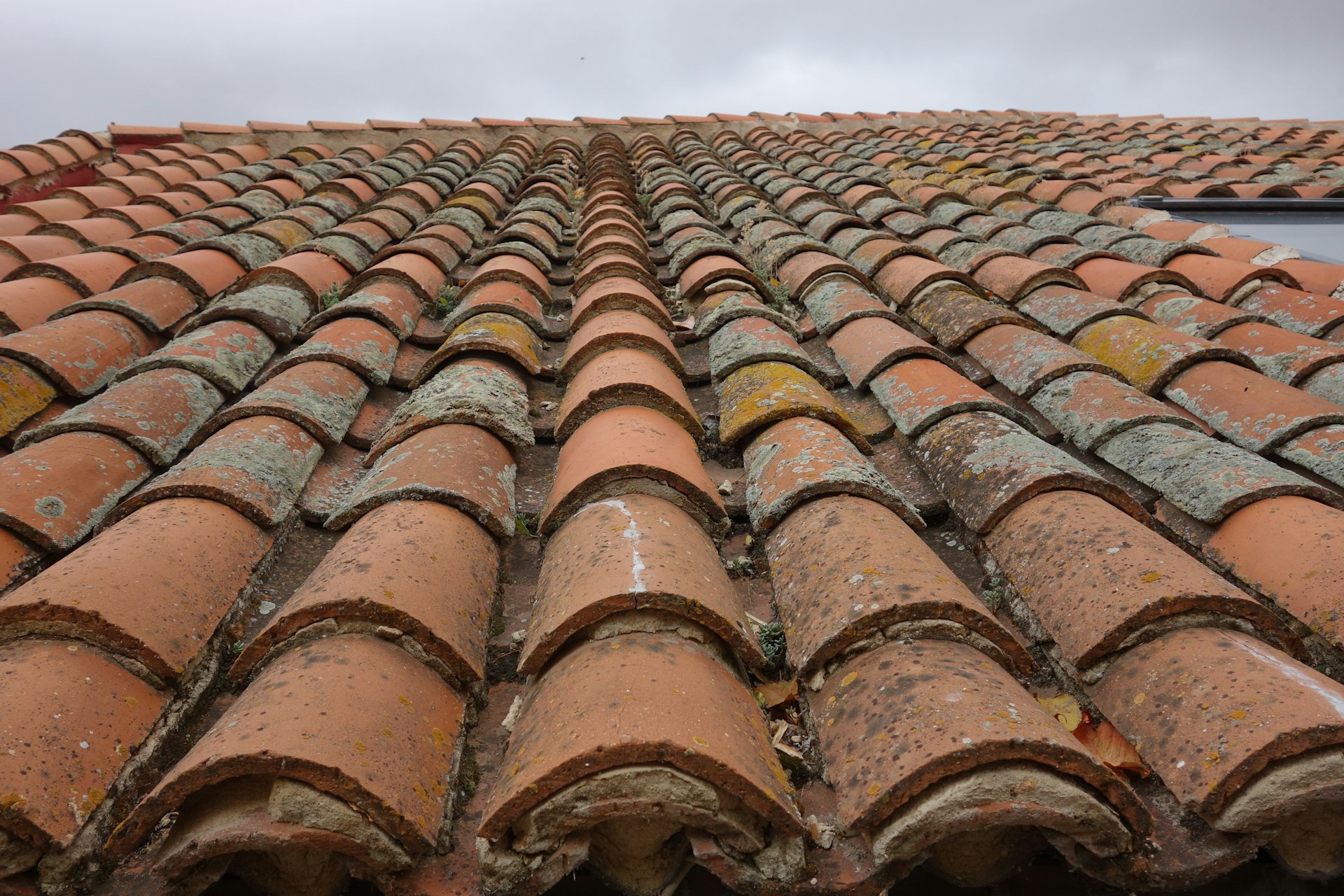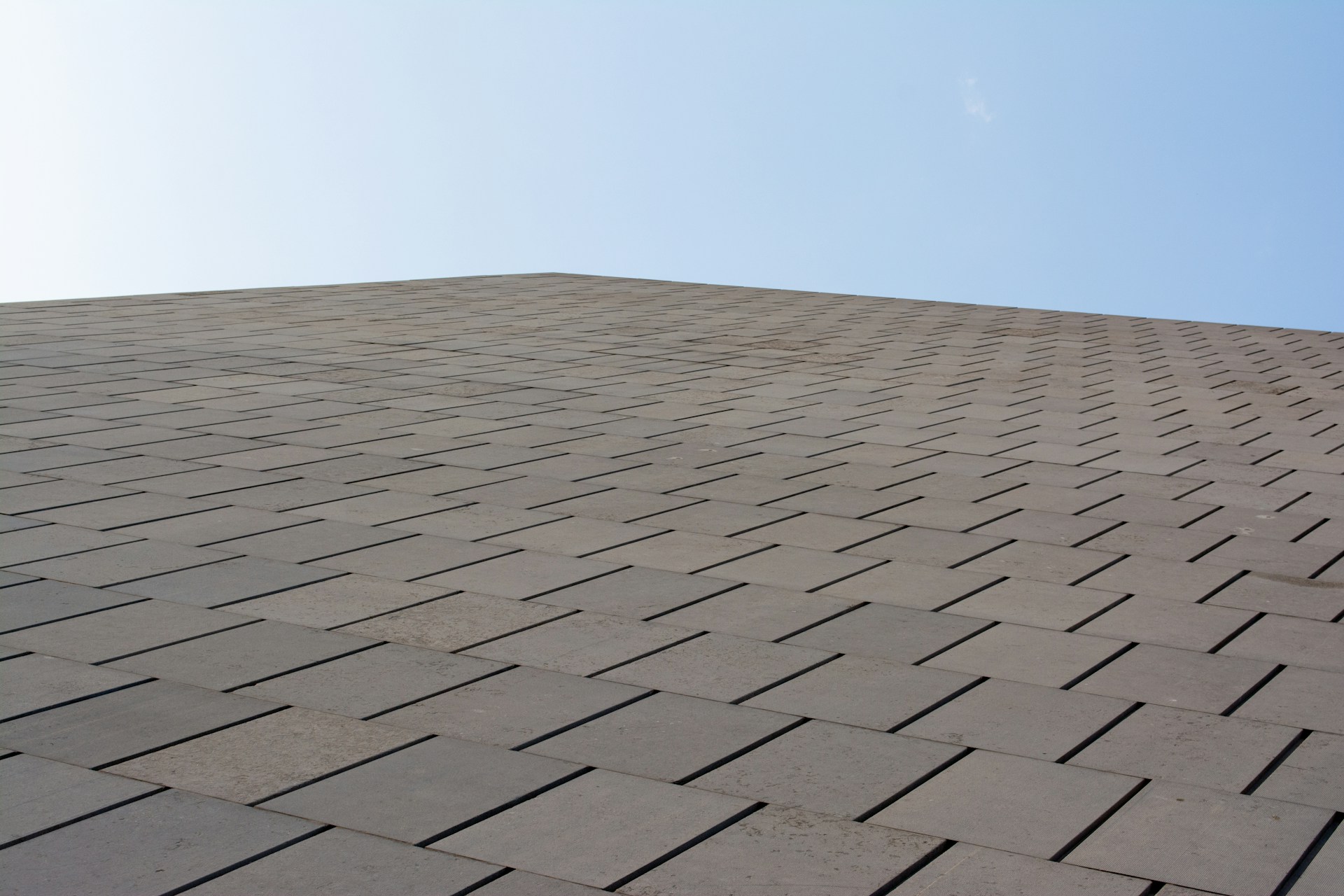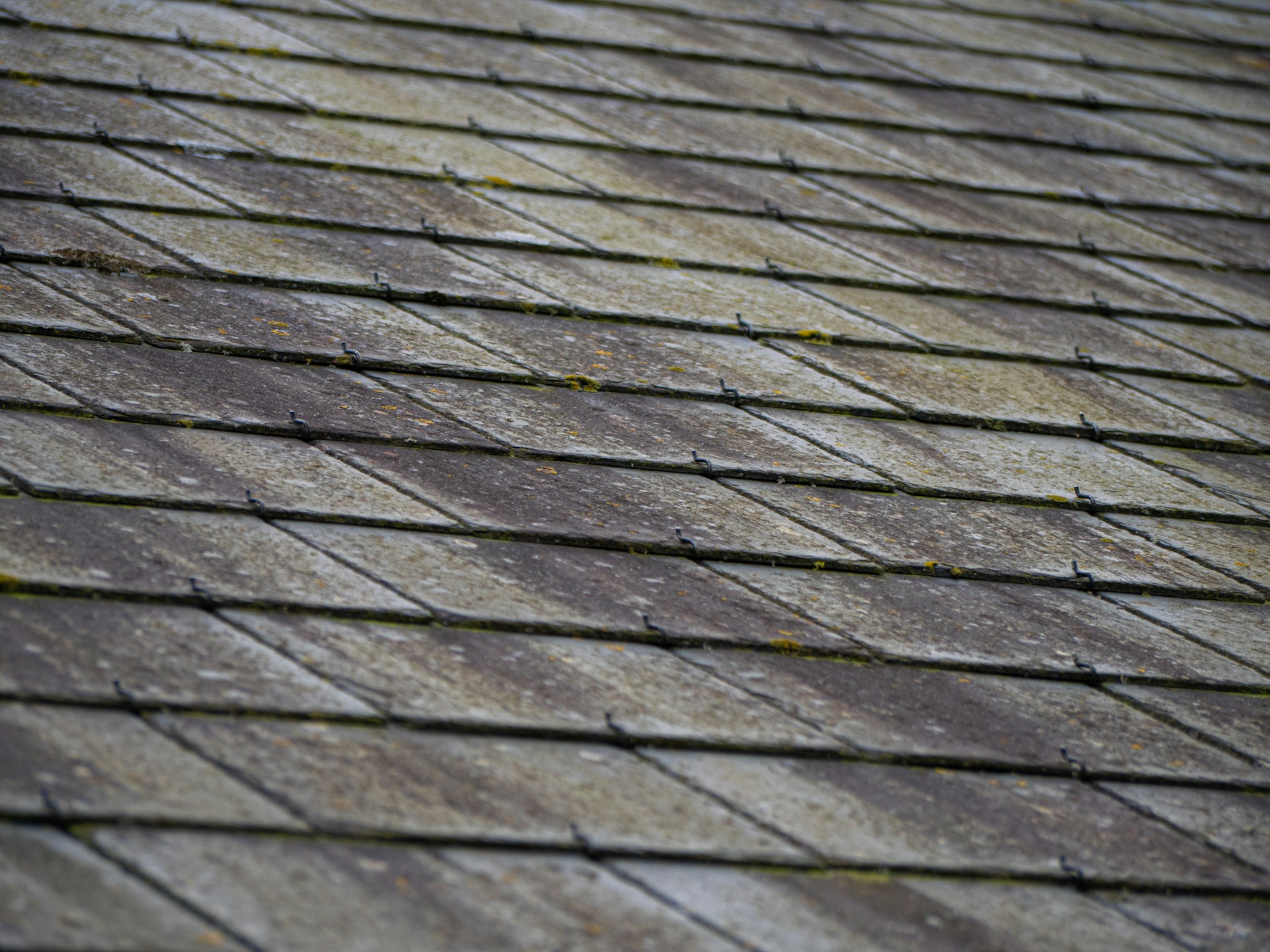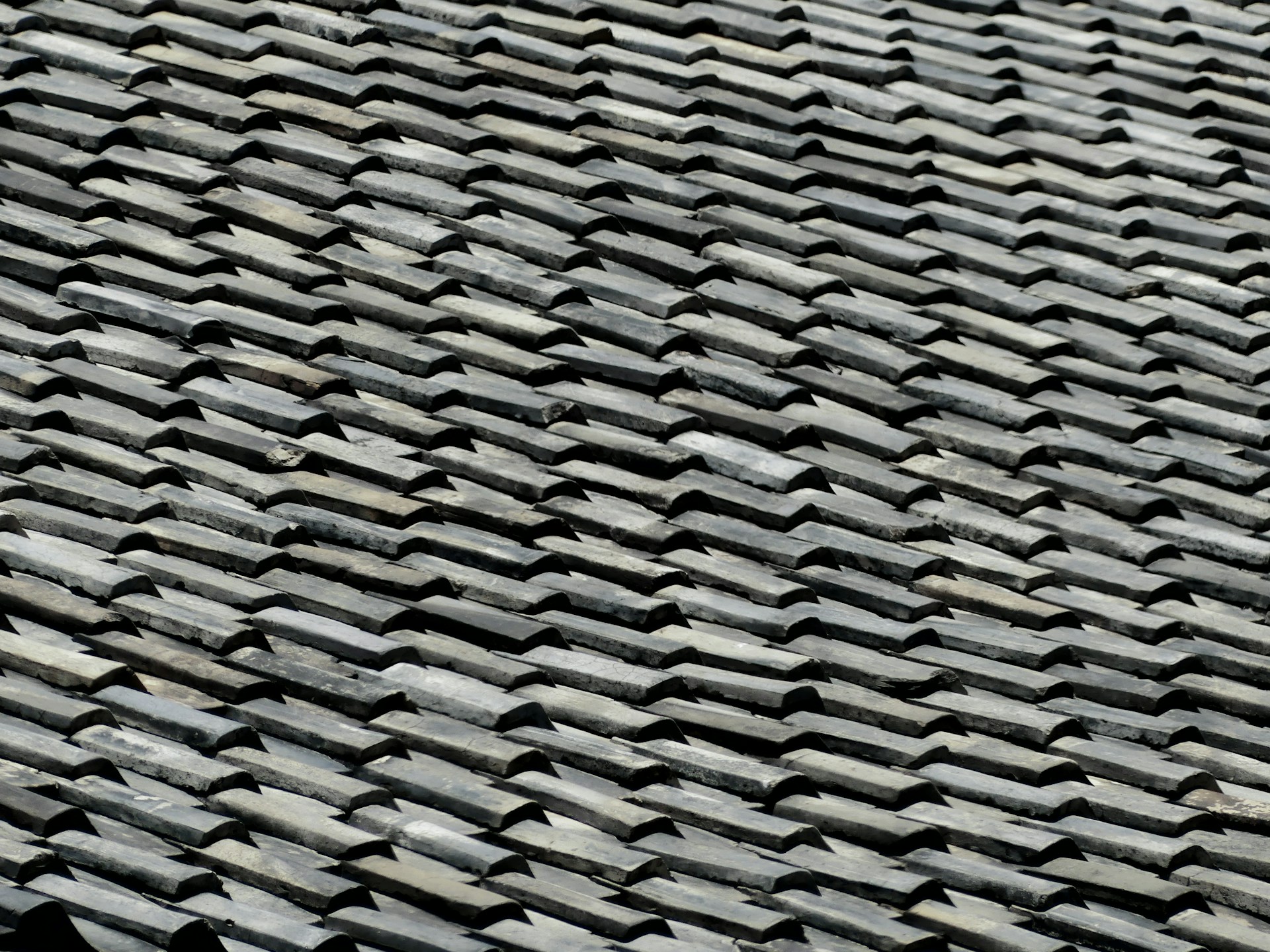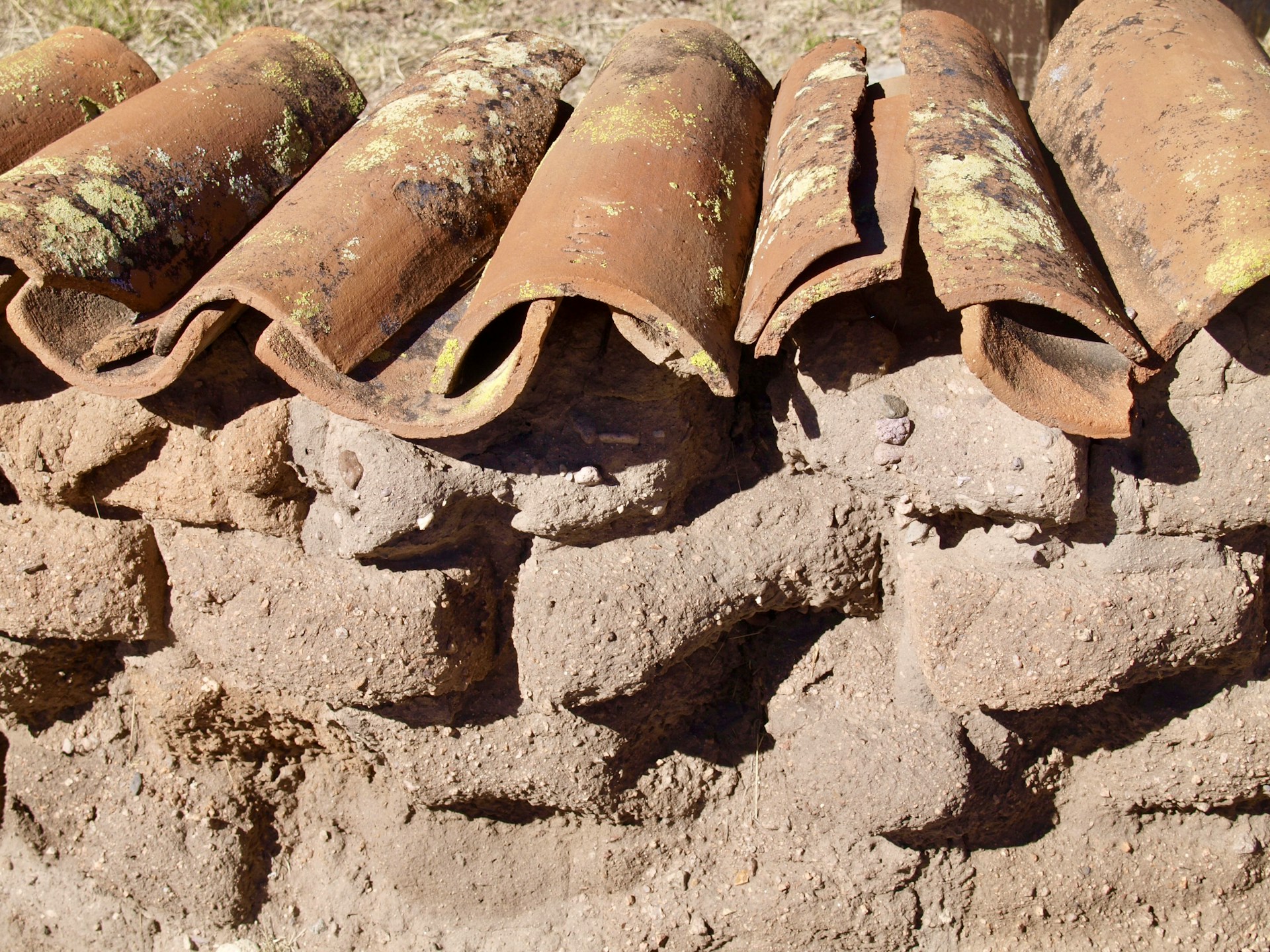
Antique clay tiles bring lasting craftsmanship and timeless texture to restoration projects. Each tile carries color depth, glaze variation, and surface wear that no modern substitute can truly reproduce.
Reclaimed Slate Roofing sources verified antique clay tiles from historic demolitions and restoration stock. Every batch is cleaned, graded, and prepared for reuse to preserve architectural authenticity.
This guide explains how to recognize genuine antique clay tiles, source and match replacements, and plan installation and care for durable, historically accurate results.
Understanding Antique Clay Tiles for Restoration
Antique clay tiles add color, texture, and history to restoration projects. Learn what sets them apart, their importance in old buildings, and how to spot genuine antiques versus modern copies.
Defining Antique Clay Tiles
Antique clay tiles are ceramics made from natural clay, shaped and fired before the mid-20th century. They often show hand or early machine marks, uneven edges, and a range of textures from matte to glazed. Common shapes include barrel, flat, and decorative encaustic patterns.
Check the clay body color—red, buff, or brown—and the glaze type. Original glazes may show crazing, thin spots, or kiln marks. These signs help you judge the condition and restoration needs. Match profile, thickness, and weathering for your project.
While new reproductions may fit structurally, they often lack the subtle irregularities of true antiques.
Historical Significance in Architecture
Antique clay tiles shaped regional building styles. Spanish and Mediterranean roofs used curved barrel tiles for rain shedding. Victorian and Edwardian interiors featured encaustic and glazed tiles for floors and walls. These tiles highlight a building’s era and social context.
You’ll find them on roofs, floors, and decorative facades. In historic districts, preserving original tiles maintains a property’s heritage value and may affect permit or grant eligibility. Architects and conservators often prefer repair and reuse to replacement.
Using original or well-matched reclaimed tiles keeps historic patterns and color palettes intact. This is important when restoring a period look or meeting preservation guidelines. Even small mismatches can undermine the historic character you want to protect.
Identifying Authenticity and Age
Check for manufacturer marks such as stamped maker’s marks, hand-tool impressions, or kiln scars to help date tiles. Look for wear patterns—edges worn by foot traffic or weathered glaze—consistent with age.
Older clay tiles are often denser and more porous than modern mixes. Color layering—an older underbody with a different surface glaze—also suggests age. Uniform tiles usually mean recent production.
Document your findings with photos and notes. If unsure, consult a tile conservator or use local archives to match maker marks and profiles. This helps you decide whether to reuse, repair, or source faithful reproductions.
Types and Designs of Antique Clay Tiles
Antique clay tiles come in many shapes, surface details, and colors, affecting how they look on roofs, floors, and walls. You’ll find simple terracotta plains, bold geometric mosaics, and region-specific profiles that reflect a building’s story.
Common Tile Patterns
Plain terracotta tiles, often rectangular or curved, give a warm, reddish-brown field and are common where a consistent base color matters. Victorian encaustic patterns use inlaid colored clay for motifs like octagons, stars, and rosettes. These designs hold color through wear since the pattern runs through the tile body.
Spanish Mission and Dutch pantiles use S-curves and single-lap coursing to create shadow lines on roofs. Fish-scale tiles overlap to form scalloped façades. Choose patterns that match your building’s original era for visual accuracy.
Geometric and Decorative Styles
Geometric layouts include checkerboards, diamonds, and complex repeats that rely on symmetry. These appear in Victorian entry halls and tiled corridors. Decorative styles include encaustic, glazed, and molded relief tiles.
Encaustic tiles use colored clays for lasting contrast, while glazed tiles add bright color and sheen, often seen in Byzantine-inspired interiors. Molded tiles and fish-scale variants add texture and shadow. For restorations, keep samples to match motif scale, grout width, and color depth so replacements look original.
Regional Variations and Influences
Terracotta plains appear in Mediterranean and colonial buildings, with clay tones shifting from warm orange to deep red based on local soil. Coastal regions favor Spanish Mission tiles for salt resistance and ventilation.
Northern Europe developed darker, heavier tiles, and Dutch pantiles spread through 16th-century trade. These tiles often arrived as ship ballast, explaining their presence far from Dutch coasts.
Byzantine glazed tiles show vivid blues, greens, and symbols like crosses and vines, mainly in sacred or formal buildings. Use regional profiles and firing styles to preserve historical accuracy when restoring.
Sourcing Antique and Reproduction Clay Tiles
Decide between makers that reproduce historic tiles and sources that salvage original pieces. Consider color match, tile size, finish, lead times, and whether you need whole tiles, borders, or medallions.
Specialty Tile Makers and Brands
Seek out manufacturers specializing in historic reproductions. American Restoration Tile and Tile Source create custom and handmade tiles matching Victorian, Arts & Crafts, and other period styles.
They can reproduce specific sizes, glazes, and patterns for trim, floors, or fireplace surrounds. Request samples and color chips before ordering.
Confirm lead time, as small runs can take weeks or months. Make sure the maker can match old thicknesses and edge profiles; thin modern tiles can cause installation problems. Ask about frost and wear ratings for floors or exterior use.
Tile Salvage and Reclaimed Options
Salvage yards and dealers offer original tiles from 1850 to 1930 that already show patina and wear. Storied Salvage Tile Co. and vintage dealers list reclaimed clay tiles, borders, and medallions ready to install.
Reclaimed tile gives an authentic character that reproductions can’t fully match. Measure carefully before buying reclaimed pieces; sizes vary, and matching may require sorting.
Check for cracks, glaze crazing, and whether pieces can be cleaned safely. Reclaimed tiles often need more grout work and careful prep. If you only need a few originals, mix reclaimed with reproduction tiles for consistency.
EPA Guidelines for Reusing Building Materials
The Environmental Protection Agency (EPA) supports material reuse to reduce landfill waste and emissions. Choosing reclaimed or antique clay tiles aligns with EPA sustainability goals by lowering embodied energy and preserving cultural resources.
Choosing the Right Tile Source
Decide if authenticity or consistency is more important for your project. For exact historic matches, order custom reproductions or use reclaimed tile from a reliable dealer. If the budget or timeline is tight, off-the-shelf handmade tiles can offer a close look at a lower cost.
Get written specs: size, thickness, glaze codes, and return policies. Compare samples under your project’s lighting. Ask about warranty, production capacity, and minimum order sizes. Keep an inventory plan so you can blend reclaimed and reproduction tiles without visible seams.
Selecting and Customizing Tiles for Restoration Projects
Identify what failed, what must stay, and which tiles need replacement or reproduction. Focus on material, size, glaze, and installation details so new pieces blend seamlessly with the old work.
Assessing Restoration Needs
Catalog damaged and intact areas. Count whole tiles, chips, and loose bedding, and note whether tiles sit on mortar, mortar beds, or modern underlayment. Photograph each elevation and label shots with measurements and locations.
Test a few tiles for porosity, glaze hardness, and clay color in natural light.
Note fired clay tone, surface texture, and glaze type. Record thickness and edge profile so replacements fit existing joints. Identify causes of failure before replacing tiles. Check for moisture, flashing issues, or improper mortar, and fix those first.
Matching Existing Tilework
Measure three representative tiles for size, thickness, and edge chamfer. Use a caliper for accuracy. Match the grout joint width and depth so the new tiles blend in. Compare color samples in daylight and at the installation site.
Place broken tile fragments next to possible matches. Look for glaze crazing, kiln marks, or tooling marks to decide if you need reclaimed pieces or custom reproductions.
Decide whether to use reclaimed tiles, reproduction stock, or custom runs. Reclaimed tiles often match patina and wear, but may not supply enough quantity. Keep a small stock of spare tiles for future repairs.
Custom Orders and Color Matching
When ordering custom tiles, provide detailed specs: exact dimensions, clay body description, glaze recipe or visual samples, firing temperature range, and photos of installed tile with close-ups. Ask for test tiles and a written tolerance of shade variation.
Use a small set of test tiles on-site before full production. Approve glaze samples under the same lighting as the project. For close patina, request aging techniques or slight color variation across batches.
Include installation notes: recommended mortar, joint width, and finishing techniques. Get lead times and a small overage (5–15%) for future repairs. Keep all documentation and samples for future reference.
Installation, Maintenance, and Longevity
Learn how to prepare surfaces, install antique clay tiles, care for them, and adapt methods for floors and walls. Follow steps for subfloor prep, proper mortars and fastenings, gentle cleaning, and targeted repair techniques.
Preparing Surfaces and Subfloors
Check for level and structural soundness before starting. For floor tiles, ensure the subfloor is rigid and free of deflection. Use at least 3/4" exterior-grade plywood over joists spaced to code, or a concrete slab with a moisture barrier. Use a leveling compound for small dips and grind down high spots.
Test moisture levels with a meter. Clay tiles resist water, but thin-set and backer boards do not. On wood subfloors, install cement backer board or an uncoupling membrane to protect the tile and mortar.
For walls, ensure studs are plumb, and sheathing is flat; use cement board in wet areas. Clean the surface of dust, oils, and old adhesive. Tape off thresholds and transitions before laying tile to keep edges straight.
Proper Tile Installation Methods
Dry-fit tiles in a small area first to confirm pattern and color match. Use a polymer-modified thin-set mortar rated for clay tile and follow the manufacturer’s pot life and open time. Butter the back of each tile for full-coverage bedding on floors to avoid hollow spots.
Maintain consistent joint widths with spacers. Antique tiles often vary, so use a flexible grout joint (typically 1/8"–3/8"). For floors, press tiles into mortar with a beating block to achieve 95% coverage under traffic areas. On walls, use a medium-bed mortar for heavy tiles and support them temporarily until the mortar sets.
Seal unglazed antique tiles before grouting if recommended by your supplier. Choose stain-resistant grout suitable for historic work and protect tile edges during curing to prevent chipping.
Caring for and Preserving Antique Tiles
Clean tiles with pH-neutral cleaners and a soft brush. Avoid acid or harsh alkaline cleaners that can damage glazing and fabrics. Sweep or vacuum grit regularly to prevent surface scratching on floor tiles.
Re-seal porous antique clay every 1–5 years, depending on traffic and location. Sprinkle water on the tile—if it darkens quickly, it’s time to reseal. Use breathable, penetrating sealers made for clay, not film-forming sealers that trap moisture.
Repair chips with color-matched epoxy or replace individual tiles using the same method. Store spare tiles in a dry place for future repairs, labeled by room and pattern. Take photos of the tile layout before removal to help with reinstallation.
Tips for Floor and Wall Applications
For high-traffic floors, choose thicker tiles (3/4" or more) and install them on a concrete slab or reinforced subfloor. Select a grout color that hides wear; darker neutrals work well in busy areas. Install proper transitions to other flooring to protect tile edges.
On walls, keep heavier antique tiles low or use mechanical anchors for extra security. In wet areas like showers, make sure waterproofing is behind the cement board and slope the pan to drain water.
Let mortar cure fully before heavy use—typically 48–72 hours for light use and up to 7 days for full traffic, depending on temperature and product instructions.
Preserving Heritage Through Authentic Craft
Antique clay tiles preserve more than architecture — they protect craftsmanship, regional identity, and environmental balance. Their proven durability and timeless finish make them the ideal choice for restorations that must look right and last for generations.
Reclaimed Slate Roofing supplies authentic antique clay tiles backed by verified provenance and precise grading. Each batch is inspected for structural integrity and historical accuracy, helping architects, builders, and homeowners meet preservation standards with confidence.
Bring the story of your building back to life. Explore our reclaimed clay collections, request a detailed quote, or contact our restoration specialists to source tiles that match your project’s heritage and design intent.
Frequently Asked Questions
This section covers how to pick, buy, price, and use antique clay tiles. It also points to sources and expected lifespan so you can plan your restoration work.
How do I identify the best antique clay tiles suitable for my restoration project?
Choose tiles with consistent firing, intact shapes, and only minor chips. Match color, profile, and thickness to your existing tiles. Ask about provenance and age for better durability insight. Have a specialist inspect tiles for hidden cracks or poor repairs.
Where can I find authentic antique clay tiles for sale?
Search salvage yards that handle roofing materials. Many list reclaimed tiles by style and size. Check specialized dealers and online marketplaces for reclaimed building materials. Contact historic restoration suppliers and local conservation groups for connections.
What should I expect to pay for antique clay tiles?
Prices depend on rarity, condition, and style. Common reclaimed tiles cost less; rare or hand-formed tiles cost more. Plan for extra costs like sorting, shipping, and repairs. Compare the delivered price per usable tile from several suppliers.
Are there any local dealers specializing in reclaimed roof tiles?
Yes. Look for brokers and dealers listed under “heritage” or “reclaimed roofing” in your area. Local suppliers often match historic profiles. Call regional restoration tile manufacturers and salvage yards for referrals. Ask preservation offices or roofing contractors for recommendations.
What creative uses are there for old clay tiles?
Use single tiles as garden edging, stepping stones, or wall accents. Cut or mount tiles for backsplashes, fireplace surrounds, or tabletops. Mix whole and cut tiles in mosaic patterns for patios or feature walls to add historic character and reuse original materials.
How long can I expect antique clay tiles to last once installed?
Well-fired clay tiles often last for decades or even a century when installed correctly. Many antique tiles have already served for many years and can continue to perform well.
Proper underlayment, flashing, and installation are key to longevity. Regular inspections and repairs help extend their lifespan.