Tracking down the right slate profile for a restoration project can feel like a needle-in-a-haystack search. Historic roofs used shapes, cuts, and thicknesses you don’t see in modern production, so getting an accurate match takes some patience, a sharp eye, and a supplier who knows older materials inside and out. The goal is simple: keep the roof structurally sound and visually true to the period.
Start by locking in the basics - shape, thickness, color range, and exposure. From there, focus on reclaimed inventories that specialize in older profiles and actually inspect what they sell. That’s where our team at Reclaimed Slate Roofing comes in. We hand-sort and catalog rare cuts pulled from historic demolitions, making it easier to find the exact profiles you need without weeks of digging around.
This guide walks you through how to identify rare shapes, confirm authenticity, compare batches, and source slates that install cleanly and match historic character from day one.
Slate Profiles for Restoration
Slate profile really shapes how the roof fits, sheds water, and keeps that old-world look. You’ve got to match thickness, headlap, and butt dimensions so gutters, flashing, and courses all work like they’re supposed to.
A slate profile is just the cut shape and main dimensions: length, width, thickness, headlap, and butt detail. These control how each course overlaps and how water moves down the roof.
You’ll see single-width, double-width, and shaped cuts like fishscale or diamond. Butt finish varies too—straight, rock-faced, pointed, you name it. Each change messes with how courses lock together and how many slates you’ll need per square.
Before ordering, record the original slate’s dimensions. Measure a bunch from different spots. Watch for oddball cuts at hips, valleys, or eaves—historic roofs love to surprise you.
Types of Slate Used in Restorations
Restorations usually call for reclaimed natural slate, but sometimes you have to go with new slate if you can’t find the right reclaimed stuff. Reclaimed slate brings that original patina and weathering, plus historic color ranges like grey, purple, or green.
You’ll run into Welsh, Vermont, and Spanish slates most often. They all have their quirks—Welsh is thin and stable, Vermont’s thicker and heavier.
When buying, specify both where the slate came from and its physical profile. If you need odd sizes or shapes, Reclaimed Slate Roofing can hunt down and vet batches that actually match the old roof.
Profile Matching
Matching profile isn’t just about looks—it keeps the roof watertight and the building’s appearance intact. Use the wrong thickness or headlap, and you’re asking for leaks, weird drainage, and uneven courses that’ll cut roof life short.
Wrong butt profiles stand out at eaves and dormers. If you swap in much heavier slate without checking the framing, you might mess with structural loads.
Test-fit mock courses on a sample area first. Make sure flashing and nail placement line up with the original. Take detailed measurements and photos—future you will thank you.
Why Hard-To-Find Slate Profiles Matter
Hard-to-find slate profiles do more than just look right—they affect how long a roof lasts and how well it matches the original design. Getting the right size, thickness, and edge detail can mean the difference between a true restoration and an awkward replacement.
Preservation of Architectural Heritage
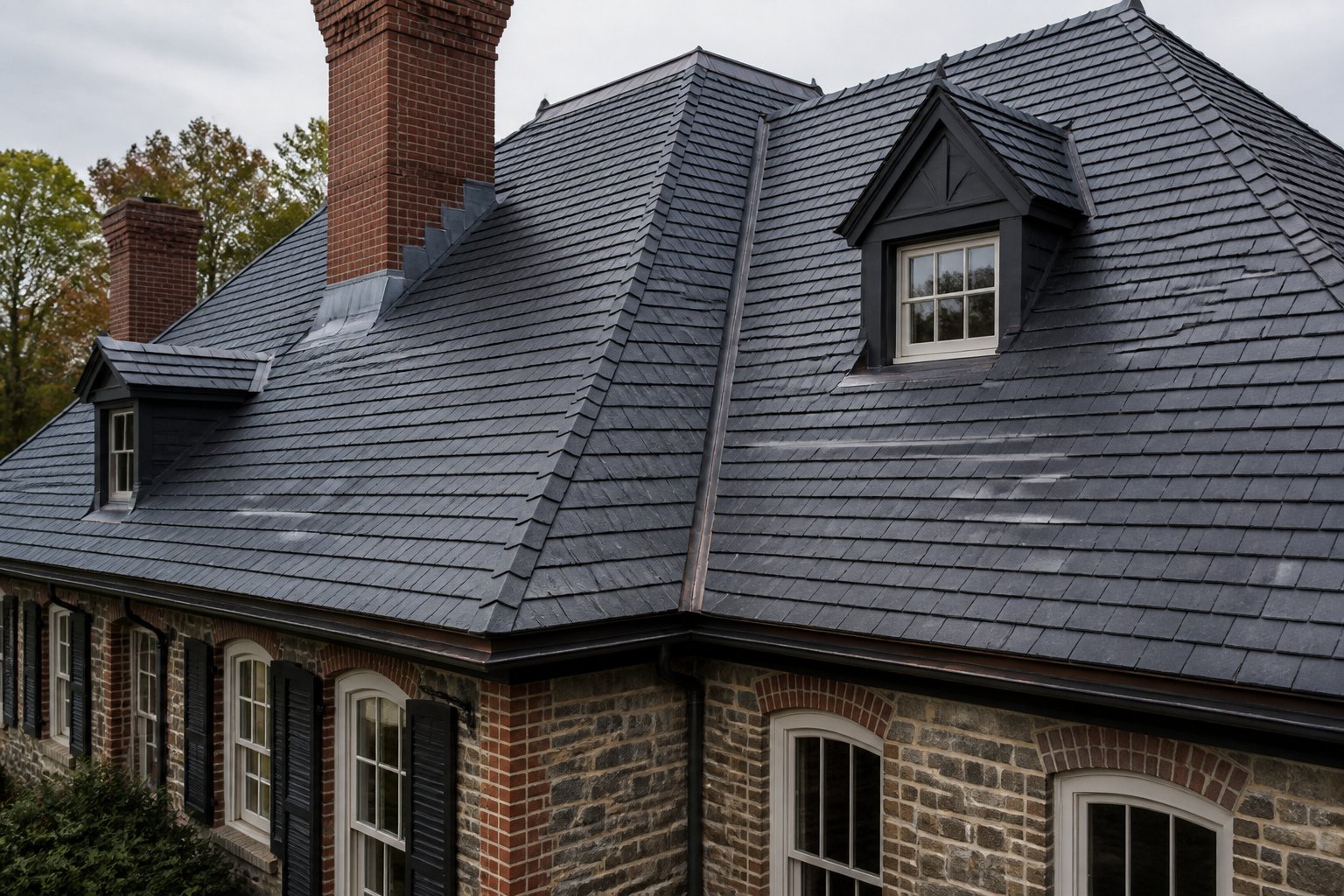
Sticking with the exact slate profile keeps original roof lines and design intact. Historic buildings often used specific cuts—fishscale, graduated courses, rectangular coursing—that really set the style. Get it wrong, and the whole rhythm of eaves, hips, and dormers just feels off.
You’ve got to match color, grain, and surface finish if you want to meet historical records and local preservation rules. Reclaimed pieces usually have the right patina and nail-hole patterns, which helps you meet conservation standards.
Enhancing Structural Longevity
The right profile makes sure water sheds properly and the load gets distributed evenly. Slate thickness and size decide how tiles overlap and lock in. If you mess up the overlap, you risk leaks, wind getting under tiles, and faster wear.
Using reclaimed slate with proven durability means you won’t be replacing things so often. Match the original weight to avoid stressing the roof framing. And always check reclaimed profiles for cracks and delamination—no one wants a roof that fails early.
Maintaining Authenticity in Restorations
Authenticity isn’t just about how it looks—it’s about using materials made the same way as the originals. When you track down real reclaimed slate, you keep those manufacturing quirks like cleavage lines and natural variation that machine-made stuff just can’t fake.
Work with suppliers who actually check each piece for fit and authenticity. Reclaimed Slate Roofing, for example, inspects and supplies job-ready slate so you can keep your specs tight and your finished roof historically accurate.
Common Challenges in Sourcing Rare Slate Profiles
Finding exact historic slate shapes, colors, and thicknesses? It takes patience, careful checks, and sometimes a little luck. You’ll run into gaps in availability, regional quirks in color and cut, and rules that limit how much reclaimed material you can actually get.
Out-of-Production Designs
A lot of historic slate profiles haven’t been cut in decades. You might need shapes like fish-scale, diamond, bullnose, or special coursing that no modern mill touches. That means hunting through reclaimed stock from demolished buildings or salvage yards.
Always inspect each piece. Look for consistent thickness, usable nail holes, and minimal delamination. Even small differences can throw off your roof pattern or force you into custom flashing and underlayment tweaks.
Plan for waste. Buy 10–25% more than you think you need, especially if sizes are mixed or pieces are worn. If you’re working with someone like Reclaimed Slate Roofing, ask if they sort by profile and can match batches for color and cut.
Regional Variability
Slate color and grain shift by quarry and region. Purples and greens might come from Welsh or Vermont, while gray and black are more common elsewhere. Matching perfectly often depends on the original quarry or a lucky reclaimed find.
Ask for sample sets before you commit. For small repairs, you’ll need a match in color, grain, and weathering. For big jobs, accept a bit of tonal variation and try out a mock-up to see how it looks.
Logistics can bite, too. Rare regional slates may have to come from far away. Factor in freight, careful handling, and lead times when you’re scheduling crews.
Environmental and Regulatory Limitations
Salvage work sometimes bumps into rules protecting historic sites or habitats. Some demo jobs only let approved contractors recover materials, or you’ll need permits just to remove slate. Always confirm site access and legal clearance before expecting to reclaim anything.
Hazards like asbestos or lead paint can block reclamation. Always ask for inspection reports and testing when you’re dealing with older buildings. Suppliers should show they handled and cleaned the slate safely.
Preservation standards might require original material for landmarked buildings, which drives up demand and shrinks supply. Sometimes you’ll need backup plans—phased repairs, approved modern substitutes, or custom-fab pieces—if originals just aren’t out there.
Solutions for Locating Hard-To-Find Slate Profiles
You can find rare slate by working with specialist suppliers, ordering custom-cut pieces, or using salvaged material from historic sources. Each option has trade-offs—cost, timeline, authenticity—so pick what fits your project best.
Partnering With Specialist Suppliers
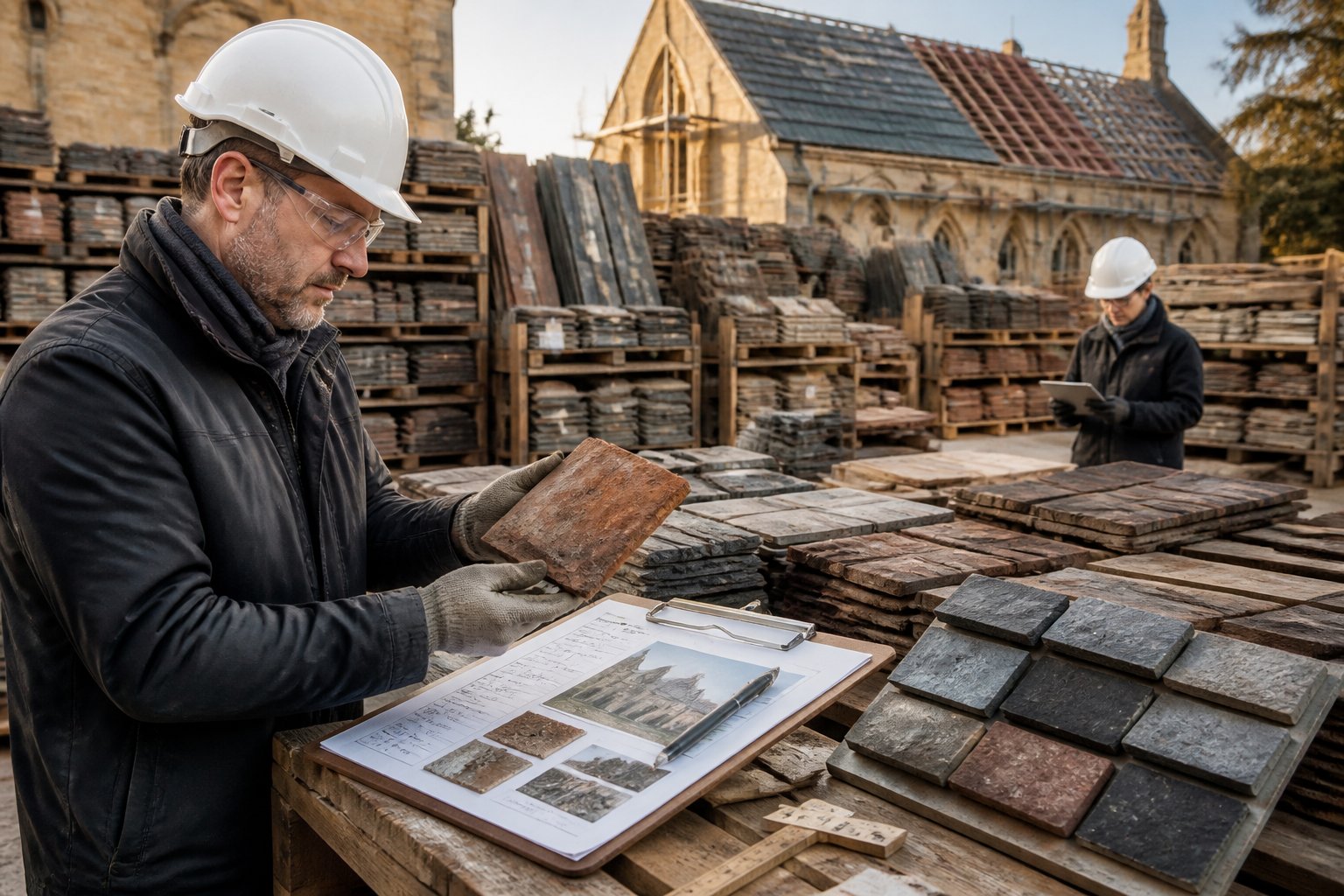
Go with suppliers who really know reclaimed and rare profiles. Find vendors who inspect, sort, and grade slates by size, thickness, and color before shipping. Ask for sample batches or photos with a scale so you can check the match.
Get clear on lead times, return policies, and shipping details. Make sure they can source specific profiles—fishscale, graduated widths, narrow Welsh cuts, whatever you need. If you want consistent batches over phases, ask how they track lot consistency.
Share your project specs—roof pitch, exposure, replacement pattern—so the supplier can make solid recommendations. Reclaimed Slate Roofing is worth a look if you want vetted, builder-ready material and quick delivery.
Custom Fabrication of Slate Profiles
If you can’t find original profiles, custom fabrication can match shape and thickness. Reach out to fabricators who work with natural slate and can split, cut, and hand-trim for historic profiles. Send them physical samples, templates, or scaled drawings.
It’ll cost more and take longer than reclaimed, but sometimes that’s the only path. Ask about cutting technique, edge finish, and thickness tolerance. Make sure the quarry source matches the color and cleavage.
Start with a small prototype run. Use those pieces on a test patch to check weathering and fit before you go all-in.
Utilizing Salvaged Materials
Salvaged slate from demo sites often brings you the authentic profiles you need. Stick with suppliers who clean, inspect, and grade each piece. Get documentation on origin and condition—age, previous exposure, any repairs.
For larger jobs, plan the logistics. Salvage lots can be all over the place in profile and quantity. Mix salvaged with new or fabricated slates to fill gaps, and keep the installation pattern consistent so repairs blend in. Store salvaged material carefully to avoid damage.
Check quality on delivery. Sort slates by size and condition, label batches, and save fragile pieces for less critical spots.
Restoration Projects Using Slate
Plan inspections, match color and texture with care, and use installation methods that keep the original roof’s spirit. Focus on sound slate, proper fasteners, and a steady visual match for true historic accuracy.
Assessing Condition of Existing Slate
Walk the roof with a checklist: spot broken, slipped, or delaminated slates; check flashing and underlayment; map out patterns and bond lines. Count whole slates by size and profile so you know exactly what to source.
Peek under ridge caps and around nail heads for rust or nails backing out. Tap a few slates—sound ones ring, weak ones sound dull or flake.
Take photos and measurements for matching. Label each area (north slope, south slope, etc.) so you install replacements in the right spots. Make notes on nails used and past repair methods.
Proper Installation Techniques
Remove damaged slates one by one—don’t rush and break the good ones. Use a slate ripper to get old nails out, then replace with copper or stainless steel nails sized to the slate thickness.
Stick to the original bond and headlap; measure existing courses and copy them. Cut replacements with a score-and-snap or diamond blade to match the profile. Use lead or copper flashings to support cut edges where needed.
Anchor each slate at two points and stagger joints to avoid vertical seams lining up. Flashing should fit tight to masonry and seal with breathable underlayment. Work in small sections and check each course as you go.
Matching Slate Color and Texture
Grab several full-size samples from both the roof and reclaimed stock before buying. Compare them in natural light, right at the roof plane. Notice the veining, sheen, and weathering.
Match profile and size first, then worry about shade. You can blend slightly different tones to mimic historic variation. Reclaimed slate usually gives you the right weathering and thickness.
If you can’t get an exact match, plan a phased replacement that mixes new and reclaimed pieces to avoid obvious patches. Keep extra matched pieces for future repairs—your roof will thank you later.
Maintaining and Caring for Restored Slate Profiles
Keep restored slate roofs in shape with regular checks, gentle cleaning, and quick repair when you spot damage. Move fast and be specific: check flashings and fasteners, clear debris gently, and swap out just the busted slates with ones that match.
Routine Inspection Tips
Take a good look at your roof twice a year—and after any big storm. Walk around the house and use binoculars to spot cracked, slipped, or missing slates, plus any loose nails.
Check flashings, valleys, and ridge work up close. Watch for lifted lead or copper, or any gaps in the sealant where water might sneak in. Moss, lichen, or piles of debris? Those hold in moisture against the slate, so note them.
Mark down where you find problems and what type of slate it is. Snap some photos of the profile and slope—makes it way easier to match replacements later. Keep a maintenance log with dates and fixes.
Safe Cleaning Methods
Go easy when cleaning slate—chipping or delamination happens fast. Stick to a soft-bristle brush and low-pressure water (just a garden hose, never a power washer). Always work downhill to keep water from getting under the slates.
Take off moss and lichen by hand or with a biological cleaner that's slate-safe; follow the directions and rinse well. Skip harsh acids, bleach, or abrasive pads—they'll wreck the slate and old mortar.
Gutters, valleys, chimneys: clear them out regularly. Scoop debris with gloved hands, then flush gently. If you're unsure, hire a roofer who knows reclaimed slate. Bad cleaning can get expensive, fast.
Repair and Replacement Guidance
Match new slates to the original profile, thickness, and how they're hung. Salvaged slates or ones from Reclaimed Slate Roofing help you keep the look and fit right. Always test-fit on the ground before you go up.
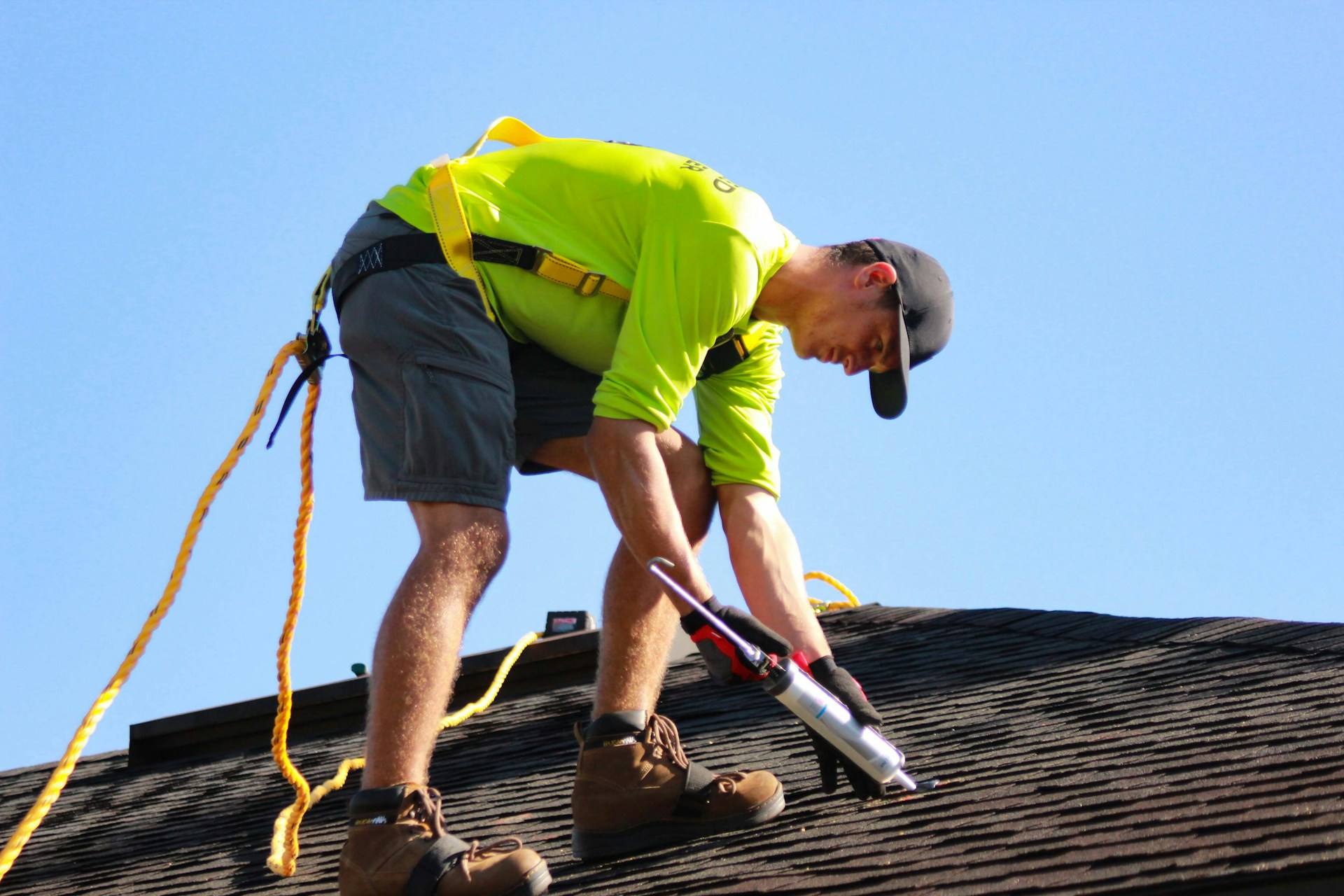
Use stainless steel or copper nails, sized like the originals, and set them right—roofing cement only if it fits the era. To swap a slate, lift the two above, slide in the new one, and clinch the nails.
For ridges, hips, flashings, or bigger repairs, bring in someone who knows historic slate. Keep matched spares on hand for quick fixes; that way, you stop small issues before they get worse.
Restoring a historic slate roof takes more than tracking down a few matching tiles. You need the right profile, the right color range, and the right thickness if you want the finished roof to look—and perform—like the original. When you take the time to document what’s already there, sort through reclaimed options carefully, and work with suppliers who actually understand older slate profiles, the process gets a whole lot easier.
Stick with sound material, verify authenticity, and plan your installation with the same level of detail that went into the original craftsmanship. Do that, and you’ll end up with a roof that protects the building, respects its history, and holds up for decades. Whether you’re patching a few missing tiles or rebuilding an entire slope, the right rare-profile slate makes all the difference.
If you ever need help identifying profiles, reviewing samples, or sourcing hard-to-find cuts, our team is always here to point you in the right direction.
Frequently Asked Questions
Here's where you'll find practical advice for matching slate, where to hunt for rare profiles, how to spot quality, ways to protect historic details, cost-saving options, and whether synthetic slate makes sense for your project.
How do you match existing slate tiles for a roof restoration?
Start by taking several clear photos of your roof from different angles and lighting. If you can, remove a couple of tiles to check the exact size, thickness, color, and any markings.
Measure length, width, and gauge (the visible face), in inches or millimeters. Note how the slate's cut—riven, sawn, or cleft—and record the edge shape and butt detail.
Bring your samples and notes to a supplier or reclamation yard. Reclaimed Slate Roofing can check your samples and suggest matching runs if they have them.
What are some trusted sources for purchasing hard-to-find slate profiles?
Try reclamation yards and architectural salvage dealers who focus on roofing. They often pull big, consistent batches from old buildings.
Look for suppliers who inspect and prep reclaimed slates for reuse. Prioritize sellers who share origin, profile sizes, and photos.
If you need something rare, buy direct from a reclaimed roofing specialist. That way, you avoid mixed batches and get faster delivery.
How can you tell the difference between high-quality and low-quality slate?
High-quality slate feels tight-grained, even, and doesn’t flake when you tap it. It sits flat and shows little surface delamination.
Low-quality slate? You’ll spot powdery spots, flaking layers, or wild color differences. Watch out for thin pieces that crack just from handling.
Ask about provenance and inspection. Good suppliers sort and grade reclaimed slate, so you know what you’re getting will last.
What are the best practices for preserving historic slate roofing features?
Document the layout, special cuts, and any decorative bits before you start. Keep a list of intact originals and where they go.
Fix instead of replacing whenever you can. Put original slates back in their old spots to keep the look and structure right.
Use matching nails and flashings, and stick to historic install methods unless code says otherwise. Store removed slates flat and dry.
Is there a cost-effective alternative to traditional slate for roof restorations?
Fiber cement or composite slate can look like real slate for less money. They’re lighter, too, so the roof structure doesn’t need as much beefing up.
But let's be honest—these don’t really match the weathering, texture, or authenticity of natural slate. Maybe use them for newer sections or if the budget or load won’t handle real stone.
Think about the long-term cost, warranty, and how it’ll look before you decide.
Can synthetic slate be used in place of original slate for historical restorations?
You can sometimes use synthetic slate, but it really depends on local preservation rules and building codes. Plenty of historic commissions still insist on real slate—especially for anything visible from the street.
If you go with synthetic, make sure the profile, color, and size look right. It helps to keep records explaining why you chose a replacement and how the synthetic slate holds up to the job.