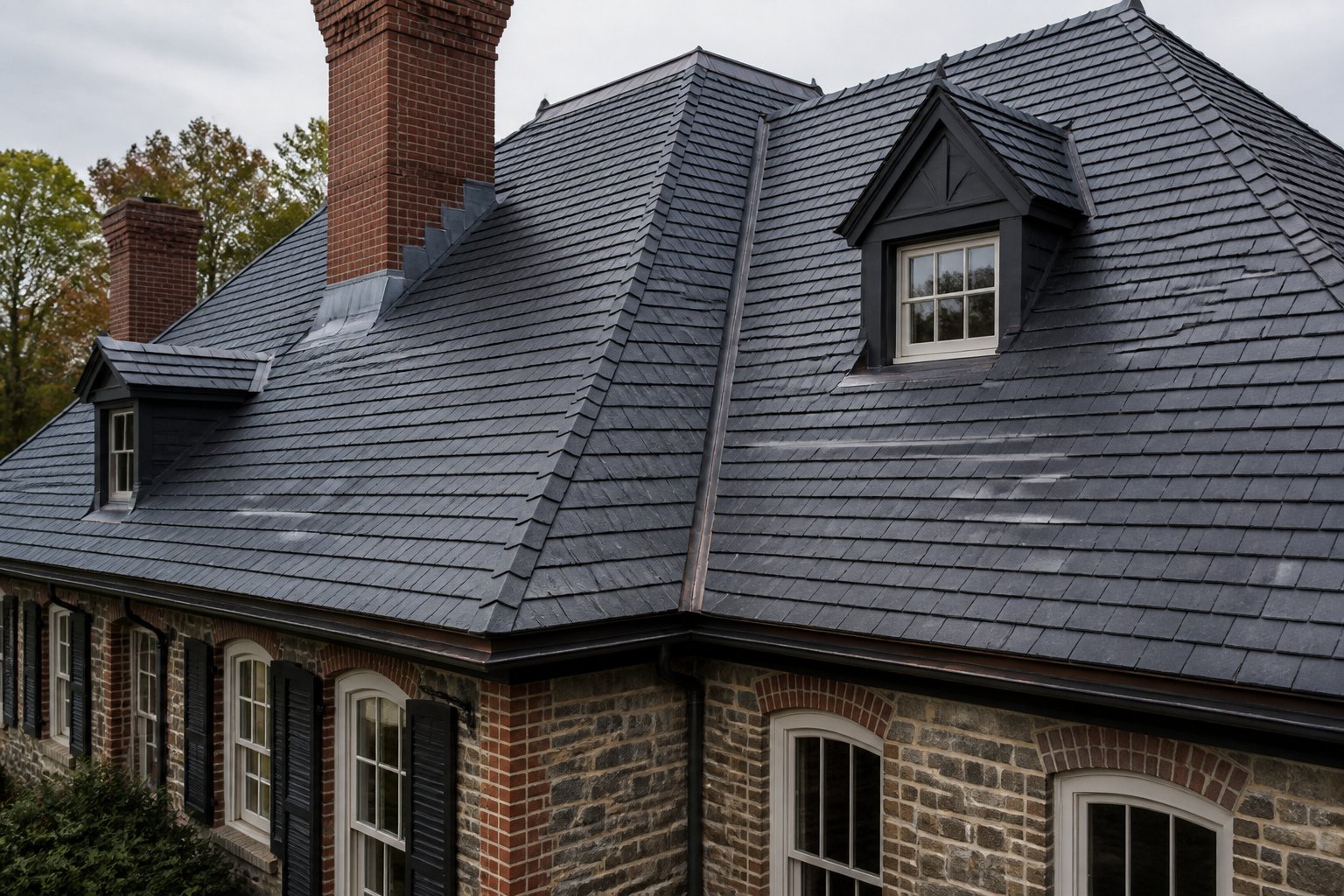
Slate roofing in Dallas offers long-lasting performance, proven weather resistance, and a naturally refined look. When you choose slate, you’re selecting a material that can handle extreme Texas conditions while adding a timeless architectural finish to your home.
Reclaimed Slate Roofing provides authentic reclaimed slate options that deliver both durability and character. These materials offer the strength of natural stone with the added benefit of historic texture and proven longevity.
In this article, you’ll learn how slate performs in Dallas weather, what to consider when selecting materials, how installation and maintenance work, and why reclaimed slate offers notable advantages for both new builds and historic restorations.
What Is Slate Roofing?
Slate roofing offers natural beauty, strength, and long life. The material, how it’s made, and its unique features make slate a smart choice for many roofing projects.
Natural Slate vs. Synthetic Slate
Natural slate is a rock that forms in layers over time. Workers quarry it from the earth and cut it into thin tiles. Each piece of natural slate is unique, with colors ranging from gray to green and deep black. Natural slate is heavy but very durable, lasting over 100 years if installed and maintained properly.
Synthetic slate is made from plastic or rubber. It looks like natural slate but costs less and weighs less. However, synthetic tiles don’t last as long and aren’t as strong against the weather. If you want an authentic, long-lasting roof, natural slate is the better choice, especially if you use reclaimed pieces from a trusted source.
How Slate Tiles Are Made
Workers mine large blocks of slate from quarries. They split these blocks along natural layers using tools to create thin, flat tiles. Each tile is then trimmed to size and sometimes shaped to fit certain roof styles.
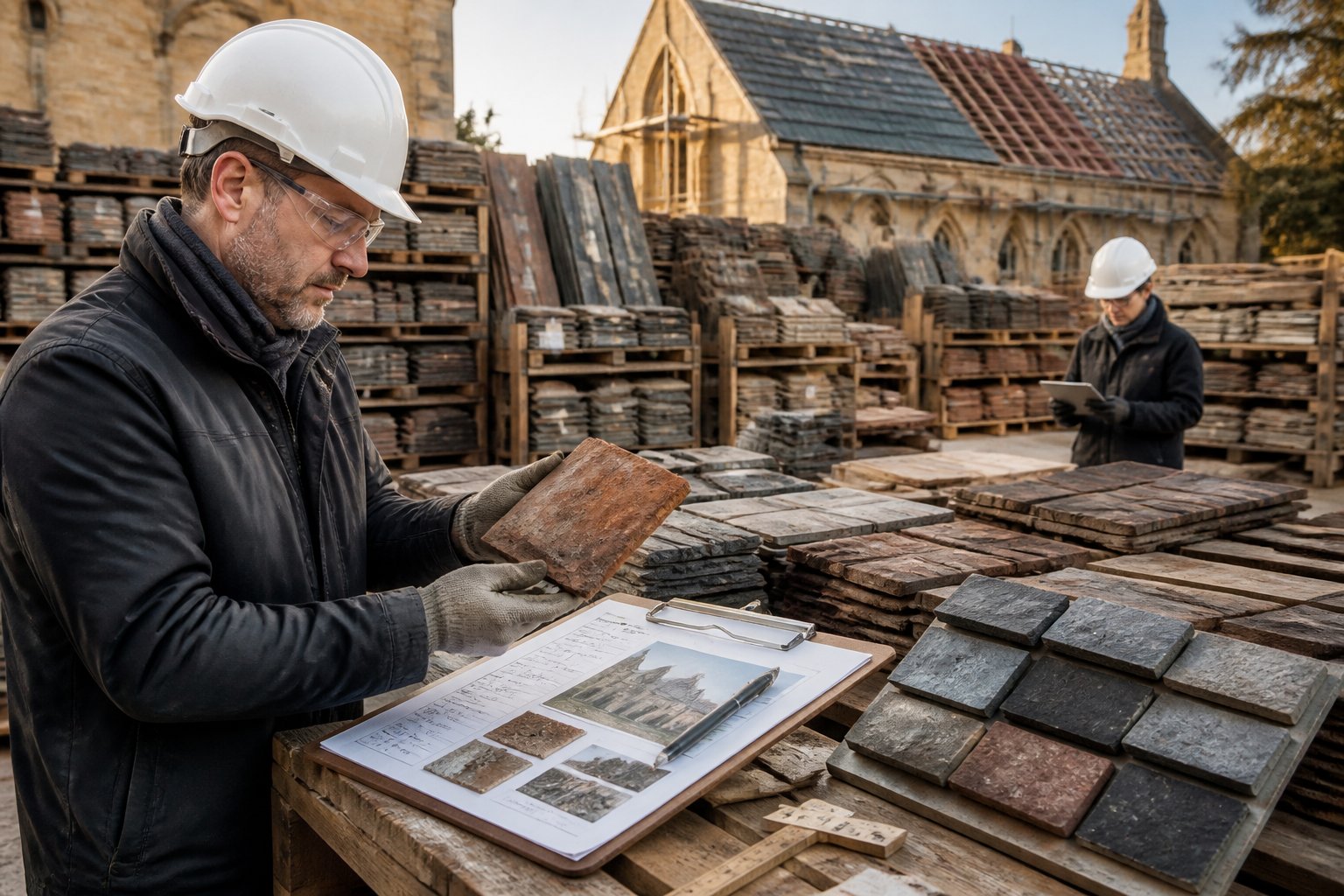
Reclaimed slate comes from old roofs. Crews carefully remove, clean, and inspect the tiles to make sure they will last on your roof. This method saves material and keeps history alive. Every tile is tested for durability before shipping.
Unique Characteristics of Slate Roofs
Slate roofs offer several qualities you won’t find in other roofing materials:
- Longevity: Slate can last more than a century.
- Fire resistance: Slate doesn’t burn.
- Natural appearance: Each tile has color variations and texture.
- Low maintenance: Slate resists mold and insects.
- Eco-friendly: Using reclaimed slate reduces waste.
Since slate tiles are heavy, your roof must support the weight. Skilled roofers who understand the material should handle installation. When done right, you get a roof that adds value and beauty to your home for decades.
Benefits of Slate Roofing in Dallas
Choosing slate for your roof means you get strong materials made to last. The fire and weather resistance offer real protection against Texas weather. The energy efficiency of slate can help lower your utility bills. These benefits together make slate a smart choice.
Exceptional Durability
Slate roofing lasts over 100 years with proper care. It is a natural stone that resists cracking and warping. Unlike asphalt shingles, slate won't fade quickly under Dallas's intense sun.
Because slate is heavy and dense, it stands up to hail and high winds without damage. Using reclaimed slate also means you get pieces that have already survived decades of use, adding to their reliability.
This long life reduces the cost and hassle of frequent roof repairs or replacements. Many homeowners find slate roofing to be a one-time investment.
Fire and Weather Resistance
Slate is non-combustible, so your roof won’t catch fire easily. This is important in Dallas, where dry spells and higher fire risks can threaten homes.
Dallas weather can change quickly with strong storms, heavy rain, and wind. Slate resists water absorption, preventing leaks and damage from freezing and thawing cycles. Its solid nature helps keep your home safe from weather damage.
Reclaimed slate keeps the natural protective patina intact. This layer adds an extra barrier to weather and helps maintain the roof’s integrity through all seasons.
Energy Efficiency
Slate’s natural properties help regulate indoor temperatures. It keeps your home cooler in Dallas’s hot summers by reflecting more sunlight than darker roofing materials.
In cooler months, slate’s thickness provides insulation, reducing heat loss. This means you can expect more consistent temperatures with lower energy use.
This energy efficiency can cut your heating and cooling costs over time. Investing in slate roofing supports comfort and savings year-round.
Choosing Slate Roofing for Dallas Homes
When picking slate roofing for your home in Dallas, consider the look, how well it handles local weather, and the color and style that suits your house best. These factors help you get a roof that looks good, lasts long, and fits your home's design.
Aesthetic Appeal
Slate roofing adds a timeless, elegant look to your Dallas home. Real slate has a natural variation in texture and color that gives your roof a unique character. This material ages beautifully, gaining a subtle patina that shows its history.
Because slate comes from natural stone, each tile is different. This means your roof won’t look uniform like asphalt or metal. Instead, it offers a classic, handcrafted feel that improves your home's curb appeal.
Longevity in Texas Weather
Dallas has hot summers, occasional hail, and strong winds. Slate roofing is highly durable and can handle these conditions better than many other roofing materials.
Slate tiles resist damage from heat and UV rays, which helps prevent warping or cracking often seen in cheaper roofing options. They are also fire-resistant and very strong against hail, which is common in Dallas.
Proper installation is important to maximize durability. When you buy from a trusted source, you get tiles inspected for quality and durability so your roof holds up for decades with less maintenance.
Tile Color and Style Options
Slate roofing comes in various colors and styles that let you customize your roof to match your Dallas home’s design. Common colors include shades of black, gray, green, and purple.
Black slate offers a sleek, modern look with sharp contrast on lighter-colored homes. Earth tones give a more natural, rustic style that blends well with traditional or historic homes.
Slate can also be cut into different shapes and sizes to create patterns or textures on your roof. Using reclaimed slate gives your roof a unique, worn look with chipped edges and natural wear marks, adding authenticity to your design.
Structural Load Requirements for Heavy Roofing Materials
Slate roofing adds significant weight, making structural evaluation essential before installation on Dallas homes. Roof framing must support both the dead load of slate and additional live loads during storms or maintenance work.
Building guidelines emphasize verifying rafter sizing, spacing, and sheathing integrity before installing heavy coverings. Ensuring proper structure prevents sagging, long-term deformation, and premature system failures in hot climates.
A professional assessment helps confirm whether reinforcement is needed to meet FEMA’s building codes. This preparation supports safety during installation and extends the roof’s service life under Texas weather conditions.
Professional Slate Roof Installation
Installing a slate roof takes skill, careful planning, and quality materials. You’ll need to understand the installation steps, how to choose the right contractor, and what costs to expect. Paying attention to these details helps ensure a roof that lasts for decades.
Process of Installing Slate Roofs
Start with a strong roof deck, usually plywood or wood boards, to support the weight. Next, lay down a waterproof underlayment to protect your home from moisture. Fasten the slates to the roof with copper or stainless steel nails, which resist rust.
Place each slate carefully, with overlaps to keep water out. Sometimes, you need special cuts for edges and valleys to ensure a perfect fit. Skilled installers work slowly to avoid breaking slates. Proper flashing and ventilation finish the job, protecting your roof from leaks and damage.
Selecting a Slate Roofing Contractor
Choose a contractor experienced in slate roofing. Look for someone who understands how to handle fragile materials and follows industry best practices. Check references and examples of past slate roof installations.
Ask if they use reclaimed slate, which provides authentic, tested materials. Also, verify that they have appropriate insurance and licenses. A reliable slate roofer will give you a clear project timeline and update you on progress regularly.
Cost Considerations
Slate roofing is a higher investment compared to other roofing types. Expect costs to be between $15 and $35 per square foot, depending on slate quality and roof complexity. Reclaimed slate can sometimes have cost benefits while adding unique style and durability.
Labor may be a larger part of your budget because slate installation is skilled work that takes longer than asphalt or metal roofing. Also, consider extra costs for reinforcing your roof deck and installing proper flashing. Getting multiple quotes helps you understand local market pricing.
Slate Roof Maintenance Tips
Keeping your slate roof in good shape means checking it regularly, fixing broken tiles quickly, and stopping moss and algae before they take hold. This will help your roof stay strong and look its best.
Routine Inspections
Inspect your slate roof at least twice a year, ideally in spring and fall. Look for cracked, loose, or missing slates. Pay special attention after storms or high winds. Check for rust or damage around flashing and fasteners.
Use binoculars for a close look if climbing on the roof isn’t safe. Also, inspect the attic for signs of leaks like water stains or mold. Early detections stop small problems from becoming big repairs. If you find damage, schedule repairs promptly to prevent water from getting under the slate.
Repairing Broken Slate Tiles
When replacing broken slates, use tiles that match yours exactly in size, thickness, and color. Reclaimed slate matches the aged look and durability of your existing roof.
Carefully remove damaged tiles without disturbing others. Use copper or stainless-steel nails to avoid rust stains. Replace one tile at a time, sliding the new slate under the overlapping pieces. Avoid DIY if you aren't experienced—incorrect repairs can cause leaks or further damage.
Preventing Moss and Algae
Moss and algae thrive in shaded, damp areas and can trap moisture, leading to slate decay or fastener rust. Keep your roof clear by trimming tree branches that block sunlight and reduce humidity.
Use zinc or copper strips near the ridge to stop moss growth. When cleaning moss, use a soft brush and water—never pressure wash, which can damage the slates. You can also apply a mild moss-killing solution approved for slate roofs.
Preventing moss protects your roof and preserves its authentic look over time.
Slate Roof Replacement in Dallas
Replacing a slate roof means knowing the right time and understanding the difference between fixes and a full replacement. You’ll want to spot clear signs of trouble early and decide what makes the best sense for your home’s safety and look.
When to Replace Your Slate Roof
Consider replacing your slate roof when the slate pieces are cracked, broken, or missing. Slate roofs often last 75 to 100 years, but damage from storms or age can shorten that life.
If you notice water leaks, sagging roof areas, or visible daylight through your roof boards, act quickly. If the underlying support starts to rot, the whole roof system could be at risk. Waiting too long can cause more costly repairs.
Using genuine reclaimed slate ensures you get durable, authentic materials that fit your roof's original style when replacing.
Signs of Slate Roof Failure
Look for loose or slipped slates, which expose the roof to weather. Stained or warped flashing around chimneys and vents, as well as cracked mortar on ridge caps, signal roof problems.
Granular loss on slates or a buildup of moss and algae means water isn’t draining properly. You might also hear water dripping inside your attic during rain.
Replacement Versus Repairs
Repair minor issues, like a few broken slates, to avoid replacing the entire roof. Repairs are faster, cost less, and keep your original materials.
If over 25% of the slates show serious damage, or the roof deck and underlayment have failed, choose replacement. A full replacement restores the roof’s integrity and prevents future leaks.
Comparing Slate to Other Roofing Types
Slate roofing stands out for its durability, beauty, and eco-friendliness. Understanding how it compares to other materials helps you make an informed choice. Slate differs in lifespan, cost, maintenance, and appearance from asphalt, metal, and tile roofs.
Slate vs. Asphalt Shingles
Slate lasts 75 to 100 years or more, while asphalt shingles generally last 20-30 years. Slate is more durable in harsh weather and resists fire and rot better than asphalt. Asphalt is cheaper upfront and easier to install, making it a good choice for tight budgets or quick fixes.
However, asphalt shingles often need frequent repairs and replacement. Slate is heavier and more expensive to install, but its natural look and weathered texture add lasting value and authentic charm.
Slate vs. Metal Roofing
Metal roofing is lightweight and durable, lasting 40-70 years depending on the metal type. It handles snow and rain well and can be energy efficient by reflecting heat.
Slate provides better natural insulation and fire resistance. It also gives a unique, historic look that metal panels can’t match.
Metal roofs come in many styles and colors, but may not suit traditional or historic architecture. Slate is heavier and needs a solid roof frame, but its durability and timeless style often justify the investment.
Slate vs. Tile Roofs
Clay or concrete tiles can last 50-100 years, similar to slate. Tiles are heavy and durable, resisting fire and insects.
Slate tiles are thinner and generally more brittle than clay tiles, but tend to be denser and less porous. This makes slate less likely to crack from freeze-thaw cycles.
Tiles offer many colors and shapes, but slate has a distinct, natural look with subtle variations. If you want authentic historic charm or rarity, reclaimed slate from specialized suppliers ensures real legacy materials instead of mass-produced tiles.
Eco-Friendly Aspects of Slate Roofing
Slate roofing uses a material that endures for decades with little environmental impact. Its natural origin and energy-saving properties make your home efficient and reduce waste.
Natural and Sustainable Materials
Slate, a natural stone, is quarried with minimal processing, keeping its environmental footprint low compared to synthetic materials.
Using reclaimed slate from historic buildings gives your roof a second life, reducing landfill waste and the demand for new mining. Every piece is cleaned and inspected before reuse, so you get authentic, durable materials with a story.
Slate’s durability and fire resistance mean you won’t need frequent replacements. Its long lifespan consumes fewer materials over time, making it a smart, sustainable choice.
Energy Savings Over Time
Slate’s density and thermal properties help regulate your home’s temperature. It keeps your roof cool in summer and retains heat in winter, lowering your energy bills.
Unlike asphalt shingles, slate doesn’t absorb as much heat, which can reduce air conditioning use during hot Dallas summers.
Proper installation and slate’s durability mean less energy is used on repairs and replacements. Over the decades, this has led to real savings for you and the environment.
Understanding the Cost of Slate Roofing
Slate roofing costs depend on the type and quality of slate, labor, and extra materials. Consider how the roof will save you money over time as well.
Factors Impacting Price
The price of slate roofing varies mainly because of the slate’s source and quality. Reclaimed slate from trusted suppliers can cost less than new slate but still offer strong durability and beauty.
Labor is another big factor. Skilled roofers must handle delicate, heavy tiles, so installation takes longer and costs more than other roofing types.
Extras like underlayment, flashing, and fasteners add to the price. Roof complexity and size also affect costs, as steep slopes and irregular shapes need more time and materials.
Here’s a quick cost breakdown you might see:
Cost Item
Typical Range
Slate Material
$10 - $30 per sq. ft.
Labor
$7 - $15 per sq. ft.
Extras (materials)
$2 - $5 per sq. ft.
Long-Term Value and Savings
Slate roofs last much longer than asphalt or wood, often over 100 years. This durability means you won’t replace your roof as often, saving money on future costs. Reclaimed slate also helps reduce waste, which benefits the environment.
You get authentic materials that maintain historic charm and add value to your property. Slate’s fire resistance and weatherproof qualities can lower insurance premiums in some areas. The roof’s natural cooling properties may also reduce energy bills during hot Dallas summers.
Although reclaimed slate can cost more upfront, its strength and low upkeep mean fewer repairs or replacements, making your investment worthwhile over time.
Finding the Right Dallas Slate Roofing Company
Choose a slate roofing company with experience using authentic materials and knowledge of Dallas weather and building codes. Look for a team that offers quality service, reliable delivery, and lasting results.
What to Look for in a Roofer
Find a company that specializes in genuine reclaimed slate, not replicas or mass-produced slate. Authentic slate lasts longer and adds real character to your home.
Make sure they inspect and prepare each piece carefully. This step protects your roof from early damage and ensures consistent quality. Ask about delivery times. A good Dallas roofer should provide fast, reliable shipping to your job site. Avoid delays once the project starts.
Insist on clear, upfront pricing. Builder-direct pricing is fair and helps you avoid unexpected costs.
Local Experience Matters
Dallas weather brings heat, storms, and hail. Choose a roofer who understands these conditions and can recommend the best slate types and installation methods. Local experience means the company knows Dallas building codes and permits, helping you avoid legal issues or costly inspections.
Working with a local company connects you to roofing experts who have handled Dallas projects for years. Their firsthand knowledge ensures your roof stands up to the local climate. Local roofers are also easier to reach for repairs or maintenance, saving you time and hassle.
Why Slate Roofing Delivers Long-Term Value in Dallas
Slate roofing provides a dependable, time-tested solution for Dallas homeowners who want durability, energy efficiency, and natural style. Its resistance to heat, hail, and fire makes it well-suited for the region’s demanding climate.
Reclaimed Slate Roofing offers authentic reclaimed materials that combine proven longevity with the architectural character many homeowners seek. These materials support lasting performance while preserving the historic value of natural stone.
If you’re planning a roofing project, consider the advantages of slate and choose materials that meet your structural and design needs. Request your material quote today to secure long-lasting, reliable products for your home.
Frequently Asked Questions
Slate roofing adds value, durability, and style to your Dallas home. Knowing how slate holds up, what maintenance it needs, and local rules helps you make the right choice. Trusted contractors ensure a smooth installation.
What are the benefits of choosing a slate roof for my Dallas home?
Slate roofing offers strong durability and natural beauty. It withstands harsh weather like heat, wind, and rain, common in Dallas. Slate’s fire resistance and low maintenance also protect your home longer than many roofing materials.
How does the longevity of a slate roof compare to other roofing materials?
Slate roofs can last over 100 years with proper installation and maintenance. This far exceeds the lifespan of asphalt or wood shingles, which usually last 20 to 30 years. Choosing reclaimed slate ensures you get authentic, long-lasting materials.
What should I know about maintaining a slate roof in Dallas' weather conditions?
Dallas weather can cause wear, but slate needs only occasional inspections. Remove broken or loose slates quickly to prevent leaks. Keep gutters clean to avoid water damage and hire pros for any repairs or replacements.
Can I expect a higher home value with a slate roof installation in Dallas?
A genuine slate roof often increases home value thanks to its durability and visual appeal. Buyers recognize quality materials, making your property more attractive in Dallas’s competitive market.
How do the roofing regulations in Texas impact slate roof installation?
Texas roofing rules focus on safety and proper material use. You’ll need permits and inspections to ensure compliance. Local codes may vary by city, so check Dallas’s requirements before starting installation.
What are some reputable slate roofing contractors in the Dallas area?
Search for contractors who specialize in slate roofing and have a strong track record. Ask them for references and examples of previous slate projects. Reliable suppliers can also help you find trusted professionals in the Dallas area.