The roof leaks and the tile is fine. It is probably older than anybody on the crew, it may sit in a historic district, and the owner wants it kept. The job is new underlayment with the same tiles going back, without leaving a patchwork of mismatched replacements across the field.
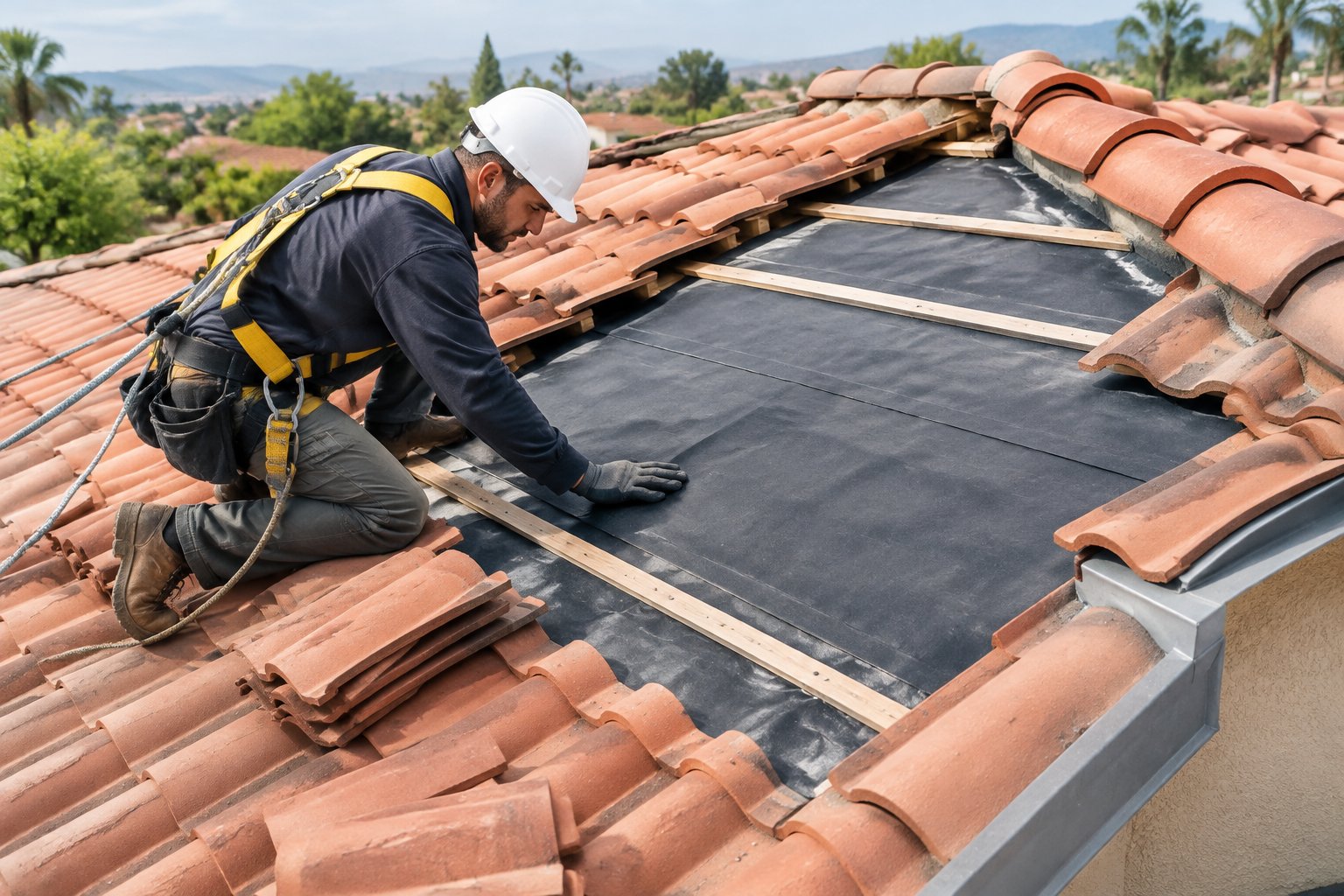
That job is a lift-and-relay: strip and stack the original tile, repair the deck and battens, install new underlayment, relay the same tiles, with matched salvaged tile on site before work starts to cover breakage. Clay runs 75 to 100 years and more. The underlayment under it runs 20 to 30. So every tile roof needs this done once or twice in its life, and the same tiles go back each time.
Done well, nobody can tell it happened. Done badly, it shows from the street for the next fifty years.
When the original tiles can go back
When the tile is sound and the failure is in the layers below, which describes most period clay roofs. The questions worth answering are whether the leak points at the whole underlayment or at one detail, and how much tile will survive being handled twice.
Why clay outlasts what it sits on
Clay is fired through its body, so it does not rot, its color holds, and it sheds water for generations. Underlayment is organic or polymer. Heat cooks it, UV attacks it at any gap, and dirt and trapped moisture grind it down. Felt turns brittle and cracks along the batten lines, fasteners rust, and battens rot where water stands.
So when a tile roof "fails", the substrate is almost always what failed. Tearing off sound tile because the felt gave up throws away material you cannot buy new in the same profile or color.
Leak patterns worth a full inspection
- Stains in several rooms or bays
- Leaks that only appear in wind-driven rain
- Rot along the lower courses
- Brittle felt crumbling at the eaves
The National Park Service recommends a complete internal and external inspection of the structure and the tile covering to establish the cause before anybody plans repairs.
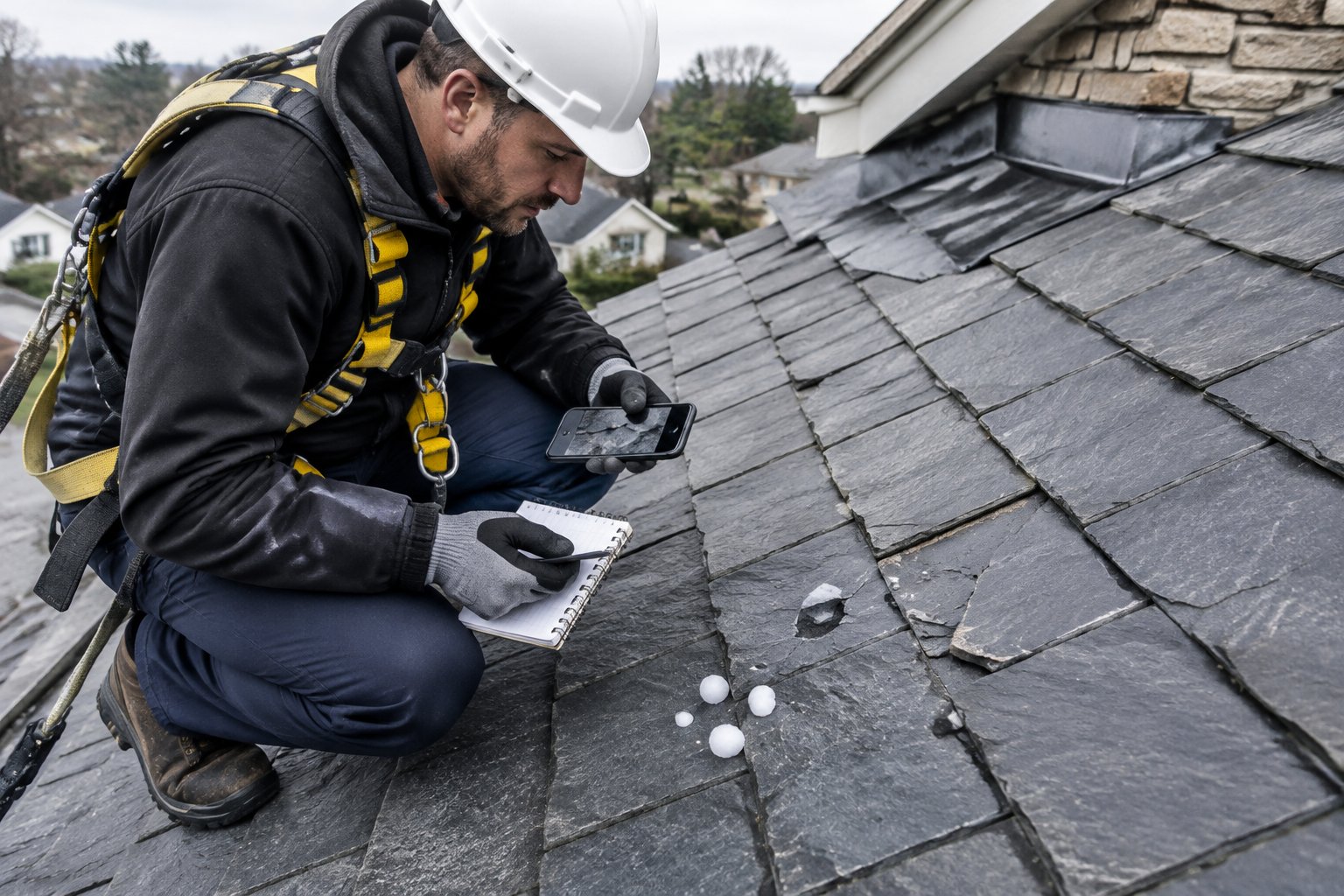
Start in the attic, looking for water tracks on the deck, daylight, soft sheathing and rusted nail tips. On a batten system water can travel several feet before it drips, so trace stains upslope. Then lift a few tiles in the suspect areas and handle the felt. If it tears like paper, the rest of the field is close behind it.
When a local repair is honest
When the leak traces to one detail and the felt around it is still flexible. A rusted valley pan, failed chimney flashing, a cracked boot, debris blocking a valley and pushing water sideways under the tile. Lift the tile there, fix the detail, tie in new underlayment, relay.
Be straight with the owner about the felt's age. Patching one valley in a field of 25-year-old brittle felt buys time and nothing more, and the next leak will come up somewhere else within a couple of seasons. Say that at the quote stage rather than on the second call-out.
What makes tile fit for reuse
It rings clearly when tapped, has no through-cracks, and still has its nibs and lugs. Spalling, flaking glaze, and soft or highly absorbent tile in a freeze-thaw climate are all reasons to cull.
Concrete tile can be relaid too, though its color is surface pigment that fades and erodes, so an old concrete roof usually yields more worn pieces than an old clay one. On historic work, federal rehab standards favor limited replacement in kind of deteriorated tiles where sound examples survive, and a lift-and-relay satisfies that directly.
Source the match before the roof comes apart
Order the replacement tile before the first course comes off. Once the roof is open, every day spent hunting a match is another day under tarps with the weather doing whatever it likes.
Document what is up there
Pull tiles from several areas: field, eaves, near the ridge. Measure length, width and thickness, measure camber on curved profiles, and note whether you have two-piece pan and cover, a one-piece S, an interlocking tile or a flat shingle. Photograph the underside, because maker's marks and stamps tie a tile to a plant and an era.
Shoot in overcast light. Bright sun flattens the color and loses exactly the detail a supplier needs to match against.
Check the parts that decide whether it fits
Nibs and lugs decide whether a tile will hang on your battens, and a tile with the right face and the wrong lug position will not sit properly in the course. Check the position, number and size of the fastener holes. Compare the weathered face, never a broken edge or a cleaned surface, because the fired body and the weathered face look nothing alike.
Historic batches carry kiln variation, so a period roof reads as a blend and the replacement batch needs to blend with it. One flat color across forty tiles announces itself. Interlocking profiles are the hardest to fit because the side locks have to engage, so send a profile photograph showing the lock edges.
Allow 10 to 15% for breakage
That is the working figure for removing and relaying salvaged clay. Allow more for brittle tile, mud-set tile, previously repaired areas and cold-weather work. Nails rusted into tile and mortar bonds at the hips and ridges break considerably more pieces than field removal does.
Cull standards affect the count too. Our notes on reclaimed tile grading help you work out how many pieces will serve in the visible field and how many belong in hidden courses.
Confirm against the actual batch
Coverage comes from the batch, not a catalog table, because exposure and camber varied by maker and era. Count hip, ridge, rake and starter pieces separately, since fittings are the hardest things to source a second time. We send batch photographs for approval before an order is confirmed, and reclaimed material is final sale, so look at them properly.
Schedule the delivery so crates arrive before tear-off, with liftgate service where the site needs it. Inspect the crates when they land and report freight damage within 48 hours.
Send measurements and overcast-light photographs and we will tell you what we can match before you book the crew. Call 225-954-8393.
Running the lift-and-relay
Survey, protect, remove, repair, underlay, relay. Most of the breakage and nearly all the layout errors on these jobs come from skipping the survey or the staging plan.
Record the existing layout
Photograph every slope before anybody touches it. Record course spacing, exposure, batten gauge, and how the tile meets valleys, hips and walls. Sketch the color blend so the relaid roof reads the same way. Note the existing fixings: nails, wire ties, clips, mortar.
On older roofs, test for hazards first. The EPA sets out how its asbestos rules apply to roofing materials, and old felts, mastics and flashings may need testing before removal.
Access, staging and dry-in
Scaffolding or roof brackets, walk boards and fall protection go up before any tile comes off. Roofing puts crews at height on a pitched surface with few natural barriers, so this is not the part to improvise.
Work one section at a time, and open only as much as you can dry in by the end of the day. Keep tarps and battens to hold them within reach, and watch the forecast rather than the calendar.
Remove, sort, label, stack
Start at the ridge and hips, then work down the field. Pull or cut fasteners and never pry against the tile. Tap-test each piece and sort into three: reuse, hidden course, cull. Label the stacks by slope and zone so the color blend goes back where it came from.
Stack on edge, spread across rafters or on scaffold decks, never piled in one place on the roof. Wet clay is heavy and a point load cracks tile and sheathing together.
Strip and repair
Take the old underlayment down to the deck and pull or set protruding nails. Replace rotten or delaminated sheathing and any batten that is split, soft or out of gauge. Deck repairs are where hidden cost lives, so price them by the sheet or board foot in advance.
Where the old batten gauge was wrong, reset it to suit the tile. Use treated or rot-resistant battens, with counter-battens where the system needs drainage underneath.
Flashings and underlayment
Replace valley metal, step and counter flashing and pipe boots while the deck is open, in copper or heavy-gauge metal, because the tile will outlast cheap flashing and you do not want to be back here for it. Install the underlayment shingle-fashion from the eave up, lapped and fastened to the manufacturer's spec, over the drip edge and under the valley metal.
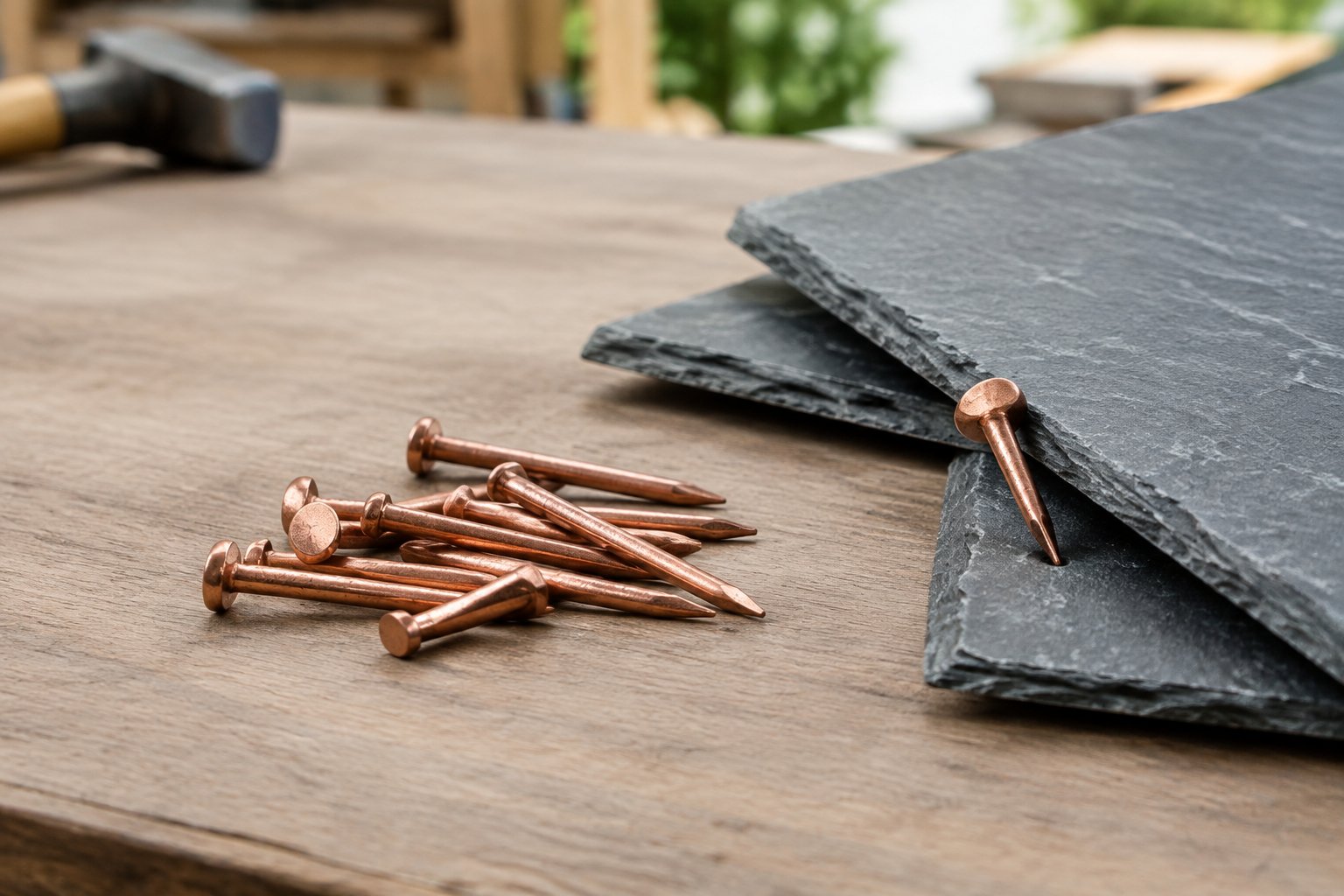
Use the fasteners the underlayment calls for, cap nails where specified, and corrosion-resistant nails for the tile. Copper or stainless matches the life of the clay.
Relay and inspect
Relay to the recorded layout. Distribute matched replacements through the field where they blend rather than clustering them in one patch, and keep original tile on the most visible slopes where you can.
Reset hips and ridge with the correct bedding or a dry-ridge system. Then inspect from the ground and from the attic, checking for lifted tiles, broken pieces and flashing laps, and run a water test at the valleys before the scaffold comes down.
Choosing the underlayment
Pick something approved for tile at your pitch, climate and deck, and rated to sit under hot tile for decades. Replacing it means lifting the whole roof again, so specify for service life rather than first cost.
Asphalt-saturated felt
The traditional choice, still part of many code-listed tile assemblies, cheap and familiar to every crew. Its weakness is age: heat drives off the oils and the felt goes brittle, which is why so many 25-year-old tile roofs are now having this work done. If you use felt, use heavier weights, or two layers where the assembly calls for it, and expect it to need doing again long before the tile does.
Synthetic
Light, tear-resistant and far better at resisting the heat aging that kills felt. Only some products are rated for use under tile, so check the listing for clay or concrete and for your batten method. Each also carries a UV exposure limit, the maximum time it can sit uncovered before the tile goes on, which matters on a job running section by section.
Synthetics work well under reclaimed clay. Match the temperature rating to the climate and follow the listed lapping and fastening.
Self-adhered membrane
Rubberized asphalt that seals around nails, and the standard choice at eaves, valleys and penetrations. Under dark or clay tile in a hot climate, specify a high-temperature-rated membrane, because lower-rated products soften and flow.
It needs a clean, dry, sound deck to bond. Full coverage also creates a vapor barrier across the roof plane, so check attic moisture before specifying it everywhere rather than just at the critical details.
What pitch, climate and the local code do to the spec
Pitch sets the minimum. The IRC lists clay and concrete tile from 2½:12 up, with stricter underlayment requirements below 4:12. Low pitch, ice-dam climates and high-wind zones all point toward double layers or membrane in the critical areas.
Local amendments and high-wind rules change the assembly, and historic districts have rules of their own. Clear it with the building department and any review board before ordering, and our notes on historic roof restoration cover the points review boards raise most often.
Drainage and ventilation
Underlayment, flashings and drainage are one system. Valley metal goes over the membrane with the water paths kept clear, battens have to let water reach the eave, and the gutters need to handle the volume coming off the tile.
Keep the attic ventilating. Soffit intake and ridge exhaust cut the heat under the deck, which slows underlayment aging and limits condensation. Where you add a ridge vent, pick a fitting that suits the tile profile rather than one that forces the ridge detail.
What drives the cost
Labor, because every tile gets handled twice. The underlayment is a small line by comparison. Deck repairs and matched tile are the two variables that move the total.
Ask for removal and reinstallation priced separately from the underlayment material. Removing, sorting and stacking takes time, and relaying to a recorded layout takes longer. Splitting it out also shows where a saving is real: on a job where labor dominates, upgrading from felt to a high-temperature membrane barely registers.
Steep pitch, roof height and tight sites push access and staging up, and every valley, chimney, dormer and skylight adds flashing work and slows the relay around it. A simple gable goes back far faster than a cut-up roof of the same area. Ask how staging is priced, whether scaffold rental is included, and how long it stays up.
Because nobody knows the extent of deck damage until the felt is off, get unit prices per sheet of sheathing and per foot of batten so the extra work has a known rate. Price flashings by type and metal. List matched tile as its own line based on the 10 to 15% allowance plus fittings. Tile price depends on batch, profile and count, so call for a delivered figure on the actual batch.
Then compare the lift-and-relay quote against a full replacement quote line by line. Full replacement skips the relay labor and adds new tile and disposal, and on a historic house it also costs the roof its age and its fit against the walls and the buildings either side. Be wary of any quote bundling removal and replacement into one number, because that hides the deck allowance, the breakage assumption, and what the contractor intends to do with your original tile.
Keep sound tile in service
The original tile goes back for another cycle if the job runs in the right order. Document the profile, dimensions and color. Set a breakage allowance of 10 to 15%, higher for brittle or previously repaired tile. Get matched tile crated and delivered before the first course comes off. Record the layout, stack carefully, repair the deck and battens, and choose underlayment rated for the tile, the pitch and the climate.
We hold reclaimed clay roof tiles salvaged from historic American roofs for exactly this work, hand-inspected, sounded and culled, then crated and palletized for freight at builder-direct pricing. We supply material and do not install it, so what we tell you about your roof is not shaped by the size of the job it would create.
Call 225-954-8393 for current availability and a delivered price on matched tile for your lift-and-relay.
Frequently Asked Questions
How often does underlayment beneath a tile roof need replacing?
Every 20 to 30 years, depending on the product, the climate and how hot it gets under the tile. Clay lasts 75 to 100 years and more, so most tile roofs go through this once or twice.
Can the membrane be replaced without removing the tiles?
No. It sits beneath the tile and battens, so the tile has to come off. You can limit removal to one valley or slope where the failure is local and the surrounding felt is still flexible.
How much does it cost to replace underlayment and reuse the tiles?
It turns on roof size, pitch, access, deck damage and how many matched tiles are needed, with removal and reinstallation the largest labor share. For tile pricing on a specific batch, call 225-954-8393.
Is synthetic underlayment suitable beneath reclaimed clay tile?
Yes, where the product is listed for tile and rated for the heat in your climate. Follow the maker's limits on laps, fastening and UV exposure, and use self-adhered membrane at eaves, valleys and penetrations where required.
Can underlayment alone keep the roof dry mid-job?
Briefly, but it is a secondary layer and not a roof. Dry in each section by the end of the day, keep tarps ready, and get tile back on inside the product's exposure limit.
How many matching tiles should be on site before work starts?
10 to 15% of the field count, more if the tile is brittle, mud-set or previously repaired, with hip, ridge and rake fittings counted separately.