When sourcing reclaimed roofing for restoration work or architecturally specific new construction, availability alone is not enough. Material origin, color consistency, profile accuracy, and usable quantity all affect whether the roof ultimately feels integrated into the building or visually disconnected from it.
Reclaimed Slate Roofing sources reclaimed slate and clay tile directly from historic demolitions and salvage projects, then inspects, sounds, and culls inventory before shipment. Orders are palletized and crated for nationwide freight delivery, typically within approximately 3 to 7 business days after confirmation, with builder-direct pricing rather than retail distribution markup.
This guide focuses on the rare slate and clay roofing materials most often specified for historic restoration, high-character residential work, and architecturally sensitive projects where standard roofing inventory is not sufficient.
Key Takeaways
- Rare reclaimed slate and clay tile remain essential for historically accurate restoration and architecturally distinctive roofing projects.
- Material rarity depends heavily on quarry history, salvage availability, and remaining inventory volume.
- Roofing-specific reclaimed suppliers generally provide stronger grading, documentation, and quantity verification than general salvage channels.
What Makes a Roofing Material Rare
Most reclaimed roofing inventory is relatively common. Standard grey slate and conventional clay tile remain widely available through salvage and reclamation channels. Rarity usually depends on color range, quarry origin, architectural history, and remaining salvage supply.
How Quarry History and Salvage Supply Create Scarcity
Slate color originates from the mineral composition of the quarry where the material was extracted. Historic slate regions in Vermont, Virginia, Pennsylvania, and Wales each produced distinctive color ranges and textures. According to the National Park Service roofing history documentation, many of these quarries operated heavily during the nineteenth and early twentieth centuries before production declined or stopped entirely.
Once original quarry production ended, reclaimed roofing became the only remaining source for many historically specific colors and textures.
Historic clay tile follows a similar pattern. Early Mediterranean and Spanish Colonial roofing systems relied on regionally fired clay products with distinctive firing variation and surface weathering. Modern production rarely reproduces those characteristics precisely.
Why Rare Materials Matter on Restoration Projects
Historic restoration projects often require roofing materials compatible with the original structure in profile, texture, weathering, and color. The Secretary of the Interior’s Standards for Rehabilitation emphasize maintaining historically appropriate roofing materials wherever possible.
Using visibly incompatible replacement material can affect the architectural continuity of the structure and complicate preservation review requirements.
Why Standard Suppliers Rarely Carry Rare Reclaimed Inventory
Most roofing distributors focus on newly manufactured material with predictable sizing and repeatable inventory. Rare reclaimed roofing functions differently because supply depends entirely on salvage opportunities and historically removed material.
Roofing-specific reclaimed suppliers are generally better equipped to source, inspect, and document rare inventory before resale.
Rare Slate Varieties Most Commonly Requested
Certain reclaimed slate types remain especially sought after because of their color characteristics, architectural associations, and limited remaining supply.
Purple Slate and Historic Residential Roofing
Purple slate inventory was widely installed on American residential and civic buildings during the late nineteenth and early twentieth centuries. Color variation ranges from muted lavender tones to deeper plum coloration depending on quarry source and weather exposure.
Purple slate frequently appears on Romanesque Revival, Victorian, and historically detailed residential structures where tonal variation contributes significantly to the roof’s visual depth.
Buckingham Black and High-Contrast Architecture
Buckingham Black slate originates from Virginia and remains valued for its deep black coloration, pronounced cleft texture, and long-term durability. Larger-format Buckingham Black slate is often specified on projects seeking stronger roofline definition against masonry, painted wood, or stone facades.
Its density and weather resistance have made it one of the more durable slate materials historically used in North American roofing systems.
Mottled Green and Purple Slate
Mottled green with purple slate combines multiple mineral tones across individual tiles, creating visible tonal variation throughout the roof field. This material is especially difficult to source in large quantities because salvage supply tends to appear in relatively limited batches.
Architects frequently specify this slate for custom residential work and historically sensitive restoration projects where visual variation is desirable rather than avoided.
Core Slate Colors Still Used on Most Projects
Rare slate varieties attract significant attention, though standard reclaimed colors still drive the majority of restoration and replacement projects.
Grey Slate for Historic Matching and Repairs
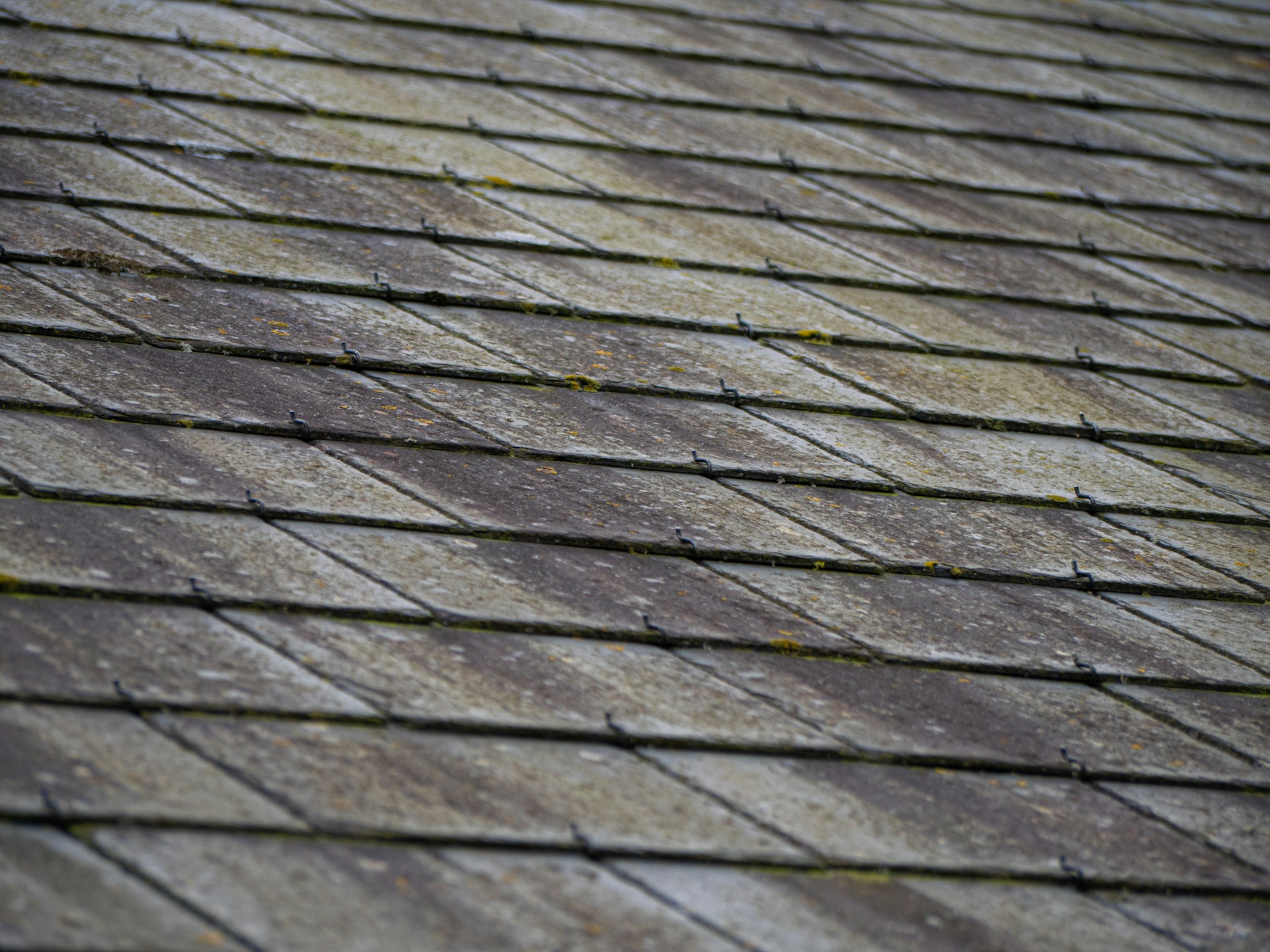
Grey reclaimed slate remains one of the most versatile reclaimed roofing materials because it integrates effectively into a broad range of historic roof systems. Grey slate appears across Federal, Colonial, Craftsman, and institutional architecture throughout the United States.
Repair projects often require careful matching not only by color but also by thickness, weathering, and exposure dimensions.
Black Slate for Defined Rooflines
Black reclaimed slate provides stronger contrast and visual definition than softer weathering slate varieties. It is commonly specified for both contemporary and traditional projects where roofline clarity is architecturally important.
Unlike more variegated slate types, black slate typically maintains a more consistent appearance across larger roof areas.
Projects requiring semi-weathering green with buffs slate should confirm quantity availability early because inventory varies significantly by salvage batch.
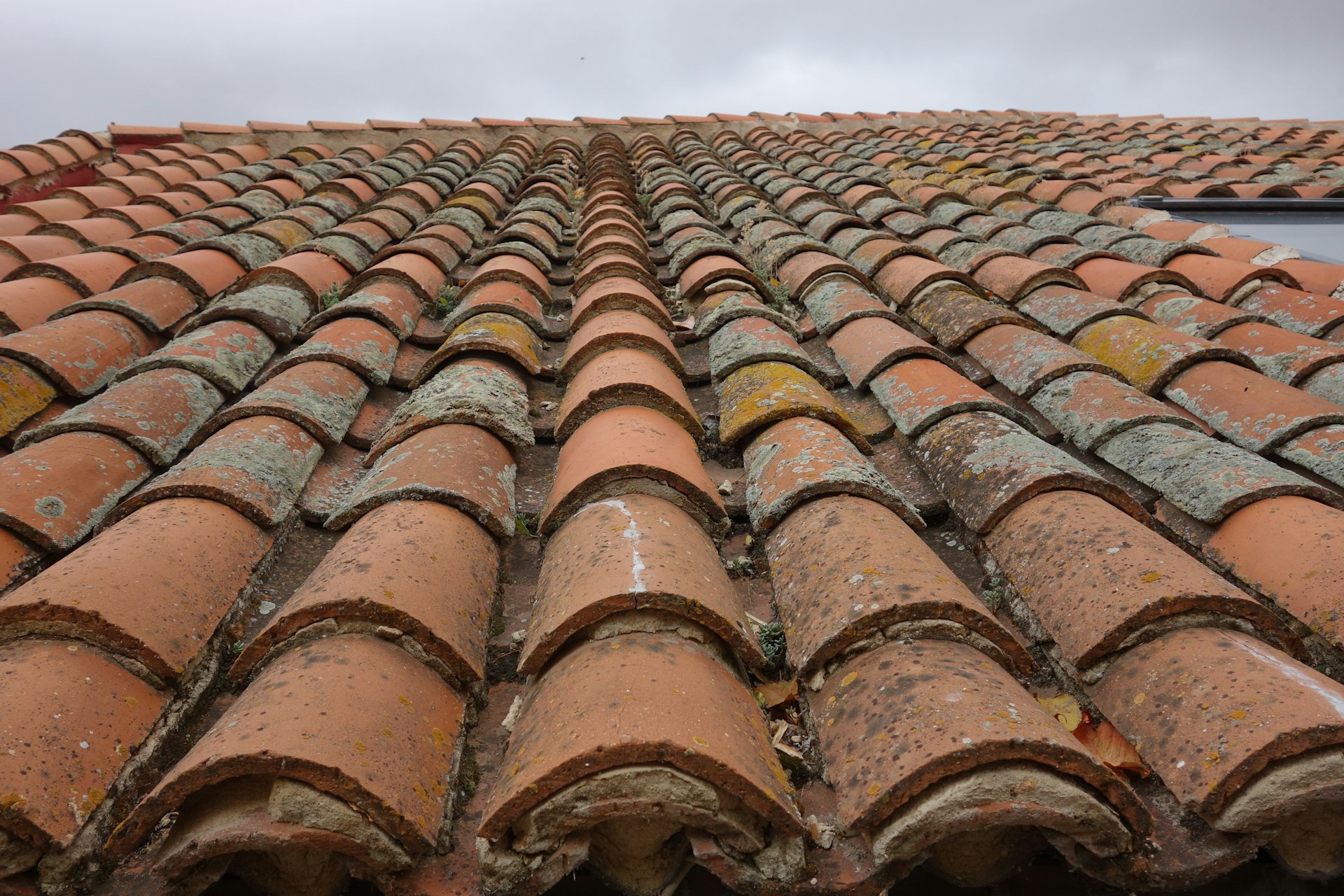
Reclaimed Barrel Clay Tile for Mediterranean and Historic Roofs
Reclaimed barrel clay tile introduces different sourcing and matching considerations than slate roofing because profile geometry directly affects both appearance and water management.
What Defines Authentic Barrel Clay Tile
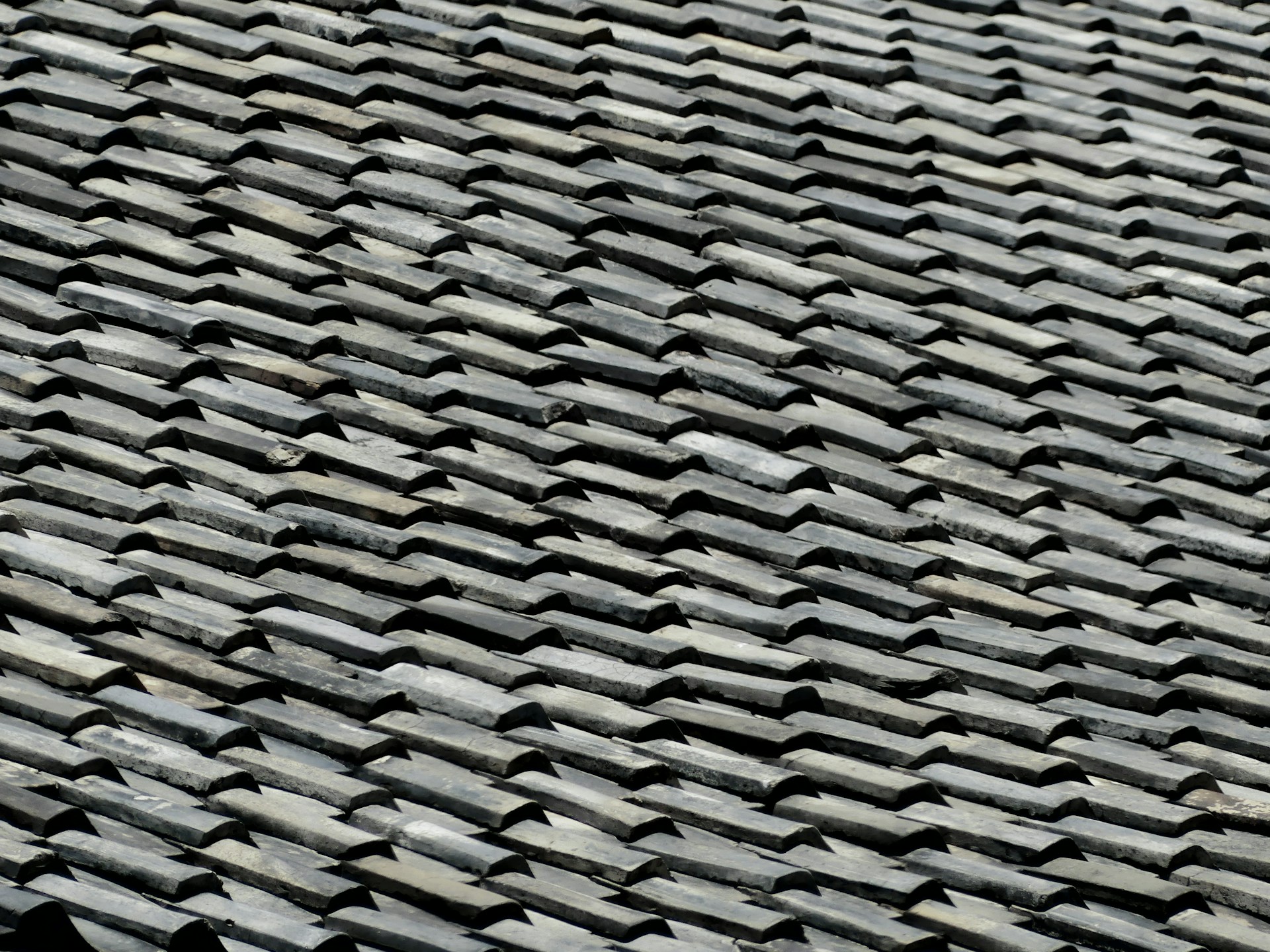
Reclaimed barrel clay roof tile inventory typically includes naturally fired clay products shaped into curved profiles for interlocking roof systems. According to the National Park Service clay tile roofing exhibit, historic clay tiles were often hand-formed or extruded before firing, producing dimensional and surface variation within each batch.
Those characteristics remain visible after decades of weather exposure and contribute heavily to the appearance of historic Mediterranean and mission-style roofs.
Why Barrel Tile Remains Essential for Certain Architectural Styles
Mediterranean Revival, Spanish Colonial, and mission-style buildings depend heavily on barrel tile profile geometry for their visual identity. Substituting flatter or incompatible profiles changes the shadow lines, roof texture, and drainage behavior of the system.
For repair projects especially, profile radius and weathering consistency become critical.
Matching Existing Clay Tile Roofs
Historic barrel tile varies significantly by clay composition, firing temperature, and manufacturing period. Contractors and architects should review full-batch photography before approval to confirm profile compatibility and surface variation.
Quantity verification is equally important because matching material later may not be possible once a batch is allocated.
Evaluating Inventory Before Approval
Careful inventory review reduces the likelihood of visible mismatch, insufficient quantity, or unusable material arriving on site.
Inspection and Culling Standards
Reliable reclaimed roofing suppliers should:
- identify material origin,
- inspect for cracks and structural deterioration,
- sound slate individually for hidden fractures,
- And remove unusable inventory before shipment.
Inspection standards directly affect long-term installation performance and usable yield.
Batch Photography and Size Sorting
Buyers should request photographs of the actual inventory batch rather than representative samples. Full-batch images help evaluate:
- color consistency,
- weathering,
- edge condition,
- and dimensional variation.
Size sorting also becomes important when projects require specific exposure dimensions or close repair matching.
Salvage Yards, Brokers, and Direct Roofing Suppliers
General salvage yards may carry reclaimed roofing inventory, though grading and documentation standards vary widely. Brokers can source inventory through third-party networks but may not inspect material directly before resale.
Roofing-specific reclaimed suppliers generally provide stronger inventory oversight because they maintain, inspect, and freight-coordinate their own stock directly.
Delivery Planning and Project Coordination
Information To Prepare Before Requesting Availability
Before contacting a supplier, contractors and architects should prepare:
- target material type,
- approximate square footage,
- preferred sizes,
- acceptable color range,
- delivery address,
- and installation schedule.
Having this information prepared improves sourcing accuracy and quantity verification.
Freight Preparation and Site Delivery
Reclaimed slate and clay tile shipments should be palletized and crated carefully before freight transport. Buyers without loading dock access should confirm liftgate delivery requirements in advance.
Shipments should also be inspected immediately upon arrival so freight-related damage can be documented promptly.
Confirming Inventory Before Final Specification
Rare reclaimed roofing inventory changes continuously as salvage projects are completed and batches are allocated to active jobs. Contractors working within fixed schedules should confirm material availability before finalizing specifications or submitting architectural approvals.
Reclaimed Slate Roofing coordinates nationwide delivery and maintains reclaimed slate and clay inventory for restoration, repair, and architecturally specific roofing projects.
Call 225-954-8393 to review available inventory, request batch documentation, or discuss freight timing before final approval.
Frequently Asked Questions
Where can I buy authentic reclaimed roof tiles or slate locally?
Some architectural salvage yards carry reclaimed roofing inventory, though quantity consistency and grading standards vary significantly. Roofing-specific reclaimed suppliers with nationwide freight coordination generally provide stronger documentation and inventory control.
How can I verify the authenticity and origin of reclaimed roofing materials?
Buyers should ask where the material originated, what type of building it came from, and whether the supplier documents inventory sourcing. Authentic reclaimed slate and clay tile generally show natural weathering, firing variation, and age-related surface characteristics.
What affects the cost of reclaimed slate and clay roofing?
Pricing depends on color rarity, quantity availability, slate dimensions, clay tile profile, freight distance, and overall salvage supply. Rare slate colors and historically uncommon profiles generally command higher pricing because remaining inventory is limited.
How do I match reclaimed roofing to an existing historic roof?
Matching depends on color, thickness, weathering, profile shape, and regional quarry characteristics. Contractors should compare batch photography carefully against the existing roof before approving material.
What condition checks should happen before purchasing reclaimed roofing?
Slate should be sounded and inspected for fractures, delamination, and structural weakness. Clay tile should be evaluated for cracking, profile distortion, and excessive deterioration. Quantity verification and usable-yield estimates should also be confirmed before shipment.
Are reclaimed slate and clay tiles compatible with modern building codes?
Natural slate and fired clay tile generally comply with modern building requirements when installed properly by qualified roofing contractors. Local structural and fastening requirements should still be reviewed before specification approval.