Reclaimed roofing reduces waste at the source. Slate and clay tiles recovered from existing structures are reused instead of discarded, which cuts landfill volume and avoids the energy and emissions tied to new production. These materials are already proven in real conditions, making them a practical choice for long-term performance.
This article outlines how reclaimed roofing works, what to check during installation, and the environmental and cost advantages it delivers on site. It also covers how to select materials that meet project requirements without adding delays or uncertainty.
Reclaimed Slate Roofing supplies authentic reclaimed slate and clay tiles that are inspected, cleaned, and prepared for reuse. Materials are sorted for consistency and shipped directly to jobsites, helping contractors and architects stay on schedule while using verified, historic roofing.
Reclaimed Roofing
Reclaimed roofing saves usable materials from landfill, lowers the need for new manufacturing, and keeps authentic, durable tiles available for repair and new builds.
Reclaimed roofing means taking tiles, slates, or metal panels from removed roofs and preparing them for reuse. You get materials that once sheltered buildings—often decades old—and still have structural life left.
Each piece gets inspected, cleaned, and sometimes trimmed or rehung to fit a new roof. This way, high-quality clay, slate, and specialty tiles stay out of waste streams and bring you original textures and colors that modern products just can’t match.
Using reclaimed materials changes budgeting and scheduling a bit. You’ll need to plan for sourcing, sorting, and matching—so build some lead time and inspection into your project timeline.
Types of Materials Used
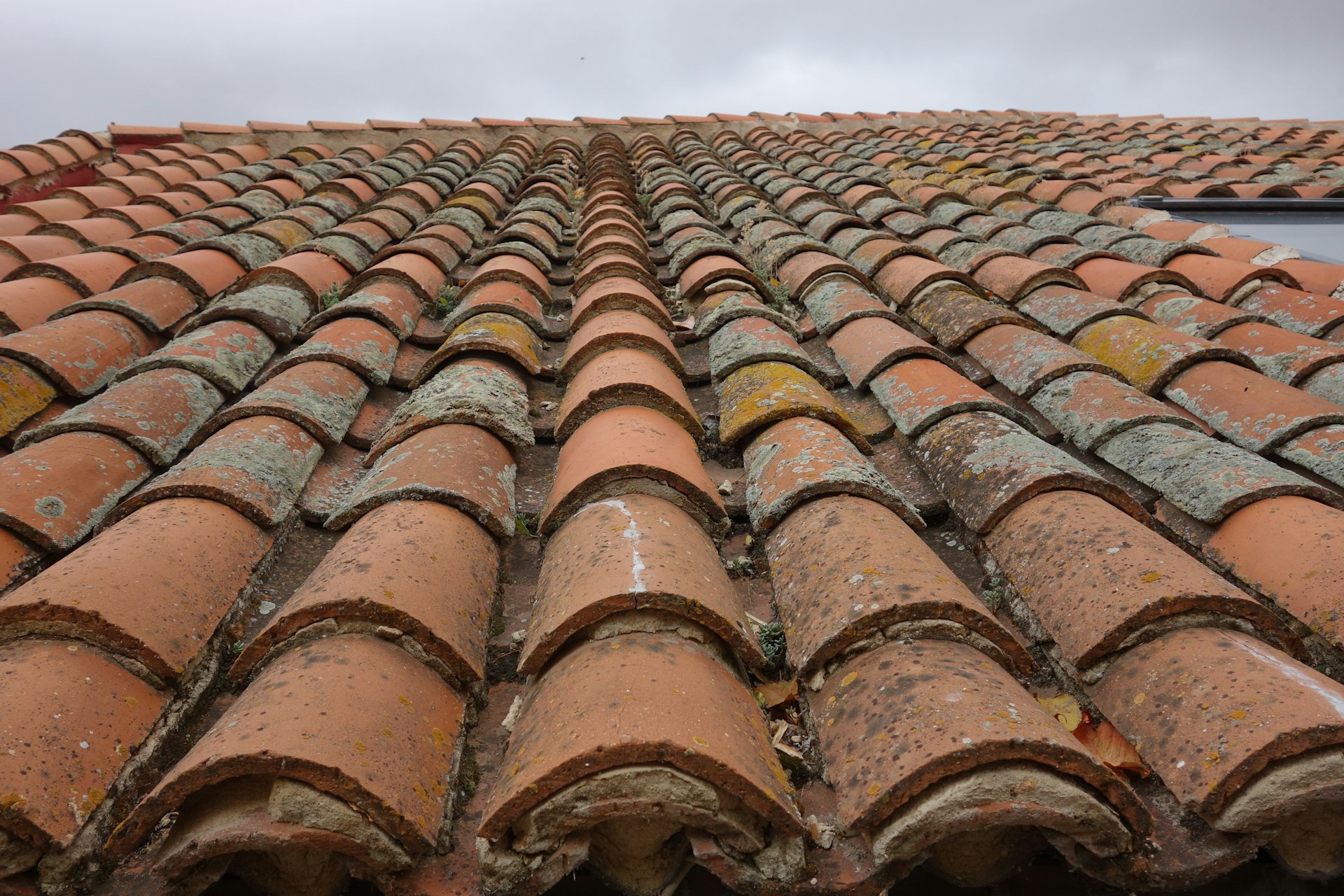
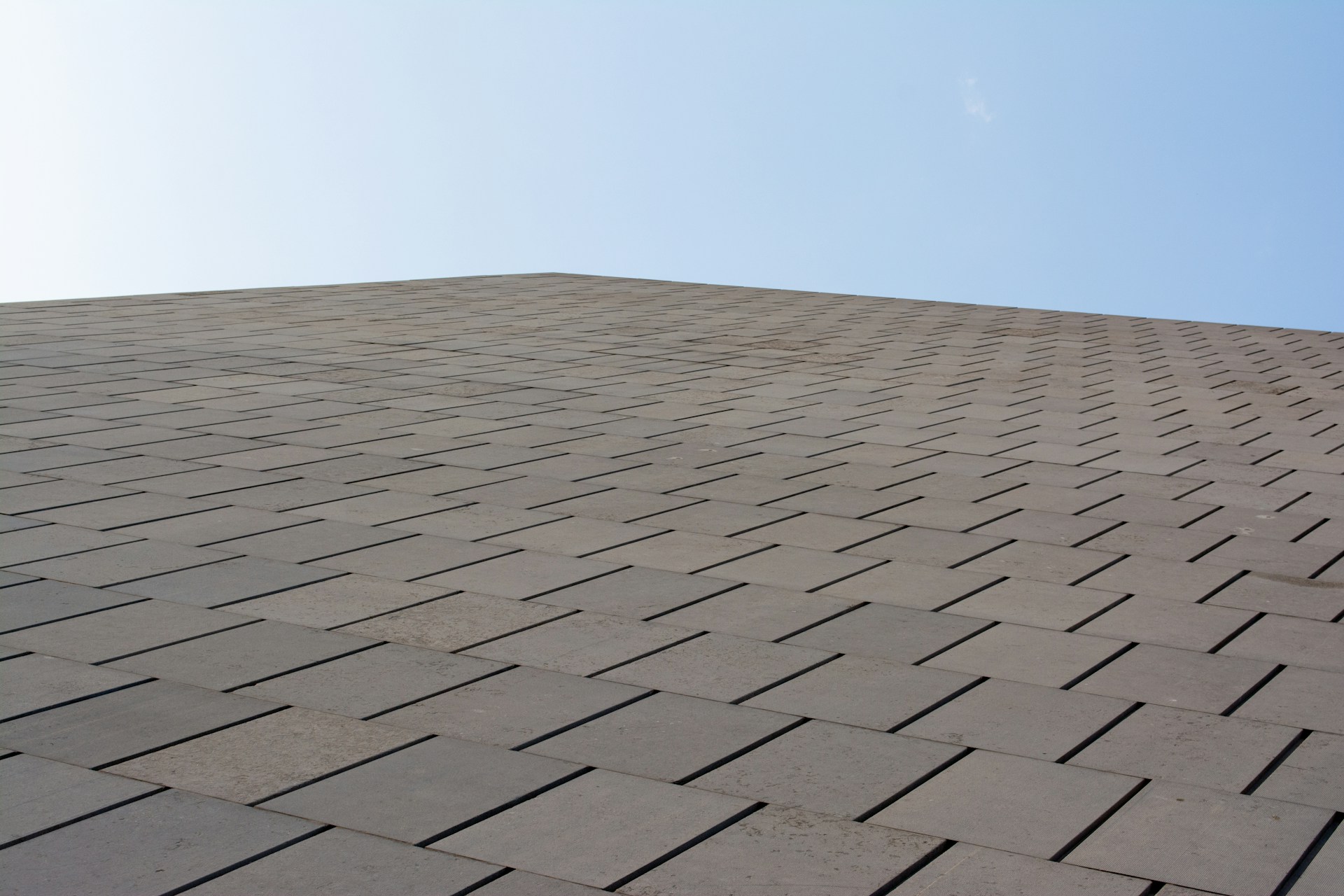
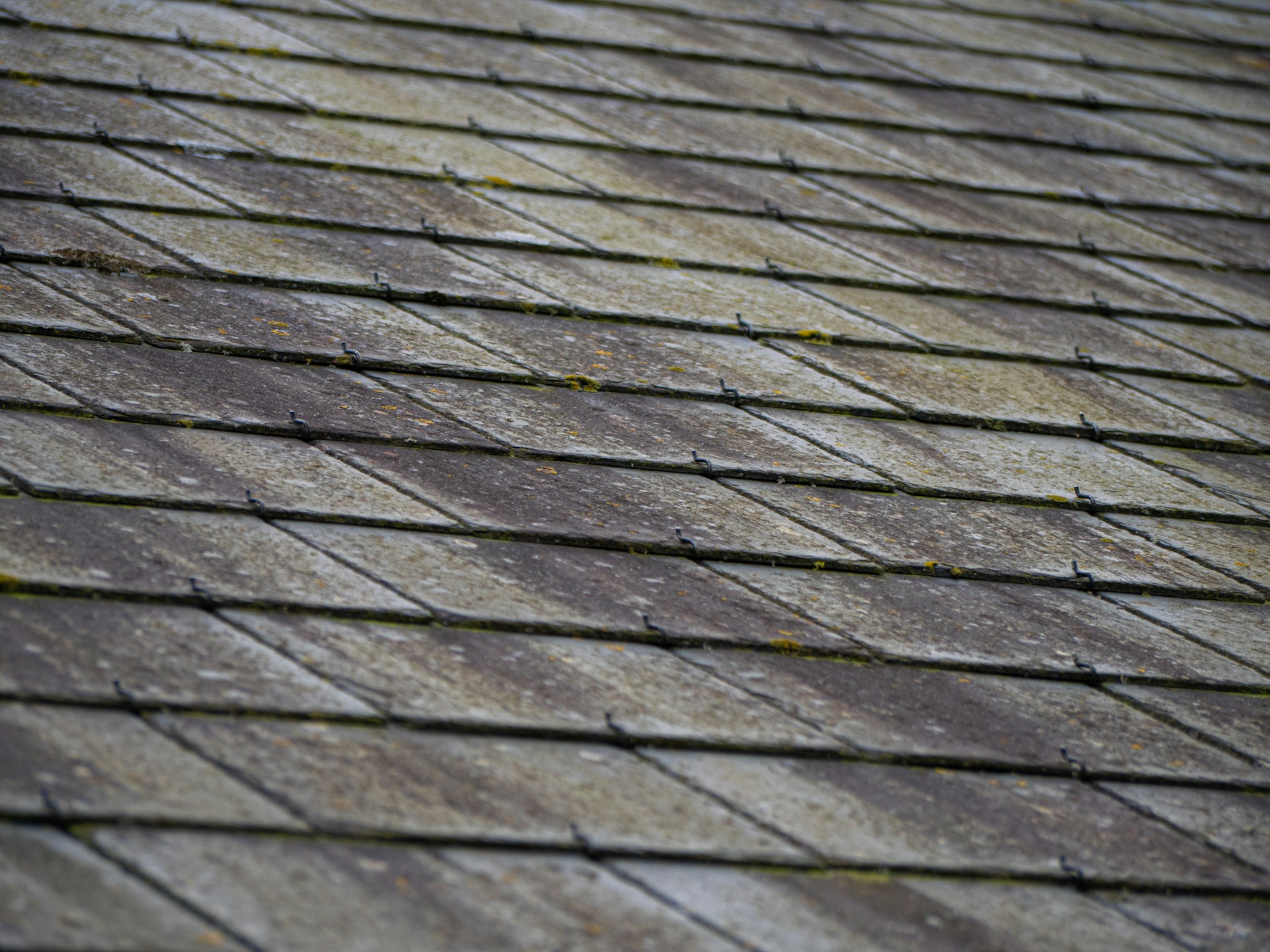
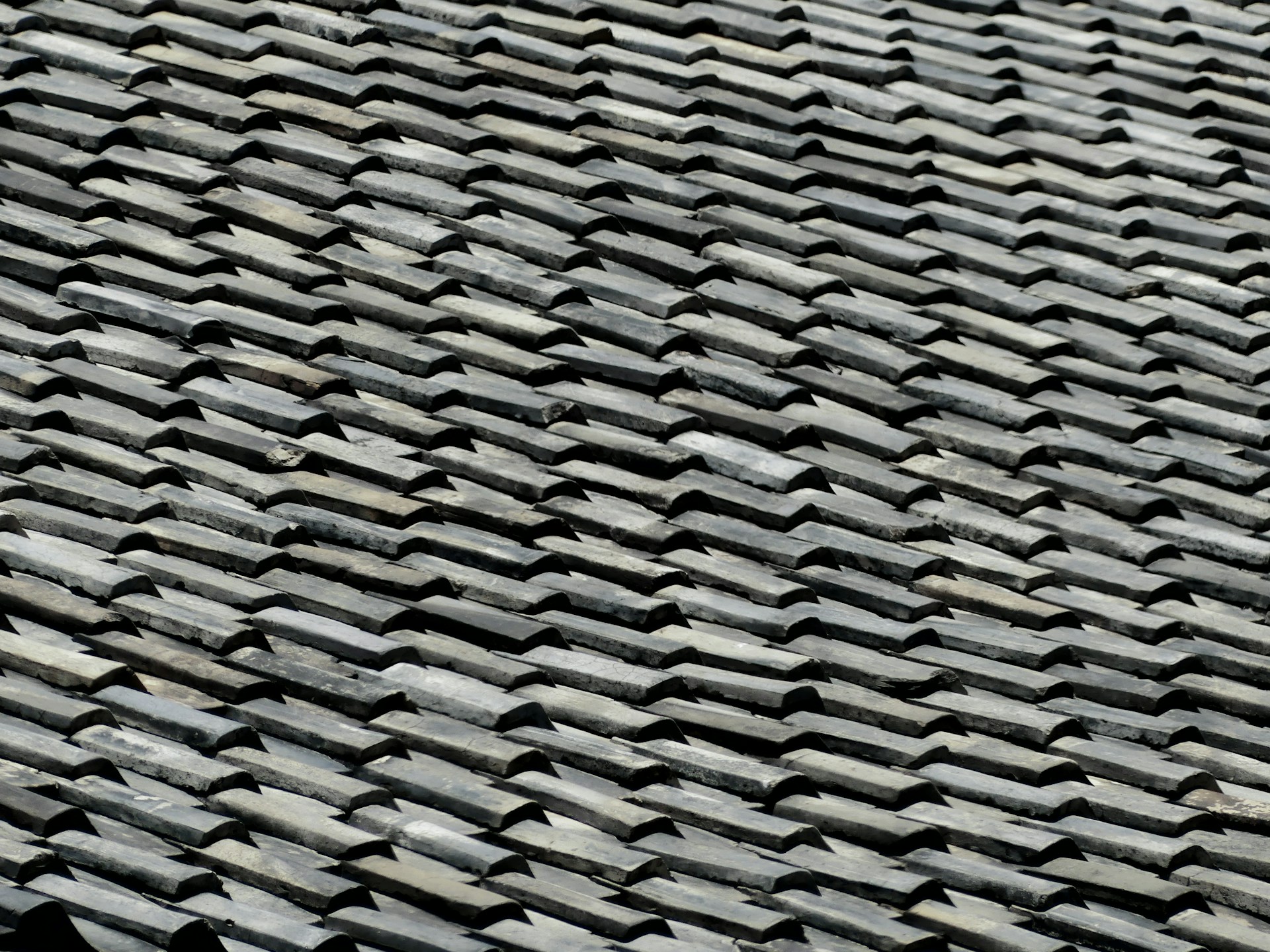
Common reclaimed materials include natural slate, clay tiles, and copper or terne-coated metal roofs. Slate lasts a long time and resists fire; clay tiles bring color and shape variety; metals are lightweight and pretty quick to install.
You’ll see full-sized, half-round, and interlocking clay tiles, plus historic slate cuts like Welsh and Spanish. Reclaimed copper often has a patina you can keep or remove, depending on the look you want.
Quality varies by source. Pick pieces that have been checked for cracking, thickness, and fastening points. Reclaimed Slate Roofing sources and inspects these materials to meet performance needs.
Lifecycle of Roofing Materials
A typical roofing lifecycle starts with manufacture and installation, goes through decades of weathering, then removal. At removal, materials either go to landfill or enter the reclaimed supply chain.
In the reclaimed path, tiles are salvaged, sorted by size and condition, cleaned, and tested for reuse. Good pieces can go back on roofs, often adding 40–100 years for slate and 30–70 years for fired clay.
Reusing materials means you don’t have to extract as many new raw materials, which cuts emissions and construction waste. For your project, reclaimed pieces can reduce costs on premium materials while keeping the authentic look and proven durability.
Environmental Impact of Reclaimed Roofing
Reclaimed roofing cuts waste, lowers emissions, and saves raw materials by giving historic slate and tiles a second life. You get durable roofing that avoids new manufacturing and reduces the load on landfills and quarries.
Reducing Landfill Waste
Reusing slate and clay tiles keeps large, durable pieces out of landfills. When you salvage intact roofing from demolitions, those tiles don’t become construction debris that can take decades to settle.
Recovered roofing usually goes straight from removal to cleaning and inspection, so usable pieces get right back on roofs instead of piling up in landfills.
For your project, that means lower disposal costs, fewer dumpster pickups, and fewer truck trips to distant landfills. That’s less jobsite clutter and lower hauling expenses.
If you work with suppliers like Reclaimed Slate Roofing, materials arrive pre-vetted, so you spend less time sorting and handling waste on-site.
Lowering Carbon Footprint
Reclaimed roofing slashes the carbon tied to new material production. Mining, cutting, and firing new tiles use up fuel and pump out CO2. But when you reuse slate or clay, you skip those energy-hungry steps.
You also cut transport emissions when materials come from closer demolition sources or when suppliers ship direct to your jobsite.
Fewer raw materials mean fewer manufacturing processes and less fossil-fuel use. For a typical roof replacement, reclaimed slate can noticeably shrink embodied carbon compared with new quarried slate or manufactured tiles. That’s a big deal if you’re tracking project emissions or aiming for greener builds.
Resource Conservation
Reclaimed roofing protects natural resources like slate quarries and clay deposits. Every reclaimed tile you install means one less virgin stone cut and more life for existing quarries.
Reusing materials also means less demand for processing chemicals and fuels used in making new tiles.
On the ground, this helps keep specialty supplies more stable. Rare colors and sizes stick around because you’re tapping existing stock instead of waiting on limited new production.
Using reclaimed materials supports long-term resource stewardship and gives your projects authentic, time-tested roofing components.
How Reclaimed Roofing Reduces Waste
Reclaimed roofing cuts landfill volume, lowers demand for new materials, and keeps durable tiles in service longer. It saves energy tied to quarrying and manufacturing while giving you authentic materials with proven performance.
Minimizing Material Disposal
When you pick reclaimed slate or clay, you keep good roofing out of the waste stream. Each salvaged tile avoids landfill tipping fees and cuts down on the truck trips needed to haul demolition debris.
Reclaimed pieces are often still structurally sound. That means you’ll need fewer replacements over time and less material ends up in the trash from premature roof tear-offs.
You also cut jobsite waste. Reclaimed tiles come ready to install, so you toss less packaging and scrap compared with factory‑packaged new products.
Promoting Material Reuse
Reusing historic slate and clay keeps high-quality materials in circulation. These tiles were quarried and shaped decades or centuries ago and often outlast modern alternatives.
You can select tiles that match existing roofs for repairs, which means you don’t have to remove more material just to blend colors or profiles. That saves both materials and labor.
Reclaimed Slate Roofing inspects, cleans, and grades each piece before sale. That vetting helps you install reliably and avoid waste from unsuitable tiles.
Supporting Sustainable Construction
Using reclaimed roofing supports green building practices. It directly lowers embodied carbon by skipping new quarrying and manufacturing.
Specifying reclaimed tiles can help meet client sustainability goals and may contribute to certification programs that value material reuse. Projects gain authenticity and measurable waste reduction.
Sourcing reclaimed materials also encourages responsible demolition. When contractors know salvage has value, they plan deconstruction to preserve tiles instead of just smashing them.
The Process of Installing Reclaimed Roofing
You’ll go through three main steps: picking sound reclaimed pieces, restoring them to roofing condition, and installing them to modern standards. Each step affects longevity, appearance, and waste reduction.
Material Collection and Selection
Start by checking each reclaimed piece on-site or in the yard. Look for full-thickness slates or tiles, intact nail holes, and minimal cracking. Skip pieces with deep delamination or heavy spalling.
Record dimensions and color variation. Sort tiles by size and shape into labeled batches so you can roof with consistent courses. Keep a small reserve (5–10%) for starter and edge cuts.
Source provenance matters. Ask for testing or grading that confirms the material type and durability. If you buy from a supplier, make sure each lot was cleaned and vetted before shipment.
Preparation and Restoration
Clean materials gently with low-pressure washing or hand brushing to remove moss and mortar without thinning the slate. Replace or punch out damaged nail holes and trim edges only when needed for detail work.
Pair reclaimed pieces with the right underlayment and flashing. Use underlayment rated for expected service life; install ice-and-water shield at eaves and valleys. For clay tiles, treat bedding surfaces with a breathable primer if needed to improve adhesion.
Label restored batches and stack flat on pallets to avoid breakage in transit. Give a quick inspection to a sample from each pallet before you lift it into place.
Installation Techniques
Lay reclaimed roofing using standard exposure patterns for the tile or slate type. Match exposure to the material’s proven weather performance, not just thickness. Keep headlap and side joints uniform.
Use copper or stainless-steel fasteners sized for original nail holes. Space fasteners according to wind ratings and local code. For irregular sizes, step and butt courses so the visual coursing stays even.
Detail flashing and ridge work to current code. Reuse salvaged ridge pieces if you can, and make custom flashings to fit uneven surfaces. Do a final check for loose tiles, consistent courses, and watertight flashings.
Cost Benefits of Reclaimed Roofing
Reclaimed roofing lowers your material spend and trims long-term upkeep costs. You save by reusing high-quality pieces and by avoiding frequent replacements over decades.
Savings on Raw Materials
Using reclaimed slate or clay often costs less than buying new, premium roofing materials. You pay less per piece because the material already exists and doesn’t carry full manufacturing costs.
You also save on shipping and embodied energy. Reclaimed pieces usually ship directly to the jobsite, which reduces handling steps that add cost. For projects that need matching historic tiles, reclaimed stock removes expensive custom manufacturing.
Reclaimed materials can also cut disposal fees. Salvaging usable tiles from a tear-off means fewer tons hauled to a landfill, which lowers your project waste charges and can speed permit approvals on restorations.
Long-Term Financial Advantages
Reclaimed slate and clay keep their value because these materials resist weather and require less frequent replacement than cheaper alternatives. A well-installed reclaimed slate roof can last many decades, cutting reroofing cycles and labor costs over time.
Maintenance costs drop, too. Slate and clay need fewer repairs and simple patching usually does the trick. That means fewer service calls and less risk of water damage leading to costly structural fixes.
If you care about resale, reclaimed roofs can boost property value. Buyers who want durability and historic character often pay a premium, which helps offset your initial investment. Reclaimed Slate Roofing offers vetted pieces ready to install, helping you capture these financial benefits without long lead times.
Challenges and Considerations with Reclaimed Roofing
Reclaimed roofing saves material and cuts landfill waste, but it brings specific issues you’ve got to plan for. Expect trade-offs around quality checks and legal rules that affect availability, installation, and cost.
Quality Assurance
Reclaimed tiles vary by age, wear, and previous repairs. Inspect each batch for cracks, delamination, broken tabs, and old patchwork. Ask for grading or condition reports that list percentages of prime, usable, and salvage-only pieces.
Ask the supplier about cleaning and testing. Salt staining, mortar residue, or embedded nails can hide deeper damage. A good cleaning and a light hammer test help reveal weak pieces before they reach your roof.
Keep a spares policy. Buy 10–20% extra for cuts and future repairs, or secure a lot reserve from the supplier. For visible roof areas, match color and texture closely; mixing lots can create uneven appearance. If you’re working with Reclaimed Slate Roofing, check their inspection standards and lot availability before you order.
Local Regulations
Building codes and historic-preservation rules can limit reclaimed material use. Check your municipality’s roofing and fire-resistance codes first. Some areas require lab data or third-party certification for reused roofing on certain classes of buildings.
Historic districts often need approval from preservation boards. You may need to submit samples or installation plans showing how the reclaimed material will match existing character.
Permit timelines can stretch project schedules. Factor in lead time for plan approvals and inspections when you bid the job. If your project needs engineered underlayment or upgraded flashing to meet code with reclaimed tiles, include those costs in your estimate.
Reclaimed roofing is a practical way to reduce waste without sacrificing performance. By keeping durable slate and clay in circulation, you lower landfill use, cut demand for new materials, and maintain access to proven roofing that can last for decades. The result is a roof that meets structural needs while supporting more efficient, resource-conscious construction.
Success comes down to sourcing and preparation. Consistent grading, proper cleaning, and reliable batch matching make installation smoother and reduce waste on site. When materials arrive ready to install, crews spend less time sorting and more time completing the job.
Reclaimed Slate Roofing supplies authentic reclaimed slate, clay, and specialty roofing that is inspected and prepared for reuse. With builder-direct pricing and fast delivery to jobsites, it provides a dependable source for contractors and architects who need consistent materials without delays.
Using reclaimed roofing keeps projects efficient, reduces environmental impact, and delivers the character and durability that modern alternatives often lack.
Frequently Asked Questions
Using reclaimed roofing slashes landfill waste, cuts demand for new materials, and keeps strong pieces in service way longer. You get authentic slate or clay that can last decades, plus you save energy that would’ve gone into mining and making new tiles.
How does using reclaimed roofing materials benefit the environment?
Reclaimed roofing keeps usable slate and clay out of the landfill.
It also skips the energy and emissions tied to making new tiles.
You cut down on raw material extraction by reusing what’s already out there.
That helps preserve natural resources and drops your project’s carbon footprint.
Can old roofing materials be repurposed for new construction?
Yes. Many reclaimed slates and clay tiles are still structurally sound and can fit right onto new roofs.
Roofers inspect and sort pieces so only the good ones go back into service.
You might need a bit of trimming or backing for some modern roof systems.
Experienced contractors know how to work reclaimed pieces into new builds or restorations.
What are the cost benefits of using reclaimed roofing?
Reclaimed materials often cost less than new specialty tiles.
You save on material costs and don’t pay as much to haul away old roofing.
High-quality reclaimed slate can actually outlast some cheaper new options, so you spend less on replacements down the line.
Shipping and handling can add up, but builder-direct suppliers usually keep prices competitive.
Are there any roofing materials that are particularly well-suited to being reused?
Natural slate and fired clay tiles are your best bets.
They handle weather and keep their strength even after decades on a roof.
Antique specialty tiles—like certain historic cuts and textures—also work well for reuse.
Stay away from heavily damaged or crumbling pieces; those should just be recycled or tossed.
How do I properly recycle my home's roofing materials?
Sort materials on-site into reusable slate/clay and nonrecyclable debris.
Hire a contractor who’ll salvage intact pieces before tear-off.
Take broken or mixed waste to municipal recycling centers that accept construction debris.
For historic slate, work with a reclaimed materials supplier to resell or repurpose what’s still solid.
What should I look for when sourcing reclaimed roofing for a project?
Make sure someone’s actually inspected, cleaned, and graded each piece before you commit.
It’s smart to ask for sample photos, thickness details, and, if they have it, info about where the material came from.
Don’t forget to check how fast the supplier can get your order out the door—timing can make or break a project.
Reclaimed Slate Roofing usually preps materials for reuse and gets most orders shipped out to job sites pretty quickly.