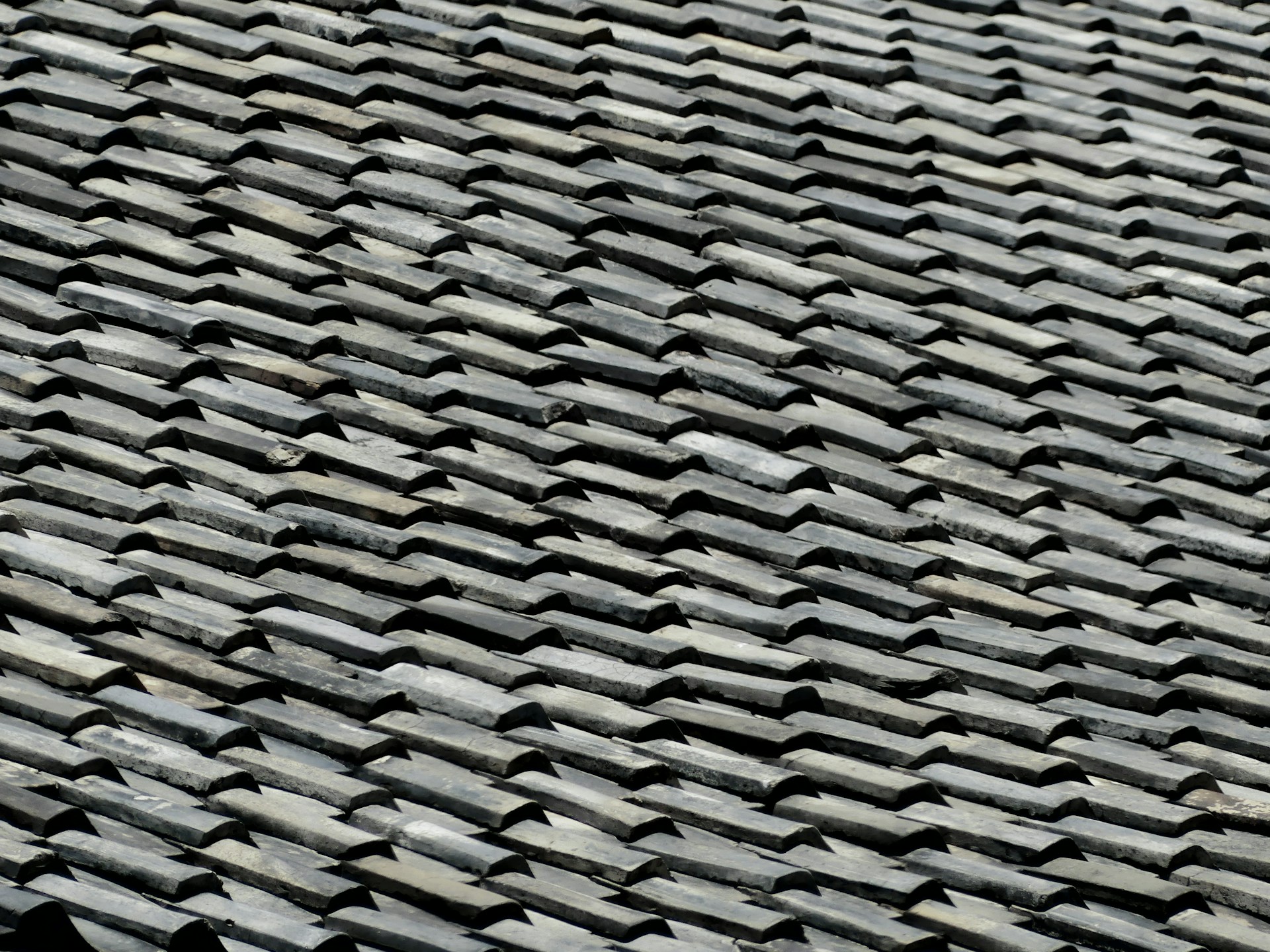
Your client wants a slate roof, and the drawings are ready. The last open item is the line that sets the budget: salvaged slate pulled from a century-old roof, or new stone cut for this job. For many restorations and heritage-style builds, reclaimed slate can offer strong long-term value. It has a proven service record and reduces the risk of a poor match. Whether the reclaimed slate roof lifecycle cost comes out ahead depends on actual quotes, expected service life, maintenance, and project conditions.
That advantage depends on buying well. Hand-inspected salvaged slate ships with its original patina and has already been sounded and culled. That changes what your crew handles on site. Large-format material in 20-inch, 18-inch, and 16-inch random widths, in colors like Purple and Buckingham Black, comes from historic roofs, and those colors are hard to find in new stock.
Keep reading to learn how to model cost across a roof's full service life and which line items belong in an upfront quote. You will also see how reclaimed and new slate compare on value, and how sourcing and freight move the final number. If your crew is booked in two weeks, check batch availability before you finalize the material spec.
How to Model Slate Cost Across Decades
A slate roof that costs three times as much as a shorter-lived roof comes out ahead per year only if it lasts more than three times as long. A slate roof cost only makes sense when you spread it across the decades the roof will serve and add every repair you expect along the way.
Calculating Reclaimed Slate Roof Lifecycle Cost
Start with the installed price. That is material, labor, underlayment, flashing, tear-off, and freight. Divide it by the years of service you expect. Then add projected repair costs and any replacement cycles that fall inside your ownership window.
Service life drives most of the math. The National Park Service's historic slate roof guidance reports that Vermont and New York slates last about 125 years. Buckingham Virginia slates last 175 years or more. A material that outlives three synthetic roofs spreads its cost over a far longer span.
Roof area and pitch set the quantity side. A steep roof with valleys and dormers needs more cuts and creates more waste than a simple gable. Knowing the full range of slate roofing materials helps you match thickness and size to that geometry. Use this sequence to build the estimate:
- Measure roof area and add a waste factor for cuts and complex details.
- Price material, freight, and labor as separate lines.
- Set a realistic service life for the slate type you are using.
- Add scheduled maintenance and a repair reserve.
- Divide the total by years of service to get an annual cost.
Which Repair and Maintenance Costs Belong in the Estimate?
Slate itself rarely fails first. Flashing, fasteners, and underlayment wear out sooner, so those replacement cycles belong in any long-horizon model. Budget periodic inspections, too, especially after storms or heavy snow.
Spare slate is the item most estimates leave out. Holding back matching pieces from the original lot makes future repairs fast and invisible. Having reclaimed tile for roof repairs on hand avoids hunting for a match decades later.
Include labor for small repairs as well. A slater replacing a few broken pieces charges for travel and setup no matter how small the patch is. That fixed cost repeats each time you call someone out, and it grows every year the roof stays in service.
What Goes Into the Upfront Quote?
An upfront quote is really three quotes stacked together: material, installation, and logistics. Keeping them separate lets you compare offers fairly and spot missing items before they turn into change orders.
Material Pricing, Batch Availability, and Rare Formats
Reclaimed slate roof tiles are priced by lot. Wholesale pricing moves with color, size, thickness, and how consistent the batch is. Grey stays the most available. Rare colors and large sizes carry more value because fewer pieces survive salvage intact.
For a clear picture of how trade buyers pay, see this guide to reclaimed slate wholesale pricing. A good supplier quote lists size, color description, batch photos, and palletized freight prep.
Specific lots do not restock. Once a batch of rare reclaimed roofing materials sells, the next one will differ in tone or size. Lock in the full quantity, spares included, from one lot.
Installation Labor, Flashing, and Structural Requirements
Labor is the largest single share of slate roof installation. Slate is heavy and brittle, and it has to be laid by hand with copper nails, correct headlap, and careful cutting. Experienced slaters cost more per hour and make fewer costly mistakes.
Salvaged slate installs much like new stone, with some added sorting by thickness. This walkthrough of reclaimed slate roof installation covers the steps crews follow. Flashing should match slate's lifespan, which means copper or other long-life metals.
Structure comes next. Slate weighs far more than asphalt, so rafters and decking need an engineer's check on new builds and older frames. Heritage buildings with timber frame roof joinery often carry slate well but still deserve a structural review.
Freight, Breakage Allowances, and Contingencies
Freight is its own line. Slate ships crated and palletized, and cost depends on distance, site access, and unloading. Liftgate service and scheduled delivery are available on request, which matters on sites without a forklift.
Order extra material for cuts, breakage, and future repairs. Complex roofs need a larger allowance than simple gables. Sourcing extras and reclaimed roofing supplies in the same order keeps everything from one lot.
- Inspect crates on delivery and report shipping damage within 48 hours.
- Add a contingency for hidden deck rot found during tear-off.
- Plan staging space so pallets sit close to the work area.
All reclaimed orders are final sale, so batch photo approval is your quality checkpoint. What happens after approval shapes whether reclaimed or new stone wins across the decades.
Reclaimed vs. New Slate: Which Offers Better Long-Term Value?
Reclaimed slate offers proven performance and character, while new slate offers predictable supply. Which one delivers better long-term value depends on your quotes, the stone type, and the project.
Comparing Service Life and Repairability
A natural slate roof lasts as long as its stone type allows, whether the slate is new or salvaged. Reclaimed pieces that pass sounding still have decades of life left. According to the National Park Service brief, sound slate gives a clear ring when tapped, while weathered slate gives a dull thud.
Repairability favors reclaimed. Matching an aged roof with fresh stone leaves visible patches for years. Weathered slate blends in on day one. Learn more about replacing broken slate tiles with authentic matches.
This detailed look at slate roofing lifespan explains how installation quality extends service. Good flashing and fasteners let either option reach its full potential.
Weighing Proven Patina Against Predictable New-Material Pricing
New slate has one clear edge. You can order a set color and size from active quarry output and expect similar stock next year. That predictability helps large developments that need repeat orders.
Reclaimed slate offers something new stone cannot: decades of real weathering. Colors like Buckingham Black and Purple arrive with original patina, never cleaned. On price, compare actual quotes for both, since cost varies by lot, size, color, and quantity.
Builders weighing the two often land on salvaged stone for one reason: it has already proven itself on a roof. This piece on why builders choose reclaimed covers that reasoning in detail.
Accounting for Reuse, Quarrying, and Potential Property Value
Reusing slate skips new extraction, splitting, and long-haul shipping from quarries. The U.S. Environmental Protection Agency notes that salvaging and reusing materials diverts construction waste from disposal. Reclaimed slate also supports LEED Materials and Resources considerations.
These are practical gains. See how reclaimed roofing reduces waste and why sustainable slate roofing fits long-term ownership. The broader eco-friendly roofing benefits extend to preserving historic craft.
For property value, a real slate roof signals quality to buyers and appraisers in heritage neighborhoods. The gap between reclaimed and new narrows or widens depending on how you source, and that is where hidden costs sit.
How Can Sourcing and Delivery Change the Final Cost?
Two suppliers can quote the same price per square and deliver very different final costs. The difference shows up in rejected pieces, idle crews, and sorting time on the roof.
Why Hand-Inspected, Job-Site-Ready Slate Can Reduce Rejection and Prep Labor
Unsorted salvage looks cheaper on paper. Then your crew spends hours tapping and sorting, and tosses cracked or delaminated pieces. Every rejected slate is paid for twice, once to buy and once to handle.
Hand-inspected reclaimed slate tiles arrive sounded and culled. Sourcing from verified demolition and historic structures, how reclaimed roofing is sourced shapes quality from the start. Material that is tested and vetted lets slaters install from the pallet.
These practical reclaimed slate sourcing tips help you compare batches fairly. Ask about thickness range, culling standards, and whether the photos show the actual lot.
How to Budget Around a 2 to 5 Business Day Shipping Window
Most orders ship within 2 to 5 business days after order confirmation. Build that window into your schedule, then add freight transit time for your region.
Fast shipping cuts hidden costs. A crew waiting on material still draws wages, and scaffolding rental keeps running. Approve batch photos early so the order confirms quickly.
Checking Availability of 16-, 18-, and 20-Inch Random Cuts
Large formats of 20-inch, 18-inch, and 16-inch random widths suit big roof planes and heritage proportions. Varieties include Grey, Black, Purple, Semi Weathering Green, and Mottled Green with Purple. Each is naturally weathered and never cleaned.
Availability shifts as lots sell. Confirm your size and color before you finalize drawings. If you are matching an existing roof or specifying for a restoration, call Reclaimed Slate Roofing directly at 225-954-8393 and tell us what you are working with.
Knowing what is in stock tells you which projects benefit most from salvaged stone.
When Is Reclaimed Slate Worth Specifying?
Reclaimed slate earns its place wherever authenticity carries a cost if you get it wrong. Two situations stand out.
Matching a Heritage Roof Without Paying for an Unconvincing Substitute
On historic buildings, a mismatched patch costs twice: once to install and again when the owner or review board rejects it. Salvaged slate with matching age and tone avoids that. These historic slate matching guides cover color, thickness, and size checks.
Preservation work also favors materials that fit the original design. Specifying authentic period-correct roofs keeps a project in line with historic standards. See how architects specify roofing materials for historic homes.
Using Rare Colors and Existing Character on Distinctive New Builds
New luxury homes gain instant maturity from weathered slate. A Purple or mottled green roof reads as decades old on move-in day. These rare slate colors suit custom architectural homes.
Clay works too. Reclaimed clay roof tiles and barrel clay roof tiles bring Mediterranean character to warm-climate builds. Both carry the same proven-in-service advantage as salvaged slate.
Choosing Slate for the Full Project Horizon
The best slate budget looks past bid day to the roof's hundredth winter. Reclaimed slate combines a long, proven service life with builder-direct pricing, and it arrives job-site ready to cut sorting labor and delays. Weigh it against new slate using real quotes, expected service life, maintenance, and project conditions.
Your decision comes down to fit. Matching an old roof calls for aged stone. A new build seeking character calls for rare color. Both reward buying the full lot, spares included, at the start. These insights on choosing long-life roofing materials help frame that choice.
When you are ready, call Reclaimed Slate Roofing at 225-954-8393 to check stock and get a direct price on your quantity. You can also email bourgeoismaterials@gmail.com or browse current inventory at reclaimedslateroofing.com before a specific lot sells through.
Frequently Asked Questions
Is Reclaimed Slate Cheaper Than New Slate Over the Life of a Roof?
It depends on the project. Compare actual quotes for both, then factor in expected service life, maintenance, and project conditions. On older roofs, weathered slate can also reduce repair costs because patches blend in sooner.
How Long Can Hand-Inspected Reclaimed Slate Last?
Sound reclaimed slate keeps much of its original lifespan. The National Park Service reports that Vermont and New York slates last about 125 years, and Buckingham Virginia slates last 175 years or more. Actual life depends on installation and maintenance.
What Should a Contractor Include in a Reclaimed Slate Roofing Quote?
List material, labor, underlayment, flashing, tear-off, structural work, and freight as separate lines. Add spare slate and a contingency for hidden deck damage. Attach batch photos for approval.
Does Reclaimed Slate Cost More to Install Than New Slate?
Installation labor is about the same when the slate arrives sounded and culled. Unsorted salvage adds sorting time and waste. Hand-inspected, job-site-ready material keeps labor in line with new stone.
How Much Extra Slate Should I Order for Repairs and Breakage?
Order enough extra to cover cuts, breakage, and future repairs, with more for complex roofs. Buy it from the same lot so the color and thickness match. Store the spares on site for later repairs.