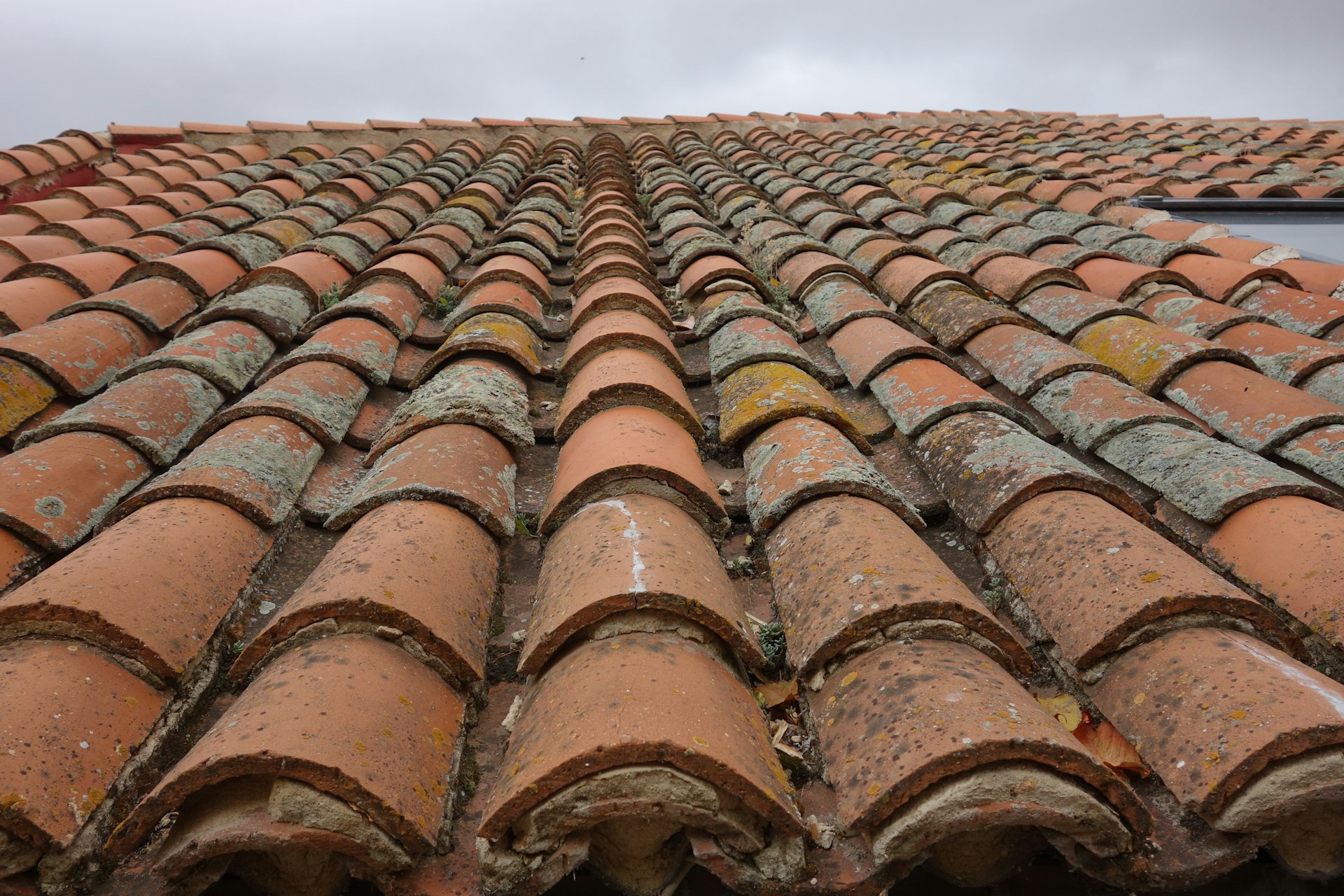
Your crew has pulled back the ridge on a 1920s stucco house and found curved clay tile under a century of grime. Before you order replacements, you need to know which profile is on the roof. For most historic restorations, reclaimed mission roof tiles belong on two-piece pan-and-cover roofs, and reclaimed Spanish S-tiles belong on one-piece interlocking roofs; the two do not swap. Get the profile wrong and the courses will not lock, the shadow lines will not match, and the repair will show from the street.
The profile question comes first because salvaged clay is finite, and each lot carries its own size, color, and firing history. Reclaimed Slate Roofing supplies authentic salvaged clay and slate that is hand-inspected, sounded, and culled before it ships. That matters when you are matching a roof built long before modern tile catalogs existed. The goal is a batch that fits your courses and blends with the patina already on the building.
Keep reading to learn how pan-and-cover barrels differ from one-piece S-tiles, which profile suits which period, and what to measure before you specify. You will also see how to vet a salvaged batch so the tile arrives job-site ready. If your quantity is tight, confirm profile and dimensions before you lock a delivery date, because most orders ship within 2 to 5 business days after confirmation.
How Do Reclaimed Mission Roof Tiles Differ from Spanish S-Tiles?
The core difference is the number of pieces. Mission tile uses two separate half-cylinders per unit of coverage, while a Spanish S-tile combines a pan and a barrel in one fired piece.
The National Park Service groups both under pantiles, yet it draws a firm line between them. Its clay tile preservation brief notes that Spanish tiles are usually one-piece interlocking units, while Mission tiles are single half-cylinders that overlap. People mix up the names all the time, and that confusion causes ordering errors.
Two-Piece Pan-and-Cover Mission Tiles
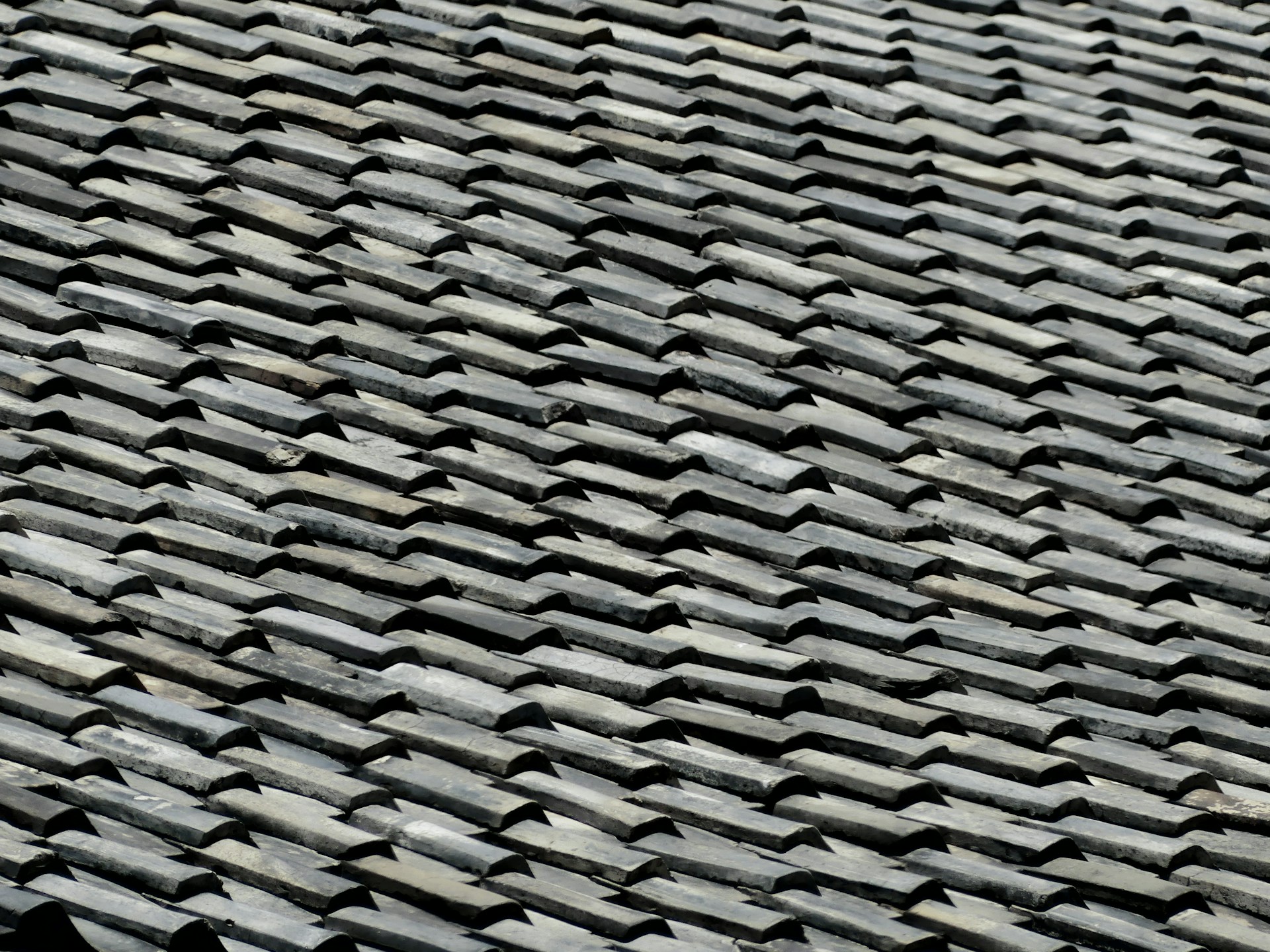
Mission tiles, also called barrel roof tiles, are laid in two layers. The first row sits concave side up to form a channel, or pan. The second row sits convex side up over the joints, forming the cover.
Traditional mission clay roof tile is often tapered, wider at one end than the other. That taper lets each tile nest into the one below it. Later mission tile was laid over vertical battens nailed to the sheathing, or tied to wood purlins with copper wire.
The result is a deep, heavy roofline with strong rhythm. Our barrel clay roof tiles show that curved terracotta profile and the depth it creates across a slope.
One-Piece Spanish S-Profile Tiles
A Spanish S-tile has a convex barrel and a flat or nearly flat pan formed in the same piece. A raised lip on the flat side hooks under the barrel edge of the next tile. That interlock holds the field together.
The NPS lists an average Spanish tile at 13 1/4 inches long by 9 3/4 inches wide, with a 10 1/4-inch exposure. These tiles are usually fastened with two nails through holes near the top, and sometimes set in mortar. The surface reads lower and more even than a true mission roof.
Why Similar-Looking Profiles Are Not Interchangeable
From the curb, both roofs show a wave of red clay, so it is easy to assume one can patch the other. The physics say otherwise.
- Different attachment: mission tiles rely on battens or wire; S-tiles rely on their interlock and top nails.
- Different coverage math: two mission pieces cover what one S-tile covers, so counts do not convert one to one.
- Different shadow depth: a mission cover sits higher, casting a darker, wider shadow.
- Different water paths: pan widths and lap lines differ, so mixed tiles leave gaps at the seams.
A reclaimed roof tile that looks close in a photo still has to match the fastening system under it. That is why the period of the building is the next thing to pin down.
Which Profile Belongs on the Roof?
The building's age and region tell you which profile belongs there. Early Spanish colonial and California mission work points to barrel pan-and-cover; early 20th-century revival houses often carry S-tile or refined barrel.
Matching Historic Roofs by Profile and Period
Clay tile reached North America early. Spanish builders used it in St. Augustine, and both the French and Spanish used it in New Orleans. The tapered mission tiles of California's missions were set in mud mortar mixed with grass or straw, laid over reed or twig sheathing.
Spanish Colonial Revival and Mission Revival houses from roughly 1900 to 1940 mixed profiles freely. Some carry true two-piece barrel. Others use S-tile, which was faster to install. Look at the eave: if you see separate pans and covers with birdstops closing the openings, you have mission.
Naming adds another layer. Buyers searching for french mission barrel roof tiles or roman tiles often want a slightly different curve or pan width. The NPS notes that what Americans call Spanish tile may be called Single Roman tile in England. Describe the shape, not just the name, when you call a supplier.
For period work, our notes on period-correct roofing materials and roofing for historic homes walk through specification language.
Comparing Shadow Lines, Color Variation, and Original Patina
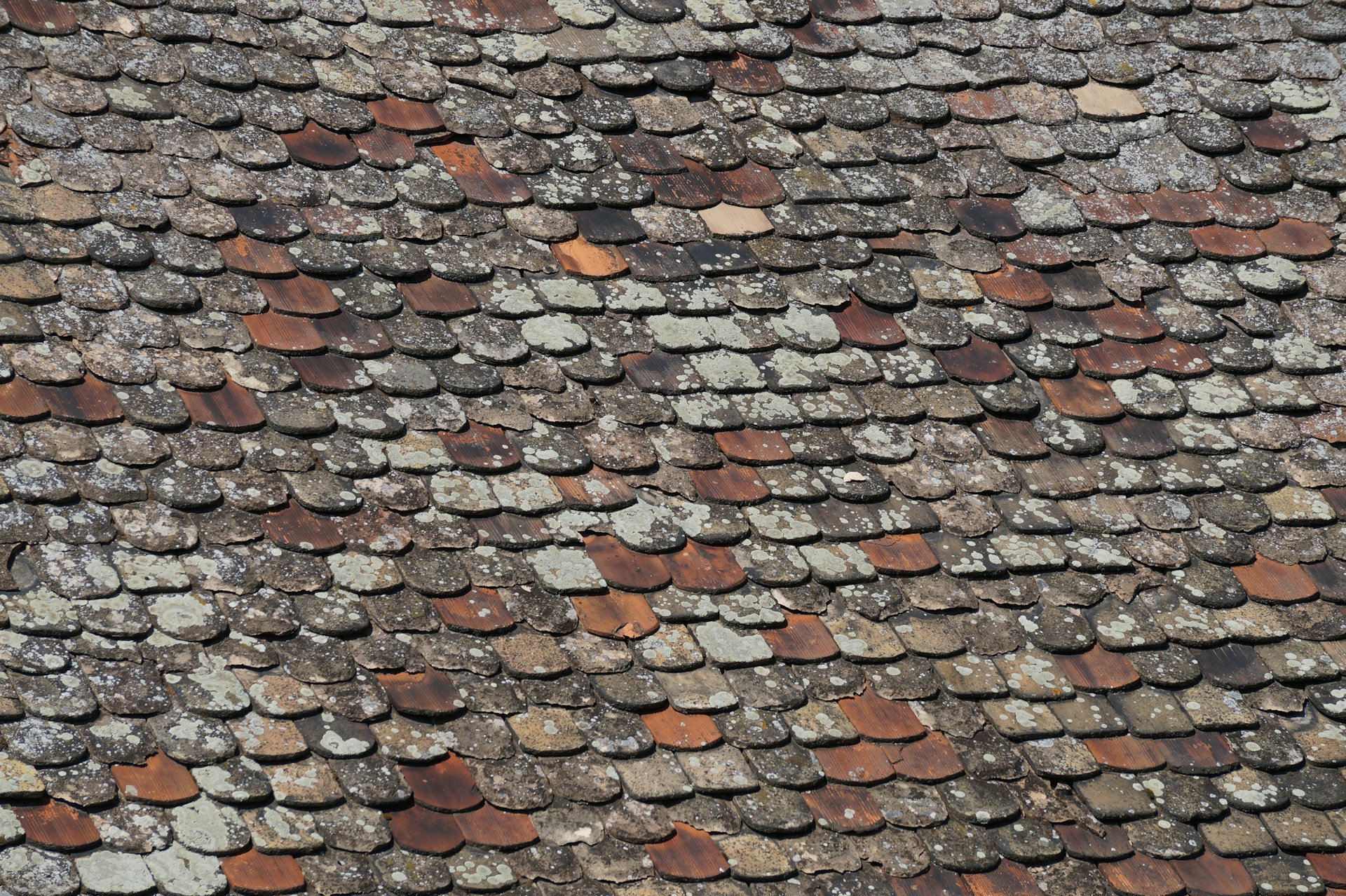
Antique roof tiles earned their color in the kiln and on the roof. Wood-fired kilns heated unevenly. Tiles near the fire turned deep red, while tiles farther away came out lighter orange and smoke-stained.
That spread is why antique roofing tiles look alive and new blends look flat. A mission roof shows the effect twice, because pans and covers weather differently. Covers take full sun and rain; pans hold moisture, moss, and mineral staining longer.
When you pull salvaged tile for a match, sort it into three piles:
- Covers with sun-bleached, lighter tops
- Pans with darker, water-stained interiors
- Odd pieces with glaze, smoke marks, or buff clay
Many historic homes pair a clay main roof with slate on towers, porches, or outbuildings. If yours does, a deep Buckingham Black slate or a mottled green with purple slate can tie those surfaces together. Our rare slate colors guide covers those pairings.
Color gets you close. The measurements decide whether the tile goes on at all.
What Must Fit Before You Specify Salvaged Tile?
Salvaged roof tiles fit only when size, structure, and quantity all check out. Measure first, inspect the deck second, and order with extra.
Measure Length, Width, Taper, and Exposure Against Existing Courses
Pull three or four sound tiles from different areas of the roof. Record each one on a sheet before you call anyone.
- Length from head to tail
- Width at both ends, which shows the taper on mission tile
- Exposure, the visible length once laid
- Rise, the height of the barrel curve
- Thickness at the edge
Taper is where most mission matches fail. A reclaimed tile that is 1/2 inch wider at the head will not nest into your existing courses. On S-tile, the interlock lip must line up, so check lip height and pan width too.
Photograph each tile beside a tape measure. Those photos let a supplier compare lots against yours before anything ships. Our historic tile matching guide explains the method in more detail.
Check Roof Load, Battens, Underlayment, and Fittings
Clay is heavy, and two-piece mission adds more weight than S-tile over the same area. On an older house, check rafters and any timber frame built with mortise and tenon joinery before you add load.
Fastener failure is the most common cause of trouble on old pitched roofs. A UK conservation guide to repairing clay roofs warns that corroded batten nails can let whole courses slip. The NPS calls for solid 1-inch sheathing felted with coated base sheets of at least 30 lbs.
Mission and Spanish tiles are not fully water-repellent on low pitches, so the underlayer does the real waterproofing. List every fitting you need: ridge caps, hip starters, rake tiles, eave closures, and birdstops. Fittings are the hardest pieces to find in salvage. Our notes on reclaimed tile installation cover deck prep.
Plan for Breakage Allowance and Batch Variation
Clay tile is fragile in handling even though it lasts on the roof. Order extra to cover cuts, breakage, and color blending across the field.
The same UK conservation guide cautions that reuse of original tile rarely saves more than 50 percent, even when the roof looks sound. Plan for that when you count what stays and what you must source. For roof repairs, the gap is often small; on a full re-roof it can be most of the field.
Batch variation matters too. Two salvage lots of the same profile can differ in size and firing color. Where possible, source the full quantity from one lot, and set aside matching spares for future repairs. Our reclaimed tile repair solutions page shows how crews handle spot work.
Once you have numbers, the search for a batch becomes specific.
How Should You Source a Matching Batch?
A good batch is chosen on evidence: photos, measurements, counts, and a firm price. Ask for all four before you commit.
Request Batch Photos, Dimensions, Quantities, and Pricing
Send your measurement sheet and eave photos with your first inquiry. Ask the supplier to reply with photos of the actual lot, not stock images. You want to see pans and covers laid side by side in daylight.
Your request should cover these points:
- Profile, and whether it is two-piece barrel or one-piece S-tile
- Measured length, both widths, and exposure
- Total count, plus available ridge and hip pieces
- Price for your full quantity, freight included or quoted
Reclaimed clay roof tiles are priced by lot, rarity, and quantity. Our breakdown of reclaimed roofing wholesale cost explains how builder-direct pricing works. For more questions to ask, see our reclaimed sourcing tips.
Browse the current reclaimed roofing supplies lineup before a specific lot sells through; salvaged lots do not restock.
Confirm Hand-Inspection, Culling, and Job-Site Delivery
Every salvaged piece should be checked before it ships. At Reclaimed Slate Roofing, each piece is hand-inspected, sounded, and culled, then sold with its original patina and weathering intact. Nothing is cleaned or given an artificial finish, so the surface you see in the photos is the surface you install.
Sounding means tapping a tile and listening. A clear ring points to a sound body; a dull thud flags hidden cracks. Our page on tested and vetted materials and our look at how reclaimed roofing is sourced show where tile comes from.
Delivery logistics are simple once the batch is approved:
- Orders are crated and palletized for job-site readiness
- Most orders ship within 2 to 5 business days after confirmation
- Liftgate service and delivery scheduling are available on request
All sales are final, so batch approval is your quality gate. Inspect crates on arrival and report any freight damage within 48 hours so the carrier claim can move quickly.
Choose the Profile Before You Commit to the Batch
Profile comes first because everything else follows from it. A two-piece mission roof needs pans, covers, battens, and birdstops. A one-piece Spanish roof needs matching interlock lips and nail holes. No amount of patina fixes a tile that will not lock into its neighbors.
The rest is patience with a tape measure. Match the taper, count the fittings, and order enough from one lot to blend the field. The National Park Service puts historic clay tile life at about 100 years and often longer, so a good match has decades to prove itself.
When your measurements are ready, call Reclaimed Slate Roofing at 225-954-8393 and tell us what you are working with. You can also email photos to bourgeoismaterials@gmail.com or browse current salvaged inventory at reclaimedslateroofing.com.
Frequently Asked Questions
What Is the Difference Between Mission and Spanish Roof Tiles?
Mission tiles are separate half-cylinders laid in two layers, pans below and covers above. Spanish S-tiles combine the pan and barrel in one interlocking piece. Mission roofs look deeper and heavier; Spanish roofs read lower and more even.
Can Reclaimed Mission Tiles Replace Spanish S-Tiles on an Existing Roof?
No, not within the same field. The two use different fastening, coverage, and lap lines, so mixed tiles leave gaps and uneven shadows. Match the existing profile, and use salvaged spares from the same type.
How Much Do Reclaimed Mission Roof Tiles Cost?
Price depends on the lot, profile, quantity, and the fittings you need. Salvaged tile is quoted by batch, so send measurements and a count for a direct price. Freight is often part of the quote.
What Measurements Do I Need to Match Antique Mission Tiles?
Record length, width at both ends, exposure, barrel rise, and edge thickness. The taper is the key number on antique mission tile, since it controls how pieces nest. Include photos beside a tape measure for a faster match.
Where Can I Buy Reclaimed Mission Roof Tiles for a Restoration?
Buy from a supplier that sells only authentic salvaged tile and sends photos of the actual lot. Our salvaged roofing materials and reclaimed clay roof tiles guides explain what to expect, and rare reclaimed roofing covers hard-to-find profiles.