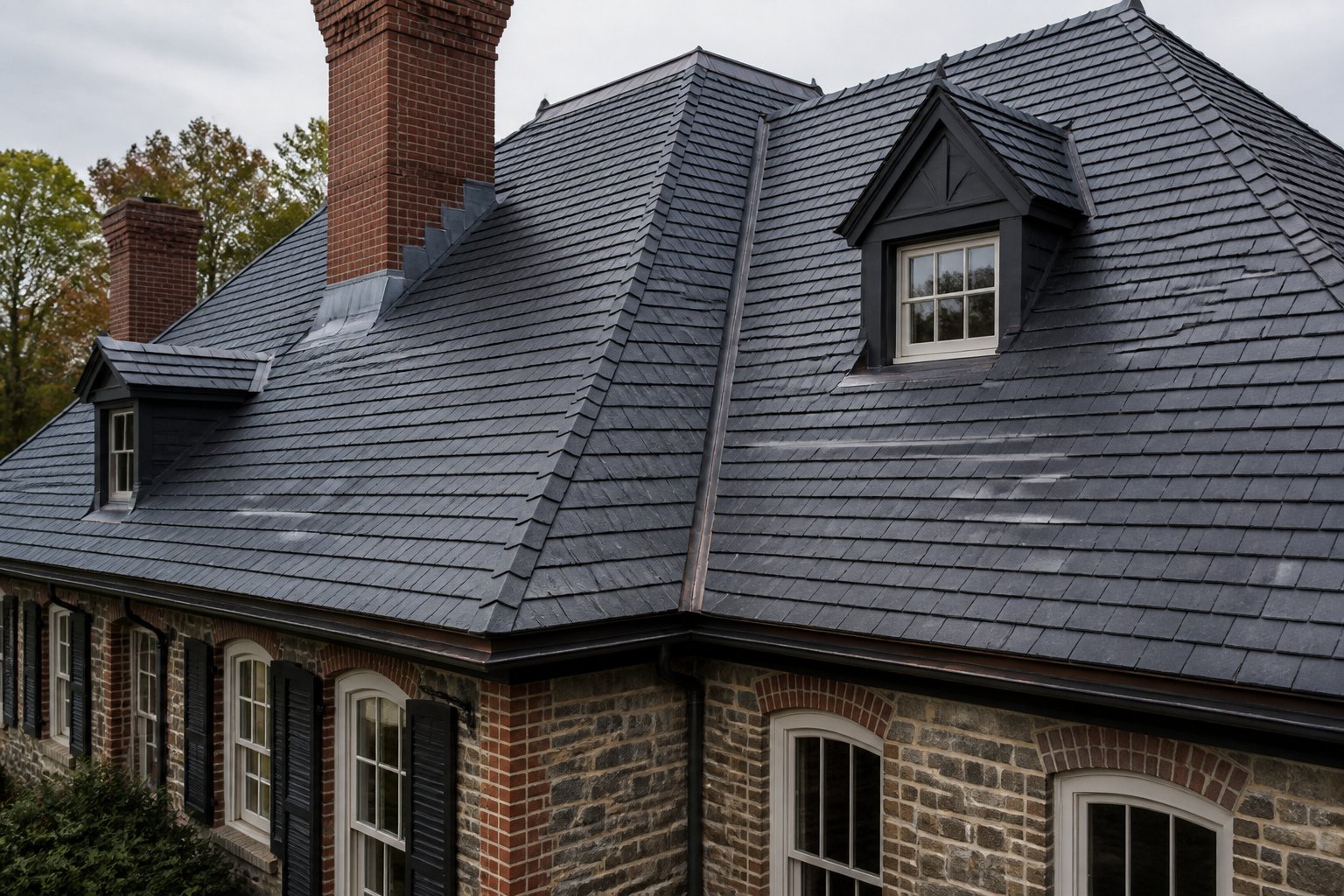
If you want a roof that combines lasting strength, fire resistance, and classic beauty, slate roofing delivers on all three. Slate can last decades longer than common shingles, resist fire and severe weather, and boost your home's curb appeal and value.
Today, we’re going to explore what slate roofing is, why homeowners choose it over other materials, how it benefits the environment and energy use, and the practical points to check before you pick slate for your home. Our aim is to give you clear facts to decide if slate fits your budget, structure, and style.
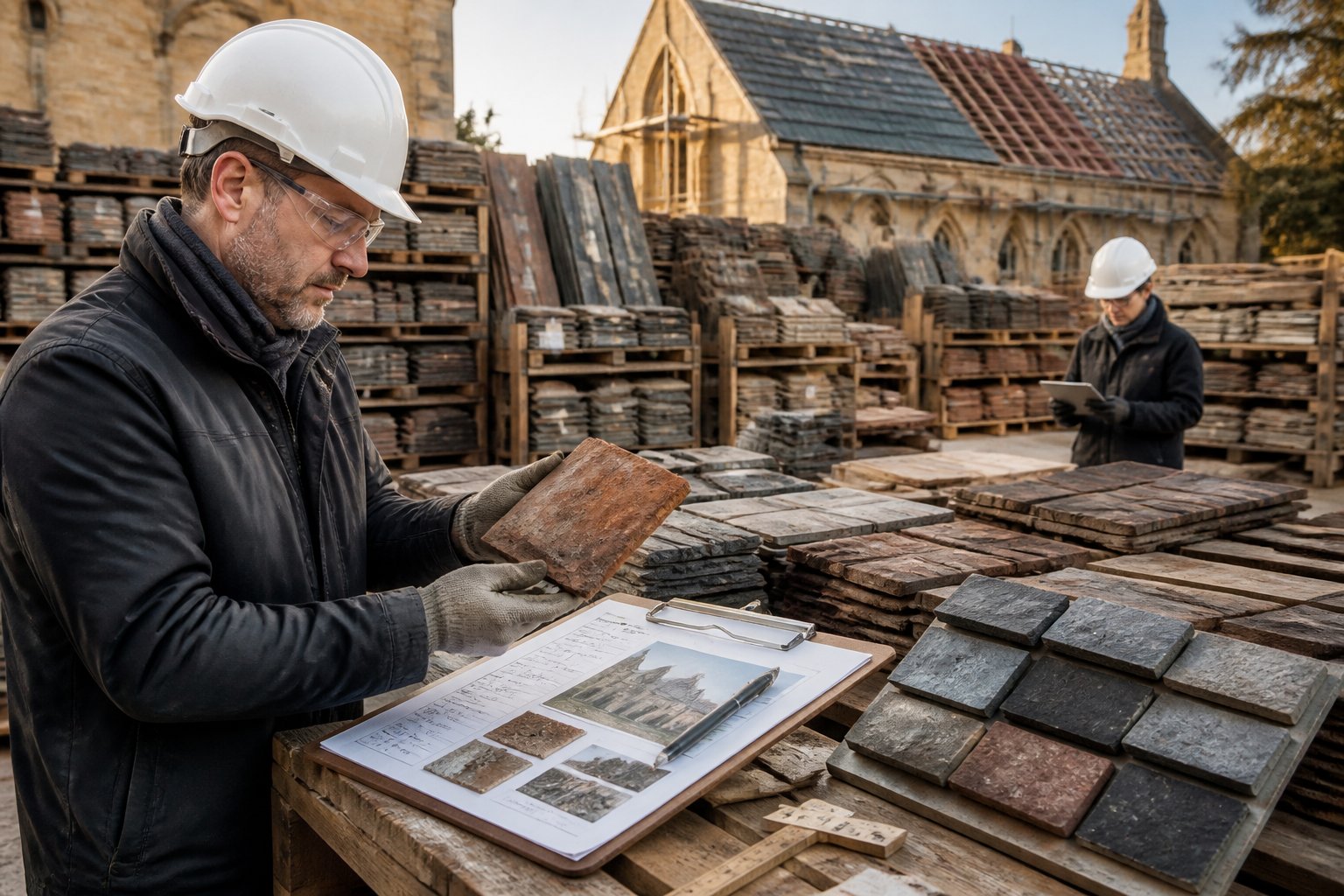
If you do choose slate, Reclaimed Slate Roofing supplies authentic reclaimed slate—vetted, stocked, and ready to ship directly to your jobsite. Contact us to check current inventory and get builder-direct pricing.
What Is Slate Roofing?
Slate roofing uses thin tiles cut from dense, metamorphic rock to cover your roof. It provides long life, strong weather protection, and a natural stone look that many homeowners prefer.
Slate roofing consists of natural stone pieces called slate tiles or slate shingles. Installers split each tile from slate rock into flat, thin pieces, which makes them dense, water-resistant, and fireproof compared with many other roofing materials.
Installers overlap slate tiles in rows and fasten each with nails designed for slate. Because slate tiles vary in thickness and color, your roof will show natural texture and shade differences.
Common sizes run from 8x8 inches to 24x16 inches, and weight ranges from about 800 to 1,500 pounds per 100 square feet. That weight means you must check your roof framing before installing.
Natural Slate vs. Synthetic Slate
Natural slate comes from quarries and is actual stone. It can last 80 to 100+ years and resists fire, rot, and insects. Natural slate displays real stone colors like gray, green, purple, and red. It is heavier and usually costs more up front.
Synthetic slate shingles mimic the look of real slate but use materials like polymer, rubber, or fiber cement. They weigh less, cost less to install, and are easier to cut and replace. Synthetics often come with long warranties (40–60 years), but they do not match the lifetime of natural slate.
Choose natural slate if you want authentic stone and a very long life. Choose synthetic slate if you need lower cost, lighter weight, or easier installation while keeping a slate look.
Types of Slate Shingles and Tiles
Slate tiles vary by origin, finish, and thickness. Common types include:
- Standard split slate: Thin, smooth, and common for modern homes.
- Heavy-grade slate: Thicker and denser for cold climates or high snow loads.
- Rough-split or cleft slate: Textured surface for rustic looks.
- Honed or sawn slate: Mechanically smoothed for a uniform appearance.
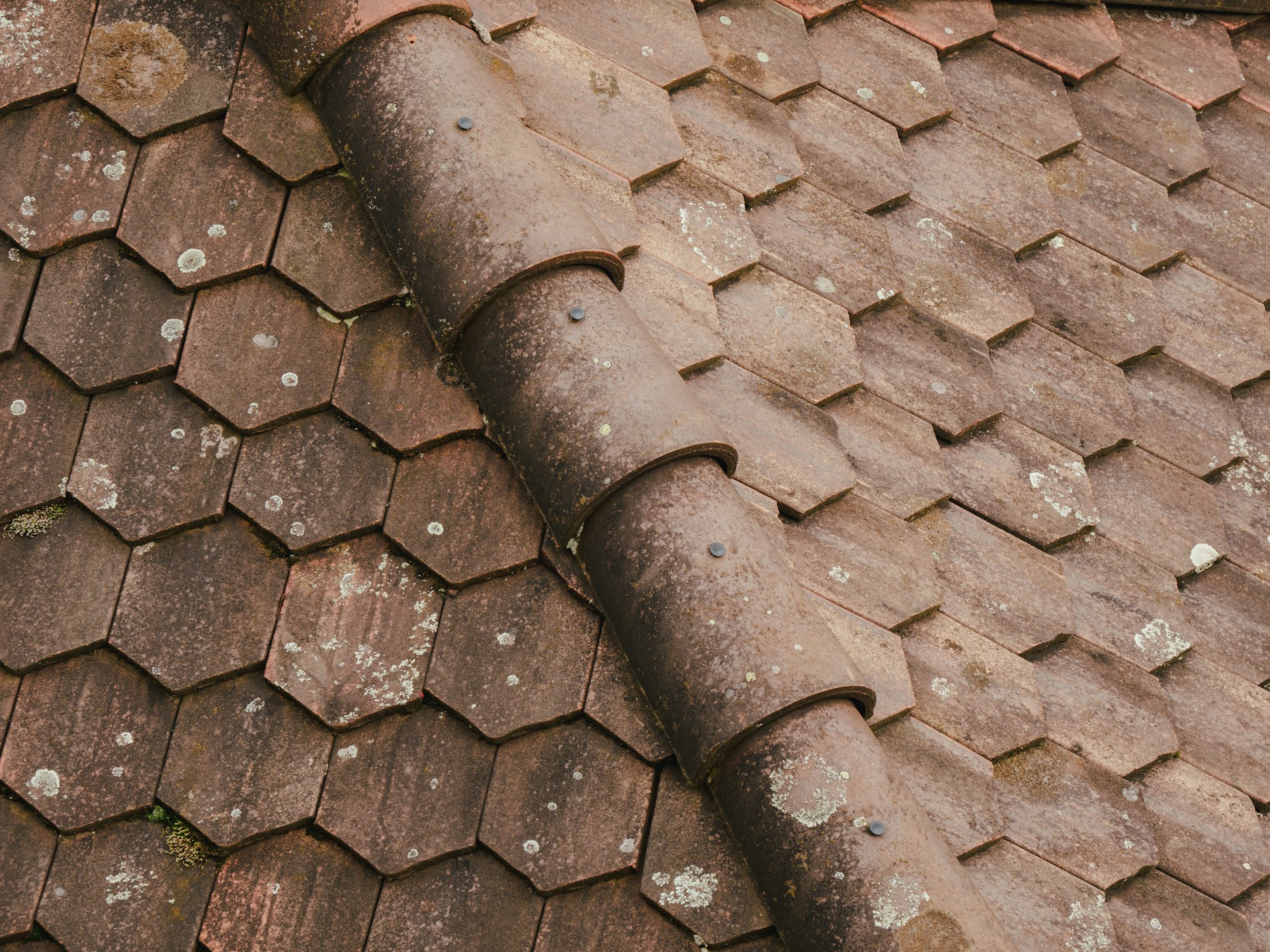
You’ll also see slate classified by quarry origin (e.g., Welsh, Vermont, Spanish), which affects color and durability. Installation styles vary too: you can use simple rectangular shingles, fish-scale patterns, or overlapping diamond cuts for decorative roofs.
For synthetic slate, styles mimic those same shapes but come in molded panels or individual shingles. They often include integrated underlayment or fastening systems to simplify installation.
What’s Great About Slate Roofing
Slate provides long service life, strong protection from storms and fire, and fewer routine repairs than many other roofing types. It can lower long-term costs, protect your home, and boost curb appeal.
Exceptional Longevity and Durability
Slate roofs often last 75 to 150 years when installed correctly and cared for. A properly laid natural slate roof can outlast most roof replacements you would otherwise face with asphalt or composite materials. You may never need a full roof replacement during the life of the house if the structure and underlayment remain sound.
Natural slate resists compression and slow wear. You can replace individual slates without disturbing large areas, so targeted repairs preserve most of the original roof. Expect higher upfront material and labor costs, but plan on far fewer major roofing expenses over decades.
Weather and Fire Resistance
Slate resists hail, heavy rain, snow, and extreme sun better than most shingles. Its dense stone structure sheds water and stands up to freeze-thaw cycles, reducing leak risk in cold climates. In areas with heavy snowfall, slate paired with proper flashing and snow guards helps prevent ice dams and dangerous snow slides.
Slate is noncombustible, so it provides strong fire protection compared with organic shingles. That fire resistance can lower your home’s vulnerability and sometimes reduce insurance premiums. Use corrosion-resistant flashing (copper or stainless steel) to maintain long-term water and fire performance.
Low Maintenance and Repair Needs
You will spend less time on routine roof care with slate than with many other materials. Remove debris and check for broken slates after storms, but you rarely need full-system maintenance. Avoid walking on the roof; use professionals for inspections and repairs to prevent cracked tiles.
When repairs are needed, you usually replace only the damaged slates and any compromised underlayment or flashing. This focused approach keeps repair costs lower than full replacements. Proper initial installation and periodic professional inspections will keep your slate roofing performing with minimal intervention.
Aesthetic Appeal and Home Value
Slate brings a clear, long-lasting upgrade to your roof that affects both how your home looks and how much it can sell for. You get unique textures, color depth, and a high-end look that buyers notice first.
Distinctive Natural Beauty and Textures
You get natural stone tiles with varied grain, veining, and color that no manufactured shingle can match. Textural slate shows subtle ridges and a matte finish that catch light differently through the day, giving your roof visual depth.
Choose from grays, greens, purples, and blacks to match brick, siding, or trim. Individual slate roof tiles age gracefully; they develop consistent patina rather than fading unevenly. That means your roof keeps a cohesive, refined look for decades with minimal upkeep.
Installing slate also lets you use patterns—straight courses, staggered cuts, or decorative shapes—to highlight architectural details like dormers and gables. Those small design choices amplify the stone’s texture and make your home stand out.
Curb Appeal and Property Value Enhancement
A slate roof immediately raises curb appeal. Buyers and appraisers often spot slate first and associate it with quality construction. That visual impression can translate to higher offers, especially in older or historic neighborhoods.
Because slate lasts 75–100+ years, you offer prospective buyers long-term savings on replacement costs. Appraisers factor lifespan and material quality into value estimates, which can boost your home’s appraisal compared with asphalt shingles.
If you’re selling, highlight the slate’s provenance (region and grade), tile size, and installation by a certified roofer. Those specifics reassure buyers and can support a higher asking price tied directly to the visible benefits of the slate roof.
Environmental and Energy Efficiency Benefits
Slate roofs last decades, cut waste, and help lower heating and cooling bills. They resist weather, can be reused, and add thermal stability to your home.
Eco-Friendly Roofing Features
Slate is a natural stone that needs little processing. That means lower embodied energy compared with many manufactured roofing materials. You get a roof that releases no VOCs and does not leach harmful substances into soil or water.
Because slate can last 75–150 years or more, you avoid multiple re-roofing cycles. That reduces the volume of roofing waste sent to landfills and lowers the total materials you buy over time. Many slate tiles can be reclaimed and reused on other buildings or in craft projects, too.
Slate resists fire and pest damage, so you use fewer replacement materials and chemical treatments. If you care about environmentally friendly roofing, slate offers durability, low maintenance, and recyclability in one package.
Insulation and Reduced Energy Costs
Slate’s density and thermal mass help stabilize roof temperatures day and night. That reduces heat transfer through the roof, which can lower your heating need in winter and cooling load in summer.
A properly installed slate roof with good underlayment and attic insulation improves overall R-value of your roof assembly. You still need proper ventilation and insulation in the attic for best results, but slate contributes to reduced HVAC runtime and steady indoor temperatures.
Over the life of the roof, the energy savings and avoided replacement costs can offset the higher initial price. For homeowners aiming to lower energy use and choose environmentally friendly roofing, slate provides measurable, long-term benefits.
Slate Vs Other Roofing Materials
Slate offers long life, strong weather resistance, and a natural look, but it costs more and weighs more than most alternatives. Below are clear comparisons you can use to decide which material fits your budget, roof structure, and style.
Slate vs. Asphalt Shingles
Asphalt shingles cost much less up front than slate. You typically pay a fraction of slate’s price per square foot, and installation is faster. Asphalt usually lasts 20–30 years, so you will likely replace it several times while a slate roof still performs.
Slate lasts 75–150 years and resists rot, insects, and most weather damage. It also raises curb appeal more than asphalt, which can help resale value. However, slate is heavy and may need extra roof reinforcement. Asphalt is lighter and easier to repair, and replacement parts are widely available, which lowers maintenance headaches.
If budget and ease of installation matter most, asphalt makes sense. If you want a one-time, long-lasting investment and your structure can hold the weight, slate is superior.
Slate vs. Metal Roofing
Metal roofing costs more than asphalt but usually less than high-end slate. Metal lasts 40–70 years depending on the metal and finish, so it sits between asphalt and slate in lifespan. It performs well in shedding snow and resisting fire.
Slate outlasts most metal and keeps its appearance longer without repainting. Metal can dent, and painted finishes may fade over decades. Metal is much lighter than slate, so you rarely need structural upgrades. Metal also reflects heat, which can lower cooling costs in warm climates.
Choose metal if you need a lighter roof with good longevity and energy benefits. Choose slate if you prioritize maximum lifespan and a natural stone appearance.
Slate vs. Synthetic Options
Synthetic slate and synthetic slate shingles mimic natural slate at a lower cost and weight. Manufacturers often use polymer or composite materials, so you won’t usually need structural reinforcement. Installation tends to be faster and requires fewer specialized skills.
Synthetic options aim to match slate’s look but usually have shorter lifespans—commonly 30–50 years depending on quality. They resist cracking better than thin natural slate, but they may fade or warp in extreme heat. Maintenance can be easier and cheaper, and the upfront cost is closer to high-end asphalt or mid-range metal.
If you want slate’s look but need lower cost and weight, synthetic slate is a practical compromise. If you want the longest possible life and authentic stone, natural slate remains the stronger choice.
What To Think About Before Choosing Slate Roofing
Slate offers long life, strong weather resistance, and a high upfront price. You should weigh cost, roof framing, installer skill, and warranty terms before deciding.
Investment and Cost Overview
Expect slate roofing cost to run $10–$30 per sq ft installed depending on slate grade and local labor. A 2,000 sq ft roof can reach $30,000–$60,000 or more if you pick premium Spanish or Welsh slate.
Ask for itemized bids that separate material, labor, flashing installation, snow guards, and disposal. That lets you compare prices and spot hidden fees.
Think about resale value and lifespan. Slate can last 80–100+ years, so you may avoid multiple asphalt replacements. But if you plan to sell soon, the high initial cost may not pay off in the short term.
Calculate total cost of ownership by adding expected repairs, periodic flashing work, and any structural reinforcement needed.
Structural Requirements and Weight
Slate is heavy: typical roofs weigh 800–1,500 lbs per 100 sq ft. Your attic framing and rafters may need reinforcement to handle that load. Have a structural engineer or experienced roofer inspect joists, rafters, and roof deck before you commit.
Older homes and some modern lightweight truss systems may require sistering rafters or adding support beams. Reinforcement can add several thousand dollars to the installation budget. Also consider underlayment type and ventilation; proper underlayment reduces moisture risk and extends slate life.
Installation and Contractor Expertise
Slate roof installation requires skilled craftsmen and specific tools. Improper nailing, wrong slate layout, or poor flashing installation can cause leaks and broken tiles. Hire a contractor with documented slate experience, examples of completed roofs, and local references.
Ask about installers’ techniques for cutting and setting tiles, the type of fasteners used, and how they protect valleys and flashings. Request proof of insurance and a written scope that mentions snow guards and flashing installation where relevant. Expect a longer project timeline than asphalt; plan for weather delays and ensure a detailed schedule appears in the contract.
Warranties and Total Cost of Ownership
Look for separate warranties on materials and workmanship. Manufacturer warranties cover slate defects but often exclude installation errors. Contractor workmanship warranties protect against leaks and poor flashing installation. Confirm warranty length and what actions void it, such as walking on tiles or using the wrong sealants.
Total cost of ownership includes upfront slate roof cost, periodic repairs (flashing, nails, occasional tile replacement), maintenance like clearing debris and inspecting snow guards, and potential structural work. Get written maintenance guidance from your installer and budget for inspections every 3–5 years to protect both roof performance and warranty coverage.
Ready to source durable, authentic slate for your project? Our team at Reclaimed Slate Roofing offers reclaimed materials that are inspected, graded, and shipped fast. Get a quote or request current stock to keep your build moving.
Frequently Asked Questions
Slate offers very long service life, strong weather resistance, lower maintenance needs, and a high-end look. You’ll find details on durability, energy performance, environmental impact, and how slate compares to common roofing types.
What are the long-term benefits of installing a slate roof?
A slate roof can last decades with minimal repairs, often 75–150 years for quality natural slate. You’ll save on replacement costs and enjoy steady protection from fire, insects, and rot.
Slate also boosts resale value because buyers often pay more for durable, low-maintenance roofs. Fewer replacements mean less disruption to your household over time.
How does a slate roof compare to other roofing materials in terms of durability?
Slate resists wind, hail, and freeze-thaw cycles far better than asphalt shingles. It does not rot or get eaten by pests like wood shingles can.
Compared with metal or tile, slate’s performance is similar for weather resistance but often outlasts both when properly installed. Synthetic slate gives you lighter weight with good durability, though not always the same lifespan as natural slate.
Can you explain the energy efficiency advantages of slate roofing?
Natural slate has thermal mass that helps moderate roof temperature swings. That can reduce peak heating and cooling loads in some climates.
Slate also reflects less heat than very light materials, but its long life and low maintenance reduce lifecycle energy and material costs. Proper attic insulation and ventilation are still key to getting the best energy savings.
How does the lifespan of a slate roof compare to conventional roofing systems?
A quality natural slate roof commonly lasts 75–150 years, sometimes longer with maintenance. Asphalt shingle systems typically last 15–30 years, needing multiple replacements in the same time.
Synthetic slate usually lasts 50–75 years, while metal and tile roofs often fall between 30–75 years depending on material and care. You’ll likely replace other roof types several times before you would need to replace slate.
What makes slate roofing an environmentally friendly option?
Slate is a natural stone that needs little processing compared with petroleum-based shingles. Its long lifespan means far less roofing waste goes to landfills over decades.
Slate tiles can be reused or recycled, and synthetic slate made from recycled materials reduces raw material demand. Lower replacement frequency also cuts transport and manufacturing emissions over the life of your roof.
What are the aesthetic benefits of choosing a slate roof for my home?
Slate gives a natural, textured look with colors like gray, green, purple, and red. Each tile’s unique pattern adds visual depth and classic character to your roof.
You can choose different sizes and laying patterns to match traditional or modern styles. A well-installed slate roof often becomes a standout architectural feature that enhances curb appeal.