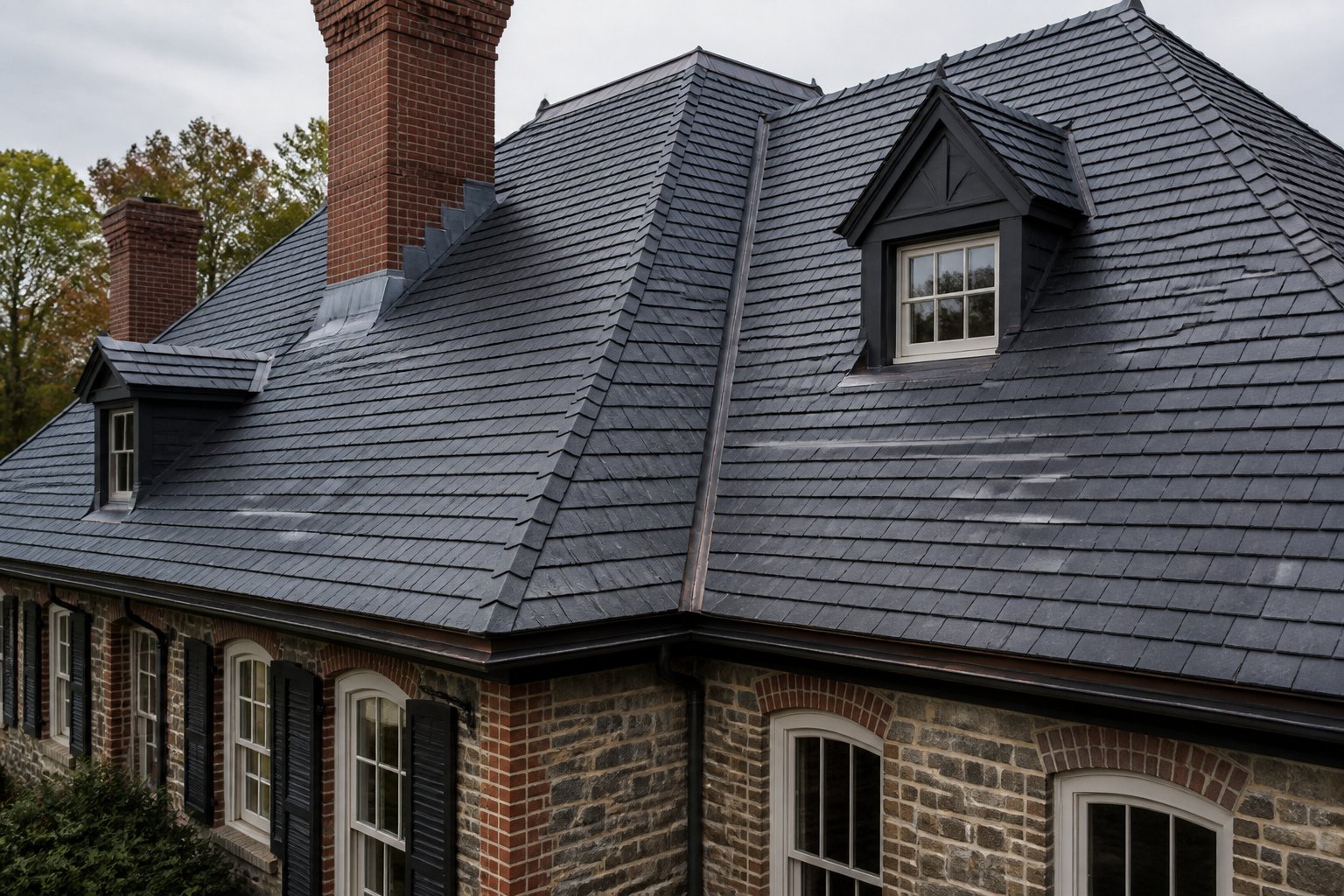
If you want a roof that turns heads before anyone even sees the front door, a fully graduated slate roof delivers. Larger, thicker slates at the eaves step gradually to smaller, finer pieces toward the ridge - creating a roofline that feels intentional, handcrafted, and built to last. It’s one of the few roofing styles where the layout itself becomes part of the architecture, adding depth, shadow, and a sense of weight that standard slate simply can’t match.
In this guide, you’ll learn how a fully graduated system works, why installers choose specific lengths and thicknesses, and what separates this design from standard or textural slate layouts. You’ll also see the real-world trade-offs - cost, labor, structural needs - so you can decide whether this elevated style fits your home and your budget.
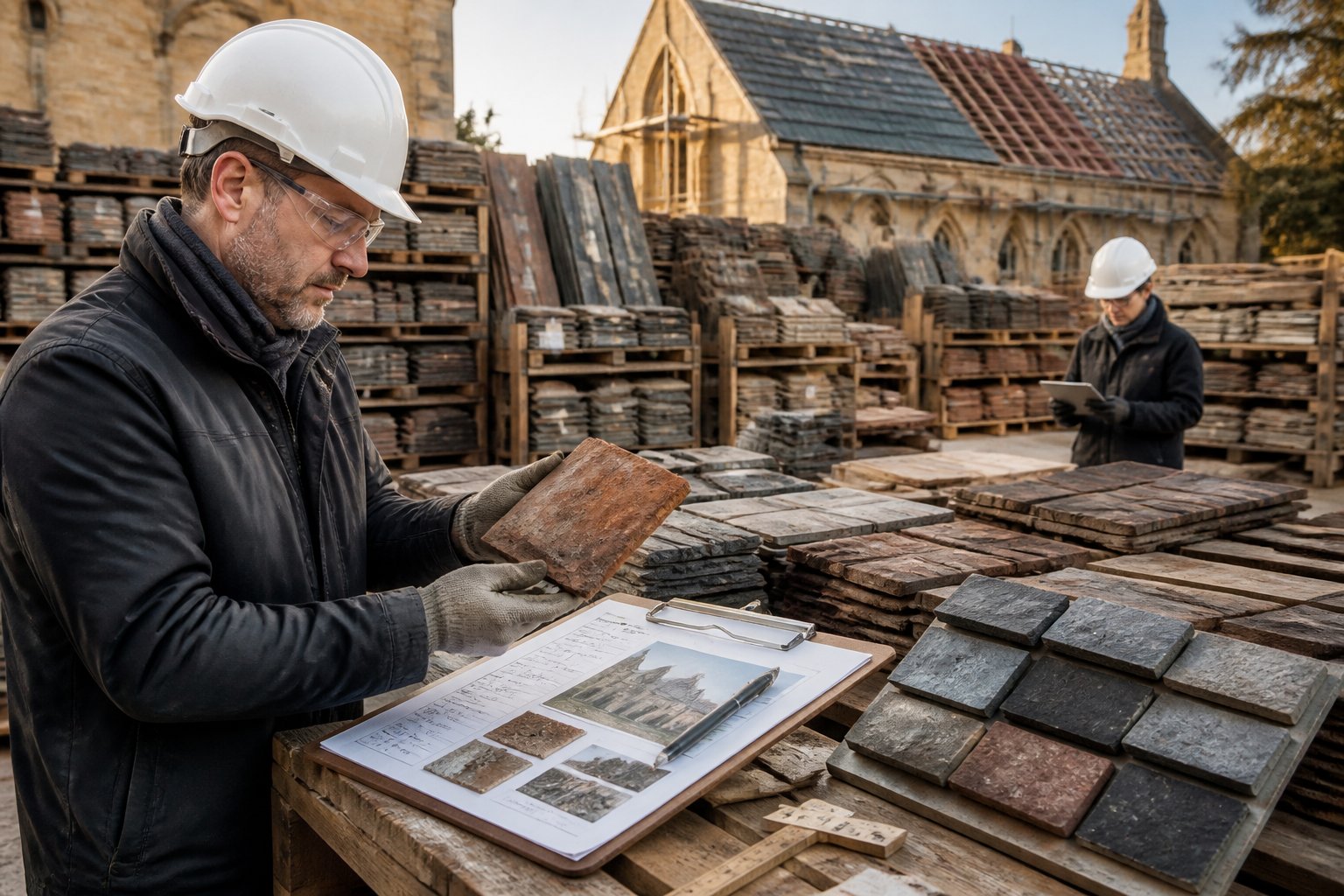
If you’re planning a graduated slate project and want vetted reclaimed slate that’s ready for jobsite delivery, Reclaimed Slate Roofing can help you source the right sizes and grades. Contact us to check current availability.
What Is Fully Graduated Slate Roofing?
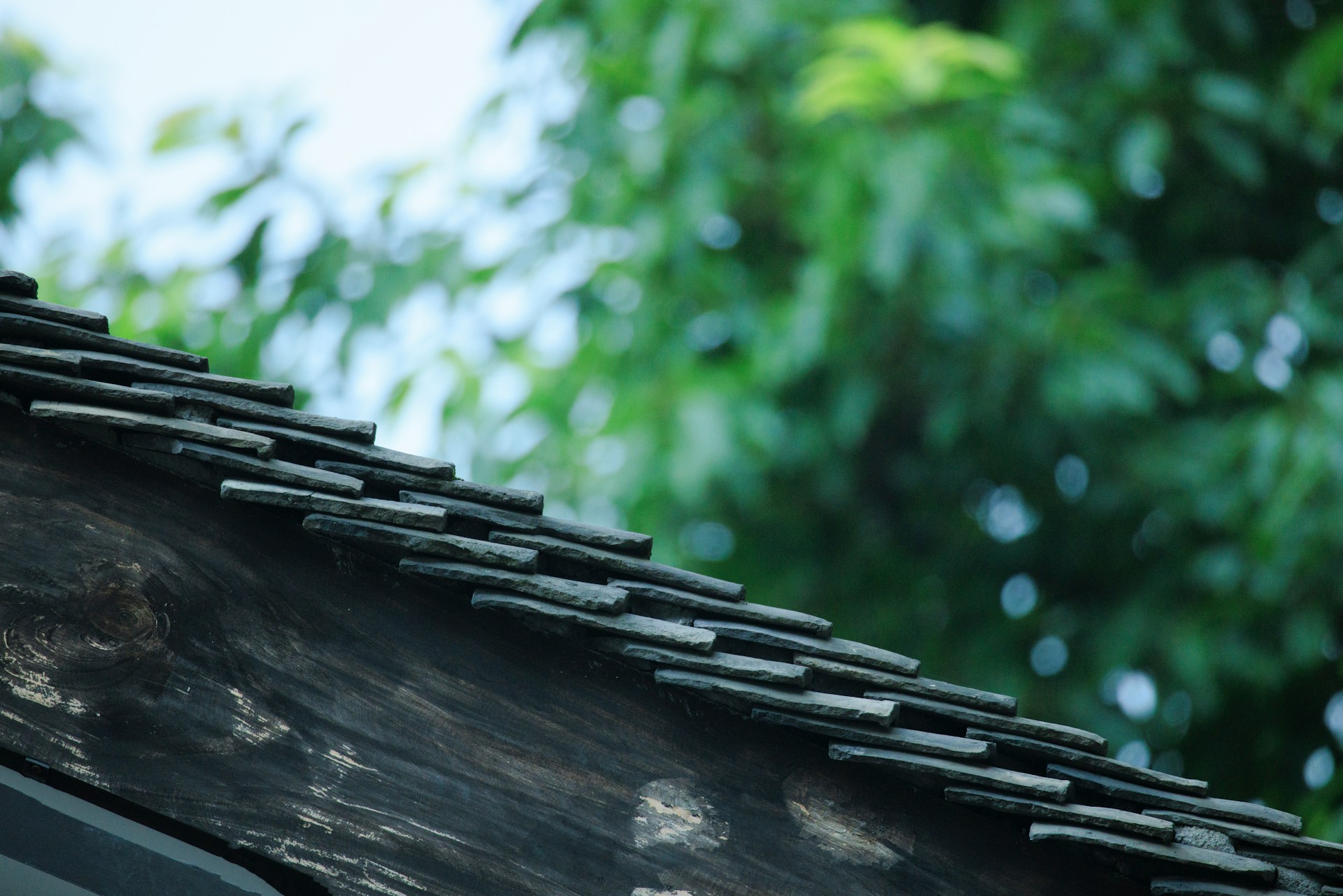
Fully graduated slate roofing uses slates that change in size and often thickness from eave to ridge. Larger, thicker slates go at the eaves and smaller, thinner slates near the ridge to control weight, appearance, and water shedding.
Graduated Slate Roof Systems Explained
Installers place the widest and thickest slates at the eaves, then use slightly smaller or thinner slates as they move up the roof. This change can be by fixed steps (for example 22", 20", 18") or by continuous gradation depending on what the quarry supplies.
You plan the layout by measuring roof rise and run, then choose exposure and slate lengths so courses align and headlaps stay correct. Transitional courses blend sizes. Thicker slates at the eave add durability where water runoff is greatest and protect edge flashing and gutters.
Key material choices include slate length, width, thickness, and grade. Select slates that meet ASTM C406 where possible, and ensure roof framing can carry the extra weight of thicker eave slates.
Differences From Standard Slate Roofing
Standard slate roofing uses uniform slate sizes and thicknesses across the whole roof. With standard roofs you buy one size—often commercial standard 1/4"–3/8"—and lay all courses the same. Fully graduated roofs vary length and sometimes thickness by course.
Graduated roofs require more planning and sorting at the jobsite. You must stock multiple sizes and track which go in each course. This raises labor and sometimes material costs. But the trade-off is improved edge protection and a tailored visual effect that standard roofs don’t provide.
Standard roofs are simpler to estimate and install. Graduated roofs may need stronger framing and more skilled installers because of heavier eave slates and the need for precise transitions between sizes.
Visual Features and Aesthetics
Fully graduated slate roofs create a stepped look: larger slates at the bottom, smaller toward the top. This makes the eave-to-ridge distance read longer and gives the roof a more “massive” base. You can accentuate the look by varying widths and mixing colors.
Combine graduated length slate roofs with graduated thickness for added texture. Thicker slates cast deeper shadows and add a three-dimensional feel. Mixed colors or random-width courses can soften the gradation or create patterns.
If you want a historic or handcrafted appearance, this style delivers it. You control the visual rhythm by choosing how quickly the sizes reduce and whether to use patterned transitional courses.
Core Components and Materials
This section lists what you need for a fully graduated slate roof: the types of slate, the underlayment and deck choices, the fasteners and tools, and the flashing and ridge parts. Each item affects longevity, weight, and weather resistance.
Types of Slate Used
Natural slate remains the standard for graduated roofs because it holds sharp edges and splits into consistent thicknesses. You’ll commonly see thicknesses from about 4 mm up to 38 mm used in combinations so larger, thicker pieces go at the eaves and thinner pieces toward the ridge. This size variation gives the graduated look and controls weight distribution.
Synthetic slate can work for lighter structural loads or lower budgets. Choose products rated for freeze-thaw cycles and UV exposure. Verify manufacturer specifications for weight, fire rating, and warranty before mixing with natural slate on the same roof.
Ask your supplier for ASTM C406 grade or equivalent for natural slate to match expected service life. Match color and texture across batches to avoid patchy appearance. Keep sample pieces on site to check fit and exposure during layout.
Underlayment and Roof Deck Materials
Underlayment gives secondary weather protection and temporary cover during work. Use a high-temperature, slate-compatible underlayment or a double-layer system where code or exposure demands it. Self-adhered membranes at valleys and rakes add leak protection and reduce wind-driven rain penetration.
Your roof deck must be sound and flat. Use solid sheathing—usually plywood or OSB at least 1/2" thick—fastened to structure per local code. Add a wood nailer at ridges and eaves where extra fastening points are needed for ridge, flashing, and underlayment terminations.
Protect the deck during installation with breathable protection or a slip sheet if you’ll stage material on the roof. In cold climates, consider a ventilated deck assembly to reduce condensation under the slate.
Slating Nails, Fasteners, and Tools
Use corrosion-resistant fasteners sized and spaced for slate thickness. Copper slating nails remain the preferred choice because copper resists corrosion and matches traditional installations. Stainless steel is an acceptable alternative if specified by manufacturer and compatible with nearby metals.
Nail length should penetrate the deck by at least 3/4" or as required by local code. Place nails in the prescribed positions to avoid split slates and to allow the head to sit flush without over-driving.
Essential hand tools include a slate hammer for cutting and punching, a slate ripper for removing broken pieces, and a stake for cutting in the field. Use a hook ladder or roof ladder to spread
Textural Slate Roofs
Textural slate roofs mix sizes, thicknesses, or finishes to create a varied surface. The goal is visual depth: rough or riven faces, different lengths, or blended colors give the roof a handcrafted look. You’ll see more variation than on standard roofs, but not the clear size progression of a fully graduated system.
Skilled roofers plan the pattern and balance the visual effect, which requires more time sorting and laying slates. If you want character and a historic or rustic aesthetic, this style delivers that without the strict grading of a fully graduated roof.
Random Width Slate Roofs
Random width roofs use slates of several defined widths, laid without a repeating pattern. This creates a lively, irregular appearance. Unlike fully graduated roofs, random width focuses on width variety rather than a systematic size change from eave to ridge.
Careful layout prevents weak vertical joints and maintains proper water shedding. Roofers often pre-sort and plan courses to avoid concentrating narrow slates in one area. Choose random width if you want a traditional, less formal look while keeping durable, natural slate material.
Synthetic Slate Alternatives
Synthetic slate mimics natural slate using polymer, rubber, or composite materials. You get lighter weight, more uniform sizes, and often lower cost. Synthetic pieces can simplify installation and reduce structural demands on the building.
However, synthetic slate lacks the same aging patterns and may not match historic roofs for authenticity. Some synthetic products offer good durability and warranties, and they can imitate graduated or random patterns. If you need lighter material, easier replacement, or a lower upfront price, synthetic slate is worth comparing to true slate roof systems.
Benefits and Considerations of Fully Graduated Slate Roofing
A fully graduated slate roof uses thicker, wider slates at the eaves and smaller, thinner slates near the ridge. This design changes roof appearance, weight distribution, and material needs, and it affects cost, maintenance, and lifespan.
Longevity and Durability
Graduated slate roofs often use high-grade roofing slate like Vermont unfading green slate or PA black slate at lower courses where wear is greatest. Grade S1-quality slates and proper installation with stainless nails provide the longest life. Thicker slates at the eaves resist breakage from foot traffic, snow, and water run-off.
Slate can last 75–150+ years when sourced from reliable quarries (Welsh slate and some Vermont and Pennsylvania sources have proven records). But the roof’s life depends on correct underlayment, flashing, and roof pitch. Replacement slates should match size and color to avoid weak points.
Weather and Fire Resistance
Slate is naturally non-combustible, so your roof adds fire resistance without extra treatment. That helps with insurance and safety, especially in areas where brush or wildfire risk exists.
For weather, heavier slates at lower courses shed snow and water better. Weathering varies by quarry: sea green slate and VT sea green slate may show subtle color change yet remain durable. Choose slates tested to ASTM standards for freeze-thaw cycles and water absorption to avoid delamination in cold, wet climates.
Maintenance Needs
Slate roofs are low maintenance but not no maintenance. Inspect valleys, flashings, and nail lines every 3–5 years and after storms. Replace broken slates promptly with matching pieces; ripper tools and slate hooks make this work precise.
Occasional flashing, underlayment, or fastener repair may be needed before slate fails. If you use mixed thicknesses, keep an inventory of matching sizes and colors—finding exact cuts of PA black or Welsh slate later can be hard and expensive. Hire a roofer experienced in graduated slate systems for repairs.
Property Value and Aesthetic Appeal
A fully graduated slate roof significantly raises curb appeal. The graduated pattern creates a visually heavy eave and refined profile that buyers value on historic and high-end homes. Using polychromatic or specific stones like sea green or VT sea green slate creates distinct looks that can become a key selling feature.
Cost is higher up front than asphalt, but buyers often accept higher prices for authentic roofing slate due to longevity and low upkeep. Document your slate source and specifications (quarry, grade, color) to preserve value and make future repairs easier.
If you're ready to plan a fully graduated slate roof or need help sourcing the right mix of sizes and grades, the team at Reclaimed Slate Roofing can supply authentic reclaimed slate - inspected, sorted, and ready for fast delivery. Reach out to check current inventory and keep your project moving on schedule.
Frequently Asked Questions
This section gives clear, practical answers about care, benefits, signs of replacement, installation best practices, eco options, and expected lifespan for fully graduated slate roofs. You will find specific steps, timelines, and standards to help plan and make decisions.
What maintenance steps are necessary for a long-lasting slate roof?
Inspect your roof twice a year and after major storms. Look for broken, slipped, or missing slates and damaged flashings.
Clean gutters and valleys at least once a year to avoid ponding water. Remove moss and debris carefully; use soft brushing and avoid pressure washing.
Replace damaged slates promptly to stop leaks and roof deck damage. Use a qualified roofer who knows slate methods and can match slate size and thickness. Check and maintain lead, copper, or other metal flashings every few years. Small flashing repairs prevent major water entry and extend the roof’s service life.
Can you explain the benefits of choosing slate over other roofing materials?
Slate lasts far longer than asphalt or wood—high-quality slate can serve many decades. It resists fire, wind, and rot better than most common roofing options.
A graduated slate roof gives a tailored look by using thicker, larger slates at the eaves and smaller ones upslope. That design improves shedding and creates a heavier, more traditional appearance. Slate adds measurable value to older and historic homes. It also requires less frequent full replacement, lowering lifetime material use compared with short-lived alternatives.
How can you tell when a slate roof needs to be replaced?
You need replacement when large areas show widespread breakage or many slates have slipped or are missing. Small, isolated repairs do not require full replacement.
If the roof deck or underlayment has extensive water damage under the slates, replacement is likely. Also replace if flashing failures cause repeated leaks despite repairs. When the roof has reached the upper limit of expected service life for the slate grade and repairs become frequent and costly, plan a replacement.
What are the best practices for installing slate roofing to ensure durability?
Start with a solid roof deck and underlayment that meet local code and climate needs. Use a recommended underlayment system and proper headlap for your roof pitch.
Match slate thickness, size, and grade for a fully graduated design; place thicker, wider slates at the eaves and smaller ones toward the ridge. Nail slates with corrosion-resistant fasteners sized for the slate thickness.
Install metal flashings and valleys with durable materials and proper laps. Use experienced slate roofers who use correct cutting, slipping, and ripper techniques to avoid stress and cracking.
Follow ASTM C406 guidance for slate selection and testing when possible. That helps ensure the slate grade suits expected climate and service life.
Are there eco-friendly options for slate roofing materials?
Natural slate is already low-impact because it is durable and needs replacement rarely. Long service life reduces total material and waste over decades.
Look for reclaimed or salvaged slates to lower quarry demand and embodied energy. Reclaimed slates often match older roofs in color and texture.
Choose local quarried slate where possible to cut transport emissions. Use recyclable flashings and avoid PVC-based underlayments if you want lower-impact components.
What is the expected lifespan of a slate roof with proper upkeep?
High-quality, well-installed slate roofs commonly last 75 to 100 years or more. Many S1-grade slates can last well beyond 100 years with proper care.
Lower-grade slates may last 20 to 40 years. The roof’s lifespan depends on slate grade, installation quality, weather exposure, and how promptly you do maintenance.