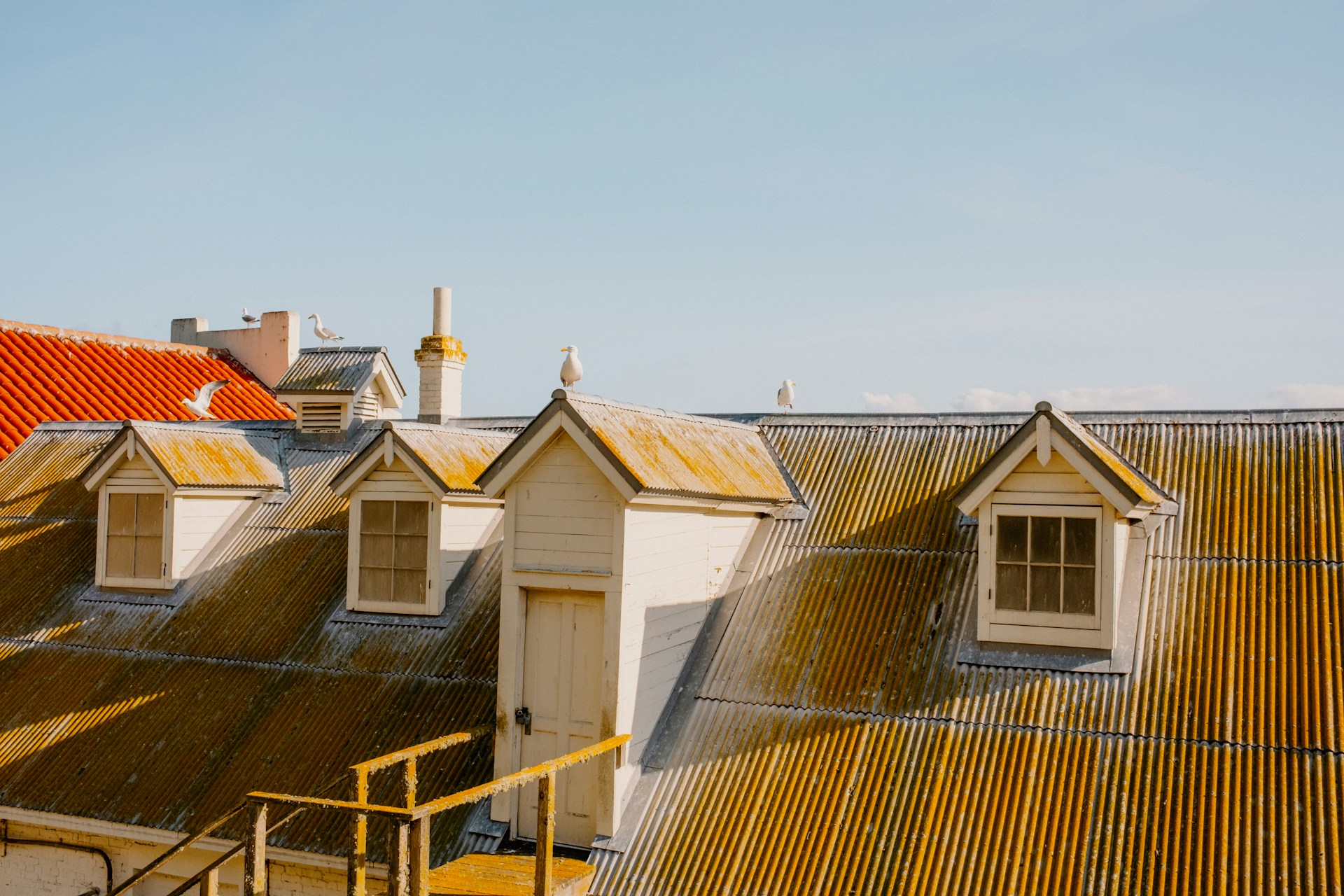
Majestic Slate appeals to homeowners who want the beauty of natural slate without the weight, cost, or fragility that often comes with it. This synthetic option captures the texture and character of stone while offering lighter weight, strong weather performance, and fewer installation challenges. It is a practical way to achieve a slate look that feels intentional, refined, and built to last.
In this guide, you will learn what Majestic Slate is made of, how it compares to natural slate, what styles and colors are available, and what to expect in terms of installation, cost, warranties, and long-term performance. By the end, you will have a clear sense of whether this material fits your home, your climate, and your budget.
If you are exploring slate alternatives and want authentic reclaimed slate as a comparison point, our team at Reclaimed Slate Roofing can help you review real reclaimed options and current inventory. Contact us to see what is available for your project.
What Is Majestic Slate Roofing?
This roofing uses recycled rubber and plastics to mimic the look and performance of natural slate while cutting weight and cost. It provides the textured appearance, color variety, and long service life of real slate but in a lighter, easier-to-install tile.
Synthetic Slate vs Natural Slate
Synthetic slate, like EcoStar Majestic Slate, is made from recycled rubber (EPDM) and plastic (TPO) rather than quarried stone. The tiles are much lighter, so you can install them on most roof decks without extra structural reinforcement. Synthetic tiles resist impact, wind, and freeze-thaw cycles better than many natural slates, resulting in fewer breakages and lower repair bills.
Natural slate is heavy and brittle, often requiring specialized installers and underlayment work. Synthetic slate cuts installation time and labor costs and usually carries long warranties—EcoStar offers 50-year limited material coverage on many products. You keep the slate look while gaining practical benefits for your roof budget and maintenance plan.
What’s It All About?
Majestic Slate tiles come in standard 10" and 12" widths and an 18" length with about 1/4" thickness. They are manufactured with high recycled content, often around 80% post-industrial rubber and plastic, which reduces landfill waste and raw-material use. The tiles are Class C fire-rated and available in multiple colors and designer accents to match historical or modern homes.
You get lightweight tiles that reduce dead load, compatibility with common underlayment systems, and resistance to hail, high winds, and heavy rain. Hip and ridge pieces are available to finish roof lines. Many suppliers offer matched accessories and a labor warranty option, which helps when you plan installation and long-term coverage.
How Majestic Slate Emulates Real Slate
Majestic Slate copies slate’s irregular edges, surface texture, and color variation through molded patterns and multi-tone color blends. Manufacturers use differing widths and designer accent pieces to recreate the random look of natural slate installations. The result is a roof that reads visually like slate from the ground but avoids slate’s weight and fragility.
The tiles’ flexibility allows them to lay tightly on roof planes and follow architectural details. Color-fast pigments and textured molds help prevent uniform sheen and repeated patterns, so your roof looks varied and natural. If you want the aesthetic of slate without its structural and cost demands, this material gives you a practical alternative.
Design Options & Styles
Majestic slate roofing provides many choices: color ranges, tile shapes, and mix-and-match widths that change how light and shadow play across your roof. Pick specific colors, edge profiles, and layout patterns to match your home’s style and local architecture.
Available Colors and Shades
You can choose from a set of realistic slate tones designed to mimic natural stone. Common options include deep charcoal, weathered gray, slate blue, and warm brown blends. Multiple standard colors resist fading from UV exposure.
Pick colors that match your siding, trim, and neighborhood palette. Darker shades give a crisp, formal look and highlight roof texture and depth. Lighter or mixed tones soften the roof’s appearance and hide dust or minor wear. For a historic or carriage-house feel, choose muted, variegated colors that mimic natural slate patination.
Profiles and Tile Shapes
Majestic slate comes in several tile shapes to replicate traditional slate patterns. Typical profiles include rectangular traditional tiles, staggered-edge designs, and special shapes for hips and ridges. These profiles create the enhanced shadow line effect that adds visible depth.
Options include single-width rectangular tiles and designer shapes that echo Niagara slate or classic cut-slate patterns. Special hip and ridge pieces let you finish transitions cleanly. Ask your roofer for samples to feel the texture and see how light casts shadows on each profile.
Random-Width Blend and Customization
Specify random-width blends to create a handcrafted look without the weight of stone. Random-width blends mix tile widths across the field so your roof reads like traditional slate laid by hand, increasing visual interest and producing varied shadow lines.
Customization can include pairing tiles with accent rows, contrasting hip caps, or mixing two complementary colors. Contractors can also combine different shapes to create unique patterns. These options let you control rhythm, roof texture and depth, and the final character of your home.
Durability, Performance & Weather Resistance
Majestic slate roofing offers natural slate looks with lighter weight and strong weather protection. Expect high impact resistance, long warranties, and tested wind and fire performance tied to industry standards.
Protection Against Extreme Weather
Your roof needs to shed water, resist wind-driven rain, and stand up to ice and snow. Majestic Slate tiles, made from polymeric materials and recycled rubber/plastics, resist water absorption and do not delaminate like some composites. That means fewer freeze–thaw failures and less chance of cracking under thermal movement.
Installation patterns and proper flashing are still critical. Fastening per manufacturer specs creates a continuous barrier against wind uplift and rain intrusion. For heavy-snow regions, the lighter weight of synthetic slate lets you get the slate look without overloading roof framing.
Fire, Hail, and Wind Ratings
Check the product label and your installer’s paperwork for specific ratings. Many products carry a Class C or better fire rating; some polymeric tiles meet higher classifications depending on the roof assembly and underlayment used. Verify exact fire classification for your local code.
For hail and impact, EcoStar-style synthetic slate often achieves Class 4 impact resistance, the highest rating on standard impact tests. Wind performance is usually tested to ASTM D3161 or equivalent; some systems are offered with 100 mph wind warranties when installed per instructions. Ask your contractor for the tested assembly, the ASTM D3161 test method used, and warranty details.
Longevity and Material Strength
You want a roof that lasts and keeps maintenance low. These synthetic slate tiles are engineered to resist cracking, breaking, and delamination better than thin natural slate pieces. Many manufacturers back tiles with 50-year limited or Gold Star warranties that cover material defects under normal exposure.
Material strength comes from flexible polymeric construction reinforced by recycled content. That flexibility reduces brittle failure during thermal cycling and impact. Longevity depends on correct underlayment, attic ventilation, and fastener type; improper installation can void warranties and shorten service life. Follow manufacturer maintenance and inspection steps to protect your warranty.
Ease of Installation & Cost Efficiency
Majestic Slate is lighter than natural stone and installs faster, which lowers labor time and reduces the need for structural reinforcement. You get a durable synthetic slate that fits standard framing and uses common roofing tools.
Lightweight and Easy-to-Install Roofing
Majestic Slate weighs far less than quarried slate. That lower weight often means you can skip structural upgrades to rafters or trusses on most homes, cutting both material and engineering costs.
The tiles come in pre-formed sizes and designer accents that lock into place. Uniform sizing helps installers set straight courses and match patterns quickly. Expect fewer broken tiles during handling because the product is made from polymer composites rather than brittle stone.
Because panels are lighter, two installers can carry and place them safely on steep roofs. That reduces the crew size and speeds installation on standard roof areas.
Application Techniques
Attach Majestic Slate with standard roofing nails or approved fasteners through the product’s nailing zone. Follow the manufacturer’s spacing and overlap guidelines to meet wind and watertight ratings. Using a pneumatic nailer speeds placement without harming the tiles.
Starter courses, ridge caps, and valleys use the same synthetic slate profiles or matching accessories. For complex roof features, cut tiles with a circular saw and a fine-tooth blade to keep edges clean. Use roofing cement at flashings and chimneys per instructions to secure waterproofing.
Work with authorized applicators if you want warranty coverage. Trained installers know the correct underlayment and flashing sequences that keep the roof performing for the life of the product.
Labor and Material Cost Benefits
You save on labor because installation moves faster than with natural slate. Typical install times drop since fewer workers and less specialized equipment are needed. Faster installs also reduce on-site overhead like scaffolding and safety rentals.
Material costs for Majestic Slate sit below natural slate per square foot. You reduce hidden costs too: no heavy lifting gear, less risk of tile breakage, and minimal structural reinforcement. That can lower the total project price by a significant margin on many homes.
Warranty support and the product’s long life mean you pay less over time for repairs and replacements. When you compare up-front price plus expected maintenance, synthetic Majestic Slate often delivers a stronger value for your budget.
Environmental Sustainability & Certifications
Majestic Slate reduces waste, lowers roof weight, and supports green building efforts. You’ll find specific recycled content, documented environmental data, and ways the product can help your project earn credits in common rating systems.
Post-Industrial Recycled Content
Majestic Slate tiles use post-industrial recycled materials, reusing manufacturing scrap and off-cuts instead of sending them to landfill. Some polymeric slate lines typically have recycled content values around 70–80%, reducing the demand for virgin raw materials.
This recycled mix includes rubber and plastics combined into a thermoplastic formulation. The result is a lightweight synthetic slate that mimics real slate’s appearance and reduces roof dead load by up to 20% compared with natural slate. That can mean simpler framing requirements and lower shipping costs.
If recycled content is important for your project documentation, ask suppliers for a material content statement. This helps prove the percentage of post-industrial recycled content for permits, bids, or green-certification submissions.
Environmental Product Declarations and Green Building
An Environmental Product Declaration (EPD) provides a verified life-cycle view of a product’s impacts. Some synthetic slate products have published EPDs or manufacturer-provided life-cycle data, allowing you to compare impacts like embodied carbon and energy use.
Request the specific EPD or data sheet for the exact profile and color you plan to use, since formulations and recycled-content percentages can vary. This lets you compare products on consistent metrics for whole-building assessments.
Keep copies of the EPD and technical data in your project file. Green building teams and certifiers expect verifiable documents when assigning points for product transparency or reduced embodied impacts.
LEED Contributions and Eco-Friendly Practices
Synthetic slate can contribute to LEED and similar programs in several ways. You can claim points for recycled content under Materials & Resources credits and for sourcing responsibly manufactured products if you supply verification documents. Lightweight roofing also supports structural efficiency, which may help meet project optimization goals.
For credits requiring material transparency, present the EPD, recycled-content statements, and any third-party certifications the manufacturer holds. Track local manufacturing and distance to site if you aim for regional materials credits.
Installing a synthetic slate reduces the need for quarrying natural slate, cutting the environmental effects of extraction and lowering lifecycle maintenance compared with some organic alternatives. Ask your supplier for installation best practices and recycling options for old roofing to maximize your project’s eco benefits.
If you are comparing Majestic Slate with real slate or want guidance on which option fits your project best, our team at Reclaimed Slate Roofing can walk you through reclaimed slate choices that match your goals for durability and appearance. Contact us to review current stock and plan your next steps with confidence.
Frequently Asked Questions
Slate roofs provide long-lasting protection, low maintenance, and a classic look. You can expect decades of service and clear performance details for wind, hail, and fire resistance.
What are the benefits of choosing slate roofing for my home?
Slate offers a classic, high-end look that improves curb appeal and resale value. It resists rot and insect damage because it is a natural stone or polymeric tile.
Slate is fire resistant and often meets high fire ratings. It sheds water well and keeps your attic drier than many other materials.
How long can I expect my slate roof to last?
Natural slate commonly lasts 75 to 150 years when installed correctly. Some historic roofs last over a century with periodic repairs.
Polymeric or synthetic slate brands often last 30 to 50 years. Warranties vary by manufacturer, so check the specific product warranty and installation terms.
Are there any special maintenance tasks required for slate roofing?
Inspect your roof once or twice a year and after big storms. Look for cracked, slipped, or missing tiles and damaged flashings.
Keep gutters clear so water does not back up under the tiles. Hire a roofer experienced with slate for repairs; walking on slate can break tiles and void warranties.
Is slate roofing environmentally friendly?
Natural slate is a long-lasting material that rarely needs replacement, which reduces lifecycle waste. It is a natural stone with low chemical processing.
Recycled polymeric slate uses reclaimed materials and weighs less, which can lower transportation emissions. Check manufacturer recycling claims and production practices for a full view.
How does slate roofing perform in extreme weather conditions?
Slate performs well in high heat, cold, and sun exposure without degrading like some composites. Natural slate resists wind uplift when installed with proper fasteners and battens.
Polymeric slate can be engineered for Class 4 impact resistance for hail and for good wind ratings. Ask for product test results and local installer experience for your climate.
Can I install slate roofing on an existing home or is it only for new constructions?
You can install slate on most existing homes, but you must check roof framing. Natural slate is heavy; your roof structure often needs evaluation and sometimes reinforcement.
Synthetic slate is much lighter and may fit on more roofs without structural upgrades. Always get a structural assessment and bids from contractors experienced with slate.