If you are sourcing reclaimed Spanish roof tiles for a Mediterranean-style build or a historically sensitive restoration, early material decisions affect everything that follows. Profile compatibility, color range, tile condition, and freight timing all need to be evaluated before the order is approved.
Working with a roofing-specific reclaimed supplier provides stronger visibility into inventory condition, sizing, and batch consistency before material reaches the job site. Salvaged clay tile sourced from historic buildings carries surface variation, firing marks, and weathering patterns that newer production rarely reproduces convincingly.
Those characteristics make reclaimed material valuable on restoration and period-driven projects, but they also require careful sourcing and inspection.
Reclaimed Slate Roofing hand-inspects reclaimed clay and barrel tile inventory before shipment and coordinates nationwide freight delivery, typically within approximately 3 to 7 business days after order confirmation. Builder-direct sourcing also removes intermediary retail markup from the process.
Key Takeaways
- Salvaged clay tile differs from new production through profile variation, surface weathering, and historic firing characteristics.
- Inspection standards, soundness testing, and batch consistency matter as much as appearance when evaluating reclaimed tile.
- Roofing-specific direct suppliers generally provide stronger documentation and more reliable inventory control than general salvage channels.
Understanding What Buyers Mean by “Spanish Tile”
Builders and architects often use “Spanish tile” broadly to describe Mediterranean or mission-style clay roofing systems. In practice, the term can refer to several related profiles, each with different installation requirements and visual characteristics.
How Spanish, Mission, and Mediterranean Tile Profiles Relate
“Spanish tile” most commonly refers to curved barrel-style clay roofing associated with Spanish Colonial and Mediterranean Revival architecture. “Mission tile” is often used interchangeably, particularly in California and the American Southwest, where National Park Service guidance on Spanish Colonial mission architecture documents the historic use of clay roofing systems across mission-era structures.
“Mediterranean tile” functions as a broader category that may include barrel tile, two-piece mission systems, or lower-profile interlocking clay assemblies depending on regional precedent and roof design.
Clarifying the exact profile required for the project should happen before inventory sourcing begins.
What Authentic Salvaged Clay Tile Looks Like
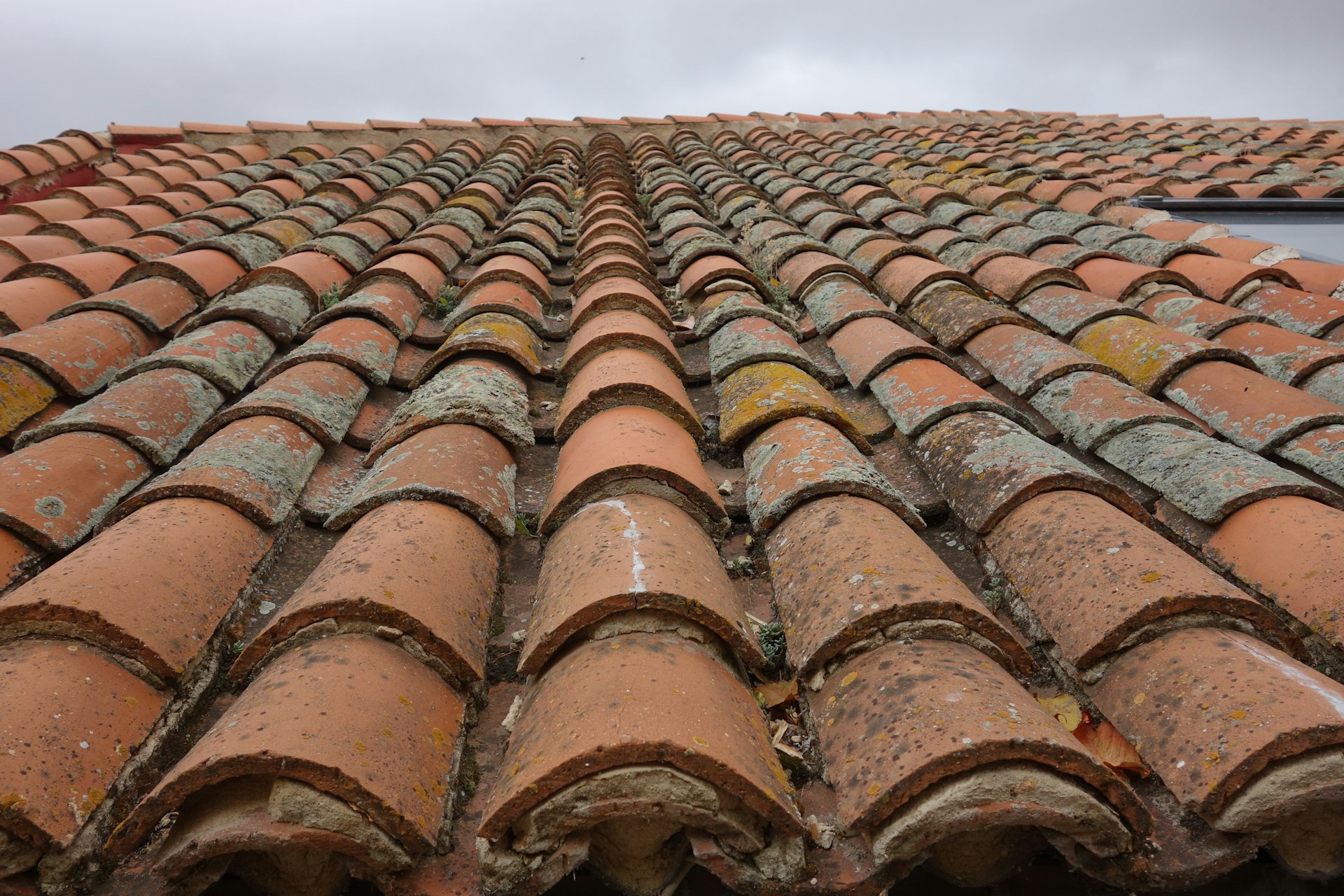
Genuine reclaimed clay roof tile typically shows mineral variation, softened surface texture, kiln irregularities, and dimensional inconsistency developed through decades of weather exposure.
According to National Park Service Preservation Brief 30 on clay tile roofs, historic clay tiles were often hand-formed or produced through early extrusion methods, creating variation within each production batch.
That variation becomes especially important on restoration projects where newer clay products can appear visually disconnected from the surrounding historic material.
When Reclaimed Material Becomes the Better Choice
Reclaimed clay tile is often the strongest option when preservation standards, architectural continuity, or historically accurate appearance are central to the project scope. The Secretary of the Interior’s rehabilitation standards for historic roofs emphasize the importance of compatible repair materials on historic structures.
In many restoration projects, reclaimed clay tile provides the closest available match in profile, weathering, and color range.
Choosing the Correct Tile Profile
Selecting the correct reclaimed tile profile affects drainage performance, layout compatibility, and long-term appearance. Profile mismatches can create installation complications even when color matching appears accurate initially.
Barrel Tile and Two-Piece Systems
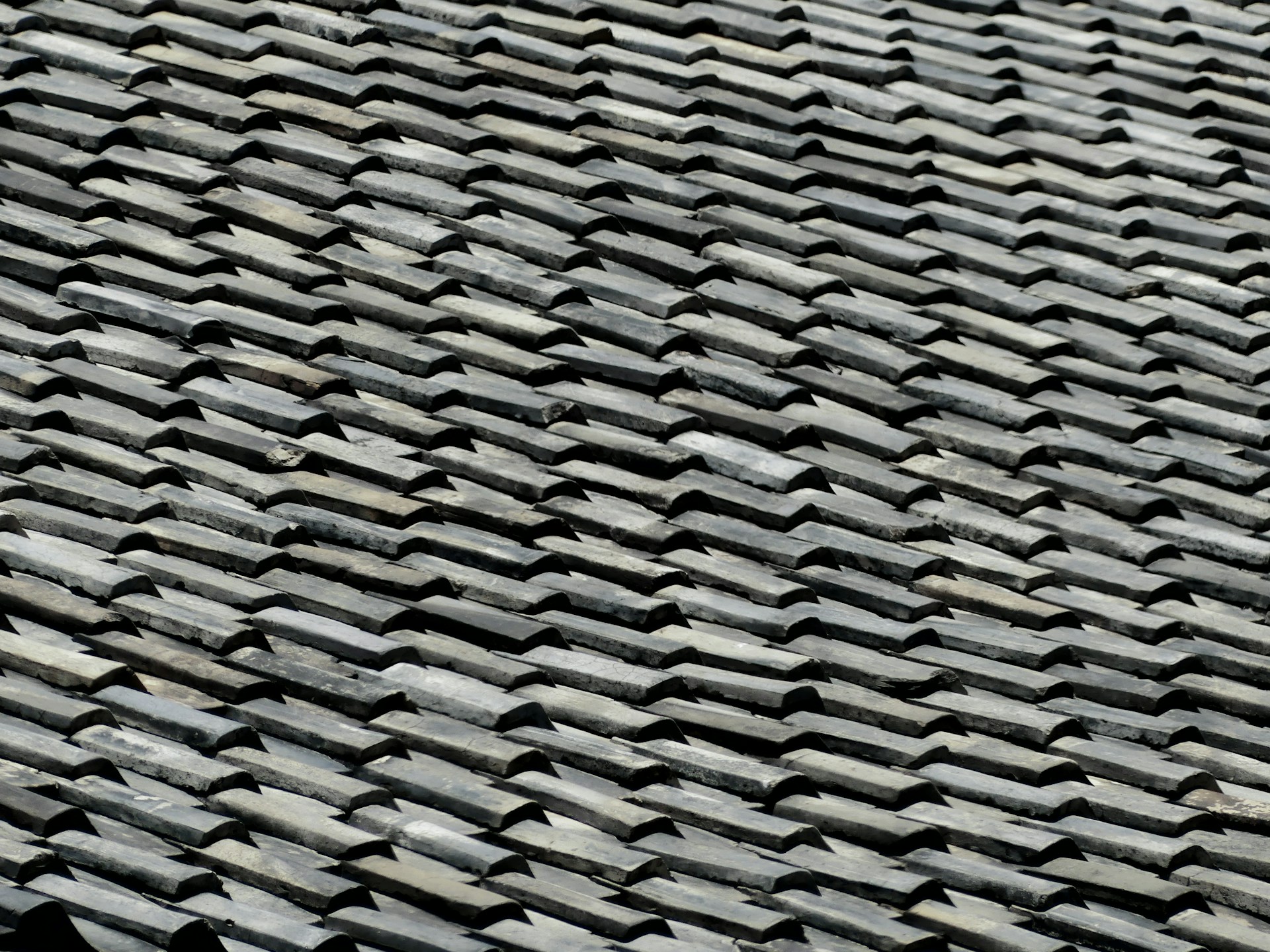
Barrel tile remains closely associated with traditional Mediterranean and Spanish Colonial roofing. Single-piece barrel systems alternate raised and channel sections, while two-piece systems separate pan and cover tiles into distinct components.
Both systems generally require steeper roof pitches and consistent batten spacing. Projects using reclaimed barrel clay roof tiles benefit from the tonal variation and weathered terracotta surface developed through long-term exposure rather than factory finishing.
Mission Tile for Regional Restoration Work
Mission-profile tile appears frequently on Southwestern and California historic structures. Repair work involving mission tile requires close attention to profile radius, overall dimensions, and weight consistency because even modest variation can affect water flow and installation alignment.
Batch documentation and dimensional verification become especially important when replacement material must integrate into an existing roof assembly.
Flat and Interlocking Clay Tile Assemblies
Some Spanish Colonial and European-influenced buildings use flatter or interlocking clay profiles rather than barrel systems. These reclaimed profiles are generally less common and may require additional sourcing time depending on available inventory.
Projects specifying uncommon profiles should confirm availability before installation schedules are finalized.
Evaluating Authenticity, Condition, and Reuse Quality
Not all reclaimed clay tile remains structurally suitable for reuse. Inspection standards and culling practices determine whether material arrives installation-ready or creates additional sorting work on site.
Signs of Genuine Historic Clay Tile
Authentic reclaimed tile typically shows surface weathering, mineral deposits, dimensional inconsistency, and visible firing variation across the batch. These characteristics reflect historic manufacturing methods and long-term environmental exposure.
Tiles that appear unusually uniform in color, texture, or edge condition should be evaluated carefully before approval.
Checking for Structural Soundness
Clay tile inspection commonly involves tap testing to identify hidden fractures or internal deterioration. Structurally sound tile produces a clear ring when lightly struck, while cracked or weakened material produces a dull response.
Reliable suppliers perform this inspection before shipment and remove unsuitable material during the culling process.
Why Batch Matching Matters
Color consistency, profile radius, dimensional sizing, and weathering all affect how the finished roof reads visually once installed. Mixing unrelated batches can create visible inconsistency across the roof field, especially on large restoration projects.
Availability, Quantities, and Delivery Planning
Reclaimed clay tile inventory depends entirely on available building removals and salvage opportunities. Unlike newly manufactured roofing products, inventory changes continuously and may not be replaceable once sold.
How Reclaimed Clay Inventory Is Typically Sold
Most reclaimed tile inventory is sold by the square or by the pallet, depending on project scale and available quantities. Larger single-source batches generally provide stronger consistency for full-roof projects, while smaller quantities may work well for repairs or additions.
Contractors should confirm whether the supplier can reserve the required quantity while scheduling and freight details are finalized.
Freight Preparation and Lead Times
Most reclaimed tile shipments move within approximately 3 to 7 business days after order confirmation. Orders should be palletized and crated to reduce movement and edge damage during transport.
Buyers requiring liftgate delivery or restricted-access freight coordination should confirm those details before shipment leaves inventory.
Information To Gather Before Requesting Availability
Before contacting a supplier, contractors and architects should prepare:
- Total roof square footage and estimated waste allowance
- Required tile profile and approximate dimensions
- Acceptable color range and weathering variation
- Delivery location and access conditions
- Installation schedule and material deadline
Preparing these details in advance improves sourcing accuracy and reduces delays during approval.
Where Direct Sourcing Improves Project Reliability
Salvage Yards, Brokers, and Roofing-Specific Suppliers
General salvage yards often carry mixed reclaimed inventory with minimal grading or inspection standards. Brokers may source material through third-party networks without directly controlling inventory condition.
Roofing-specific reclaimed suppliers maintain, inspect, and document their own inventory before shipment. That process generally provides stronger visibility into quantity, profile consistency, and usable yield before material arrives on site.
Why Inspection Documentation Reduces Risk
Because reclaimed roofing sales are typically final once approved, pre-shipment documentation becomes critical. Batch photography, dimensional verification, and soundness testing allow contractors and architects to evaluate material before committing to delivery.
That approval process significantly reduces uncertainty compared to loosely documented salvage inventory.
Supporting Both Repairs and Full Roof Replacements
Repair work requires close matching against existing roof systems, while full replacements depend more heavily on quantity consistency and freight coordination. Roofing-specific reclaimed suppliers are generally better equipped to support both scenarios because inventory is already categorized and inspected before resale.
Buyers evaluating current inventory and sourcing information can review the reclaimed roofing resource library before requesting current availability.
Choosing Material That Fits the Project Scope
Best Uses for Mediterranean New Construction
Mediterranean-style new construction often benefits from reclaimed barrel clay tile because naturally weathered terracotta surfaces create visual depth difficult to replicate with newly manufactured material.
Full-roof projects also allow greater flexibility in dimensional variation because the entire visible field changes uniformly.
Best Uses for Historic Restoration and Patchwork
Historic restoration work demands much tighter matching standards. Differences in profile, weathering, or color become visible quickly when new material is integrated into an existing roof assembly.
For those projects, reclaimed tile sourced from comparable regions or periods generally produces the most compatible result.
Architects and contractors reviewing current barrel clay tile inventory can often narrow sourcing options before requesting final batch documentation.
When To Confirm Current Inventory
Reclaimed inventory changes as building removals occur and existing stock is allocated to active projects. Contractors working within fixed schedules should confirm availability early, especially when sourcing uncommon profiles or matching historically specific color ranges.
Calling 225-954-8393 before final specification approval helps establish whether the required inventory is currently available.
Frequently Asked Questions
Where can I buy authentic reclaimed Spanish-style roof tiles locally?
Some regional salvage yards carry reclaimed clay tile inventory, though quantity consistency and inspection standards vary substantially. Roofing-specific reclaimed suppliers with nationwide freight coordination are generally more reliable for restoration and project-scale orders.
How much do reclaimed clay roof tiles typically cost?
Pricing depends on tile profile, batch size, condition, and inventory availability. Builder-direct reclaimed inventory often compares favorably to specialty new production while providing historically weathered surface character unavailable through modern manufacturing.
How do I verify the authenticity and quality of reclaimed roof tiles?
Buyers should request full-batch photography, ask whether the tile has been sounded and culled, and verify profile consistency before approval. Historic clay tile typically shows natural variation in color, texture, and firing marks across the batch.
How many reclaimed tiles should I order for waste and breakage?
Most contractors order approximately 10 to 15 percent above calculated coverage estimates to account for handling loss, installation cuts, and future maintenance stock. Yield percentages should also be confirmed with the supplier before final approval.
Are reclaimed Spanish-style roof tiles compatible with modern underlayment systems?
Reclaimed clay tile can generally be installed over modern underlayment systems using standard fastening methods. Roof pitch, batten spacing, and profile compatibility should still be reviewed carefully before installation begins.
What are the best sourcing options for reclaimed roof tile in California?
California restoration projects often require mission-profile and barrel clay tile associated with Spanish Colonial architecture. Roofing-specific reclaimed suppliers with nationwide shipping typically provide stronger documentation, grading standards, and profile consistency than general salvage channels.
Sourcing Reclaimed Tile With Better Documentation and Reliability
Successful reclaimed clay tile projects depend on more than locating available material. Contractors and architects also need inventory that has been inspected carefully, documented accurately, and prepared properly for freight delivery and installation.
Reclaimed Slate Roofing maintains reclaimed clay and barrel tile inventory sourced from historic structures, with hand inspection, nationwide freight coordination, and builder-direct sourcing support for restoration and new construction projects.
Call 225-954-8393 to review current inventory, request batch documentation, or discuss freight timing for your project.