Reclaimed interlocking clay tiles offer a rare mix of character, durability, and sustainability that newer materials often try to imitate but cannot fully match. Their natural color variation, weathered finish, and proven performance give your roof a look that feels rooted in history while still delivering strong, modern weather protection. If you want a roof that stands out for the right reasons, reclaimed clay tiles are an option worth considering.
In this guide, you will learn what reclaimed interlocking clay tiles are, how their locking systems work, which tile profiles are available, and how to evaluate quality before you buy. You will also get practical tips on installation, sourcing, and maintenance so you can choose tiles that fit your home, your climate, and your sustainability goals.
If you need help finding reliable reclaimed materials or want guidance on choosing tiles that match your project’s style, the team at Reclaimed Slate Roofing can walk you through available inventory and help you source pieces that are ready for installation. Reach out anytime to explore your options.
What Are Reclaimed Interlocking Clay Tiles?
These are used clay roofing tiles removed from older roofs, cleaned, and sorted for reuse. The tiles lock together by shape, fit a variety of roof pitches, and retain the look and durability of original clay.
Reclaimed interlocking clay tiles come from existing buildings and are prepared for reuse. They retain the original fired terracotta material, so color and strength match the period look better than new replacements. You’ll find many sizes and profiles because manufacturers and eras varied; common sizes range from small rectangular flats to larger interlocking profiles.
Key features include natural clay composition for long life and fire resistance, visible wear and patina that match historic roofs, and grade or condition ratings from suppliers noting cracks, chips, or full serviceability.
Check each tile’s dimensions, locking edge condition, and overall flatness before buying. Good reclaimed stock will include matching ridge and verge tiles for a finished roof.
How Interlocking Mechanisms Work
Interlocking tiles use shaped edges that overlap or slot together to shed water and resist wind uplift. The design can be a tongue-and-groove, hook, lip, or stepped overlap. When installed, each tile presses against its neighbors and the underlay, creating continuous cover without heavy mortar.
Installation relies on correct tile orientation and staggered courses, proper battens, nails or clips, and roof underlayment, and matching the tile profile to roof pitch to avoid leaks.
For reclaimed tiles, check the locking edges for wear. Slight wear can be tolerated if the tile still engages; broken or heavily eroded edges need repair or replacement to maintain weather tightness.
Types of Interlocking Clay Tiles
Several interlocking types are available in reclaimed stock, including:
- Pantiles (S-shaped): provide a wavy profile and interlock laterally.
- Interlocking flats (such as Lock Jaw or similar patents): straight face with a mechanical lip for tight joints.
- Roman or double Roman interlocks: combine flat and roll sections to interlock vertically and horizontally.
Each type affects roof appearance and performance. Pantiles suit coastal or vernacular styles, while patent interlocks often provide tighter seals and suit steeper pitches. Match the tile type to your roof’s slope and the existing roofline for proper function and appearance.
Unique Qualities of Reclaimed Tiles
Reclaimed interlocking clay tiles bring aged color, proven durability, and sustainability to your roof. The clay has already weathered decades, showing stable color and material integrity that new tiles may not match. You can also reuse existing ridge, hip, and verge fittings, which helps maintain a uniform historic look.
Reclaimed tiles often show slight size and color variation, aiding match for historic restorations. They reduce landfill waste and lower embodied carbon compared with new production. Availability is limited; you may need to source from multiple batches to cover large areas.
Inspect for hairline cracks, salt damage (near coasts), and previous repairs. Proper sorting and grading by suppliers lets you choose tiles that meet your performance and aesthetic needs.
Why Choose Reclaimed Interlocking Clay Tiles
These tiles cut waste, offer a historic look, and provide strong weather protection. You get materials that have already lasted decades, plus a finish that changes with age and ties into older architecture.
Sustainability and Environmental Impact
Using reclaimed tiles reduces the need for new clay production, which saves energy from quarrying, firing, and transport. You keep whole tiles out of landfills and lower the embodied carbon of your roof compared with new manufactured options.
Reclaimed interlocking clay tiles often come from local or regional salvage, so you can save transport emissions and support circular reuse. If your project targets green credentials, reclaimed tiles can help meet goals for recycled content and resource conservation.
Inspect each tile before purchase for soundness. Some repair or selective replacement may be needed during installation, but the overall environmental benefits usually outweigh the extra labor.
Aesthetic Value and Patina
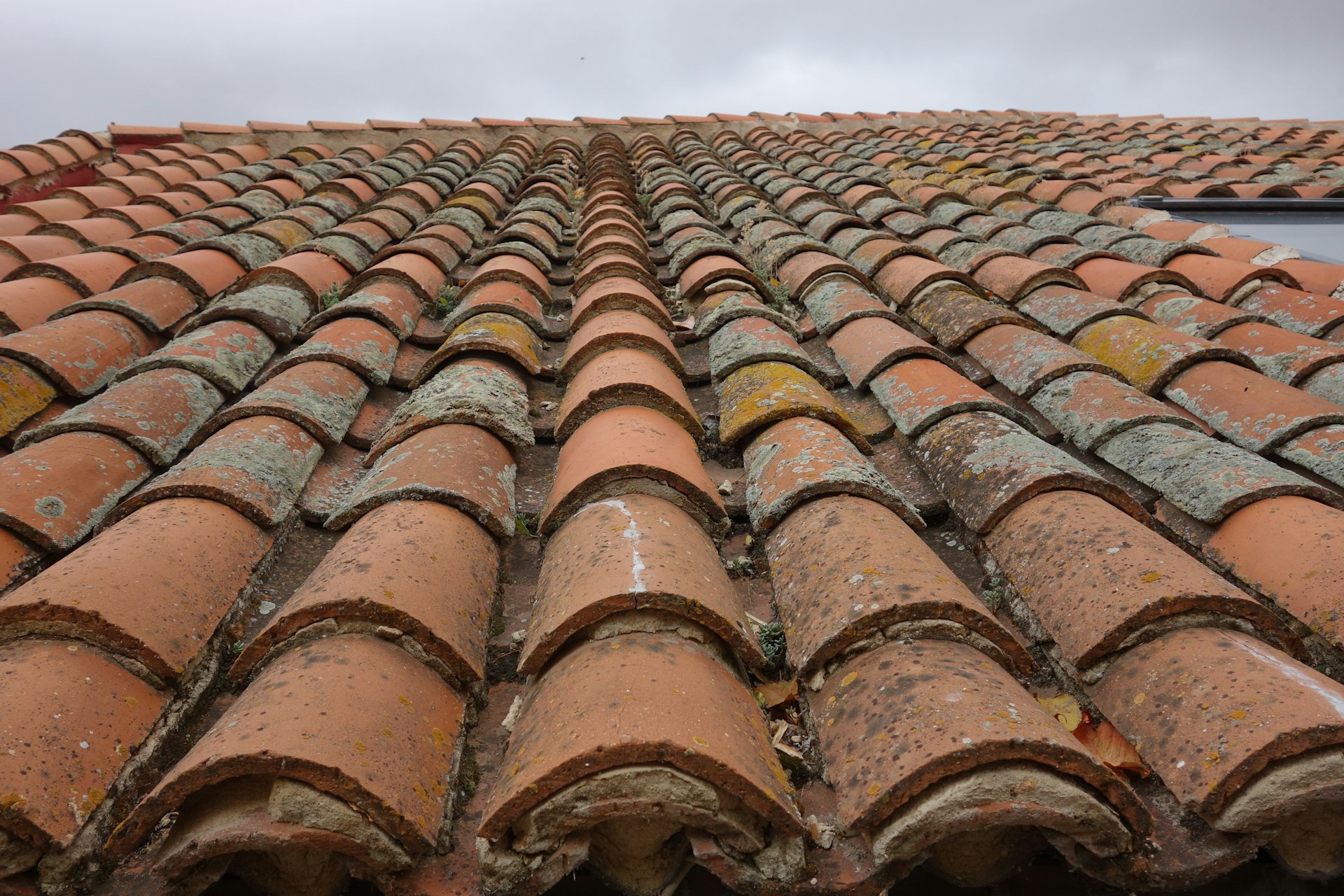
Reclaimed clay roof tiles show color variation, weathering, and subtle imperfections that new tiles cannot reproduce. This patina gives character that suits period homes, cottages, and restoration projects, and often matches surrounding historic material better than modern replicas.
Because interlocking profiles remain consistent, reclaimed tiles still fit together tightly while offering unique surface tones. You can mix batches to create deliberate color patterns or pick tiles with a uniform look if you prefer.
Original fittings and ridge tiles can be retained for an authentic appearance. That heritage look adds value to your property when done carefully and respectfully.
Weather Resistance and Durability
Interlocking clay tiles are designed to shed water and resist wind uplift; their mechanical locking reduces tile movement during storms. Clay resists fire and holds color under UV exposure, so roofs keep their function and look for many years.
Reclaimed tiles have proven longevity—many are decades old and remain structurally sound. Check for hairline cracks, crazing, or frost damage and replace any compromised tiles, but most reclaimed clay tiles still meet strong weather-resistance standards.
Proper installation, including underlayment, flashing, and correct fastening, keeps reclaimed interlocking tiles performing like new. When installed well, they provide durable, low-maintenance coverage that can outlast many modern materials.
Applications and Uses in Modern and Traditional Projects
Reclaimed interlocking clay tiles work well where durability, appearance, and sustainability matter. Use them for restoring old roofs, building greener homes, or adding decorative touches inside a property.
Roofing for Restoration and Historic Buildings
You can match original roof profiles by using reclaimed interlocking clay tiles that keep the same shape, color variations, and weathered patina as the existing roof. That makes them ideal for listed buildings and conservation areas where planning rules often require like-for-like materials.
When replacing damaged roof slates or reclaimed slate sections, reclaimed clay tiles often fit with original ridge and verge detailing. Check tile dimensions and the interlock type before buying to ensure a tight mechanical fit and maintain historic water-shedding performance.
Skilled roofers can reuse original nails, clips, and flashings where safe, reducing disturbance to underlying timbers. Using reclaimed tiles also helps you keep maintenance costs down over time, because tiles that have lasted decades typically remain hard-wearing.
Modern Eco-Friendly Construction
Lower embodied carbon in a new build by specifying reclaimed interlocking clay tiles instead of new clay or metal tiles. Reclaimed tiles save the energy that goes into firing new clay and reduce landfill waste from demolitions.
Their interlocking design offers good wind and rain resistance, so you can pair them with modern breathable underlays and new fixing systems for high-performance roofs. If a project needs a slate look, reclaimed slate remains an option, but reclaimed clay tiles often provide easier interlocking profiles and more color variety.
For certification aims like BREEAM or local green points, keep purchase records and provenance. That helps you claim reused material credits and shows planners you considered sustainable materials.
Interior and Decorative Uses
Repurpose whole reclaimed interlocking clay tiles as wall cladding, fireplace surrounds, or garden paving where the interlock adds texture and historic character. Cut or halved tiles make striking kitchen backsplashes and feature walls with a reclaimed look.
When using reclaimed slate or roof slates indoors, seal them properly and fix them to appropriate substrates to avoid moisture or weight issues. For interiors, pick tiles with stable edges and minimal hairline fractures to reduce dust and future breakage.
Label and sort reclaimed tiles by size, thickness, and face condition before installation. That saves time on-site and helps you create consistent patterns and tight joints for a polished, authentic finish.
Selection and Sourcing of Reclaimed Interlocking Clay Tiles
Choose tiles that match shape, size, and weathering, and balance availability with budget and lead time. Inspect samples, confirm measurements, and pick suppliers who ship carefully and offer returns.
Assessing Quality and Compatibility
Start by checking a tile sample for cracks, hairline fractures, and heavy spalling. Hold a tile to light to spot thin spots; tap it to listen for a clear ring versus a dull thud. Avoid tiles with deep frost damage or widespread surface crazing.
Measure the profile and interlock dimensions precisely: length, width, headlap, and the tongue or groove geometry. Even a small difference can break the interlock. Note color, glaze, and surface texture so new and reclaimed tiles blend well.
Ask for a small batch so you can dry-fit tiles on a board or mockup. Verify weight per tile and ridge/hip fitting availability. If you plan to mix reclaimed with new interlocking tiles, ensure the new tiles share the same profile and fixing method.
Availability and Sizing Challenges
Reclaimed interlocking tiles come in limited runs tied to past production and salvage yields. You may find enough tiles for a patch, but whole-roof replacements often need sourcing from multiple yards. Expect size variations across salvaged lots.
Discontinued profiles are the toughest to match. Look for tiles with the same headlap and camber; these control water shed and interlock performance. Keep a spreadsheet of measured dimensions from each supplier to compare lots.
Plan for a waste allowance of 5–10% for repairs and 10–20% for full re-roofs, depending on tile condition and handling breakage. Arrange delivery in crates and inspect counts and dimensions on arrival before installation.
Finding Reliable Suppliers
Choose suppliers who show clear photos, provide exact measurements, and list tile condition grades. Prefer vendors who accept returns for misidentified profiles and who will box tiles with foam or timber supports for long-distance shipping.
Local reclaimed tile yards, architectural salvage centers, and specialized brokers can source rare interlocking tiles. Ask for references and recent project photos that prove matching skill. Phone contact with a tile expert helps when photos aren’t enough.
Look for suppliers with inventory lists and the ability to hold stock while you confirm measurements. Confirm shipping methods, insurance, and packing standards so your reclaimed tiles arrive intact.
Installation and Maintenance Considerations
Prepare the roof, check tile condition, and plan for proper alignment and fastening. Routine cleaning, inspection, and timely repairs keep reclaimed interlocking clay tiles watertight and stable.
Preparing for Installation
Clear and inspect the roof deck first. Remove old roofing, rotten wood, nails, and debris so the deck is solid and level within 2mm per meter where possible. Replace any damaged sheathing and install a continuous underlayment rated for your climate to protect against water and ice.
Measure and mark battens or nailing lines to match the interlock pitch of your reclaimed clay roof tiles. Use corrosion-resistant nails or clips sized to the tile specifications. Sort tiles by profile and color; discard cracked pieces and pre-fit hips, ridges, and valley tiles to avoid surprises.
Ensure flashing, eaves, and ventilators are planned before laying tiles. Allow for underlayment overlaps at valleys and chimneys and use breathable membranes where condensation is a risk. Keep a small stock of matching reclaimed tiles for repairs.
Fitting and Alignment Techniques
Start at the eave and work up, locking each tile into the previous row’s interlock. Check horizontal alignment every few rows with a chalk line to maintain straight courses across long runs. Use temporary battens if the deck is uneven to keep tiles flat.
Fasten tiles at recommended points—typically at the head or through designated holes—using stainless or galvanized fixings. For wind-prone areas, add clips or straps rated for local wind loads. Cut tiles with a diamond blade or tile saw for neat edges at hips, valleys, and roof penetrations.
Pay special attention to overlaps at valleys and ridges. Bed ridge tiles with mortar or use mechanical ridge systems compatible with reclaimed clay tiles. Keep mortar joints compact and flush to prevent water ingress and bird nesting.
Ongoing Care and Repairs
Inspect your clay roof twice a year and after major storms. Look for cracked tiles, slipped interlocks, broken clips, and debris buildup in valleys and gutters. Replace faulty tiles promptly to prevent leaks and underlayment damage.
Clean moss and lichen gently with a soft brush or low-pressure washer to avoid chipping the tiles. Avoid chemical cleaners that may harm older clay finishes. Repoint ridge mortar every 5–10 years or when joints show voids to maintain a weatherproof seal.
When repairing, use tiles that match the interlock profile and thickness. For small cracks, use a suitable elastomeric roof sealant; for larger damage, swap tiles and check surrounding fixings. Keep records of repairs and the source of reclaimed tiles to help future maintenance.
Final Thoughts: Choosing Reclaimed Interlocking Clay Tiles With Confidence
Reclaimed interlocking clay tiles give you something rare in roofing: authentic character, proven durability, and a lighter environmental footprint all in one material. Whether you’re restoring a historic home or designing a new build with personality, these tiles offer a look and performance that only time can create.
Frequently Asked Questions
You’ll find guidance on checking tile condition, matching profiles and color, environmental benefits, care tips, cost differences, and design fit. Each answer gives clear steps or factors to help you decide and plan your project.
How can I determine the quality of reclaimed interlocking clay tiles before purchasing?
Inspect tiles for visible cracks, chips, and warping. Check both face and bedding surfaces, and tap a few tiles—solid sound usually means good integrity.
Ask the seller for age, origin, and how tiles were stored. Request photos of many tiles and, if possible, see samples in person.
Verify interlock fit and profile consistency. Measure the locking edges and overlap to make sure they match your roof system.
What should I consider when integrating reclaimed tiles with my existing roof?
Compare tile profile, size, and gauge to your current tiles. Even small differences in profile can change how tiles shed water and lock together.
Check weight and roof structure capacity. These clay tiles can be heavy, so confirm your rafters and decking can handle the load.
Plan for color variation and blending over time. You may need to mix new and reclaimed tiles across the roof to avoid visible patches.
Hire a roofer who knows clay tile installation. Proper underlayment, flashings, and fastening methods matter for a secure, watertight result. Learn more about clay tile installation best practices.
What are the environmental benefits of using reclaimed clay tiles for roofing?
Reusing tiles cuts landfill waste and lowers the need for new production energy. That reduces the carbon and material footprint of your project.
You avoid manufacturing emissions tied to new clay tiles. Your choice preserves existing materials and keeps resources in use longer. Discover additional environmental benefits of reclaimed building materials.
Are there specific maintenance tips for preserving the condition of reclaimed clay tiles?
Inspect your roof annually and after storms. Look for displaced or cracked tiles and check flashings and sealants.
Replace damaged tiles promptly to prevent leaks. Use matching reclaimed pieces or compatible new tiles to keep water flow correct.
Keep gutters and valleys clear of debris. Proper drainage prevents water backup that can damage tiles and underlayment. For more on maintenance, see this roof maintenance guide.
How does the price of reclaimed interlocking clay tiles compare to new ones?
Prices vary by rarity, condition, and removal labor. Sometimes reclaimed tiles cost more per tile because of careful salvage, sorting, and cleaning.
Factor in long-term value: these tiles often already show proven durability. You may save on replacement cycles if the tiles have many years of life left. For more details, check this comparison of roofing materials.
Can reclaimed clay tiles be used for both traditional and modern house designs?
Yes. These interlocking clay tiles work well on historic and traditional styles where matching character matters.
You can also use them on modern homes that want a textured, authentic look. Plan the layout and color mixing to suit the design language of your house.