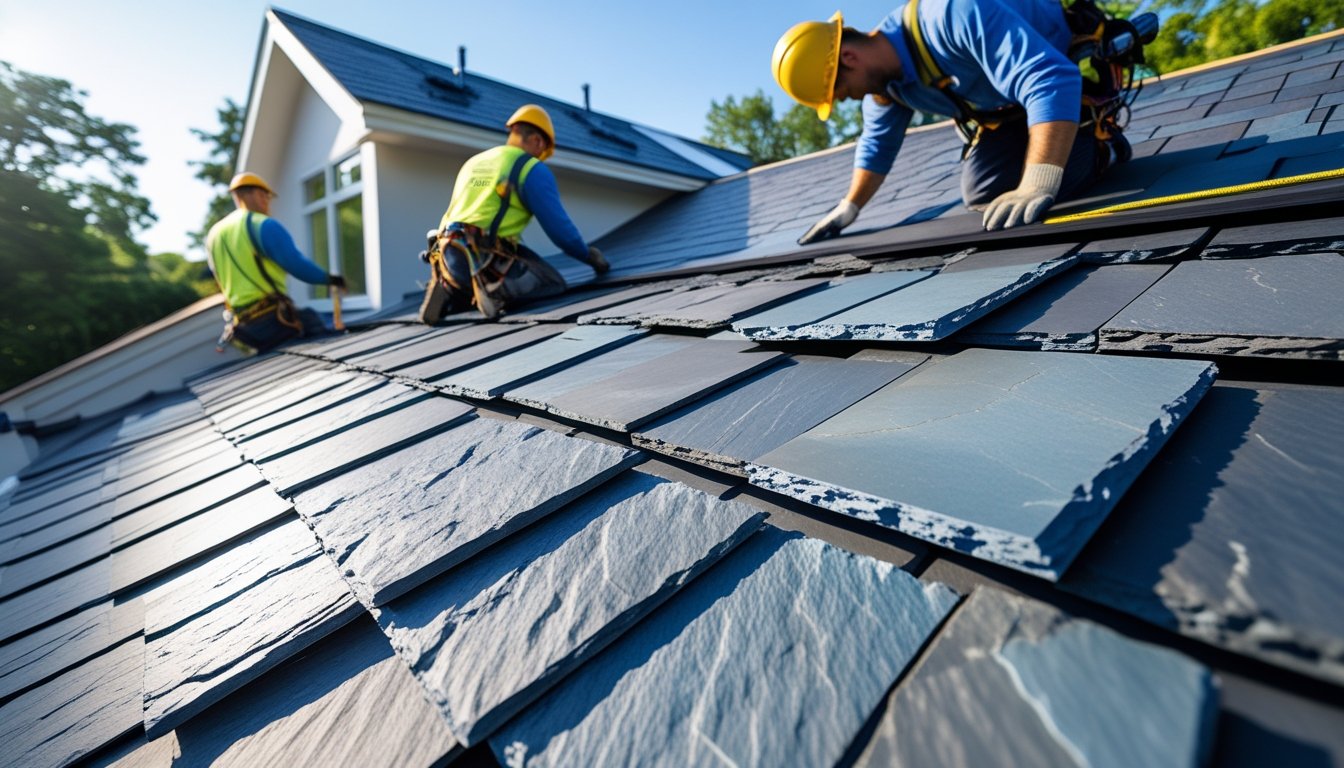
Slate roofing offers unmatched durability, weather resistance, and visual elegance. As one of the most enduring natural roofing materials, it provides decades—often over a century—of proven performance with minimal maintenance.
At Reclaimed Slate Roofing, we specialize in supplying authentic reclaimed slate sourced from historic structures. Each tile is inspected and prepared to meet today’s performance standards while preserving the timeless aesthetic of traditional roofing.
This guide explains everything you need to know about slate roofing—from its material types and installation process to its environmental advantages and cost factors. You’ll learn how reclaimed slate combines historical authenticity with modern durability to create long-lasting, sustainable roofs.
What Is Slate Roofing?
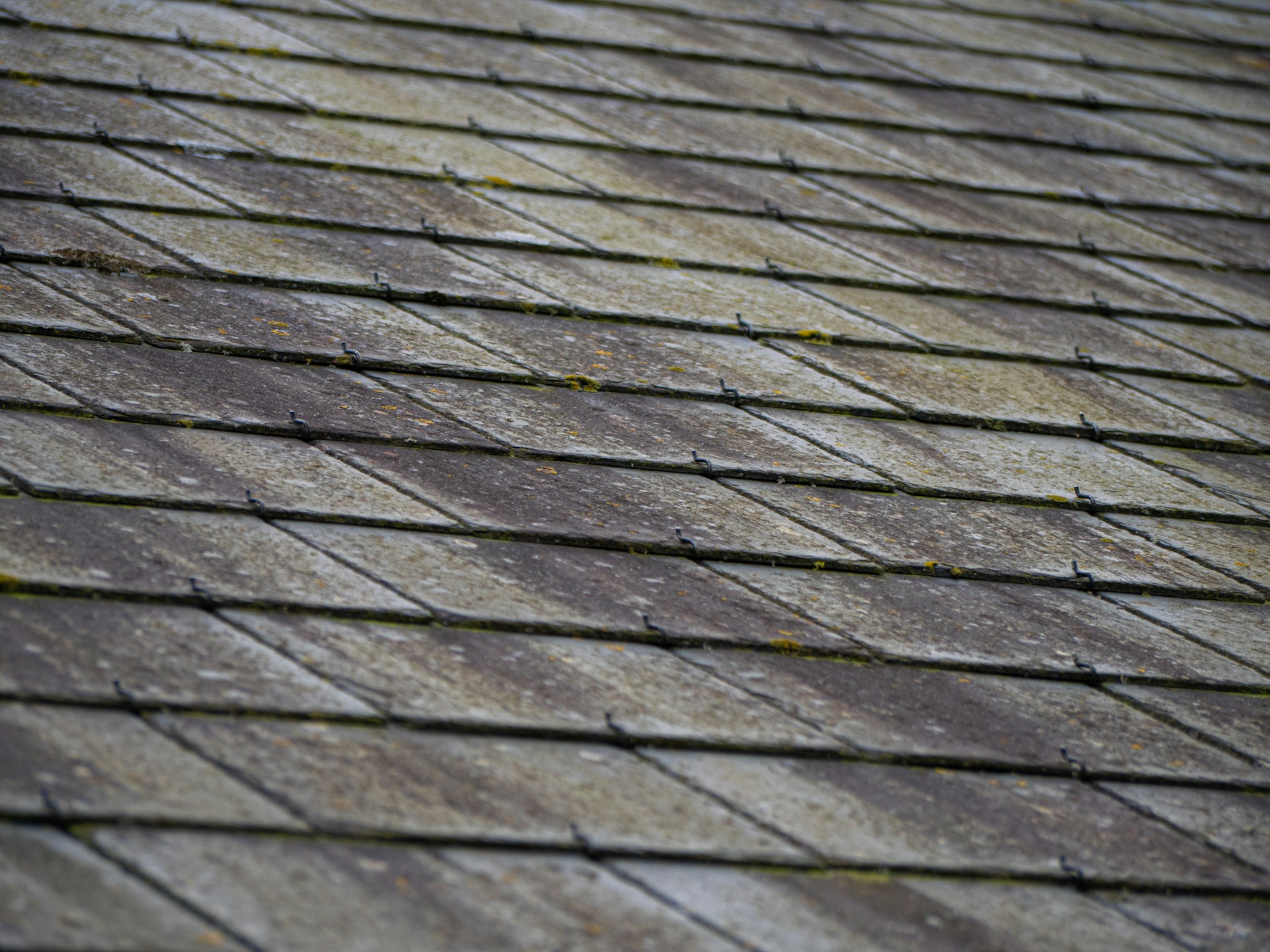
Slate roofing uses natural stone tiles that create a tough, long-lasting roof. It offers a classic look with strong resistance to weather and fire. You’ll find slate tiles overlap to form a tight, waterproof seal. The material’s color and texture vary based on its mineral content and source.
Natural Slate Overview
Natural slate comes from metamorphic rock that forms under heat and pressure. It is cut into flat tiles that are thin but very strong. Slate is known for its durability; a well-installed slate roof can last 75 to 150 years.
Its natural minerals determine color, which can range from gray to green, purple, or black. This stone is resistant to water, fire, and insects, making it ideal for roofing. If you want a roof that balances beauty with performance, slate is a reliable choice.
Slate Tile Characteristics
Slate tiles are usually rectangular but differ in size and thickness. Each tile must be installed carefully, one by one, which takes more time than most roofing. Because of this, slate is one of the priciest roofing materials.
The tiles overlap to stop leaks and help the roof handle heavy rain and snow. Slate also resists fading and cracking better than most materials. If you use reclaimed slate you get authentic tiles with a unique character and proven strength.
Brief History of Slate Roofing
Slate roofing has been used for hundreds of years. It was common in historic buildings and homes in Europe and America due to its natural durability and appearance. Many older slate roofs are still in great condition today because of the stone’s long lifespan.
Today, reclaimed slate is popular in restoration projects and custom builds. It preserves history while delivering a genuine look you can’t replicate with synthetic materials. Using reclaimed slate also supports eco-friendly building by recycling existing materials without waste.
Types of Slate Roofing Materials
Slate roofing comes in different forms, each with its own benefits and uses. You can choose from natural stone, man-made versions, or salvaged materials that add history and character to your project. Understanding these will help you pick the best slate for your roof.
Natural Slate Varieties
Natural slate roofing is cut directly from quarries, offering real stone known for longevity and strength. It comes in two main types: hard slate and soft slate. Hard slate resists weather very well, making it ideal for harsh climates. Soft slate is easier to work with but may wear faster.
Colors and textures vary by region, including shades of gray, green, purple, and red. This variety lets you match the roof to your building's style.
Because each slate tile is unique, no two roofs look exactly the same. Natural slate can last over 100 years when installed properly. It’s fire-resistant and low maintenance. However, it is heavier and more expensive than some alternatives.
Synthetic Slate Alternatives
Synthetic slate is a man-made roofing product designed to mimic natural slate’s look. It is often made from rubber, plastic, or composite materials. This type weighs less and typically costs less than real slate. Synthetic slate is easier to install and less prone to cracking or breaking.
It offers good weather resistance and comes in uniform sizes and colors. You can also find synthetic products with built-in waterproofing features. While synthetic slate lacks the full durability and authentic texture of natural stone, it works well for projects with budget constraints or weight limits.
Reclaimed Slate Options
Reclaimed slate comes from historic roofs and buildings, salvaged for reuse. Each piece has been inspected, cleaned, and restored to ensure longevity. By using reclaimed slate, you gain authentic materials with unique patinas and shapes not found in new products.
This roofing choice delivers durability equal to new natural slate because it has already stood the test of time. Reclaimed slate also supports sustainability by reducing landfill waste and preserving craftsmanship.
You can order builder-direct genuine slate tiles with fast delivery. Using reclaimed slate adds character and history to your roof, making it a top choice for careful restorations and high-end builds.
Advantages of Slate Roofing
Slate roofing offers strong, long-lasting protection with a classic look. It also stands up well to fire and harsh weather conditions. These qualities make it a preferred choice for many builders and homeowners.
Durability and Longevity
Slate is an extremely durable roofing material. It forms naturally under heat and pressure, which makes it strong and resistant to cracks and breaks. With proper installation and maintenance, slate roofs can last between 75 and 150 years.
This long lifespan means you won’t need to replace your roof often, saving money over time. Because of their strength, reclaimed slate roofs remain reliable and maintain their integrity for decades.
Aesthetic Appeal
Slate offers a timeless, elegant look. Its natural textures and color variations add character that synthetic materials can’t match. You can find slate in many colors—from gray to green and even purple—making it a flexible choice for different architectural styles.
Each slate tile carries a unique history, giving your roof an authentic, classic style. Using reclaimed slate from historic buildings adds even more character and rarity to your project. This aesthetic appeal increases curb value and enhances the overall beauty of your home.
Fire and Weather Resistance
Slate is highly resistant to fire since it is a natural stone. Installing a slate roof can improve your home’s safety and comply with fire codes in some areas. Slate also withstands severe weather well. It resists wind, rain, snow, and hail better than many other roofing materials.
Because slate does not absorb water, it avoids damage caused by freezing and thawing cycles. This makes it a reliable choice for areas with harsh climates or frequent storms.
Disadvantages of Slate Roofing
Slate roofing offers great durability and beauty, but it also comes with several challenges. These include high costs, the heavy weight of the material, and the complex installation process. Understanding these factors can help you decide if slate fits your project’s needs and budget.
Cost Considerations
Slate is one of the most expensive roofing materials you can choose. The natural stone itself has a high price due to its quality and durability. On top of that, labor costs increase because skilled installers are needed to handle the delicate tiles carefully.
Repair and replacement costs are also higher with slate. If tiles break, they must be replaced with the correct type and size, which can be costly, especially for rare or reclaimed slate.
Buying from a trusted supplier may reduce costs by offering authentic materials at builder-direct prices. Still, expect to invest more upfront than you would with other roofing options like asphalt.
Weight Requirements
Slate tiles are very heavy. You must ensure your building’s structure can support the roof’s weight, often requiring additional framing or reinforcement. This can add time and expense to your project. Without proper support, the slate roof could cause structural damage over time.
Not every home or building is suited for slate roofing unless retrofitting is done. Before installation, get a professional assessment to avoid future issues related to the load.
Installation Complexity
Installing slate roofing takes experienced roofers who know how to work with brittle stone. Slate is fragile and can crack if not handled properly during installation or maintenance. This makes the work slower and more careful than other materials.
Walking on a slate roof is risky because the tiles are slippery and fragile. This also means repairs require specialized skills. You’ll need to hire roofers who have proven expertise with slate, as improper installation can lead to leaks and damage.
A trusted company provides materials that are checked and prepared for reuse, helping you avoid some installation risks related to poor-quality slate. Still, plan for a more involved installation process compared to basics like asphalt or metal roofing.
Proper Installation Practices To Maximize Slate Lifespan
An excellent slate material merits an equally excellent installation. According to National Slate Association’s design and installation manual, correct detailing of underlayment, nails or hooks, flashing, and ventilation are critical for water-tightness and performance.
For example, one detailed guide states that for a roof slope at or below 4 in 12, the headlap must be increased to ensure proper drainage and durability.
Slate Roofing Installation Process
Installing a slate roof requires careful planning and precise work. You need to prepare your roof structure, place tiles correctly, and use the right materials to ensure lasting protection. Each of these steps impacts the roof’s strength and appearance.
Preparation and Structural Support
Start by inspecting your roof’s framing. Slate is heavy, so your structure must support about 800 to 1,000 pounds per square (100 sq ft). You may need to reinforce rafters or add extra beams for safety. Install a strong underlayment.
Use a waterproof membrane or felt paper to protect against moisture. Proper ventilation below the roof deck is essential to avoid mold and wood decay. If you use reclaimed slate from a reputable supplier, make sure every piece is inspected for cracks or damage.
Sorting your tiles by size and thickness before installation will speed up the process and ensure a smooth fit.
Laying Slate Tiles
Begin with the starter course at the roof’s bottom edge. Tiles should overlap each other so water flows down without leaking. Use copper or stainless-steel nails for fastening, as these metals resist rust. Nail each tile near its top edge, allowing the tiles above to cover the nails.
Maintain consistent spacing between tiles to create clean lines and proper drainage. Cut tiles carefully where needed to fit valleys, ridges, or roof edges using a slate cutter or grinder.
For quality and authenticity, reclaimed slate tiles from reputable sources offer historic character and proven durability, making your installation both practical and unique.
Flashing and Fastening Techniques
Flashings direct water away from potential leak points like chimneys, valleys, and skylights. Use metal flashing made from copper or lead-coated copper because these materials last as long as slate. Fasten flashing securely beneath the tiles to prevent water seepage.
Overlap flashing sections properly to create a continuous waterproof barrier. When fastening tiles, avoid overdriving nails, which can crack the slate.
Leave about ½ inch of nail shank exposed to allow natural movement without stress. Use slate hooks in areas with high wind or where tiles meet curves. These hooks hold tiles tightly in place without damaging the slate.
Maintenance and Care for Slate Roofs
Keeping your slate roof in good shape means regular checks, careful cleaning, and prompt repairs. These steps help maintain durability, protect your investment, and extend the life of your roof.
Routine Inspections
Inspect your slate roof at least twice a year, ideally in spring and fall. Look for cracked, broken, or missing slates. Check fasteners and flashing for rust or damage, since loose nails or worn flashing can cause leaks.
Pay attention to areas near chimneys, valleys, and gutters, where problems often appear first. If you see any damage, schedule an inspection from a roofer experienced with slate. Proper inspection helps catch issues early before they become costly repairs.
Cleaning Methods
Remove debris like leaves and pine needles from your slate roof regularly. Use a soft-bristle broom or blower to avoid damaging the slates.
Avoid pressure washing or harsh chemicals; they can weaken the slate or loosen the fasteners. Instead, rinse gently with water when needed. Keep gutters clean and free of blockages to prevent water backup, which can damage your roof’s edges.
Repairing Damaged Slate Tiles
Replace broken or missing slates promptly to keep moisture out. Use matching slate tiles for consistent durability and appearance. If you use quality reclaimed slate, you ensure authenticity and longevity.
Repairs require removing damaged tiles carefully and fitting new ones with proper fasteners. Poorly done repairs can reduce the life of your roof. Always hire a roofer experienced in slate repair to maintain your roof’s structural integrity and value.
Comparing Slate to Other Roofing Materials
When choosing your roofing material, consider durability, weight, lifespan, and maintenance. These factors directly affect how your roof performs and how much upkeep it requires. Cost and visual appeal also matter but often come second to these practical concerns.
Slate vs. Asphalt Shingles
Slate is much heavier and more durable than asphalt shingles. Asphalt is lighter and easier to install, often costing less upfront. However, it typically lasts 20-30 years, compared to slate’s potential century-long life.
Slate resists harsh weather better, including heavy rain, snow, and wind. Asphalt shingles may need frequent repairs or replacement over time.
Slate requires little maintenance but needs a strong roof frame to handle its weight. If you want a lasting roof with historic character and don’t mind higher initial costs, slate is the better choice. For budget projects or short-term solutions, asphalt shingles offer convenience.
Slate vs. Clay and Concrete Tiles
Clay and concrete tiles weigh less than slate but are still heavier than asphalt. They offer good durability, often lasting 50-75 years, but usually don’t match slate’s lifespan or natural aesthetic.
Slate stands out with its natural stone look and is less prone to cracking under temperature changes. Clay tiles can be brittle in freezing climates, while concrete is more resilient but less authentic in appearance.
If you value an authentic, historic roof, reclaimed slate from trusted suppliers ensures genuine quality and unique texture. Clay and concrete tiles are better if you want a consistent, manufactured look with solid durability at a lower weight.
Environmental Impact of Slate Roofing
Slate roofing offers key environmental advantages through its long lifespan, natural origin, and ability to reduce waste. Its durability lowers the need for frequent replacement, and the material’s natural composition supports eco-friendly building.
Sustainability of Natural Slate
Natural slate is a durable, long-lasting roofing material with a lifespan often exceeding 100 years. Because it rarely needs replacement, it cuts down on the resources and energy you would spend on repairs and new materials.
Slate is quarried from natural stone, which means it is abundant and requires less processing compared to synthetic roofing. Choosing slate reduces the environmental strain caused by manufacturing and transporting other materials.
When you select slate, especially reclaimed slate from reliable sources, you help extend the life of existing materials and avoid demand for new quarrying. This lowers the overall environmental burden.
Recyclability
Slate is highly recyclable. If a roof is removed, the slate tiles can often be reused for new roofs or other purposes, which cuts waste going into landfills.
Using reclaimed slate is one of the best ways to make roofing more sustainable because it gives slate a second life without additional quarrying or manufacturing.
Our team specializes in authentic, historic slate, ensuring every reclaimed tile is inspected and ready for reuse. This practice reduces construction waste and conserves natural resources. It makes your roofing choice more responsible and cost-effective.
Energy Efficiency
Slate roofing helps with energy efficiency because it has natural insulating properties. It can reduce heat loss in cold weather and limit heat gain in hot weather, lowering your energy costs for heating and cooling.
Compared to lightweight materials, slate’s density offers better thermal mass, which stabilizes indoor temperatures. Additionally, natural slate absorbs less heat than some metal or synthetic roofs, contributing to lower cooling needs.
When combined with proper roof installation, slate supports greener building practices. It helps you achieve better energy performance in your projects.
Choosing the Right Slate Roofing Material
Selecting the right slate for your roofing project comes down to matching durability, size, and style with your needs. You also need to work with a supplier who offers genuine materials and reliable delivery to avoid delays or quality issues.
Factors to Consider
Focus on slate thickness, color, and origin, as these affect the roof’s lifespan and look. Thicker slate lasts longer but costs more upfront. Colors range from gray and black to green and purple. Choose a color that fits your design and regional climate demands.
Slate from regions with long histories of mining tends to be more durable. You want authentic, well-tested slate that will maintain its integrity under weather stress. Also, consider the slate’s size; larger pieces cover more area but are heavier and costlier to install.
Supplier Selection
Work with suppliers who specialize in authentic, reclaimed slate. They provide materials inspected and cleaned for reuse, ensuring you get premium slate with a history. Avoid mass-market replicas, which lack durability and character.
Look for a supplier that offers fast shipping and builder-direct pricing to keep your project on schedule and budget. Verify that they confirm every order’s quality before shipping. Reliable communication and delivery to your job site reduce risks and downtime.
Cost of Slate Roofing Materials
Slate roofing materials vary in price depending on whether you choose natural or synthetic slate. Natural slate typically costs between $20 and $35 per square foot. Installation can add to this, pushing total expenses higher.
For example, a roofing square (100 square feet) of slate can range from $1,200 up to $3,300 or more. This makes slate one of the more expensive roofing materials on the market. You should plan for these costs when budgeting your project.
Synthetic slate options usually come at a lower price, around $8 to $15 per square foot. However, reclaimed slate offers a unique value. You can source authentic, reclaimed slate that combines historic character with durability. Prices may vary based on rarity and condition.
Keep in mind, reclaimed slate is carefully inspected and ready to install, giving you access to rare materials that new slate can’t match.
Building With Strength, Style, and Authenticity
Slate roofing continues to stand as one of the most durable and visually striking materials available. Its longevity, fire resistance, and natural beauty make it a trusted choice for both restoration and high-end new construction.
Reclaimed Slate Roofing provides genuine reclaimed slate tiles sourced from historic structures. Our materials give builders and architects the ability to combine sustainability with craftsmanship, ensuring every roof reflects both heritage and quality.
Reach out for authentic reclaimed slate that’s ready to install and built to endure. Request a quote or schedule a consultation to get premium slate materials delivered directly to your project site.
Frequently Asked Questions
Slate roofing offers long-lasting durability, a unique look, and requires specific maintenance. Costs tend to be higher than other roofing materials, but the value comes from its lifespan and aesthetics. The right supplier and building structure are important factors to consider before installation.
What are the advantages and disadvantages of installing a slate roof?
Slate roofs can last 75 to 100 years or more when properly installed. They resist fire, weather, and insects while aging gracefully. However, slate is heavy and may require reinforced roofing structures. Installation costs are usually higher and repairs need skilled labor.
How does the cost of slate roofing compare to other roofing materials?
Slate is one of the most expensive roofing materials available. The cost reflects its durability and natural beauty. Compared to asphalt or metal, slate has a higher upfront price, but it lasts longer, reducing replacement needs over time.
What maintenance is required for a slate roof?
Slate roofs need minimal upkeep but regular inspections help catch issues early. Keep gutters clean, replace broken slates promptly, and work with contractors experienced in slate repair to ensure your roof lasts.
Can slate roofing be installed on any type of building structure?
Slate requires strong structural support because of its weight. Older homes, sturdy new builds, and commercial structures can support it if the framing is reinforced to handle the load.
What should be considered when choosing a slate roofing supplier?
You should choose a supplier who guarantees authentic, high-quality slate. At Reclaimed Slate Roofing, every piece is inspected and ready for reuse, with fast delivery and builder-direct pricing. Avoid suppliers that sell replicas or low-grade slate.
Are there eco-friendly alternatives to natural slate roofing materials?
Reclaimed slate is an eco-friendly choice because it reuses historic materials and reduces waste. Synthetic slates exist but may lack the durability and authenticity of natural or reclaimed slate.