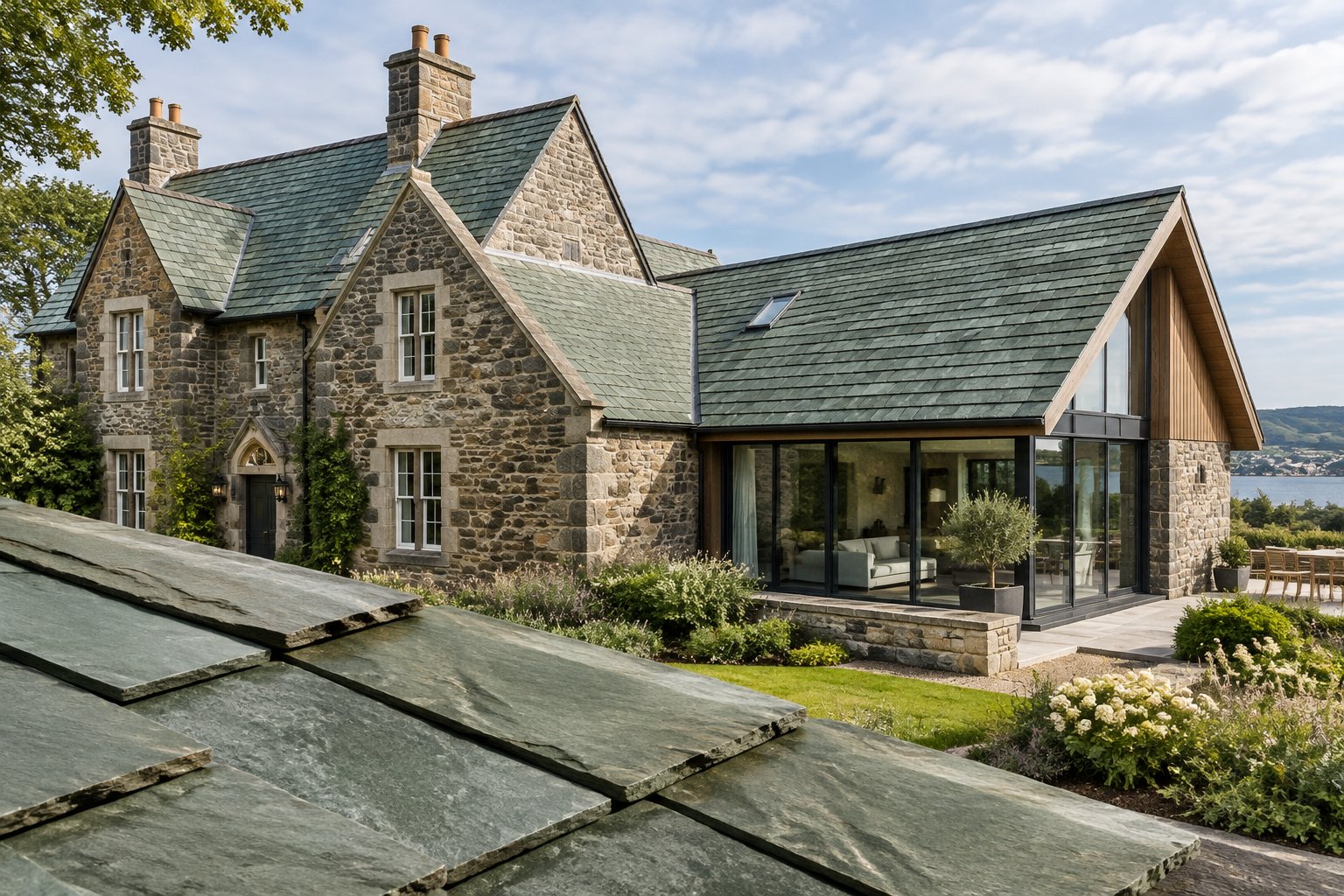
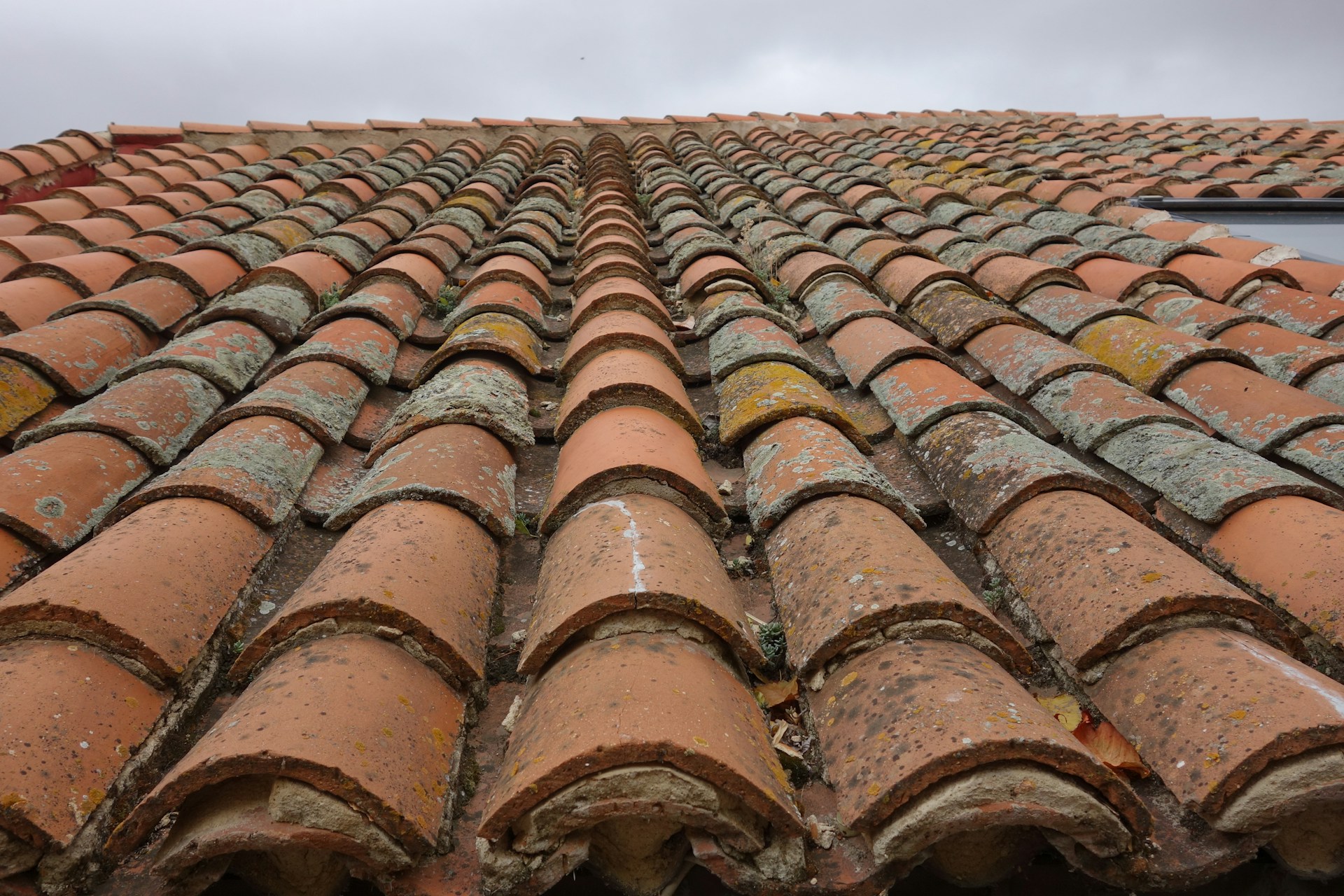
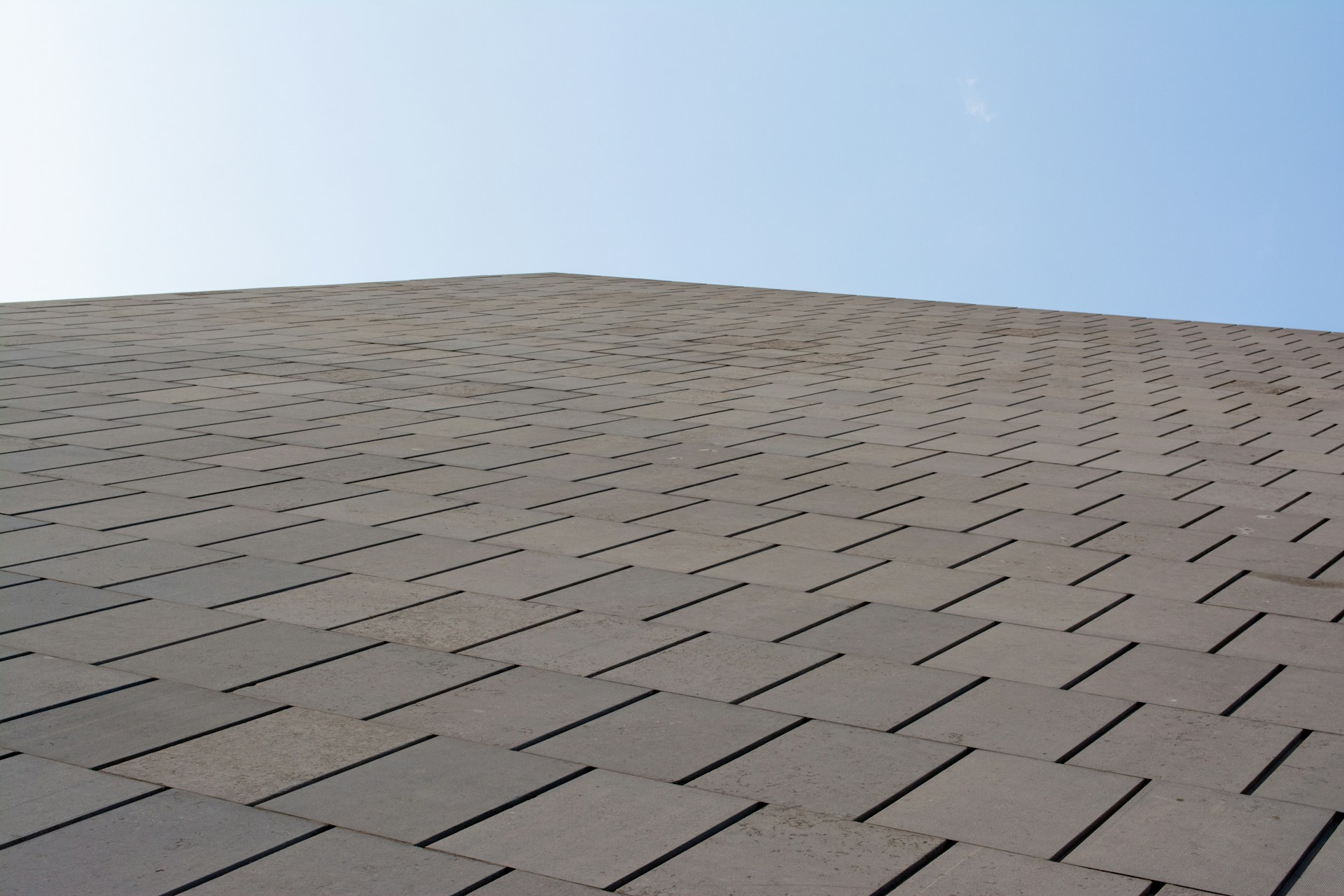
A clay tile roof can last 75 to 100 years or more, and there are documented roofs in Europe and the United States still in service well past that.
The parts underneath it do not come close. Underlayment, battens, flashings and fixings all wear out sooner, and that single fact changes how you should scope almost every job on an aging tile roof. When a clay roof needs work, the tile is rarely the reason.
That distinction matters commercially as well as technically. A leaking clay roof with sound tile has a substrate problem, not a material problem, and the answer is usually to save the original tile rather than throw it away.
What a 75 to 100 year service life actually describes
That figure describes the fired clay body, which is what makes clay one of the longest-lasting roofing materials in use anywhere. Tiles are formed from natural clay and fired in high-temperature kilns until the clay becomes hard ceramic. The color runs right through the body, so there is no surface coat to wear off.
It is not a warranty and it does not describe the roof assembly. It is an estimate of how long well-made tile lasts when it is laid correctly and kept clear of careless foot traffic. Dense, low-absorption tile in a mild climate reaches the top of that range comfortably. Soft tile in a hard-freeze climate will not.
For planning purposes, treat the tile as the permanent layer and everything else as consumable. Our notes on durable reclaimed clay roofing options cover which tile qualities tend to go the distance.
What old roofs on both sides of the Atlantic show
Clay roofs across southern Europe have carried original tile for centuries. Buildings in Italy, Spain and France are still shedding water with tile laid generations ago, usually relaid on fresh battens several times over.
In the United States, Spanish Colonial missions, Mission Revival houses from the early 1900s and Mediterranean-style homes from the 1920s are still wearing their first clay tile. A good number of those roofs have had the underlayment replaced once or twice, with the original tile going back down each time.
Why age on its own tells you nothing
A tile that has spent eighty years on a roof has already proved itself. The weak, porous and badly fired pieces fail early and get picked off during past repairs. What is left is the material that survived.
Condition decides whether tile can be reused, not age. Sound salvaged tile rings clear when you tap it, has no cracks through the body, and still has usable lugs and nail holes. A consistent approach to grading reclaimed tile is what separates field tile from pieces only good for cuts. The reclaimed clay roof tiles we ship are culled by hand before they are crated, which takes that sorting off your crew.
Why the layers beneath fail first
Clay tile sheds water. The layers below do the final waterproofing, and they are made of felt, wood and metal. Every one of those breaks down faster than fired clay, which is why substrate condition drives nearly every replacement decision on a clay roof.
Underlayment: 20 to 30 years
Underlayment on a tile roof typically gives 20 to 30 years. Heat trapped under the tile dries the felt out, and UV getting in through gaps and broken tiles speeds that up. Once felt turns brittle it cracks at the laps and at every fastener hole.
Over a 100-year tile life you should expect to renew it two or three times. Brittle felt under sound tile is the classic signal that a roof is due a lift and relay rather than a replacement.
Battens, flashings and fixings run on their own clocks
Battens rot where water collects, particularly at eaves and in valleys. Flashings fail on a timeline set by the metal used. Steel nails and wire ties corrode long before the tile shows any wear at all, and when the fixings go, tiles start slipping while the clay itself is still perfectly sound.
- Battens. Rot, soft spots, loose fastening.
- Valley and wall flashing. Pinholes, thin spots, lifted edges.
- Fixings. Rust staining and slipped tiles showing up in several areas at once.
- Hip and ridge mortar. Cracks and loose pieces.
A leak is not a verdict on the tile
Water gets past tile routinely, especially in wind-driven rain. The underlayment is what catches it. So a stain on a ceiling points at the substrate first, and condemning a whole roof over a leak throws away tile with another fifty years in it.
Federal preservation guidance lists stripping a roof of sound historic material such as clay tile as a practice to avoid. Trace the leak to its source before anyone prices a tear-off.
What genuinely shortens tile life
Four things do real damage: water absorption in freeze climates, impact, bad repairs, and weak attachment. Three of those are handling and workmanship problems rather than anything to do with the material.
Absorption and freeze-thaw
Porous tile takes on water, the water freezes and expands, and the face flakes away. Repeat that enough winters and the body cracks. Underfired or soft tile absorbs more and fails faster.
In cold regions, specify dense, well-fired tile with low absorption. Glazing helps shed surface water but does not seal the back or the edges, so density and firing still decide the outcome. Moss and blocked drainage hold water against the tile and make freeze damage more likely, which is the practical argument for keeping the roof clear.
Impact and foot traffic
Foot traffic breaks more clay tile than weather ever will. Standing on the unsupported nose or the center span cracks tiles, and satellite installers, HVAC crews and painters account for a surprising share of it.
Where trades have to go up, they should step on the lower third of each tile where the course below supports it, and use walk boards for anything longer than a quick look. Cold weather is the worst time to be up there, because clay is at its most brittle.
Mismatched repairs
A bad repair shortens the life of the tiles around it. A replacement with the wrong size or camber will not seat properly. It leaves gaps, puts stress on its neighbors, lets water in at the laps, and stands out from the street for the rest of the roof's life.
Match profile, size and color. Measure length, width and camber, photograph the underside for maker's marks, and take samples from more than one area of the roof.
Wind uplift
Wind resistance comes down to fastening. Uplift takes tiles at the eaves, rakes and ridges first, and once one moves the wind gets under the next. In high-wind zones, follow local code for nails, clips or foam at every tile and pay particular attention to the perimeter. Profiles with locking edges, such as interlocking clay tiles, resist sliding better than loose-laid pieces.
Assessing an old clay roof and want to know whether the tile is worth saving? Send us photos and measurements, or call 225-954-8393 and we will tell you straight.
Reading the roof: repair, relay, or replace
Pick the smallest job that fixes the actual problem. Federal guidance sets the order plainly: protect and maintain, then repair, and replace only when deterioration is too extensive to repair. That order suits clay precisely because the tile lasts so long.
Isolated damage
A handful of broken tiles is a spot repair. Pull the broken pieces, check the underlayment beneath them, and set matched tiles back in. New production tile almost never matches a roof from the 1920s, so salvaged tile from the same era and region is what gets you an invisible patch.
Sound tile over failed substrate
When the underlayment has gone across the roof but the tile is still good, the job is a lift and relay. The tile comes off and gets stacked, the deck and battens are made good, new underlayment and flashings go in, and the original tile goes back down.
Budget for breakage. On salvaged clay, plan on roughly 10 to 15 percent, and more if the tile is brittle or has been patched before. That shortfall has to be made up with matched tile, which is the part people forget to price.
Genuine material failure
A full replacement is only justified when tile has failed across the roof: spalling on most pieces, cracks through the body, tiles that crumble when handled. That pattern shows up mostly with soft, high-absorption tile in freeze climates.
Even then, check elevation by elevation. In cold regions the south-facing slopes usually go first, and you can often lift sound tile from protected slopes for the visible areas and make up the rest from salvage.
Line up the match before anything comes off
Source replacement tile before the first course is lifted. Once a roof is open you cannot afford to spend weeks hunting a match. Order the breakage allowance up front rather than discovering the shortfall mid-job.
Our tile ships crated and palletized, usually within 3 to 7 business days of order confirmation, and we send batch photographs for approval before anything leaves the yard so you can confirm the match while the roof is still watertight.
Keep the tile, renew what wears out
Clay tile will give you 75 to 100 years and frequently more. The underlayment, battens, flashings and fixings will not, and the sensible plan is to renew them two or three times across the life of the roof with the original tile going back down each time.
Protect the tile from foot traffic and bad repairs, keep valleys clear, and look at the roof once a year and after storms. When the substrate fails, lift and relay. Replace only what has genuinely failed. Reusing tile is also simply the lower-carbon option, and it is standard practice in historic roof restoration.
We supply salvaged clay tile and slate to the trade from our yard in Baton Rouge, shipped nationwide, with every batch sounded and culled by hand. Stock and sizes vary by what has come through, so call 225-954-8393 for current availability and a delivered price.
Frequently Asked Questions
How often does a clay tile roof need replacing?
Rarely. The tile can last 75 to 100 years or more, while the underlayment needs renewing every 20 to 30. On most roofs the right job is a lift and relay that reuses the original tile.
Can century-old clay tiles be reused?
Yes, provided each tile is sound. Tiles that ring clearly when tapped, have no cracks through the body and still hold their lugs and nail holes are fit to go back down. Age on its own is not a reason to bin them.
What does underlayment replacement cost on a clay roof?
It depends on roof size, pitch, access, deck condition and how much matched tile you need to cover breakage. Your contractor prices the labor and materials. For replacement tile, call 225-954-8393, since price depends on the batch.
Is it safe to walk on a clay tile roof?
Only when necessary and with care. Step on the lower third of each tile where the course below supports it, use walk boards or foam pads for longer work, and stay off entirely in cold weather when clay is most brittle.
Does glazing make clay tile last longer?
Glazed tile sheds water and resists staining, but the glaze does not seal the back or edges, so density and firing still decide freeze-thaw performance. A well-fired unglazed tile lasts just as long.