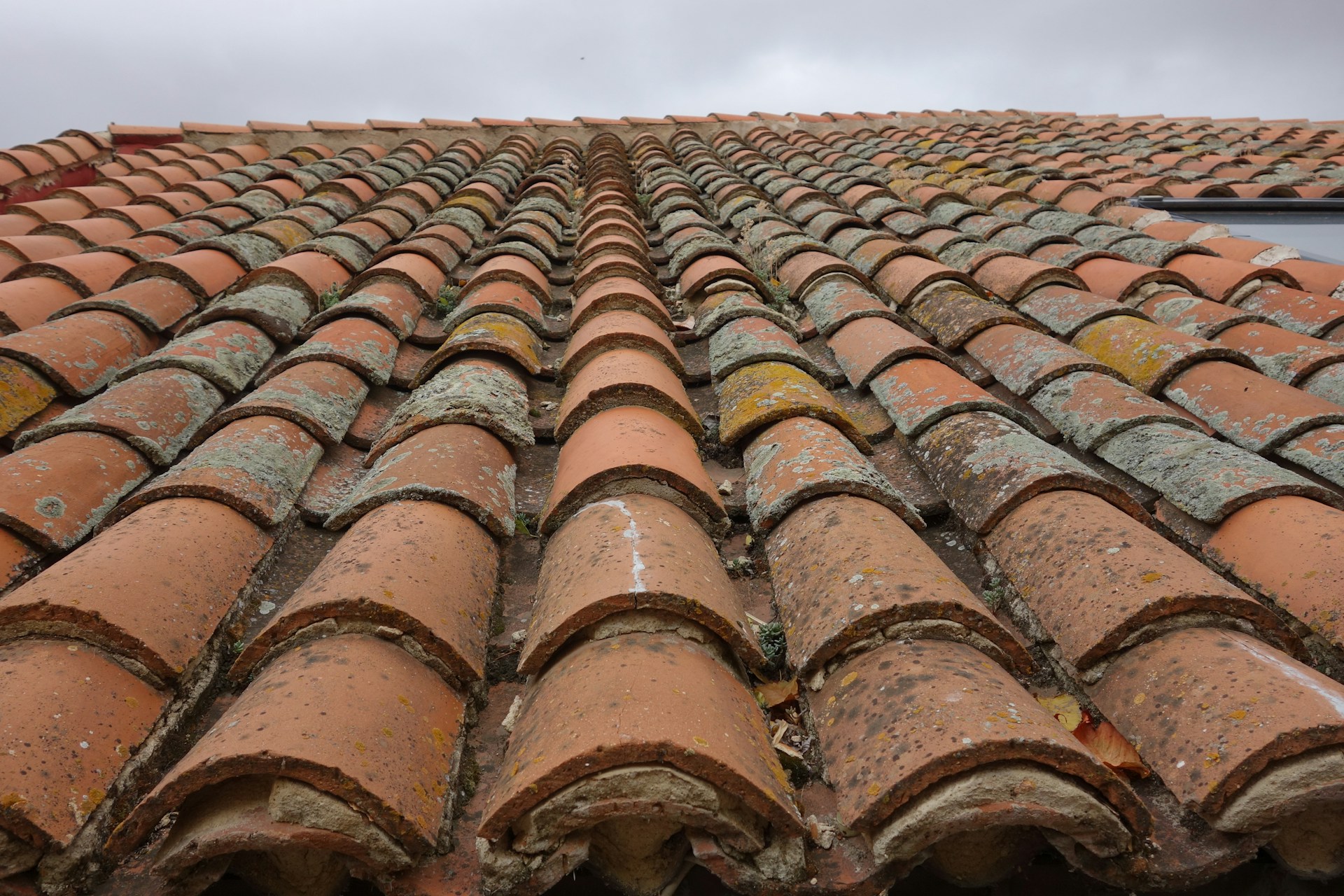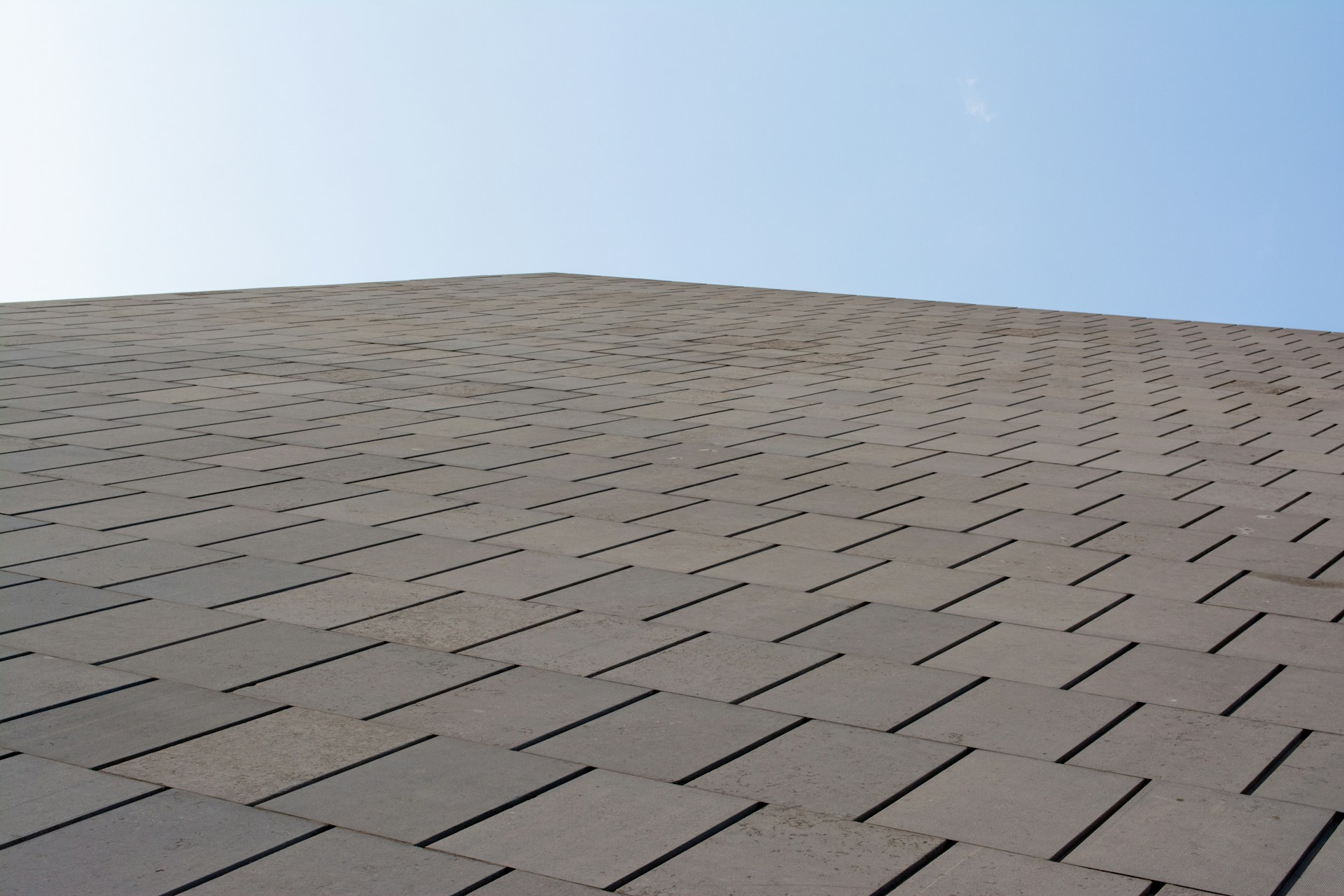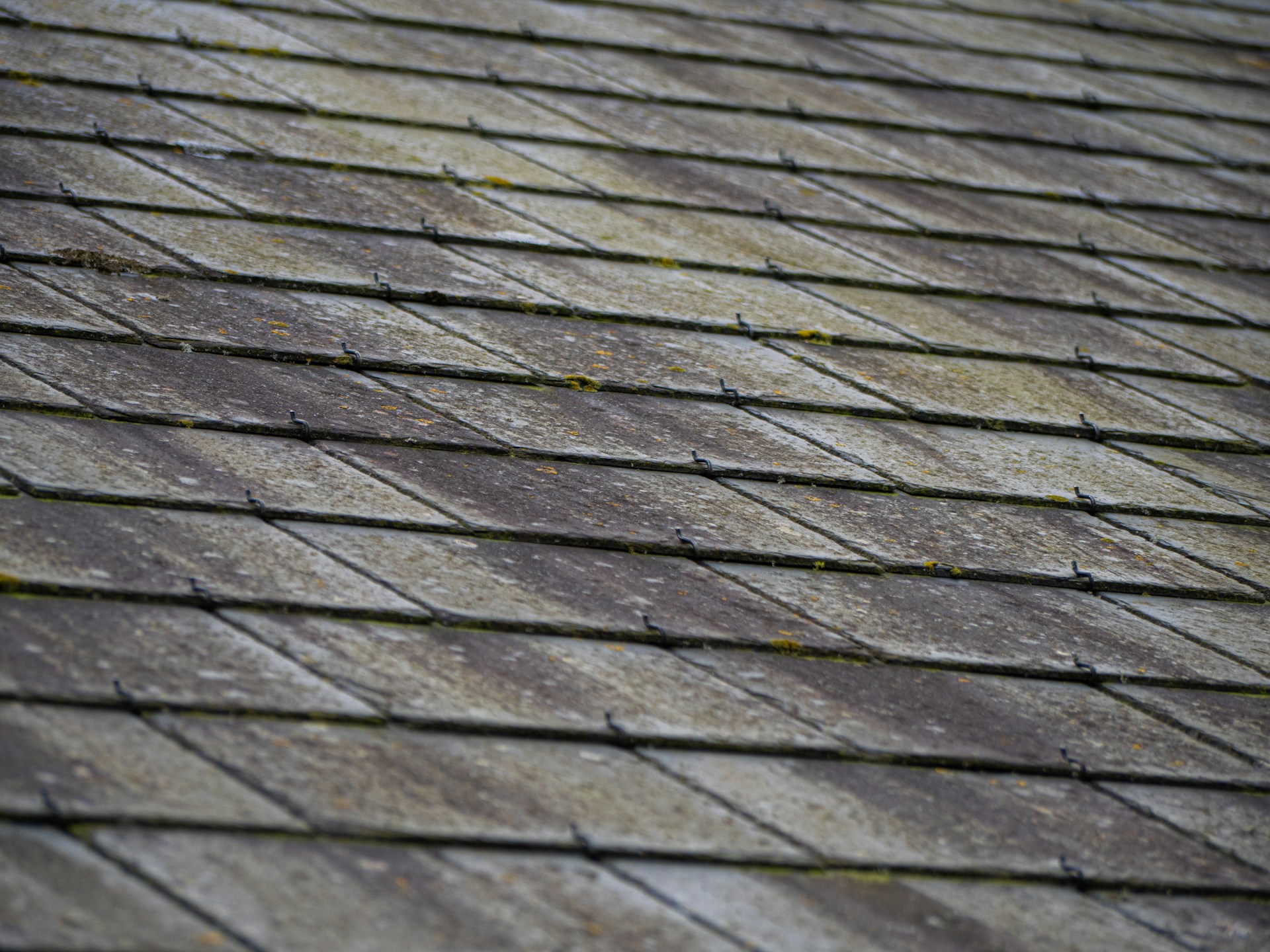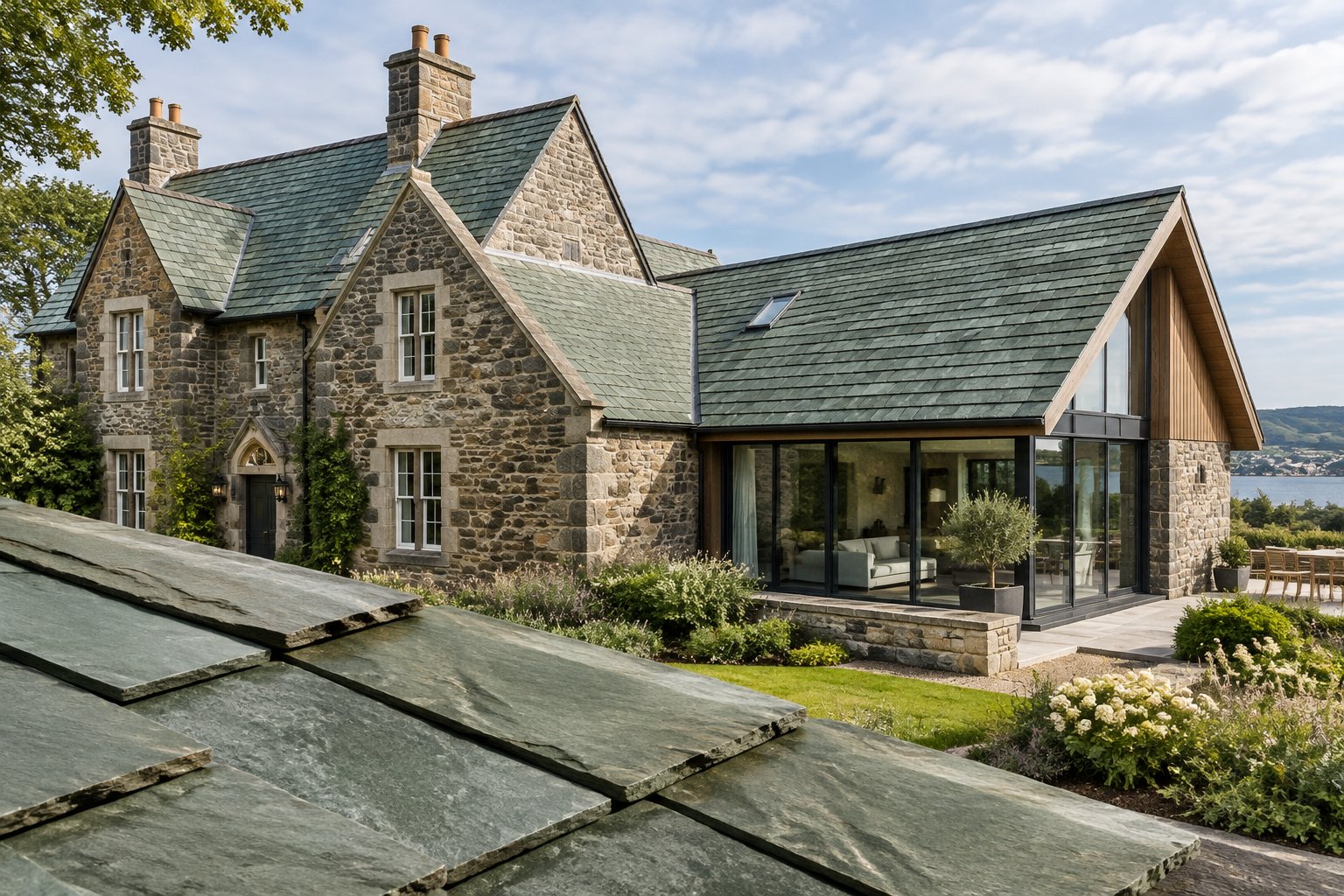
Match the slate's color behavior, not just its color on delivery day. Unfading green keeps its quarry color for the life of the roof. Semi-weathering green is meant to shift toward buff and tan over decades.
Get that call right and a repair disappears into the existing field, or a new roof ages the way the drawings intended. Get it wrong and there is no fixing it afterward, because no amount of time brings the two together.
What unfading means next to semi-weathering
Both terms describe how the color behaves after installation, and the stone decides it. Minerals locked in the rock give green slate its color, which the National Park Service ties to chlorite and ferrous iron oxide. How well those minerals stand up to air and water is what determines whether the green stays or moves.
Color retention against weathering to buff and tan
Unfading green stays close to the color it had when it was split at the quarry, with some softening of the surface over many years. It stays green. A roof laid in 1925 still reads green today.
Semi-weathering green is supposed to change. Across years and decades, parts of the surface turn buff, tan and brown while some green remains, and a mature semi-weathering roof becomes a warm mixed field with some pieces mostly green and others mostly tan. That mix is the look people are usually trying to match.
Why mixing them up is permanent
Patch a weathered semi-weathering roof with unfading green and the new slates stay bright green beside their tan neighbors forever, because unfading stone does not weather toward buff. The reverse causes its own trouble: fresh semi-weathering green can look right in an unfading roof at first, then go tan in patches across the following decade.
This is the most common green slate specification error there is, and it happens because both products look green on the pallet. The word "green" hides the only thing that matters here, which is what the stone does over time. Salvaged semi-weathering green slate has already done its weathering, which is why it is the usual answer for matching an aged semi-weathering field.
Identifying the green on an existing roof
Three clues used together: the building's location and age, the contrast between a weathered face and a fresh edge, and samples from more than one elevation.
Where both greens came from
Most American green slate came out of the slate belt along the Vermont and New York border, and that district produced both unfading and semi-weathering green along with purple, mottled and red. The two greens came from different beds in the same region, so establishing that a roof is Vermont slate tells you nothing about which green it is.
Production grew sharply after the Civil War as quarries opened in Vermont, New York, Virginia and Pennsylvania, and by 1899 the country had over 200 slate quarries operating in 13 states. A great many Northeastern green slate roofs date from that period through the 1920s, so a construction date narrows the search.
The face-to-edge test
Compare the exposed face of a slate against a freshly broken edge, or against the covered head of a loose piece. On unfading green the two look much the same. On semi-weathering green the face has turned buff or tan while the protected surfaces and the fresh break are still green.
That contrast is the best field test available. A roof reading tan from the street that shows green at every break is semi-weathering, near enough to certainly. Check pieces from several elevations, because sunny and shaded slopes weather at different rates and one slope can mislead you.
Samples and roof history
Collect slates from more than one area: fallen pieces, slates taken off during flashing work, something from a dormer or a porch roof. Photograph them in overcast light beside a neutral gray card and record length, width and thickness.
Then look for paperwork. Old permits, original drawings and earlier repair records sometimes name the quarry region or the color outright. The NPS advises that replacement in kind to match the existing is always the preferred treatment on historic slate roofs, and on slate roof repairs the roof samples decide the match, never a catalog photograph.
Not sure which green you have? Send face-and-edge photographs in overcast light and call 225-954-8393 and we will tell you.
Specifying for the appearance you want
A sound green slate spec states two things: the color on day one and the color expected in thirty years. On a new build the architect chooses the aging behavior. On a restoration the existing roof has already chosen it.
Write the behavior, not just the shade
Put "unfading green" or "semi-weathering green" in the spec along with the acceptable shade range. A cool green beside limestone trim wants unfading. A warmer look that softens over time wants semi-weathering.
With reclaimed stock the weathering has already happened, so a salvaged semi-weathering batch arrives with its buff and tan tones showing and the roof looks mature from the first day. Note that in the spec so the owner is expecting it rather than questioning it on delivery. Our notes on specifying reclaimed slate colors apply to every color family, green included.
Thickness, texture, size and blends
Color is only part of the match, because slate in exactly the right green still stands out if it is noticeably thicker or rougher than what it sits beside. Specify a thickness range that suits the existing roof, a length that gives the right exposure, and whether widths are random or fixed.
Where green is being blended with other colors, put the ratio and the layout method in the spec. Period roofs often combine green with purple or gray, and the ratio changes how the roof reads from the street considerably more than most people expect. On new construction, settling that on paper saves an argument on the scaffold.
Durability and color are separate lines
ASTM C406 grades roofing slate by expected service life, with S1 the top grade, rated beyond 75 years. An S1 slate can be unfading or semi-weathering, because the grade speaks to durability and says nothing about whether the color will move.
So write them as two lines. One covers the grade, or the physical condition of reclaimed stock. The other covers color behavior. Slate's water absorption index below 0.4% is what resists frost damage, and semi-weathering color change happens at the surface. It is not a sign the slate is failing, and it is worth saying that to an owner who has just watched their roof turn tan.
What to verify before ordering reclaimed green
That the batch has the right color behavior, size and quantity for your roof. Reclaimed slate is final sale, so these checks happen before confirmation rather than after delivery.
Batch photos, samples and condition
Ask for daylight photographs of the actual pallets and compare them against your roof photographs taken in similar light. Where the match has to be precise, get a few physical pieces first through our samples service before committing to the full order.
Check condition alongside color, looking for delamination, soft edges and damaged nail holes. Reclaimed stock should be sounded and culled before it is crated, and a clear ring means sound while a dull thud means a problem.
Color names are not standards
"Sea green", "Vermont green" and the rest get used differently across the trade, and one seller's sea green can be semi-weathering while another's is unfading. The name is not information.
Ask the supplier directly whether a batch is unfading or semi-weathering, and what evidence supports that. On salvaged stock, compare the weathered face against the edges and think about the building it came off. Trust what the slate shows over what the label says.
Coverage, overage and delivered cost
Work the area out in squares at 100 square feet each, convert to a piece count using slate length and exposure, then add overage for breakage in handling and installation. Reclaimed needs more overage than new, because some pieces crack when re-punched or cut.
Then ask for a delivered price including freight, a liftgate if the site needs one, and any crating charge. Comparing per-piece prices without freight is how a cheap quote turns expensive, particularly on slate, where weight drives the freight line hard.
Approve, then plan the delivery
Approve the batch in writing once photographs, count and price all check out. We crate and palletize for jobsite delivery, send tracking before shipment, and can schedule the delivery window.
Plan where the pallets will land and how the crew will unload them. Inspect the crates on arrival and report freight damage within 48 hours so the claim can go to the carrier while it is still straightforward.
Match the behavior before you order
Every green slate decision comes back to one question: does the stone hold its color or change it? Unfading stays close to quarry color. Semi-weathering moves toward buff and tan. Confuse them and time will not sort it out.
On an existing roof, settle it with the face-to-edge test, the building's date and region, and samples from several elevations. On a new build, write color behavior and durability grade as separate lines. Before ordering, check batch photographs in comparable light, test the supplier's color name against what the slate actually shows, and get a delivered price with the overage in it.
We hold both greens as they come through the yard, hand-inspected, sounded and culled before crating, builder-direct with no retail markup, shipping nationwide typically 3 to 7 business days after confirmation. We supply material and leave installation to your roofer.
Call 225-954-8393 for current availability of unfading and semi-weathering green and a delivered price for your job.
Frequently Asked Questions
Does unfading green stay exactly the same shade?
It stays very close to quarry color, with slight surface softening over many decades. It does not turn buff or tan the way semi-weathering green does. Expect minor variation from lichen, dirt and sun, which affects every slate color.
Is sea green slate always unfading?
No. The name gets used differently by different sellers and quarries, and some sea green stock is semi-weathering. Ask which behavior the batch has, then check the weathered face against a fresh edge before approving it.
Can unfading green match an aged semi-weathering roof?
No. It will not weather to the buff and tan of a mature semi-weathering field, so the new pieces stay green beside their warmer neighbors for the life of the roof. Salvaged semi-weathering green that has already aged is the right match there.
What does reclaimed unfading green slate cost?
It depends on the batch: size, thickness, quantity and condition, plus freight to your site. We sell builder-direct with no retail markup, so call 225-954-8393 with your square count and slate size for a delivered price.
Can unfading green be blended with mottled green and purple?
Yes, and it was a common combination on period roofs across the Northeast. Set the ratio in the spec and mix the pallets on the roof so the colors spread evenly across each slope rather than clumping. Mottled green and purple slate comes through in salvaged batches regularly.