One slate, pulled from a 120-year-old church roof, and a need for 15 more squares that match it exactly. That is the job, and the color is not something you can order from a swatch book. It is the product of mineral content, a century of weather, and a quarry that may no longer exist.
Getting reclaimed slate roofing colors right on a specification is a material science problem, a sourcing problem, and a visual judgment call rolled into one.
Reclaimed Slate Roofing is a direct-source wholesale supplier of hand-inspected reclaimed slate and clay tile salvaged from verified historic structures. The inventory includes Buckingham Black, Semi Weathering Green, Purple, Mottled Green with Purple, Grey, and Black.
All are shipped in 16-inch, 18-inch, and 20-inch random formats. When you are trying to match an existing roof or specify a color for a new build, knowing what is actually available from authentic salvage is the first step.
In this guide, you will find a breakdown of how reclaimed slate colors read on a finished roof, what drives the visual differences between batches, how regional quarry origins map to specific color families, and how to match color to project type.
You will also learn what to confirm before requesting availability so you do not waste time chasing a color that is out of stock. Every detail here is written for the person writing the spec or placing the order, not the person browsing Pinterest.
How Reclaimed Slate Roofing Colors Read on a Finished Roof
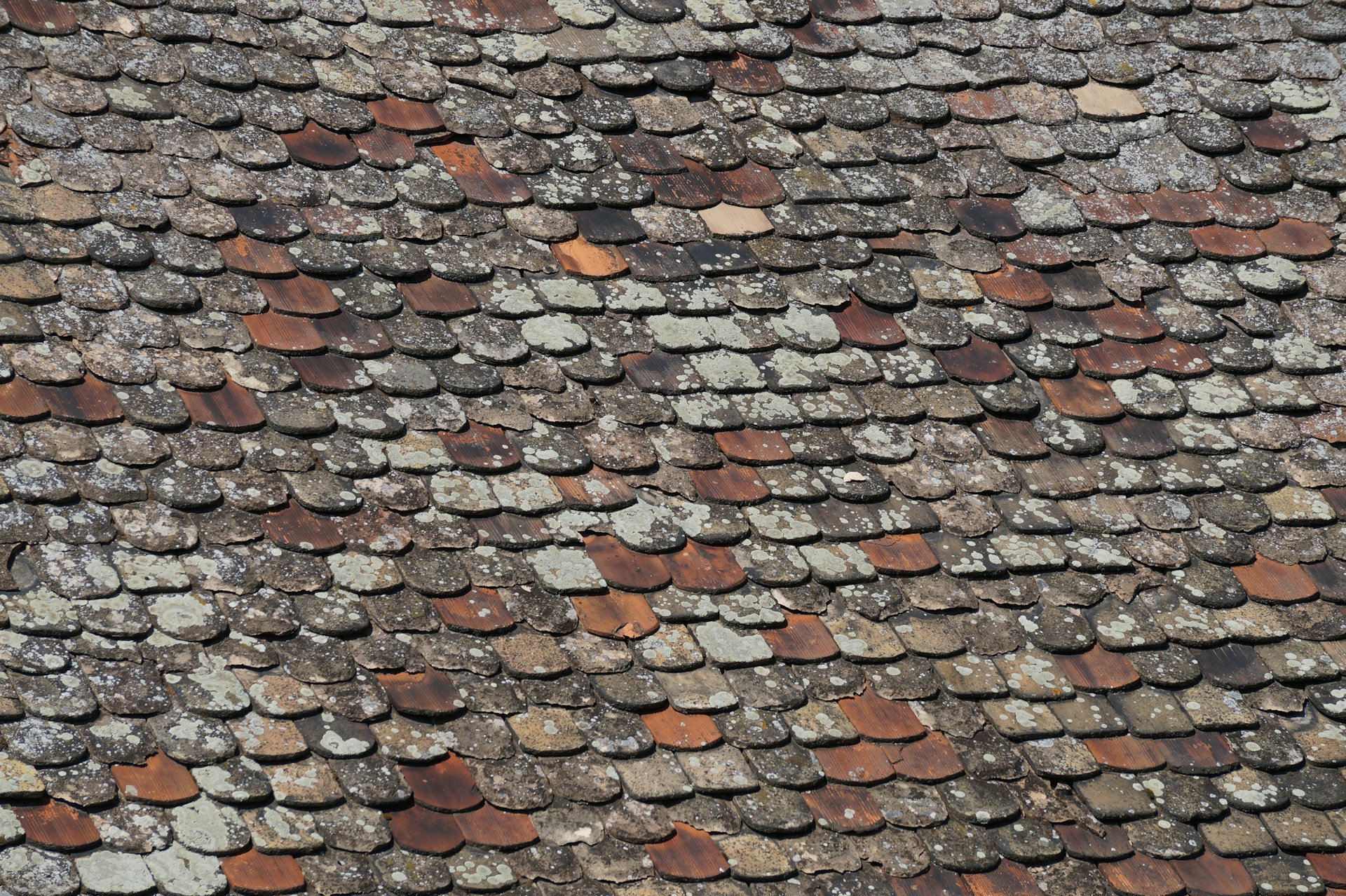
Reclaimed slate on a completed roof presents a visual depth that new quarry stock and synthetic slate simply cannot replicate. The surface carries decades of mineral oxidation, biological weathering, and UV exposure that together create a tonal range within each individual piece. Not just across the field.
From ground level, a reclaimed slate roof reads as a textured, layered surface. Color shifts subtly from piece to piece because each slate has weathered at a slightly different rate depending on its original position, exposure angle, and the building it came from.
This is the opposite of the uniform repeat pattern you get from composite slate or factory-finished products. The effect contributes directly to the architectural integrity of historic and high-end residential buildings.
Patina, Mineral Variation, and Why No Two Batches Look Identical
The patina on reclaimed roofing slate is a surface-level transformation caused by oxidation of iron, manganese, and other trace minerals in the stone. A black slate with high carbon content will develop a slightly warmer undertone after 80 years on a south-facing slope.
The same slate on a north-facing pitch may stay cooler and darker. These differences are locked in permanently and cannot be cleaned off without altering the stone's character.
Mineral banding, sometimes called "ribbons," also affects how color reads across a batch. Specific minerals drive the color: carbon produces black, hematite creates red and purple, and chlorite drives green.
That mineral basis for what gives slate its color means two slates from the same quarry bed can show different concentrations. This is why no two reclaimed batches are ever identical.
Unfading vs. Semi-Weathering Color Behavior
Unfading slate holds its original color throughout its service life. It does not shift significantly from the day it was quarried. Semi-weathering slate, by contrast, changes tone over time, often moving from a dark initial color toward a softer grey, grey-green, or buff tone.
When you are sourcing heritage slate, the distinction matters because you are receiving slate that has already undergone most or all of its color shift.
This means a semi-weathered reclaimed slate will look closer to its "final" color than a new semi-weathering piece from the same quarry would. For restoration matching, that is an advantage. You are seeing the color as it will actually present. Not guessing how it will age.
Why Reclaimed Stone Looks Different From New or Replica Products
New quarry slate is cleaved fresh, with sharp edges and a uniform surface. Synthetic and composite alternatives are molded to imitate this look. Neither carries the surface irregularity, edge softening, or tonal variation that comes from a century of exposure.
A reclaimed natural slate roof carries visible history in each piece. That is the detail most architects specify when they want authentic character rather than a facsimile.
The texture difference is not subtle. Reclaimed slates show micro-erosion patterns, lichen staining, and slight rounding at corners that give the roof field a visual warmth. The difference between that and a stamped replica is immediately obvious from 30 feet.
This is why preservation standards caution against stripping sound historic roofing material in favor of substitutes.
Core Reclaimed Slate Roofing Colors Used in Specifications
The six primary reclaimed slate color categories carried in authentic salvage channels each serve distinct architectural roles. Knowing the differences keeps your specification accurate.
Buckingham Black for Historic Depth and Low-Contrast Roofscapes
Buckingham Black slate originates from the historic Buckingham County quarries in Virginia. It is a dense, carbon-rich stone that reads as a deep, saturated black with a faint blue undertone in direct sunlight. Thickness typically ranges from 3/16 to 1/4 inch. The slate is known for its tight grain and long service life, often exceeding 100 years.
On a roof, Buckingham Black creates a low-contrast field that works well against lighter stone, white trim, or pale siding. It is heavily specified for Federal, Georgian, and Colonial Revival restorations where period accuracy demands a specific quarry origin.
Reclaimed pieces retain their original uncleaned surface. This adds depth without artificial finishing.
Black and Grey Slate for Traditional Repairs and Clean Architectural Lines
Black and grey reclaimed slates are the most commonly available salvaged colors and the most frequently requested for repair work. Grey slate presents in neutral to cool tones with soft weathering patterns that blend easily into existing roof fields.
Black slate, when not specifically Buckingham, often originates from Pennsylvania or Vermont quarries and presents slightly lighter than Buckingham with more visible surface texture.
Both colors are available in 20" x random, 18" x random, and 16" x random formats. For repair jobs where you need to assess slate quality before committing, batch photos show the actual tonal range you will receive. Not a stock image.
Semi Weathering Green for Soft Aging and Historic Character
Semi Weathering Green slate starts as a medium green and shifts toward grey-green or buff-green over its service life. Reclaimed pieces have already completed most of this transition, so the color you see in batch photos is close to the color you will install.
This makes it a practical choice for matching existing roofs where the original green has already mellowed.
Green slate is commonly associated with Vermont quarries and is favored for rare colors for restorations. It pairs well with natural wood siding, copper flashing, and earth-toned masonry. The soft aging character of green slate is one of the hardest things for synthetic products to replicate convincingly.
Purple and Mottled Green With Purple for Variegated Heritage Roofs
Purple slate and Mottled Green with Purple create a variegated roof field that was popular on late-Victorian and Queen Anne residential buildings.
The purple tones come from hematite content, and the mottled varieties mix chlorite-green and hematite-purple within each individual piece. The result is a roof that reads differently depending on light angle and weather.
These colors are among the rarest in reclaimed salvage inventory. Availability depends entirely on which historic structures are being deconstructed at any given time. If your project calls for purple or mottled varieties, confirming current stock early in the specification process prevents delays.
Regional Slate Types and Color Families Architects Commonly Reference
Architects writing specifications for restoration work often reference regional quarry names as shorthand for color and performance characteristics. Knowing these names helps you communicate precisely with suppliers and preservation review boards.
Vermont Slate and the Unfading to Semi-Weathering Spectrum
Vermont is the most prolific historic slate-producing region in the United States and the source of the widest color range. The key distinction is between unfading and semi-weathering grades:
- North Country Unfading Black: holds a true black throughout its life
- North Country Unfading Green: retains a consistent medium green
- North Country Unfading Gray: stable neutral grey with no color drift
- North Country Unfading Purple: deep hematite purple, color-stable
- North Country Unfading Mottled Purple and Green: variegated mix, stable
- North Country Unfading Red: iron-rich red, rare in reclaimed stock
- North Country Semi-Weathering Gray: shifts from dark grey toward lighter grey-buff
- North Country Semi-Weathering Gray/Black: transitional tone, moves toward soft grey
- North Country Semi-Weathering Gray/Green: starts grey-green, lightens with age
- North Country Semi-Weathering Purple: purple that softens toward grey-purple over time
- Strata Gray: a layered grey with visible mineral banding
When you are matching an existing roof, identifying which Vermont grade was originally installed narrows the search significantly. A supplier who is identifying slate grades by name, rather than generic "grey" or "black," is a sign of genuine salvage inventory.
Spanish Slate and Other Dark Natural Slate Comparisons
Spanish slate is widely used in European construction and appears in some U.S. import channels as a dark grey-black alternative. It is typically thinner (often 5mm to 7mm) and more uniform in color than North American quarry stock.
While it can work for new builds seeking a clean dark roof, it rarely matches the thickness, texture, or color variation of reclaimed American slate.
For restoration projects governed by preservation standards, specifying an imported slate where the original was domestic can create compliance issues. The texture, edge profile, and weathering behavior of Spanish slate differ enough from Vermont or Pennsylvania stock that a trained eye will notice the mismatch.
When Named Color Families Help With Existing Roof Matching
On an existing building, identifying the quarry region and color family narrows your search from hundreds of possibilities to a manageable shortlist. If the original roof is documented in historic building records or National Register nominations, the slate type is often named.
Even without documentation, a supplier focused on salvage can often help with pinpointing quarry origin based on color, thickness, grain direction, and mineral content.
This level of identification is where generic roofing distributors fall short. Working with a supplier who specializes in salvaged material pays off in specification accuracy.
Matching Color to Project Type and Roof Design
The right color choice depends on whether you are repairing, restoring, or building new. Each scenario has different tolerances for color variation, blend ratios, and slate sizing.
Historic Restoration and Repair Matching Priorities
For repair work on an existing slate roof, color matching is the top priority. You need reclaimed slate that blends into the existing field without creating obvious patches. The best approach is to pull a sample from the roof, photograph it in natural light, and compare it against batch photos from your supplier.
A single square of mismatched slate on a 150-year-old roof is visible from the street. When specifying for a full restoration, confirm whether the original roof used a single color or a blend.
Many Victorian-era buildings used custom blend roof slates with intentional color mixing, sometimes alternating rows of grey and green or scattering purple accents across the field. Replicating that pattern requires enough inventory in each color to maintain the correct ratio.
Luxury New Construction With Single-Color and Blended Roof Fields
New builds are not locked into matching an existing roof. This opens up the full palette. A single-color Buckingham Black field creates a clean, formal appearance suited to Georgian or modern farmhouse designs. A grey and green blend softens the roofline and works well with stone and timber facades.
Framing the slate and green building angle also strengthens the specification narrative for clients pursuing LEED-related Materials and Resources considerations.
For new construction, plan your color selection early and confirm that sufficient quantity is available in one batch. Combining multiple batches of the same named color can introduce visible variation that may or may not be desirable.
How Slate Size, Exposure, and Blend Ratio Affect Visual Texture
Slate size directly affects how color reads on the roof. Larger formats like 20" x random create fewer coursing lines and let each piece's color occupy more visual space. Smaller formats like 16" x random produce tighter coursing and a busier texture where individual color differences are less prominent.
Exposure, the portion of the slate visible below the overlap, also shifts the balance. A 20-inch slate set at a standard 3-inch headlap shows roughly 8.5 inches of exposed face per course. Adjusting exposure by even half an inch changes the visual rhythm.
When blending two or three colors, the blend ratio (for example, 60% grey, 30% green, 10% purple) should be tested at the planned exposure before committing to the full order.
What to Confirm Before You Request Current Availability
Before you pick up the phone, nail down three details that will save time for both you and your supplier: exact color target, acceptable variation range, and total quantity by size.
Batch Photos, Lighting Conditions, and Expected Color Shift
Always review batch photos in natural daylight on a calibrated screen. Reclaimed slate photographed under warm indoor lighting can appear two or three shades warmer than it will look on the roof. Ask for photos taken outdoors in overcast conditions if possible.
This produces the most neutral color representation. Keep in mind that wet slate looks dramatically different from dry slate. A grey slate that appears almost black when wet will lighten significantly as it dries and cures on the roof.
When comparing batch photos to your existing roof sample, make sure both are photographed in the same moisture state. A guide to pricing by color rarity also notes that rarer colors cost more, so confirming the exact batch before quoting avoids surprises.
How to Specify Reclaimed Slate Alongside Clay Tile and Roof Tile Details
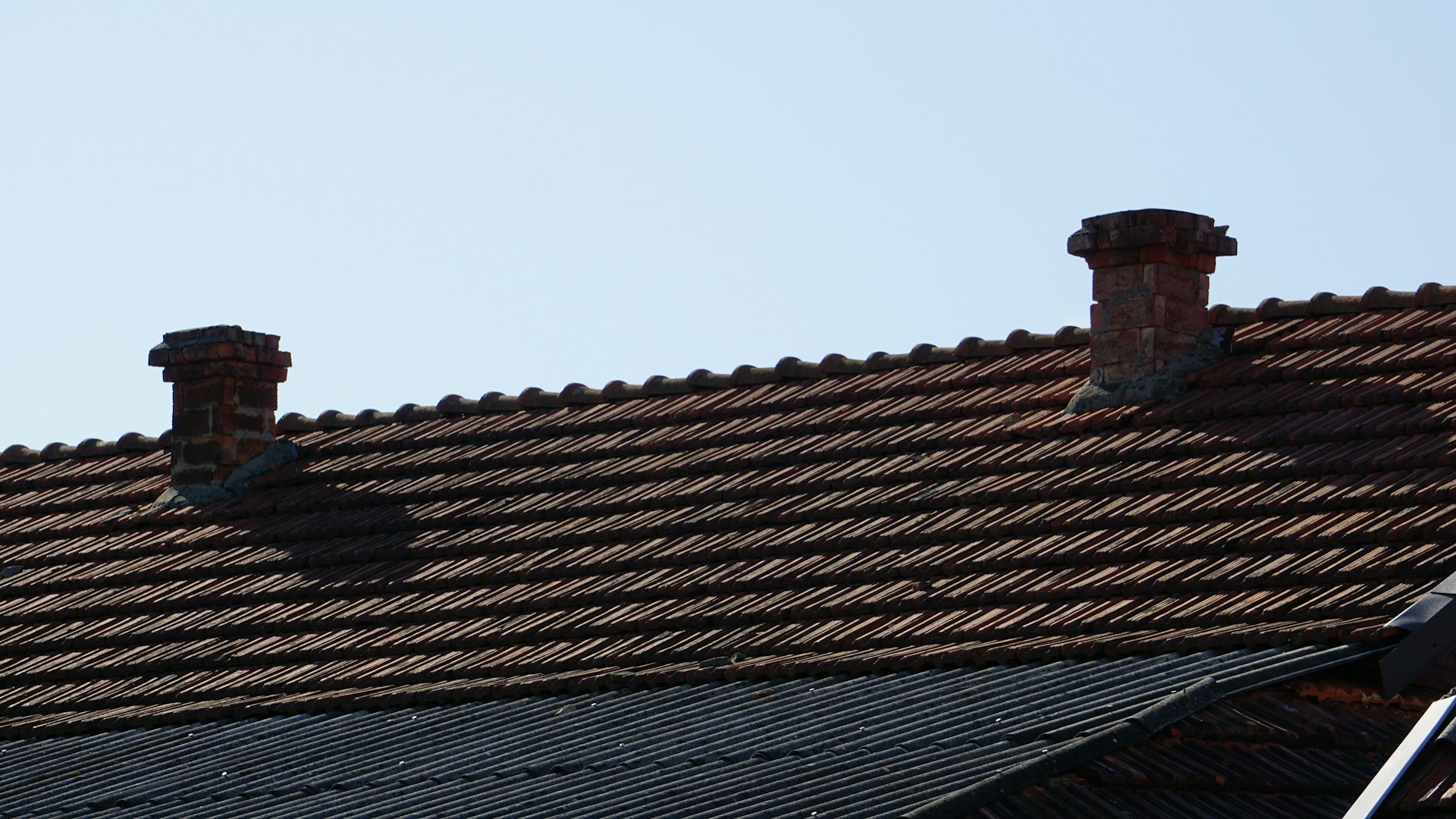
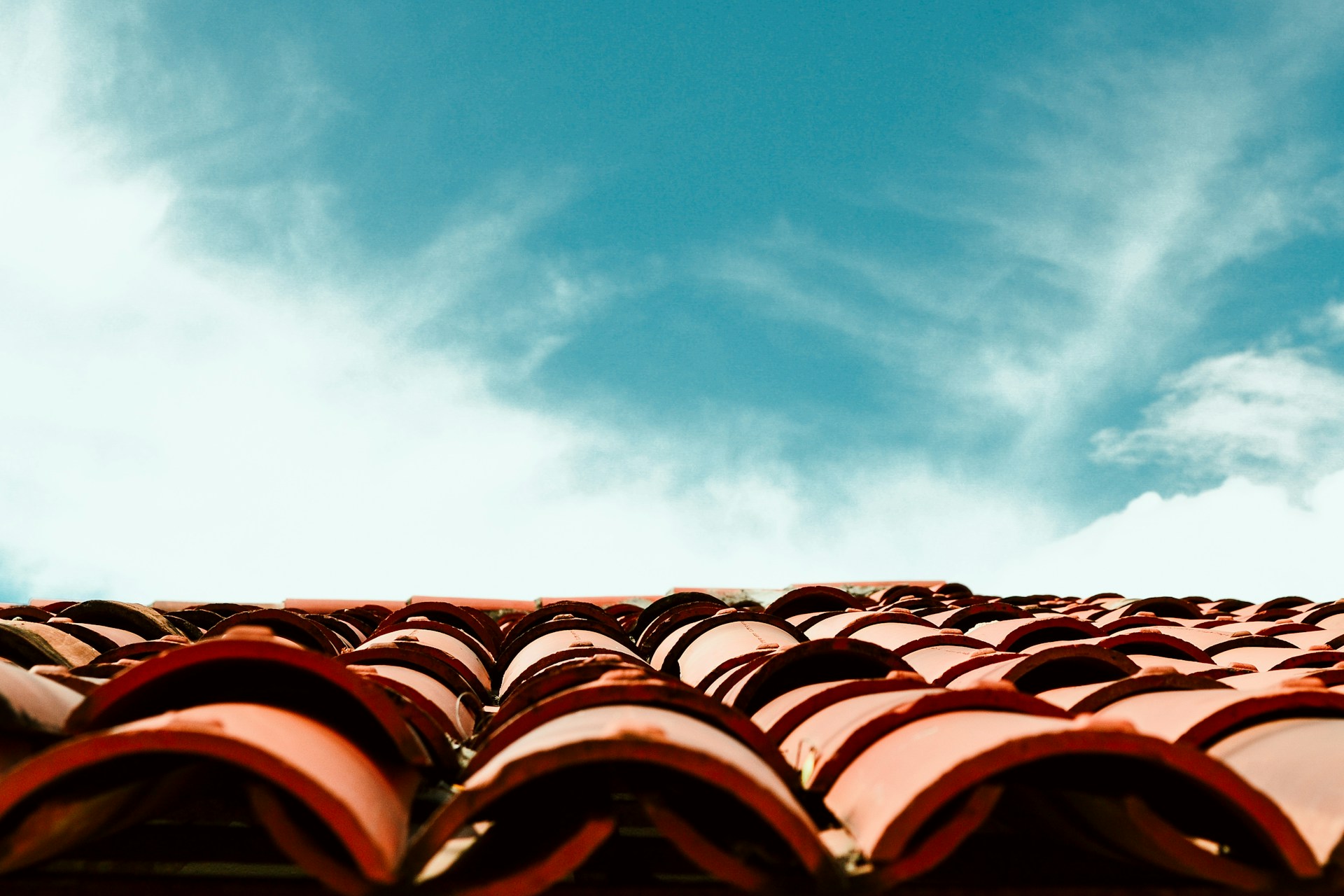
Some projects combine reclaimed slate with reclaimed barrel clay tile on different roof planes or architectural features. When specifying both materials, note the color relationship between them.
A warm terra cotta barrel clay tile next to a cool grey slate creates strong contrast. A Buckingham Black slate next to a dark clay tile produces a more unified roofline.
Include in your specification the material type, color name, size format, estimated quantity per square, and acceptable thickness range for each material. This prevents miscommunication and ensures the supplier can confirm whether all items are available from current inventory.
Why Live Inventory Matters More Than Sample Memory
Reclaimed slate is not manufactured on demand. What is in stock today may not be available next month. A color you specified from a sample you held six months ago may have sold out.
The only reliable way to match is to confirm live inventory at the time you are ready to order. Call to verify what is currently on the yard. Request fresh batch photos and lock in your order promptly if the match is right. Waiting weeks to approve a batch risks losing it to another buyer.
This is the practical reality of working with authentic salvaged roofing materials. It is why early communication with your supplier matters more than any printed color chart.
Frequently Asked Questions
What Natural Color Range Should You Expect From Authentic Slate, Grey, Mottled Green, Purple, or Black, Before Sorting and Blending?
Authentic reclaimed slate spans a wide natural range including true black, neutral grey, green, purple, red, and mottled combinations of green and purple. The specific colors available depend entirely on which quarry produced the original stone and how long it was in service. Before sorting and blending, a single salvaged lot can contain two or three tonal variations within the same named color family.
How Does Decades of Patina and Weathering Shift Slate Color From the Yard to the Installed Roof?
Decades of UV exposure, moisture cycling, and biological growth create a surface patina that softens and warms the original quarry color. Semi-weathering slates show the most dramatic shift. These often move from dark grey or green toward lighter buff-grey tones. Because reclaimed slate has already undergone this transition, the color you see in the yard or in batch photos is very close to what it will look like installed.
What Is the Most Reliable Way to Match Reclaimed Slate Color to an Existing Roof Without Obvious Patchwork?
Pull a sample piece from the existing roof, photograph it in natural overcast light while dry, and compare it side by side with batch photos from your supplier under the same conditions. Request enough extra material (typically 10 to 15 percent overage) to hand-select the closest matches during installation. Sorting on site before nailing ensures the best field-level color integration.
Which Quarry Regions Are Known for Consistent Color, Like Vermont Green, Pennsylvania Purple, or Buckingham Black, and How Do They Age?
Vermont produces the widest color spectrum. This includes unfading black and green and semi-weathering greys and purples. Buckingham County, Virginia, is known for a dense, carbon-rich black that holds its color indefinitely. Pennsylvania quarries historically produced purple and grey-black slates. Unfading grades hold color throughout their life. Semi-weathering grades shift noticeably within the first 20 to 40 years.
How Should Reclaimed Slate Be Sorted by Color and Thickness to Stay Job-Site Ready and Avoid Breakage During Install?
Sort reclaimed slate into color groups first, then sub-sort by thickness within each group. Stack slates on edge in crates or on pallets with consistent thickness per layer to prevent thinner pieces from cracking under the weight of thicker ones. On the job site, stage sorted stacks near the hoist point so your crew can pull the right color and gauge without hunting through mixed piles.
What Causes Color Variation Within a Single Reclaimed Lot, and What Level of Variation Is Normal for Heritage Slate?
Color variation within a single lot results from differences in mineral concentration across the original quarry bed, varying exposure conditions on the source building, and natural aging rates between north-facing and south-facing roof slopes. A tonal range of two to three shades within one named color is normal and expected for heritage slate. This variation is part of what gives a reclaimed roof its authentic, layered appearance.
Specify With Confidence, Then Confirm What Is in Stock
Getting reclaimed slate roofing colors right is a matter of knowing your quarry origins, confirming whether the color has already weathered to its final state, and reviewing actual batch photos rather than relying on memory or generic swatches.
Every color, from Buckingham Black to Mottled Green with Purple, behaves differently on a finished roof depending on size, exposure, and blend ratio.
Your specification is only as good as the inventory behind it, and reclaimed color sells in the batch it arrives in.
Reclaimed Slate Roofing can send fresh batch photos of the exact colors on the yard right now and hold your match while you finalize the spec. Call 225-954-8393 to confirm what is in stock, or browse current color inventory at reclaimedslateroofing.com.