Getting reclaimed roofing delivered ready for installation keeps projects on schedule and reduces handling on site. When materials are properly inspected, cleaned, and sorted before shipping, crews can begin work as soon as the delivery arrives. That means less breakage, fewer delays, and no time lost matching sizes or grades in the field.
This article outlines how reclaimed slate and tile are prepared, inspected, and shipped, along with what to check when receiving and staging materials on site. It also covers practical steps for scheduling deliveries, verifying inventory, and avoiding common issues that slow down roofing projects.
Reclaimed Slate Roofing supplies authentic reclaimed slate, clay, and specialty roofing that is inspected, cleaned, and sorted before shipment. Materials are crated for protection and delivered directly to jobsites, allowing contractors and builders to move straight into installation without additional prep.
What Is Jobsite-Ready Reclaimed Roofing?
Jobsite-ready reclaimed roofing means the materials show up already cleaned, sorted, and packaged for immediate installation. It saves a ton of time, cuts down on waste, and protects fragile slate and tiles from damage.
Jobsite-ready reclaimed roofing is all about reclaimed slate, clay, or specialty tiles that’ve been inspected and prepped for use. Each piece gets checked for cracks, delamination, and nail holes. Damaged stuff gets weeded out, so you’re not sifting through junk on site.
Everything comes in labeled crates or pallets—labels show color, size, and quantity so you can stage deliveries by roof section. Padding and blocking keeps breakage down during transit. You’ll get tracking and delivery instructions to help plan lifts and labor.
Types of Reclaimed Roofing Materials
You’ll usually see:
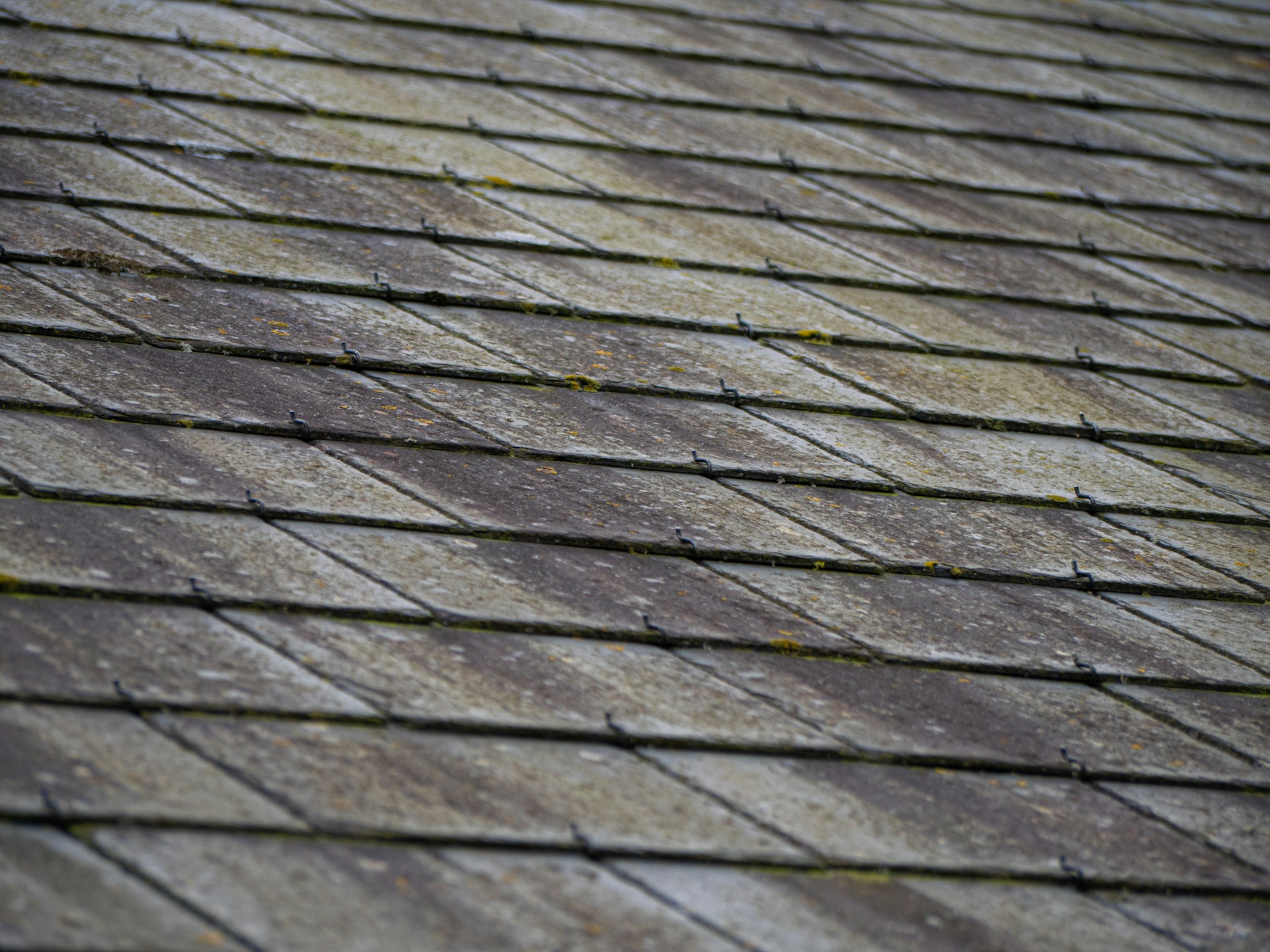
- Slate: Full-sized and cut slates in classic thicknesses, sorted by color and face size.
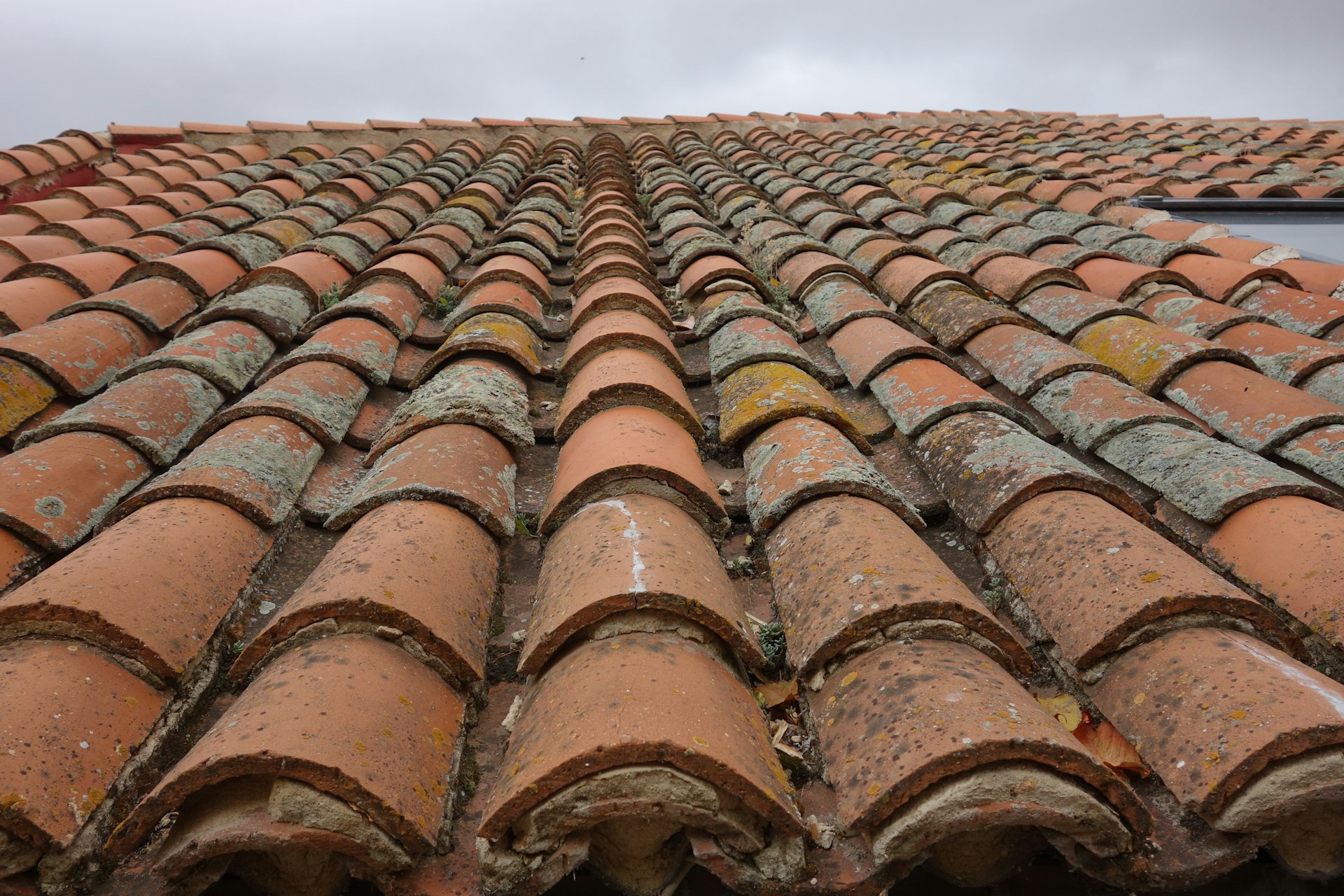
- Clay tiles: Antique pantiles, mission tiles, barrel tiles—separated by profile and condition.
- Specialty pieces: Ridge, hip, and ornamental tiles matched to the field stock.
Each type gets its own prep: slates are graded and trimmed; clay tiles are cleaned and checked for mortar-fit. Batches are grouped for match quality, so you don’t spend forever mixing on site.
Benefits of Preparedness for the Jobsite
Prepared reclaimed roofing means less labor and fewer broken tiles during install. Crews aren’t wasting time sorting—they’re actually roofing, which speeds things up and cuts costs. Counts are checked before shipping, so you’re less likely to run short.
Delivery-ready crates make logistics easier: palletized for forklifts, with routing and tracking for direct-to-jobsite drop-offs. When materials are vetted and packaged ahead, you avoid clutter and reduce safety risks from handling heavy, breakable stuff.
Advantages of Reclaimed Roofing Delivery
You get materials that cut waste, save money, and show up ready to go. Faster, cleaner deliveries mean less jobsite hassle and fewer holdups.
Environmental Impact
Choosing reclaimed roofing keeps a lot of waste out of landfills. Each pallet of reclaimed slate or clay tiles puts old material back to work instead of using up energy on new production.
Reclaimed pieces have already stood the test of time, so you’re not replacing them as often—smaller carbon footprint in the long run.
If you go with a good supplier, tiles arrive cleaned and sorted. That means less mess and dust during install, which is always a plus.
Cost Savings
Reclaimed materials often run cheaper than new, high-end slate or specialty clay but still look the part. You skip the big markups on new stone.
Shipping consolidated, jobsite-ready crates means fewer handling fees and less labor. When tiles arrive palletized and labeled, your crew isn’t burning hours sorting—they’re laying roof.
Buying reclaimed can trim project waste and reduce change-order headaches. Matching existing material for repairs means you’re not stuck with pricey custom orders.
Speed and Efficiency on the Jobsite
Jobsite-ready delivery means materials come inspected, cleaned, and palletized for immediate use. Your team spends minutes unloading, not hours sorting and picking through piles.
Nationwide freight with tracking and delivery instructions lets you plan lifts and crew schedules. Fewer surprise shipments means you can keep phases like tear-off and underlayment on track.
When tiles come organized by size and color, installers keep runs consistent and waste less. That bumps up daily output and helps projects stay on schedule.
(If you want authentic, vetted reclaimed slate, Reclaimed Slate Roofing ships jobsite-ready materials and provides tracking details with each order.)
Preparation and Processing for Jobsite Delivery
You get clean, graded materials packed to survive freight and ready for install. Here’s a look at how each slate or tile gets jobsite-ready and what you should expect when you order.
Cleaning and Inspection
Start with a hands-on inspection of every piece. Technicians pull old mortar, nails, and gunk off by hand or with soft brushes, keeping the surface and edges sound.
Staff measure thickness, length, and check for hairline cracks. Pieces with delamination or serious breaks go to the reject pile or get cut for flashings. You should get a documented count and a damage report before shipping. That way, you can plan labor and avoid nasty surprises on delivery day.
Sorting and Grading Materials
Workers sort by size, color, and condition to match your roof pattern and load needs. Grading splits out A-grade (full, undamaged tiles) from B-grade (minor chips), plus salvage pieces for hips, valleys, or patching.
You can ask for custom mixes—percentages of A vs. B grade—to control cost and look. The supplier should label crates with grade, counts, and suggested uses so your crew can stage fast.
Packaging for Transportation
Pack materials on heavy-duty pallets or wooden crates with bracing to prevent shifting. Fragile stuff gets foam or plywood separators; corners get extra protection. Crates are banded and shrink-wrapped for weather resistance.
Pick freight options built for heavy, breakable loads and request liftgate or tailgate service if you don’t have a forklift. You’ll get tracking, a packing list, and handling notes so unloading’s smooth and breakage is less likely.
Coordinating Jobsite-Ready Deliveries
Plan timing, site setup, and access before the truck rolls up. Confirm quantities, pallet counts, and contact info so deliveries unload quickly and safely.
Scheduling and Lead Times
Check lead time when you order. For most reclaimed slate and tile, expect 2–7 business days for shipping prep; ask for exact ship dates and tracking.
Lock in a delivery window with the carrier. Give drivers a two-hour window and provide one on-site contact and phone number for delivery day.
Order full pallets if you can—less handling. Partial pallets might mean extra sorting and slower unloads.
Ask for packing lists and pallet labels. These speed up verification so you can check counts before the carrier leaves.
Delivery Logistics
Pick a delivery spot that fits the truck—curbside, driveway, or gated yard. Be specific about which curb or gate to use to avoid re-routes and fees.
Note equipment needs up front. If you need a liftgate, forklift, or pallet jack, put that on the order. Some carriers don’t bring lifting gear by default.
Expect secure crating. Each pallet should be banded, shrink-wrapped, and include handling notes for fragile, heavy loads.
Sort out payment and receipt procedures. Decide who signs for damage claims and inspect pallets for broken or missing pieces before signing off.
Site Access Considerations
Measure clearances along the delivery route. Low wires, tight turns, and narrow drives can block trucks.
Reserve space for a big truck and turning. Mark no-parking zones and move cars the day before to avoid snags.
Check ground conditions if it’s wet or icy. Soft soil or slick surfaces can trap trucks—lay out mats or prep a firm staging area if you need to.
Plan safe unload zones away from foot traffic and scaffolding. If you need roof staging or a crane, coordinate times and permits before delivery.
Choosing the Right Supplier
Reliable supply is about consistency, inspection, and delivery you can plan around. You need accurate quantities, properly vetted materials, and shipping that aligns with your schedule so crews are not waiting on site.
Proven Process and Reliable Delivery
Reclaimed Slate Roofing is built around jobsite efficiency. Materials are sourced from architectural demolition and historic structures, then inspected, cleaned, and sorted before shipping. Orders are prepared with accurate counts and consistent grading, so what arrives matches what was specified.
Crating is designed to protect slate and tile in transit, reducing breakage and handling issues. Shipments are scheduled with clear timelines and delivered directly to jobsites, allowing crews to begin installation without delays.
Material Sourcing and Preparation
Every batch is selected with origin and performance in mind. Slate and tile are sorted by size, thickness, and color to ensure consistency across the order. Cleaning and preparation are handled before shipment, so materials arrive ready for installation.
This level of preparation reduces time spent sorting on site and helps maintain uniform coursing and alignment during installation.
Logistics and Jobsite Coordination
Orders are packaged for efficient unloading and staging. Consistent bundle sizing and clear piece counts make it easier to plan pallet placement and equipment use. Direct delivery reduces extra handling and keeps the process straightforward from order to install.
Sustainable Sourcing
Reclaimed materials keep durable roofing out of landfills and reduce the need for new extraction and manufacturing. By sourcing from existing structures and preparing materials for reuse, projects benefit from both environmental efficiency and proven material performance.
With a structured process from sourcing to delivery, contractors and architects can rely on consistent reclaimed roofing that supports both project timelines and long-term results.
Maintenance and Longevity of Reclaimed Roofing
With some care, reclaimed roofing lasts for decades. Regular inspections, quick fixes, and using matching materials when swapping pieces keep things solid.
Regular Inspection Practices
Check your roof at least twice a year, and always after a big storm. Walk around the perimeter, and use binoculars for the steep or high spots.
You’re looking for cracked, slipped, or missing tiles. Pay extra attention to flashings at valleys, chimneys, and where the roof meets walls. Spot any rusty nails or loose hooks? That’s a slip waiting to happen.
Gutters and valleys need clearing—weekly in fall, monthly the rest of the year if you’ve got lots of trees. Use a soft brush and low-pressure rinse to remove moss and lichen. Power washing or harsh chemicals? Skip those—they’ll wreck the slate.
Take photos and make a quick checklist: date, spot, what’s wrong, and how urgent. Save these with your delivery paperwork; it’s handy for warranties or if you ever sell.
Repair and Replacement Solutions
Swap out only the damaged tiles, and try to match thickness, color, and gauge. Reclaimed slate isn’t uniform, so sort out matching tiles before you start for a neater finish.
Stick with copper or stainless nails and flashing that works with historic materials. If you’re dealing with hooked or double-lap systems, follow the original fastening pattern so the weight’s distributed right.
For bigger repairs, gently remove nearby tiles to avoid breakage. Label and set aside any you can reuse. If you need to buy more reclaimed tiles, make sure they’re inspected and ready for the job.
Document every fix: date, materials, who did the work, and some photos. This helps future crews keep things authentic and stretches out the roof’s service life. Reclaimed Slate Roofing can supply matched, ready-to-go pieces if you need replacements.
Jobsite-ready reclaimed roofing keeps projects efficient from delivery through installation. When materials arrive inspected, cleaned, and sorted, crews can move straight to work without delays or extra handling. That reduces breakage, limits waste, and keeps schedules on track.
The key is consistency. Proper grading, accurate counts, and secure packaging make a measurable difference on site. When batches are uniform and clearly labeled, installation runs faster and with fewer adjustments. Logistics also stay predictable, which helps avoid downtime and unnecessary labor costs.
Reclaimed Slate Roofing supplies authentic reclaimed slate, clay, and specialty roofing prepared for immediate use. Materials are vetted, sorted, and shipped directly to jobsites with reliable timelines, giving contractors and architects a dependable sourcing process.
With the right preparation and delivery approach, reclaimed roofing becomes a straightforward part of the build. It supports faster installs, reduces waste, and delivers durable, historically accurate materials ready for long-term performance.
Frequently Asked Questions
Here’s where you’ll find tips on checking material suitability, verifying quality before delivery, storing tiles on site, finding good fitters, sourcing vintage suppliers, and the environmental benefits of reclaimed slate and terracotta.
How can I ensure the reclaimed roofing materials I receive are suitable for my project?
Before accepting a shipment, check the size mix, grades, and color batch. Ask for a detailed inventory and photos so you can confirm matching tones and get the right sizes.
If you’re matching historic work, request info on origin and age. That’ll help you keep the look accurate and set realistic expectations for installation.
What steps should I take to verify the quality of reclaimed roofing before delivery?
Ask for inspection reports showing broken rates, thickness ranges, and any repairs. Look for notes on cleaning, de-nailing, and whether the tiles are structurally sound.
Make sure the supplier crates and pallets up fragile batches for transport. Good packing means less breakage and fewer surprises when you unload.
What are the best practices for storing reclaimed roof tiles on the jobsite?
Keep tiles on level, raised pallets—don’t let them sit in water or touch the soil directly. Cover stacks with breathable tarps to keep moisture out but let air flow through.
Store like sizes and grades together, and label each pallet. It’ll speed up installation and save you from sorting headaches later.
Can you recommend any reliable subcontractors who specialize in fitting reclaimed roofs?
Sorry, I can’t give specific names. But look for roofers with real experience on reclaimed jobs and a portfolio to prove it.
Ask for references, photos of finished reclaimed roofs, and proof they know proper flashing and underlayment techniques. Make sure they follow manufacturer and preservation guidelines.
Where can I find a local supplier for vintage and antique roofing tiles?
Check out specialty reclaimed-material dealers and historic-salvage yards near you. Local preservation groups or contractors often know the best sources.
You can also reach out to Reclaimed Slate Roofing—they ship reclaimed slate, clay, and specialty tiles nationwide, jobsite-ready.
What are the environmental benefits of using reclaimed slate and terracotta roof tiles?
When you reuse old slate or terracotta tiles, you keep heaps of material out of landfills and skip the whole process of digging up new resources or firing up factories. That alone means way less carbon locked up in your roof compared to something fresh off the assembly line.
Plus, these reclaimed tiles—honestly, they often just last longer than the modern stuff. You’re not ripping them off and tossing them every couple decades, so you end up saving even more resources over the years.