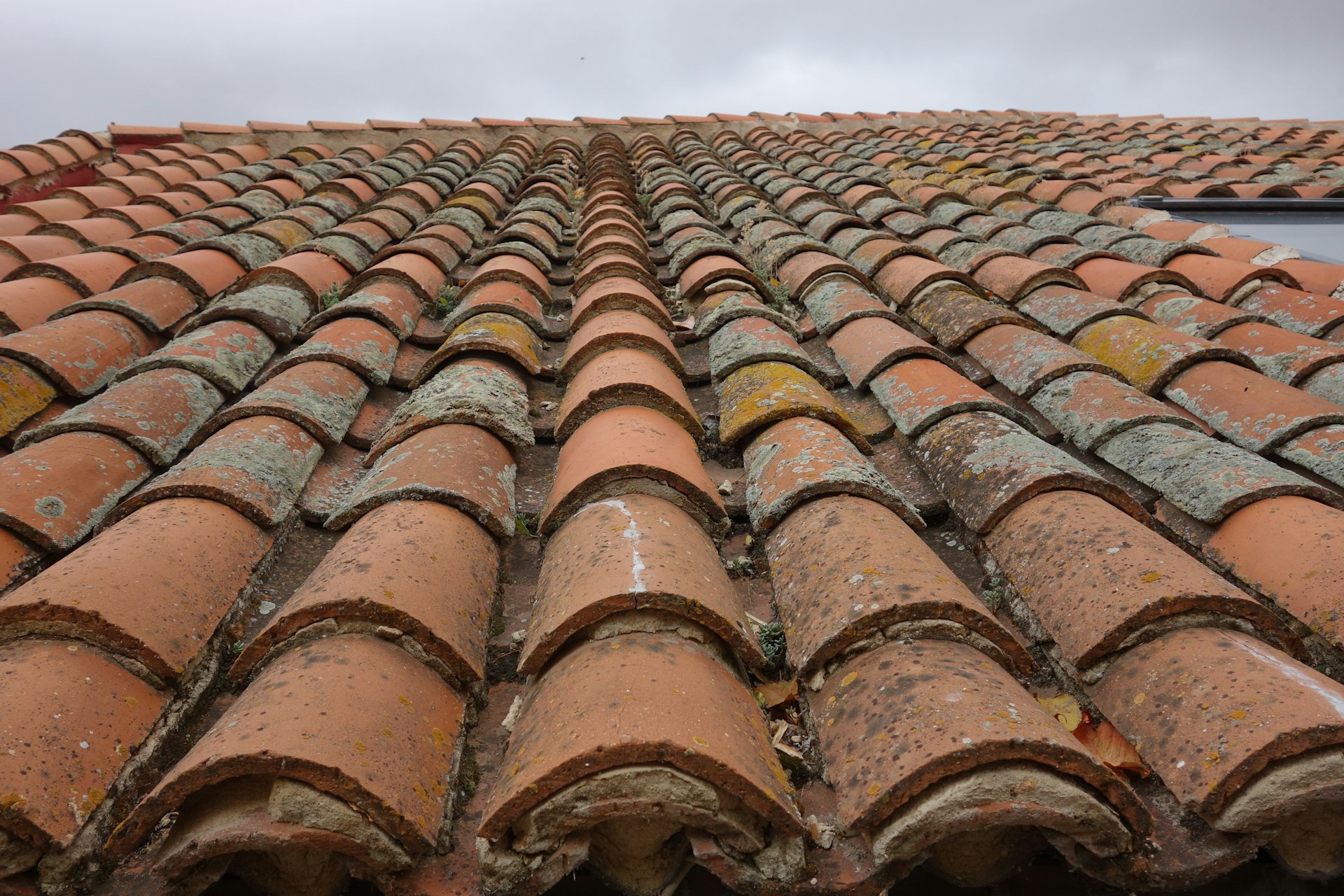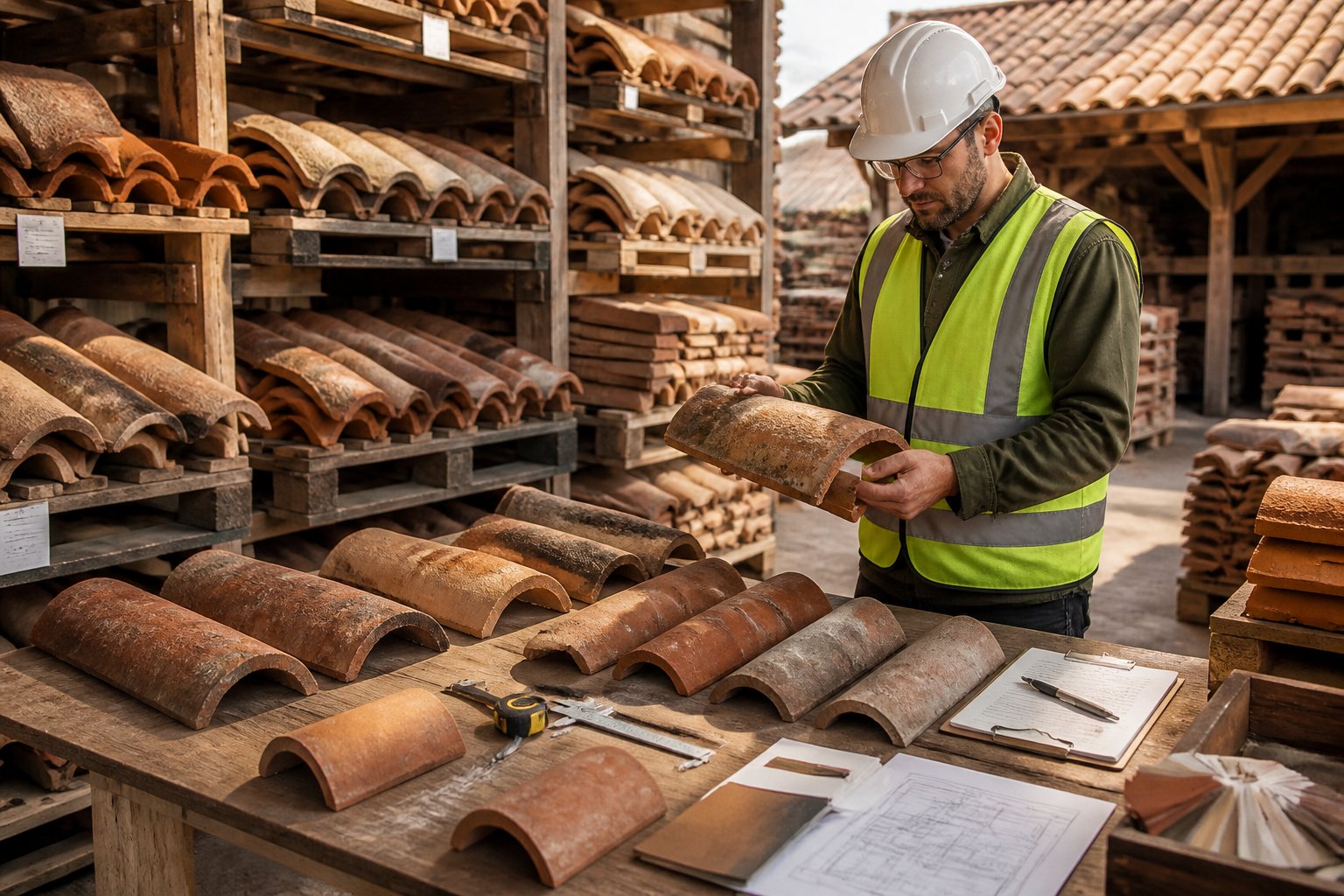
Three courses into a Spanish Colonial re-roof, the old barrel tiles start breaking faster than the crew can salvage them. The remaining stock will not cover the field, and the profile is nothing a modern plant still runs. That is where reclaimed barrel clay roof tiles sourcing turns from a purchasing task into a project-critical decision.
Reclaimed Slate Roofing works in exactly this space, supplying authentic salvaged clay roof tiles pulled from historic structures rather than reproductions. Barrel Clay Roof Tiles move through a hand-inspected, sounded, and culled process before they are crated. What arrives on the pallet matches what was approved in the batch photos.
The sections ahead cover how to document your existing roof, write a sourcing request an experienced supplier can actually fill, and inspect salvaged stock for curvature and soundness.
They also cover how to blend color across historic areas and coordinate freight with your install schedule. It is built for the contractor or architect who already knows they want real reclaimed barrel tile and needs the sourcing process to hold up on a live job.
Define the Roof System Before Requesting Material
A quote is only as accurate as the roof description behind it. Before anyone talks price, the roof needs to be measured, photographed, and described in terms a supplier can act on.
Barrel tile roofs vary widely by region and era. A Mission-style roof in Southern California may use a two-piece pan and cover system, while a Florida building may run a one-piece S-profile. Those are not interchangeable. The difference decides whether your reclaimed material fits.
Get this documentation right, and the rest of the sourcing process moves fast, because the supplier is working from your numbers instead of a vague phone description.
Documenting Barrel Tile Dimensions, Gauge, and Tile Profile
Pull three to five sound tiles off the roof and measure them directly. Record overall length, width at the butt, width at the head, and thickness at the thickest point.
Next, record the gauge, meaning the exposed length per course on the existing roof. Gauge tells a supplier how many tiles cover a square, which drives quantity far more than tile length alone.
Photograph each tile from the side so the arc of the tile profile is visible. Curvature depth is the single detail most often left out of a request. It is the one that causes rejected lots.
Identifying Field Tiles, Cover Tiles, and Required Fittings
Field tiles and cover tiles are counted separately on two-piece systems. Mixing them into one number is the fastest way to end up short on covers halfway through the install.
Fittings need their own line items:
- Ridge and hip tiles
- Rake or gable-end tiles
- Eave closures and starter pieces
- Hip starters and terminals
Salvaged fittings are always scarcer than field stock. Ask about them early. A supplier may source them from a different building than your barrel tiles.
Confirming Roof Slope, Roof Framing, and Wind Uplift Requirements
Slope determines underlayment and fastening, not just appearance. Low-slope barrel roofs need more robust underlayment and closer attention to head lap than steep runs do. Clay tile is heavy.
A structural engineer should confirm the roof framing can carry the load, especially when moving from asphalt back to tile or when adding mortar-set fittings. Wind uplift rules vary by jurisdiction and matter most in coastal work. Confirm fastening pattern requirements before you set quantities. Some patterns require pre-drilled or wire-tied tiles.
With the roof fully documented, you can write a sourcing request that gets a real answer instead of a rough guess wrapped in a caveat.
Planning Reclaimed Barrel Clay Roof Tiles Sourcing Requests
Reclaimed inventory changes as buildings come down. Requests work best when they describe the job rather than a catalog number. A clear brief lets a supplier check actual pallets against your roof instead of guessing.
Salvaged clay tile is not stocked like new roof tile. Lots arrive in batches. Two batches from different structures rarely match perfectly. This is why the request has to carry context.
Providing Photos, Measurements, Quantities, and Delivery Location
Send a package, not a question. A useful sourcing request includes:
- Wide photos of the roof and close-ups of a single tile
- A side profile shot showing curvature
- Measured length, width, and thickness
- Square footage plus gauge
- Delivery address and site access notes
Note whether the site can take a full 53-foot trailer or needs liftgate service. Access details affect freight cost as much as distance does.
Separating Repair Quantities From Full Roof Replacement Needs
Roof repairs and roof replacement pull from different inventory logic. A repair needs tiles that blend with weathered neighbors, so color and patina matter more than volume.
A roof replacement can accept broader variation because the whole field will read as one plane. That flexibility usually opens more salvaged roof tile lots to your project. Say what you are doing in the first message. It changes what a supplier pulls for you.
Allowing for Variable Inventory, Waste Factors, and Attic Stock
Reclaimed roof tile breaks in handling, in transit, and during installation. Plan a waste factor of roughly 10 to 15 percent on barrel work. Plan more if the tiles are thin or heavily weathered.
Order attic stock at the same time. Coming back in two years for twelve matching tiles is far harder than adding a partial pallet today. Once quantities are set, the next step is judging what actually shows up on the pallet.
Inspect Salvaged Stock for Fit, Strength, and Appearance
Not every salvaged tile deserves a place on a roof. Inspection separates material that will serve another century from material that failed before it left the old building. Reputable suppliers cull before shipping, but you should still know what a good tile looks like. Your crew makes the final call on the ground.
Checking Curvature, Side Lap, and Batch Consistency
Stack ten tiles from a lot and look down the nested curve. Tiles that sit tightly against each other will lay flat and lap correctly on the roof. Test side lap by setting two tiles as they would sit in a course. Gaps at the lap mean wind-driven rain gets under the field.
Batch consistency matters most here. A lot pulled from one building will nest better than a mixed lot assembled from several sources.
Assessing Structural Soundness, Spalling, and Glaze Integrity
Sound each tile by tapping it. A clear ring means dense, intact clay. A dull thud usually signals a hidden crack. Look for spalling, where the surface flakes away in layers. Spalling often comes from freeze-thaw cycling and tends to worsen once the tile is back in service.
On glazed clay roofing tile, check glaze integrity at the butt and edges. Crazing alone is normal on old material, but flaking glaze exposes the clay body to water.
Evaluating Surface Patina, Weathered Patina, and Efflorescence
Weathered patina is the reason you chose reclaimed. Lichen shadowing, sun fading, and soft color drift are character, not defects. Efflorescence shows as a white salt bloom from mortar contact. It usually weathers off outdoors and should not be confused with structural failure.
Judge appearance in daylight, laid out on the ground, not stacked in a crate. The next question is how those tiles read against the roof you already have.
Match Color and Profile Across Historic Roof Areas
Matching is rarely about finding one identical tile. It is about building a field that reads as continuous from the street.
Historic clay tile shifted in color from kiln to kiln and even within a single firing. The National Park Service notes in its guidance on preserving historic clay tile roofs that variety in shape, color, and texture is central to their character.
Creating a Practical Blend for Antique Spanish Roof Tiles
Antique Spanish roof tiles almost never arrive in one uniform shade. Sort the incoming lot into three or four color groups before installation begins. Then mix from all groups as the crew works up the roof. Random blending prevents banding.
Banding is the visual flaw most likely to draw a client complaint. Keep the closest-matching reclaimed clay tiles for the most visible elevation. Save wider variation for rear slopes and low-visibility areas.
Using Reclaimed Clay Tile for Visible Repairs and Additions
On patch repairs, salvage tiles from a hidden slope of the same roof first. Move those aged tiles to the visible repair and place your purchased reclaimed clay tile where nobody sees it. For additions, run a mock-up panel of four to six square feet. Step back thirty feet and judge it from the ground.
That is how the roof will actually be seen. Where flat clay tiles meet barrel courses on mixed rooflines, treat the junction as a detail to design. Do not improvise.
Resolving Incompatible Courses Before Water Intrusion Develops
A tile that does not nest properly will lift at the head or rock on the batten. Both conditions invite water intrusion long before anyone sees a stain.
Cull those tiles rather than forcing them. On historic restorations, preservation guidelines usually favor repairing and reusing sound material over wholesale replacement. Once matching is settled, the order shifts into logistics and timing.
Coordinate Approval, Freight, and Installation Timing
Salvaged material is finite. Approval and shipping run differently than a standing order for new roof tile. Sequencing this well protects both your budget and your schedule.
Reclaimed clay roof tiles also carry a green building advantage worth noting in specifications. Reuse avoids the embodied energy of firing new clay and keeps sound material out of landfills. This is a practice the EPA supports in its guidance on reusing construction and demolition materials.
Reviewing Batch Photos Before a Final-Sale Order Is Released
Batch photos are the approval step, not a formality. Look at them on a large screen and confirm curvature, color range, and overall condition against your documentation. Because salvaged clay roof tiles are sold as final sale, this review carries weight. Ask questions before you approve. Do not wait until after the crate ships.
Preparing Crated Material for Job-Site Delivery
Clay tile travels best crated and palletized. Confirm liftgate service if the site has no forklift. Give the driver realistic access notes. Inspect crates at delivery while the driver is still present. Report any freight damage within 48 hours so the carrier claim can be opened properly.
Sequencing Reclaimed Barrel Tile With Underlayment and Flashing Work
Material should land after tear-off and underlayment are complete. Tile stacked on a bare deck for a week is tile that gets broken.
Schedule flashing and valley metal ahead of the first course. Reworking flashing under set tile costs far more than doing it in order. With logistics mapped, the last step is confirming what is actually available.
Move From Material Verification to a Job-Site-Ready Order
Specification work only pays off when it reaches a supplier who can check real pallets against it. That handoff is where most sourcing delays happen.
A reclaimed roofing supplier that salvages directly from historic demolitions can answer availability questions the same day. Inventory is genuine and finite, so a live conversation beats a form every time. Guidance on how to source authentic reclaimed clay covers what to confirm before you buy.
Confirming Availability, Pricing, and the 2-to-5-Business-Day Ship Window
Ask three questions up front: what is on hand, what does it cost delivered, and when can it ship. Most orders move within 2 to 5 business days once specs are confirmed.
Pricing on reclaimed barrel tile reflects size, condition, and lot volume. Builder-direct sourcing keeps the number closer to wholesale than a retail catalog would.
Communicating Final Specifications Through a Phone-First Buying Process
A five-minute call replaces a week of emails. Have your measurements, photos, and square footage ready when you dial.
The same approach applies to reclaimed slate roofing work: rare formats like Buckingham Black or 20-inch random widths rarely appear in a public listing. Barrel clay roof tiles follow that pattern too, which is why the phone comes first and why that verification is what turns a specification into material on a truck.
Sourcing With Confidence on Heritage Clay Roofs
Authentic barrel tile work rewards preparation. Measure the existing roof. Document the profile. Plan for waste and attic stock, and inspect what arrives before it goes up.
Whether you are patching a Mission-style roof, restoring a Spanish Colonial home, or specifying tile for a new heritage build, the material has to be real, and the supply has to be verified.
Reclaimed Slate Roofing can tell you what barrel stock is on hand right now. Call 225-954-8393 for current availability and real delivered pricing, or browse available slate and clay tile inventory at reclaimedslateroofing.com. Most orders ship within 2 to 5 business days once the specs are confirmed.
Frequently Asked Questions
Where Can I Source Authentic Reclaimed Barrel Clay Roof Tiles for a Restoration Project?
Look for a supplier that salvages directly from historic demolitions rather than reselling from a warehouse chain. Ask where the lot came from and request batch photos before ordering. Genuine salvaged clay roof tiles for sale should always come with sourcing details.
What Should Contractors Inspect Before Buying Salvaged Barrel Clay Tiles?
Check curvature nesting, side lap fit, and tile soundness by tapping each piece for a clear ring. Look for spalling, cracked butts, and flaking glaze on glazed stock. Efflorescence and patina are normal and do not affect performance.
How Are Reclaimed Barrel Clay Roof Tiles Priced by Size, Condition, and Quantity?
Pricing depends on tile length and curvature, structural condition after culling, and how much of one matching lot you need. Larger single-lot orders usually price better per piece. Builder-direct sourcing avoids retail markup on both slate and clay.
Can Reclaimed Barrel Tiles Be Matched to Existing Historic Clay Roofing?
Yes. Matching works through blending rather than finding one identical tile. Sort the incoming reclaimed Spanish-style clay tile by shade and mix across the field to avoid banding. Reserve the closest matches for the most visible elevation.
What Quantities and Overage Should Be Ordered for a Barrel Tile Roof Repair?
Plan roughly 10 to 15 percent overage for breakage during handling and installation. Add attic stock for future repairs while the matching lot is still available. Count field tiles and cover tiles separately on two-piece systems.
How Quickly Can Hand-Inspected Reclaimed Clay Barrel Tiles Be Delivered to a Job Site?
Most orders ship within 2 to 5 business days after specifications and batch photos are confirmed. Tiles arrive crated and palletized. Liftgate service is available on request. Inspect crates at delivery and report freight damage within 48 hours.