Reclaimed clay tiles add proven durability and authentic character to roofing projects. Their color, texture, and natural weathering come from decades of real exposure, making them a reliable choice for restorations and high-end builds where matching existing materials matters.
This article covers what reclaimed clay tiles are, how they perform over time, and where they are best used. It also outlines practical steps for selecting, matching, and installing tiles efficiently, with a focus on avoiding delays and unnecessary waste on site.
Reclaimed Slate Roofing supplies authentic reclaimed clay tiles that are inspected, cleaned, and sorted for reuse. Materials are prepared for consistent installation and shipped directly to jobsites, helping contractors and architects secure reliable, ready-to-use roofing without added sourcing challenges.
What Are Reclaimed Clay Tiles?
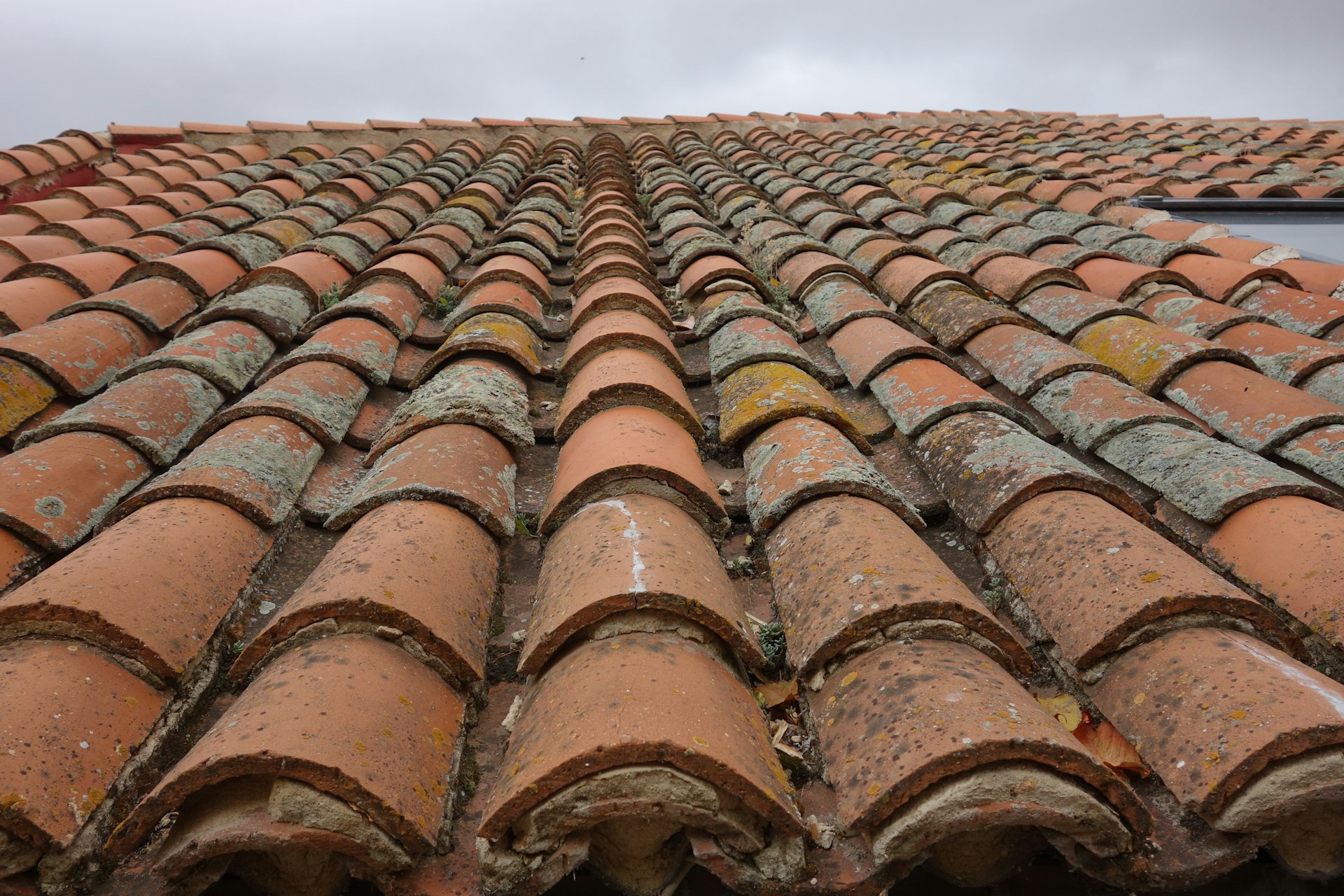
Reclaimed clay tiles are old, durable roof tiles salvaged from historic buildings. They offer colors, shapes, and surface wear you just can’t get from new tiles.
People salvage these roofing tiles during demolition or renovation. Many date back to the 19th or early 20th century and were hand-pressed or shaped right on site. Victorian houses, Spanish Revival roofs, and old industrial buildings—they’re all fair game.
You’ll spot decades of weathering: a little glaze crazing, softened edges, and color shifts you can’t fake. Each tile carries a bit of building history, which helps when you’re matching period restorations. Reclaimed Slate Roofing checks and cleans tiles so they’re ready to go.
Types of Clay Tiles
Here’s what you’ll usually see:
- Mission (S-shaped) tiles: curved, interlocking, great for drainage.
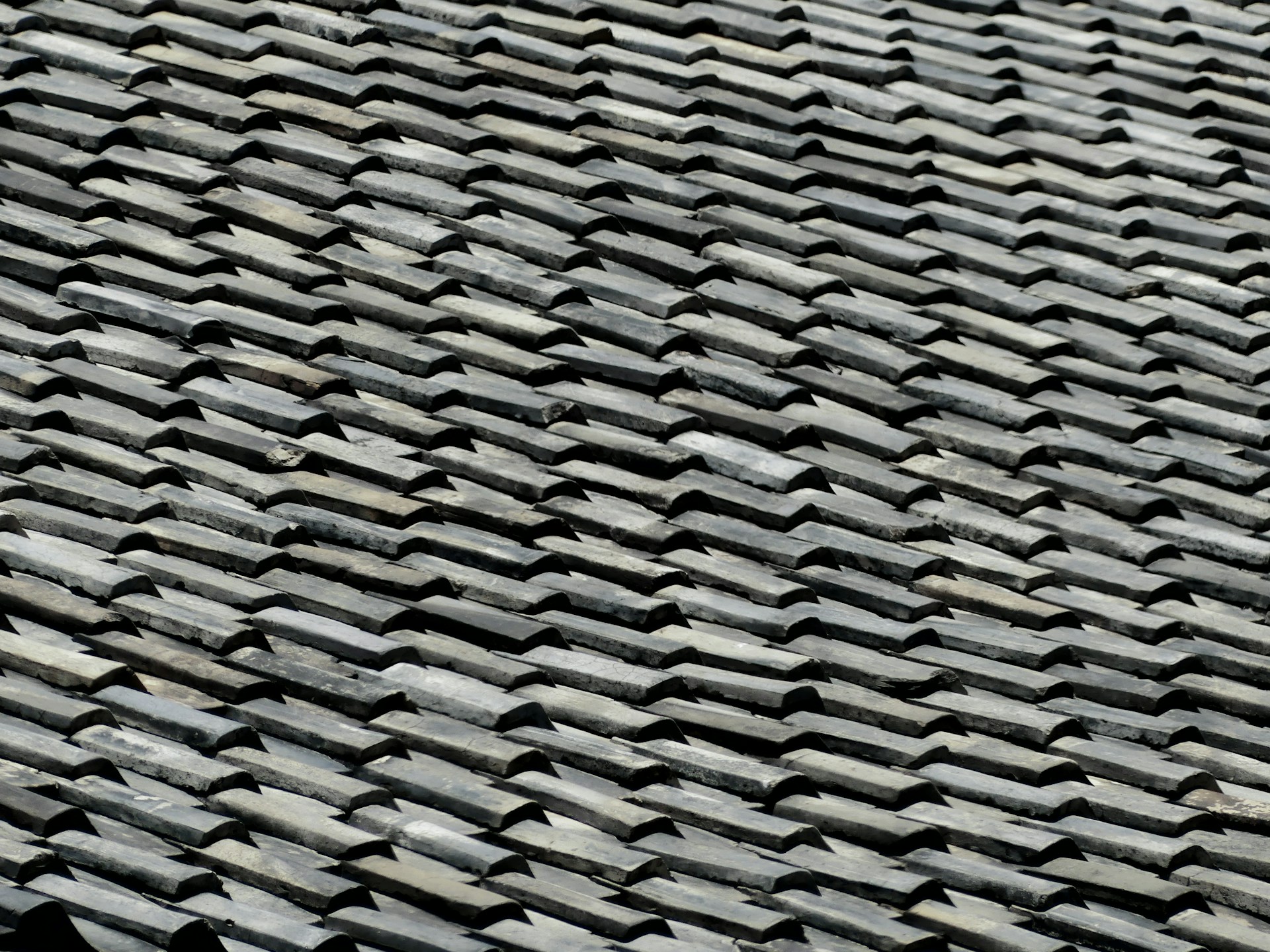
- Flat pantiles: simple, overlapping flats—popular on Mediterranean and colonial roofs.
- Encaustic and decorative tiles: patterned tops for detailed restoration.
Clay body and glaze vary, too. Earthen red terracotta gives you those warm tones. Salt-glazed or ash-glazed pieces show off mottled finishes. Sizes and thickness are all over the place depending on era, so expect some irregularities that’ll affect your layout and flashing.
How Reclaimed Tiles Differ from New Tiles
Reclaimed tiles have genuine aging—patina, minor chips, fitted wear—that blends right into historic roofs. New tiles, honestly, look a bit too uniform and lack those color quirks and edge wear. If you’re restoring period work, reclaimed pieces usually match existing roofs more closely.
If sellers inspect for cracks, frost damage, and overall soundness before shipping, reclaimed clay can be as strong as new. Using reclaimed tiles cuts waste and gets you rare profiles and glazes you won’t find in modern production.
Why Use Reclaimed Clay Tiles
Reclaimed clay tiles cut waste, add unique character, and can cost less than custom-made reproductions. They also make restoration approvals easier when you need original materials.
Environmental Advantages
These tiles reuse material that’s already fired and weather-tested, so you skip the energy and emissions of making new ones. That means less landfill waste and a smaller carbon footprint from quarrying, firing, and shipping.
Buying reclaimed keeps historic materials in circulation, which supports conservation and can even count toward green building credits. You’re extending the life of roofing made decades ago—kind of cool, right?
Stick with suppliers who inspect and clean tiles before selling. Proper vetting means fewer replacements and less waste down the line. Reclaimed Slate Roofing does the prep so you get material ready to lay.
Unique Aesthetic Qualities
Reclaimed clay tiles carry color patina, glaze wear, and kiln quirks that new mass-produced pieces just don’t have. Those differences create depth and preserve the visual authenticity of old architecture.
Older batches often show hand-formed edges, irregular profiles, and weathered surfaces. If you’re matching tiles on a historic roof or want a new build to look genuinely aged, these details matter. Mixing batches can give you a natural blend of tones.
Since every reclaimed tile is a little different, you can order by grade and face color. Ask for sample sets so you can see how the mix looks in sunlight.
Cost Considerations
Reclaimed clay tiles sometimes cost less than custom reproductions, but the price depends on rarity, condition, and quantity. You might save on materials since you’re skipping new manufacturing fees and often get wholesale rates.
Factor in inspection, sorting, and any repairs. Properly vetted tiles speed up installation and cut down on callbacks. Shipping can be pricey for bulky loads, but many suppliers offer jobsite delivery and palletized packing to save time.
Budget for extra tiles to cover breakage and pattern matching. Buying a bit more upfront helps avoid delays. Reclaimed Slate Roofing offers builder-direct pricing and quick shipment to keep things moving.
Using Reclaimed Clay Tiles in Architecture
Reclaimed clay tiles bring historic character and durability to projects. They’re a solid choice when you want authentic looks and weather-tested performance, especially for older buildings.
Roofing Projects
Reclaimed clay tiles work for roof restorations and new builds that need an authentic finish. Use them on pitched roofs for period homes, churches, or storefront canopies where matching original color and profile is key. Always check for cracks, chips, and nail holes before installing to make sure you get a watertight roof.
Sort by grade and size on-site. You’ll probably need new underlayment, flashing, and starter courses to meet codes. Reclaimed Slate Roofing provides cleaned, graded tiles ready to ship, which can really help with tight schedules.
Wall Cladding
Clay tile cladding gives facades a textured, century-old vibe that painted stucco or new terracotta just can’t touch. You can apply tiles as a rainscreen, thin veneer, or full-thickness masonry tie-in, depending on your structure. Use stainless-steel anchors or mortar beds that fit the tile thickness and weight.
Pay attention to freeze-thaw ratings and porosity for exterior walls. Pick tiles with similar clay composition and firing history to avoid weird weathering. Designers love reclaimed pieces for their patina and color variation.
Flooring Uses
Reclaimed clay tiles can work for low-traffic interior floors, covered terraces, and courtyard paving if you prep them right. Choose tiles with flat beds and stable thickness; skip really warped ones unless you’re ready to cut and refit. Grind or sand uneven backs and lay tiles on a mortar bed with flexible grout to handle small variations.
Seal porous reclaimed tiles for indoor or sheltered outdoor use to cut down on staining and moisture. For high-traffic or commercial floors, you might want to use modern equivalents in hidden spots to meet wear and slip resistance standards.
Sourcing and Selection Process
Reliable sourcing comes down to verified materials, consistent grading, and delivery you can plan around. You need reclaimed clay tiles that match in size, profile, and color, with clear batch details so installation stays efficient and predictable.
Consistent Supply and Jobsite-Ready Materials
Reclaimed Slate Roofing sources reclaimed clay tiles directly from architectural demolition and historic structures. Each batch is inspected, cleaned, and sorted by size, profile, and color before shipment. This ensures the material you receive is consistent and ready for installation.
Orders are prepared with accurate counts and shipped directly to jobsites, reducing handling and keeping projects on schedule. Batch consistency also makes it easier to match existing roofs or complete large installations without excessive sorting on site.
Quality Control and Authenticity
Every tile is checked for structural integrity, thickness, and surface condition. Defective or inconsistent pieces are removed during sorting, so installers are working with reliable material from the start.
Prepared batches eliminate the need to separate usable and unusable pieces on site. This improves installation speed and reduces waste, while maintaining a consistent finished appearance across the roof.
Selecting the Right Material for the Project
Tiles are grouped to match project requirements, including size, profile, and color range. This allows contractors and architects to maintain uniform coursing and alignment during installation.
Clear batch identification also supports future repairs. Matching tiles can be sourced from consistent lots, helping maintain the original look of the roof over time.
Efficient Ordering and Delivery
Materials are packaged for protection and shipped with defined timelines. Direct-to-jobsite delivery reduces delays and simplifies logistics, allowing crews to move from delivery to installation without additional prep.
With consistent sourcing, thorough inspection, and reliable delivery, reclaimed clay tiles become a practical and efficient choice for restoration and high-end roofing projects.
Installation of Reclaimed Clay Tiles
Get the roof structure, drainage, and tile inventory sorted before you start. Check flashing, underlayment, and the mix of tile sizes so you can plan layout and fastening.
Site Preparation
Check the roof deck for rot, soft spots, or warping. Replace damaged sheathing with plywood or boards that match the existing thickness. Make sure the slope fits clay tile—most reclaimed tiles need at least a 5:12 pitch.
Install a solid underlayment rated for tile roofs. Use a breathable, tear-resistant underlayment and add a starter course along eaves and rakes. Fit it around chimneys and valleys, then install metal drip edges and counter-flashing.
Sort and grade tiles on-site by color, thickness, and profile. Pull out cracked pieces and set aside matches for repairs. Count extra tiles—plan for 5–15% overage depending on breakage and cuts.
Installation Techniques
Lay tiles from the eave up in straight courses. Use chalk lines every few rows to keep things aligned. For interlocking tiles, follow the pattern pins; for flat tiles, set battens perpendicular to the slope.
Fasten tiles with copper or stainless-steel nails or clips rated for exterior use. Put nails in the right hole or slot, and don’t overdrive—you’ll crack tiles. In windy spots, add extra clips or hooks at the head and tail.
Cut tiles with a diamond blade wet saw or angle grinder with a masonry wheel. Support tiles while cutting to avoid breaks. Fit tiles around roof penetrations with custom-cut pieces and seal with lead or stainless flashing at chimneys, vents, or valleys.
Common Challenges
Matching profiles and colors can slow things down. Use graded pallets from a single batch if you can. Reclaimed Slate Roofing sends sorted, cleaned tiles to help, but expect some hand-selecting on site.
Broken tiles and odd sizes eat up time. Keep a cutting plan and matched spares handy. Thicker underlayment and careful nailing help reduce breakage.
Valleys, hips, and flashings can leak if you rush. Use continuous metal flashing under tiles, overlap underlayment right, and seal joints with compatible materials. It’s smart to check your work with a water test before wrapping up.
Maintenance and Preservation
Keep tiles clean, fix broken pieces quickly, and protect joints and flashings. Regular checkups and basic repairs extend service life and keep that historic character going.
Cleaning Recommendations
Start with a soft brush and low-pressure water to clear off dirt, moss, and loose mortar. Use a 25–50 psi nozzle; higher pressure can crack old clay. Work from the ridge down so you don’t push water under the tiles.
For biological growth, spray on a biodegradable moss/algae remover and let it sit as directed before rinsing. Skip harsh acids or bleach—they’ll weaken glaze and mortar. Always test cleaners on a small spot first.
After cleaning tiles, clear out gutters and valleys. Blocked drainage causes standing water and wears out tiles faster. Keep leaves cleared in autumn and winter.
Repair Methods
Replace full tiles if a piece is cracked through. Use reclaimed tiles that match size, profile, and color to keep the look and roofline. Keep one-to-three spares per 100 sq ft for future fixes.
For small chips, use lime-based mortar or a compatible tile epoxy for edge repairs. Don’t use Portland cement on historic clay—it traps moisture and causes breakage. Re-bed loose tiles by lifting surrounding tiles, scraping out old mortar, and using fresh lime mortar.
Reset or replace flashings and ridge tiles with lead, copper, or approved modern materials. Use stainless steel or copper fasteners to prevent corrosion.
Long-Term Care
Check your roof twice a year and after storms. Look for slipped tiles, mortar loss at ridges, and failed flashings. Keep track of repairs and where you got replacement tiles—provenance matters, especially for older roofs.
Ventilate temperature-sensitive areas well. Poor attic airflow leads to thermal cycling, which cracks clay. Make sure attic vents stay open, and don’t let insulation block them.
Store spare reclaimed tiles somewhere dry and covered, off the ground. Label batches with where they came from and when. If you order from Reclaimed Slate Roofing, hang onto order records and batch IDs for future repairs.
Reclaimed clay tiles offer a practical balance of durability, authenticity, and efficiency for architectural projects. When properly sourced and prepared, they install cleanly, perform reliably, and maintain the historic character that new materials often cannot replicate.
Consistency is what makes the difference. Verified batches, accurate grading, and jobsite-ready preparation reduce installation time and limit waste. Crews spend less time sorting and more time completing the roof, which keeps projects on schedule and under control.
Reclaimed Slate Roofing supplies reclaimed clay tiles that are inspected, cleaned, and sorted for reuse. Materials are delivered ready for installation, helping contractors and architects avoid delays and maintain consistent results across the roof.
With the right materials and preparation, reclaimed clay tiles become a long-term solution that supports both performance and historic accuracy while keeping projects efficient from start to finish.
Frequently Asked Questions
Here’s a quick look at what to check, how to test, cost comparisons, and sourcing tips for reclaimed clay tiles. Plus, where they work best and why they’re good for the planet.
What should I consider when selecting reclaimed tiles for my building?
Look at tile profile, size, and color to match what’s there or what you want. Make sure your roof or floor can handle the load and that installation stays secure.
If you need a lot, check for consistent supply. Ask about batch age, origin, and what restoration or cleaning was done.
How do I determine the quality and durability of recycled clay tiles?
Inspect for cracks, heavy spalling, and hairline fractures. Tap a few tiles—if they ring clearly, that’s usually a good sign for density and low internal damage.
Ask for inspection and sorting documentation. Good suppliers will grade tiles and tell you which are best for roofs, walls, or floors.
What are the potential cost savings when using reclaimed tiles versus new tiles?
Reclaimed tiles can cost less than rare new, handmade clay tiles per unit. You might save on materials, but there’s usually more labor for sorting, fitting, and the odd repair.
Lower landfill fees and less waste help the total project cost. If you want authenticity or aged patina, reclaimed tiles often add value that covers the extra handling.
Can reclaimed clay tiles be used for both roofing and flooring?
Yes, many reclaimed clay tiles work for roofs and covered exterior floors if they meet strength and slip-resistance standards. Check supplier grading for your use.
Don’t use roof-only tiles on heavy-traffic indoor floors. Some reclaimed tiles have thin or uneven backs that just can’t take it.
What are the environmental benefits of using reclaimed clay tiles?
Reusing tiles keeps durable materials out of landfills and cuts down on new clay extraction. That means a lower carbon footprint for manufacturing and transport.
Plus, you’re preserving historic material and craftsmanship. Reclaimed tiles keep existing resources in play—no new kiln firing needed.
How can I find reputable suppliers of reclaimed clay tiles in my area?
Start by asking around for suppliers who actually get their stock from architectural demolitions or historic sites. It’s smart to check if they really inspect, clean, and grade each tile before putting it up for sale—some places cut corners.
If you’re in a hurry or just want less hassle, you might try reaching out to Reclaimed Slate Roofing. They usually have a vetted inventory and can ship nationwide. Still, it’s a good idea to double-check delivery times, return policies, and whether they’ll offer any on-site help before you commit to a big order.