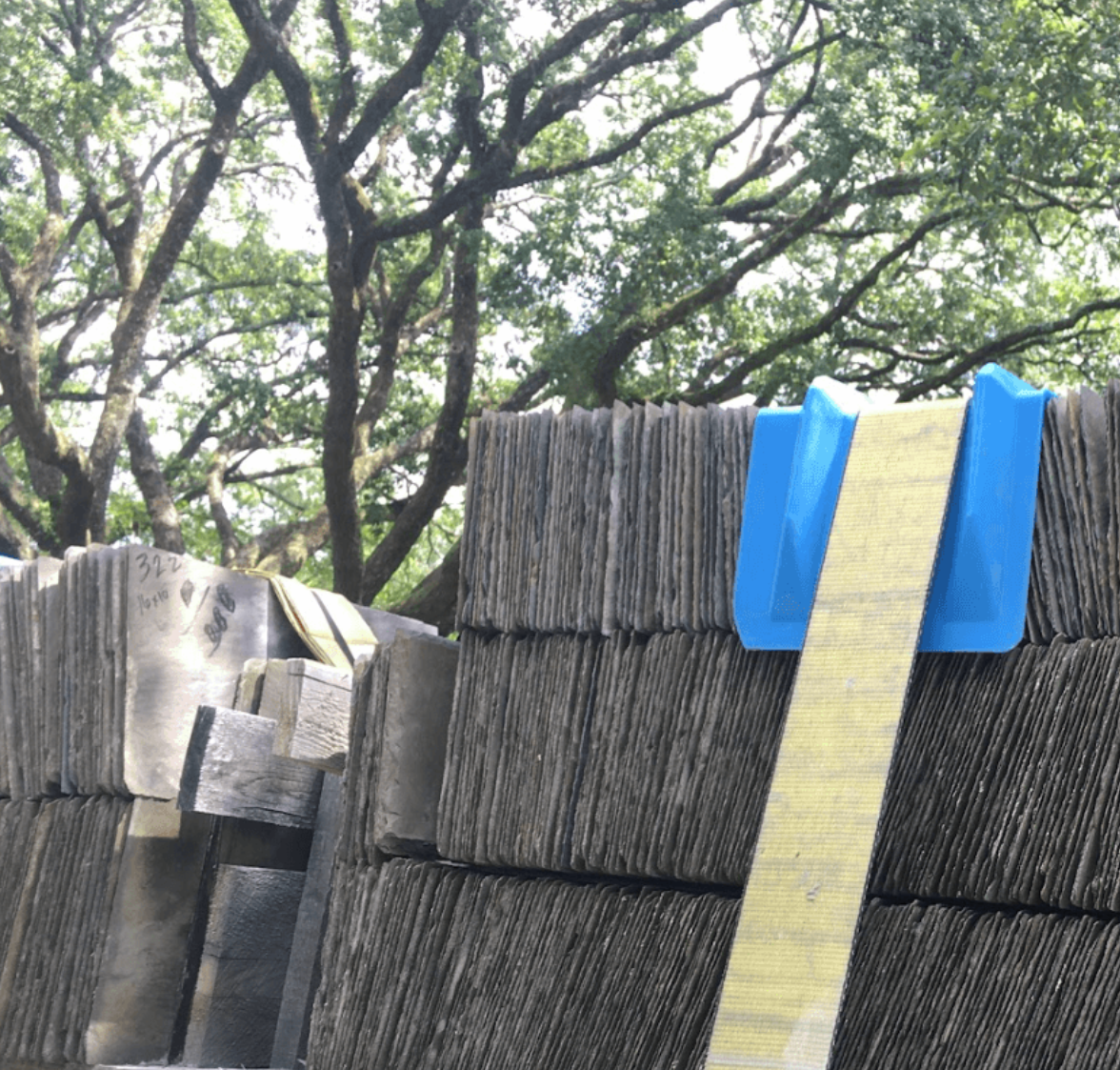
Cold climates demand slate that can handle freeze-thaw cycles, snow load, and sustained wind without failure. Reclaimed slate is a strong option when it has already proven performance in similar conditions. Look for dense material with tight cleavage, consistent thickness, and no structural defects. These factors determine how well the slate will perform over time.
This article outlines how to evaluate reclaimed slate for cold-weather use, including inspection methods, sourcing considerations, and installation practices that improve durability. It also covers maintenance steps that help extend service life in harsh winter conditions.
Reclaimed Slate Roofing supplies reclaimed slate that is inspected, cleaned, and sorted for reuse. Materials are selected for structural integrity and consistency, helping contractors and architects source slate that is ready to perform in demanding climates without additional on-site sorting or delays.
Reclaimed Slate for Cold Climates
Reclaimed slate brings real-world durability, low water absorption, and a long service life to roofs that face freezing weather. What is it, exactly? Why does it perform differently from other materials? And what makes it a smart pick for cold climates?
Reclaimed slate comes from old roofs and buildings—it’s cleaned up, checked, and prepped for reuse. These pieces have already weathered decades, so you’re not guessing about how they’ll hold up.
Expect a mix of sizes, old-school cuts, and a range of thicknesses. Every piece needs a look-over for cracks, delamination, and stains. Good suppliers, like Reclaimed Slate Roofing, grade and catalog their stock so you can match colors and sizes for repairs or whole new roofs.
What’s Different About Slate
Slate is a metamorphic stone with a layered structure that splits into thin, flat sheets. That grain gives it serious dimensional stability, so it doesn’t warp or curl much when winter hits.
Some big qualities:
- Water absorption is super low (usually under 0.5–1%), so it shrugs off frost damage.
- Thick, dense slates hold up to impacts and last longer.
- Natural cleavage means you get consistent, thin roofing tiles that behave predictably—even in rough weather.
Because of this, slate expands and contracts less than most man-made roofing, which keeps fasteners and flashings in place over time.
Slate in Cold Weather: Why It Works
Slate’s low porosity means less water gets in, so freeze-thaw cycles don’t crack it from the inside. That means less winter maintenance and fewer ice-related headaches.
Other perks:
- It lasts for decades, so you’re not replacing your roof every ten years.
- The mass and color of slate can help moderate heat loss and cut down on ice dams (as long as you’ve got good insulation and ventilation).
- It’s sustainable—reusing old slate means you don’t have to quarry new stone, and it often matches historic buildings perfectly.
Make sure the install is done right: solid fastening, the right underlayment, and careful work around valleys and eaves. Reclaimed Slate Roofing checks each batch, so you get slate that’s up to the job.
What To Think About When Choosing Reclaimed Slate
Pick slate that resists freeze-thaw cycles, meets a solid grade, and comes in consistent sizes. That’ll speed up installation and cut down on future problems.
Frost Resistance
Find slate with no signs of freeze-thaw damage. Look for intact surfaces and little flaking. Some small hairline cracks might be fine, but deep fissures or exfoliation are red flags. Ask your supplier for lab results or inspection notes on water absorption and freeze-thaw performance.
If you’re checking samples, try a wet-freeze test: wet the slate, let it dry, and see if new flakes pop up. Go for slate with low water absorption (under 1% by volume) since it sheds water and resists ice expansion best.
Slate Grade and Quality
Use reclaimed slate that’s graded for roofing, not thin stuff meant for decoration. Good roofing slate is dense, flat, and free of big inclusions or seams that could split under weight. Ask about the grade or where it came from—roof-quality slate often comes from old roofs with a proven track record.
Look for consistent color and grain in your shipment. If you’re working with Reclaimed Slate Roofing, double-check their vetting notes. Reject lots with big repairs, wildly inconsistent thickness, or nail holes that mess with how the slate’s anchored.
Thickness and Dimensions
Pick thickness based on your roof’s slope and expected snow load. Standard reclaimed roofing slate is usually 1/4" to 3/8" thick for steeper slopes, and up to 1/2" or more for low-slope or heavy-snow areas. Thicker slate handles nailing and foot traffic better.
Ask for bundles with consistent dimensions. Mixed sizes mean more waste and slower installs. Tell your supplier what size you need, and make sure they sort by thickness and length before shipping.
Evaluating the Source and History of Slate
Find out where the slate came from and how it was used. Check the roof type, age, and any repairs so you know what you’re getting.
Identifying Previous Usage
Ask for photos or records showing the slate on its original roof. Look for nail holes, cut edges, and weathered surfaces—these show it was used as roofing, not just decoration. Slate pulled from ridges or valleys can have odd cuts and extra wear; skip heavily fractured or over-cut pieces.
Flip the slate over and check for tool marks and old nail holes. Consistent holes and solid bedding planes mean easier installation. If the seller can’t show provenance or clear images, ask for a small sample before you commit.
Verifying Slate Age and Integrity
Try to match the slate’s age to known quarries or regional styles. Some of this stuff is a century old and still going strong if it’s tightly layered and not flaking apart. Watch out for scaling, powdery surfaces, or moss—these could mean the slate’s breaking down.
Tap a few samples and listen for a clear ring; check edges for flaky layers. Ask about how the supplier sorts or grades their slate—good suppliers separate the strong, reusable pieces from the junk. If you’re buying from Reclaimed Slate Roofing, get their inspection notes and delivery photos before you start your job.
Testing and Inspecting Slate for Durability
Check each slate for surface wear, hidden cracks, and water resistance before using it. Focus on flaking, how it sounds under a light tap, and how much water it absorbs.
Visual Appearance and Flaking
Look for clean edges and a smooth split. Minor scratches? Not a big deal. But if you see loose scales or active flaking, especially along edges, that’s a problem. Flaking shows up as thin sheets peeling off when you run your thumb over it.
Check nail holes and tails. If holes are torn or tails are crushed, the slate might split when fastened. Watch for hairline cracks running edge-to-edge; those can fail fast in freeze-thaw cycles.
Sort slates by color and thickness. Only keep what matches your roof’s needs. Set aside questionable pieces for water testing.
Testing for Water Absorption
Weigh a dry slate, soak it for 24 hours, then weigh it again. Good reclaimed roof slate for cold climates should absorb less than 0.5% by weight. Anything higher, and you’re risking freeze damage.
Can’t soak it? Try a quick spot test: put a few drops of water on the face and watch for 10–15 minutes. If the water beads up, porosity is low. If it soaks in and darkens, flag it for more testing.
Keep track of your test results and match sets for each section of the roof. If you’re buying from Reclaimed Slate Roofing, ask for their inspection records and photos to make sure each lot passed.
Preparing Slate for Installation in Cold Conditions
Cold-weather installs need some planning—controlled storage and careful handling keep the slate strong and your crew safe.
Acclimating Slate to the Site
Bring slate to the jobsite at least 2–3 days before installation, when temps are above freezing. Cold stone is brittle; letting it warm up to the roof temp cuts breakage during cutting and nailing. Stack bundles flat on pallets off the ground so air can circulate.
If it’s staying below 25°F, give it more time to acclimate or use heated storage. Don’t move slate straight from a warm truck onto a frozen roof. Check each piece for fractures and pull out any that seem weak before you start laying courses.
Proper Storage Before Use
Store slate under a waterproof, breathable cover. Tarps need to vent or they’ll trap moisture and ice. Keep stacks low (no more than three bundles high) to avoid crushing tiles and make grabbing them easier. Use level ground or pallets to keep them off wet soil.
Label stacks by size and grade so the crew can grab what they need without extra handling. If snow or ice piles up, brush it off gently—don’t bang on frozen slate. For pre-inspected, ready-to-use reclaimed material, Reclaimed Slate Roofing ships bundles that are cleaned, sorted, and set for cold weather jobs.
Installation Considerations for Cold Climates
Roofs in cold climates need the right underlayment, fasteners, and ventilation to handle ice, wind, and moisture. Choices here make a big difference.
Suitable Underlayments
Pick a high-grade synthetic underlayment or heavy felt that’s rated for low temps. These stand up to leaks when ice dams push water under slates. Use a self-adhered ice-and-water shield on eaves, valleys, and low slopes to seal seams where meltwater pools.
Lap underlayment tight, shingle-style—at least 4 inches—and fasten with stainless or polymer-capped nails so they don’t back out in the cold. On steep roofs, add a second layer where local codes or exposure demand it. Replace any underlayment that feels brittle or cracks during install.
Proper Fastening Techniques
Use stainless-steel or copper nails sized for your slate’s thickness and exposure. Skip galvanized—they’ll corrode. Nail through the headlap into solid sheathing—usually two nails per slate, more for high-wind or exposed ridges.
Pre-drill holes for thicker reclaimed pieces so they don’t split. Set nails flush but not overdriven, so the slate can move a little. For valleys and flashings, fit slates tight to metal and secure both with compatible fasteners to keep out wind-driven snow.
Ventilation and Insulation Requirements
Give the roof a continuous ventilation channel from eave to ridge to keep the deck close to outside temps. This cuts down on ice dams by stopping attic heat from melting snow unevenly. Use baffles at eaves and keep at least a 1-inch air gap above insulation.
Insulate to modern R-values and air-seal the ceiling so warm air doesn’t leak up. Put vapor control where it’s needed—usually on the warm side of the insulation—to block moisture from getting into the roof. Check your local code for exact ventilation rates; good insulation and ventilation together are your best shot at avoiding ice damage.
Maintaining Reclaimed Slate in Harsh Winters
After heavy frost or snow, take a look at your slate and remove snow safely to avoid overloading. Watch for cracked or slipped pieces and keep gutters clear for meltwater.
Inspecting After Frost and Snow
Check your roof within a couple days after a big freeze or snowstorm. Walk around and look from the ground with binoculars for loose, cracked, or slipped slates.
If you need to get on the roof, bring a partner and use fall protection. Look for hairline cracks, broken hooks, and missing mortar at ridges and hips. Valleys and flashings are trouble spots for ice dams—pay extra attention there.
Take photos and jot down notes on any damage. Replace broken slates quickly to stop leaks. If a bunch of slates show weathering, you might want to source matching reclaimed pieces from Reclaimed Slate Roofing for a seamless repair.
Cleaning and Preventing Moss Growth
Tackle moss and algae early in spring, before they really start to take over. Grab a soft-bristle brush and rinse with low pressure—never a power washer. High pressure can break or lift slates, and that’s a headache you don’t need.
Stick a zinc or copper strip along the ridge to slow down regrowth. When it rains, metal ions wash down and help keep moss at bay. If you’re dealing with heavy buildup, pick a biocide that’s manufacturer-approved, follow the label, and rinse it off after it does its job.
Keep gutters and downspouts clear so water doesn’t sneak under the slates. Trim back overhanging branches to let in more sunlight and air—drier roofs make moss less interested and help your reclaimed slate last longer.
Environmental and Economic Advantages
Reclaimed slate cuts down on waste and saves energy, and it often costs less than freshly quarried slate. You get tough, tested materials that shrink your roof’s environmental footprint and might even save you money on the whole project.
Reducing Environmental Impact
Choosing reclaimed slate keeps usable tiles out of landfills. Each piece skips the energy and emissions that come with quarrying, cutting, and shipping new stone.
You also drop the embodied carbon for your build. Reclaimed slates are already out there—they just need cleaning, grading, and a ride to your site. No quarry blasts, no heavy processing. That’s a big deal, especially in cold climates where you want materials that last and don’t need swapping out soon.
It’s smart to inspect and vet each piece before using it. Matching slates to your roof pitch and snow loads helps you avoid problems down the road and cuts down on waste from repairs.
Cost-Effectiveness of Reclaimed Slate
Reclaimed slate usually sells at builder-direct or wholesale rates, often beating the price of new premium slate. You save not just on materials, but also on structure—reclaimed slate tends to be lighter than some synthetic or oversized new options.
Labor costs drop, too. Pre-graded, inspected pieces install faster, so your crew spends less time fiddling with adjustments. Quicker installs mean fewer hours and lower job costs.
If you’re sourcing, go with suppliers like Reclaimed Slate Roofing. They inspect, clean, and grade everything before shipping, so you’re less likely to run into hidden defects or budget surprises.
Common Mistakes to Avoid When Selecting Slate
Don’t fall for the idea that all reclaimed slate is equal. Check for consistent thickness and solid nail-holding quality. Thin or warped pieces break easily when freeze-thaw cycles hit.
Skip the wrong fasteners. Use copper or stainless steel nails—especially in cold climates—to avoid corrosion. Hot-dipped galvanized nails might not last on older reclaimed slate.
Don’t skimp on inspection. Look for hidden cracks, delamination, and too much weathering. Ask your supplier about their testing process.
Slate grade and origin matter. Some reclaimed batches mix soft, crumbly pieces with tougher stone. Make sure the slate grade matches your climate and roof pitch.
Don’t overlook flashing and underlayment. Even the best slate won’t help if the details aren’t right. Bad installation cancels out good material.
If the price seems too good to be true, be careful. Super cheap lots often hide quality issues or high waste. Balance cost with durability and salvage rate.
Order extra for repairs and color variation. Reclaimed slate can be tough to match later, so plan ahead for spares.
For ready-to-ship batches, check out Reclaimed Slate Roofing. They inspect and clean each piece so you get authentic slate that’s up for cold-climate jobs.
Frequently Asked Questions
Here’s where we get into the nuts and bolts of using reclaimed slate in cold, snowy, and freeze-thaw environments. Expect some straightforward advice on weight, sizing, installation details, and keeping your roof in good shape for years.
How does the weight of reclaimed slate affect its suitability for cold climates?
Heavier slate means more load on your roof framing. Make sure your roof structure can handle the weight of the slate plus snow and ice.
Ask a structural engineer if your rafters, joists, and connections meet code for combined roof and snow loads. If needed, beef up the framing before you put on reclaimed slate.
What are the benefits of using reclaimed slate in regions that experience extreme winter conditions?
Reclaimed slate has already proven it can handle weather for decades. It resists fire, sheds snow, and wears slowly compared to lots of modern roofing.
You also cut down on waste and keep the historic look. Reclaimed Slate Roofing checks and vets pieces, so you get ready-to-install material that’s already stood the test of time.
How do I estimate the right size and quantity of reclaimed slate for a roofing project in a colder area?
Measure your roof in square feet, then add 10–15% for waste, cuts, and breakage. Cold climates usually need more overlap and extra starter or edge pieces, so lean toward the higher end of that range.
Count slates by exposure (the visible height) and the size you’re using. Share your roof plans and preferred slate sizes with your supplier for a precise cut list and delivery estimate.
What maintenance considerations should I be aware of for reclaimed slate roofs in cold climates?
Check flashing, valleys, and chimney areas every spring after the snow’s gone. Ice can lift flashing and let water sneak under slates, so look for anything loose.
Clear off heavy snow only if you really have to, and always use roof-safe tools. Fix broken or slipped slates quickly to keep water and freeze damage out.
Can reclaimed slate roofing withstand the freeze-thaw cycles typical of cold environments?
If you pick high-quality, well-vetted reclaimed slate, it can handle freeze-thaw cycles just fine. Selection matters—go for slates without hairline cracks and with solid surfaces.
Installation and underlayment count, too. Use underlayment and flashing made for cold climates to control moisture and dodge issues from all that freezing and thawing.
What should I look for in a slate roofing manual when installing reclaimed slate in a cold climate?
Check for clear details on underlayment, where to put ice-and-water shield, and what nails to use (and how far apart to space them). The manual ought to cover exposure limits for each slate size and give advice based on your roof’s pitch.
Make sure it explains flashings, step valleys, and how to handle snow—like whether snow guards are necessary. If anything seems off or confusing, don’t just guess. Reach out to your supplier or talk to a roofer who knows reclaimed slate.